The Biggest Risk in a Small-Volume Project Is Excessive Development Scope
Small-volume buyers often face a contradiction: the market has not yet been validated, but they want the product to stand out in appearance, optical configuration, and packaging. If the first order involves new molds, new materials, new coatings, exclusive colors, and custom retail boxes at the same time, development fees, sampling rounds, material MOQs, and lead times quickly accumulate. If sales fall short of expectations, much of that investment cannot be amortized through later volume.
The key to small-volume customization is therefore not to customize as much as possible. It is to direct a limited budget toward features that customers can genuinely notice and that the supply chain can reproduce consistently. B2B buyers should first distinguish among rapid private labeling, configuration upgrades, and deep ODM, then define the development scope for the initial order.
Step One: Start with a Proven Platform Instead of Developing New Tooling
Lock Down the Optical and Structural Platform First
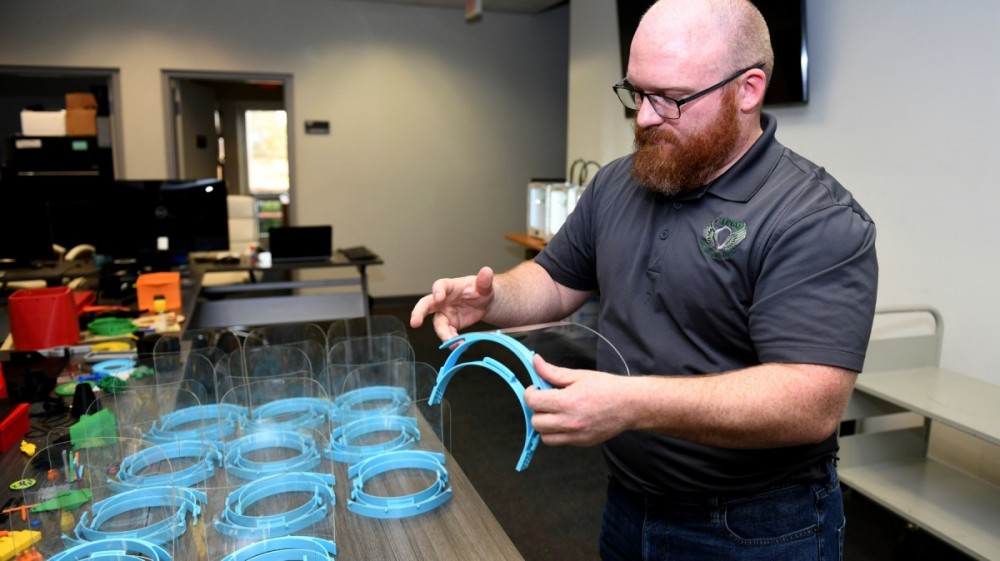
For a first customization project, the safer route is to select a model close to the target market from an existing production-proven roof-prism, Porro-prism, or compact platform, then adjust the brand-visible elements. Mature platforms usually have a stable BOM, tooling, assembly process, and historical quality data. Their development risk is significantly lower than changing the barrels, hinge, or eyepiece structure from scratch.
Put High-Visibility, Low-Engineering-Risk Items in the First Order
For the initial order, prioritize customization of the logo, body color, strap, soft case, manual, barcode, and retail packaging. If market positioning requires it, upgrade to BAK4 prisms, ED glass, coating systems, waterproofing, or accessory bundles, but only within already validated options. New proprietary molds, new optical structures, and special mechanical parts are better reserved for a second phase after sales have been validated.
Step Two: Break the MOQ Down Instead of Asking for One Number
“What is the MOQ?” is often not a complete question. A small-volume project should distinguish at least among the product MOQ, the MOQ for the logo process, the MOQ for exclusive colors or materials, and the MOQ for printed packaging. The current FORESEEN OPTICS FAQ is: for non-custom products is usually 5-50 units, while customized products typically range from 50 to 500 units depending on the depth of customization. Lead times for customized products are also generally longer than for standard products. Each project should be recalculated based on its actual materials and processes.
If the product itself is needed only in a low quantity but the printed retail box has a higher MOQ, consider using a neutral box with a branded sticker for the first batch, short-run digital packaging, or a clear agreement on who will store the remaining boxes and how soon they will be used. This separates product-inventory risk from packaging-material risk.
Step Three: Divide Sample Approval into Three Stages
A small-volume project should not move directly into production after reviewing only one final sample. A staged approval process is more effective:
• Functional sample: confirm magnification, field of view, eye relief, focusing, optical-axis alignment, waterproofing, handling, and other core performance first, without rushing into complete branded packaging.
• Branded sample: after functionality is approved, confirm logo placement, color, manual, accessories, and packaging artwork so that visual revisions do not interfere with technical approval.
• Golden Sample: grant final approval and lock the BOM, Pantone colors, logo process, accessory list, packaging version, and critical acceptance criteria. This becomes the comparison standard for the first production run.
This approach separates product issues from branding-material issues. If optics, structure, and packaging all change in every sampling round, version control becomes confusing and the team may ultimately be unable to determine which sample production should replicate.

Step Four: Use the First Order to Verify Production Instead of Treating a Sample as Proof
A sample can be tuned individually by the most experienced technicians, but the real risk appears when the product must be reproduced at scale. The first trial order should verify that raw materials match the approved sample, the logo and packaging use the final files, assembly feel is consistent, and critical characteristics such as optical-axis alignment, cleanliness, and waterproofing do not vary across the batch.
QIMA’s Initial Production Check is typically carried out from the start of production until about 20% of the order has been completed. It checks raw materials, initial units, artwork, and packaging, helping identify deviations while they can still be corrected. SGS also offers multi-stage product inspections from the start of production through in-process checks and final random inspection. For a low-quantity first order with high brand risk, buyers may even require 100% inspection of critical optical and functional items, while appearance and packaging can follow AQL sampling or another sampling plan agreed by both parties.
How Should Small-Volume Buyers Choose the Depth of Customization
| Customization Level | Typical Scope | Development Risk | Recommendation for Small Volumes |
| Rapid Private Label | Logo, manual, barcode, existing accessories | Low | Suitable as a starting point for the first order |
| Packaging and Appearance | Retail box, soft case, strap, existing color range | Low to Medium | Confirm packaging MOQ and color-tolerance standards first |
| Configuration Upgrade | Prisms, coating system, waterproofing, ED glass, and other proven options | Medium | Use only combinations already validated by the supplier |
| Structure and Proprietary Mold | New housing, hinge, eyecups, or proprietary mechanical parts | High | Invest only after sales become stable |
| Full ODM from Scratch | New optical design + new structure + new molds | Very High | Do not make the first small order carry all development risk |
Step Five: Separate Development Costs from Unit Price and Preserve Room for the Second Order
The first order should not force all NRE, sampling, tooling, and packaging development costs into the unit price. A clearer quotation separates one-time development charges, the first-order unit price, and tiered pricing at different quantities. This lets buyers assess whether the project is worth continuing, how much lower repeat-order costs may be, and which investments cannot be recovered if the project is stopped.
At the same time, avoid launching too many SKUs in the first order. Developing 8×42, 10×42, 10×50, and several colors at once spreads the limited quantity across more BOMs and packaging versions, reducing purchasing leverage and quality-control efficiency. Small-volume brands are usually better served by validating one or two core SKUs first, then expanding the line based on actual sell-through, return rates, and customer feedback.
FORESEEN OPTICS Recommendation: Verify Reproducibility Before Expanding Small-Volume Customization
For small-volume buyers, a supplier creates the most value by dividing requirements into what must be done now and what can wait until sales grow, rather than by accepting every special request. Proven platforms, clearly separated MOQs, staged sample approval, a Golden Sample, a locked BOM, and first-run production inspection allow development risk to be tested in stages instead of being concentrated in a single bet.
Conclusion
The goal of small-volume custom binoculars should not be to produce a completely different product in the first order. It should be to validate the market, product, and supplier at the lowest controllable cost. Start with a proven platform and execute the highly visible, low-engineering-risk customizations well. Once sales data confirms the direction, gradually increase investment in optical configurations, structure, and proprietary molds. This is a more reliable path to a sustainable OEM/ODM product line.