Blog
-

How We Match the Right Binoculars with Your Target Market?
October 20, 2026
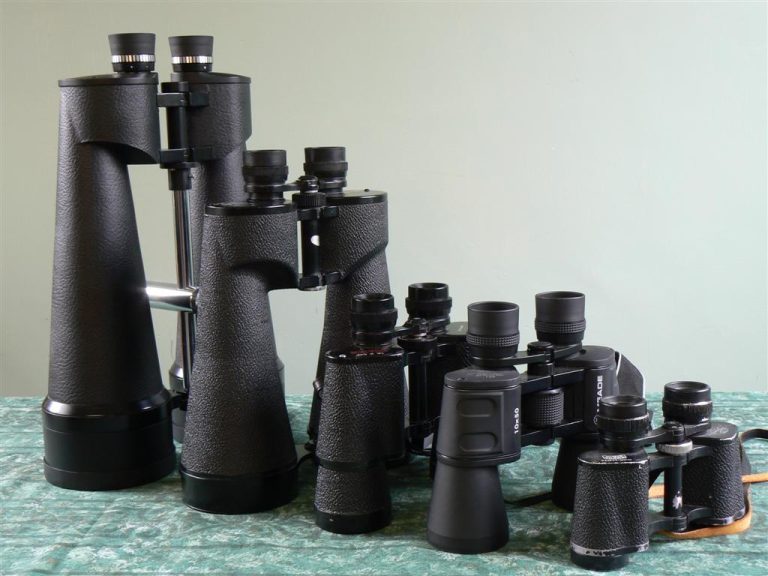
Before Choosing a Product, We First Need to Understand Your Business When brands and wholesalers first request a factory quotation, they often start with specifications such as ‘8×42, BAK4, FMC.’ Yet the same 8×42 binoculars may need to meet very different expectations in a European birdwatching specialist shop, a North American outdoor retail channel, or…
-

How to Choose a Red Dot Magnifier for an AR-15
October 19, 2026
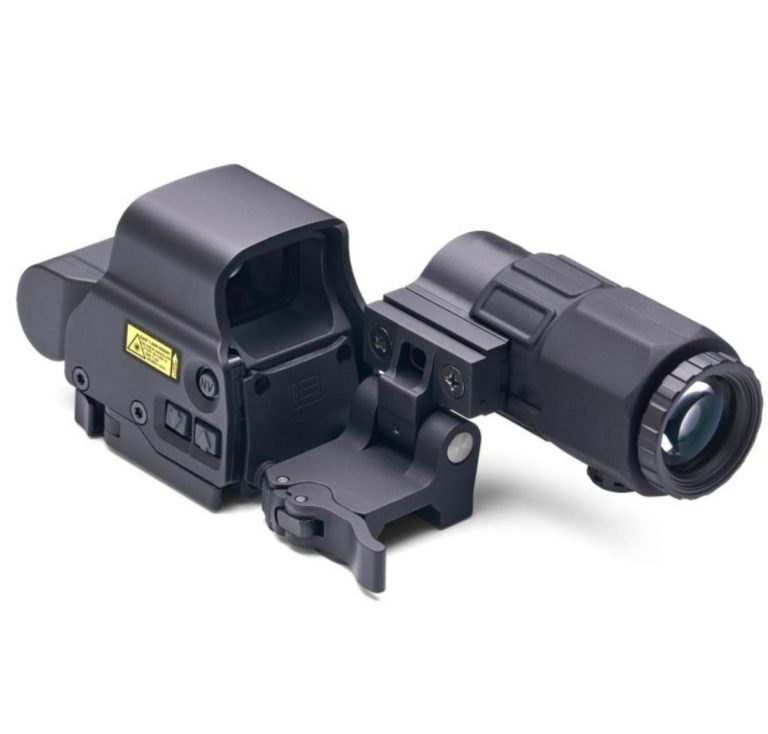
A red dot sight is quick and simple to use, but what if you also want a closer look at a distant target? Adding a magnifier can give you more viewing detail without replacing your existing red dot. Still, choosing the right red dot magnifier for an AR-15 involves more than picking a magnification level….
-

Thermal Red Dot vs. Traditional Red Dot: What’s the Difference?
October 16, 2026
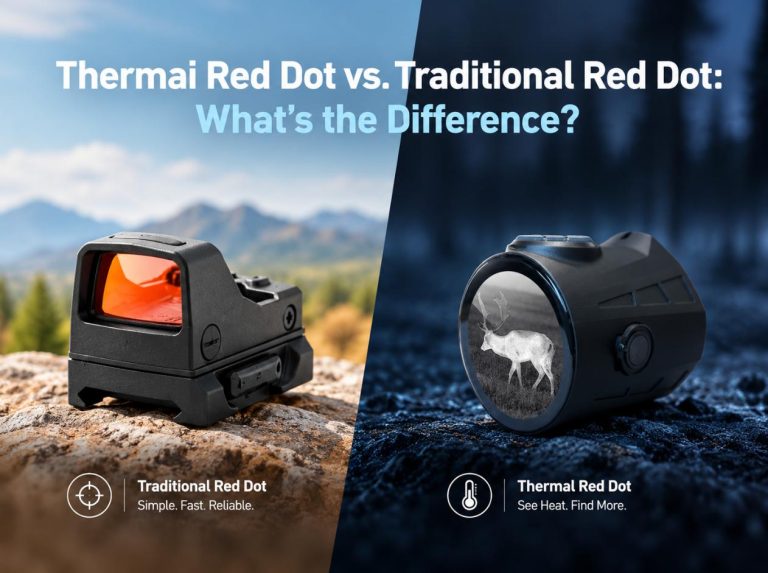
A traditional red dot sight helps you place an aiming point on a target. A thermal red dot sight adds a different kind of information: it can show heat patterns that may be difficult or impossible to see with the naked eye. But does that extra capability make it the better choice? Not necessarily. The…
-

Do Amazon, E-Commerce Platforms, and Outdoor Stores Need Different Binoculars?
October 15, 2026
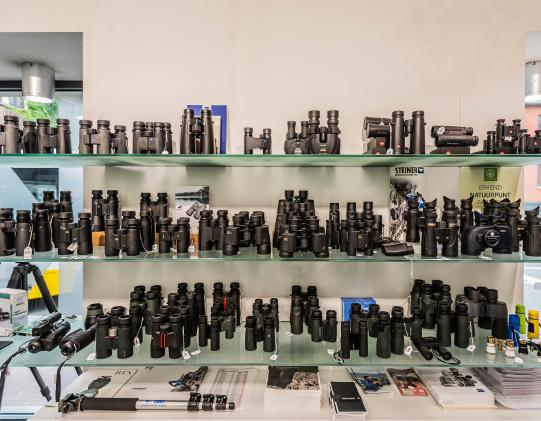
Different Channels Do Not Necessarily Require Three New Binocular Designs For wholesalers, brands, and importers, Amazon Marketplace, independent websites and general e-commerce platforms, and physical outdoor stores present three different buying environments. Amazon shoppers typically compare the main image, price, ratings, and specifications first. Independent websites rely more on brand content, bundles, and use-case storytelling….
-

Why Can a Nominally 1× 1–8× or 1–10× LPVO Still Look Minified?
October 13, 2026
Since 2023, FORESEEN has invested in R&D and testing for high-zoom-ratio LPVO OEM projects such as 1–8× and 1–10× models. Working with established brand customers, we have finalized designs and produced samples. After customers receive those samples, we often hear a very specific comment: “The lowest setting is labeled 1×, but why does the target look…
-
How Binocular Accessory Bundles Increase the Average Order Value
October 10, 2026
Accessories Are Not Freebies: They Help Define the Binocular Product When planning a binocular product, many wholesalers focus on magnification, objective lens diameter, prisms, coatings, and waterproof ratings, while treating straps, carrying cases, smartphone adapters, and tripod adapters as free extras in the box. Yet consumers are willing to pay for a more complete solution…
-

What Binocular Features Will Buyers Actually Pay For?
October 9, 2026
Buyers Pay for Noticeable Benefits, Not More Specs For wholesalers, brands, and retailers, willingness to pay does not imply a fixed premium. The test is whether buyers notice a gain when first handling, viewing, or using binoculars outdoors—and whether staff can explain it in one sentence. Separate baseline essentials, visible upgrades, and features for specific…
-

How Should Wholesalers Build a Three-Tier Binocular Product Line?
October 5, 2026
Three Price Tiers Have Three Different Commercial Roles For binocular wholesalers and regional distributors, the most common product-line problem is not too few models. It is a lack of clear reasons to buy one model over another. Entry-, mid-, and premium-priced models may appear to differ only slightly in specifications. Customers struggle to see why…
-

How Can the Same Binocular Model Be Adapted for Different Countries and Sales Channels?
October 2, 2026
The Same Product Does Not Require the Same Sales Strategy For brands, importers, and channel customers operating across multiple countries, one of the fastest ways to increase costs is to develop a new binocular model for every new market. A more efficient approach is to establish a stable base platform, then make modular adjustments to…
-

Importing Hunting Optics from China to Saudi Arabia: A Guide to Supply Chains and Brand Partnerships Amid Red Sea Disruptions
September 30, 2026
For importers building a hunting optics brand in Saudi Arabia, or sourcing riflescopes, binoculars, rangefinders, and other outdoor optics from China, one question has become increasingly practical in recent years: China still has a highly developed optical manufacturing supply chain. How can products reach Saudi Arabia reliably and predictably? Red Sea shipping, in particular, has…
-

How to Choose the First Binoculars Product for a New Brand to Enter the Market?
September 30, 2026
The First Product Should Not Cover Every User, but Build a Replicable Sales Starting Point For a new brand entering the binoculars market, the most important factor of the first product is not having the strongest specifications, but whether it can be quickly understood by customers, accepted by channels, keep initial order inventory risks under…
-

What Makes a Red Dot Sight Housing Durable? Design, Alloy and Machining
September 30, 2026
A durable red dot sight housing is not defined by one material specification or one impressive test number. It is the result of several decisions working together: how the housing handles load, how its geometry distributes stress, which alloy is selected, how accurately it is machined, how the surface is protected, and how the final…