Small Batches Are Not the Problem; Uncontrolled Customization Scope Is the Real Risk
Small-batch customers typically face two pressures: they want the product to have a distinct brand identity, yet their order volume is not large enough to spread the costs of tooling, special materials, packaging minimums, and repeated sampling. The real danger is not a small first order, but changing the optical system, housing structure, color, accessories, and packaging all at once before the market has been validated.
A safer approach is to shift the development goal from “creating a completely different product” to “creating a marketable difference with the fewest possible changes.” Control technical and inventory risks first, then gradually deepen customization as repeat-order volume grows.
Step 1: Determine the Required Level of Customization
| Customization Level | Typical Content | Primary Risk | Small-Batch Recommendation |
| Branding Layer | Logo, labels, manual, and outer packaging sleeve | Low | Prioritize for the first order |
| Appearance and Accessories | Body color, strap, soft case, and lens-cap combination | Medium-Low | Use existing colors and standard accessories where possible |
| Optics and Functions | Prisms, coatings, eye relief, waterproofing, and eyecups | Medium-High | Modify only items directly related to the target use case |
| Structure and Tooling | New housing, new hinge, proprietary tooling, and a new optical path | High | Define NRE, tooling ownership, and the ongoing order plan |
Step 2: Prioritize a Proven Platform Instead of Starting from Scratch
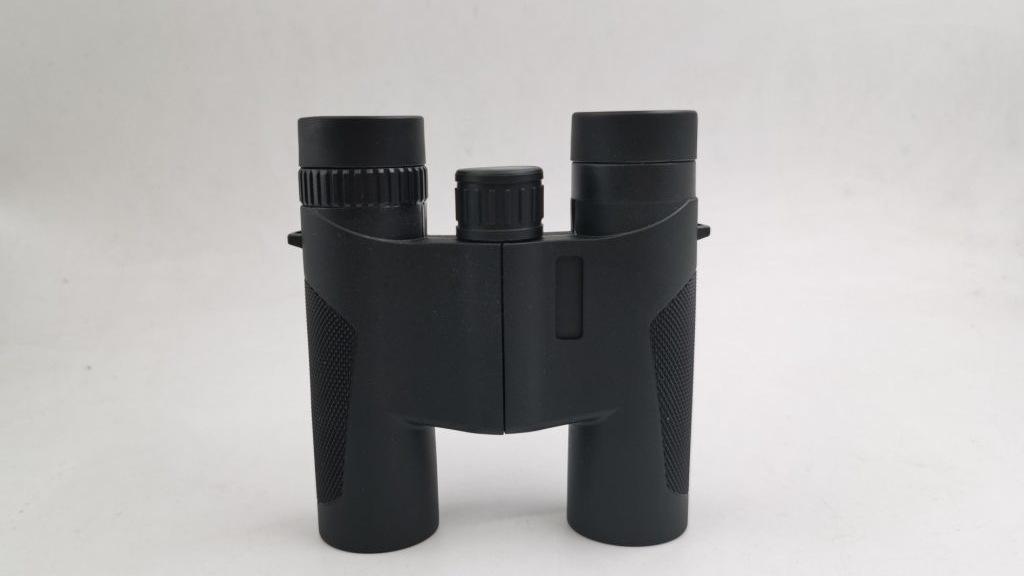
A proven platform has usually completed optical matching, structural assembly, material sourcing, and basic reliability validation. Adjusting the logo, color, accessories, and packaging on this foundation reduces the uncertainty created by a new BOM, new fixtures, and new processes, while making delivery schedules easier to control.
The FORESEEN OPTICS website currently states that the MOQ for non-customized products is generally 5 to 50 units, while customized products typically range from 50 to 500 units depending on the scope of customization. Some proven compact platforms support trial orders of 40 units with logo and packaging customization. This shows that MOQ is determined not only by unit count, but also by how many materials and processes the changes involve.
Step 3: Break Down the MOQ Instead of Asking for One Number
The product MOQ, logo MOQ, color-box MOQ, accessory MOQ, and special-material MOQ may all be different. For example, the factory may be able to produce 100 units, while the printer requires a larger quantity of color boxes; the body may use existing black material, while a custom rubber color requires a separate compound batch. When these conditions are combined into one overall MOQ, buyers cannot easily identify the true sources of cost.
- Use a neutral box, labels, or a printed sleeve for the first order, then upgrade to a full-color box after sales stabilize.
- Prioritize the supplier’s existing straps, soft cases, and lens caps to avoid sourcing materials separately for small accessories.
- Require the quotation to itemize the product, sampling, NRE, printing-plate charges, and leftover packaging materials.
- Clarify who will store unused color boxes, manuals, and accessory inventory, and how long they will be retained.
Step 4: Divide Sampling into Three Stages
Functional Sample: Validate Product-Market Fit First
Use a standard platform first to validate sharpness, field of view, eye relief, handling, focusing, and the intended use case. Do not wait for full branded packaging; if the direction is wrong, the early design cost becomes sunk.
Customized Sample: Confirm Appearance and Configuration Changes
In the second stage, add the logo, color, accessories, or optical upgrades and document every change. For coatings, waterproofing, or eyecup construction, confirm that the sample uses the materials and processes planned for mass production.
Preproduction Sample: Lock Mass Production with a Golden Sample
The preproduction sample must confirm the product, manual, labels, barcode, color box, and packing method. Retain the signed Golden Sample with the specification, BOM, and defect standards so mass-production acceptance relies on documented criteria rather than subjective descriptions.
Step 5: Lock In Non-Negotiable Quality Requirements
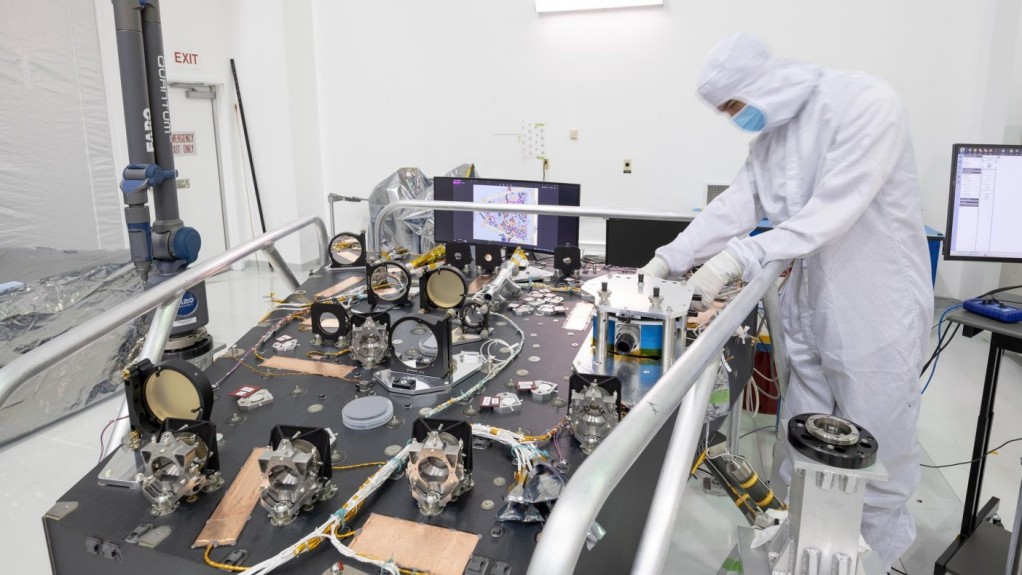
A small order may simplify packaging, but it should not lower standards for optical-axis alignment, assembly cleanliness, or mechanical reliability. At a minimum, the purchasing specification should define the following:
- Optics: double images and optical-axis alignment, center sharpness, chromatic aberration, field of view, and effective eye relief.
- Mechanical: focusing resistance, backlash, eyecup positions, hinge tension, and diopter-ring stability.
- Environmental: when marketed as waterproof or fogproof, the corresponding test depth, duration, and acceptance criteria.
- Appearance: rubber color variation, logo position, surface scratches, and visible foreign matter inside the lenses.
- Packaging: accessory list, barcode, shipping marks, drop protection, and the proportion of spare color boxes.
Step 6: Use a Trial Order to Gain Data, Not to Secure the Lowest Price Immediately
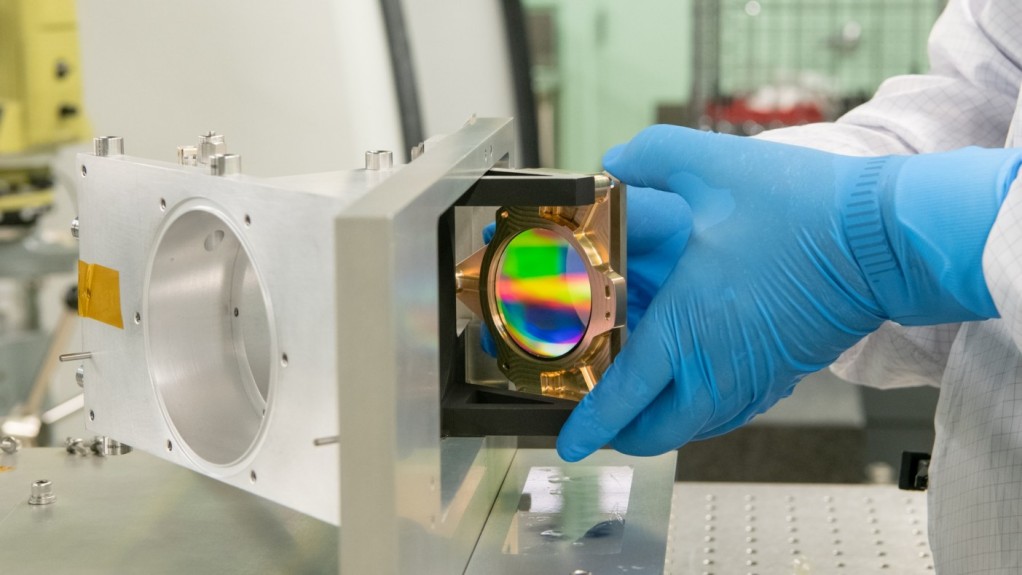
The primary purpose of the first order is to validate channel acceptance, reasons for returns, packaging integrity, and reorder speed—not to obtain the lowest EXW price. A healthier approach is to use a low MOQ that the supplier can execute, accept a reasonable unit-price premium, and reduce costs through tiered pricing, annual volume forecasts, and jointly purchased materials after sales data becomes stable.
Once replenishment becomes stable, consider custom colors, higher-grade coatings, proprietary structures, or a family of SKUs. This bases the cost of deeper customization on actual sales rather than optimistic forecasts.
Step 7: Define Six Areas of Responsibility in the Contract
- What work is included in NRE, sampling fees, and tooling charges, and how revision rounds are counted.
- Ownership and usage rights for tooling, drawings, packaging files, and brand assets.
- Critical BOM items, materials, coatings, or accessory suppliers may not be changed without written approval.
- How costs, lead times, and obsolete materials will be handled when a design changes after sample approval.
- Who bears the costs of rework, replacement shipments, discounts, and international freight for nonconforming products.
- How repeat orders will maintain consistency in color, feel, packaging, and optical performance.
Step 8: Match the Inspection Plan to the Small-Batch Order
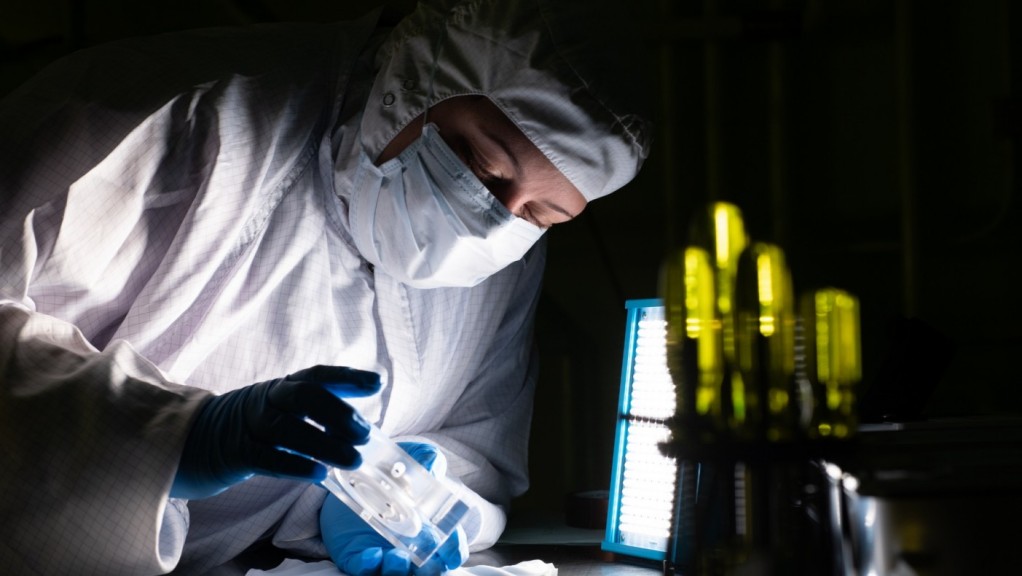
ISO 2859-1:2026 provides lot-by-lot sampling plans for inspection by attributes indexed by AQL, but small-batch projects should not apply sampling tables mechanically. For high-risk items such as optical-axis alignment, basic functions, the logo, and the packaging model, the factory can be required to conduct 100% inspection; minor appearance defects can then be accepted by sampling.
When third-party inspection is required, provide the Golden Sample, specification, defect classification, and packaging requirements in advance. SGS states that a final random inspection is generally conducted when production is 100% complete and at least 80% of the goods are packed, covering appearance, performance, quantity, packaging, labeling, and shipping-related checks.
FORESEEN OPTICS Recommendation: Use “Platform-Based Development + Phased Upgrades” for Small-Batch Projects
For new brands, regional distributors, tourism projects, and small outdoor channels, start by selecting a product close to the target market from a proven Compact or Roof Binoculars platform. On the first order, complete only the branding layer and the necessary use-case configuration. After obtaining real sales and after-sales data, proceed with optical upgrades, proprietary structures, and series-based packaging.
Conclusion
For small-batch customers, the key to reducing development risk is not abandoning customization but controlling its sequence: select a proven platform before creating minimal differentiation; validate function before investing in packaging; and complete a trial order before upgrading the structure. By breaking down MOQ, staging samples, locking the BOM, and clearly defining quality standards and responsibilities, even a small order can become the starting point of a sustainably scalable product line.