Waterproofing, Fogproofing, and Nitrogen Filling Are Related, but They Are Not the Same Concept
In binocular specification sheets, Waterproof, Fogproof, and Nitrogen-filled are often listed together, leading many end users and even procurement professionals to treat them as synonyms. In fact, waterproofing describes the body’s ability to resist water ingress; fogproofing concerns whether internal optical surfaces will develop condensation when temperature and humidity change; and nitrogen filling is a manufacturing process used to reduce the amount of moisture inside the instrument.
The three features can appear together, but they cannot replace one another. A product may have basic rain-resistant construction without nitrogen filling, or it may claim to be nitrogen-filled without providing clear sealing specifications or immersion-test results. For wholesalers, importers, and OEM/ODM brands, the key is not seeing three marketing terms, but confirming the construction, process, and acceptance conditions behind each one.
Waterproofing: Preventing External Water from Entering the Housing
A Waterproof Rating Must Always Include the Test Conditions
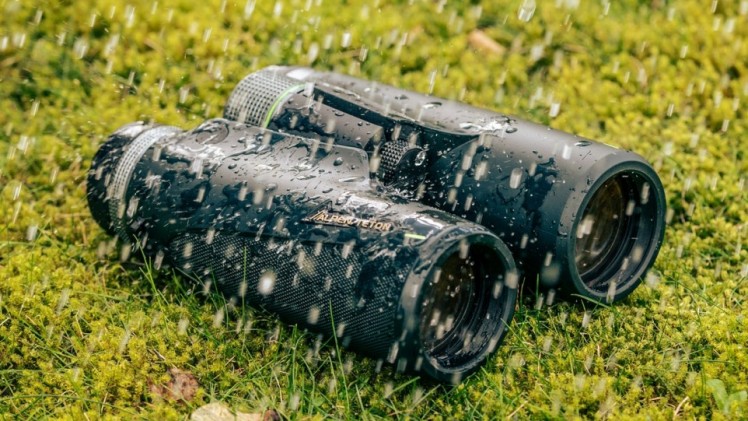
Binocular waterproofing usually relies on O-ring seals, sealing compounds, enclosed focusing systems, and structural control at the barrel and hinge joints. An executable specification should not merely state “Waterproof.” It should also define the test method, immersion depth or rainfall intensity, test duration, and the conditions permitted after testing.
The Nikon MONARCH HG explicitly states resistance to immersion at a depth of 5 meters for 10 minutes and explains the use of O-ring sealing and nitrogen filling for waterproof and fogproof performance. Some compact FORESEEN OPTICS roof-prism models use a project-specific definition of 1 meter for 30 minutes. Both descriptions allow buyers to evaluate channel suitability and after-sales risk more effectively than a vague “All-weather” claim.
Waterproof Does Not Mean the Product Can Remain Submerged Indefinitely
Rain resistance, short-term immersion, and prolonged underwater use represent different levels of performance. Many outdoor binoculars can withstand rain, dew, or accidental drops into shallow water, but they are not suitable for extended underwater operation. Wholesalers should require suppliers to state the test conditions according to the target market, preventing a claim of “rain resistant” from being expanded into “suitable for diving” on the retail page.
Fogproofing: Preventing Condensation on Internal Optical Surfaces
External Lens Fogging and Internal Fogging Are Not the Same
When binoculars move quickly from a cold environment into a warm, humid space, moisture in the air may condense on the colder glass surfaces. Fogging on the external objective or eyepiece lenses can usually be resolved through acclimatization, ventilation, and proper cleaning. If moisture enters the barrels and condenses on internal lenses or prism surfaces, however, the user cannot wipe it away directly. The image may remain hazy for a long time, and the risk of mold and corrosion may increase.
Fogproof therefore usually refers to internal fog prevention, rather than a promise that moisture will never appear on the outside glass in any weather. A hydrophobic coating on the external surfaces can help water droplets roll off and make cleaning easier, but it cannot replace body sealing and internal moisture control.
Nitrogen Filling: One Process Used to Achieve Internal Fogproofing
Nitrogen Replaces Humid Air Inside the Barrels
After assembly, replacing the air inside the barrels with dry nitrogen reduces the internal moisture content and therefore lowers the likelihood of internal condensation during sudden temperature changes. Steiner’s N2 Injection system uses dry nitrogen together with sealed construction, while Nikon also combines nitrogen filling with O-ring sealing for fog prevention.
Nitrogen Filling Is Not a Waterproof Rating by Itself
If the housing is not reliably sealed, nitrogen will gradually escape and humid outside air will enter again. Nitrogen filling must therefore be combined with airtight construction, sealing components, and leak testing. Conversely, even a well-sealed product may develop internal condensation in changing temperatures if humid air remains trapped inside during assembly.
What Differences Can End Users Actually Experience?
| Item | Primary Problem Addressed | End-User Experience | Common Misconception |
| Waterproofing | Rain, dew, or immersion water entering the body | More reliable use in rain, wetlands, and marine environments | Assuming that Waterproof means the product can remain submerged for long periods |
| Internal Fogproofing | Moisture condensing inside the barrels | The image remains clear after temperature changes | Assuming that the external lenses will also never fog |
| Nitrogen Filling | Reducing moisture inside the barrels | Less internal condensation and better environmental adaptability | Treating nitrogen filling as an independent waterproof rating |
| External Hydrophobic Coating | Water droplets and dirt adhering to external lenses | Water rolls off more easily and the lenses are easier to clean | Assuming that a hydrophobic coating eliminates the need for sealing |
Which Combination Is Appropriate for Different Markets?
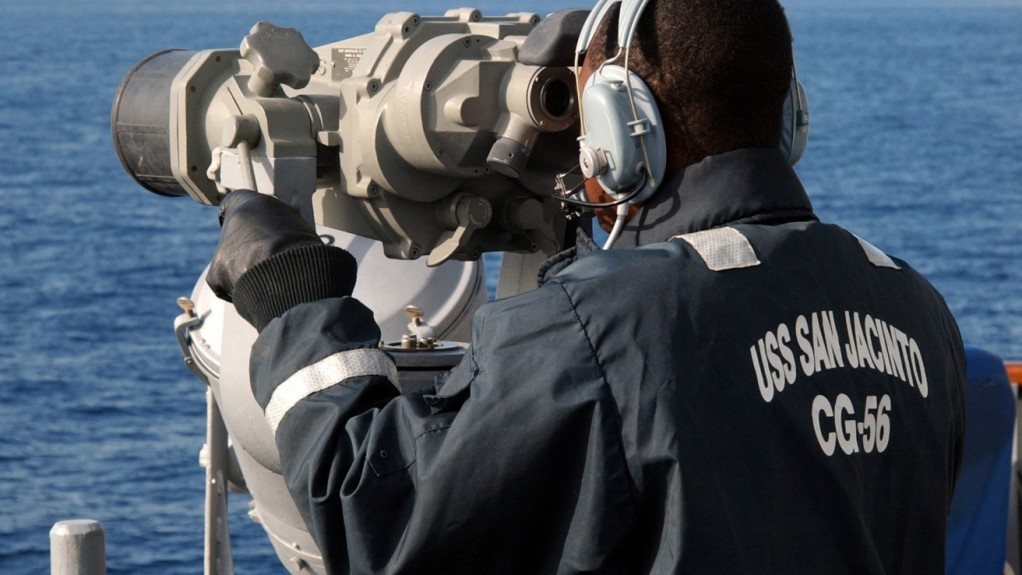
Not every product requires the same protection level. Binoculars for indoor performances, sporting events, and promotional gifts generally prioritize cost, low weight, and basic splash resistance. Hiking, birding, and general hunting products are better suited to reliable sealing combined with dry nitrogen filling. Marine, tropical-rainforest, and long-term high-humidity projects should further specify immersion, temperature-and-humidity cycling, salt-spray, or corrosion testing.
For a B2B product line, the sensible approach is to create protection tiers according to the use case rather than applying the same “Waterproof & Fogproof” description to every SKU. Higher protection levels add seals, assembly labor, testing costs, and costs for screening out nonconforming units, and should therefore translate into clear channel value and price positioning.
What Evidence Should Wholesalers Require from the Supplier?
1. Define the Test Conditions and Acceptance Criteria
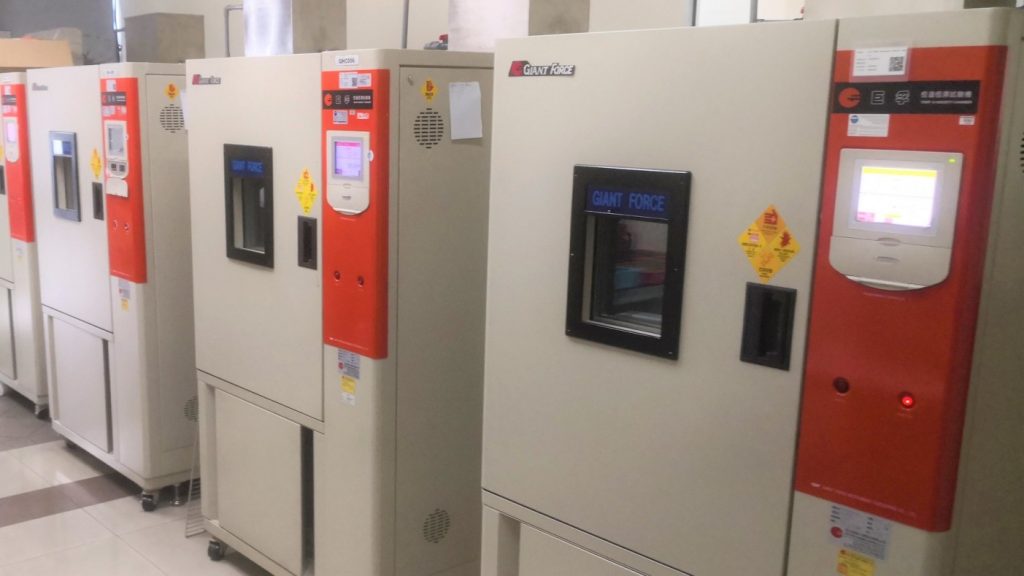
The purchasing specification should clearly state rainfall or immersion conditions, duration, sample condition, and post-test acceptance criteria—for example, no internal water ingress, no internal condensation, and normal operation of the focusing and diopter mechanisms. Temperature, humidity, and rainfall testing for optical instruments may refer to the ISO 9022 series, with specific parameters then selected according to the target market.
[References: ISO 9022-2: Cold, Heat, and Humidity; ISO 9022-7: Drip and Rain; ISO 14133:2025 Binocular Specifications]
2. Verify Sealing, Nitrogen Filling, and Mass-Production Consistency
The supplier should identify the locations of the seals, explain the nitrogen-filling process, and describe the airtightness or leakage test method. These requirements should be locked into both the Golden Sample and the production BOM. For the first order, buyers can arrange immersion testing, temperature-and-humidity cycling, and pre-shipment sampling. After cooperation becomes stable, AQL levels and periodic verification can be set according to historical defect rates.
3. Be Cautious of Quotations That Provide Marketing Terms Without Test Conditions
- The specification states only Waterproof, without defining depth, duration, or rainfall conditions.
- The specification states only Nitrogen-filled, without explaining the sealing construction or leakage testing.
- An external hydrophobic coating is described as whole-unit waterproofing or internal fogproofing.
- The sample has undergone immersion testing, but the bulk order has no sampling ratio or acceptance criteria.
- Seals, lubricants, or the nitrogen-filling process are changed between batches without updating the BOM.
FORESEEN OPTICS Recommendation: Define Protection as an Acceptable, Verifiable Specification
For international wholesalers and outdoor brands, waterproofing, fogproofing, and nitrogen filling should not be merely three icons on a product page. They should be converted into verifiable product definitions. FORESEEN OPTICS can match different sealing structures, nitrogen-filling solutions, waterproof tests, and packaging accessories to the requirements of birding, hunting, travel, marine, and tropical environments, while supporting low-MOQ sample validation and the development of mass-production inspection standards.
Conclusion
Waterproofing prevents external water ingress, fogproofing prevents internal condensation, and nitrogen filling is a process used to reduce internal moisture. Reliable outdoor binoculars usually require the three to work together: structural seals block moisture, dry gas lowers internal humidity, and immersion and temperature-and-humidity testing verify the result. In wholesale procurement, rather than asking only whether a product is “waterproof and fogproof,” buyers should require the supplier to provide test conditions, process descriptions, and mass-production acceptance standards.