Many binocular brands, wholesalers, and channel buyers making their first purchase treat ‘higher magnification is better’ as an obvious selling point. In real retail settings and everyday use, however, higher magnification does not necessarily make a product easier to sell. As magnification rises, the field of view narrows, hand shake becomes more noticeable, and demands on weight and construction increase. If target buyers do not need to study fine details at long range, chasing the highest magnification often adds cost and raises the risk of returns.
High Magnification Is Not the Only Answer: The Overall Balance Determines the Experience
Following the logic of the English article you provided, a binocular specification should not start with how many features to change. It should work backward from the target customer, sales channel, and use case to determine which changes matter. Magnification is only one part of the optical system; objective diameter, field of view, exit pupil, weight, focusing speed, structural stability, and retail positioning all matter. Established platforms such as 8×42, 10×42, 8×25, and 10×25 remain popular in most mainstream markets precisely because they offer a practical balance of magnification, field of view, stability, and cost.
1. Magnification Priorities Differ by Target Market
Birding: Field of View, Tracking, and Comfort Usually Matter More Than Maximum Magnification
Birdwatchers need to locate moving subjects quickly and observe them continuously among treetops, in wetlands, and across changing distances. A wide field of view, fast focusing, a suitable close-focus distance, and forgiving eye placement are therefore often more important than 12× or 15× magnification. For most brands, 8×42 and 10×42 binoculars are safer core platforms. An 8× model is generally steadier and offers a wider view, while 10× provides more reach without sacrificing too much versatility.

Hunting and Outdoor Use: Prioritize Low-Light Performance, Stability, and Weather Resistance
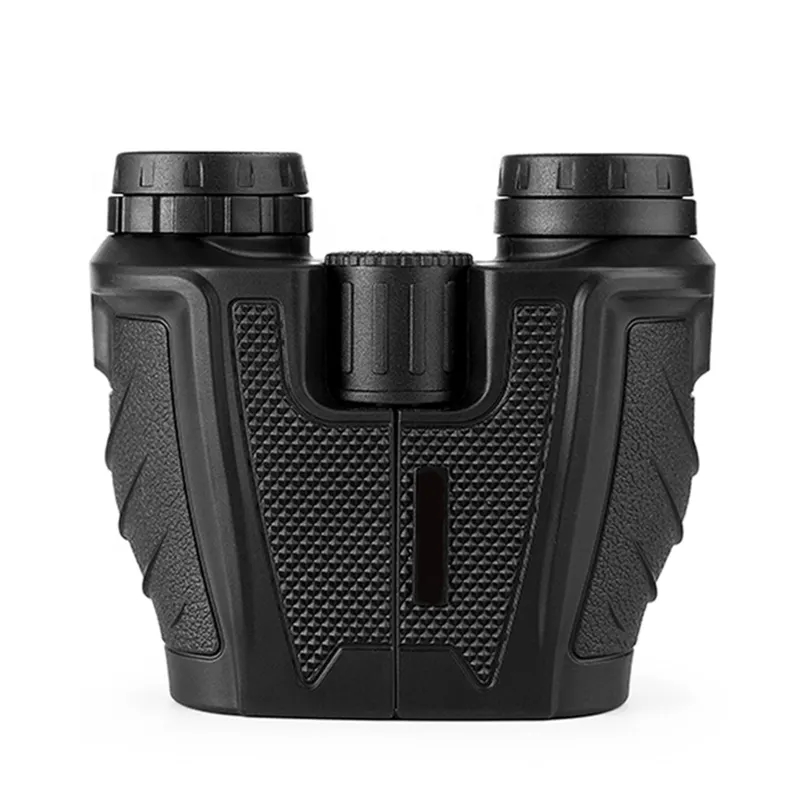
Hunting and outdoor observation often take place at dawn, at dusk, or in difficult weather. Users then tend to care more about clarity in low light, waterproofing and fog resistance, a steady grip, and reliable construction than about maximum magnification. If greater magnification is not matched by body stability, optical light transmission, and usable handling in low temperatures, the view may simply feel shakier and harder to use. Established combinations such as 10×42 and 8×56 are therefore usually more likely to deliver steady sales than an indiscriminate move to higher magnification.
Here is a small-batch OEM customization guide.

Travel and Gifts: Lightweight, Portable, Easy-to-Use Models Convert More Readily Than High-Magnification Ones
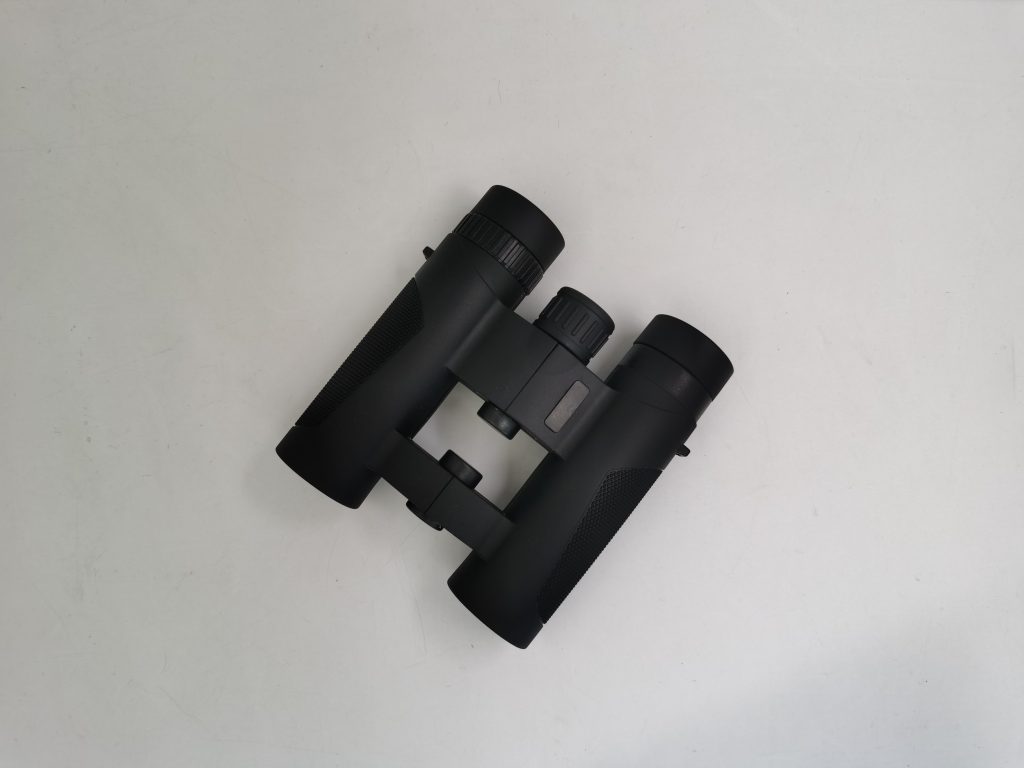
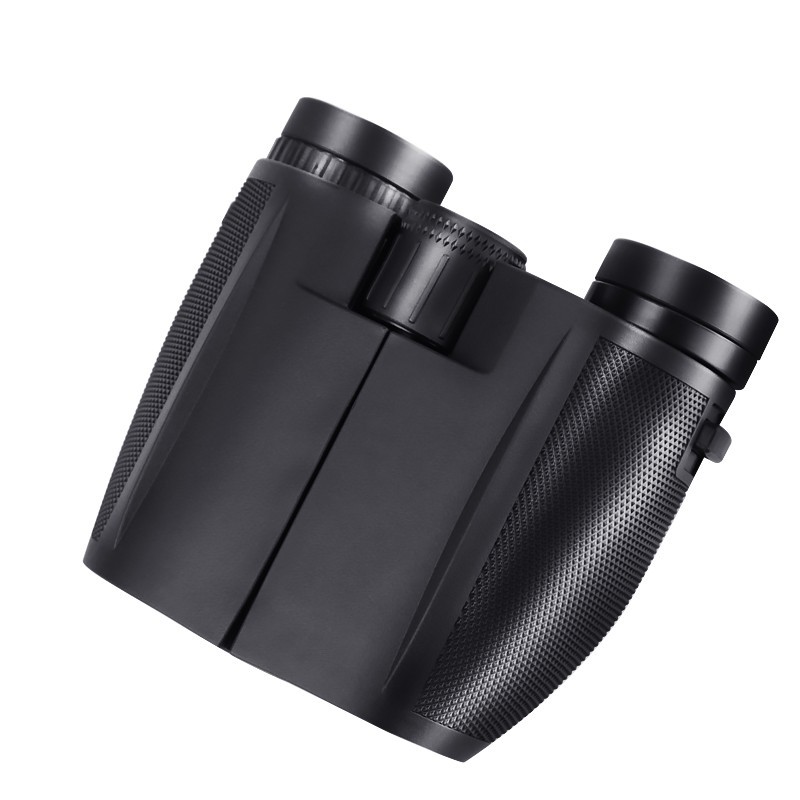
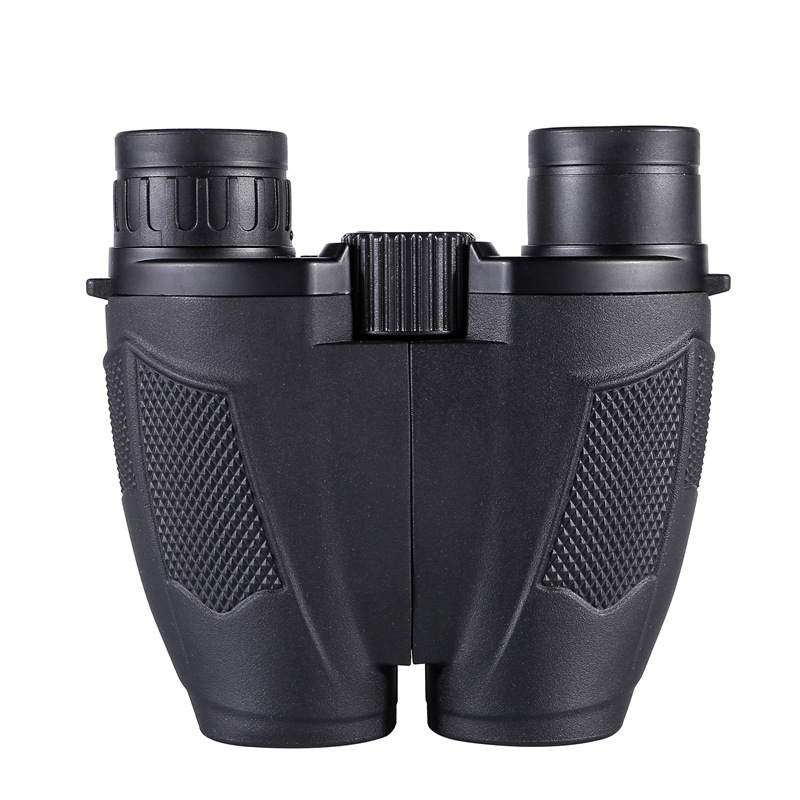
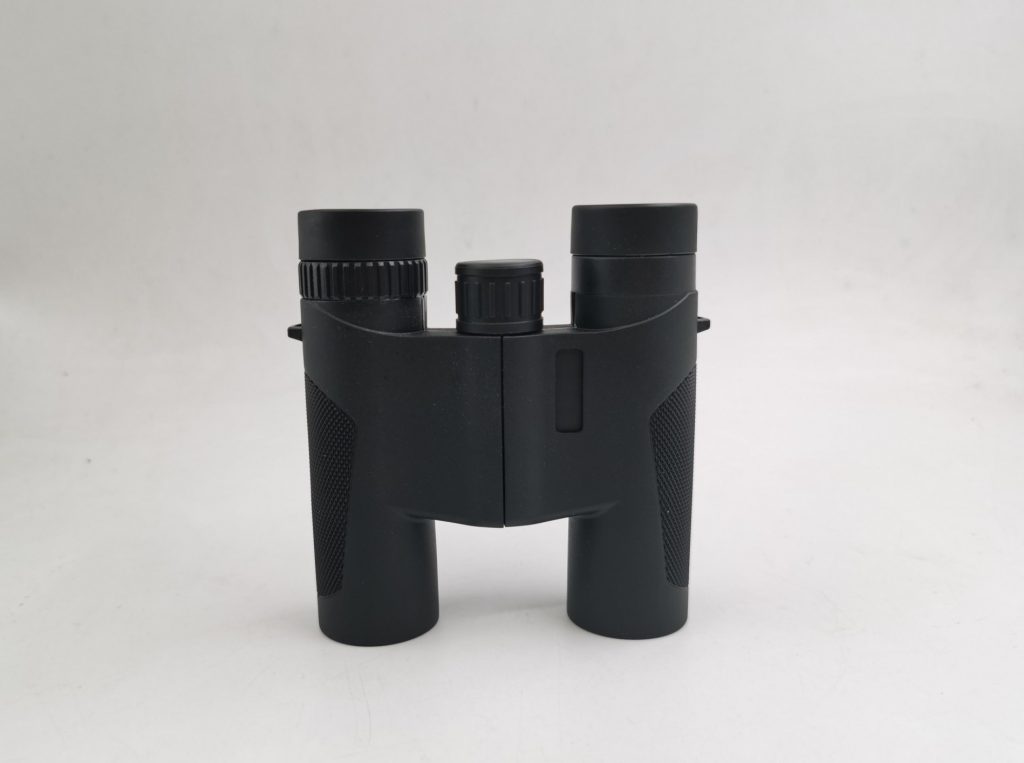
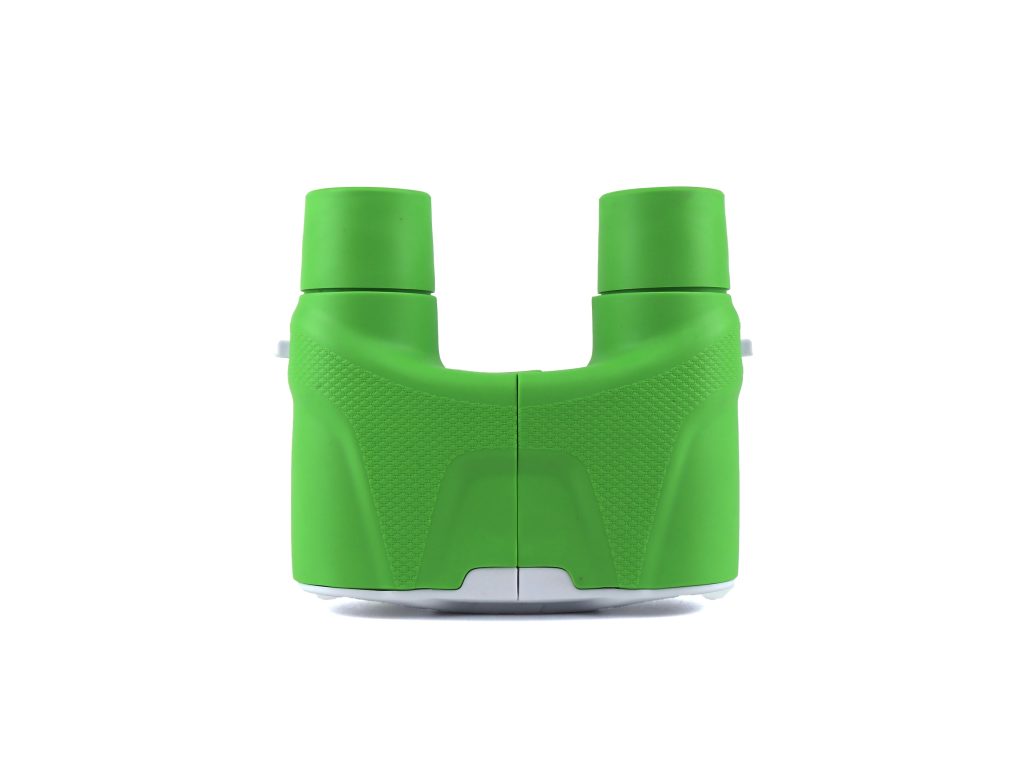
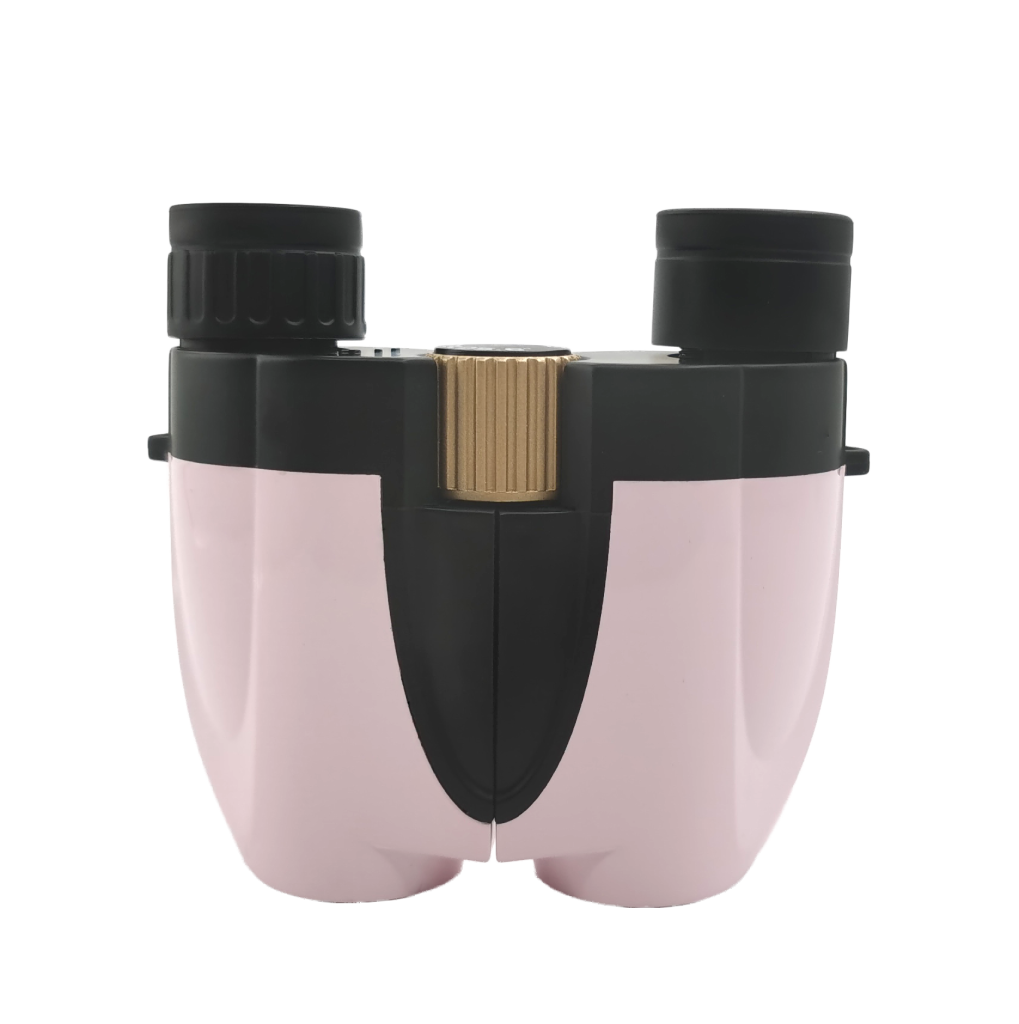
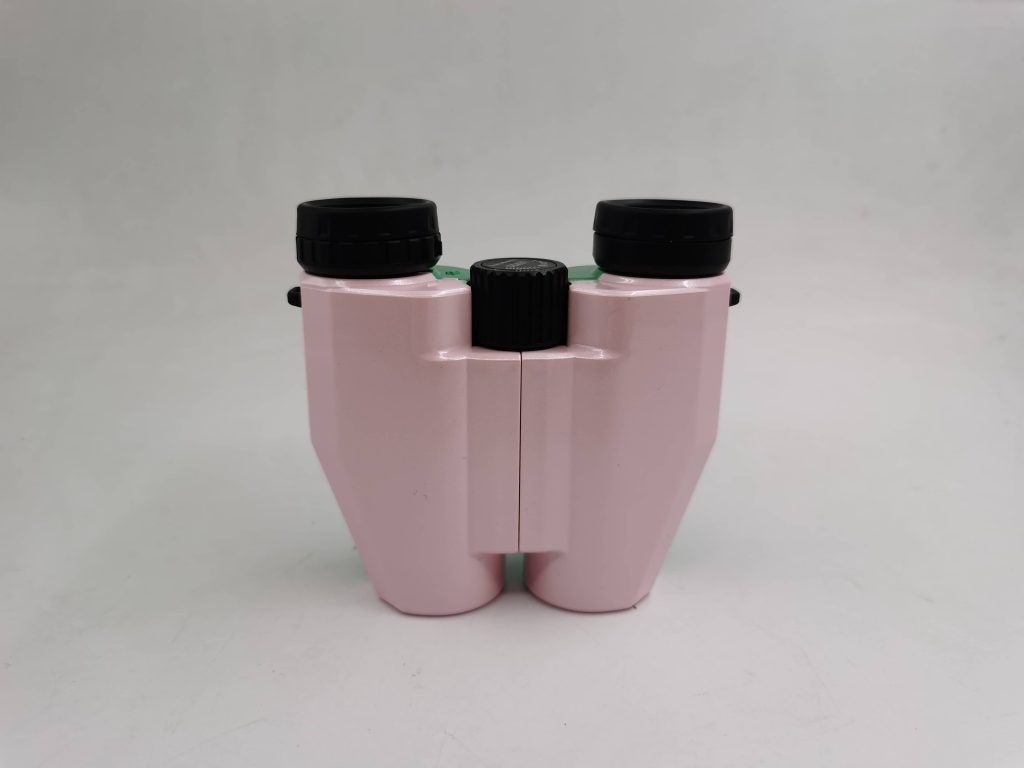
In the travel market, the product must be something people want to carry and can use often. A model with higher magnification but more weight and bulk may be harder to fit in a day bag and end up being used less. For tourist gift shops, gifting programs, and light-outdoor e-commerce channels, lightweight 8×25, 10×25, and 8×32 binoculars are often easier to sell and pair well with a compact case and simple packaging.
2. What Costs and User-Experience Trade-Offs Come with Higher Magnification?
For a business buyer defining a product, magnification is not an isolated variable. Increasing it commonly changes the field of view, demands more precise optical alignment, makes handheld viewing less steady, adds weight, and makes sample validation more demanding. When a brand considers moving from 10× to 12× or higher, it must assess optics, construction, and the target retail price together.
| Adjustment | Potential benefit to buyers | Common hidden cost | Best-suited projects |
| Move from 8× to 10× | More magnification; clearer distant subjects | Less steady viewing; narrower field of view | General outdoor models used at longer viewing distances |
| Move to 12× or higher | More distant detail | More visible hand shake; harder handling; greater weight and structural demands | Specialized projects with clearly defined uses |
| Keep magnification; improve optics and construction | More consistent overall experience; lower return risk | Less immediately obvious selling point than ‘high magnification’ | Most core models and general-channel projects |
3. Build Clearer Product Tiers Instead of Maximizing Every Model
For wholesalers and new brands, a more sensible product-line strategy is to give each SKU a distinct role rather than make every model the highest magnification available. Entry-level models emphasize price and ease of use. Core sellers emphasize balance and repeat purchases. Specialist models can offer higher magnification, ED glass, or special features for buyers with specific needs. This also reduces the effort needed to explain the range and helps sales teams recommend models by use case.
| Product role | Suggested platform | Main selling points | Suitable channels |
| Entry-level traffic driver | 8×25 / 8×32 | Lightweight, easy to use, portable | E-commerce, gifts, travel |
| Balanced core seller | 8×42 / 10×42 | Better balance of field of view, stability, and cost | Birding, outdoor retail, general channels |
| Specialist niche model | 12×50 or a dedicated high-magnification platform | Stronger long-range observation | Professional observation; niche projects with defined needs |
4. Make Magnification a Testable Sample Decision, Not a Specification Guess
If a customer is interested in higher magnification, the safest approach is to compare samples before committing to mass production: for example, 8×42 against 10×42, or 10×42 against 12×50. Have actual channel staff or target users compare field of view, stability, handling, low-light performance, and overall satisfaction in use. Then decide whether the higher-magnification version deserves a place in the formal SKU range.
External references: Nikon Sport Optics technical resources; ISO 14133:2025. These resources help explain the relationship between magnification, construction, and general performance.
How FORESEEN OPTICS Supports Different Magnification Strategies
FORESEEN OPTICS does not automatically push a product toward the highest magnification just because a customer asks about it. We first look at the target market, retail price range, order volume, main sales channels, and whether end users are birdwatchers, hunters, travelers, or gift recipients. We then select a suitable combination from our existing Roof, Porro, and Compact platforms. After that, we confirm the optical system, construction, accessories, packaging, and inspection criteria step by step to avoid repeated sampling and unnecessary development costs.
Conclusion
The highest magnification does not automatically deliver the highest value. For most customers, the better investment is a fit among magnification, field of view, stability, optical clarity, structural reliability, and channel positioning. Higher magnification should become the main selling point only when target users genuinely need to see farther and resolve finer details, and are willing to accept a narrower view, greater weight, and a higher price. For brands and wholesalers, the goal is not to maximize magnification across the range, but to give every SKU a clear use case and sales rationale.