For binocular brands, wholesalers, and retailers, a limited budget often presents three competing choices: improve optical performance, strengthen construction and protection, or invest in more refined retail packaging. All three add cost, but not all three will help close a sale. The upgrades worth prioritizing are those target buyers can notice, verify with samples, and justify at the intended selling price.
First Decision: Secure Baseline Quality Before Comparing Upgrades
An upgrade budget should not be split mechanically into three equal parts. First, set the product’s minimum delivery standard: consistent collimation, reliable focusing in use, the necessary waterproofing and fog resistance, and protection during international shipping. If basic quality is unstable, neither ED glass nor a luxury gift box can rescue a poor user experience. Wholesalers should establish the target retail price, channel margin, main use case, and minimum order quantity before allocating the remaining upgrade budget.

Level One: When Should Optics Come First?
Birdwatching and Mid- to High-End Outdoor Use: Image Quality Defines Value
Users of 8×42 and 10×42 birding binoculars may spend long periods studying treetops, feathers, and high-contrast edges. They are more sensitive to field of view, backlit haze, chromatic aberration, and how forgiving the eye position is. Start by checking the consistency of anti-reflective coatings across the optical system and the control of stray light. For roof-prism models, also assess phase correction and prism reflective coatings. For the purpose of these technologies, see Nikon’s guide to roof-prism coatings.
ED Glass Has Value, but Basic Alignment Comes First
Extra-low-dispersion (ED) glass can reduce color fringing in certain high-contrast scenes, but it does not guarantee good image quality on its own. If an entry-level model still has obvious misalignment, poor edge sharpness, uneven coatings, or play in the focus mechanism, correcting those basic issues is usually the better investment. For mid- to high-end models, have the sales team conduct a blind comparison of standard and ED versions in the same setting before deciding whether buyers will pay more for the difference.
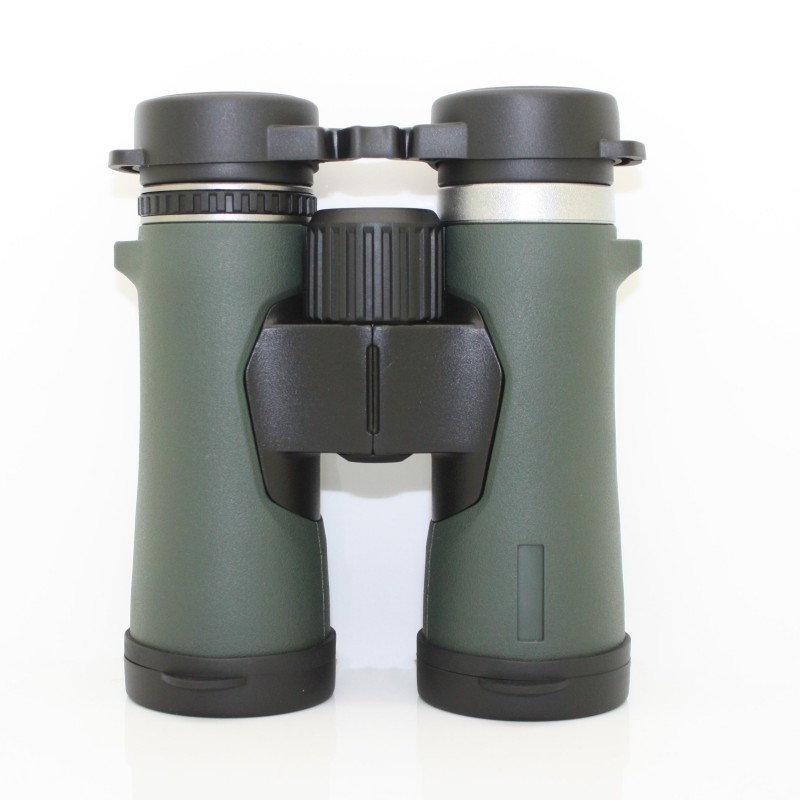
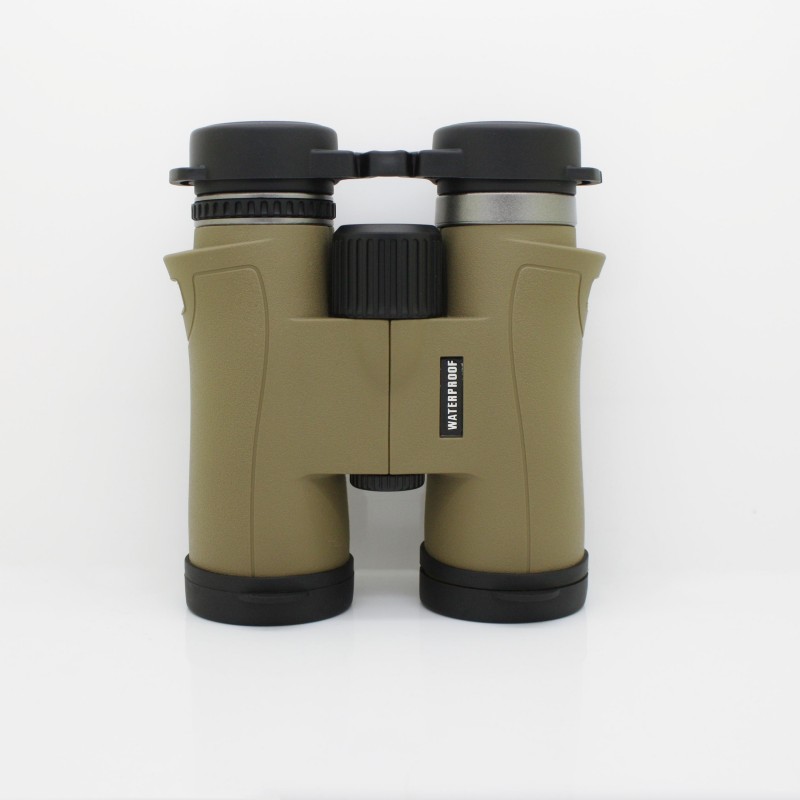
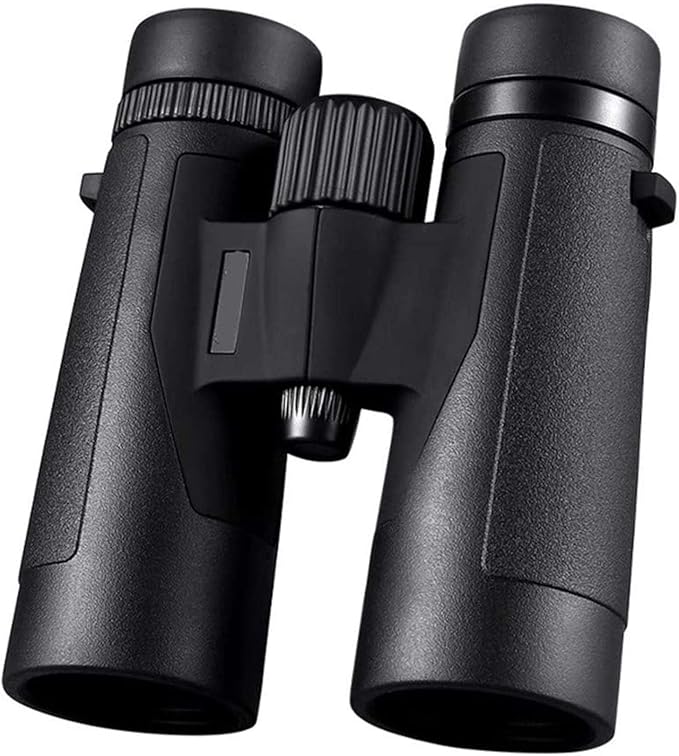
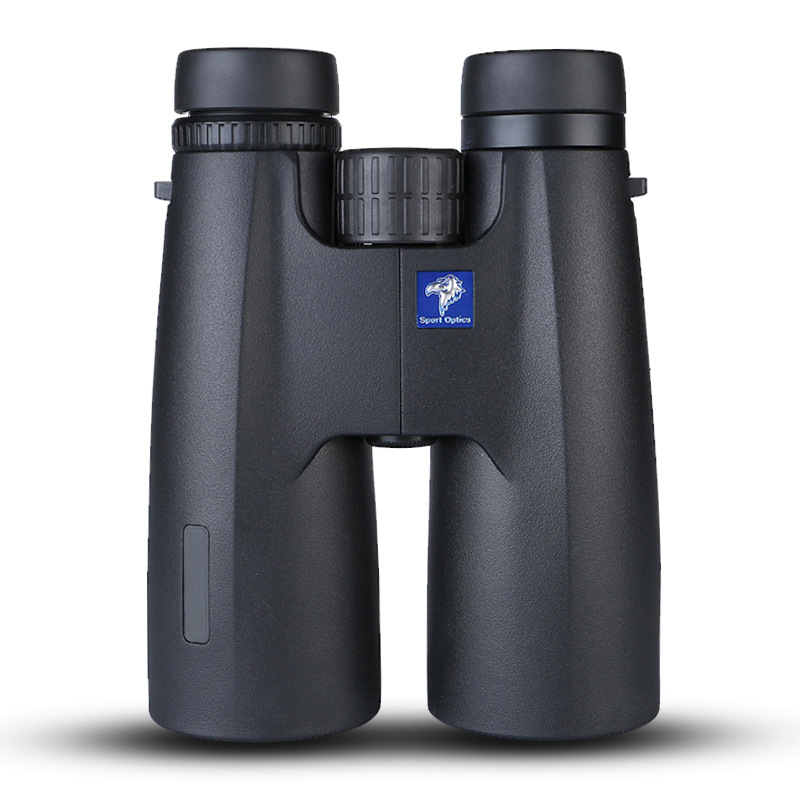
Related internal links: Roof Binoculars OEM/ODM; Roof vs. Porro performance at the same price.
Level Two: When Does Better Construction Matter More Than Better Glass?
Hunting and Extended Outdoor Use: Reliability Drives Repeat Purchases
At dawn and dusk, in rain, snow, and low temperatures, and when operating binoculars with gloves, non-slip rubber armor, focus feel, eyecup positioning, and body sealing matter more directly than attractive optical specifications. For a 10×42 outdoor model that already delivers adequate image quality, reducing focus-wheel backlash and improving seals and weather-resistant materials may do more for real-world use, and reduce after-sales disputes, than simply increasing magnification.
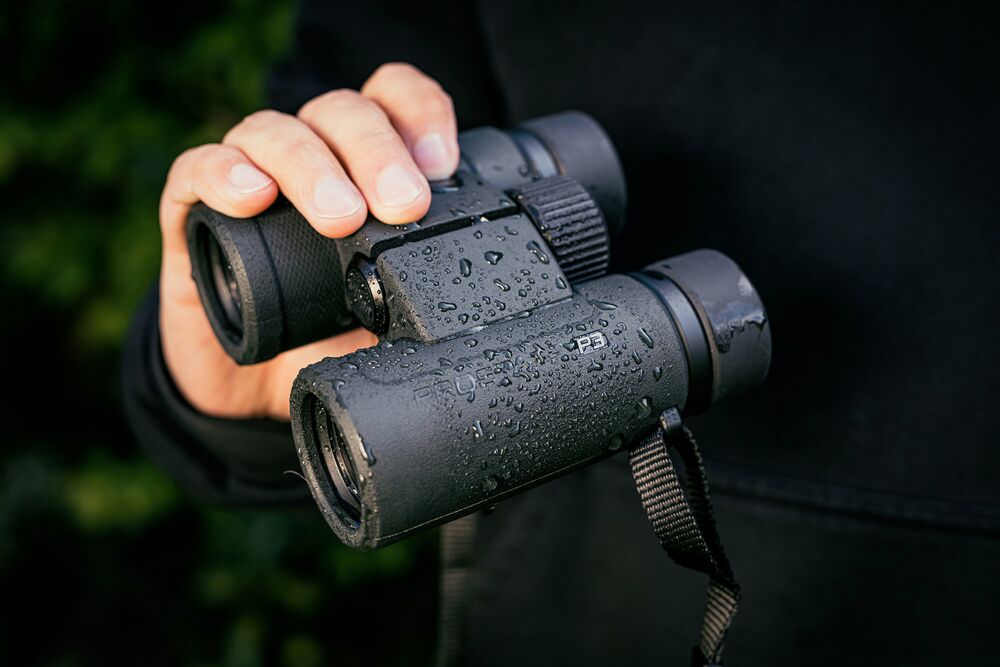
On an established platform, refining the rubber texture, lubrication, eyecup components, and assembly tolerances is usually easier to manage in terms of sample cost and MOQ than redesigning the entire chassis. A waterproofing upgrade cannot rely on ‘nitrogen purging’ as a selling point alone; it also requires sound seal design, controlled assembly, and appropriate validation tests. See the FORESEEN OPTICS quality management process and small-batch OEM guide.
Level Three: Where Can Better Packaging Create Real Value?
Packaging is more than box graphics. It also includes shipping protection, shelf recognition, accessory storage, language-specific labels, and the unboxing experience. For e-commerce, prevent shipping damage and return disputes first. Outdoor stores need packaging information that helps staff explain the product. Gift channels may justify a higher-grade color box or EVA case. Any packaging premium should also account for dimensional weight, manual assembly costs, and separate print MOQs.
For example, GS1 reminds brands to consider both GTINs for online products and scannable barcodes for physical retail. Do not create too many non-shareable packaging SKUs merely for visual differentiation.
With the Same Budget, How Should Optics, Construction, and Packaging Be Ranked?
| Upgrade area | What buyers can notice | Channels where it is most worth prioritizing | What to verify before investing |
| Optics | Contrast, backlit performance, field of view, and viewing comfort | Birding, mid- to high-end outdoor use, professional observation | Blind tests in the same setting; image and batch consistency |
| Construction | Grip, focus feel, waterproofing and fog resistance, long-term durability | Hunting, camping, hiking, frequent outdoor use | Sealing, focus-mechanism life, temperature and humidity, assembly checks |
| Packaging | Unboxing, brand recognition, retail display, shipping protection | Gifts, e-commerce shipping, in-store display | Drop and shipping tests; print MOQ, volume, and storage costs |
Take the same established 8×42 platform and assume a fixed additional budget. Do not divide it automatically into equal amounts for optics, construction, and packaging. Instead, make a standard version, an optics-first version, and a construction-first version, then compare them using the same retail setting, sample test methods, and quotation rules. Only add an upgrade to the production BOM if the observed quality gain or sales advantage can support the price difference. These priorities are product-development recommendations, not findings from a completed survey of consumers’ willingness to pay.
Upgrade Strategies for Three Sales Scenarios
| Target product | First priority | Second priority | Packaging recommendation |
| Mainstream 8×42 birding model | Coatings, backlit performance, field of view, and collimation consistency | Comfortable eyecups and smooth focusing | Clear specifications and standard protection |
| 10×42 hunting/outdoor model | Sealing, fog resistance, rubber armor, and operating reliability | Contrast and low-light viewing | Prioritize shipping protection and easy storage |
| 8×25 travel/gift model | Lightweight construction, portability, and ease of use | Basic clarity and consistent workmanship | Add visual appeal and bundle value to suit its gift positioning |
Level Four: Turn the Upgrade Budget into Verifiable Quality Criteria
Brands should agree with suppliers on the golden sample, BOM revision, critical tolerances, collimation consistency, focus backlash, sealing, cosmetic defects, and packaging and shipping test requirements. Technical acceptance may draw on relevant requirements in ISO 14133:2025, but each project still needs a specific inspection checklist rather than a standard name appearing only in marketing copy.
How Can FORESEEN OPTICS Help Brands Allocate Upgrade Budgets?
Using its existing Roof Binoculars, Porro Binoculars, and Compact Binoculars platforms, FORESEEN OPTICS can develop a base version and one or two targeted upgrades for a customer, then assess them against the target market, retail price, MOQ, BOM, sample tests, and lead time. This shows where the upgrade is and quantifies why it is worthwhile.
If you are planning the first model for a new brand or a channel’s main seller, choose an established platform from the FORESEEN OPTICS binocular OEM/ODM range, then confirm the solution with us using the samples, MOQ, and customization FAQ. Tell us whether your target buyers care most about clarity, reliability, or retail presentation, and we can direct resources accordingly more quickly.
Conclusion
The same budget does not imply the same upgrade order. Birding models generally need to demonstrate an optical advantage first. Products used frequently outdoors need dependable construction, while gift and retail projects may benefit from a stronger packaging experience. For wholesalers and brands, a valuable upgrade is not another technical label: it is a way to turn cost into an advantage that buyers can perceive, verify, and receive consistently at scale in the intended use case.