Before Choosing a Product, We First Need to Understand Your Business
When brands and wholesalers first request a factory quotation, they often start with specifications such as ‘8×42, BAK4, FMC.’ Yet the same 8×42 binoculars may need to meet very different expectations in a European birdwatching specialist shop, a North American outdoor retail channel, or the travel and gift market. What customers value, the target selling price, the packaging, and after-sales expectations all vary.
At FORESEEN OPTICS, we prefer to understand the market brief before looking for a suitable existing product platform: Who will buy the product? Through which channel will it be sold? Why will customers choose it? What are the target retail price and purchase volume? The answers shape the product selection and show which customizations are worth the investment.
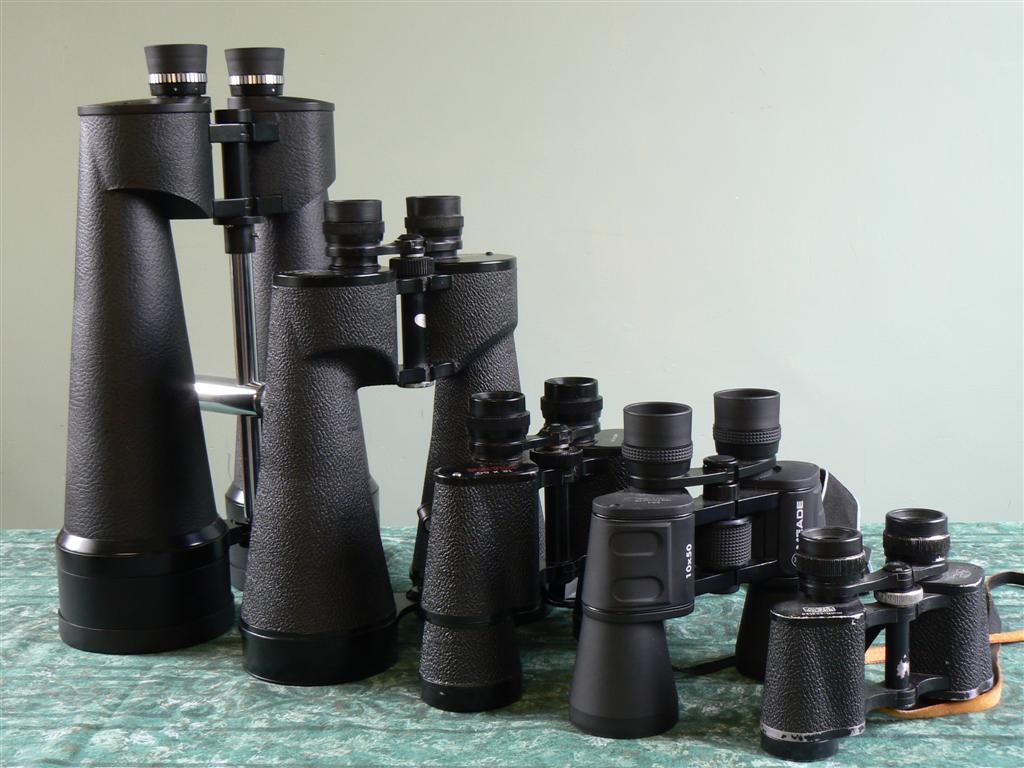
Level One: Use Five Market Inputs to Narrow the Product Shortlist
Destination Country and Sales Channel: Compliance, Presentation, and Delivery
The destination country affects manual language, importer information, retail labels, after-sales arrangements, and applicable product-safety obligations. For the European market, for example, the brand and importer should confirm which regulations apply to the specific product; it is not safe to assume that every pair of binoculars without electronic functions must bear a CE mark. The channel also shapes the SKU and packaging. E-commerce calls for control of shipping damage, returns, and the cost of explaining the product online. Physical outdoor stores place more value on hands-on trials, consistent presentation, and sales staff who can explain the differences.
For EU sales, consult the EU‘s official product-compliance guidance. For retail product identification and barcode-version management, refer to the GS1 GTIN standards.
End Users and Conditions of Use: Optical and Design Priorities
For birdwatchers and nature observers, a wide field of view, close focus, long eye relief, and smooth focusing are often more valuable than simply increasing magnification. For hunting observation and mountain use, the priorities shift to viewing at dawn and dusk, all-weather protection, a stable grip, and comfortable carrying over long periods. Travel and gift channels often need a lighter configuration that is easier to understand and use.
For example, Cornell Lab‘s guidance on field of view and close focus explains how both affect a birdwatcher’s ability to find and observe birds. An 8×42 and a 10×42 should therefore be compared through hands-on sample testing, not by magnification alone.

Price Band and Purchase Plan: Which Upgrades Are Worth Keeping
A target retail price must be considered alongside channel margins, logistics, advertising, after-sales costs, and the brand’s gross margin before a viable ex-factory cost can be worked out. A first trial order and a stable replenishment program should not follow the same development strategy. For the former, control the risks tied to samples, tooling, and dedicated materials; for the latter, it may make sense to introduce ED glass, specific coatings, custom exterior structures, and exclusive accessories gradually. Confirm MOQs separately for the finished product, logo, color box, and special materials. Otherwise, a product may sell well while packaging inventory becomes a burden.
Level Two: Turn the Market Brief into Testable Optical Options
Birdwatching and Outdoor Retail: Start with 8×42 and 10×42 Roof-Prism Platforms
For mainstream birdwatching and general outdoor retail, a useful first step is to shortlist FORESEEN roof-prism binocular platforms. Compare field of view, center and edge sharpness, chromatic aberration, focusing feel, eyecups, and comfort for eyeglass wearers. If the target is an upper-midrange or professional user, then assess ED glass or coating upgrades and make sure buyers can actually see the difference.
Travel, Families, and Gifts: Screen Compact Platforms First
For travel, concerts, educational trips, and gifts, consider options such as 8×21, 8×25, or 8×32 from the Compact Binoculars range. The selling point is not the highest possible specification. It is easy carrying, simple adjustment, steady images, and controls that suit the target age group. Premium coatings alone cannot give a small-aperture compact model the same low-light capability as a 42 mm model. Marketing copy should describe suitable uses accurately.

Marine and Stationary Observation: Consider 7×50 Porro Models and Purpose-Built Features
Observation at sea calls for attention to image stability, exit pupil, sealing, and the specific task at hand. Options such as 7×50 can be shortlisted from the FORESEEN Porro binocular range. If a customer needs a compass, ranging reticle, floating strap, or tripod mount, check the real operating conditions, calibration, and accessory compatibility. Simply adding a feature name to an existing model is not enough.
Level Three: Three Candidate Roles to Simplify Purchasing Decisions
Once we receive the market information, we recommend presenting a small set of clearly differentiated candidates and narrowing the choice through side-by-side testing. The table below is an initial screening method, not a fixed configuration promise for every country or user.
| Candidate role | Suggested starting platform | What to validate | Suitable B2B objective |
| A | Minimize risk | 8×25/8×32 compact or established entry-level model | Portability, operation, delivered cost, and packaging | New-brand trial launch; travel/e-commerce channels |
| B | Core seller | 8×42/10×42 roof-prism binoculars | Field of view, clarity, ergonomics, and waterproofing | Main outdoor and birdwatching retail line |
| C | Use-case upgrade | ED roof-prism model or marine 7×50 Porro | Specific optical upgrade, or compass and sealing solution | Specialist channels with a clear reason to pay more |
Sample testing should not stop at center-image quality indoors. Record feedback against the target users’ actual tasks in backlit and shaded conditions, at close range, with moving subjects, and during extended handheld viewing.
Level Four: Turn the Product Plan into a Version the Channel Can Sell
H3 | Packaging and Accessories: More Is Not Always Better
An e-commerce version usually places greater emphasis on compact, reliable shipping protection, a clear accessory list, and concise instructions. An outdoor-store version may add a strap, protective case, and straightforward selling-point card suited to display and in-store trials. Marine or professional versions should explain how protection, carrying options, and accessories work together. Brand colors, logo application, and shipping-carton markings should be decided alongside order volume and replenishment timing.
Put Quality Criteria in Writing Before Approving Samples
When confirming the final version, we recommend agreeing on the golden sample, BOM revision, optical-axis alignment, focusing feel, protection tests, cosmetic-defect grades, and an AQL sampling plan. ISO 14133:2025 can help identify the basic technical requirements for general-purpose and high-performance binoculars, but actual acceptance criteria still need to be converted into an inspection checklist both parties can use.
FORESEEN OPTICS’quality-management process provides a starting point for discussing optical inspection and process control. For order quantities and customization boundaries, see the MOQ and customization FAQ.
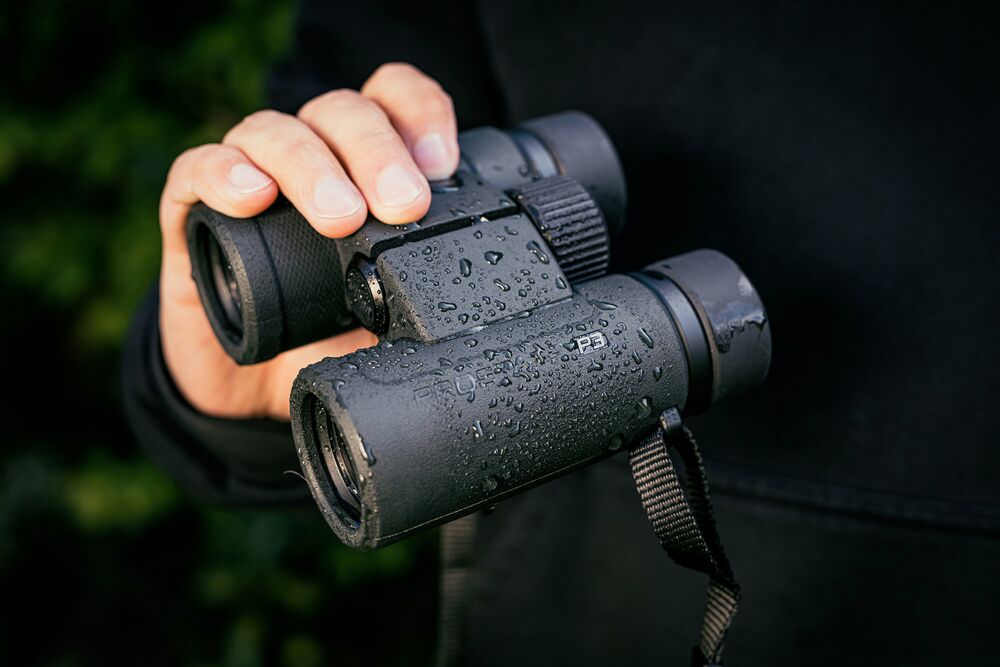
What Should You Tell Us So FORESEEN OPTICS Can Start Matching Products?
An effective inquiry does not have to begin with a complete technical specification sheet. Provide the five points below, and we can shortlist proven products more quickly, identifying which needs can be met through configuration choices and which require new samples.
- Target sales country or region, and any confirmed labeling, packaging, or import-compliance requirements;
- Main end users and use cases, such as birdwatching, hunting observation, travel, marine use, or gifts;
- Primary sales channel and target retail price range, such as a brand website, e-commerce marketplace, wholesaler, or physical outdoor store;
- Planned first-order quantity, expected annual purchasing volume, launch date, and replenishment approach;
- Brand features to retain, such as the logo, color, packaging, accessories, or optical-performance upgrades.
Using this information, FORESEEN OPTICS will draw up an initial shortlist from our existing binocular range, explaining the recommendations, necessary customization steps, and priorities for sample validation. We would rather help a customer select one product with a clear market role and reliable replenishment than recommend many nearly identical models at once.
Conclusion: Good Product Matching Starts with a Clear Market Goal
The same magnification, objective size, and optical platform can support very different market versions, but users do not all buy for the same reasons. For B2B customers, the value of product selection lies in turning market needs, costs, user experience, packaging, and inspection standards into an executable plan. Tell us your target market, channel, price band, and purchasing plan, and FORESEEN OPTICS can start with established platforms to help you choose a first product—and plan later upgrades—with greater confidence.