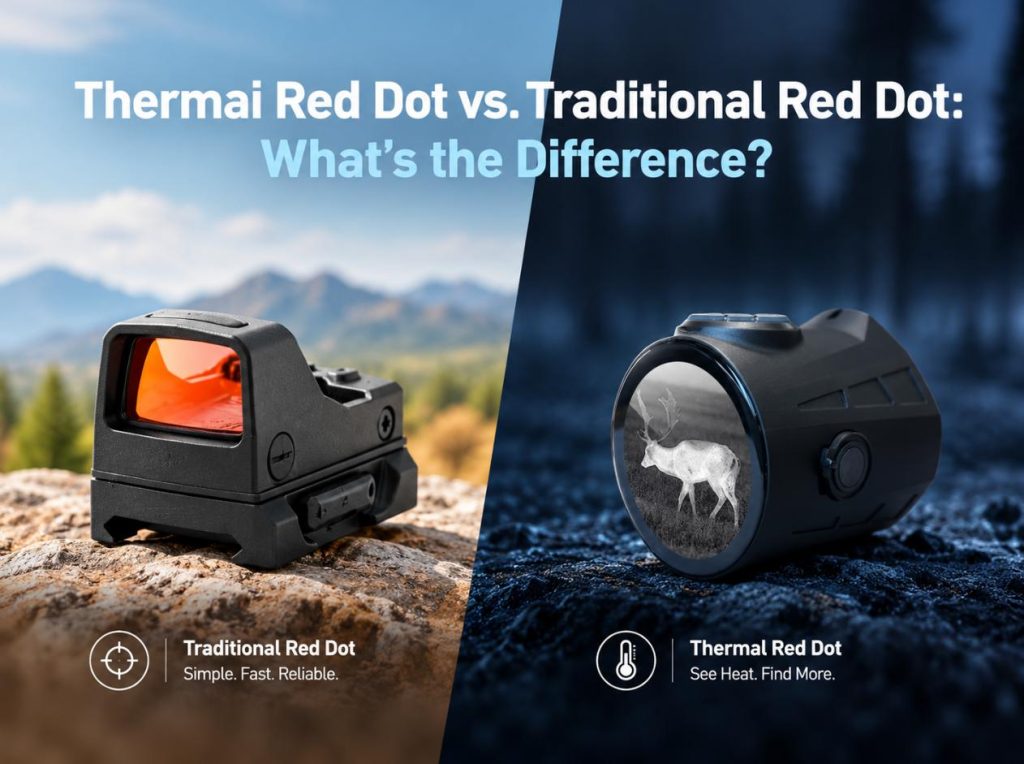
A traditional red dot sight helps you place an aiming point on a target. A thermal red dot sight adds a different kind of information: it can show heat patterns that may be difficult or impossible to see with the naked eye. But does that extra capability make it the better choice?
Not necessarily. The right option depends on what you need to see, the conditions in which you use the optic, your budget, and the level of performance you expect.
In this guide, we’ll compare thermal red dot sights and traditional red dot sights, explain their differences in real-world conditions, and look at the specifications that matter when evaluating a product. We’ll also cover what individual buyers and optics brands should consider before choosing or developing a thermal optic.
What Is a Thermal Red Dot Sight?
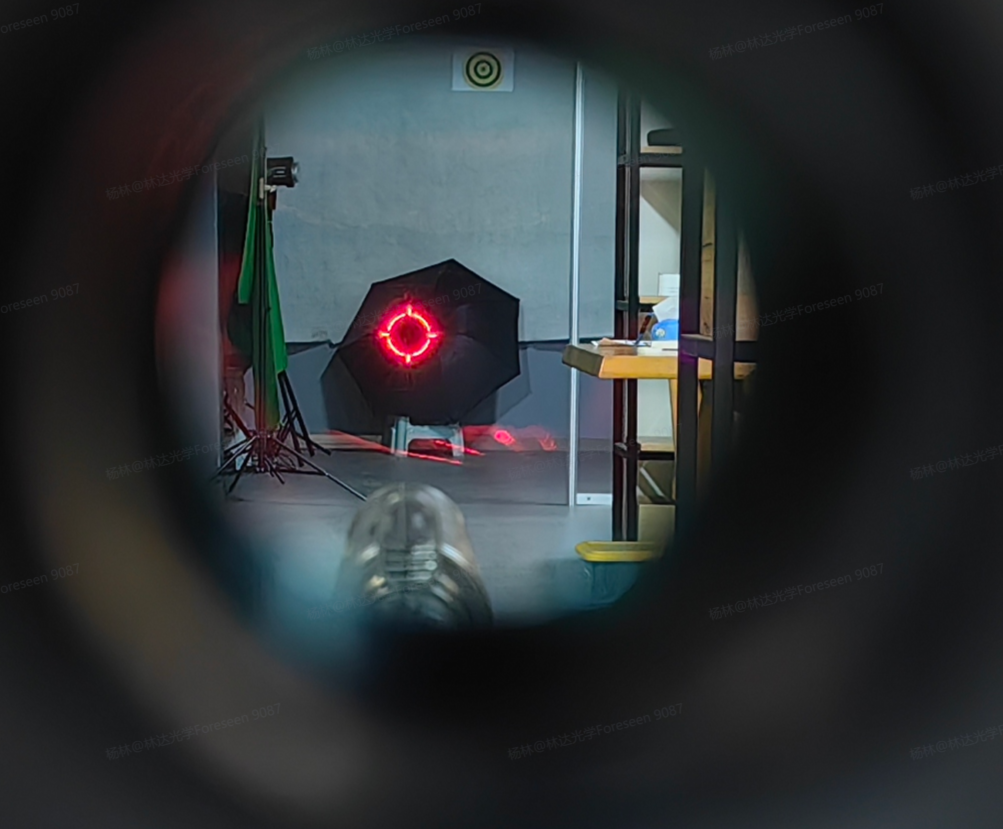
A thermal red dot sight is a compact aiming optic that uses thermal imaging to display differences in infrared radiation. Depending on the design, it may combine thermal imaging with a red dot aiming system or use an electronic display with an adjustable reticle.
The term thermal red dot is not used consistently across every manufacturer or product category. Some products combine thermal imaging and conventional red dot optics, while others are better described as compact thermal aiming sights. It is important to check the actual design and specifications rather than assume that every product with this name works in the same way.
How Does a Traditional Red Dot Sight Work?
A traditional red dot sight uses an illuminated aiming point that appears in the sight window. The user looks through the optic and aligns the dot with the intended point of aim.

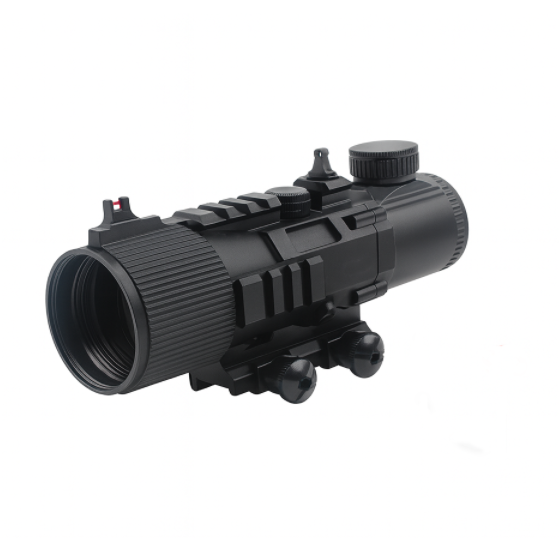
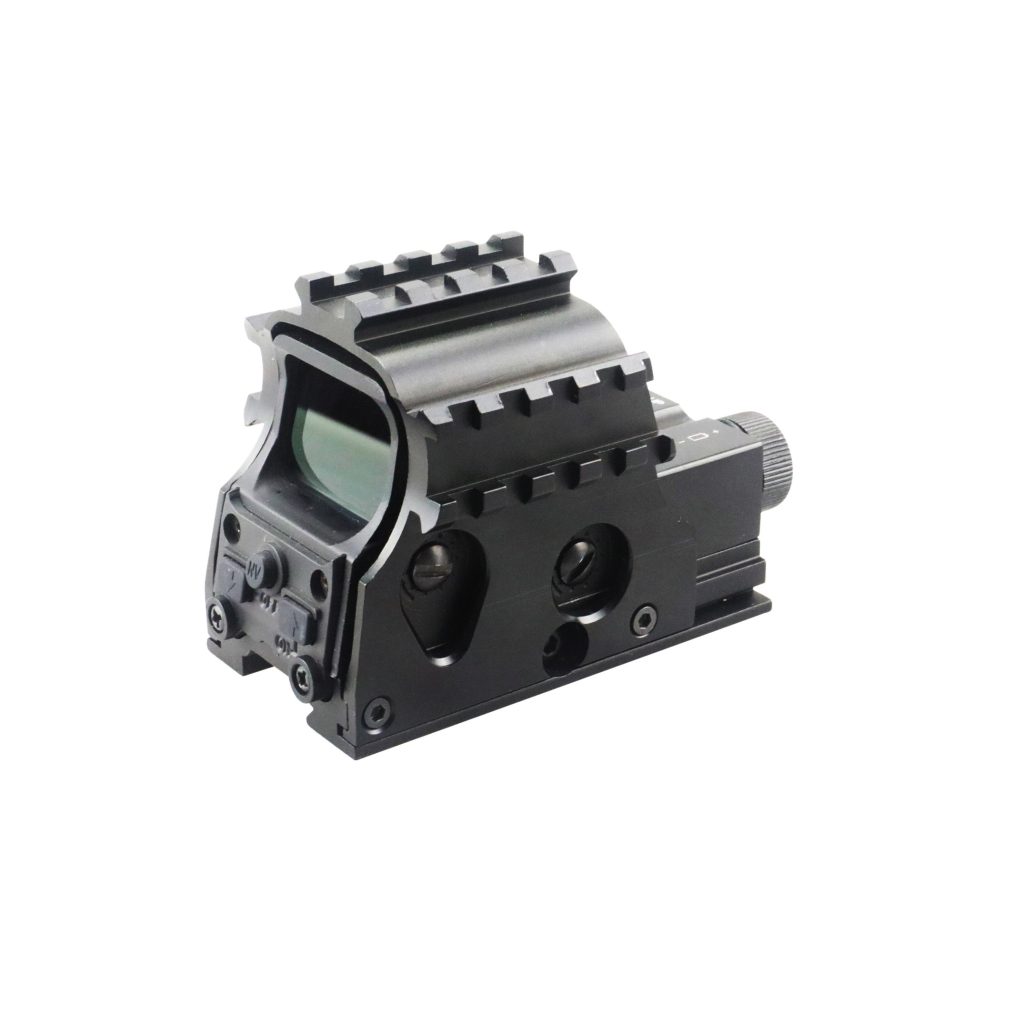

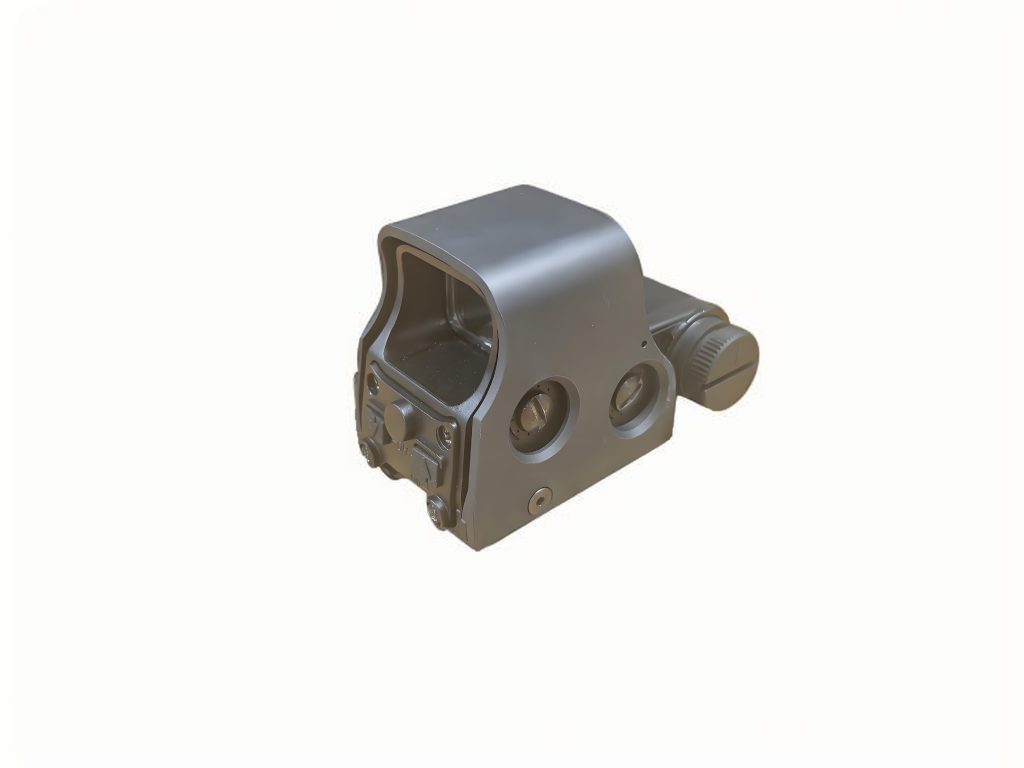
Most common reflex-style red dot sights use an LED and a specially coated optical element to present the aiming point within the user’s field of view. The sight does not create a thermal image or independently identify objects in darkness. The user still relies on visible information to see the surrounding scene.
One reason red dots remain popular is their relatively simple operating principle. They generally have fewer electronic functions than a digital thermal optic, and many models offer long battery life. Actual performance depends on the design, brightness setting, battery, and operating conditions.
For buyers, the main specifications to compare include dot size, window dimensions, brightness settings, optical clarity, mounting footprint, battery access, and recoil resistance.
How Does a Thermal Red Dot Work?
A thermal red dot uses a thermal sensor to detect infrared radiation emitted by objects. The device processes the sensor data and presents it as an image on a display. Different image palettes may show warmer and cooler areas in contrasting shades or colors.
Unlike a conventional red dot, a thermal imaging device does not need visible light to form a thermal image. This allows it to show heat differences in complete darkness. However, it does not automatically provide the same level of scene detail as a visible-light optical system, and it cannot see through every obstruction.
Some compact thermal aiming products also include an aiming reticle, recording functions, wireless connectivity, and other electronic features. These functions depend on the model.
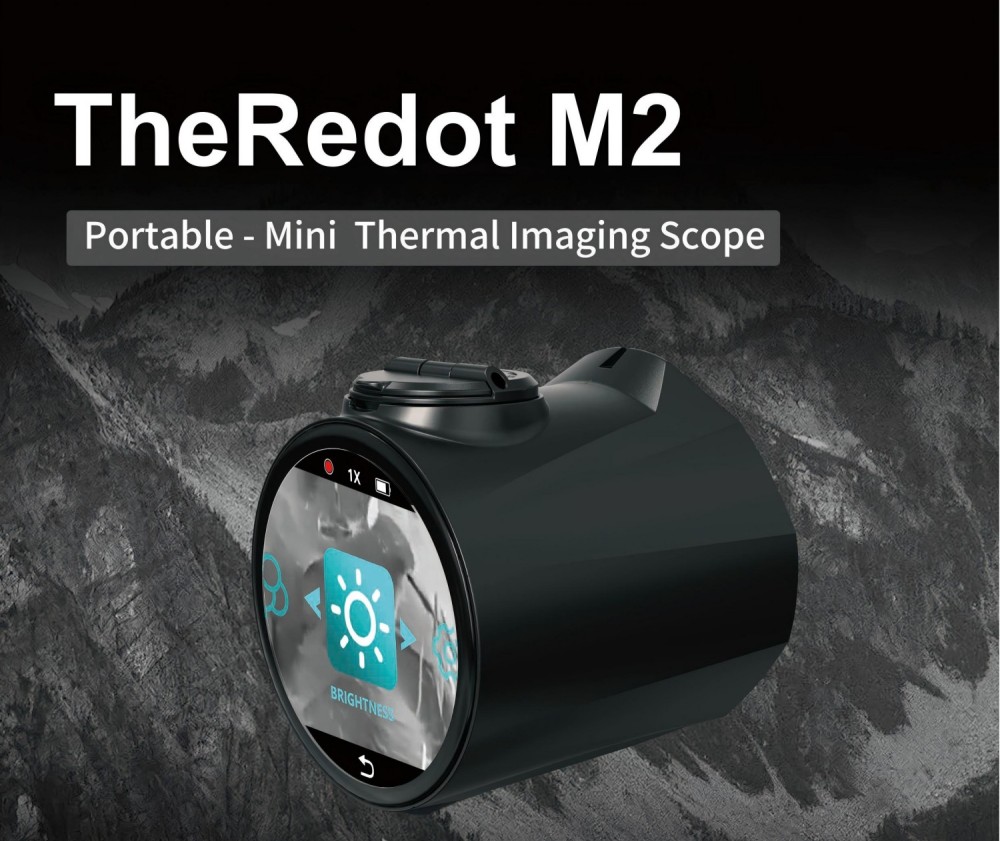
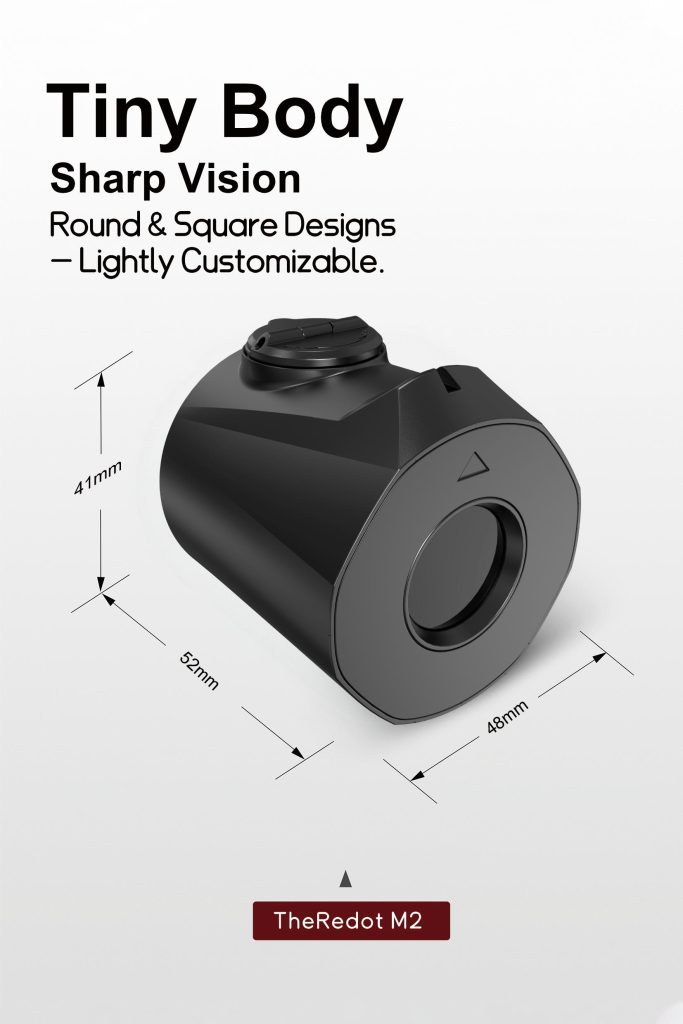
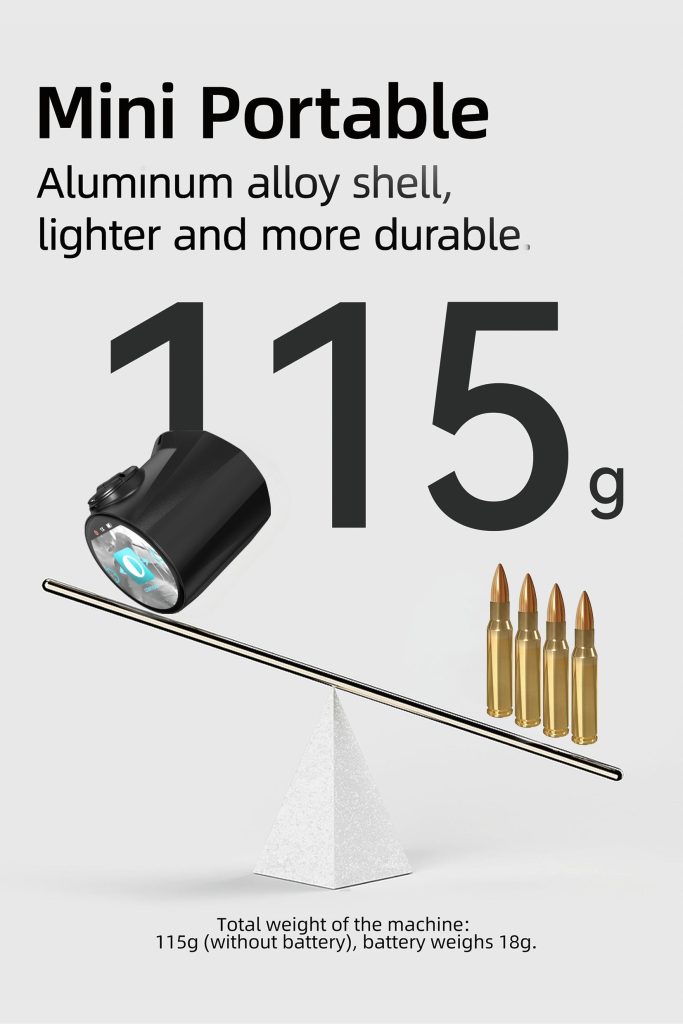
For example, FORESEEN OPTICS offers the TheRedot M2 thermal imaging pistol scope and the TheRedot M6 thermal imaging sight series. The M2 lists a 256 × 192 thermal sensor, a 60 Hz frame rate, and an OLED display. The M6 series offers 256 × 192 and 384 × 288 sensor options, depending on the configuration.
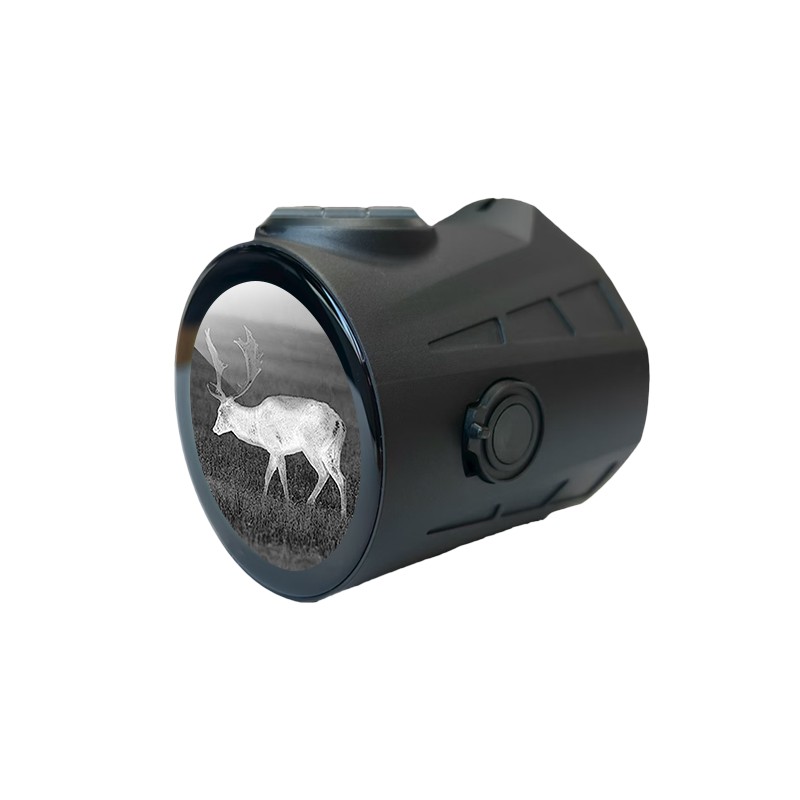
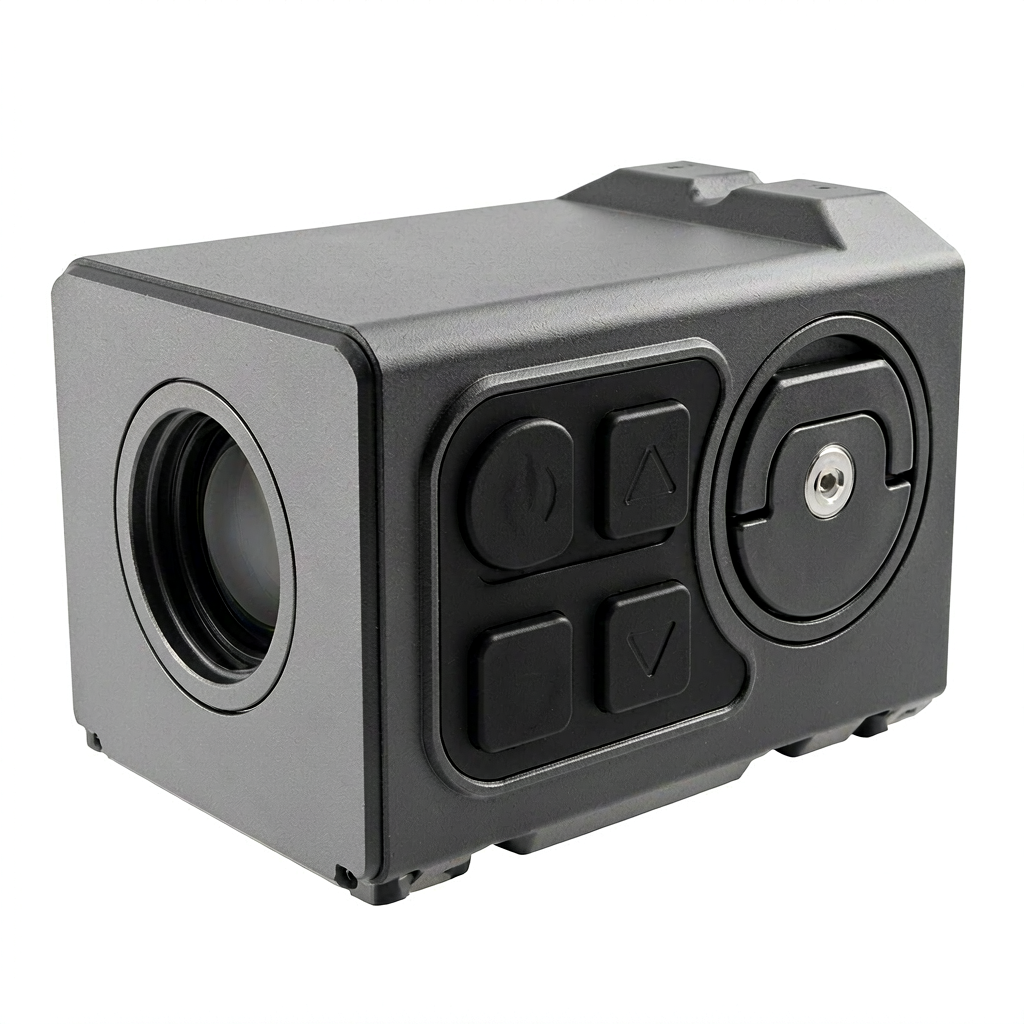
These examples show why product-level specifications matter. Two thermal sights can use the same general technology but deliver different image detail, viewing angles, battery life, and operating features.
Thermal Red Dot vs. Traditional Red Dot: Key Differences
The main difference is the type of information each optic provides. A traditional red dot presents an aiming point over a visible scene. A thermal optic displays a processed image based on infrared radiation, and a hybrid design may combine thermal viewing with an aiming reticle.
The following table summarizes the main differences.
| Comparison factor | Traditional red dot | Thermal red dot or thermal aiming sight |
| Primary function | Provides an illuminated aiming point | Displays thermal information and may provide an aiming reticle |
| Image source | Visible scene viewed through the optic | Infrared radiation detected by a thermal sensor |
| Use in darkness | Does not create a thermal image; visibility depends on the scene | Can form a thermal image without visible illumination |
| Image detail | Preserves the visible scene through the optic | Depends on sensor resolution, lens, display, processing, and thermal contrast |
| Display system | Usually an optical window with an illuminated dot | May use an electronic display, with the exact design depending on the product |
| Battery demands | Mainly powers the aiming-point illumination | May power the sensor, processor, display, and additional features |
| Operating complexity | Usually straightforward | May require image settings, menus, calibration, and mode management |
| Cost | Often lower | Generally higher because of the additional imaging hardware |
| Maintenance considerations | Battery, optics, housing, mounting, and zero retention | All relevant optic checks, plus sensor, display, software, and power-system checks |
These are general differences, not guarantees for every model. A well-designed thermal sight may be simple to operate, while some traditional red dots include additional electronic features. Prices and battery life also vary widely.
For individual buyers, the important question is whether thermal imaging provides useful information for their intended application. For optics brands and importers, the comparison also helps define a product’s market position, feature set, and target price.
How Do They Differ in Real-World Conditions?
Specifications help narrow the choices, but actual performance depends on more than a product data sheet. Lighting, background temperatures, image settings, battery condition, mounting, and environmental conditions can all affect the user experience.
Daytime and Low-Light Visibility
A traditional red dot works in daylight and can also be used in low light when the scene remains visible. However, the illuminated dot does not make a dark target easier to see by itself. The sight adds an aiming reference; it does not replace the light needed to see the scene.
A thermal sight works differently. Because it detects infrared radiation rather than relying on visible light reflected from a target, it can produce a thermal image both during the day and at night.
That does not mean thermal imaging is always clearer. A warm background, limited temperature differences, moisture, or other environmental conditions can reduce the contrast between an object and its surroundings. Bright sunlight itself does not prevent thermal imaging, but solar heating can change the thermal patterns of the scene.
For buyers comparing a thermal red dot with a traditional red dot, the key question is not simply whether the device works at night. It is whether the additional thermal information is useful enough to justify the added cost, power requirements, and operating complexity.
Thermal Image Quality and Target Visibility
Not all thermal images provide the same level of detail. Several specifications work together to determine how much information a user can see.
Sensor resolution describes the number of pixels in the thermal detector. A higher resolution can provide more image detail when other factors are comparable, but it does not guarantee better overall performance on its own.
Lens focal length and field of view affect how much of the scene is visible and how thermal information is presented. A wider field of view shows more of the surrounding area, while a narrower field of view can make a smaller part of the scene occupy more of the display.
Thermal sensitivity, often expressed as NETD, indicates how well a sensor can distinguish small differences in thermal radiation under specified test conditions. It is useful when comparing sensors, but it should not be treated as a stand-alone measure of real-world image quality.
Display resolution and refresh rate also matter. The display determines how the processed image is presented to the user, while the refresh rate affects how smoothly changes in the image appear.
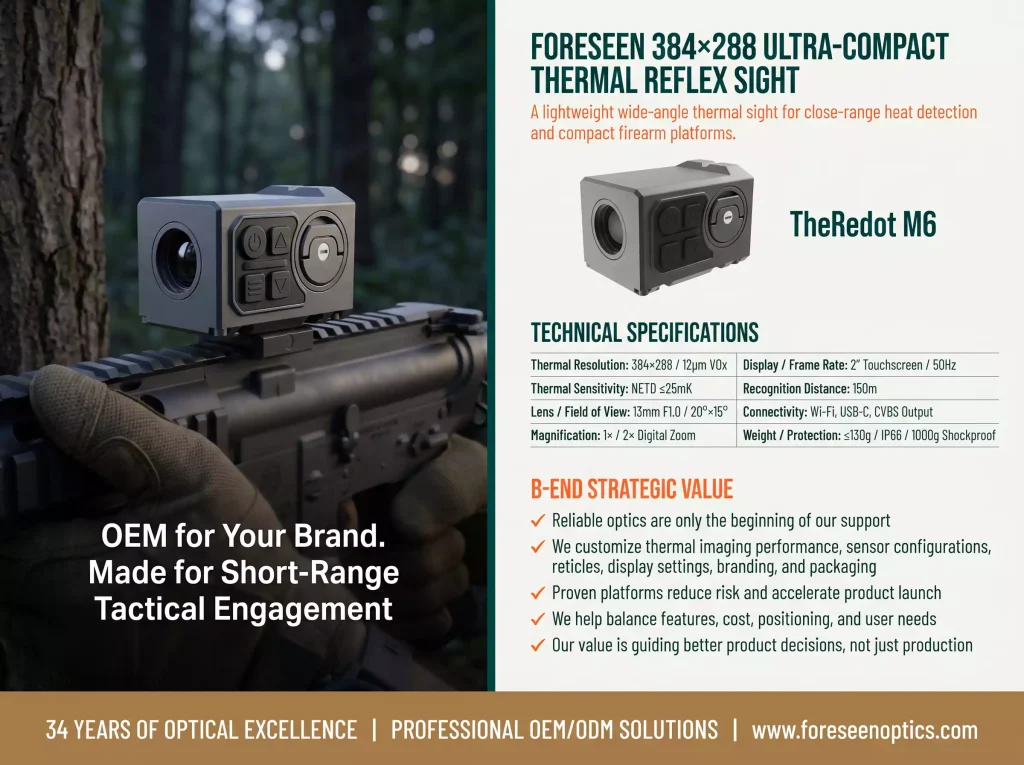
Consider the FORESEEN TheRedot M6 series. It include 256 × 192 and 384 × 288 thermal sensors, with different lens options. It also including a 50 Hz frame rate and a 2-inch touchscreen across the series. These specifications provide a starting point for comparison, but buyers should evaluate the full configuration rather than choose by resolution alone.
It is also important to distinguish detection, recognition, and identification. Detecting a heat source means noticing that something is present. Recognition means understanding what general type of object it may be. Identification requires enough detail to determine more specifically what the object is. A published detection range does not automatically mean the same distance is suitable for recognition or identification.
Environmental conditions, target size, thermal contrast, viewing angle, and operator experience all influence the result.
Battery Life and Ease of Use
Battery life is one of the practical differences between a traditional red dot and a thermal optic.
A conventional red dot usually powers its illuminated aiming point. A thermal sight may need to power a sensor, image processor, display, and additional functions such as recording or wireless connectivity. These extra systems can increase power demands, although the actual runtime depends on the product design and how it is used.
From FORESEEN, here are our product datas:
- The TheRedot M2 lists a battery operating time of at least 5 hours at 25°C.
- The TheRedot M6 series lists an operating time of at least 3 hours.
Battery runtime can change with temperature, settings, battery condition, and the use of additional functions. Buyers should confirm the test conditions and check whether the quoted figure applies to continuous operation or a particular operating mode.
Ease of use also deserves attention. A traditional red dot typically has a relatively simple control system. A thermal sight may require users to adjust image brightness, select a color palette, focus the image, or navigate menus.
For a product intended for frequent outdoor use, it is worth checking how quickly users can access common settings, whether the display remains readable in different lighting conditions, and how easy it is to check battery status.
For brands, these are not minor details. A product can have strong sensor specifications but still frustrate users if the interface is confusing or battery management is inconvenient.
Recoil Resistance and Durability
A sight must remain mechanically stable under the conditions for which it is designed. Recoil resistance, vibration resistance, environmental protection, and the ability to retain zero are especially important when evaluating an optic intended for a firearm.
A traditional red dot has to maintain the alignment of its optical components and aiming point. A thermal sight has additional components, including a sensor, electronics, display, and image-processing system. In an integrated design, the thermal image and aiming reference must also remain properly aligned.
That added complexity makes testing important, but it does not automatically mean every thermal sight is less durable than every traditional red dot. Durability depends on the design, materials, assembly, mounting system, and validation process.
For example, here are the specifications of the FORESEEN thermal red dots:
| Specification | TheRedot M2 | TheRedot M6 series |
| Listed shock or recoil resistance | 1000 g / 0.4 ms | 1000 g / 3 ms |
| Protection rating | IP67 | IP66 |
| Operating temperature | −20°C to +50°C | −20°C to +50°C |
See more details: TheRedot M2 specifications and TheRedot M6 specifications.
These figures should be interpreted carefully. The stated shock values use different pulse durations, so they should not be treated as directly equivalent or used alone to rank the two products. An IP rating describes protection against specified ingress conditions; it does not prove that a device can withstand every kind of impact, vibration, or long-term exposure.
Before selecting a product, check the manufacturer’s test conditions, mounting requirements, intended application, warranty terms, and any available validation reports. For brands and importers, confirming how samples are tested and how production units are inspected is an important part of supplier evaluation.

Is a Thermal Red Dot Worth the Extra Cost?
A thermal red dot or compact thermal aiming sight can be worth considering when thermal information is a real requirement rather than an occasional extra. However, the higher cost is not automatically justified for every user.
A traditional red dot may be the more practical option when the main requirement is a clear aiming point, straightforward operation, and a relatively simple electronic system. For users who do not need thermal imaging, paying for a thermal sensor and display may add cost without providing much value.
A thermal optic becomes more relevant when the ability to see thermal contrast is part of the intended use. In that case, buyers should look beyond the initial purchase price and compare image quality, viewing angle, operating time, user interface, environmental protection, and after-sales support.
It is also worth asking whether a compact thermal aiming sight offers the right balance of size, image detail, and functionality. A small device may suit a product line focused on portability, but compactness alone does not guarantee the best image or the longest runtime.
For a fair comparison, evaluate the complete specification and the actual performance required. Avoid paying extra for features that do not support the product’s intended use, but do not choose a lower-cost model without checking whether its limitations are acceptable.
For optics brands, the decision involves additional questions: Is there a clear customer need? Does the proposed configuration fit the target market? Can the product meet the expected quality and price requirements? And can the supplier support product testing, customization, and future orders?
What Should Buyers Look for When Comparing Thermal Optics?
Whether you are buying a thermal optic for personal use or sourcing a product for a brand, a structured evaluation is more useful than comparing one or two headline specifications.
Key Specifications to Evaluate
Start with the sensor and lens, then consider the display, controls, power system, and physical design. The right balance depends on the intended application.
| Specification | What to check | Why it matters |
| Thermal sensor resolution | Pixel dimensions, such as 256 × 192 or 384 × 288 | Helps indicate the amount of thermal image detail available |
| NETD | Value and stated test conditions | Helps compare sensitivity to small thermal differences |
| Lens and field of view | Focal length, aperture, and horizontal/vertical field of view | Affects how much of the scene is visible and how thermal information is presented |
| Frame rate | Published refresh or frame rate | Affects the smoothness of image updates |
| Display | Type, resolution, brightness, and controls | Influences how the processed image is viewed and adjusted |
| Battery | Battery type, rated runtime, charging or external-power options | Affects operating convenience and power planning |
| Durability | Shock testing, ingress rating, temperature range, and mounting requirements | Helps determine whether the product is suitable for its intended environment |
| User functions | Reticle settings, palettes, recording, connectivity, and menus | Determines how well the product fits user needs |
| Support | Warranty, spare parts, technical documents, and service process | Affects long-term ownership and customer support |
No single specification tells the whole story. A higher sensor resolution may provide more detail, for example, but the lens, display, image processing, and viewing conditions still matter.
It is also useful to compare the thermal sensor resolution with the display resolution. They describe different parts of the imaging system and should not be used interchangeably.
For B2B buyers, the same checklist can become a product specification sheet for supplier quotations. This helps ensure that different suppliers are quoting comparable configurations rather than products that only appear similar in a headline description.
Product Consistency, Testing, and After-Sales Support
A product that performs well as a sample is only the starting point for a brand or importer. The next question is whether production units can maintain the expected performance and whether the supplier can support the product after launch.
Before placing a larger order, buyers should discuss:
- Sample validation: Can the sample be evaluated against an agreed specification before the order is scaled up?
- Quality inspection: Which functions and physical characteristics are checked during production?
- Environmental and shock testing: What conditions are covered, and are the test methods and results documented?
- Configuration control: How are changes to components, firmware, or specifications communicated and approved?
- After-sales support: What warranty terms, repair options, spare parts, and technical documents are available?
- Production planning: What are the confirmed minimum order quantity, lead time, and arrangements for repeat orders?
These questions are particularly important for thermal optics because the product combines optical, electronic, mechanical, and software systems. A supplier needs to understand how these parts work together, not simply how to assemble the housing.
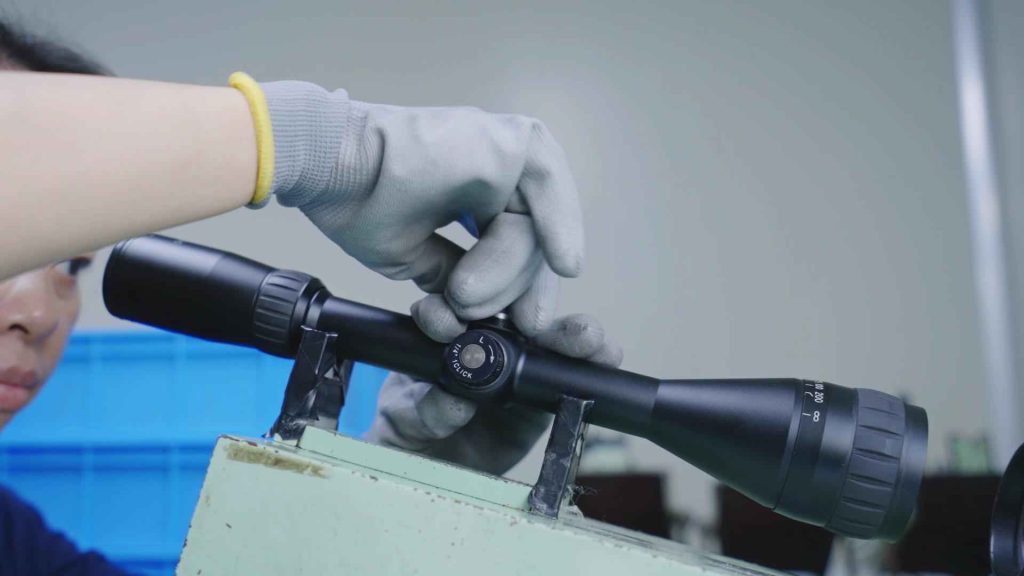
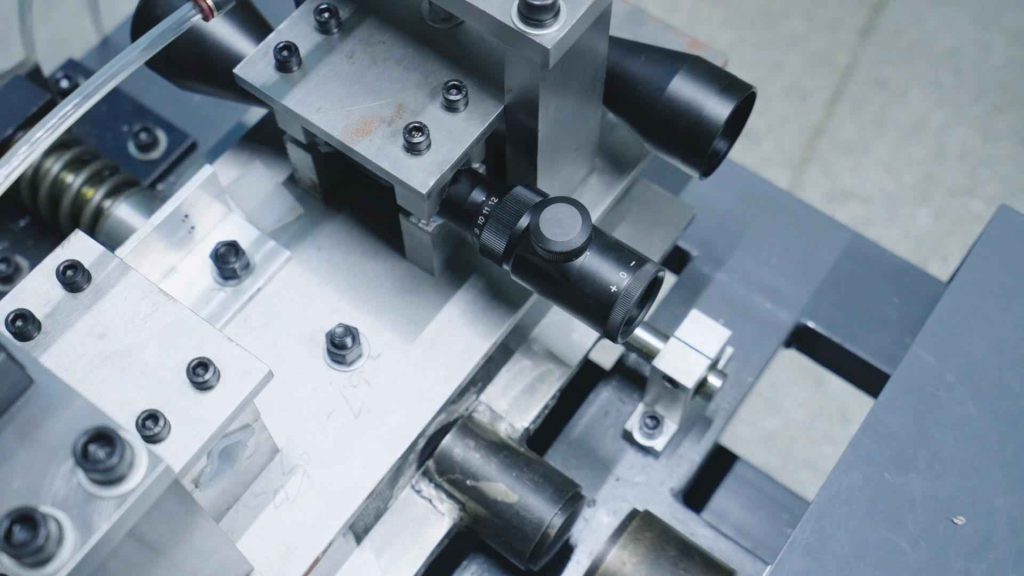
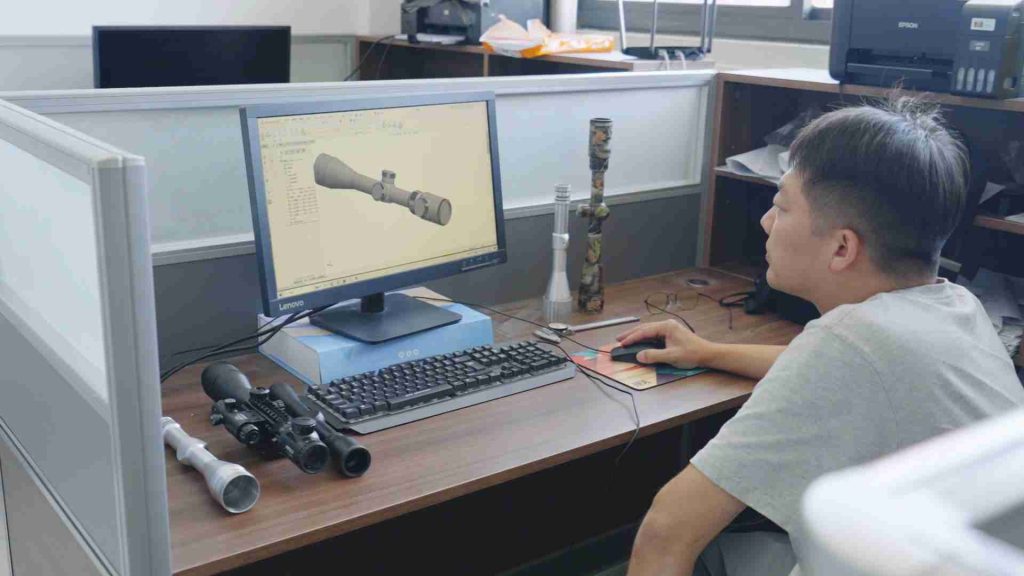
The thermal red dot development work of FORESEEN OPTICS involving thermal sensors, displays, image processing, optical alignment, and recoil-related design considerations. Welcome to contact us for more product development informations.
OEM/ODM Options for Optics Brands
For an optics brand, developing a thermal sight is not just a matter of selecting a sensor and adding a display. The product’s size, optical design, electronics, user interface, power system, and mechanical alignment all need to work together.
OEM and ODM projects can help brands develop a product around their own market requirements. Depending on the supplier’s capabilities and the agreed project scope, areas for discussion may include:
- Thermal sensor and lens configurations
- Reticle design and display settings
- Housing appearance and brand identification
- User-interface language and startup screens
- Packaging, manuals, and accessory options
- Sample evaluation and product validation
- Production planning and after-sales arrangements
Our TheRedot M6 series offers multiple thermal sensor and lens configurations, giving optics brands more flexibility when developing products for different market needs. We also support customization options such as branding, reticle design, interface settings, and packaging. For brands looking for a compact thermal imaging solution, our TheRedot M2 thermal imaging sight provides another option to explore for OEM/ODM projects.
At FORESEEN Optics, we work with brand customers to discuss product requirements, configuration options, and customization needs before moving forward with development. Factors such as minimum order quantity, sample availability, development costs, lead time, and production arrangements should be confirmed based on the specific project.
To get started, prepare a clear product brief outlining your target market, intended users, key specifications, target price range, applicable regulatory requirements, and expected performance. With these details in place, our team can better understand your needs and discuss a suitable product solution for your brand.
Choose a Thermal or Traditional Red Dot for Your Needs
The right choice depends on whether thermal imaging solves a real need for the intended user or target market. A traditional red dot and a thermal optic serve different purposes, so the decision should start with the role the product is expected to play.
For Individual Buyers
For individual users, the key question is whether thermal imaging offers enough practical value to justify the additional cost and complexity.
If a clear aiming point is all you need, a traditional red dot may be the more straightforward option. If seeing heat signatures is an essential requirement, a thermal optic may be worth considering, provided its image quality, operating time, size, and other capabilities fit your intended application.
Rather than paying for features you may rarely use, focus on the functions that make a meaningful difference in your specific situation.
For Optics Brands and Importers
For optics brands and importers, the decision is less about choosing a single product and more about identifying the right product positioning. Consider whether thermal imaging fills a gap in your current range, meets demand from your target customers, or creates an opportunity to serve a different market segment.
At FORESEEN Optics, we work with brands to explore thermal red dot product options and customization requirements. Our thermal red dot series provides a starting point for discussing product direction, while the final configuration can be evaluated against your target market, positioning, and project requirements.
The goal is to develop a product that meets a clear market need, rather than simply adding more features. A well-defined product direction also gives both sides a clearer basis for discussing development and customization.
Frequently Asked Questions
Can I Use a Thermal Red Dot Sight in Direct Daylight?
Yes. Thermal imaging detects infrared radiation rather than relying on visible light, so it can operate in daylight as well as darkness. However, sunlight can heat surfaces and change the temperature differences between an object and its background. This may affect thermal contrast and image detail. Daylight performance still depends on the sensor, lens, image processing, and environmental conditions.
Can a Thermal Red Dot See Through Glass, Windows, or Heavy Vegetation?
Ordinary glass generally blocks the long-wave infrared radiation used by many thermal imaging devices, so a thermal optic usually shows the glass surface and its reflected thermal information rather than a clear thermal image of what is behind the window. Specialized infrared-transmitting materials are different.
Thermal imaging also cannot see through solid tree trunks or dense vegetation. It may reveal a heat source through gaps in leaves, grass, or branches, but the result depends on how much of the target is exposed and the thermal contrast between the target and its surroundings.
How Long Does the Battery Last on a Thermal Red Dot Compared to a Standard Red Dot?
There is no universal runtime for either category. Many traditional red dots can operate for long periods because they mainly power an illuminated aiming point, while thermal sights also power imaging and display systems. Actual battery life depends on the model, battery, settings, temperature, and operating mode.
As examples, FORESEEN’s thermal sights can last at least 5 hours at 25°C for the TheRedot M2 and at least 3 hours for the TheRedot M6 series. Please check the specifications of the exact products you are considering.
Can a Thermal Red Dot Be Used with Other Optical Devices?
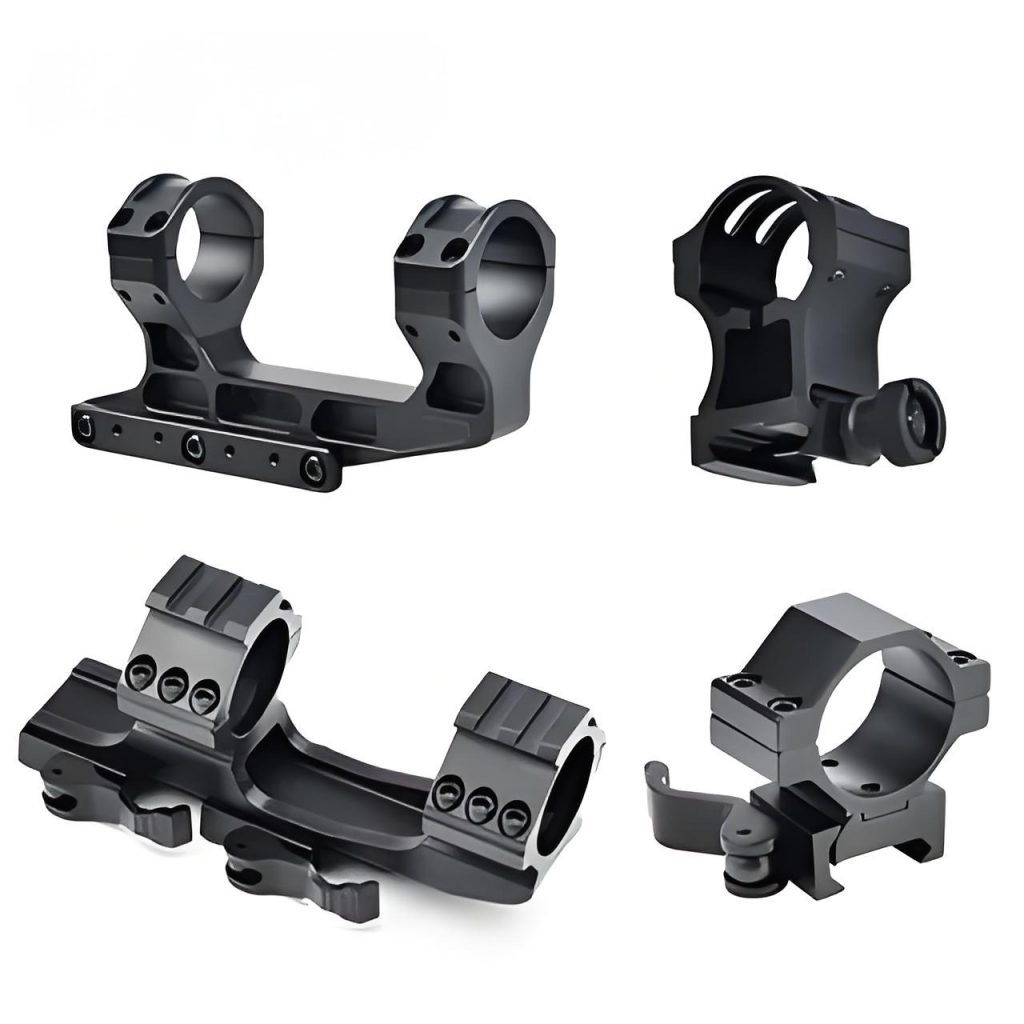
Compatibility depends on the specific products and how they are designed. Before combining a thermal optic with another device, check the mounting interface, available space, optical alignment, eye position, and the manufacturer’s compatibility guidance. Do not assume that two devices can be combined simply because their mounts appear similar. For integrated or custom configurations, confirm mechanical and optical requirements with the manufacturer before purchase or development.
What Is the Difference Between Thermal Imaging and Infrared Illumination?
Thermal imaging detects infrared radiation emitted by objects and uses the detected differences to create an image. Infrared illumination is an active approach: an illuminator emits infrared light, and a compatible imaging device detects the light reflected from objects.
The distinction matters because the technologies rely on different signals. Thermal imaging does not need an infrared illuminator to create a thermal image, while an infrared-illuminated night-vision system needs suitable reflected infrared light to produce its image. They should not be treated as interchangeable technologies.
What Should Brands Confirm Before Developing a Thermal Optic Product?
Brands should first define the target market, intended application, expected price range, and required performance. They should then confirm the sensor and lens options, display and interface, power system, housing and mounting design, durability requirements, and any applicable regulatory obligations.
Before moving to production, buyers should also agree on sample evaluation, acceptance criteria, quality inspection, documentation, customization scope, minimum order quantity, lead time, warranty, and after-sales arrangements. Confirming these points early helps reduce misunderstandings and gives both parties a clearer basis for product development.
If you are planning a thermal optic project, contact FORESEEN OPTICS to discuss your product brief, available configurations, and OEM/ODM requirements.