Magnification Only Determines How Much an Image Is Enlarged; It Does Not Define the Overall Experience
In binoculars wholesale procurement, 8×42, 10×42, and 10×50 are often the first specifications buyers confirm. However, two binoculars with the same magnification and objective diameter can differ significantly in clarity, viewing comfort, weather resistance, and after-sales performance. Wholesalers, importers, and private-label brands therefore need to evaluate the complete specification package and determine whether it can remain consistent across mass production.
Established brands rarely list magnification alone. The Nikon PROSTAFF P3 8×42, for example, also specifies field of view, close-focus distance, exit pupil, eye relief, weight, and waterproof/fogproof performance. Together, these specifications determine the most suitable sales channels, how easily users can operate the product, and whether after-sales costs can be controlled.

Eight Specification Categories Wholesalers Should Check
| Parameter | What It Affects | What Buyers Should Confirm | Common Risk |
| Objective Diameter and Exit Pupil | Brightness, low-light performance, and body size | Exit pupil = objective diameter ÷ magnification; evaluate it against the target use case | Focusing on a large objective while ignoring weight and actual light transmission |
| Field of View | Efficiency in finding and tracking moving subjects | Check both angular FOV and m/1,000 m or ft/1,000 yd | High magnification with an overly narrow FOV creates a poor end-user experience |
| Eye Relief and Eyecups | Comfort for eyeglass wearers and extended viewing | Verify effective eye relief, eyecup positions, and eyecup stability | Good specifications on paper but limited eye-position tolerance in practice |
| Close-Focus Distance | Suitability for birding, insect viewing, museums, and urban observation | Test the closest clear focus distance for the intended channel | Optimized only for long range, limiting its use cases |
| Prisms and Coatings | Brightness, contrast, color rendition, and edge performance | Confirm Porro/roof design, phase correction, dielectric coatings, and full multicoating | “Fully coated” alone does not reveal the actual coating grade |
| Waterproof and Fogproof Performance | Reliability in humidity, temperature changes, and rain | Confirm the sealing method, nitrogen/argon purging, and test conditions | Marketing claims without defined test standards |
| Weight and Construction | Carry willingness, handling, and shipping cost | Check balance, hinge, focus wheel, and housing material | Excessive weight reduction causes structural looseness or poor handling |
| Focusing and Diopter Adjustment | Operating efficiency and long-term stability | Test resistance, backlash, diopter locking, and repeat-focus consistency | The sample feels smooth, but production batches vary significantly |
Exit Pupil and Real-World Brightness Cannot Be Judged by Formula Alone
Exit pupil provides a quick comparison of theoretical brightness: an 8×42 has an exit pupil of approximately 5.25 mm, while a 10×42 provides about 4.2 mm. Wholesalers should still compare physical samples while considering glass quality, prism reflectivity, lens coatings, and stray-light control. The same exit-pupil diameter does not guarantee the same light transmission or equally clean images at dawn and dusk.
Field of View, Eye Relief, and Close Focus Determine Channel Fit
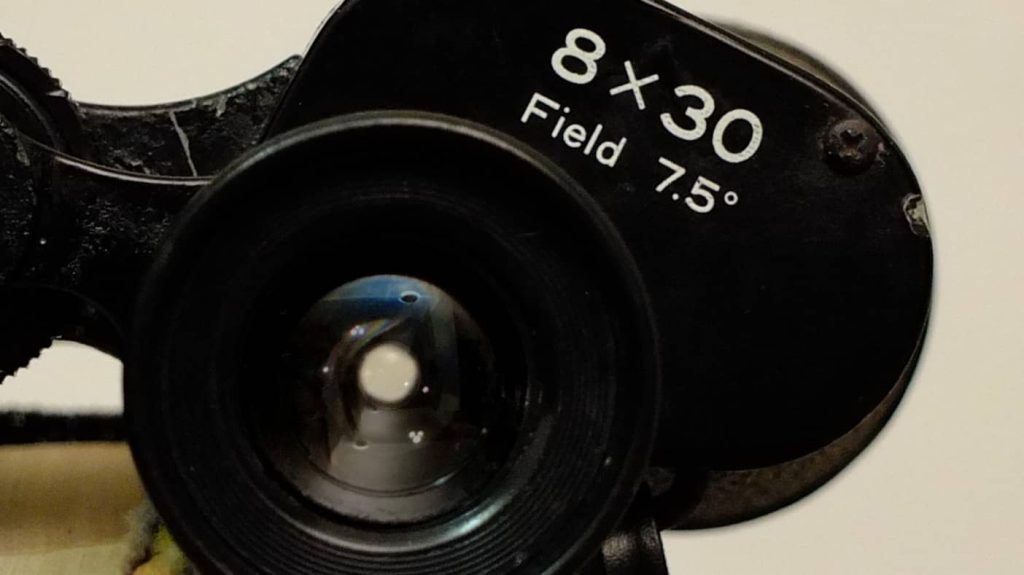
Birding and moving-subject observation place greater importance on a wide field of view; eyeglass wearers depend on adequate eye relief; and nature-education, insect-observation, and museum channels require a shorter close-focus distance. Instead of asking only whether a product is 10×, wholesalers should first identify whether end users will operate it in forests, open terrain, stadiums, travel settings, or educational environments, and then prioritize specifications accordingly.
Waterproof and Fogproof Claims Must Include Test Conditions, Not Just a Single Word
The term “waterproof” can describe very different levels of sealing. Purchase contracts and specification-approval sheets should state the test depth, test duration, temperature-cycle conditions, internal-fogging criteria, and sampling ratio. Products such as the ZEISS Terra ED clearly describe waterproofing, nitrogen filling, and hydrophobic coatings, which is much easier for sales channels to communicate than a vague claim of “outdoor waterproofing.”
After Confirming the Specifications, Complete Three Sample-Validation Steps
Step 1: Compare Multiple Samples Instead of Evaluating One Unit in Isolation
Prepare the target sample, a competing product, and samples with alternative configurations, then conduct blind comparisons in daylight, shade, backlighting, and dawn/dusk conditions. This makes it easier to determine whether upgraded coatings, ED glass, or a wider field of view genuinely justify the additional procurement cost.
Step 2: Convert Subjective Experience into Executable Standards
Include focus-wheel resistance, double-image tolerance, eyecup tightness, diopter return accuracy, waterproofing, and cosmetic defects in the inspection standard. A common B2B sourcing mistake is approving only the sample specifications without defining acceptable mass-production tolerances, AQL sampling requirements, or after-sales acceptance criteria.
Step 3: Verify Mass-Production Consistency and Traceability
The primary risk in a wholesale order is often not one unclear sample, but fluctuations between production batches in focusing feel, optical-axis alignment, chromatic aberration, or accessory completeness. Buyers should confirm that the factory can perform collimation inspection, air-tightness testing, batch recordkeeping, and outgoing quality inspection.

FORESEEN OPTICS Recommendation: Replace Single-Specification RFQs with a Procurement Checklist
For importers, wholesalers, and outdoor brands, a more effective RFQ should include the target use case, retail price range, core specifications, test requirements, expected MOQ, and customization scope. This gives the factory enough information to balance optical configuration, structural materials, packaging and accessories, and cost.
Conclusion
Magnification is only the starting point of a binocular specification. Wholesale procurement results are ultimately determined by field of view, exit pupil, eye relief, close focus, coatings, environmental protection, structural feel, and mass-production consistency. By aligning these parameters with target channels and inspection standards, wholesalers can reduce after-sales risk, establish clear price tiers, and avoid low-price competition built around products that merely “look the same” because they share the same magnification.