When sourcing binoculars, buyers usually compare magnification, objective diameter, prisms, and coatings. The focusing mechanism also directly affects how the product operates, where it is used, and who it suits.
Center focus uses a central wheel to adjust both optical channels together and suits frequent changes in viewing distance. Individual focus uses separate adjustment rings on the two eyepieces and is more common in marine, astronomy, and some fixed-distance products. Choose the mechanism that fits the end user’s viewing habits.
Center Focus vs. Individual Focus: How They Work
Center Focus for Frequent Changes in Viewing Distance
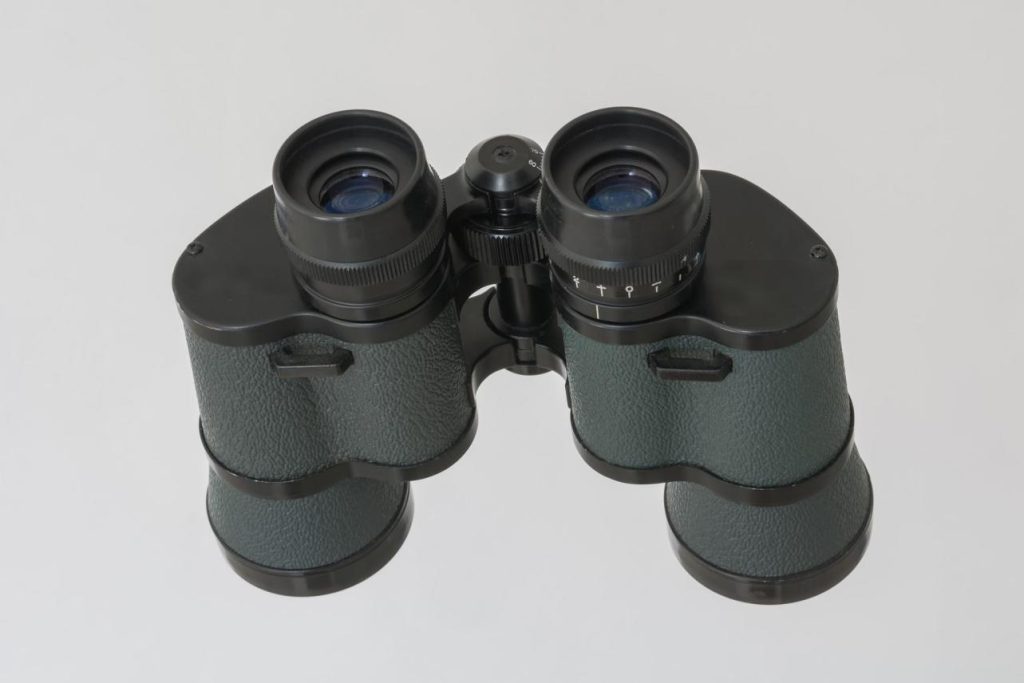
Center focus (CF) binoculars usually have a wheel on the hinge or bridge that drives both focusing mechanisms together. Most also have a diopter ring on one eyepiece to compensate for differences between the eyes. After setting the diopter for their eyesight, users generally need only turn the center wheel to switch quickly between near and distant subjects.
This intuitive operation is easy to learn. It suits birding, wildlife observation, hiking, searching while hunting, and everyday outdoor use where users continually locate subjects, track movement, or view at different distances.
Individual Focus for Relatively Stable Viewing Distances
Individual focus (IF) binoculars usually have separate adjustment rings on the left and right eyepieces. Users first set each side for a clear image. When the viewing distance changes, they generally adjust both eyepieces separately.
In marine navigation, coastal patrols, astronomy, and some specialist long-distance observation, subjects are often at medium or long distances, with little need to alternate between near and far. Individual focus can fit this pattern of use. Eliminating certain central focusing linkages can also help designers seal specific product platforms.
Distinguish Individual Focus from Autofocus
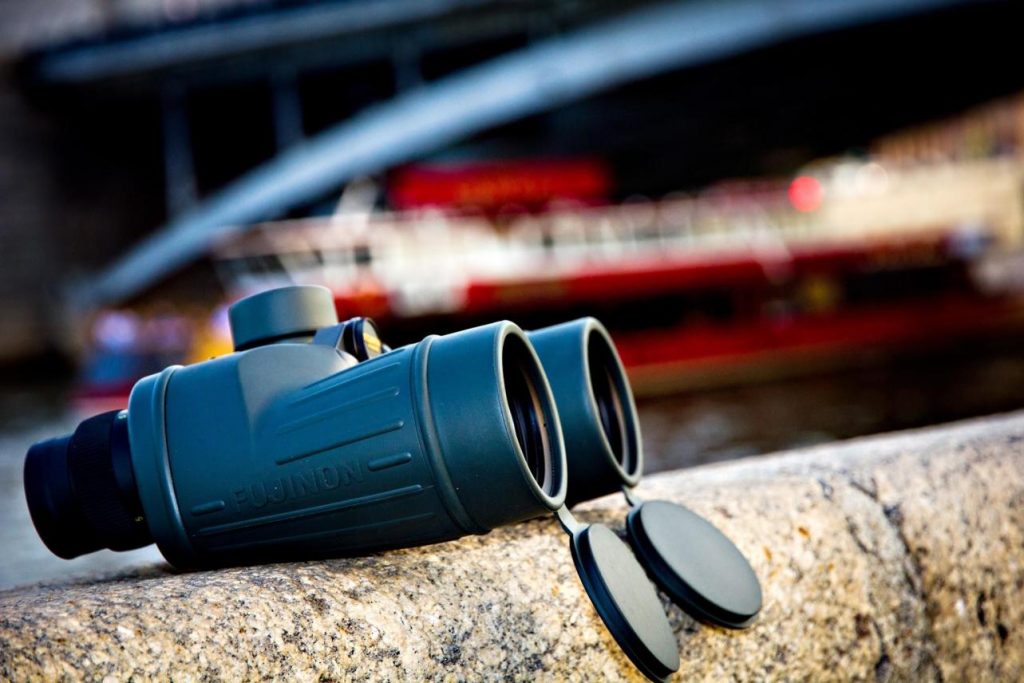
Buyers should distinguish IF from products marketed as autofocus or focus-free. Standard IF models still require separate adjustment of the eyepieces. Some brands use “Sports Auto-Focus” for designs with sufficient depth of field to keep subjects within a certain distance range clear after the eyepieces are set for the user’s eyesight. This is a feature of the specific optical design and should be checked for each product.
Choosing the Right Mechanism by Application
Birding and Wildlife Observation: Evaluate Center Focus First
Birders frequently switch between branches, the ground, the sky, and subjects at different distances while tracking moving birds. Center focus makes continuous adjustment easier and usually lends itself to shorter close-focus distances. CF is often a natural starting point for core products sold through birding specialists and outdoor retailers.
Marine Observation: Evaluate Individual Focus
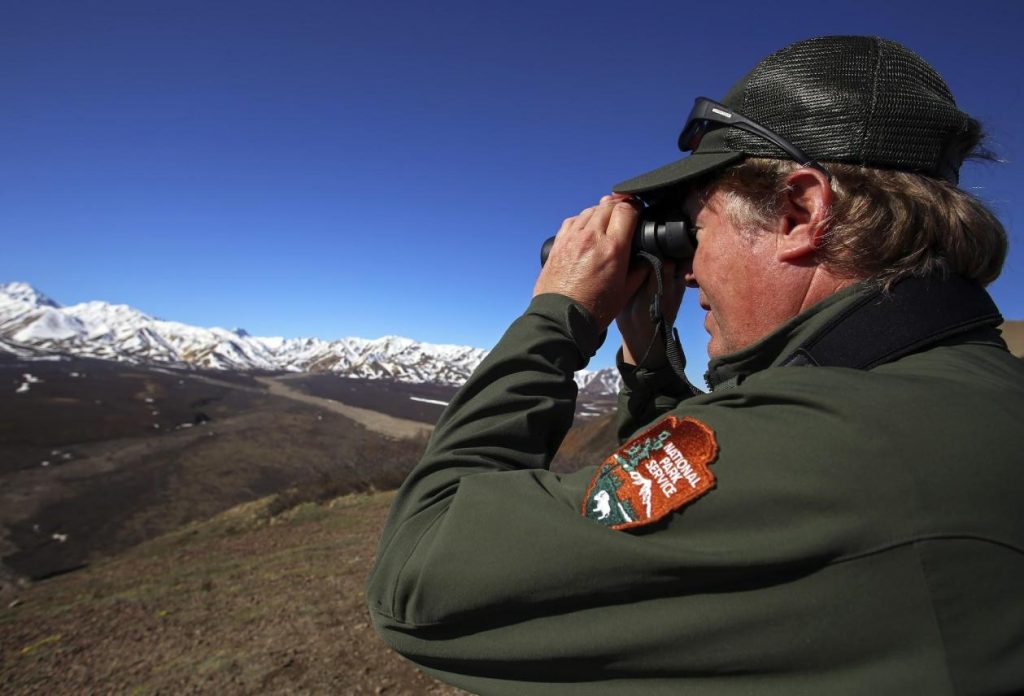
From a vessel, users often view distant navigation marks, boats, shorelines, and subjects on the water. Marine binoculars commonly use a 7×50 configuration with waterproofing, fog resistance, rubber armor, a compass, or a ranging reticle. Individual focus suits users who set each eyepiece for their eyesight and then mainly view at medium and long distances.
If crew members frequently hand the binoculars to one another, also consider the convenience of center focus. Each user has different diopter settings and focusing habits, so the mechanism affects how quickly the instrument can be passed between users.
Astronomy and Fixed Position Observation: Consider Individual Focus
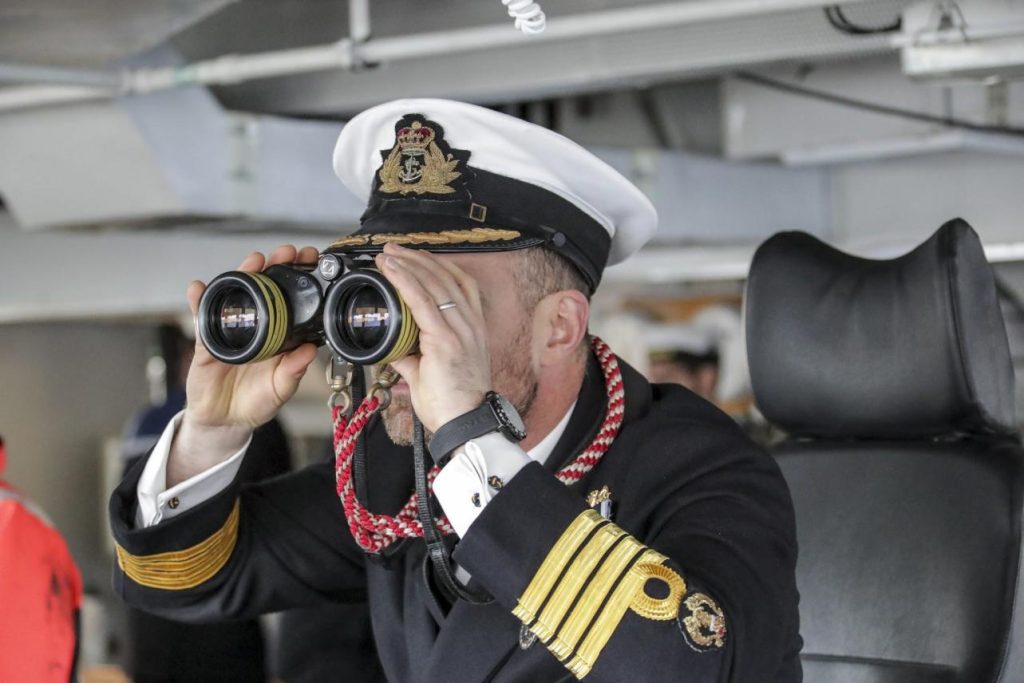
In astronomy or tripod-based observation from a fixed position, subject distances change little. Users typically set focus at the start and make fewer adjustments afterward. Individual focus allows separate calibration for each eye. Suitability also depends on magnification, changes of subject, shared use, and close-focus requirements.
Travel, Families, and Shared Use: Center Focus Is Easy to Learn
Travel retail, gifts, education, and family products often serve first-time binocular users. A single focus wheel simplifies operation and instructions and makes handovers easier. For mass-market products, CF can help control training and after-sales explanation costs.
Coordinating Focus Design with Prisms and Waterproofing
CF and IF describe focusing mechanisms. Roof prism and Porro prism binoculars can use different focusing arrangements. Common combinations include roof prisms with center focus and marine Porro prisms with individual focus, but other combinations are possible.
Individual focus can eliminate some central transmission parts, helping with sealing on certain Porro designs. Waterproof performance still needs verification for each product. Modern center focus roof prism binoculars can use internal focusing groups and seals for waterproof construction. The overall design, seals, assembly process, and actual test results determine the rating.
Also verify durability and precision on the sample. Check ring resistance, clear markings, consistency between left and right adjustments, threads, sealing, and any tendency to loosen or admit water over time.
Practical Checklist for Evaluating Sourcing Samples
Test CF and IF samples with target users to establish suitability beyond the specification sheet. Include the following checks.
- Near-to-far switching. Record the steps and time needed to achieve clear focus when moving between nearby and distant subjects.
- Close focus. Confirm the minimum clear viewing distance, especially for birding, plants, and everyday outdoor use.
- Eye calibration. Check diopter range, markings, and locking. Confirm that users with different eyesight can make their own settings.
- Focusing feel. Check for even resistance in the center wheel or separate eyepiece rings, including excessive looseness, stiffness, backlash, or sticking.
- Shared use. Have users take turns and assess ease of refocusing and accidental changes to existing settings.
- Environmental use. Check operation in cold or damp conditions and with gloves. Verify waterproofing and fog resistance using agreed test methods.
For IF models, record the position or scale setting of each eyepiece after focusing. Check whether users can repeat adjustments accurately when distance changes. For CF models, check focus travel from near to far, fine adjustment, and whether both optical channels reach clear focus together.
Focusing Mechanism References for Different Markets
Use this table for initial screening and channel planning. Choose the final configuration based on optical design, close-focus distance, waterproofing requirements, and target-user tests.
| Target market or users | Mechanism to evaluate first | Main reason | Sourcing priorities |
| Birding and wildlife observation | Center focus (CF) | Frequent distance changes and moving subjects call for rapid focusing and often good close focus. | Close-focus distance, wheel travel and resistance, and smooth switching |
| General outdoor and hunting observation | Mainly CF. Compare IF for fixed long-distance tasks. | CF is convenient for searching and tracking. IF can suit fixed observation at medium and long distances. | Actual viewing distances, close focus, low-light performance, and ease of adjustment |
| Marine navigation | Consider IF first | Users mainly view at medium and long distances, with fewer changes after setting the eyepieces. | Separate eyepiece adjustment, sealing and waterproof tests, compass or ranging functions, and frequency of crew handovers |
| Astronomy and fixed-position observation | Consider IF | Distances are largely fixed, with less frequent focusing than in birding. | Fine adjustment, tripod socket, and comfort over extended viewing |
| Travel, families, education, and rental use | Center focus (CF) | Fewer steps make it easier for beginners and users taking turns. | Focus-wheel feel, diopter adjustment, durability, and clear instructions |
FORESEEN OPTICS Recommends Matching Focus to Product Positioning
Brands serving birding, outdoor retail, and travel should evaluate center focus platforms first, comparing speed, close focus, field of view, and handling. For marine navigation and fixed-position observation, evaluate individual focus 7×50 Porro models while confirming waterproofing, fog resistance, eye relief, compass and ranging reticles, and accessories.
For example, the FORESEEN OPTICS MIZP750-1 is a 7×50 Porro marine binocular with individual focus, a compass, and ranging functions, described as waterproof and fogproof. The MELR1042-3 series of 8×42/10×42 roof prism models uses center focus and internal focusing groups. Their different roles provide starting points for sourcing discussions and sample comparisons.
Conclusion
Center focus offers intuitive operation and quick distance changes for birding, wildlife observation, travel, and shared use. Individual focus suits relatively stable viewing distances, particular sealing designs, and specialist marine products. Each has strengths for its intended use.
Business buyers should define the market and observation task, choose the focusing mechanism, and then verify close focus, adjustment feel, sealing, and shared-use performance on samples. Matching the mechanism to actual user needs gives the product a practical advantage in its sales channel.