When selecting a binocular OEM supplier, brands and wholesalers often ask, “Are you a factory or a trading company?” A factory photograph or a “Factory Direct” claim provides limited information. Buyers need to verify the supplier’s actual responsibilities in product development, optical assembly and alignment, production management, quality inspection, and order delivery.
Understand the Business Model Before Assessing Partnership Risks
Three business models are common in the binocular supply chain. Manufacturers may operate their own production and assembly systems. Hybrid manufacturers may handle some assembly, testing, or development while outsourcing lenses or machining. Trading companies handle sourcing, consolidated purchasing, and export services. Outsourcing coating or lens processing is compatible with manufacturing, and trading companies can provide excellent supply-chain management. Buyers need transparency about the supply chain and a clear party responsible for product consistency and corrective action.
Level One: Verify the Legal Entity and Actual Production Address
What a Business License Can Establish
Ask for the supplier’s Chinese business license, Unified Social Credit Code, contracting entity, and beneficiary account name. Check its registration status, business scope, and registered address through the National Enterprise Credit Information Publicity System. A scope that includes manufacturing, production, or processing provides a useful clue. Follow up to establish which production lines currently operate. If the registered and factory addresses differ, ask the supplier to explain the arrangement.
External verification portal: National Enterprise Credit Information Publicity System.
Match the Production Site to the Quoted Product
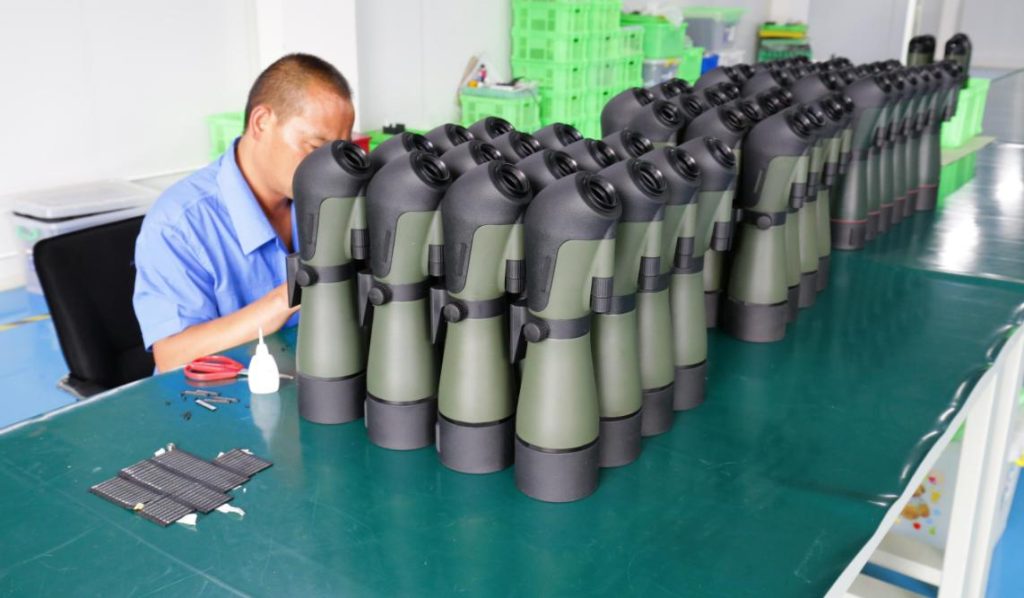
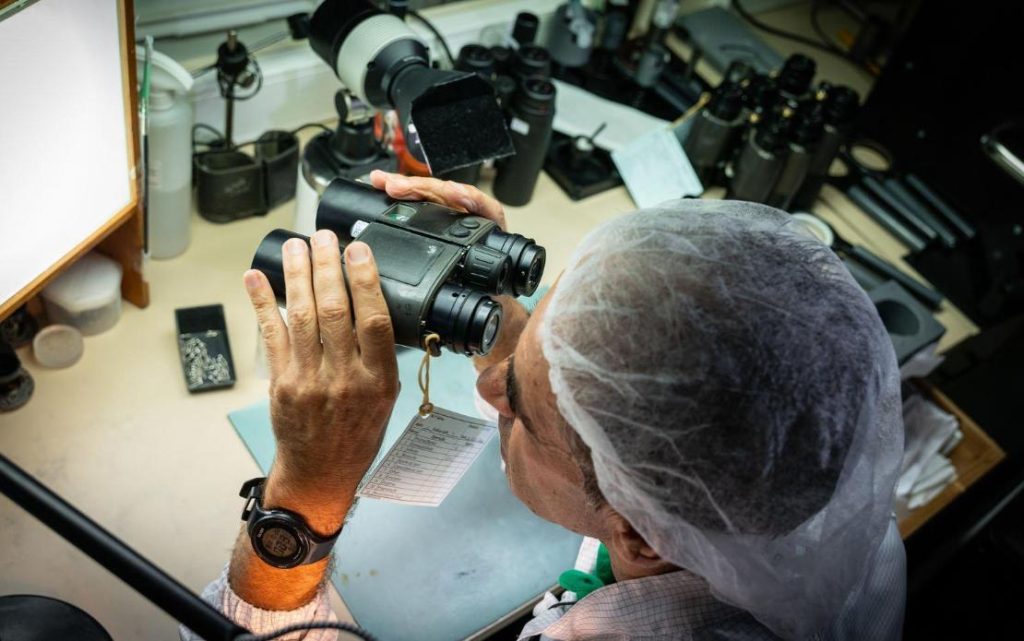
A live video tour or on-site audit provides stronger evidence than a general promotional video. Look at binocular assembly stations, material flow, process records, and work in progress for the quoted model. Ask which processes take place in-house, which are outsourced, and how subcontractors are managed. Where access is restricted, agree on confidentiality boundaries and arrange verification by a third-party auditor.
Level Two: Check Optical Manufacturing and Alignment Capabilities
Match Equipment to the Critical Processes
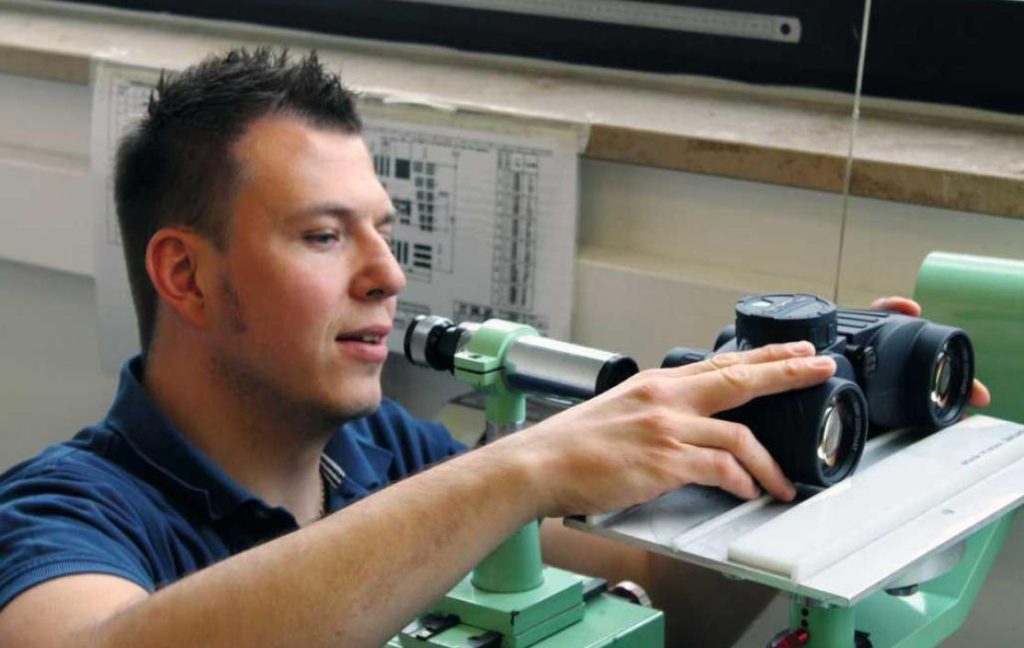
Binocular production involves optical alignment, binocular collimation, field of view, focusing resistance, diopter adjustment, and sealing as well as assembling lenses and housings. Suppliers can source upstream glass processing externally, but should identify who performs each critical process and show assembly fixtures, optical inspection equipment, or inspection records relevant to the project. Ask suppliers showing CNC machinery to also explain how they test binocular alignment and manage the full delivery process.
Use Specific Technical Questions to Assess Communication
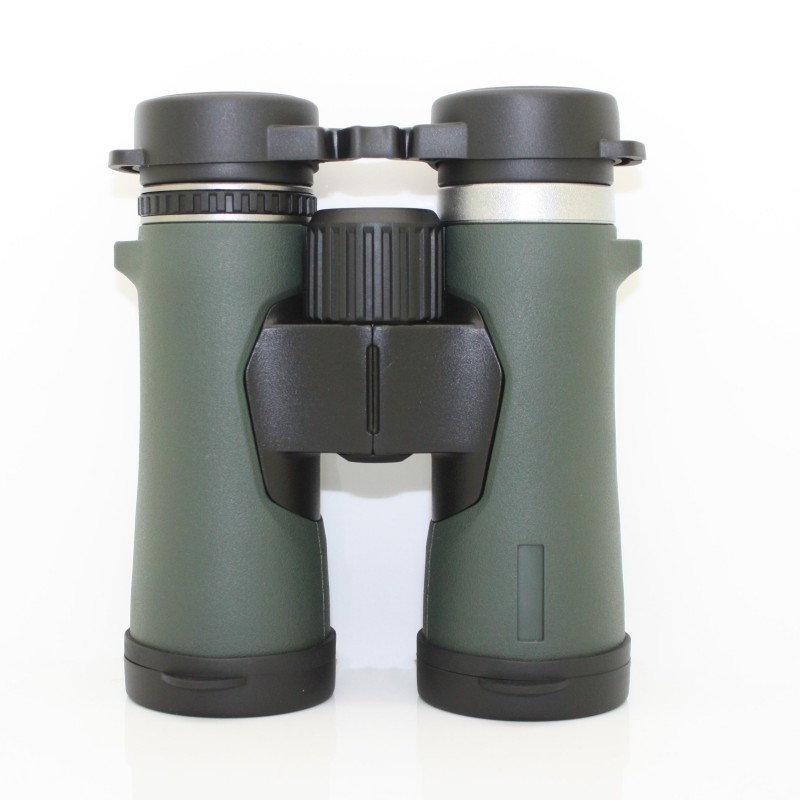
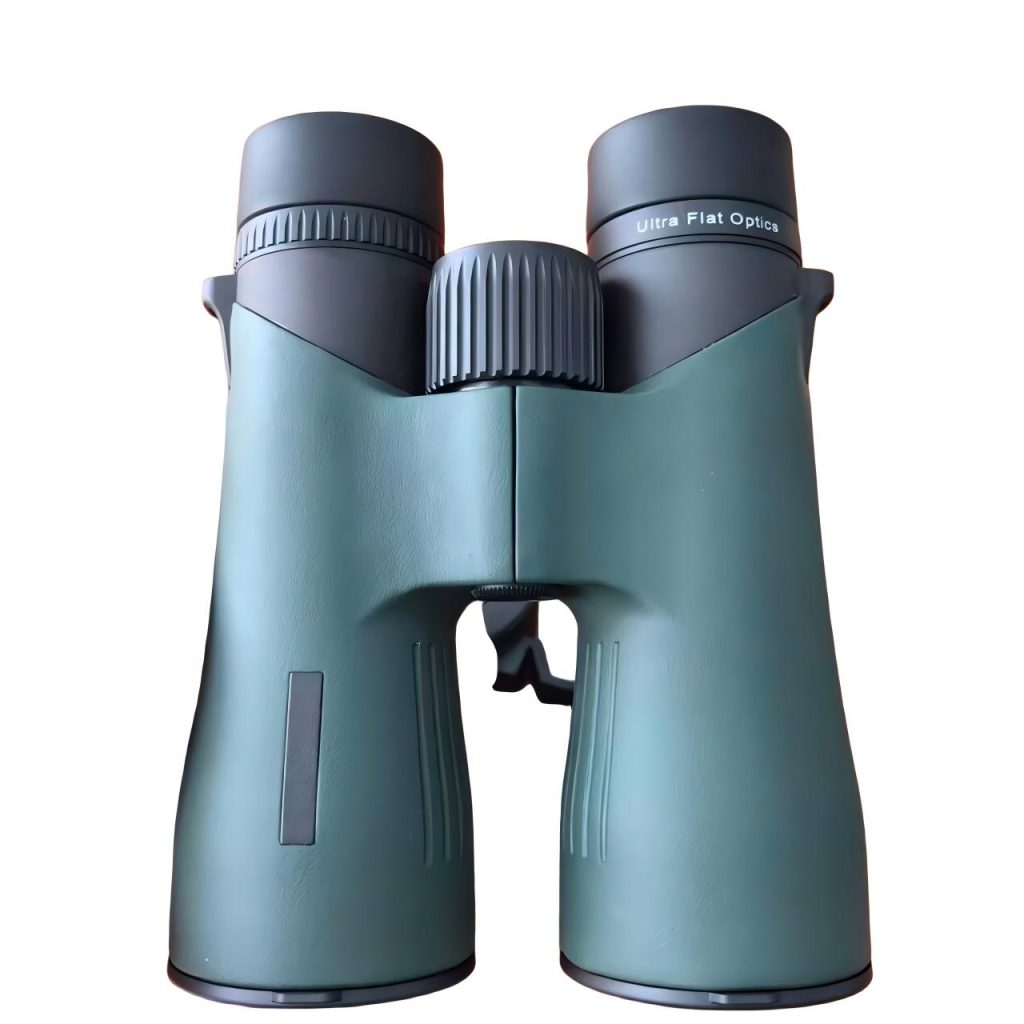
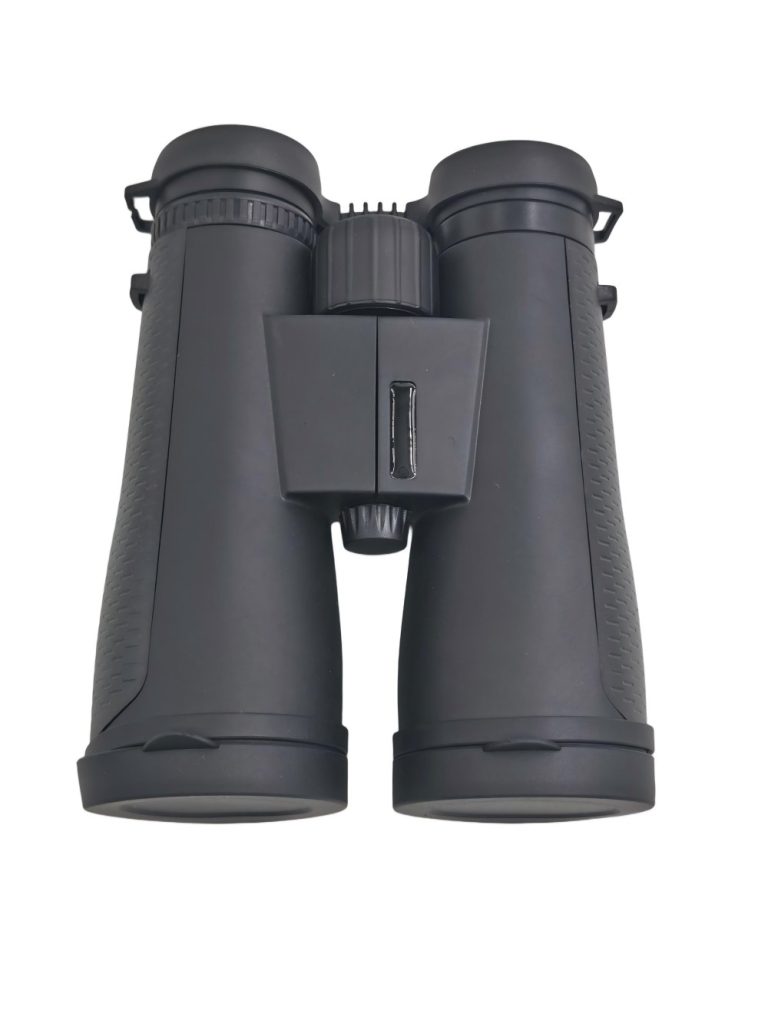
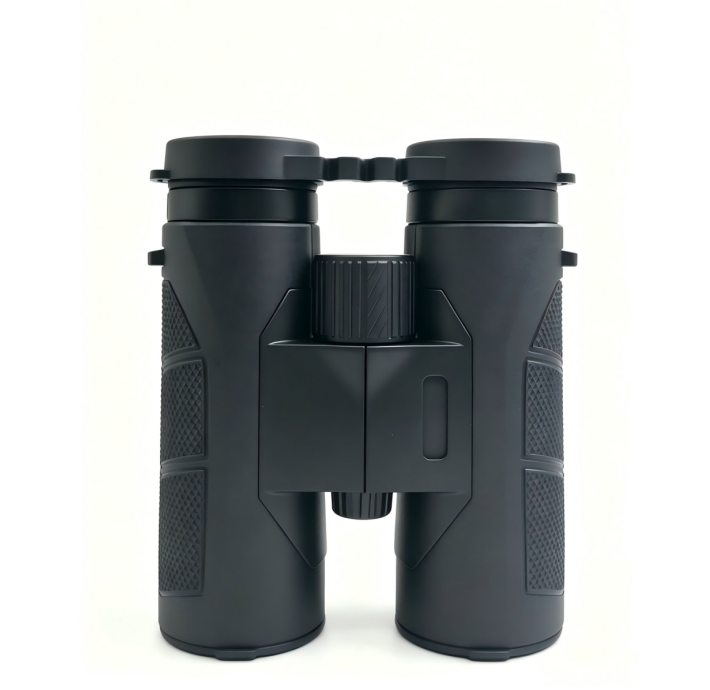
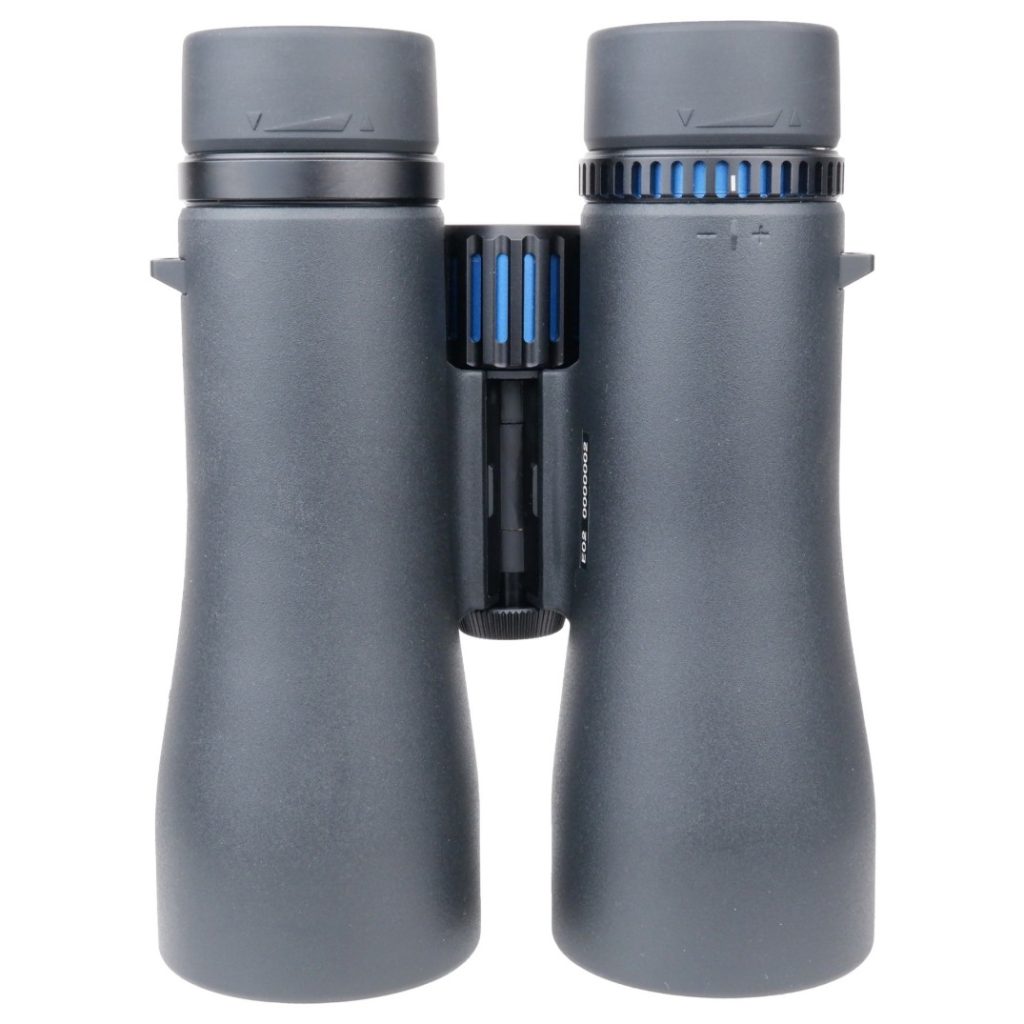
Ask how eye relief and field of view are balanced between 8×42 and 10×42 models. If a sample produces a double image, how is alignment retested and corrected? What test conditions apply to waterproofing and nitrogen purging? After changing the rubber armor color or eyecup design, which tests must be repeated? A supplier capable of technical collaboration should provide workable specifications, a sample plan, and named contacts responsible for the work.
Level Three: Check Traceability in Quality Control and OEM Project Management
Review Actual Inspection Records Alongside Certificates
Ask for records of incoming inspection, critical assembly and alignment checks, outgoing sampling, and corrective action relevant to the target model. ISO 9001 certifies a management system. Obtain a separate performance report for the binocular model and verify the certificate’s company name, covered addresses, scope of activities, and current validity. ISO 14133:2025 can inform discussions of basic binocular performance. Buyers and suppliers should record the specific acceptance rules in the project documents.
More References: ISO guidance on certification verification, IAF CertSearch certificate search.
Retain Approved Samples and Control Versions and Changes
Before production, a reliable OEM process should lock the golden sample, bill of materials (BOM) revision, appearance and color samples, accessory list, packaging artwork, and critical inspection requirements. Suppliers should explain how sample revisions reach the production team, which materials carry minimum order quantities (MOQs), and who handles defects in the first batch. These controls support consistency in later batches.
Illustration | Operations at critical assembly points and process records help show whether the factory can repeat its assembly methods consistently.
Level Four: Define Responsibilities in Contracts and Delivery Documents
From inquiry through production, establish who supplies samples, buys optical and mechanical components, conducts inspections, handles rework and after-sales service, and manages exports. If the quoting, contracting, payment-receiving, and manufacturing companies differ, clarify and document their relationships before the transaction. Confirm both responsibility for delivering finished products and ownership of the production equipment.
What Buyers Should Compare Between Manufacturers and Trading Companies
| Verification item | Manufacturer or supplier with production capability | Trading company or supply-chain integrator | Buyer action |
| Production site | Can provide an owned or controlled site and process records | Should identify the actual factory and cooperation arrangements | Check addresses, the project production line, and outsourced work |
| Technical changes | Can directly organize alignment, mechanical, or process changes | May need to coordinate with upstream factories | Ask both suppliers the same technical questions |
| Quality and traceability | Should provide process records, approved samples, and batch traceability | Should provide valid records from the upstream factory | Review inspection reports and completed corrective actions |
| MOQ and lead time | Depend on capacity, processes, and material lead times | Can combine resources from several factories, with varying flexibility | Confirm separate product, color, and packaging MOQs |
| After-sales responsibility | Identify who corrects and retests production defects | Explicitly state coordination and compensation responsibilities | Record these in contracts, sample approvals, and acceptance documents |
Five Checks to Make During the Quotation Stage
- Verify the business license, Unified Social Credit Code, contracting entity, and actual production address.
- Request site video, process flowcharts, and details of critical equipment and workstations relevant to the model you are sourcing.
- Request inspection records for the target sample covering applicable checks such as optical alignment, focusing, and waterproofing.
- Confirm in writing the scope of in-house and outsourced work, plus separate MOQs for logos, colors, and packaging.
- Sign off on the golden sample, BOM revision, AQL or inspection criteria, and responsibility for after-sales corrective action.
How FORESEEN OPTICS Supports Supplier Evaluation
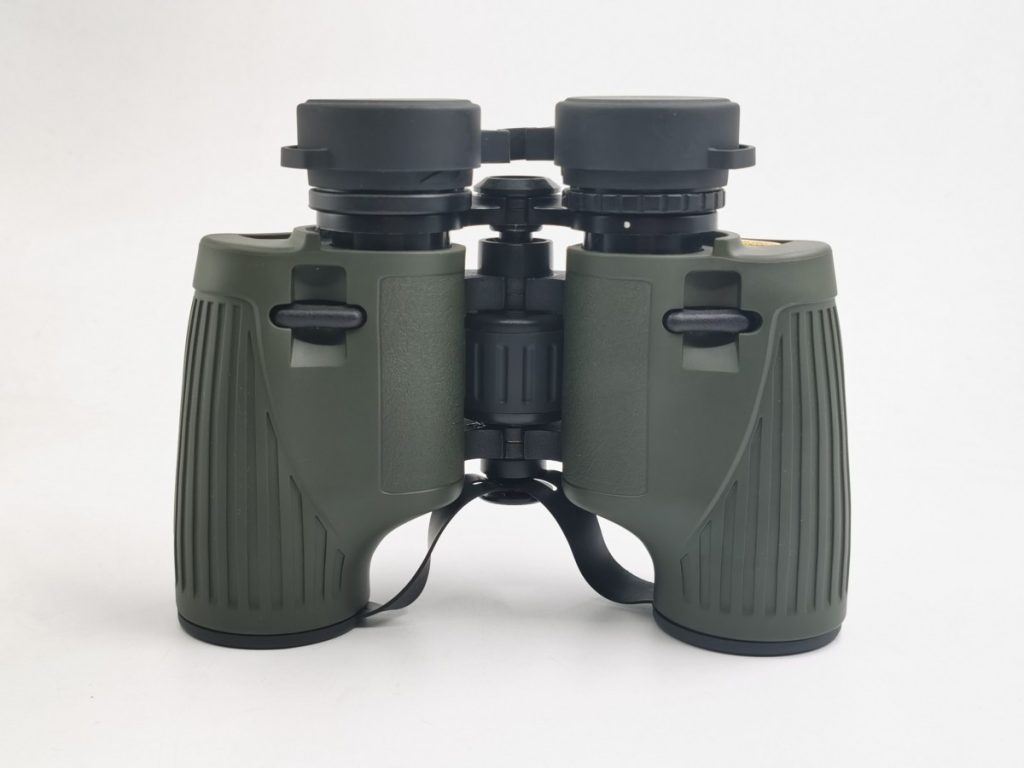
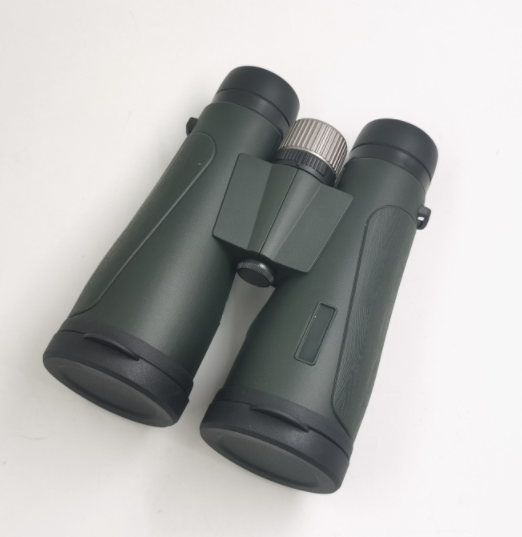
For first-time buyers and customers developing their own brand, start with the target market, intended use, price tier, and order size to choose a suitable roof prism, Porro prism, or compact platform. Then define optical specifications, customization scope, outsourced and in-house responsibilities, sample revisions, and pre-shipment inspection requirements. FORESEEN OPTICS product and service information provides a starting point for inquiries. Verify specific processes, capacity, certificates, and site audit matters using evidence supplied for the current project.
Conclusion
The labels “factory” and “trading company” describe a supplier’s role. To assess quality and delivery capability, binocular wholesalers and brands should verify the legal entity, site, optical assembly and alignment, inspection records, and contractual responsibilities, then test performance through samples and small orders. A clear understanding of the production chain and quality responsibilities makes it possible to compare prices, customization options, and lead-time commitments.