Specifications like 8×42 and 10×42 are usually the first things buyers see on a binocular quote. For brands, wholesalers, and importers, magnification and objective diameter describe the basic configuration. Field of view, ease of use with glasses, focusing feel, and consistency between approved samples and production units all require separate checks. To compare quotes fairly, review optical performance, ergonomics, weather protection, and acceptance criteria together.
Why Magnification and Objective Diameter Alone Can Lead to the Wrong Purchase
Two pairs of 8×42 binoculars can differ noticeably in field of view, eye relief, close focus, prisms, and coatings. Start by identifying whether the product is for birding, hunting, travel, or general outdoor retail. Then decide which specifications to include in sample approval and production orders so suppliers are quoting against the same requirements.
Browse the FORESEEN OPTICS OEM/ODM binocular range to compare available platforms.
Level One: Optical Specifications and What Users See
Field of View (FOV) and How Quickly Users Find a Subject
Field of view is usually expressed in meters at 1,000 meters or in degrees. Models with the same magnification can have different fields of view. A wide field is often useful for birding, observing moving animals, and viewing in woodland. Ask suppliers to use the same units and state the actual test conditions so any “wide angle” claim can be verified.
Exit Pupil for Low Light and Eye Relief for Comfortable Viewing
Exit pupil diameter equals effective objective diameter divided by magnification. The theoretical values are 5.25 mm for 8×42 and 4.2 mm for 10×42. This is a geometric specification. Actual light transmission also depends on losses through the coatings, lenses, and prisms. Eye relief affects whether users can see the full field while wearing glasses. For that audience, around 15 mm or more can be a starting point, but verify the full field on a physical sample with its actual eyecup design.
Close Focus, Resolution, and Edge Sharpness
Close focus matters when viewing nearby birds, insects, or exhibits. Compare center sharpness, edge blur, chromatic aberration, glare, and contrast against the light. Use the same distance, lighting, and subject for every sample. If a quote lists ED glass, BaK4 prisms, fully multicoated optics (FMC), or phase correction for roof prisms, ask the supplier which components and versions those terms apply to before judging overall performance.
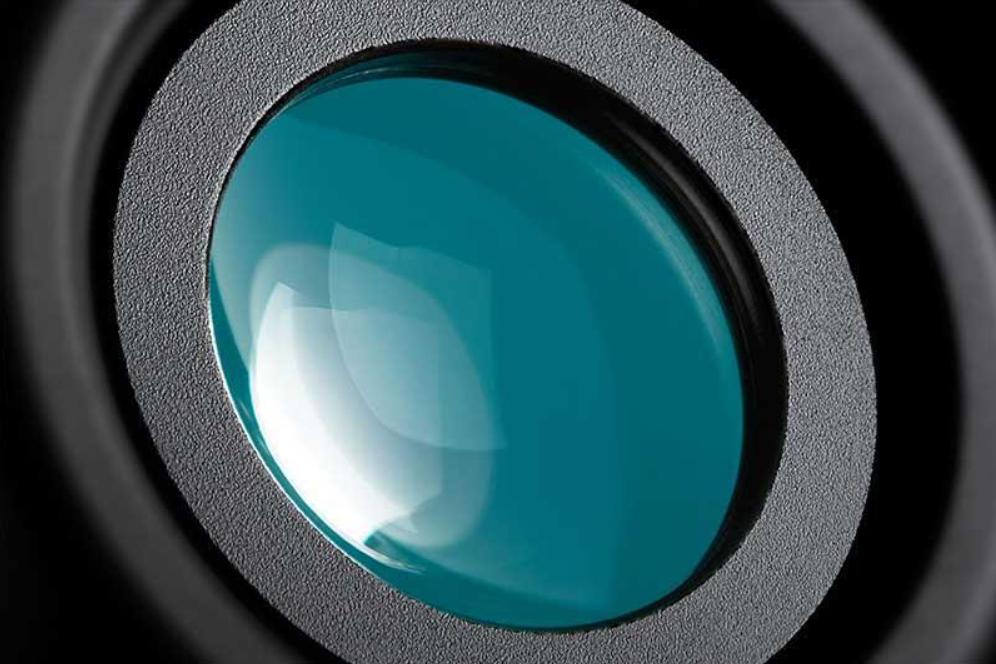
Nikon’s binocular specifications guide explains field of view, exit pupil, eye relief, and close focus in more detail.
Level Two: Mechanical Design and Everyday Handling
Play in the focus wheel, a loose diopter ring, indistinct eyecup stops, or uneven hinge resistance can affect returns and customer reviews. For extended handheld use, also check weight, balance, rubber grip, housing material, and the interpupillary distance (IPD) range. Travel buyers tend to value portability, while hunting and all-weather outdoor channels put more emphasis on a secure grip and durability.
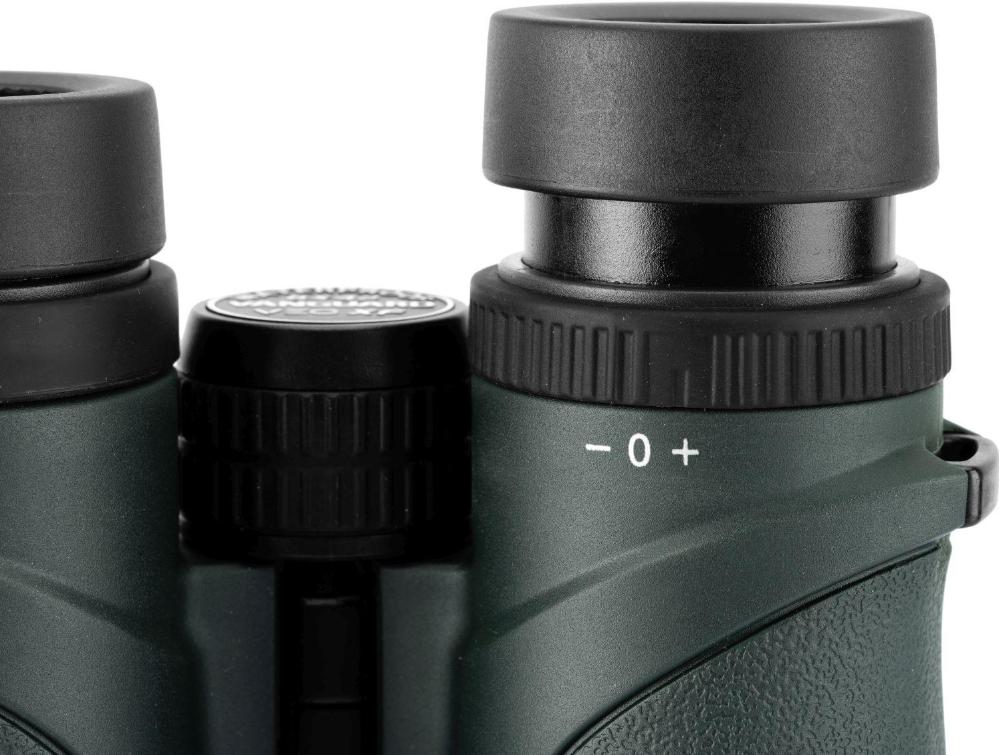
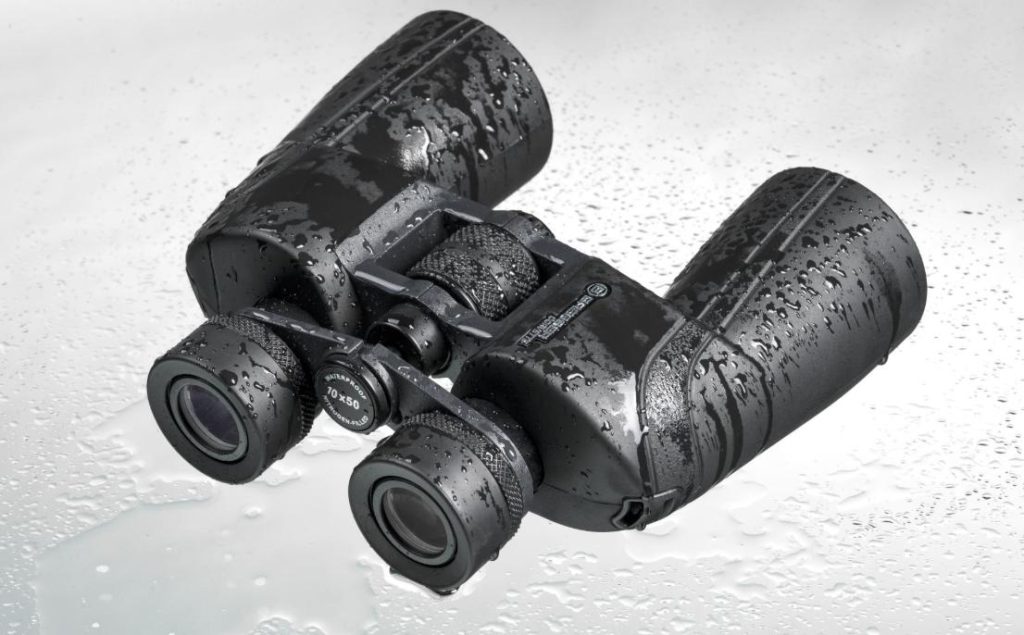
Verify waterproofing and fog resistance separately. Agree in writing on the sealing design, test conditions, and limits of use. A nitrogen or argon purge mainly reduces the risk of internal fogging. A claimed waterproof rating requires separate verification. When specifying an IP rating, state the applicable standard, test method, and condition of the samples so supplier quotes describe comparable performance.
Level Three: Accessories, Packaging, and Channel Documentation
Lens caps, straps, carrying cases, cleaning cloths, manuals, and custom printed boxes affect whether a product is ready for retail, how often it arrives damaged, and what it costs to support. Confirm accessory materials and quantities, logo application, box dimensions, barcodes, and required languages item by item. Calculate product minimum order quantities (MOQs) separately from packaging and printing MOQs.
Use the FORESEEN OPTICS Compact Binoculars range and its accessory options to choose a configuration for your sales channel.
Level Four: Acceptance Criteria for Production Orders
After approving the sample, record key specifications, measurement methods, tolerances, cosmetic standards, and sampling rates in the final specification sheet. Keep a golden sample for reference. Define optical alignment, left and right focus coordination, coating condition and lens cleanliness, control operation, waterproof testing, and checks for complete packaging and accessories. Use these criteria to verify production lots against the approved sample.
Reference standard: ISO 14133:2025, requirements for binoculars and related observation optics. Buyers and suppliers should still agree on specific inspection limits in the order.
Wholesale Binocular Specification Checklist
| Item | Supplier data | Sample checks | Value to the channel |
| Field of view (FOV) | m at 1,000 m or degrees | Measured field and tracking of moving subjects | Faster subject acquisition for birding and outdoor use |
| Exit pupil diameter | Calculated from effective aperture and magnification | Nominal value and actual effective aperture | Baseline for low-light use |
| Eye relief | mm and eyecup specifications | Full field visible with glasses | Fewer returns from glasses wearers |
| Close focus | m | Consistency across samples | Birding, insects, and close observation |
| Prisms and coatings | Prism type and scope of FMC or phase coatings | Backlit performance, color fringing, and edge image quality | Clear differences between price tiers |
| Focus and eyecups | Focus travel, resistance, and diopter range | Play, noise, stops, and fit | Ease of use and durability |
| Waterproofing and fog resistance | Rating, test conditions, and gas purge | Seal integrity and performance across temperatures | Confidence outdoors and fewer service issues |
| Housing and weight | g, dimensions, materials, and IPD | Balance, grip, portability, and hinge action | Fit for the intended sales channel |
| Accessories and packaging | Itemized list and packaging file version | Compare with the golden sample and verify barcodes and accessory counts | Fewer missing items and shipping complaints |
| Production quality control | Sampling plan, tolerances, and golden sample | Key functions and lot consistency | Reliable repeat orders |
Purchasing Mistakes That Raise Inventory and After-Sales Costs
• Comparing magnification and price alone can lead to a poor channel fit if field of view, eye relief, and close focus go unchecked.
• Listing “BaK4,” “FMC,” or “ED” without specifying prism design, coating locations, or sample performance leaves key claims unverified.
• Treating a nitrogen purge as proof of waterproofing leaves the actual test conditions undefined.
• Approving one sample without locking the bill of materials (BOM), packaging version, and production acceptance criteria leaves room for variation.
How FORESEEN OPTICS Helps Buyers Match Specifications and Verify Quality
FORESEEN OPTICS can shortlist configurations from established roof-prism, Porro-prism, and compact platforms based on the target market, retail price, order quantity, and intended use. We can then confirm the optics, coatings, mechanics, appearance, accessories, and packaging item by item. We suggest agreeing on must-have requirements first, then reviewing optional upgrades and their cost ranges based on the differences customers will notice.
Related products and services: Roof Binoculars, Porro Binoculars, and FORESEEN OPTICS Quality Management.
Conclusion
Magnification is the starting point for sourcing binoculars wholesale. Field of view, eye relief, close focus, coatings and prisms, focusing feel, weather resistance, and production consistency help determine whether a model will sell reliably. Match those specifications to the target user and price tier, and set clear inspection criteria so you can compare quotes and manage after-sales risk.