For binocular brands, importers, and wholesalers, 8×42, 10×42, and 10×50 are familiar specifications that are easy to explain. Each model should have a defined use, price position, and sales role. Inventory turnover, weight, field of view, low-light performance, and the target channel should then determine which models become core sellers and which serve as complementary options.
Start Product Planning with the Intended Use
8×42 means 8× magnification with 42 mm objectives. 10×42 combines 10× magnification with 42 mm objectives, while 10×50 uses 10× magnification and 50 mm objectives. Magnification determines the apparent size of the subject, and objective diameter affects light-gathering capacity. Actual viewing performance also depends on field of view, exit pupil, coatings, prisms, eye relief, focusing mechanism, total weight, and production consistency.
Wholesalers should first establish where customers will use the binoculars. Do they need to locate subjects quickly, identify distant detail, or maintain a good view at dawn and dusk? Those needs should guide the choice of specifications.
Level One: The Role of Each Specification
8×42 as a Versatile Core Seller
8×42 is often an accessible starting point for birding, nature observation, and general outdoor retail. Compared with 10×42, 8× magnification is usually easier to hold steady and often provides a wider field of view, making moving subjects easier to find and track. Its theoretical exit pupil of 5.25 mm (42 ÷ 8) also exceeds the 4.2 mm of a 10×42. With otherwise comparable optics, that can make it more forgiving in low light.
For wholesale sourcing, 8×42 can be a core seller. Before ordering, compare the actual field of view, close focus, eye relief, focusing feel, prisms, coatings, and sample performance under different lighting conditions.
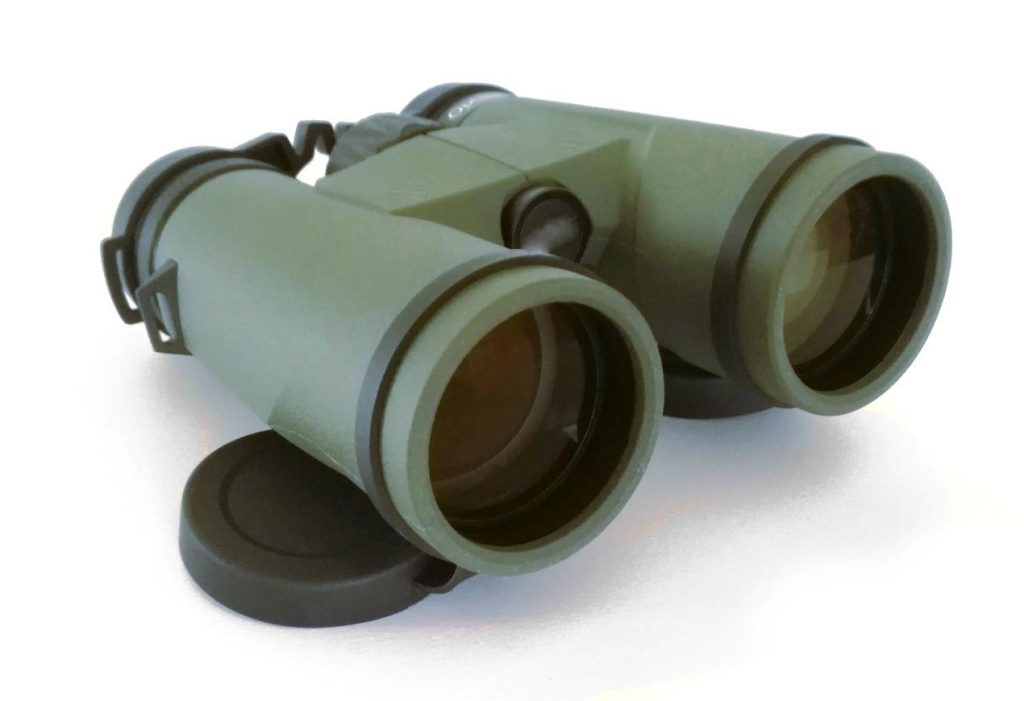
10×42 for Identifying Detail at Greater Distances
10×42 retains 42 mm objectives while increasing magnification to 10×. It suits open terrain, wetlands, and distant wildlife observation. It provides a larger image than 8×42, but often has a narrower field of view and magnifies hand movement more noticeably. Its theoretical 4.2 mm exit pupil is smaller than that of 8×42, so claims about brightness or overall superiority need to reflect the actual product.
For brands serving open-country or long-distance observation, or offering a mainstream higher-magnification option, 10×42 can become a second core model. For woodland, close-range birding, or extended handheld viewing, 8×42 may be a better fit.
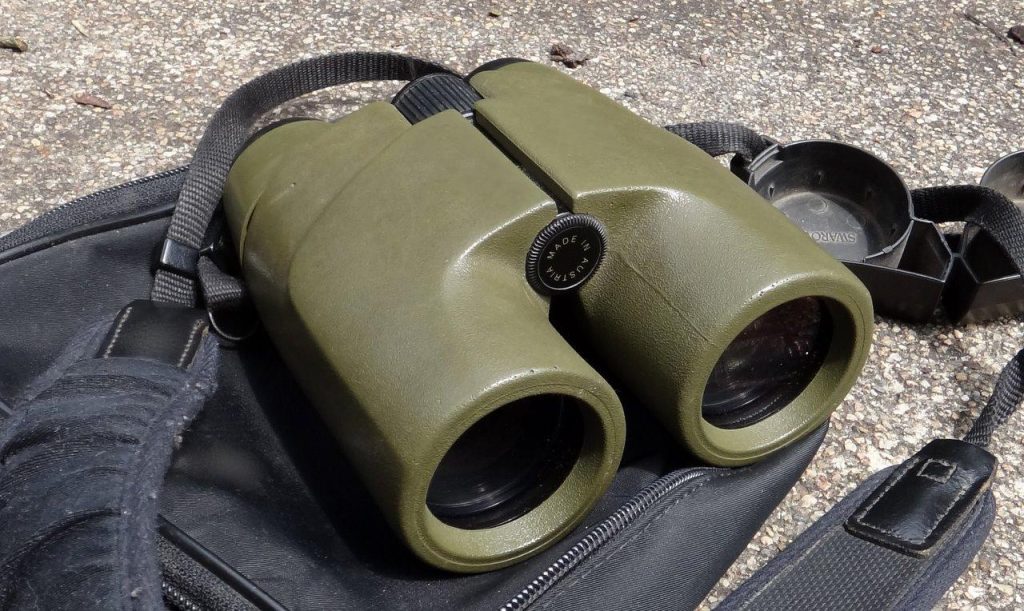
10×50 for Outdoor and Low Light Niches That Value Larger Objectives
10×50 combines higher magnification and larger objectives, with a theoretical exit pupil of 5.0 mm. Compared with 10×42, its 50 mm objectives provide a larger entrance aperture for users seeking stronger dawn, dusk, or open-country viewing performance. The larger body usually adds weight, bulk, and shipping cost, and can make prolonged handheld viewing more tiring.
10×50 therefore works best as a complementary model driven by specific demand. Before sourcing it, establish whether customers accept the extra weight and size, and whether the product needs a tripod socket, reinforced rubber armor, or a higher level of waterproofing and fog resistance.
Level Two: Compare the Specifications That Affect Use
The table below uses published specifications from the Nikon ACTION series as a reference within one product family. It illustrates typical trade-offs among these three formats. Brands, prism systems, and optical designs vary, so these figures should be treated as examples for the named series.
| Comparison | 8×42 | 10×42 | 10×50 |
| Magnification | 8× | 10× | 10× |
| Objective diameter | 42 mm | 42 mm | 50 mm |
| Theoretical exit pupil | 5.25 mm | 4.2 mm | 5.0 mm |
| Reference field of view within the series | Approx. 140 m / 1,000 m | Approx. 119 m / 1,000 m | Approx. 112 m / 1,000 m |
| Reference weight within the series | Approx. 790 g | Approx. 790 g | Approx. 935 g |
| Suggested role | General-purpose core seller | Complementary model for longer distances | Complementary model for low light or larger apertures |
Note: Theoretical exit pupil diameter = objective diameter ÷ magnification. Check the specific product sheet for field of view and weight. Ask suppliers for complete, verifiable specifications with each model.
Level Three: Choosing Models for Different Channels
Birding and General Outdoor Retail
Evaluate 8×42 as core stock first, then consider adding 10×42 based on local birding conditions, consumer preferences, and retail price tiers. For a new brand, establishing the viewing experience, consistent quality, and packaging of the main seller is usually a sounder start than stocking every specification at once. Reading All About Birds: How to Choose Binoculars.
Hunting and Observation in Open Terrain
10×42 may offer a clearer purchase benefit for customers viewing distant subjects in open terrain. Where dawn and dusk use is common and customers accept a larger body, 10×50 can serve as an upgrade or specialist addition. Include waterproofing, fog resistance, low-temperature operation, a stable grip, and batch consistency in the sourcing assessment.
Ecommerce and Multichannel Wholesale
Use clear use cases to distinguish ecommerce listings and give each SKU a distinct role. Product pages should state the intended use, weight, field of view, eye relief, close focus, waterproof rating, and included accessories. This helps reduce returns caused by misunderstandings about magnification. In stores, staff need to explain the model differences briefly and clearly.
Further reading: Binocular Product Planning and Sourcing Strategies for Different Markets.
Level Four: Test Small Orders Before Setting Stock Ratios
There is no fixed stock ratio that suits every country and channel. Define core and complementary roles first. Consider 8×42 for broad coverage, use 10×42 to test demand for distant observation, and add 10×50 in response to low-light, outdoor, or specialist demand. Use sample tests, dealer feedback, and small initial sales to track inquiries, conversion, return reasons, and reorder cycles for each format before setting the next purchase mix.
Include total weight, package size, shipping costs, accessory differences, packaging MOQs for each model, and any custom colors or accessories in the calculation. Even if magnification and aperture are the only specification differences, each model needs a distinct user experience or audience to avoid fragmented stock and competition within the range.
Quality management: FORESEEN OPTICS quality management process and
Samples, MOQ, and Customization FAQ.
How FORESEEN OPTICS Helps Wholesalers Plan Their Model Mix
FORESEEN OPTICS can help customers select 8×42, 10×42, 10×50, and other proven platforms based on the target market, use case, retail price, and order quantity. We then confirm the optical configuration, construction, waterproofing, fog resistance, appearance, accessories, packaging, and acceptance criteria. For customers building a range, we recommend defining one core seller first and adding complementary models as channel demand develops, keeping early inventory commitments manageable.
Explore the OEM/ODM binocular range, Roof Binoculars, and Porro Binoculars.
Conclusion
Most wholesalers can choose stock depth according to the role of each model. 8×42 offers broad coverage as a core seller. 10×42 suits distant observation that benefits from higher magnification. 10×50 serves customers with a defined need for larger objectives or low-light viewing. End users, channel positioning, specific product performance, shipping costs, and actual sales data should determine the final mix.