When sourcing binoculars, buyers often focus on magnification, objective diameter, prisms, and coatings. Eye relief also directly affects the experience. It determines how far the user’s eyes need to be from the eyepieces to see the full field of view.
For brands, importers, and wholesalers, the right eye relief depends on whether customers wear glasses, view for extended periods, or use the product for birding or travel. Eyepiece design and eyecup configuration should suit those users. Choose eye relief to fit the intended audience.
How Eye Relief Affects the Target Audience
Eye Relief Determines Whether Users Can See the Full Field
Eye relief is the distance from the outer surface of the eyepiece lens to the eye point at the exit pupil. With the eyes correctly positioned, users can see the full field without noticeable edge obstruction. If eye relief is too short, spectacle frames and lenses may prevent the eyes from reaching the designed eye point. Users may see dark edges, a reduced field, or a tunnel-like view.
Users with and without Glasses Have Different Needs
Glasses generally keep the eyes farther from the eyepieces, so wearers need longer eye relief to see the full field with their glasses on. Nikon classifies eye relief of 15 mm or more as a high-eyepoint design. Its binocular handbook also describes long eye relief for full-size models as approximately 15–20 mm or more. Use this range for initial screening, then test actual fit with glasses.
Extended Viewing Requires Eye Relief and Eyecups to Work Together
Birding, nature observation, and outdoor patrols often involve sustained viewing or repeatedly raising the binoculars. Having to keep searching for the right eye position disrupts the experience. Assess eye relief together with eyecup height, eyepiece shape, interpupillary adjustment, and how the product is held.

Step One: Identify the Main User Group
Birding and Nature Observation
Birders need to find subjects quickly and maintain a steady, full view for extended periods. For full-size birding models intended for glasses wearers, begin by evaluating eye relief of 15 mm or more with twist-up eyecups offering several stops. For specialist birding or premium outdoor products, confirm on samples that the full field is visible with glasses.
Hunting and Outdoor Observation
Hunting and outdoor models also need suitable dawn and dusk imaging, durable construction, a stable grip, waterproofing, and fog resistance. If the audience includes glasses wearers, longer eye relief can broaden suitability. Balance it with field of view, magnification, brightness, and overall size.
Travel and pocket binoculars usually prioritize small size, low weight, and portability. Nikon’s handbook describes long eye relief for compact models as approximately 12–14 mm, compared with around 15–20 mm or more for full-size models. If glasses wearers are part of the target market, check usable eye relief on the actual product. Verify compatibility beyond labels such as “Compact” or “Long Eye Relief.”
Step Two: Distinguish Nominal and Usable Eye Relief
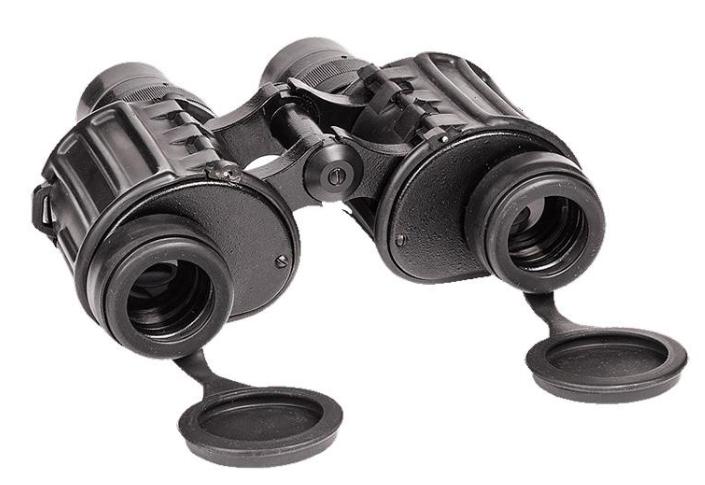
Ask how the supplier measures eye relief. Optical eye relief is typically measured from the outer eyepiece lens surface to the eye point at the exit pupil. If the lens is deeply recessed, or the fully retracted eyecup still has a high rim, users may have less usable distance than the stated value suggests.
During quotation, confirm the measurement starting point, the eyecup position, and whether the full field is visible with glasses. These details make model comparisons meaningful. Also assess eye relief together with field of view and magnification. Nikon’s handbook describes design relationships among the three. In some designs, increasing magnification can reduce eye relief and field of view, while extending eye relief may involve compromises in field of view or lens-group complexity. Compare all three to assess the overall viewing experience.
Exit pupil diameter and interpupillary distance (IPD) are separate measurements. Exit pupil diameter describes the beam emerging from the eyepiece and is usually calculated by dividing effective objective diameter by magnification. IPD is the distance between the user’s pupils, accommodated by adjusting the binocular hinge. Each affects a different aspect of use.
Step Three: Assess Eyecups Together with Eye Relief
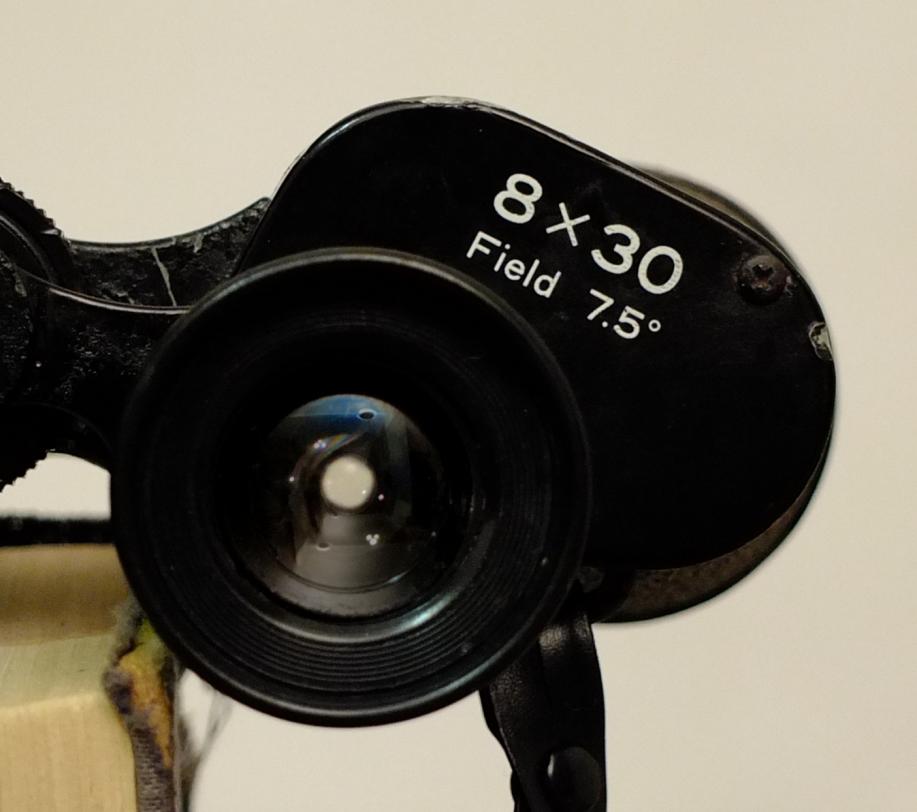
Eyecups help position the eyes correctly and reduce stray light. Common designs include fold-down rubber and twist-up eyecups. Glasses wearers generally retract the eyecups or use a lower setting. Users without glasses can extend them to maintain the appropriate distance. Follow the product instructions and adjust for the actual view.
Twist-up eyecups with several stops generally accommodate different spectacle frames, face shapes, and viewing habits more easily than designs offering only fully extended and fully retracted positions. Eyecups adjust the physical position of the eyes relative to the eyepieces while the optical system’s eye relief remains fixed.
Longer eye relief alone cannot guarantee a better experience. Eyecup shape, stops, and eye support also affect how steadily users can find the correct eye point. Evaluate eye relief and eyecup construction as a combined configuration.
Step Four: Test Samples with Actual Users
Use specification sheets for initial screening, then confirm suitability through samples. Include the following checks in the evaluation.
- Viewing with glasses. Retract the eyecups and confirm that both eyes can see the full circular field without noticeable dark edges or clipping.
- Viewing without glasses. Extend the eyecups or select a suitable stop. Confirm that the eyes settle naturally without searching forward and backward for the image.
- Different spectacle frames. Test frames of varying thicknesses and shapes to cover more than one tester’s face and glasses.
- Extended viewing. Have testers maintain a normal viewing posture for a period of time. Check eyecup contact, stability of eye placement, and ease of adjustment.
- IPD adjustment. Adjust the central hinge until the two fields merge into one complete circle before assessing eye relief and eyecup performance.

After sample approval, record the eye-relief measurement reference, eyecup position, field of view with glasses, and test conditions in the specification sheet and golden sample approval record. For projects with a defined proportion of glasses wearers, include full-field visibility with glasses as a sample acceptance criterion.
Eye Relief References for Different User Groups
These figures support initial screening and discussion. Determine the final configuration from the eyepiece design, usable eye relief, eyecup construction, and target-user tests.
| Target audience | Eye relief reference | Sourcing priorities |
| Glasses wearers and specialist birders | For full-size models, start screening at 15 mm or more. Some users may need longer usable eye relief. | Verify full-field visibility with glasses, lens recess depth, and clearance with eyecups retracted. |
| Users without glasses and everyday outdoor users | Choose based on eyepiece design, field of view, and viewing comfort. | Check natural eye placement and dark edges, while balancing magnification and field of view. |
| Compact and travel markets | Some compact models offer long eye relief of around 12–14 mm. Assess the specific design. | Balance size, weight, and compatibility with glasses. Test full-field visibility with glasses. |
| Shared-use, rental, and education settings | Prioritize a wide range of eyecup adjustment and test fit across users. | Multiple stops, ease of adjustment, and tests with different faces and frames usually matter more than one nominal value. |
FORESEEN OPTICS Recommends Including Eye Relief in Positioning and Acceptance Criteria
Brands and wholesalers should select eye relief based on the target audience. For birding, nature observation, or users who keep their glasses on, prioritize longer eye relief and verify the actual field of view during sample testing. For lightweight travel or pocket models, make a clear choice about the balance between portability and suitability for glasses wearers.
FORESEEN OPTICS recommends providing the target market, primary use, need for viewing with glasses, target magnification, and size requirements at the quotation stage. This helps identify suitable models from existing roof prism, Porro prism, and compact platforms, and determine whether the eyepieces or eyecups need adjustment.
Learn more about FORESEEN OPTICS binoculars and OEM/ODM.
Conclusion
Eye relief affects whether different users can see the full field in a natural, comfortable position. Longer eye relief is often more valuable for glasses wearers and extended viewing, with the final experience also depending on eyepiece design, eyecup adjustment, and usable distance.
For business buyers, define the audience first, select an eye-relief and eyecup combination, then approve the sample through actual user testing. Eye relief becomes a product advantage when the stated specifications match the viewing experience.