OEM Customization Is More Than a Logo Change
Two Development Models Shape Product Competitiveness
When many brands look for an optics supplier, they understand OEM as changing the logo, packaging, and color. For precision optical products such as binoculars, scopes, and rangefinders, however, the depth of customization directly affects product positioning, cost structure, and market competitiveness.
In general, brands have two main paths for developing a new product: platform-based customization built on an existing, proven tool set, or new structural development that redesigns the optics, structure, and exterior from the ground up. Neither is universally better. The right choice depends on the brand’s stage, target market, and sales strategy.
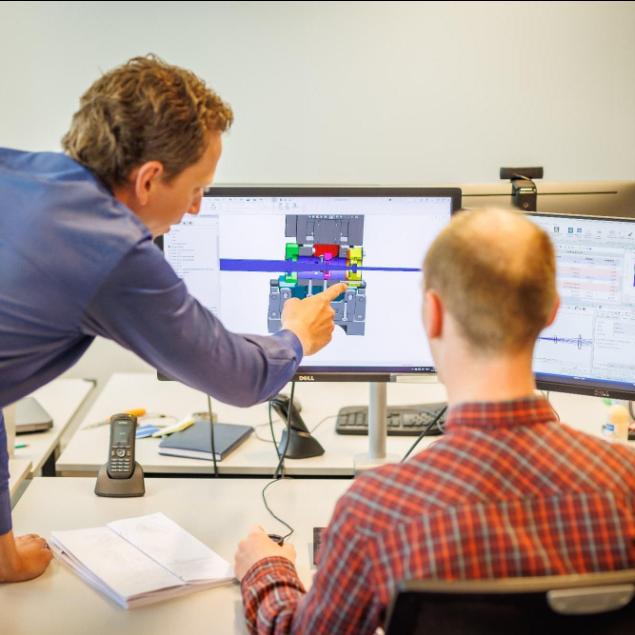
Existing Tooling Customization: A Brand Strategy for Entering the Market Quickly
Reduce Development Risk with a Proven Platform
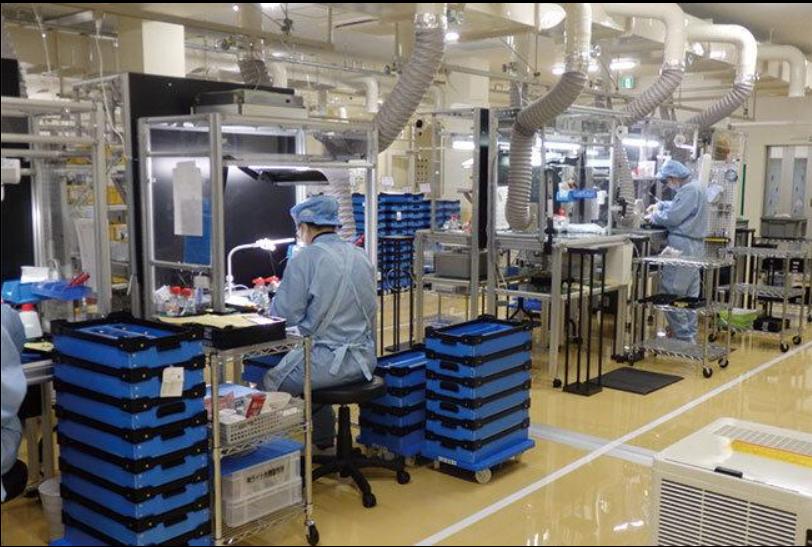
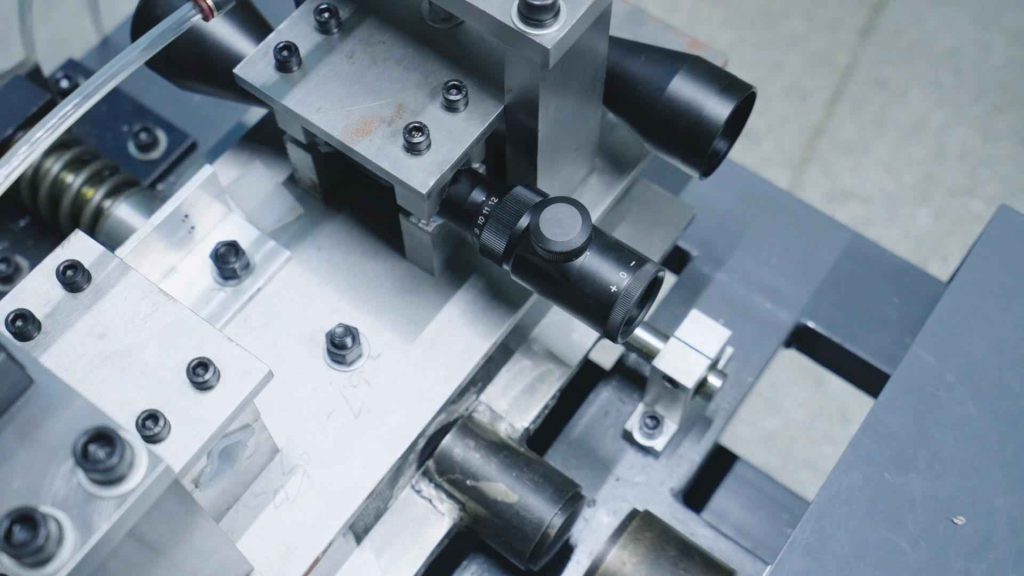
Existing-tooling customization is usually based on a product platform already validated by the supplier, including the housing structure, optical system, internal components, and production processes. The brand can then adjust the exterior color, logo, packaging, accessories, and selected functional configurations.
For brands that want to launch quickly, test market feedback, or build a product portfolio, this approach shortens the development cycle while reducing tooling investment and pilot-production risk.
Which Customers Is It Suited To?
• New brands entering the outdoor optics market for the first time;
• Channel distributors that need to expand their product line quickly;
• Small-batch customers seeking to control MOQ and upfront investment;
• Brands that want to validate market demand before investing in deeper development.
New Structural Development: Build Long-Term Brand Differentiation
Participate in Design from the Product Definition Stage
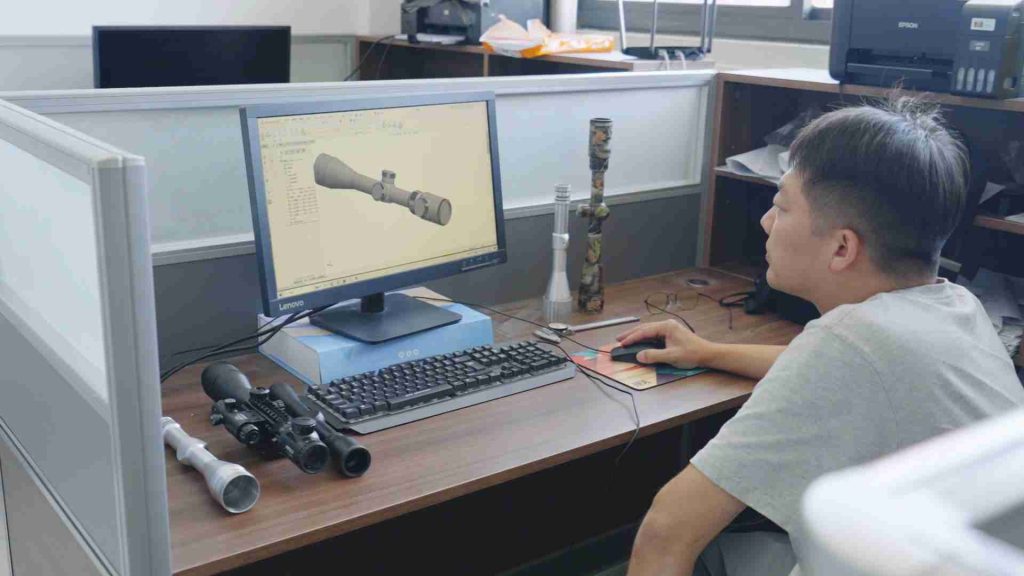
New structural development is not simply a change to the housing. It replans the product from its positioning onward, covering the optical concept, mechanical structure, human factors, protection rating, functional modules, and manufacturing feasibility.
For example, a binocular designed for the high-end birding market can be redesigned around weight, grip, ED optics, a photography module, or smart-recognition functions instead of merely modifying an existing product.
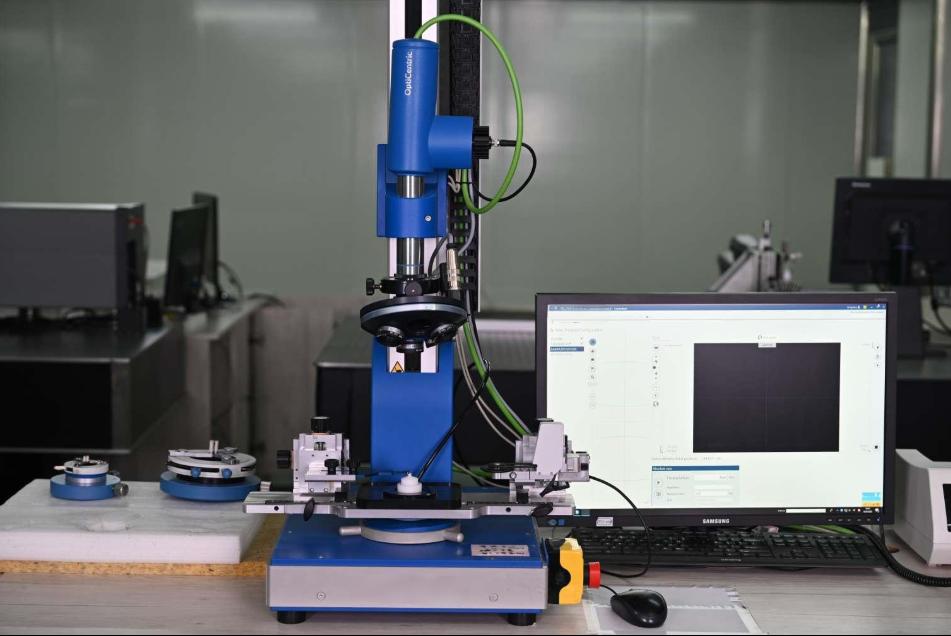
Better Suited to Building a Long-Term Competitive Moat
New structural development takes longer and usually requires more engineering validation and tooling investment. In return, the product is more distinctive, more likely to become a brand asset, and less likely to remain trapped in long-term homogenous competition.
Core Differences Between the Two Development Approaches
| Item | Existing Tooling Customization | New Structural Development | Best-Fit Scenario |
| Development Cycle | Shorter | Longer | Time to Market vs. Long-Term Planning |
| Upfront Investment | Lower | Higher | Brand Stages with Different Budgets |
| Product Differentiation | Moderate | High | Channel Competition Strategy |
| Development Risk | Lower | Requires More Validation | Innovative Products |
How Should You Choose the Right Development Path?
If the brand’s current priority is to build a product portfolio quickly and test market demand, proven-platform customization should be considered first. If the brand already has stable channels and wants a distinctive product position, new structural development may be the better choice.
For most growing brands, the more practical answer is not to choose only one. Build a product ladder: use proven platforms to cover the basic market quickly, while using a small number of innovation projects to create brand character.
FORESEEN OPTICS Recommendation
Plan the Development Route from Product Requirements
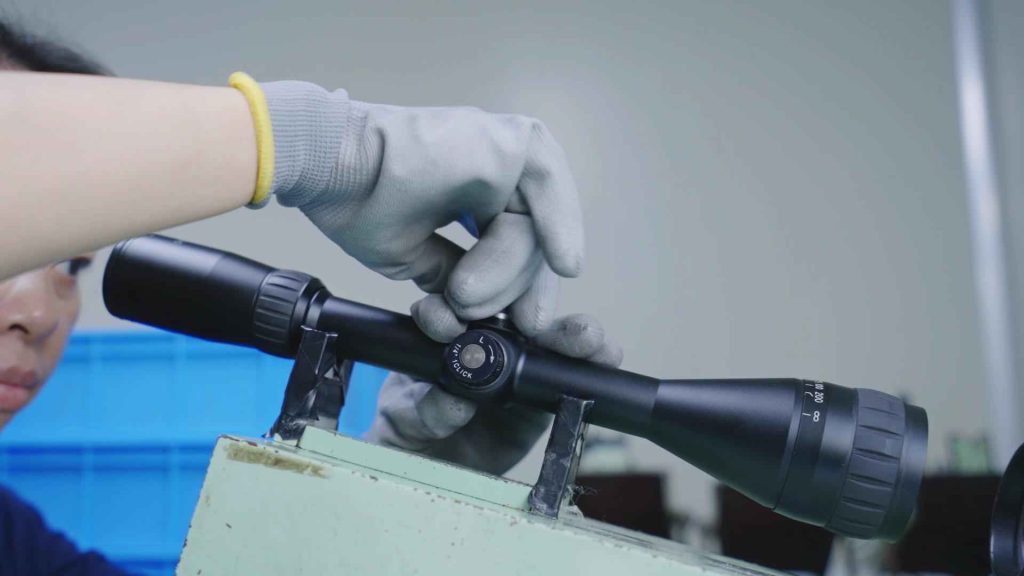
For international wholesalers and outdoor-optics brands, an excellent OEM supplier should provide more than production capacity; it should also help customers clarify product positioning. FORESEEN OPTICS supports the complete process, from existing-platform optimization and exterior customization to new structural development and mass-production validation.
Conclusion
Existing-tooling customization addresses speed, cost, and market validation; new structural development addresses differentiation and long-term brand value. For brands at different stages, choosing the right development approach matters more than simply pursuing increasingly complex product specifications.