Two pairs of binoculars may both be labeled “8×42” and even look very similar, yet their wholesale quotes or retail prices can differ by a factor of two or three. For brands and wholesalers, the gap is not necessarily a brand premium, nor does it mean that the more expensive model is right for your market. The real differences often lie in the optical system, mechanical reliability, assembly and inspection processes, packaging, after-sales support, and sales channel. To compare two 8×42 models, start by understanding what “8×42” actually tells you.
8×42 Is a Starting Specification, Not an Image Quality Grade
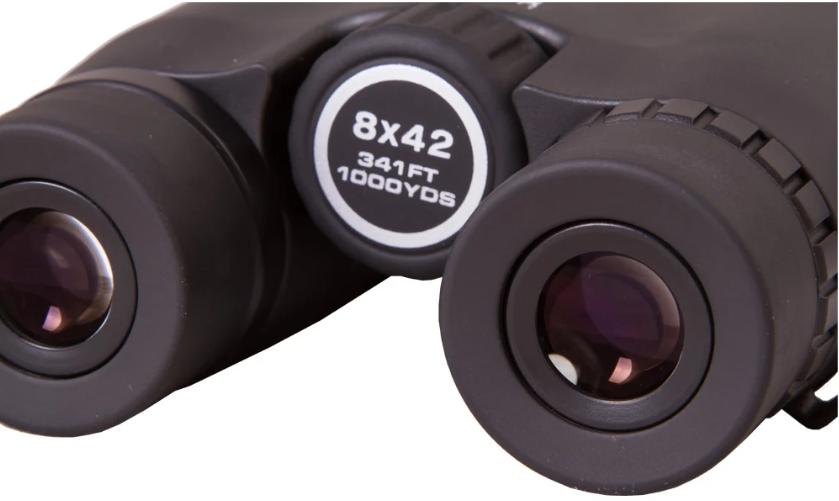
The 8× denotes magnification and 42 mm is the effective objective lens diameter. Based on nominal values, the exit pupil is approximately 42 ÷ 8 = 5.25 mm. The label says nothing about lens material, field of view, prism specifications, actual light transmission, veiling glare when viewing against the light, edge sharpness, or the stability of optical alignment. Even two roof-prism models may use entirely different prisms and coatings inside.
Judging whether a price is reasonable solely by “8× magnification, 42 mm objective, and BAK4 prisms” can therefore miss the differences that shape the viewing experience. A more reliable approach is to compare candidate samples under the same lighting conditions instead of choosing from specification sheets alone.
Level One Optical Choices Shape the Visible Difference
Look Beyond the Names of Glass Prisms and Coatings
A budget 8×42 may use more basic lenses, reflective coatings, and eyepiece assemblies. Midrange and premium platforms may invest more in ED low-dispersion glass, phase correction for roof prisms, dielectric high-reflectance coatings, and fully multi-coated optical surfaces. These features are not simply present or absent: coating uniformity, prism angles, lens tolerances, and assembly consistency also matter.
For example, Nikon’s technical explanation of roof-prism coatings notes that phase correction affects resolution and contrast, while dielectric high-reflectance coatings affect reflection efficiency and color reproduction. Products with the same 8×42 label can therefore differ visibly in shadow detail, control of backlight glare, and natural color rendition.
Wider Views Edge Quality and Eye Relief Add Cost
A wider field of view does not necessarily come from simply adding one lens element. It may require a redesigned eyepiece, better control of aberrations and distortion, and a balance between eye relief and tolerance for eye placement. For specialist birdwatching and long-duration outdoor use, usable edge sharpness, close-focus performance, and viewing comfort may be easier to notice than a single light-transmission figure.

Level Two Construction Handling and Outdoor Reliability Also Carry Costs
Waterproof Nitrogen Filled Models Can Differ in Design and Testing
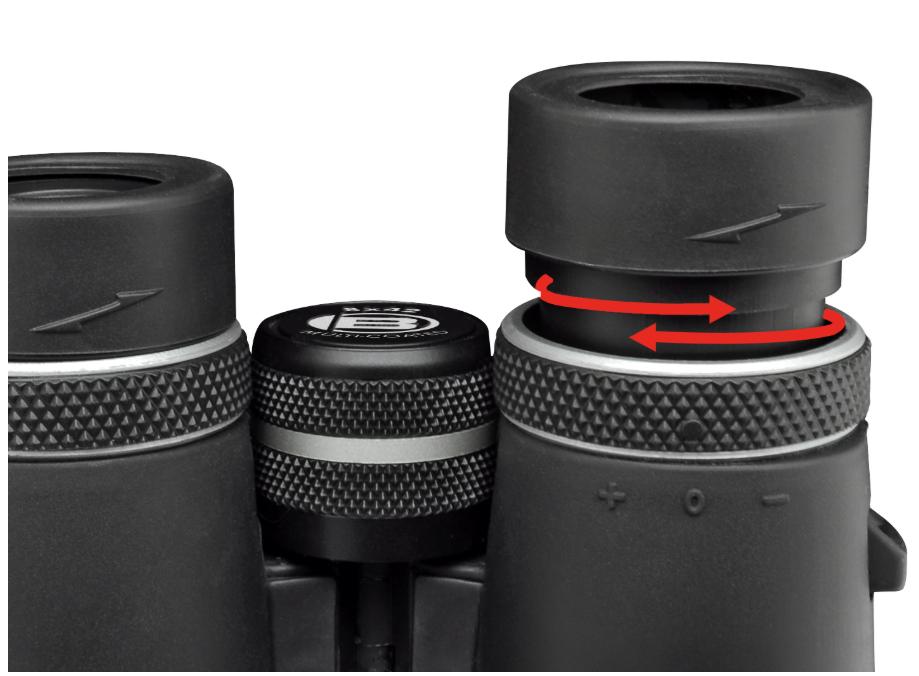
Waterproofing and fog resistance involve more than printing “Waterproof” and “Nitrogen Filled” on a specification sheet. Seal material and fit tolerances, twist-up eyecup mechanisms, focusing-wheel resistance, low-temperature lubrication, and defined leak, temperature, or immersion tests can all affect durability and production cost. For hunting, mountain, and humid-climate channels, reliability is often more important than a premium gift box.
Body Materials and Ergonomics Shape Long Term Use
Both reinforced polymers and magnesium alloy can make reliable binoculars. Material names alone do not establish a quality grade. The differences lie in weight, impact behavior, machining precision, rubber grip, eyecup life, and repairability. Magnesium alloy may improve rigidity while keeping weight down, but it also adds material and manufacturing costs.
Nikon MONARCH HG 8×42 official specifications show how ED glass, phase correction, high-reflectance coatings, a magnesium-alloy body, and waterproof and fogproof construction work together as a complete product design, rather than a comparison based only on magnification and objective size.
Level Three Does More Rigorous Assembly and Quality Inspection Affect the Quote?
Yes. Two samples may both show a clear image, yet their production batches can differ in optical alignment, focusing backlash, assembly cleanliness, and cosmetic defect rates. Stricter incoming inspection, optical calibration, sealing tests, assembly time, rework control, and factory records all create measurable costs. Brands should ask suppliers for specific, workable acceptance criteria rather than a general promise of “excellent quality.”
Acceptance criteria can refer to ISO 14133:2025 General Requirements for Binoculars, together with channel-specific standards for the Golden Sample, BOM version, optical alignment, focusing feel, waterproofing, and cosmetic defects.
For business buyers, the most useful question is not which factory price is lowest, but which important aspects of the viewing experience remain consistent within the budget and which quality risks have already been controlled.
Level Four Packaging After Sales Support and Channels Affect the Final Price
From a supply-chain perspective, the ex-factory price, landed cost, and retail price are different figures. Branded packaging, accessories, freight, import costs, channel margins, marketing budgets, and warranty obligations can all contribute to the retail price. For ecommerce products, protective packaging, manuals, returns handling, and spare parts have a particular effect on overall operating costs. Specialist outdoor stores tend to place more value on in-store demonstration and after-sales support.
A retail price that is twice as high therefore does not mean the factory production cost is twice as high. Before comparing models, wholesalers should align the basis of each quote, trade terms, accessories, warranty, and certification costs, then assess differences in optics, construction, and quality control.
How Should Three Price Tiers of 8×42 Binoculars Be Positioned?
| Category | Entry 8×42 | Core 8×42 | Professional 8×42 upgrade |
| Optical system | Ensure basic clarity and proper optical alignment first | Prioritize FMC, stray-light control, and comfortable eye placement | Consider ED glass, phase correction, high-reflectance coatings, and a wider field of view |
| Construction and protection | Proven platform with suitable rubber armoring and eyecups | Improve focusing consistency, sealing, fog resistance, and handling | Lightweight, rigid body with rigorous environmental and life testing |
| Quality control and support | Lock the approved sample and critical defects | Define alignment, appearance, sealing, and sampling standards | Stricter batch consistency and after-sales obligations |
| Main channels | Entry retail, gifts, or price-focused ecommerce | General outdoor, birdwatching, and replenishment channels | Specialist birdwatching, flagship brand lines, or demanding channels |
This is a product-positioning framework, not a universal BOM standard for every factory. Without actual supplier cost sheets and sample testing, it cannot be used to calculate an exact price multiple.
How Can Buyers Check Whether a Price Difference Is Worth Paying?
- Blind-test two 8×42 samples under the same lighting and at the same viewing distance. Record center and edge sharpness, backlight performance, and chromatic aberration.
- Check lenses and prisms, coating methods, field of view, eye relief, weight, materials, and waterproof test conditions, instead of comparing marketing terms alone.
- Align the basis of comparison: tax included or excluded, FOB or EXW, accessory list, packaging MOQ, after-sales terms, and spare parts.
- Keep a Golden Sample, lock the BOM and AQL or critical-defect standards, and verify consistency after the first production run.
How FORESEEN OPTICS Helps Brands Choose the Right 8×42
FORESEEN OPTICS can start with its existing roof-prism binocular platforms. Based on the target retail price, birdwatching or outdoor use, first-order quantity, and quality requirements, it can help customers select tiers of optical, mechanical, waterproof and fogproof, rubber-armoring, accessory, and packaging options.
For brands entering the market, using a proven platform with controlled upgrades usually makes MOQ and development risks easier to manage. Once sales are stable, they can invest in more advanced coatings, ED configurations, or exclusive mechanical designs. We aim to help customers understand which problem each upgrade solves rather than adding every expensive option to one product.
Learn more about the FORESEEN OPTICS binocular product line, quality management, and samples and MOQ FAQ. Share the target retail price and main sales channel for the 8×42 model you sell or plan to develop so we can discuss a suitable OEM solution.
Conclusion
The same 8×42 specification can describe very different optical designs, materials, manufacturing processes, quality standards, and channel services. A twofold or threefold price gap is therefore unsurprising. For wholesalers and brands, the right purchase is a model whose advantages target customers can perceive, whose after-sales risks are manageable, and whose cost fits the business’s margin structure. Allocating the budget to the right optics, construction, and validation work brings more lasting value than chasing premium labels alone.