A red dot sight can help hunters acquire an aiming point quickly, particularly at short distances and in situations where the target moves. But the right setup depends on the game, shooting distance, firearm platform, and hunting conditions.
This guide covers how to choose and set up a hunting red dot sight, what to check before going into the field, and what brands should consider when building a hunting optics range.
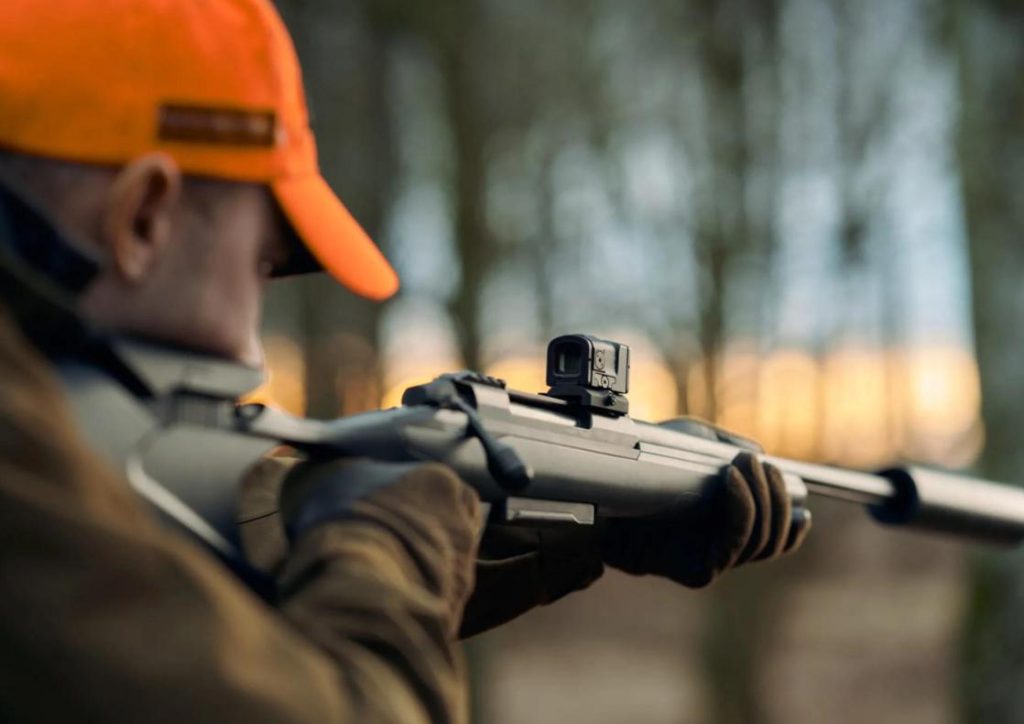
Why Are Red Dot Sights Changing Modern Hunting?
The reason red dots spread through hunting so fast is not optical. It is that they remove a step: no alignment of eye, sight and target — just the target.
From the other side of the counter, the shift looks different. Firearm brands now treat the optic as part of the package rather than an accessory, because a rifle that ships with a usable red dot is easier to sell at a premium than a rifle that ships with a better barrel.
How Should You Choose a Red Dot Sight by Game Type?
Start with the hunting situation, then choose the dot size, window design, and any magnification needed for that application. A sight that works well for close-range shotgun hunting may not offer the same advantages for a rifle used across more open terrain.
The following recommendations are starting points, not universal rules. Local regulations, firearm configuration, expected distance, and the specific sight’s performance should all influence the final choice.
Turkey Hunting (The Shotgun Advantage)
Turkey is a shotgun problem: inside 40 yards, on a moving head, a large dot at high brightness beats a fine dot every time.
Using a shotgun red dot for turkey hunting prevents head-lifting—a common mistake where hunters look up over a bead sight and shoot high. A quality red dot sight for shotgun turkey hunting holds up against heavy vibration while keeping your pattern centered right on the gobbler’s head.

Deer & Big Game Hunting (Rifle & Handgun Applications)
Deer is a glass problem. At 2 MOA on a still animal, the difference between two sights is not the dot — it is whether you can see the shoulder line through the last ten minutes of light.
Whether you need a red dot for deer hunting on a heavy brush rifle or a red dot for rifle hunting on an AR platform, keeping your view clear during twilight hours is what matters most. For stretch distance, pairing your sight with a red dot magnifier lets you switch from 1x close-quarters speed to 3x or 5x magnification.
Waterfowl, Bird & Small Game (Duck, Pheasant, Squirrel)
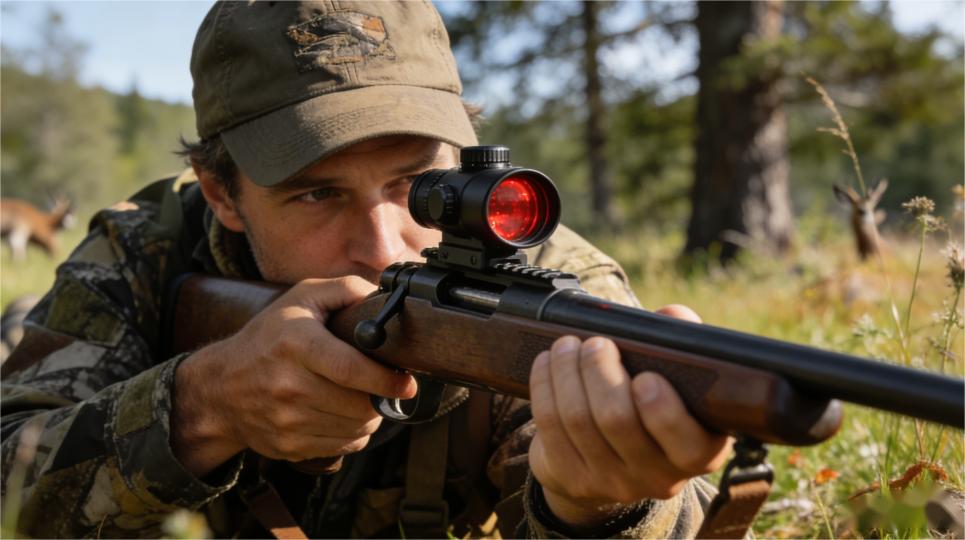
On birds you are not aiming, you are tracking. That is a window-size decision, not a dot-size decision.
A common question hunters ask is: can you use a red dot for duck hunting? Yes, installing a red dot on shotgun for duck hunting or red dot for bird hunting helps shooters track fast-moving targets overhead without losing the bird behind a bulky receiver. Similarly, using a red dot for crossbow hunting gives bowmen instant target alignment.


Which Technical Specifications Matter Most in a Hunting Red Dot?
Three factors deserve close attention: dot size, reticle color and pattern, and optical design. Their importance depends on how and where the sight will be used.
What MOA Size Do You Need? (1-2 MOA vs. 3-6 MOA)
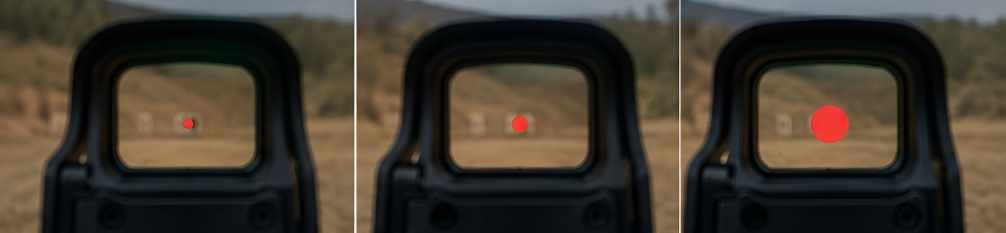
A 2 MOA dot covers about two inches at a hundred yards. Whether that is precise or too small depends entirely on what you are shooting at and how steady you are — which is why the same sight gets five stars from one hunter and two from the next.
If you are wondering what size moa red dot for turkey hunting works best, a 3 to 6 MOA dot—or a circle-dot reticle—helps you center a tight shotgun pattern fast.
| Spec Feature | Small Dot (1–2 MOA) | Medium Dot (3–4 MOA) | Large / Multi-Reticle (6+ MOA) |
| Best Used For | Rifles, Small Game (.22) | Deer, Hogs, Handguns | Turkey, Waterfowl, Shotguns |
| Speed | Moderate | Fast | Ultra-Fast |
| Precision | Very High | High | Moderate |
Red Dot vs. Green Dot vs. Multi-Reticle: Which Is More Suitable?
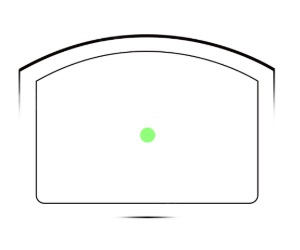
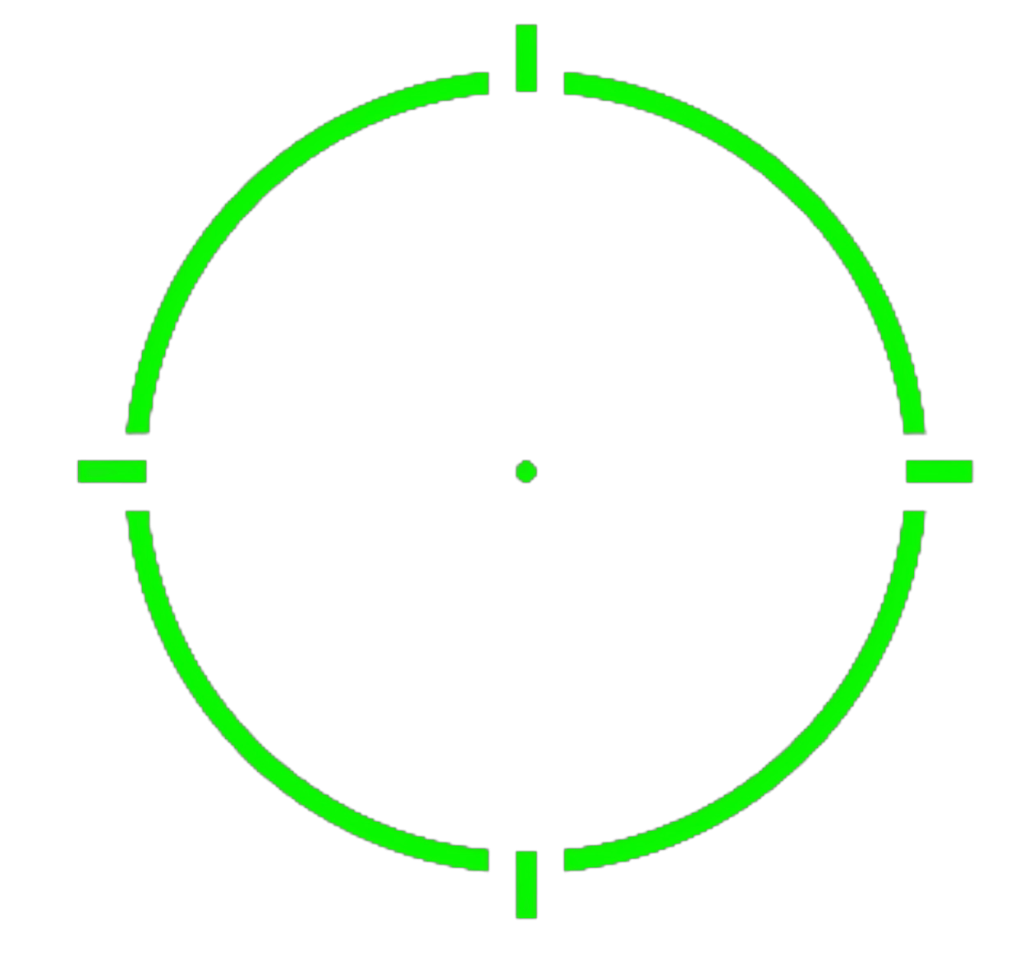
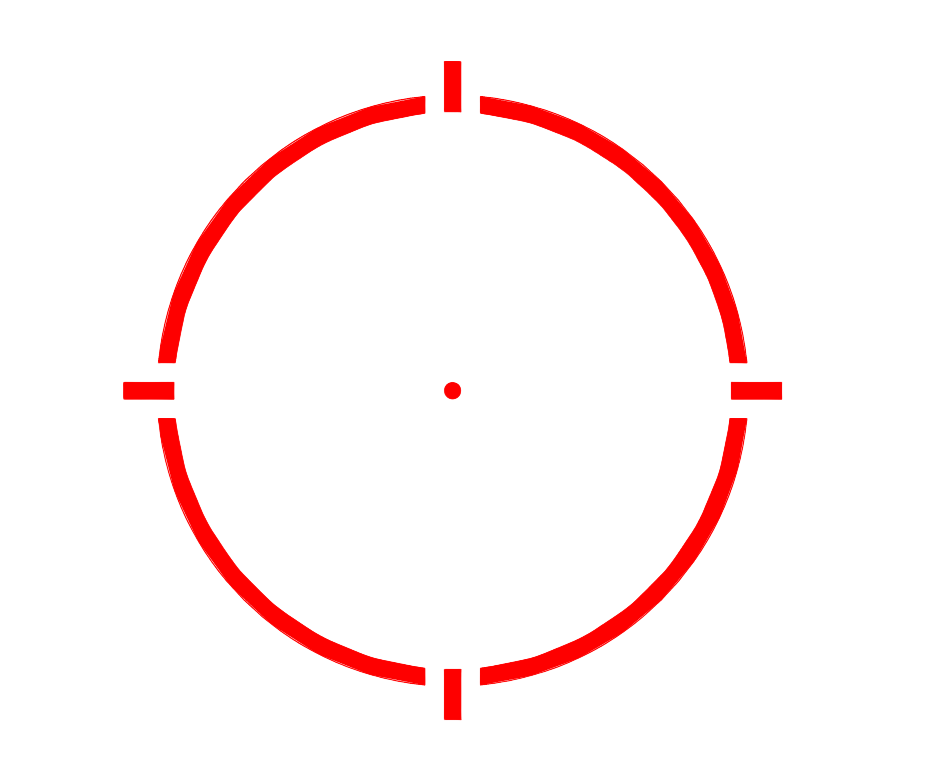
Reticle color affects contrast against the background. Green may stand out more clearly for some users against certain brown or green backgrounds in bright conditions, while red may be easier for some users to distinguish in low light or against snow. These are tendencies, not universal rules: visibility depends on the background, ambient light, brightness setting, and individual color perception.
Both red and green illuminated dots commonly use a battery-powered LED. The main difference is the emitted wavelength and how the color appears to the user—not a fundamentally different illumination technology.
Multi-reticle sights offer more than one aiming pattern when the model supports that feature. Before choosing one, check whether the available patterns are genuinely useful for the intended application and whether they remain clear at the brightness levels you need. More reticle options do not automatically make a sight more suitable.

Tube vs. Open Reflex Red Dot Sights: Which Design Fits Your Conditions?
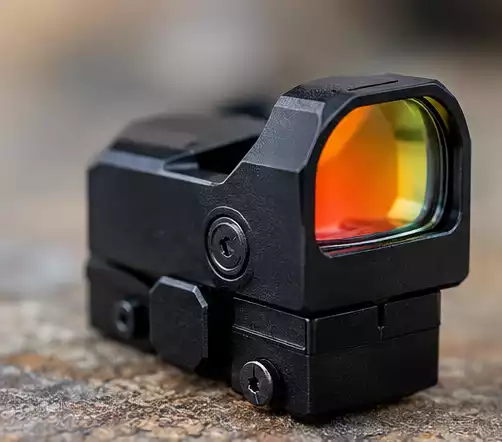
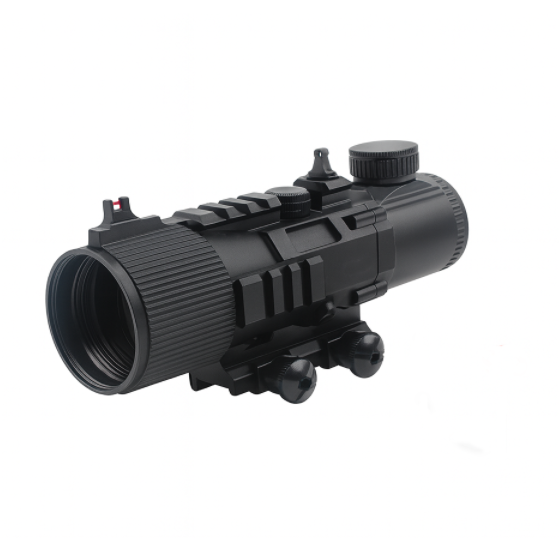
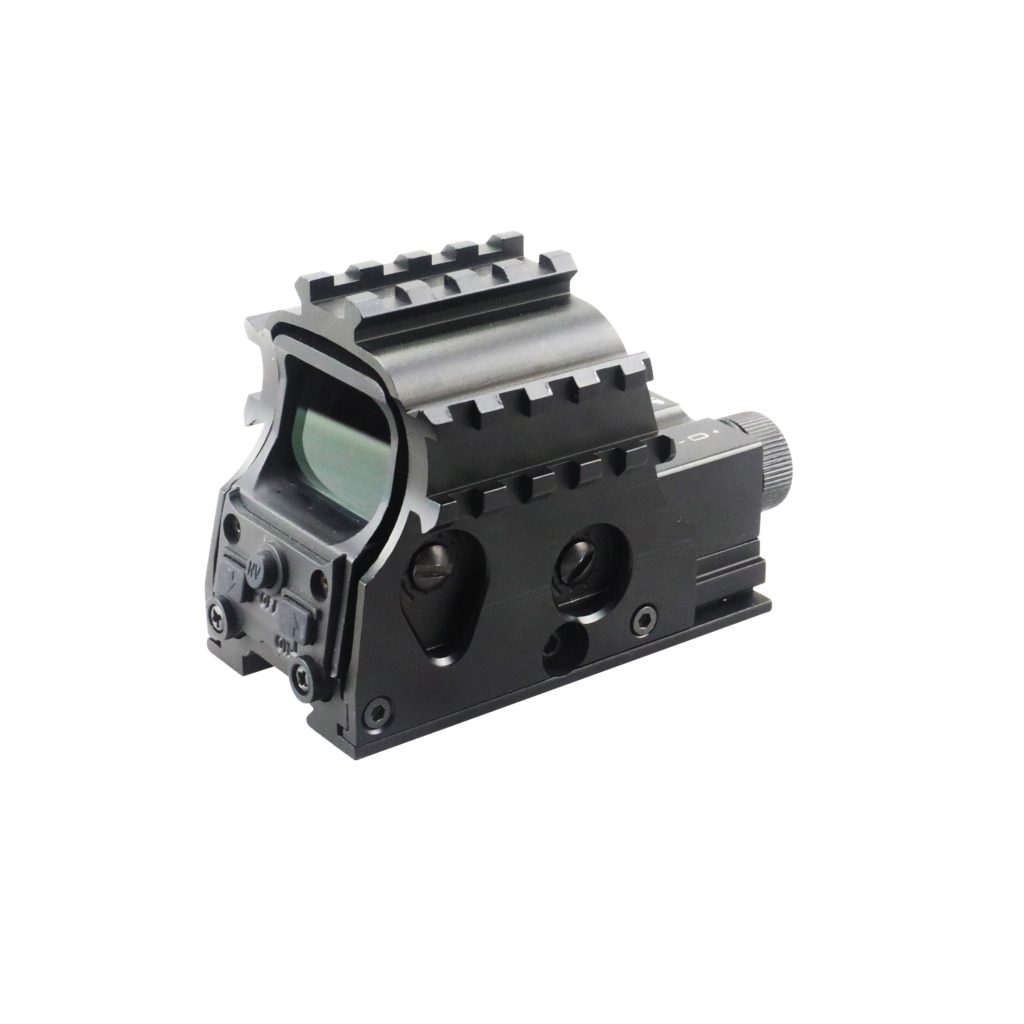
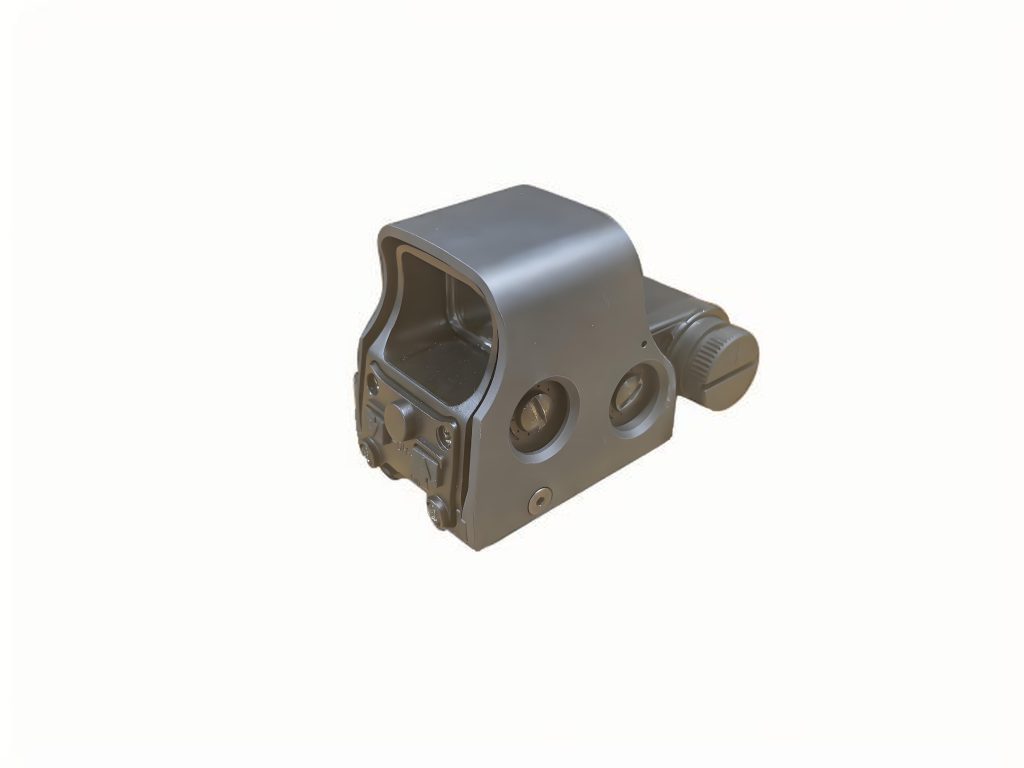
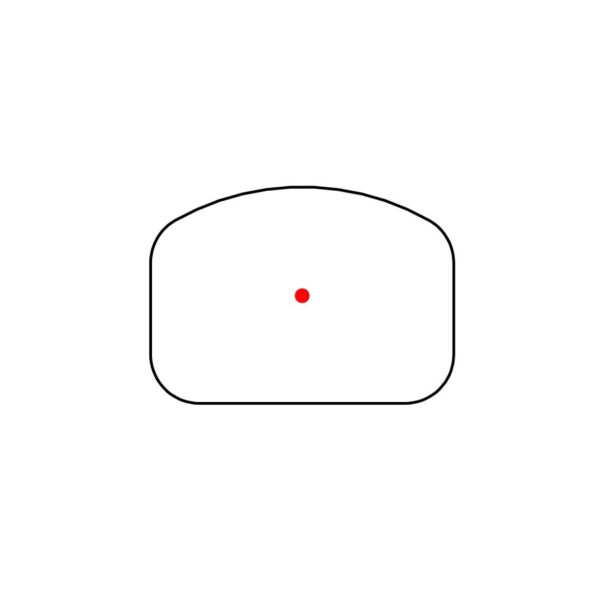
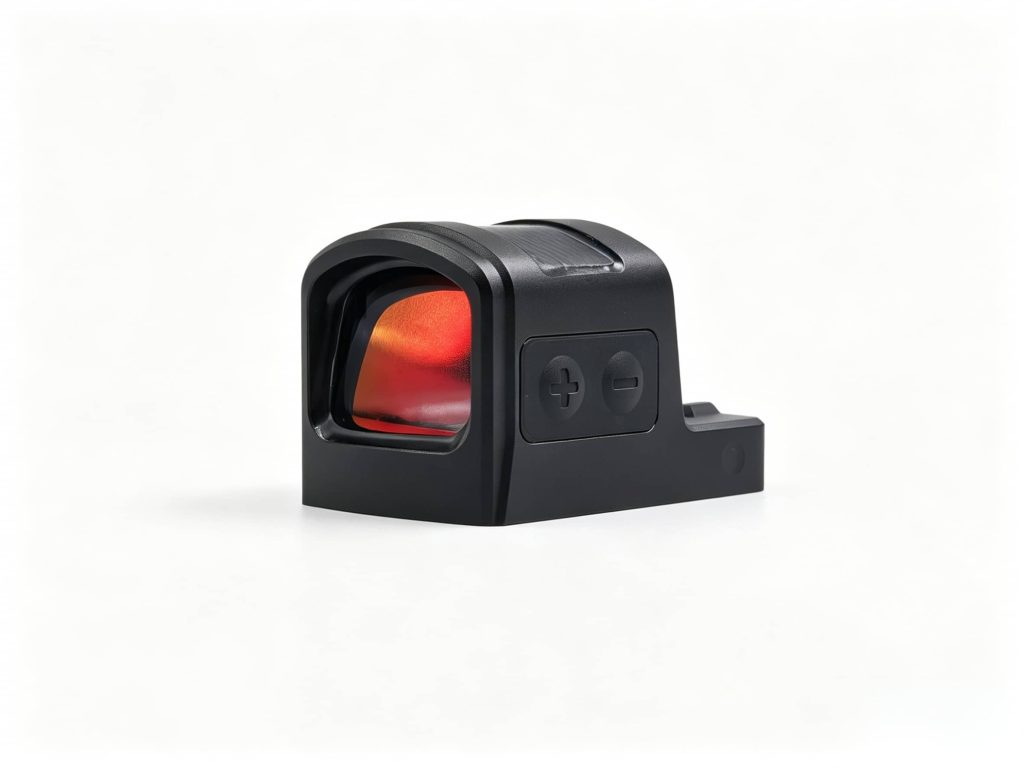
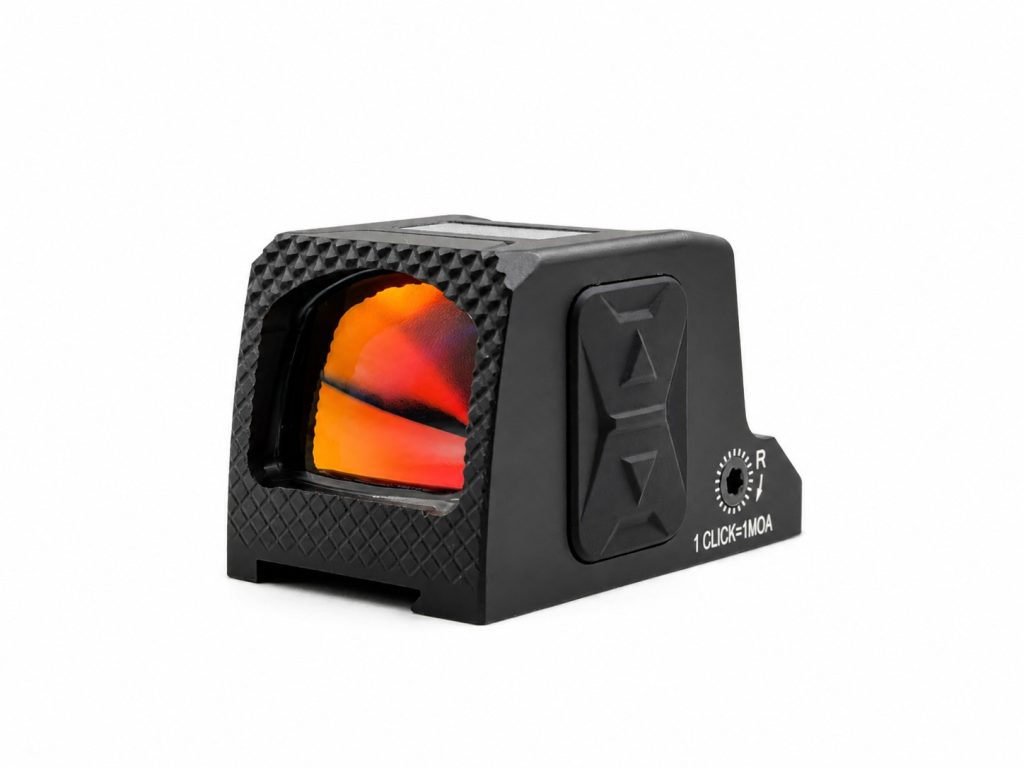
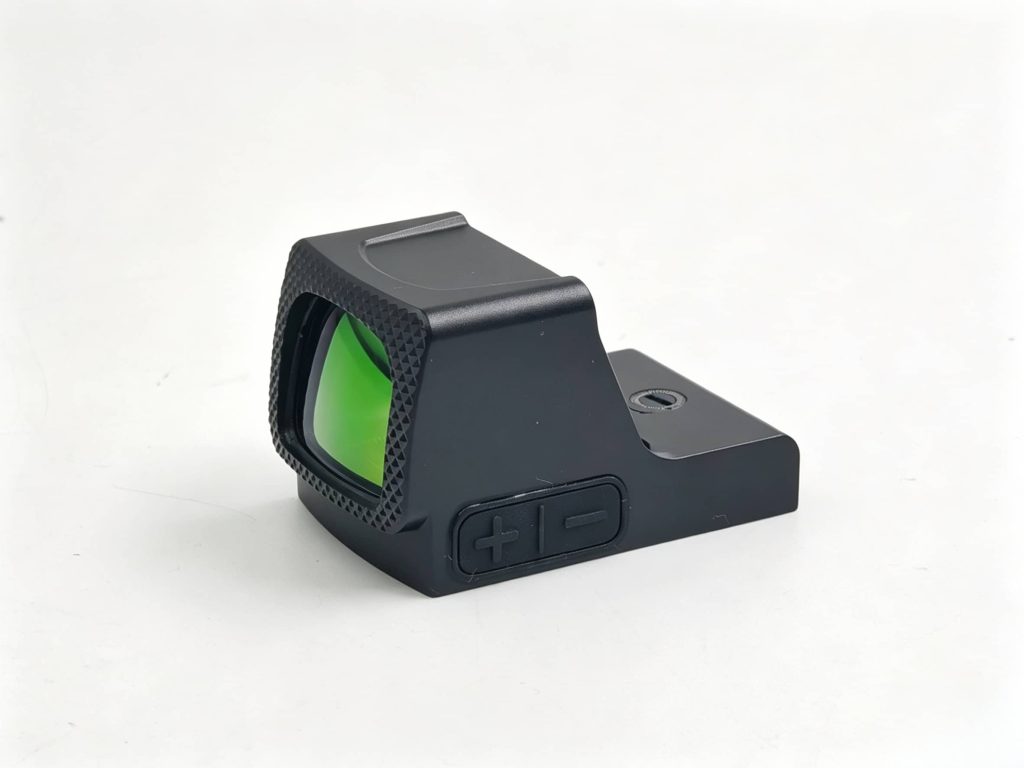
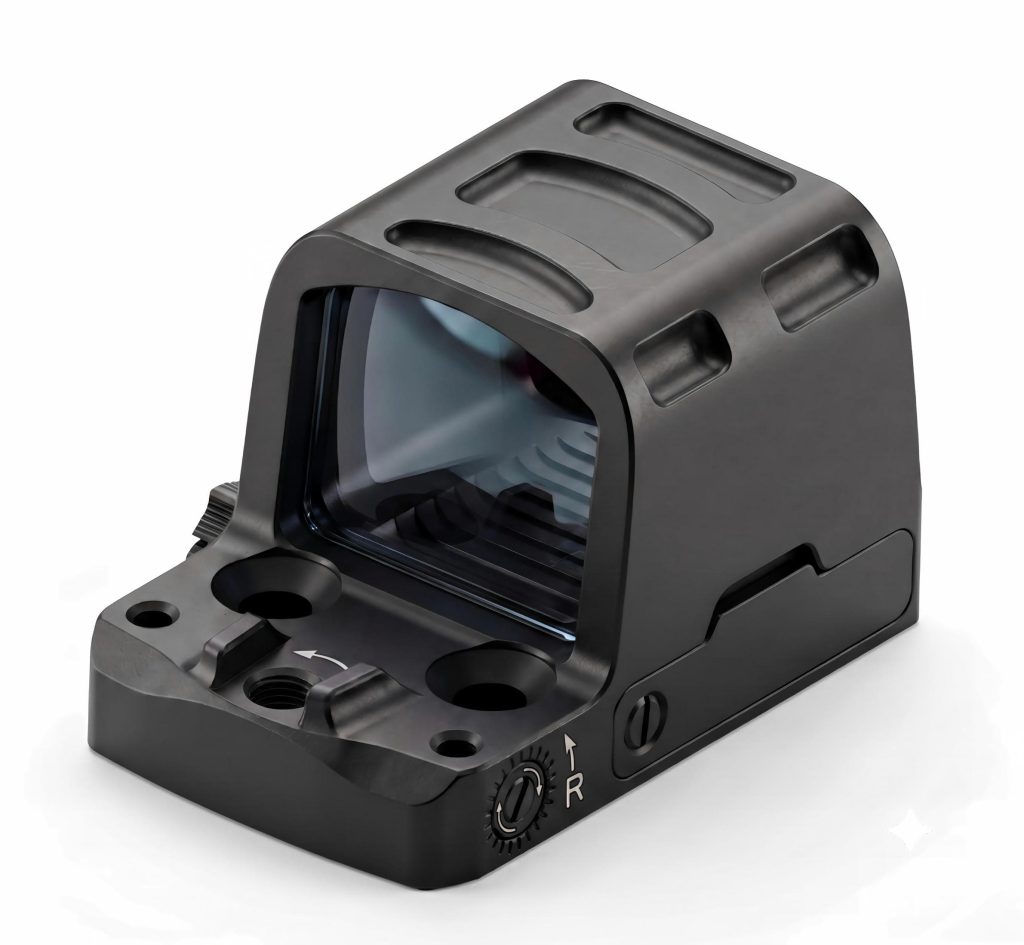
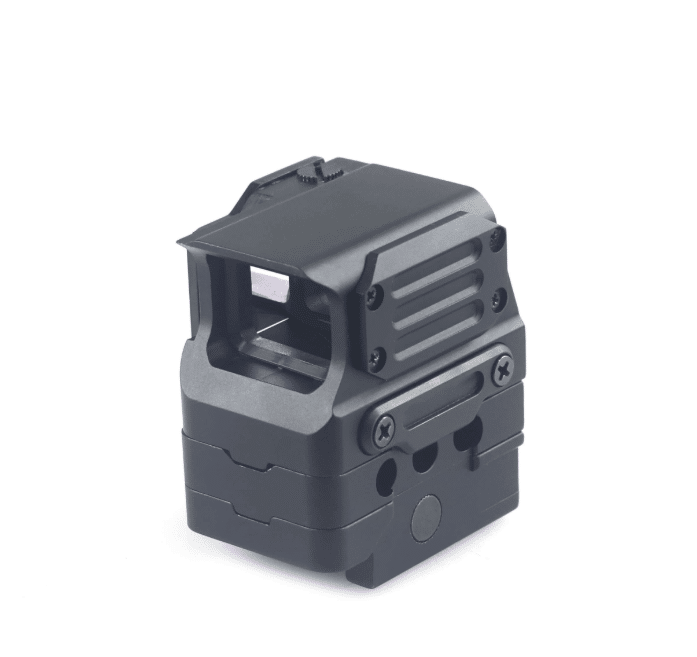
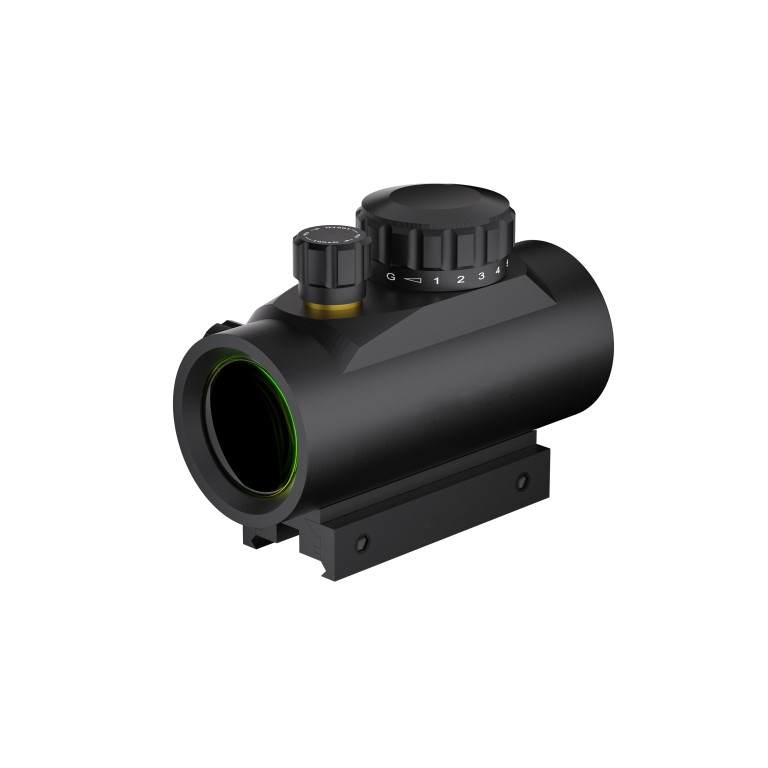
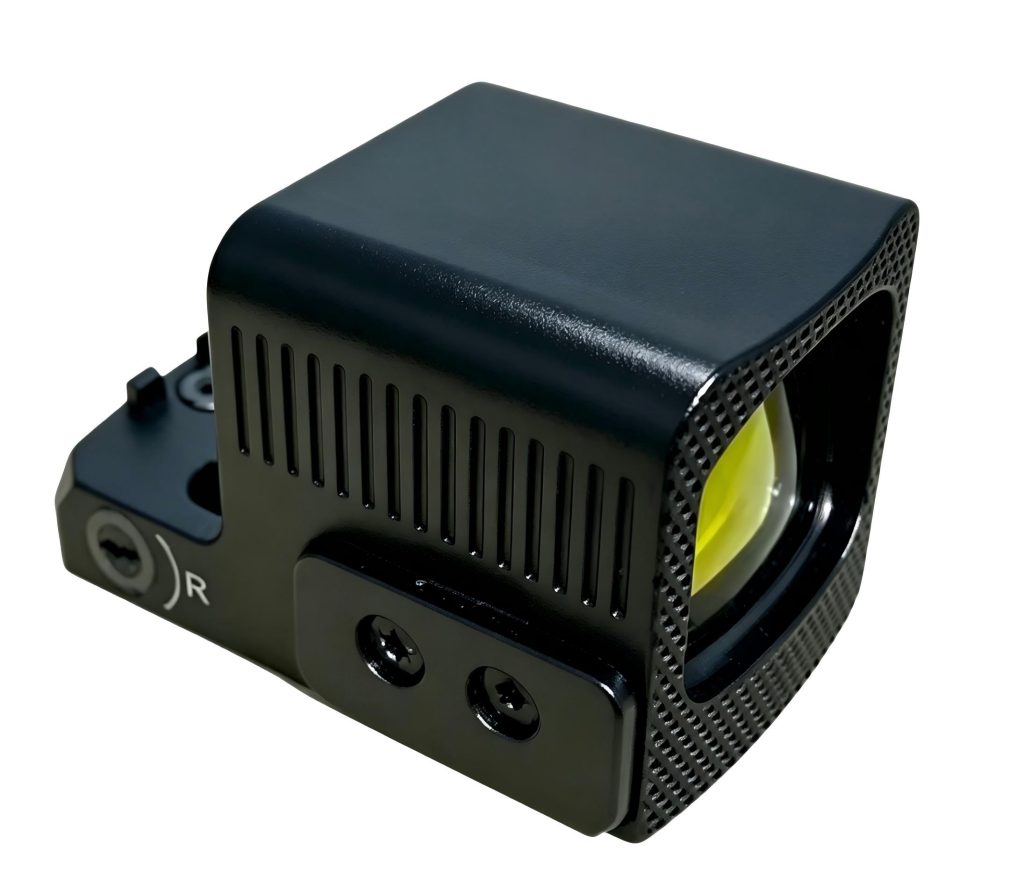
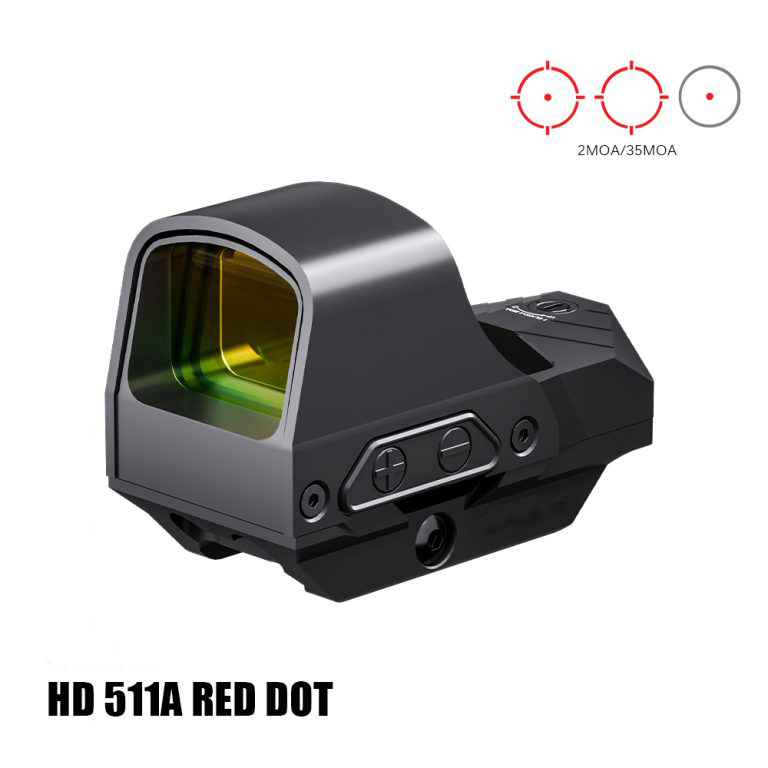
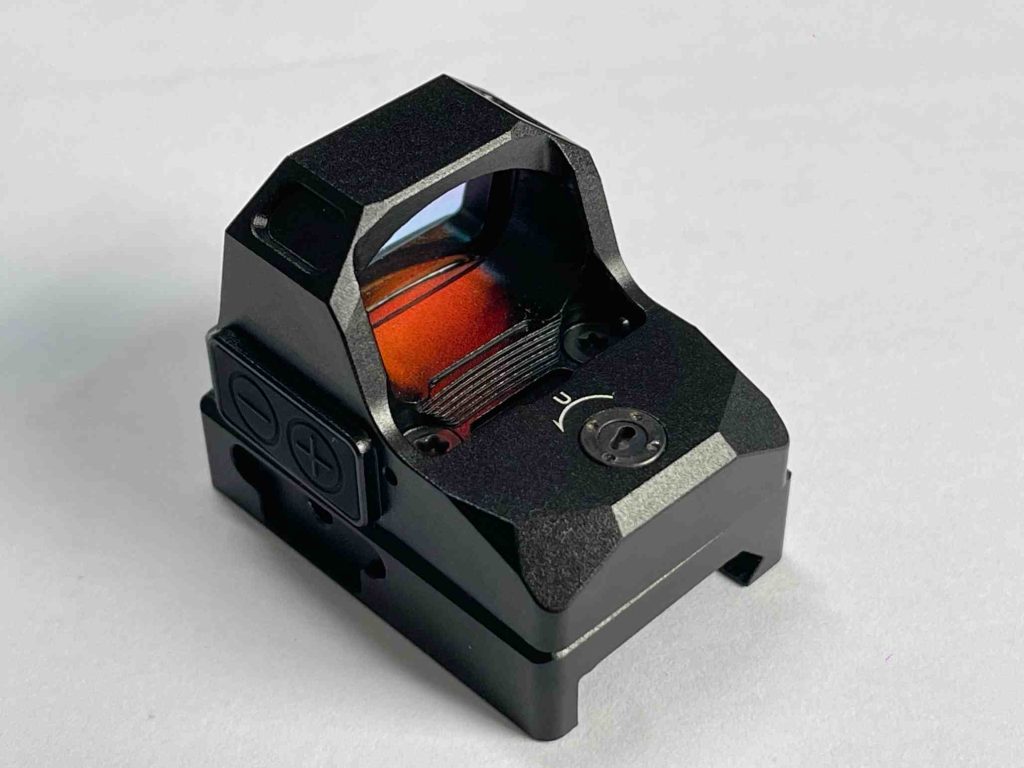
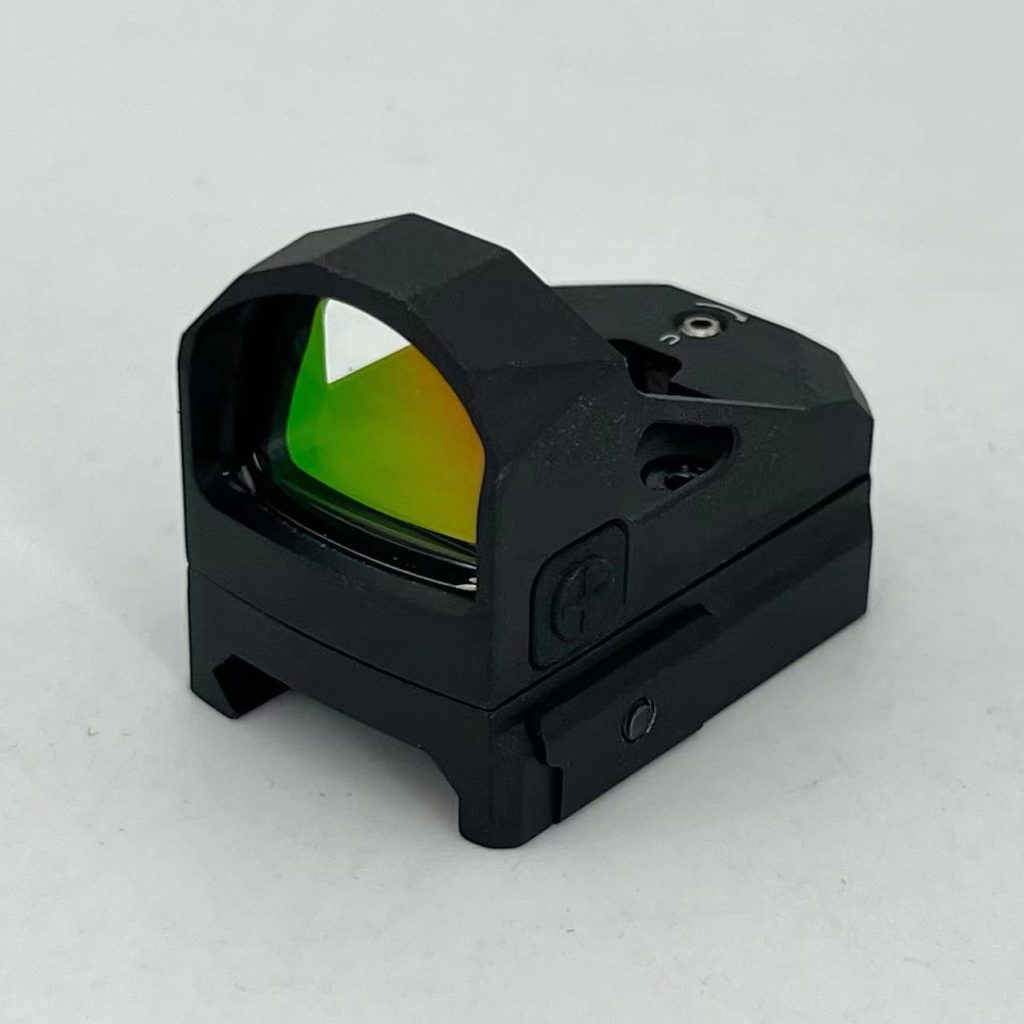
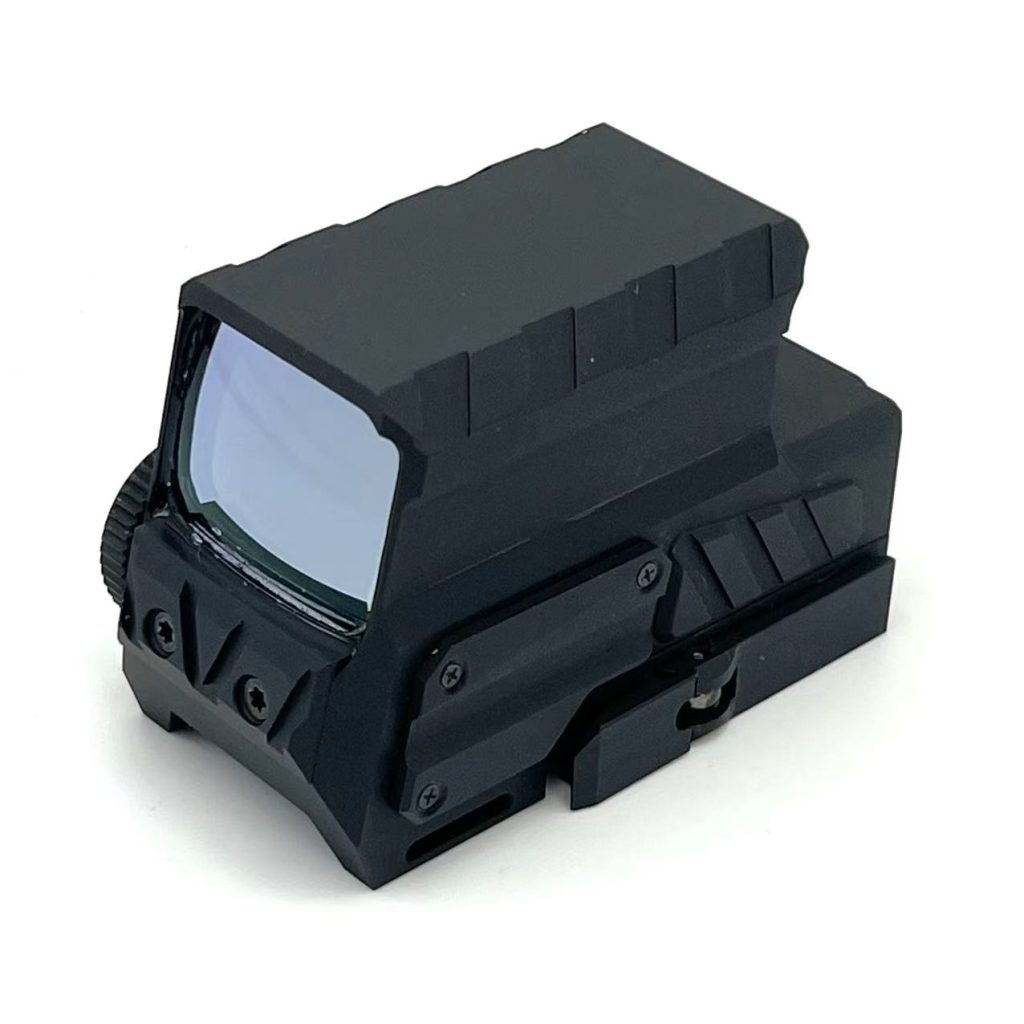
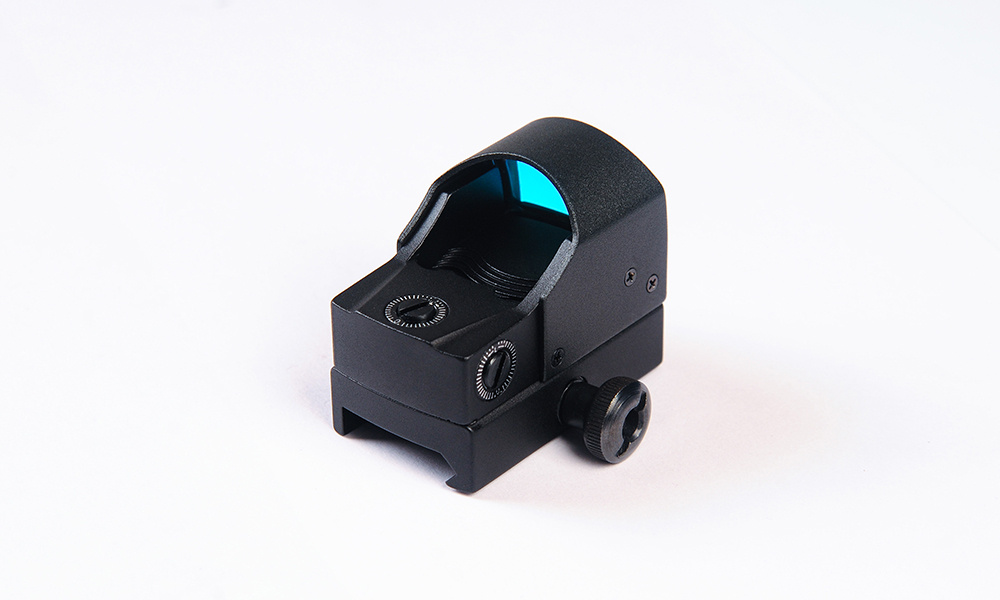
Tube sights are generally easier to seal and protect because their optical components sit within a more enclosed housing. Open reflex sights provide a more exposed viewing window, which can offer a broad sight picture and make it easier for some users to acquire a target. Their exposed optical surfaces may also require more frequent cleaning in dusty, wet, or muddy conditions.
Neither design is more modern or universally better. They solve different problems, and actual performance depends on the individual model’s housing, sealing, window size, mounting position, and optical design.
| Feature | Tube red dot | Open reflex red dot |
| Housing | More enclosed | More exposed |
| Environmental protection | Enclosed construction can make sealing and protection easier | Protection depends on housing and exposed-component design |
| Viewing window | Tube housing may obstruct some of the surrounding view | Often offers a more open sight picture |
| Cleaning | Enclosed components may receive additional protection | Exposed window and emitter area may need more frequent cleaning |
| Selection priority | Housing protection, sealing, and intended environment | Window size, housing protection, and ease of maintaining a clear sight picture |
Do not assume that every tube sight is waterproof or that every open reflex sight is unsuitable for harsh conditions. Check the actual specifications and intended use of the individual model.
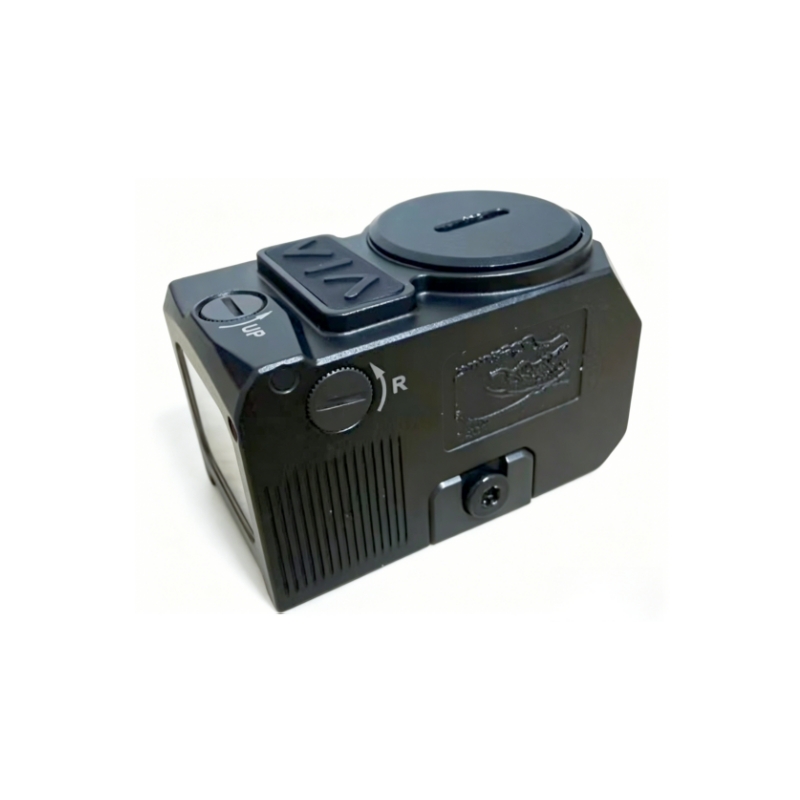
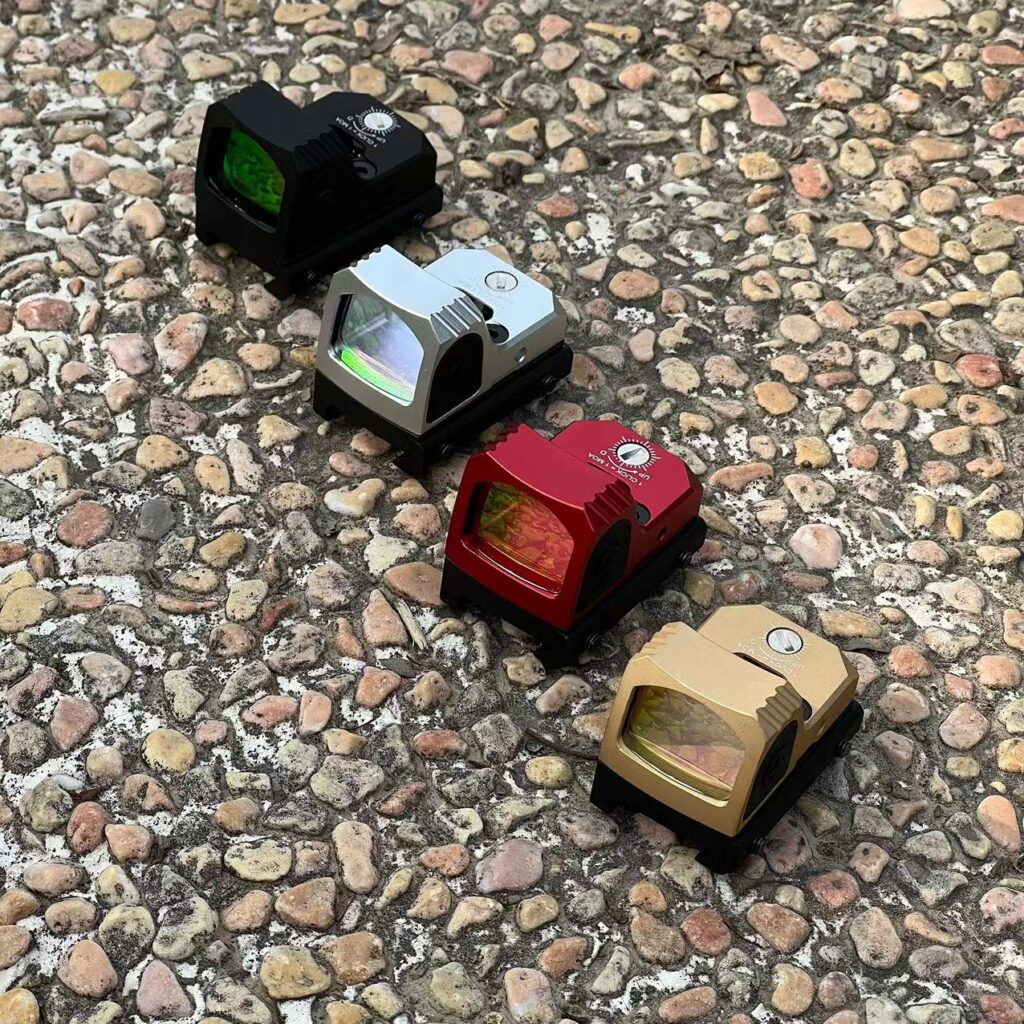
For product examples, see Foreseen Optics’ tube red dot sights and reflex red dot sights.


What Are the State-by-State Legal Requirements for Hunting With Red Dots?
Hunting regulations vary by state, season, species, and method of take—and can change when rules are amended. This section provides a way to check the requirements, not a list of legal claims to copy.
Before hunting, verify three points:
- Are electronic or battery-powered sights allowed? Some seasons or hunting methods may have additional equipment restrictions.
- Does the rule apply to this species and season? Permission to use a sight for one type of hunt does not automatically establish that it is permitted for another.
- Are there exceptions requiring specific sights or equipment? Check for provisions that restrict the equipment allowed for a particular season or method.
Use three reliable sources: the current hunting regulations published by the state’s wildlife agency, the relevant statute or regulatory text, and a local wildlife officer who can clarify how the rules apply. These sources are more appropriate for a legal determination than any general article, including this one.
Why Is Legality a Listing Problem, Not Just a Field Problem?
A supplier can provide product specifications, test reports, and supporting documents. Whether a particular sight is legal for a specific hunt in a specific state and season must be determined from the applicable regulations.
Brands should avoid three common mistakes:
- Printing an absolute claim such as “legal for hunting” without appropriate support.
- Reusing identical product-listing copy across states when the applicable requirements may differ.
- Assuming that legality for one season or species applies to an entire product line.
The safer approach is to describe the product accurately and tell buyers to check their current local regulations before use. Suppliers should not present product information as a substitute for legal advice.
How Do You Mount and Sight In a Hunting Red Dot?
A suitable mount and a confirmed zero are essential to a dependable setup. Follow the firearm and sight manufacturers’ instructions, and carry out live-fire checks at an appropriate range.
Step 1: Confirm the Mounting Interface
Check that the sight’s footprint, base or adapter, and mounting height are compatible with the firearm. Similar-looking sights may use different interfaces, so verify the specifications rather than relying on appearance.
Step 2: Install the Sight Correctly
Follow the manufacturer’s installation instructions and specified torque requirements. After installation, check that the sight is secure and that the mount does not interfere with the firearm’s controls or other components.
Step 3: Choose the Zero Distance for the Hunt
Pick the zero distance based on the game, terrain, and expected shooting distance—not habit. A zero suitable for a rifle used at longer distances may be unnecessary for a setup intended for close-range hunting.
Confirm the chosen zero with the actual firearm and ammunition at the range. Do not assume that a zero established with one ammunition load or configuration will transfer unchanged to another.
Step 4: Confirm the Point of Impact
Use a stable shooting position and follow established range procedures. Check the shot group, make adjustments according to the sight manufacturer’s instructions, and verify the result.
Recheck zero after changing the mount, removing and reinstalling the sight, or experiencing an impact that could affect alignment.
Step 5: Decide Whether Co-Witnessing Is Useful
Co-witnessing describes the relationship between a red dot and compatible iron sights when viewed through the optic. It is a setup preference, not a universal standard.
With an absolute co-witness, the red dot and iron sights align at approximately the same height in the viewing window. A lower-third co-witness places the iron sights lower in the window, leaving more of the upper viewing area unobstructed. The appropriate choice depends on the compatible rifle setup, mounting height, backup-sight preference, and shooting position; co-witnessing is not relevant to every hunting platform.
Before the hunt, check the battery, reticle visibility, lens condition, mount security, and operation of the controls under relevant conditions.
How Should Brands Structure a Hunting Red Dot Product Line?
A product range should cover distinct customer needs rather than simply accumulate model numbers. Dot size, mounting footprint, housing design, and compatible accessories need to work together before the first order ships.
Three Product Tiers: Micro, Tube, and Large-Window Reflex
These three categories can provide a starting framework for range planning, although their exact applications and price positioning depend on the products being developed.
| Product tier | Typical platform or use case | Main product priorities | Commercial role |
| Micro red dot | Compatible handguns, compact platforms, or backup applications | Compact dimensions, low profile, suitable footprint | Serves customers prioritizing size and weight |
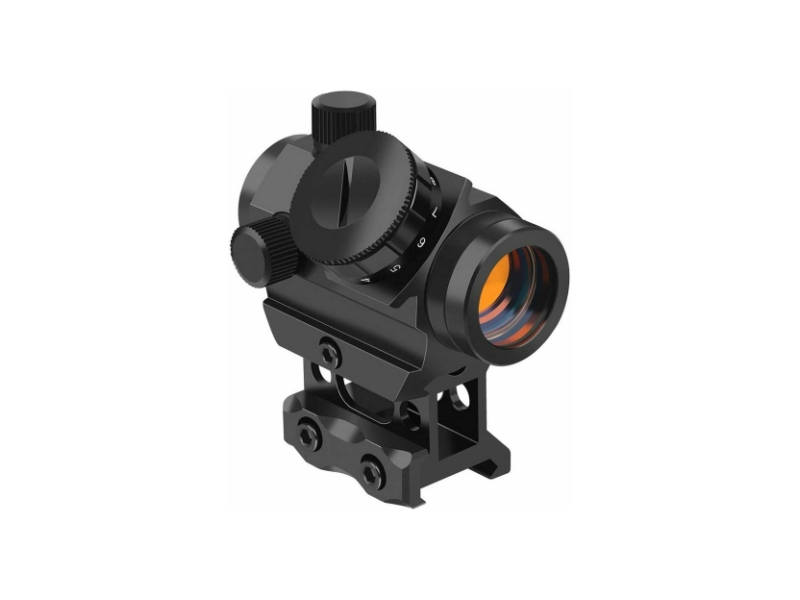
| Tube red dot | Compatible rifle and shotgun configurations | Enclosed housing, environmental protection, straightforward mounting | Serves customers seeking an enclosed sight format |
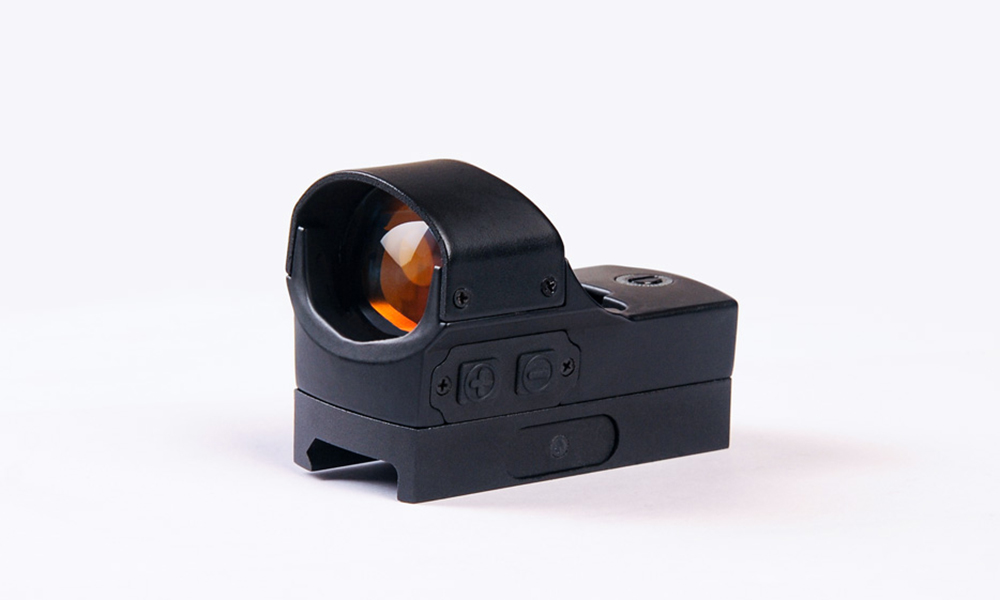
| Large-window reflex | Compatible platforms where a broad viewing window is preferred | Window design, dot visibility, housing dimensions | Serves customers prioritizing a broad sight picture |
The mistake is to place all three tiers in the same price band without a clear reason for buyers to choose between them. Each tier should have a distinct role and a clear set of specifications.
How Does the Platform Determine the Footprint?
The firearm platform determines which mounting interfaces a product needs to support. Coverage across interfaces such as RMR-style footprints, micro footprints, and Picatinny-compatible mounting systems can affect how broadly a brand can build its range.
These interfaces are not interchangeable. Brands should define the intended platforms first, then confirm the exact footprint and adapter requirements for each model. A supplier’s interface coverage can help determine which products can share a range strategy and which require separate configurations.
Why Does the Accessory Ecosystem Matter?
A red dot sight is often part of a wider setup that may include mounts, risers, protective covers, and compatible magnifiers. Planning these accessories alongside the sight can improve compatibility and create more useful options for distributors and customers.
The objective is not to offer the largest possible accessory list. It is to make sure the products work together, the compatibility information is clear, and buyers can identify the right configuration without guessing.
What Should a Brand Ask Before Committing to a Red Dot Supplier?
Ask questions that reveal how a supplier verifies the product and manages production—not just whether it has a catalogue or a test report.
Does the Report Cover Your Exact SKU?
Ask how many models the report covers, which laboratory issued it, when it was issued, and whether the SKU you intend to order is included. The existence of a report alone does not establish that it applies to every product in a range.
Is the Production Run Based on the Approved Drawing?
A sample passing a test and a production batch meeting the required criteria are two different claims. Ask which one the supplier is confirming and how production units are checked against the approved specifications.
Request the relevant drawing and ask which dimensions the inspection gauges actually check. This helps establish whether the quality-control process addresses the dimensions that matter to fit and function.
Can the Supplier Trace a Batch and Close the Complaint Loop?
Ask how finished products are identified by batch, how a reported issue is investigated, and what corrective actions are available. Clarify the process for replacement, repair, or further investigation rather than assuming that all suppliers handle complaints in the same way.
Also agree on inspection records, acceptance criteria, and responsibilities before production. Claims about durability or environmental performance should be supported by the applicable tests and results; they should not be inferred from the existence of a quality process alone.
OEM and Private Label: Where Does Customization Actually Stop?
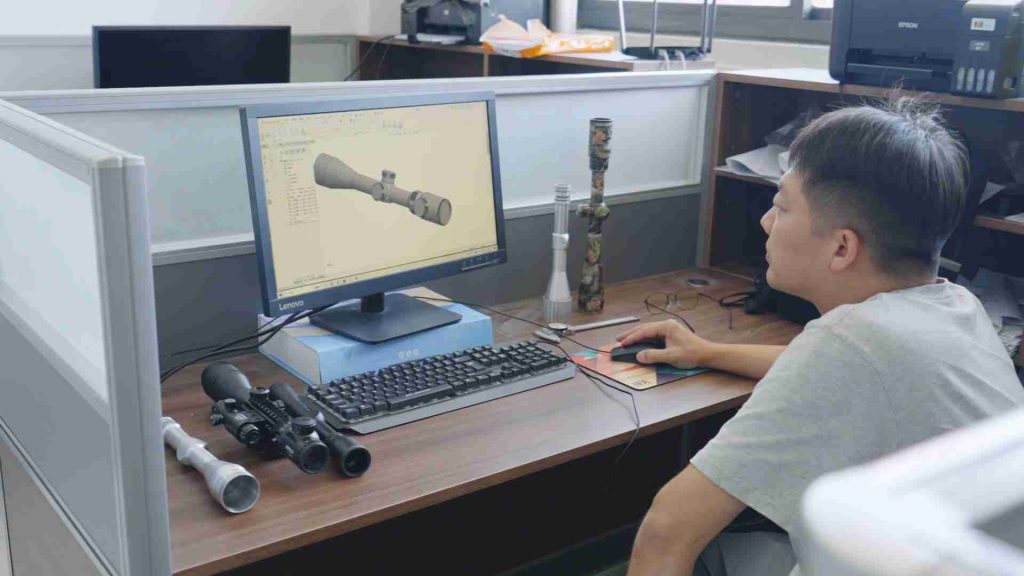
OEM and private-label projects can range from applying a brand identity to an existing model to developing a new optical and mechanical design. The scope of customization determines the engineering work, validation requirements, cost structure, and development timeline.
It helps to separate three levels of cooperation before requesting a quotation.
| Level | Typical scope | Main considerations |
| Stock model | Select an existing product and its supported configuration | Availability, standard specifications, existing accessories |
| Light customization | Apply supported branding and configuration changes | Compatibility with the existing design, tooling requirements, and minimum order conditions |
| New development | Create or substantially revise the product design | Engineering work, prototype iterations, validation, tooling, and production planning |

What Can Usually Be Changed Through Light Customization?
Depending on the base model and the supplier’s capabilities, light customization may include:
- Logo and branding: Product markings and brand identification.
- Packaging: Retail boxes, labels, manuals, and other packaging materials.
- Color and finish: Supported housing colors and surface treatments.
- Reticle configuration: Available patterns or illumination options that the existing platform supports.
- Accessory configuration: Compatible mounts, covers, or other included components.
- Selected materials or dimensions: Only where the existing design and manufacturing process support the change without requiring a new engineering development.
Not every item on this list is available for every stock model. A supplier should confirm the supported options, minimum order requirements, and any additional costs before the brand commits to a configuration.
Changing the logo or packaging is different from changing the optical system. A new label does not alter the underlying design, and a request for a new reticle or finish may still require technical review even if the basic platform remains unchanged.
Which Changes Require New Product Development?
Requests that change focal length, mounting footprint, housing geometry, or other core optical and mechanical features may require a revised design rather than a straightforward customization.
Such changes can affect optical performance, structural design, compatibility, assembly procedures, and inspection requirements. They should therefore be assessed against the existing drawings and manufacturing process before a timeline or quotation is confirmed.
For a new model, a development period of approximately 60–90 days may be a planning reference, but it is not a universal commitment. The actual schedule depends on the design scope, tooling, component availability, prototype revisions, and validation requirements.
The most useful early discussion is an honest one about what can be changed within the existing platform and what requires engineering work. Establishing that distinction at the beginning can prevent a project from being quoted as a simple private-label order when it actually involves new product development.
Foreseen Optics: Working With Your Product Team
Whether you are sourcing an existing hunting red dot or developing a new model, the first step is to match your product requirements with the right development path.
We started in 2007 as an optics manufacturer and have run our own riflescope line since 2018. Our optical design team is based in Chongqing, while CNC machining and assembly take place in Nantong within the same manufacturing chain. That is how a tolerance question becomes a design question instead of a supplier argument.
With ten product categories and 600 models in our catalogue, we can assess whether your requirements match an existing product, call for light customisation, or need a new development. Availability and customisation options depend on the specific model and order.
Share your target platform, intended hunting application, and price range with our team. We can identify which requirements an existing model can meet and which may need further development.
FAQ: Common Questions About Red Dot Sights for Hunting
What MOA dot is best for deer hunting?
A 2 MOA dot is a common starting point for hunters who want to preserve target detail, but it is not universally best. A larger dot may be easier to acquire quickly, while a smaller dot covers less of the target. Consider the shooting distance, target size, and your ability to see the reticle clearly.
Can I hunt with a red dot in low light?
A red dot can provide an illuminated aiming point in low ambient light, but it does not illuminate the target. Visibility depends on the reticle brightness, optical design, background, and the shooter’s vision. Also check local regulations concerning electronic sights or artificial illumination before hunting.
Do I need a magnifier for hunting with a red dot?
Not always. A magnifier may help when additional target detail is needed, but it adds another component and must be compatible with the sight and mounting setup. Whether it is worthwhile depends on the expected distance, terrain, and intended use. Compare available options on our red dot magnifiers page.
Is a red dot legal for turkey hunting?
That depends on the applicable state regulations, season, and method of take. Check the current rules for your specific hunt rather than relying on a general product claim or an answer that may apply to another state or season.
What should a brand check before sourcing hunting red dot sights?
Check whether test reports cover the exact SKU, whether the approved sample and production units are evaluated against the same drawing and criteria, and how batch traceability and customer complaints are handled. Also confirm the mounting interface, supported customisation options, and after-sales responsibilities.
Conclusion: Choose the Sight for the Hunt, Then Build the Range
A red dot is about making the aiming process more straightforward—not buying accuracy in a box. Choose the dot size for the target, the optical design for the environment, and the mounting interface for the platform.
For brands, a well-planned range is more than a collection of models. It is a compatible system of sights, mounts, and accessories, supported by clear specifications and a supplier process that can be checked.Planning a hunting red dot sight range? Send Foreseen Optics your platform, mounting requirements, and hunting environment. We can assess the existing options and identify which requirements may need development.