For brand owners, importers, or wholesalers entering the outdoor-optics market, the most common mistake when building a binocular line is to select several products with attractive specifications from a supplier catalog, add a logo, and launch them. Although this approach is fast, it often creates overlapping SKU positions, a confused pricing structure, slow inventory turnover, and inconsistent performance between approved samples and mass-produced units.
A sustainable private-label binocular line should begin with the target channel and real-world use cases, then work backward to define product specifications, cost structure, quality standards, packaging, and the right OEM/ODM model. The following development roadmap is designed for international brands, regional distributors, and outdoor-goods channels starting from zero.
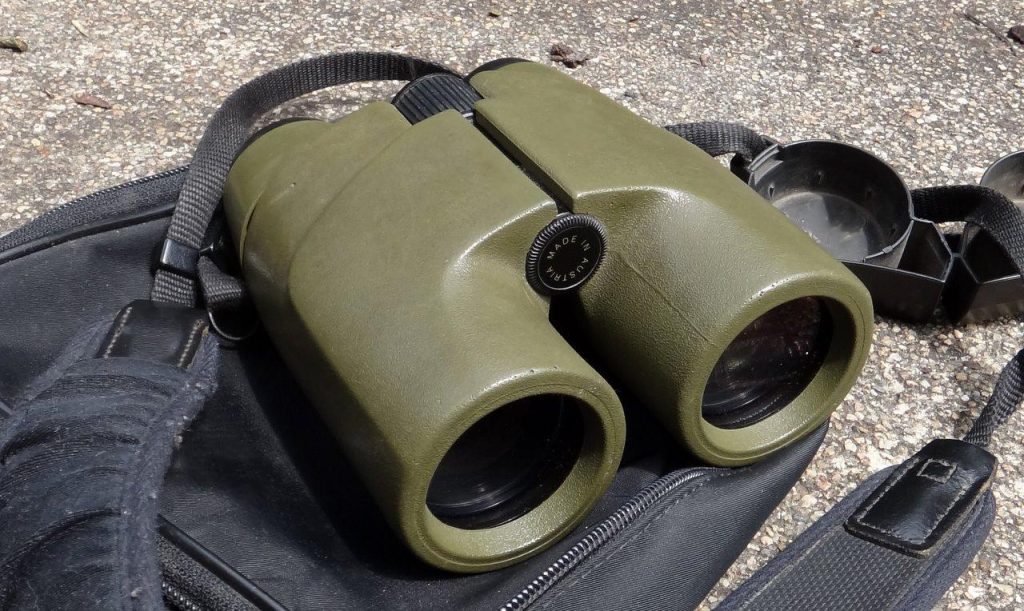
Step 1: Define the Channel and Target User Before Choosing Magnification
Filter Requirements by Asking Who Will Buy, Where It Will Sell, and Why
Even within binoculars, birding, hunting, travel retail, and promotional-gift channels rank product value very differently. Birders focus more on field of view, color fidelity, close-focus distance, long-session comfort, and compatibility with eyeglasses. Hunters place greater value on low-light performance at dawn and dusk, waterproof and fogproof construction, structural reliability, and a secure non-slip grip. Travel retail and gift programs usually prioritize portability, retail packaging, cost control, and low minimum order quantities.
Before requesting quotes, a brand should therefore complete a market–use case–channel requirements matrix. At a minimum, it should cover target countries, sales channels, consumer budgets, primary use environments, competing models, expected retail prices, channel margins, and after-sales commitments. External market research may refer to the Audubon Binocular Guide and Cornell Lab’s binocular buying and testing advice, but the final specification priorities should still be reordered to match the brand’s own channel positioning.
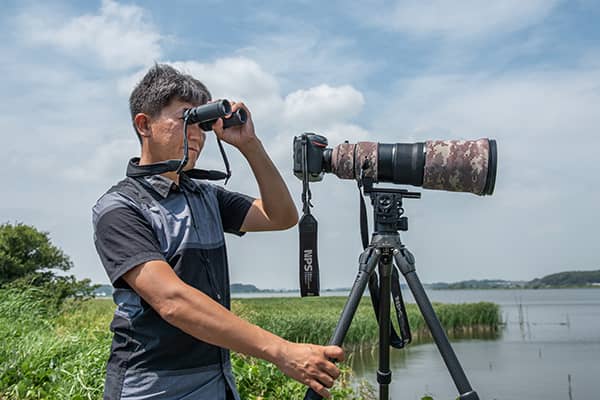
Step 2: Build a Clear Product Ladder with the Fewest SKUs
Give Every Model a Distinct Channel Role
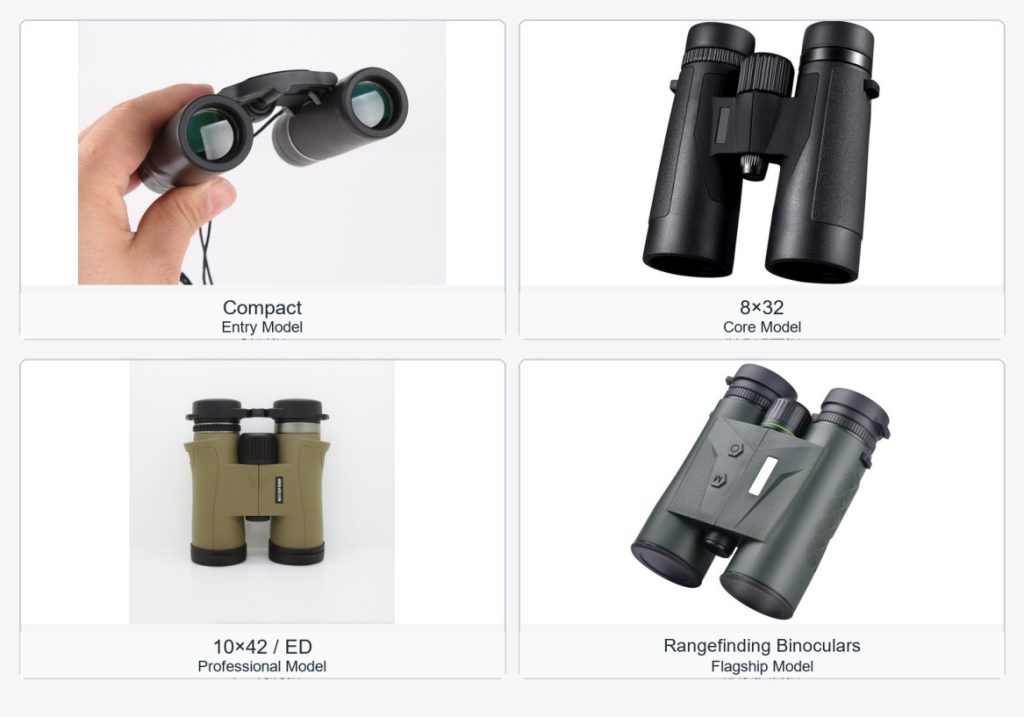
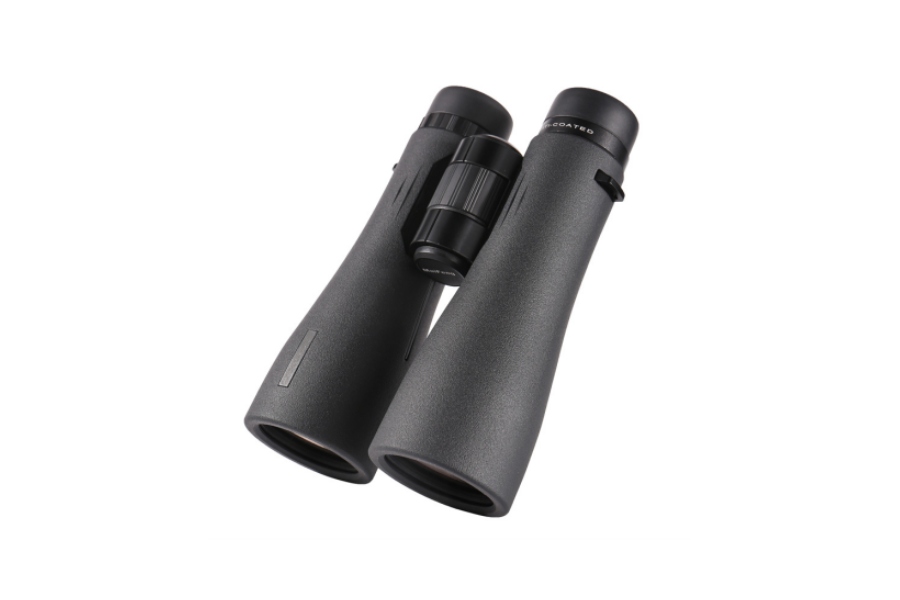
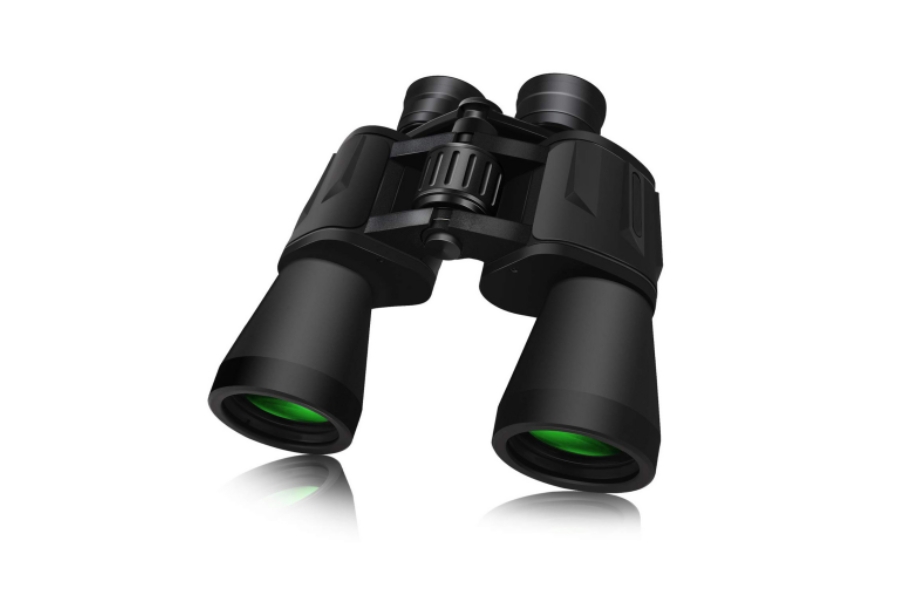
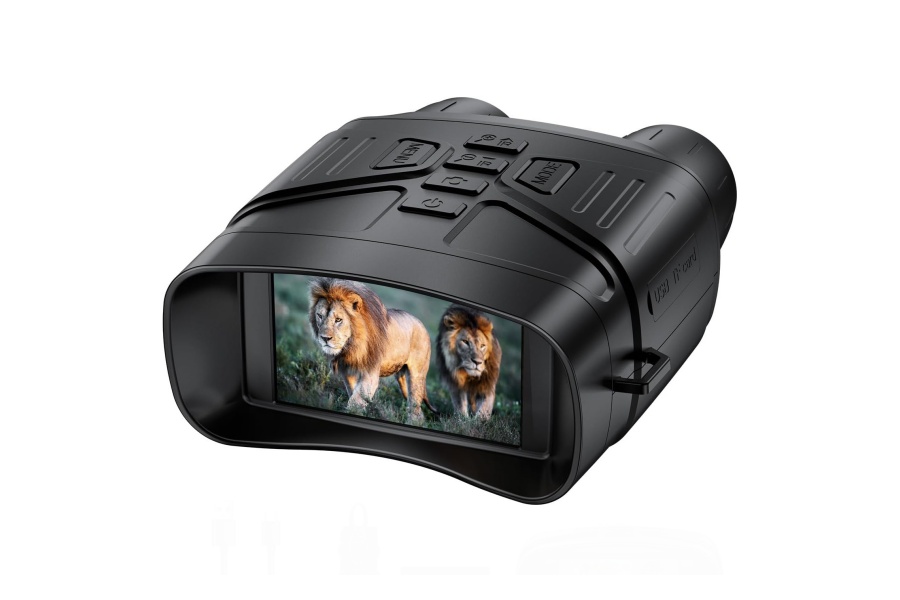
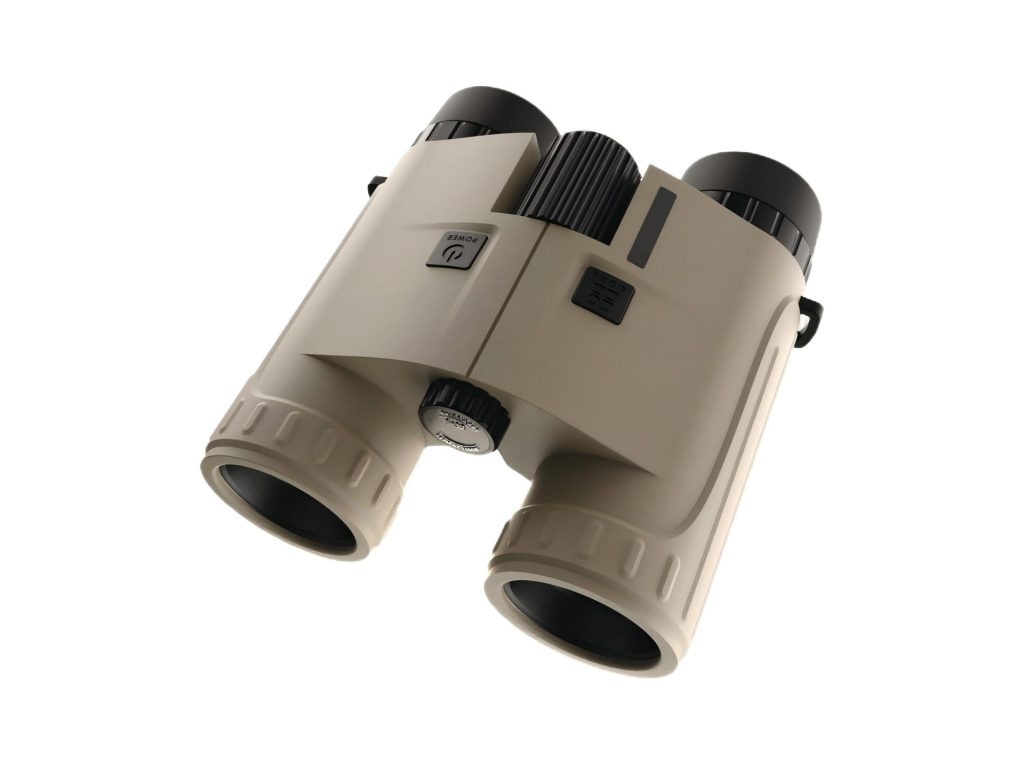
A new brand does not need to cover every magnification and objective size from the outset. A safer approach is to create an entry model–core model–margin model–flagship model ladder, with each SKU assigned a distinct purchasing and sales role.
| Product Tier | Recommended Specifications | Primary Channel Role | B2B Development Priorities |
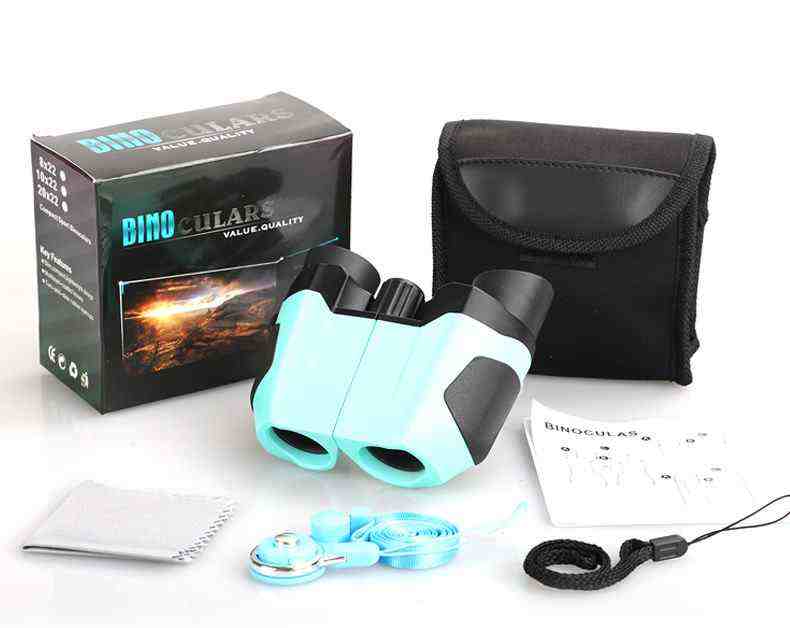
| Entry Traffic-Builder | 8×21 / 10×25 | Travel retail, gifts, entry-level e-commerce | Low weight, easy operation, low MOQ, packaging efficiency |
| Core Volume Model | 8×32 / 8×42 | Birding and general outdoor channels | Field of view, eye relief, grip, batch consistency |
| Professional Margin Model | 10×42 / 10×50 | Hunting, professional outdoor, dealers | Low-light performance, waterproofing, coatings, mechanical stability |
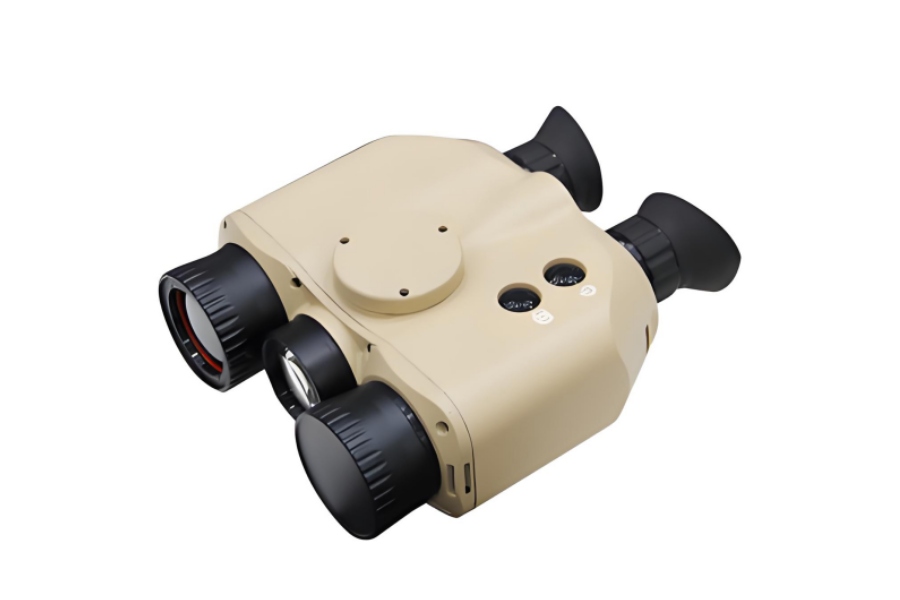
| Flagship Brand Model | ED / APO / Rangefinding Binoculars | Premium channels and professional customers | Differentiated technology, electronics integration, after-sales capability |
If the brand primarily serves birding and general outdoor markets, it can begin with a core 8×32 or 8×42 model and add a professional 10×42. If its channels lean toward travel, gifting, or event retail, 8×21 and 10×25 models form a lower-risk combination. The objective is not to offer as many specifications as possible, but to prevent models from cannibalizing one another in price, appearance, and selling points.
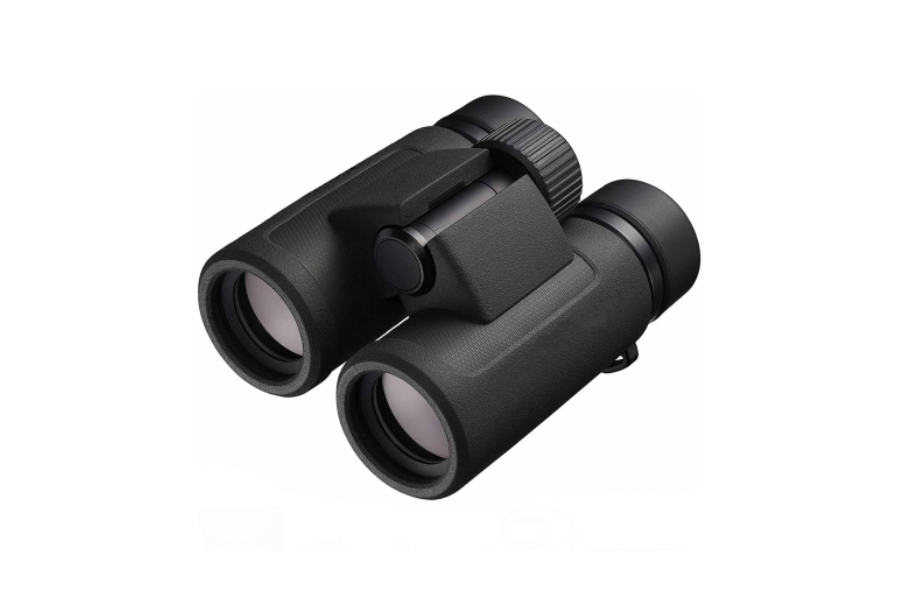
Step 3: Turn Selling Points into a Mass-Production-Ready Specification
Link Optical Parameters to Measurable User Experience
A binocular OEM project cannot stop at magnification, objective diameter, prism type, and lens coatings. The brand should also specify perceptible performance, including usable field of view, edge vignetting, chromatic-aberration control, backlight glare, actual eye relief, eyecup positions, close-focus distance, focusing travel, and left-right collimation. Suppliers should provide not only nominal specifications but also tolerances and batch-acceptance methods.
Mechanical and Environmental Reliability Determine After-Sales Risk
For mid- to high-end roof-prism binoculars, define the waterproof rating, nitrogen- or argon-purging method, focus-wheel resistance, hinge life, rubber-armor adhesion, drop and vibration testing, temperature cycling, and post-shipment collimation stability in advance. Optical clarity creates the first impression, but structural consistency usually has the greater impact on return rates and long-term reputation.
Match the Degree of Customization to the Initial Order Volume
For an initial project, start with a proven open-mold platform and quickly customize the logo, colors, packaging, manual, barcode, and accessory bundle. Once sales and channel feedback have been validated, move into deeper ODM development of the exterior structure, optical system, or functional modules. This controls tooling investment while shortening time to market. Learn more about FORESEEN OPTICS binocular customization services.
Step 4: Choose an OEM/ODM Supplier That Can Co-Develop the Product
Compare Mass-Production Capability, Not Just Unit Price
The right binocular manufacturer should do more than quote a price. It should explain the trade-offs among optics, mechanical design, and cost, while supporting competitive-product analysis, specification matching, sample iteration, packaging development, and mass-production quality control. Supplier evaluation should cover the standard-model library, lens and coating resources, assembly and collimation capability, inspection equipment, project response time, low-MOQ support, production traceability, and after-sales procedures.
For the brand, the key question is not whether the supplier can make one good sample, but whether unit number 500 will match the approved sample. Before cooperation begins, both parties should define the golden sample, sample-approval records, critical bill of materials, AQL sampling standards, permitted deviations, and procedures for handling nonconforming batches.

Step 5: Establish Sample Validation and Small-Batch Market Testing
An Approved Sample Does Not Guarantee Stable Mass Production
Validation should be conducted on five levels: side-by-side optical comparison with target competitors; blind testing by target users; testing in real birding, hunting, and travel scenarios; waterproof, drop, temperature, and transport validation; and finally a pilot run to verify assembly consistency. During sample approval, record viewing distance, lighting conditions, test methods, and acceptance criteria instead of signing off on subjective impressions alone.
For a new brand, the first order should use a manageable MOQ and a limited color range rather than launching numerous SKUs at once. After the small-batch launch, continuously track sell-through, inventory turnover, reasons for returns, recurring negative-review terms, lens-cleaning complaints, focus-wheel feel, and missing accessories before deciding on the next upgrade.
Step 6: Develop Branding, Packaging, and Channel Economics Together
Make the Entire Line Look Like One Brand on the Shelf
Brand consistency comes not only from the logo, but also from body color, rubber texture, nameplate placement, packaging layout, manual language, accessory bundles, and warranty cards. Models at different price points may use different materials and configurations, but they should retain a unified visual identity and naming system so wholesalers, dealers, and end users can quickly understand the product hierarchy.
Before confirming the EXW price, also calculate customization charges, packaging costs, international freight, tariffs, channel discounts, promotional budgets, and after-sales reserves. A product line can expand sustainably only when there is sufficient room among the retail price, wholesale price, and factory cost.
Step 7: Let Sales Data Decide the Next Model—not Instinct
Validate the Core Platform Before Moving Upmarket
A healthy private-label binocular line should first establish stable sales and reviews for its core models, then gradually add ED glass, higher-grade coatings, larger objective sizes, special colors, open-bridge designs, or laser rangefinding. Expansion should reuse existing optical and mechanical platforms whenever possible to reduce part variety, ease procurement pressure, and improve interchangeability of service parts.
For most brands, three or four clearly positioned models are easier for channels to remember than a dozen similar SKUs. The goal of product-line planning is not a thicker catalog, but a clear user, price point, and reason to reorder for every model.
Conclusion: Move from Buying Individual Products to Managing a Product Line
Building a private-label binocular line from scratch means connecting market positioning, optical design, manufacturing capability, and the business model. Define the channels and users first, then build a product ladder with a small number of SKUs. Put experience-based metrics into the specification, verify production stability with a golden sample and a pilot batch, and expand configurations only in response to real sales data. This is how a brand reduces inventory and after-sales risk.FORESEEN OPTICS supports binocular OEM/ODM projects for international brands, importers, and wholesalers. Explore binocular products and customization options.