Binocular OEM Goes Beyond Rebranding a Stock Product
Many brand buyers purchasing binoculars for the first time understand OEM as printing a logo on an existing product and changing the color box. This fast private-label approach works for low-risk trial orders, but customization that creates real channel differentiation also covers specification combinations, optical configurations, structural protection, user experience, accessory systems, and mass-production inspection standards.
For international wholesalers, outdoor brands, and retail channels, the goal is not to modify as many items as possible. It is to align the product BOM, target retail price, use case, and after-sales commitment. A mature OEM project should define the target customer and sales channel first, then decide which elements are worth changing.
Level One: Product Specifications and Optics
Choose Magnification, Aperture, and Viewing Experience by Use Case
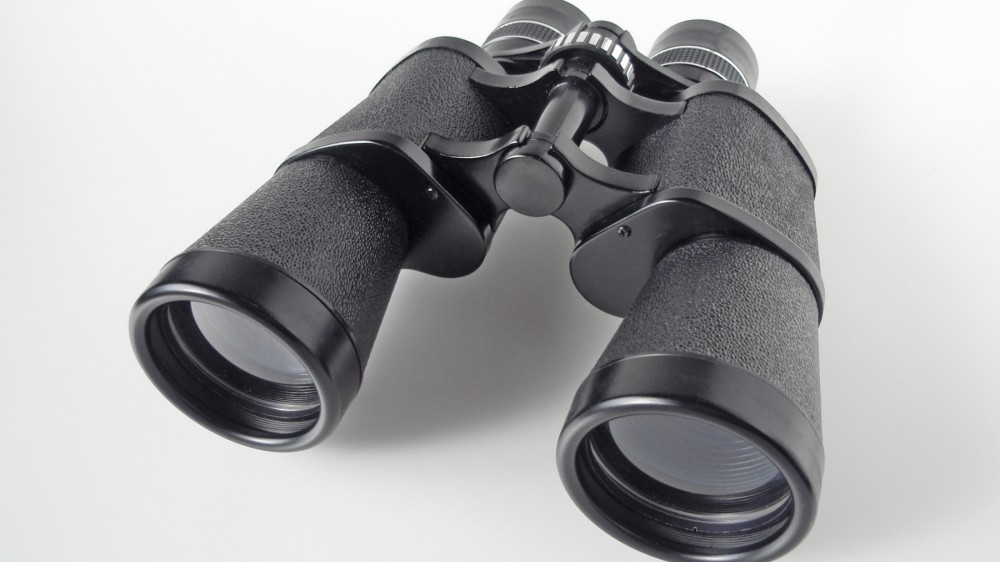
Product definition can start with established configurations such as 8×32, 8×42, 10×42, or 10×50, but magnification and objective diameter are only the foundation. Birding channels also focus on a wide field of view, close focus, and fast focusing. Hunting channels place more emphasis on low-light performance, weather resistance, and grip stability. Travel and gift channels care more about weight, folded size, and inventory turnover.
Glass, Prisms, Coatings, and Eyepiece Options
Customizable options include BK7 or BAK4 prisms, standard glass or ED low-dispersion glass, fully multi-coated optics, and phase-correction, silver, or dielectric high-reflectivity coatings in roof-prism designs. Eyepiece design also affects field of view, eye relief, edge sharpness, and eye-position tolerance. Buyers should not simply add premium terms to a specification sheet; blind sample testing should confirm whether end users can actually perceive the upgrade.
Reticles, Rangefinding Scales, and Special-Purpose Features
Marine, outdoor rangefinding, and professional observation projects can also customize reticles, compasses, rangefinding scales, tripod interfaces, or floating straps. These features require confirmation of the optical position, calibration method, manual, and end-use logic. Simply placing a pattern in the field of view does not complete the development.
Level Two: Mechanical Design, Appearance, and Outdoor Protection
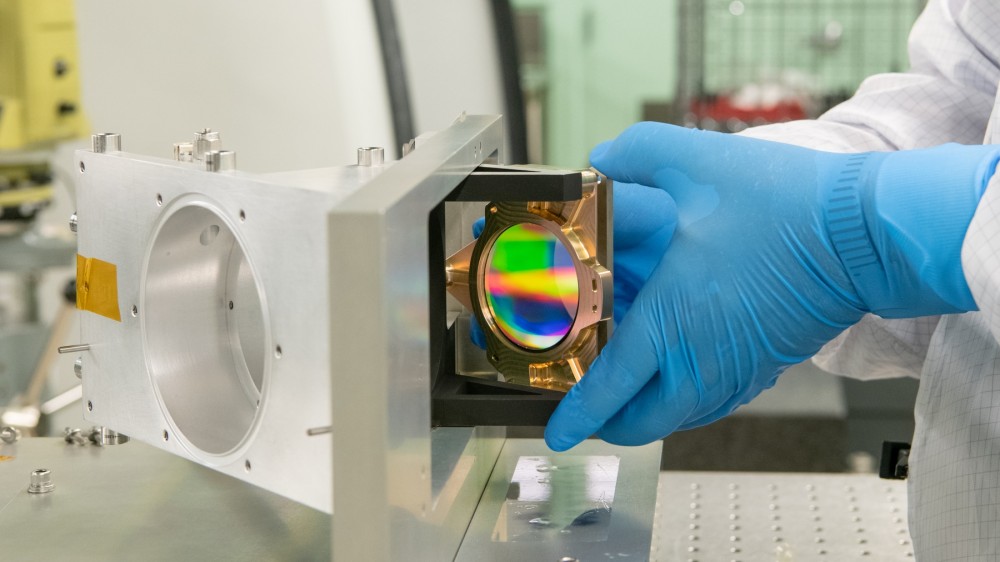
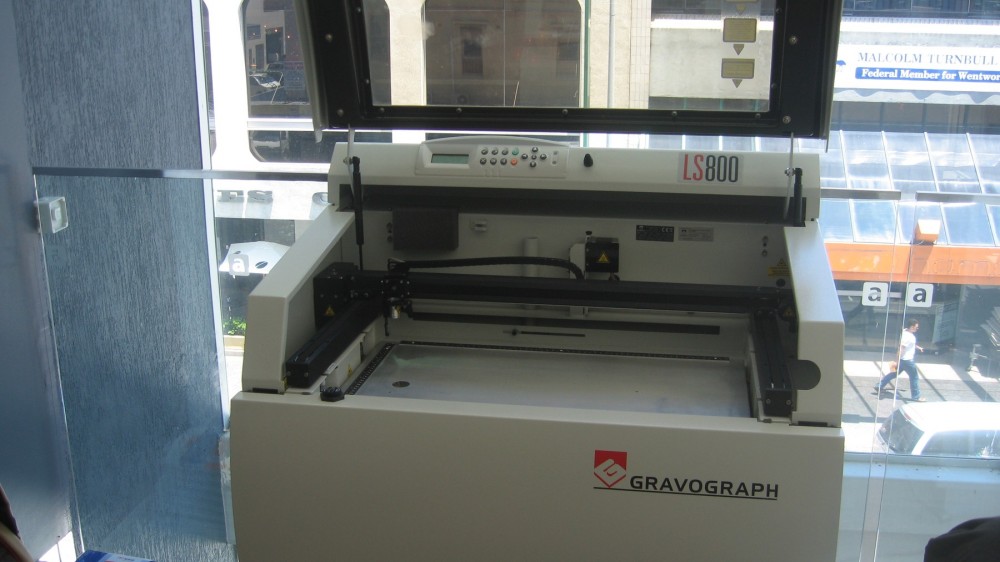
On a mature open-tooling platform, customers can usually select body colors, rubber-armoring textures, eyecup designs, focus-wheel styling, center-hinge decoration, and metal nameplates. Logos can be applied by laser engraving, screen printing, pad printing, metal badges, or in-mold forming. These processes differ significantly in abrasion resistance, visual depth, unit cost, and MOQ.
Outdoor protection can also be upgraded for the target channel, including O-ring sealing, nitrogen filling for fog resistance, waterproof ratings, low-temperature lubricants, salt-spray testing, and drop testing. Waterproofing upgrades often affect seals, assembly processes, and inspection costs; they cannot be achieved by changing marketing copy alone.
Level Three: Accessories, Packaging, and Retail Systems
Accessories often improve the end-user experience more than adding another specification. Common options include lens caps, straps, soft cases, EVA hard cases, tripod adapters, cleaning cloths, smartphone adapters, and floating straps. Buyers can recombine standard accessory kits for outdoor retail, travel gifts, museum stores, or e-commerce channels.
Packaging customization includes color-box structure, insert materials, manual languages, quick-start cards, barcodes, serial numbers, importer information, warranty cards, and master-carton shipping marks. Sustainability projects can also consider recycled paper, less plastic packaging, and PCR/OBP materials, but packaging strength and product protection after international shipping must be validated at the same time.
Level Four: Quality Standards and Delivery Documents
A professional OEM project should also define how the product will be accepted. Buyers and suppliers can jointly lock the Golden Sample, BOM version, critical dimensions, tolerances, optical-axis alignment, focus resistance, cosmetic defects, packing list, and AQL sampling plan. Projects with special channel requirements may also add waterproof, temperature and humidity, drop, vibration, or third-party pre-shipment inspections.
ISO 14133:2025 specifies general requirements for binoculars, monoculars, and opera glasses. ISO 2859-1:2026 provides lot-by-lot sampling procedures for inspection by attributes based on AQL. Each project still needs to translate these standards into an inspection checklist that both buyer and supplier can execute.
Fast OEM, Configured OEM, and Deep ODM Compared
| Customization Level | Common Scope | Best For | Impact on MOQ and Lead Time |
| Fast Private Label | Logo, manual, labels, standard packaging, or accessory combinations | New brands, trial orders, gifts, and regional wholesalers | Lower MOQ and development risk, with faster delivery |
| Configured OEM | Coatings, ED glass, colors, waterproofing, eyecups, accessories, and custom color boxes | Customers with a defined price band and channel position | New sampling required; some materials have separate MOQs |
| Deep ODM | New appearance, tooling, optical design, structural redesign, and dedicated functions | Brands with stable sales, budgets, and long-term product plans | Development and tooling fees, validation time, and higher forecast volume |
How to Avoid Overcustomizing a Product That Will Not Sell
- Define the end-use scenario, target retail price, and channel margin before choosing the optical and structural configuration.
- Separate product MOQ, logo MOQ, packaging MOQ, and dedicated-material MOQ to avoid excess obsolete packaging after the first order.
- Validate the market on a mature platform before considering new tooling or deep structural development.
- Update the specification sheet, BOM, and sample version after every change so chat records do not become the sole basis for approval.
- Retain the Golden Sample and define the AQL, critical defects, and after-sales responsibilities before mass production.
How FORESEEN OPTICS Supports Different Customization Levels
FORESEEN OPTICS can start from its existing Roof, Porro, and Compact platforms to support fast branding, configuration upgrades, and deep OEM/ODM development. At the beginning of a project, mature options can be screened by market, MOQ, price band, and use case. The optical system, structure, color, logo, accessories, packaging, and inspection standards can then be confirmed step by step, reducing repeated sampling and unnecessary development costs.
Conclusion
Binocular OEM customization goes far beyond printing a logo. Valuable customization integrates optical performance, structural reliability, brand identity, accessories and packaging, and quality acceptance into a product solution suited to the target channel. For first-time buyers or small-volume customers, a mature platform with limited customization is usually the safer choice. Once sales data and replenishment patterns become stable, dedicated structures and deep ODM development can be added with more manageable development risk.