Buyers Pay for Noticeable Benefits, Not More Specs
For wholesalers, brands, and retailers, willingness to pay does not imply a fixed premium. The test is whether buyers notice a gain when first handling, viewing, or using binoculars outdoors—and whether staff can explain it in one sentence.
Separate baseline essentials, visible upgrades, and features for specific uses. Cornell Lab’s 8×42 reviews found midrange gains users could notice in field-wide sharpness, difficult light, field of view, and focusing speed and smoothness.
Level One: Image Quality Drives Price Upgrades
Clarity, Color Fringing, and Backlight Matter More Than “ED”
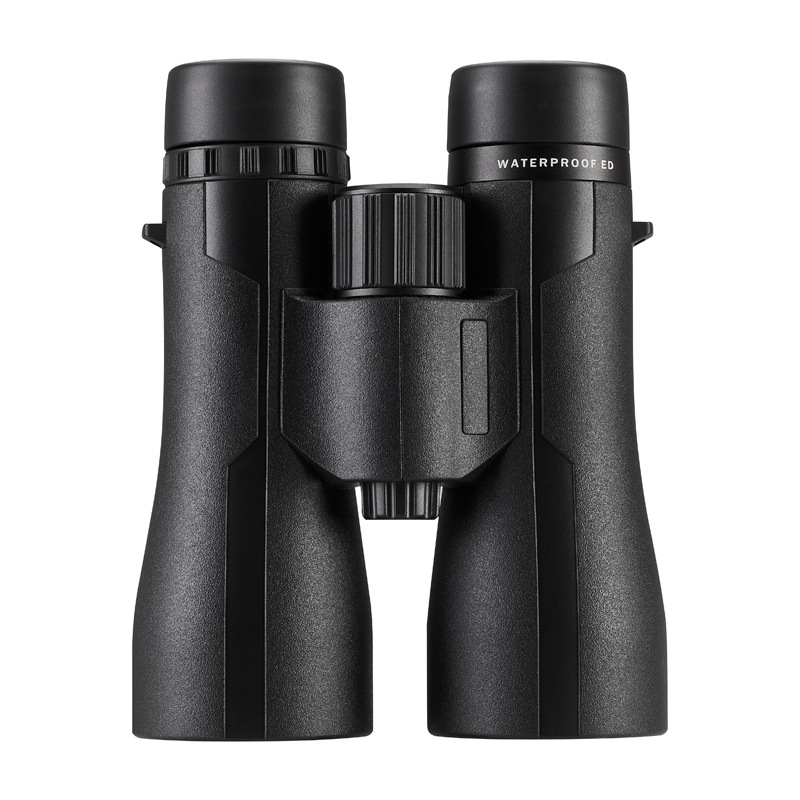
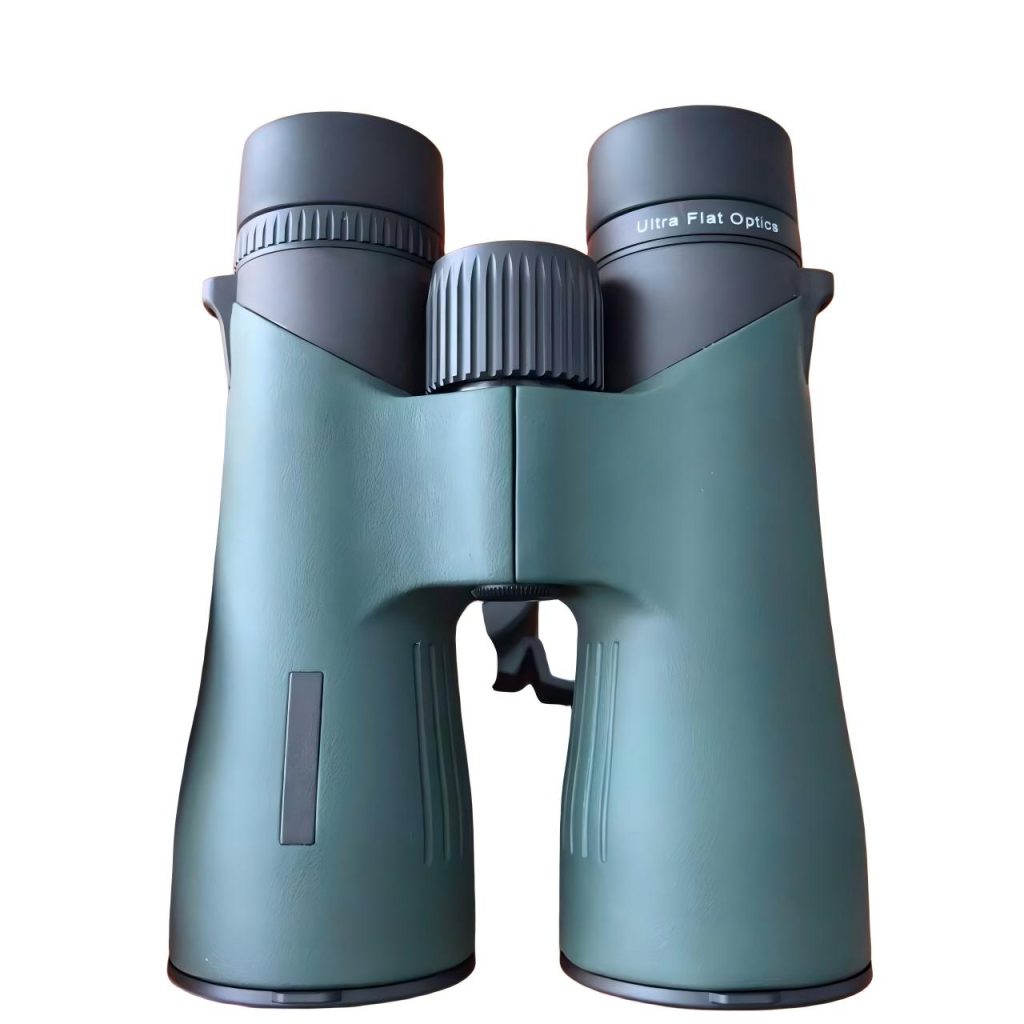
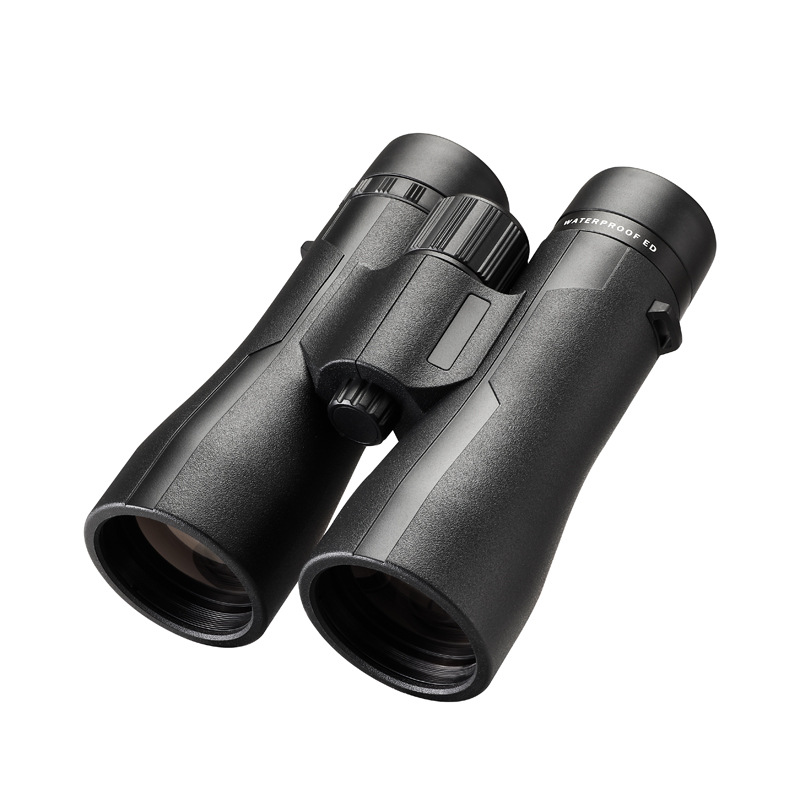
ED glass, BaK4 prisms, fully multi-coated optics, roof-prism phase correction, and dielectric coatings can improve images. Buyers pay for what they see: less purple fringing on high-contrast edges, clearer backlit branches, more natural colors, and better sharpness toward the edge.
For B2B buyers, make comparable standard and upgraded samples, then test fringing, glare, edge sharpness, and shadow detail in the same scene. Results give retailers a clearer reason for the price difference than a longer materials list.
Balance Low-Light Gains Against Size and Weight
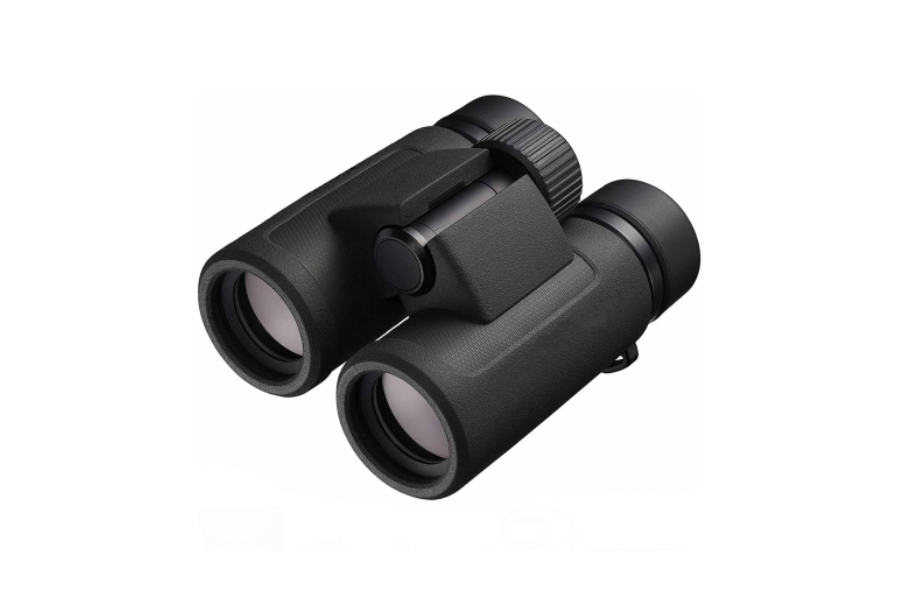
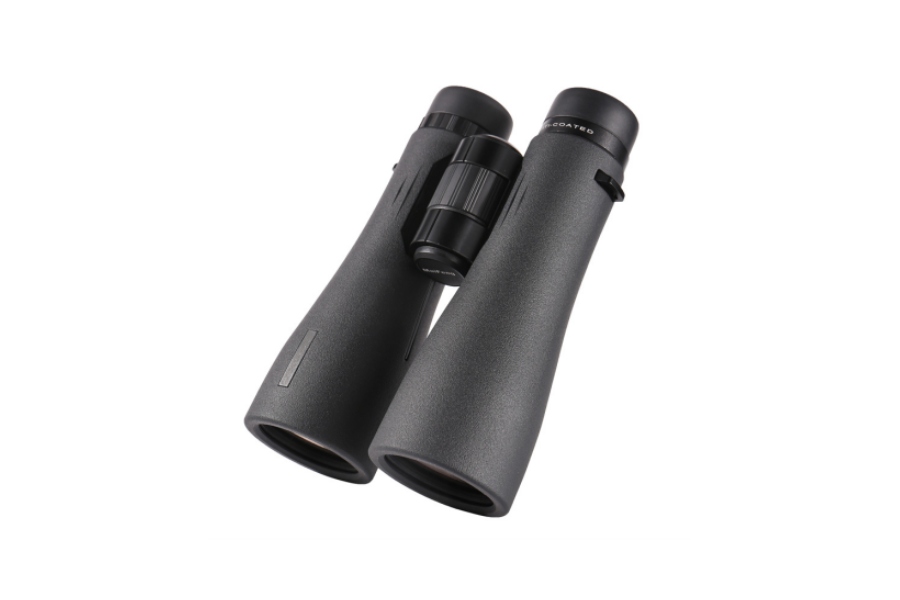
A 42 mm objective, good coatings, and stray-light control often help more at dawn, dusk, and under trees than extra magnification. The 8×42 balances brightness, steadiness, field of view, and portability for birding and outdoor buyers. A 50 mm or larger objective adds weight and bulk.
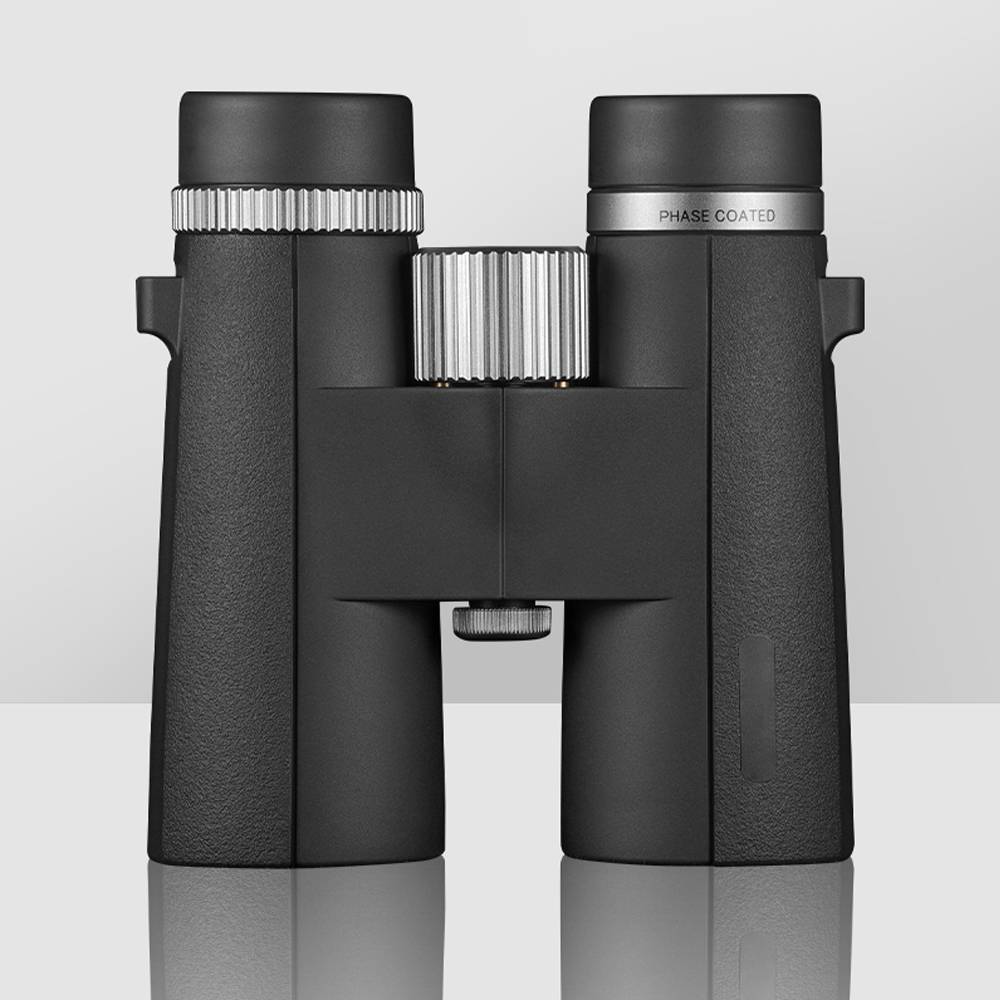
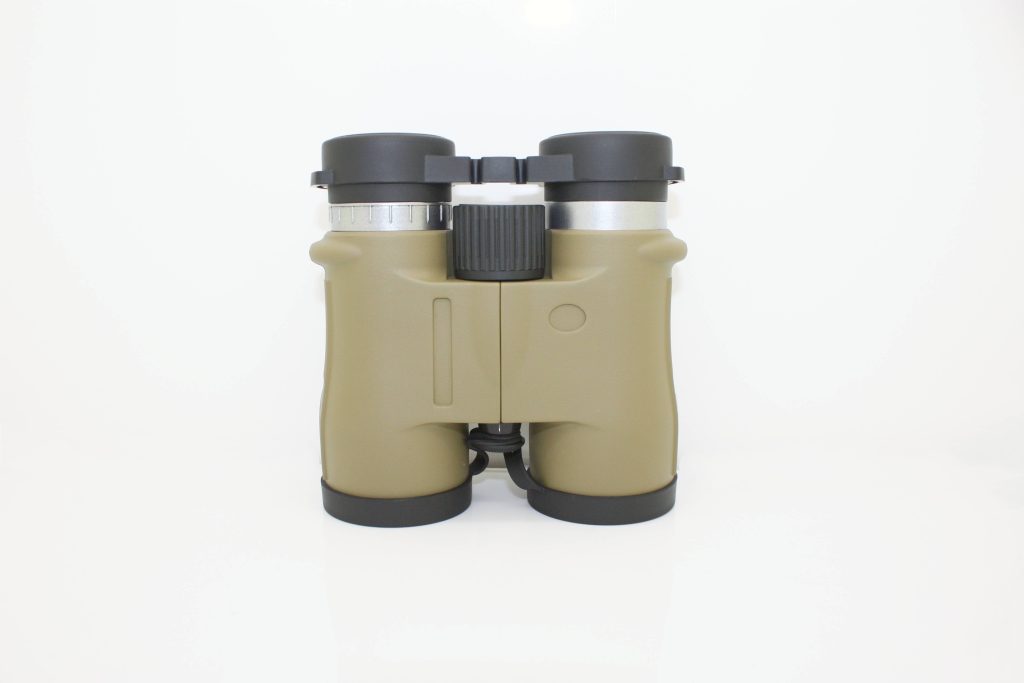
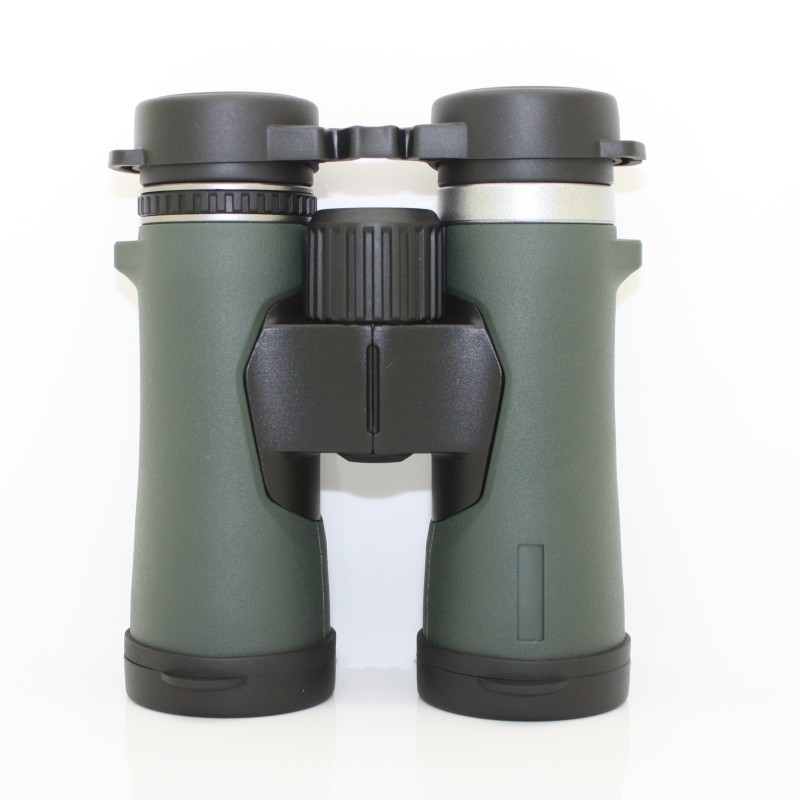
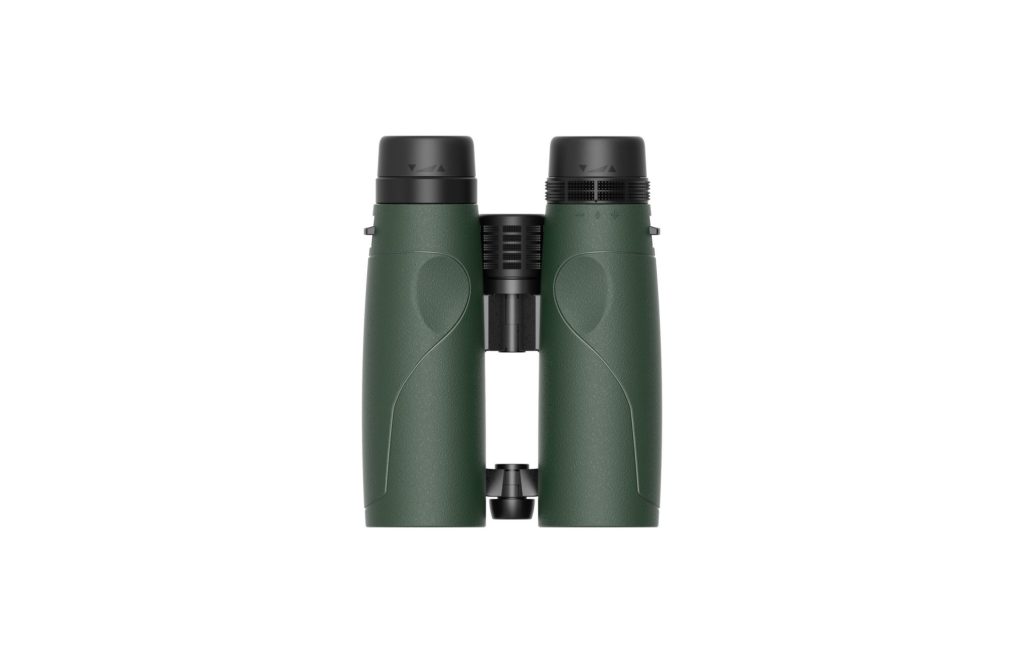
Level Two: Field of View, Focus, and Lasting Comfort
Wide Fields and Close Focus Make Subjects Easier to Find
For birding and moving subjects, field of view often matters more than extra power. A wider view eases finding and tracking; close focus reveals nearby birds, insects, and garden subjects. The Cornell Lab highlights both, especially for birds in flight and dense branches.
Eye Relief, Eyecups, and Smooth Focusing Shape Real Comfort
For eyeglass wearers, eye relief, stable twist-up eyecups, and forgiving eye placement matter more than box claims. Focus resistance, backlash, travel, and one-handed handling shape comfort and affect repeat purchases, returns, and reputation.
Level Three: Weather Protection, Weight, and Grip
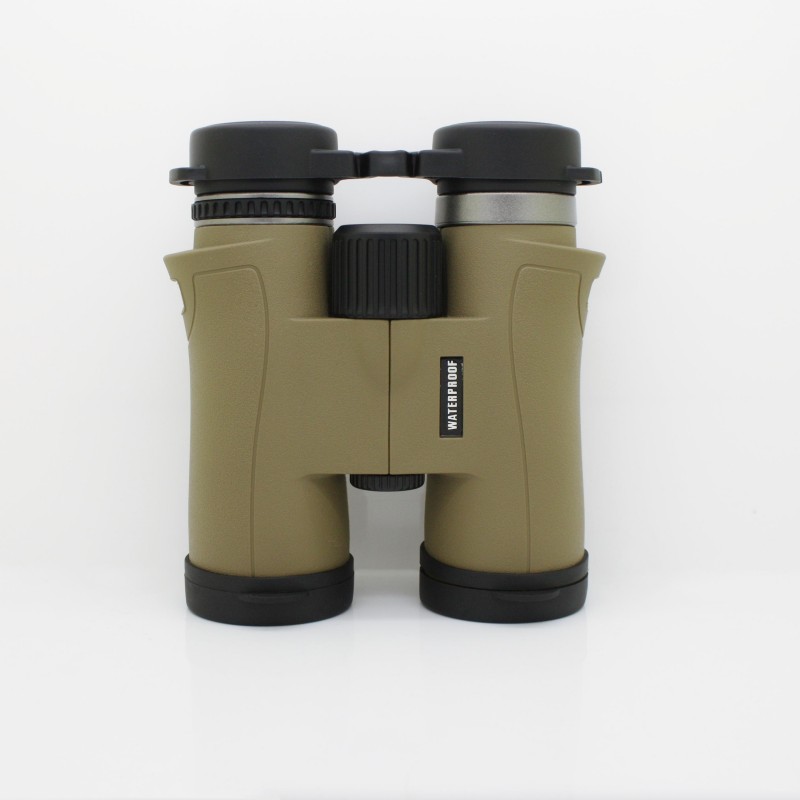
Waterproofing, fog resistance, and build quality reduce long-term risk, though hard to judge in-store. O-ring seals, nitrogen or argon filling, waterproof ratings, cold-weather grease, rubber armor, barrel strength, and durable eyecups keep binoculars dependable in rain, temperature shifts, boats, and humidity.
These features also cut after-sales costs. For cross-border e-commerce, outdoor chains, and specialists with costly returns, consistent waterproofing and mechanics often beat extra accessories. Nikon’s MONARCH M5/M7 combines ED glass, dielectric and phase coatings, long eye relief, nitrogen-filled waterproofing, and rubber armor into one experience.
Level Four: Use-Case Features Need the Right Buyer
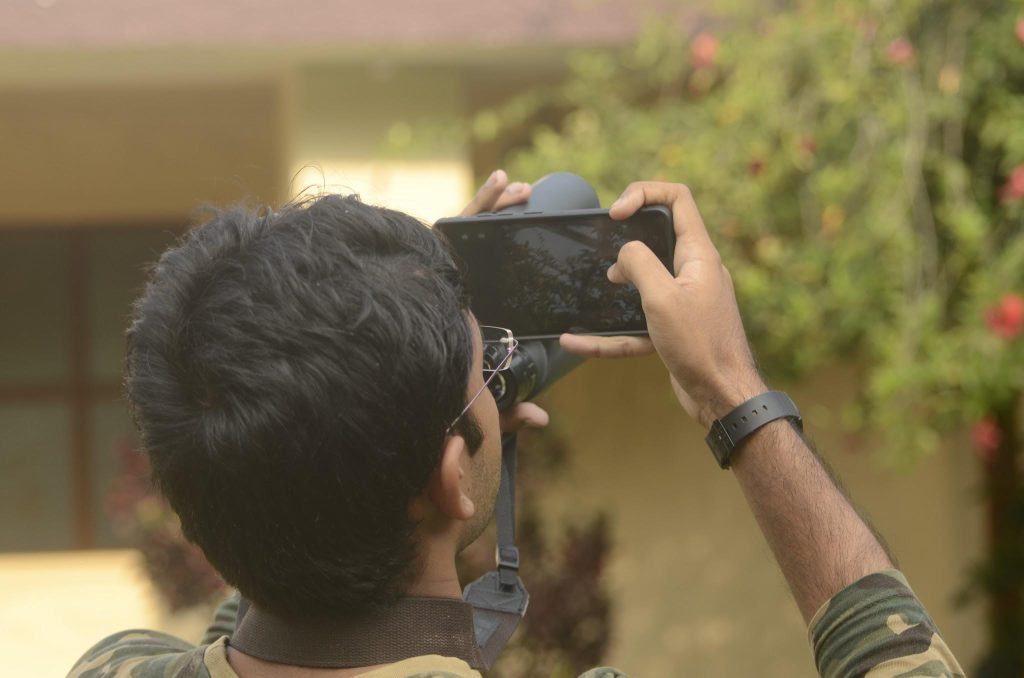
Some features depend on users. Phone adapters appeal to birders who record and share, but not necessarily to hunters. Floating straps suit water and marine channels; tripod mounts suit stationary viewing. Compasses, rangefinding reticles, and special scales matter only in the matching specialist setting.
Use a proven platform, then create channel versions with kits, interfaces, or small BOM changes. Avoid one overloaded SKU; control MOQ and stock while sharpening each version’s appeal.
Which Features Give Buyers a Real Reason to Pay More?
| Feature / Spec | Value Buyers Notice | Willingness to Pay | Best Channels | B2B Configuration Advice |
| Sharper image; less fringing and glare | Cleaner view, natural color, more shadow detail | High | Birding, hunting, specialist outdoor | Mid/premium SKUs; verify with A/B samples |
| Wide view + close focus | Easier subject finding and tracking | High (birding) | Birding, nature, family outdoor | Prioritize before extra magnification |
| Long eye relief + stable eyecups | Full field for eyeglass wearers | High (defined group) | Retail, birding, travel | Test relief and eyecup durability |
| Water/fog resistance + robust build | Less risk in rain, temperature shifts, and long use | High | Outdoor, hunting, marine, e-commerce | Lock seals, gas filling, and QC criteria |
| Light weight + comfortable grip | Easier carrying and extended viewing | Medium-high | Travel, birding, women/families | Balance weight, strength, and handling |
| ED, phase and dielectric coatings | Value only if final image improves | Conditional | Mid/premium brands, specialist dealers | Explain visible gains, not just terms |
| Phone adapter, tripod mount | More options for specific uses | Conditional | Content sharing, stationary viewing, gifts | Offer as options or use-case kits |
| Many freebies, ornate boxes, extreme zoom | More claims, not necessarily better viewing | Limited; test | Gifting or specific campaigns | Check channel demand before adding cost |
Avoid Adding Cost for Features Buyers Do Not Value
- Define the use case and target retail price before choosing upgrades; do not derive positioning from a supplier’s feature list.
- Differentiate entry, core, and upgraded models on two to four benefits buyers can notice, instead of filling every model with different specifications.
- For ED, coatings, field of view, focusing, and waterproofing, compare A/B samples in consistent settings to confirm that the difference is clear.
- Offer use-case features as options, accessory kits, or channel versions to reduce dedicated-material MOQs and slow-moving stock.
- Lock the Golden Sample, BOM, key tolerances, and inspection criteria before production so shipped units match the sample experience.
How FORESEEN OPTICS Supports Feature-Value Product Planning
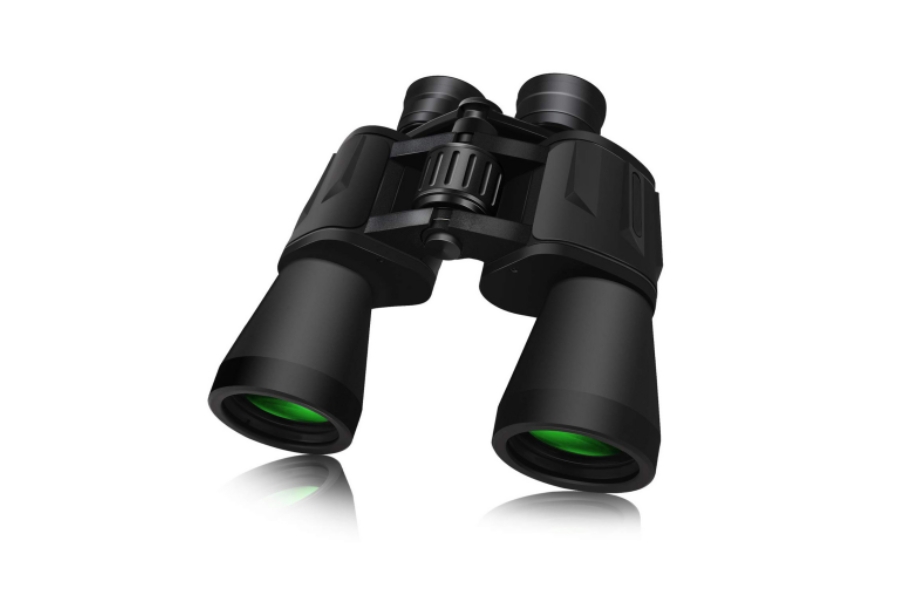
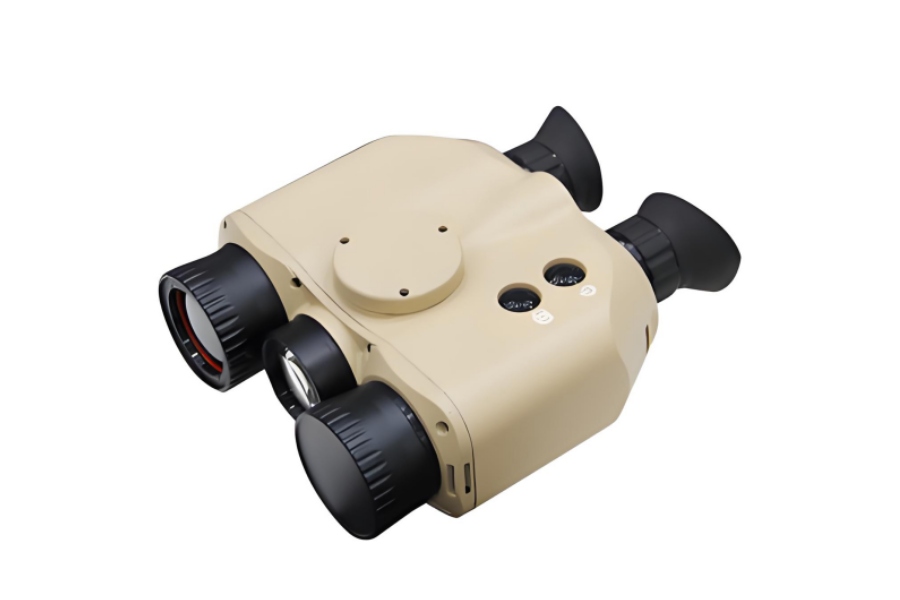
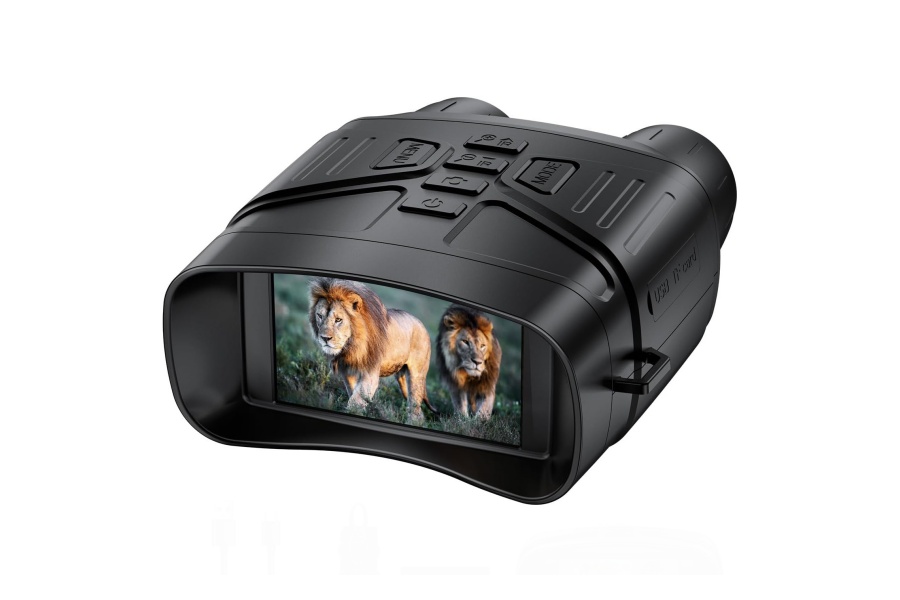
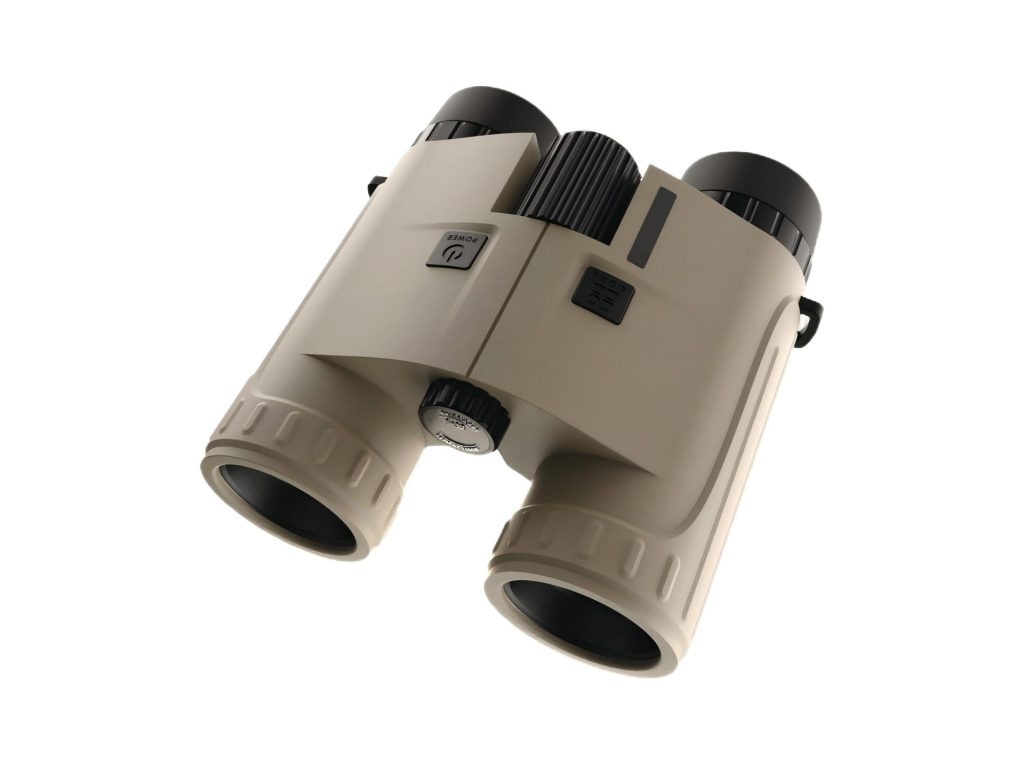
FORESEEN OPTICS can start with proven Roof, Porro, and Compact platforms, selecting models by target market, channel price band, and end-use scenario before deciding which upgrades merit a place in the BOM. On one platform, glass, coatings, field of view, eye relief, eyecups, waterproof construction, rubber armor, accessories, and packaging can form several versions. Side-by-side samples then help customers judge whether buyers will actually notice each upgrade.
The aim is not to add more features, but to give every added cost a clear retail rationale while controlling development time, MOQ, inventory, and after-sales risk.
Conclusion
Buyers usually pay less for the most complex specification than for an experience that lets them see more clearly, find subjects faster, use the product more comfortably, carry it more easily, and trust it outdoors. Wholesalers and brands should prioritize optical performance, field of view and focusing, ergonomics, reliability, and use-case features to form a clear product ladder rather than continually adding specifications. An upgrade supports a higher price only when buyers can notice it, retailers can explain it, and production can reproduce it consistently.