Three Price Tiers Have Three Different Commercial Roles
For binocular wholesalers and regional distributors, the most common product-line problem is not too few models. It is a lack of clear reasons to buy one model over another. Entry-, mid-, and premium-priced models may appear to differ only slightly in specifications. Customers struggle to see why they should upgrade, and sales staff struggle to explain the price gaps. The result is often a growing number of SKUs, while only a few models generate steady repeat orders.
A more effective approach is to assign each tier a distinct channel role, then work backward to specifications, materials, packaging, and purchase cost. The entry tier brings in first-time buyers and reaches a broad audience; the core tier drives volume, repeat purchases, and regular replenishment; the premium tier supports margin, a professional image, and the brand’s upper end. Together, the three tiers form a product ladder that helps customers choose to move up.
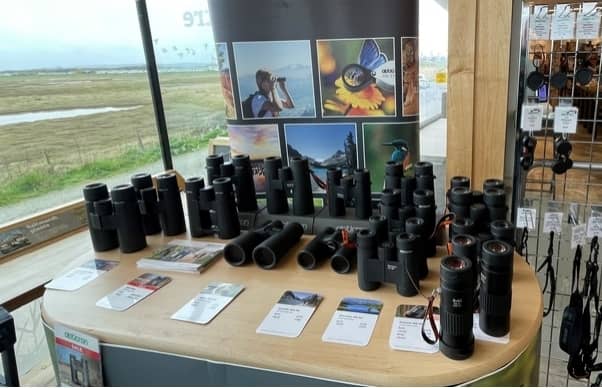
Tier One: Entry Models Bring in Buyers and Widen Channel Reach
Control Costs with Proven Compact Platforms While Protecting Basic Quality
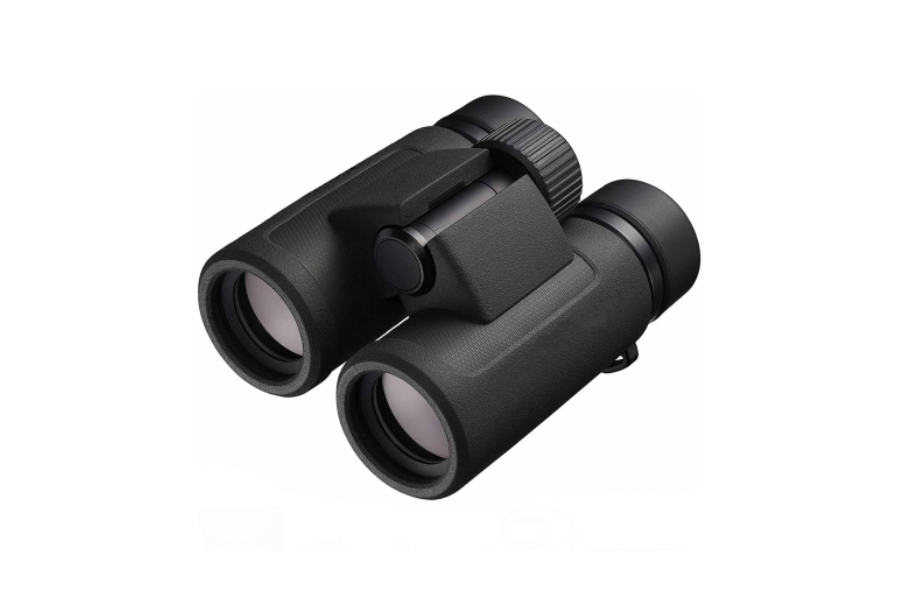
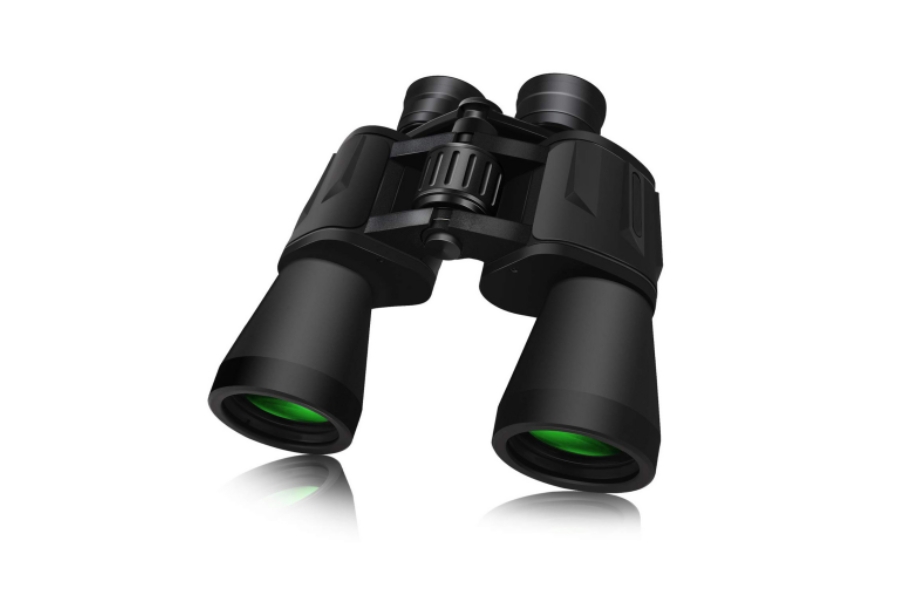
Entry models should be easy for first-time buyers to understand, carry, and use—not simply the cheapest. Compact 8×21, 8×25, and 10×25 models suit travel, gifts, sports, and online sales; a proven 8×32 offers outdoor retailers a fuller-size option.
Keep alignment stable, focusing smooth, eyecups comfortable, coatings adequate, and structure and transit protection sound. Cut costs with simpler housings, shared accessories, standard colors, and packaging—not weaker assembly.
Entry-Tier Configuration: Fewer Specification Claims, More Immediate Benefits
New buyers notice weight, folded size, grip, and focus speed before optical jargon. Spend on mechanical feel, clear labels, and compact packaging rather than barely noticeable materials. Nikon’s guide likewise highlights light, compact models for travel and outdoor use.
Tier Two: Concentrate Resources on the Core Sellers
8×32, 8×42, and 10×42 Are Common Core Specifications
The mid-price tier needs careful planning: it drives shipments and steady replenishment. For birding, hiking, and nature watching, 8×32 favors portability, 8×42 balance, and 10×42 magnification. Choose by channel and user need rather than stocking every specification.
Nikon’s birding guide cites 8×–10× for woodland and higher power for open water. A wide field helps track moving subjects. Consider field of view, close focus, eye relief, and focus speed alongside magnification.
Mid-Tier Upgrades Must Be Noticeable as Soon as Users Pick Them Up
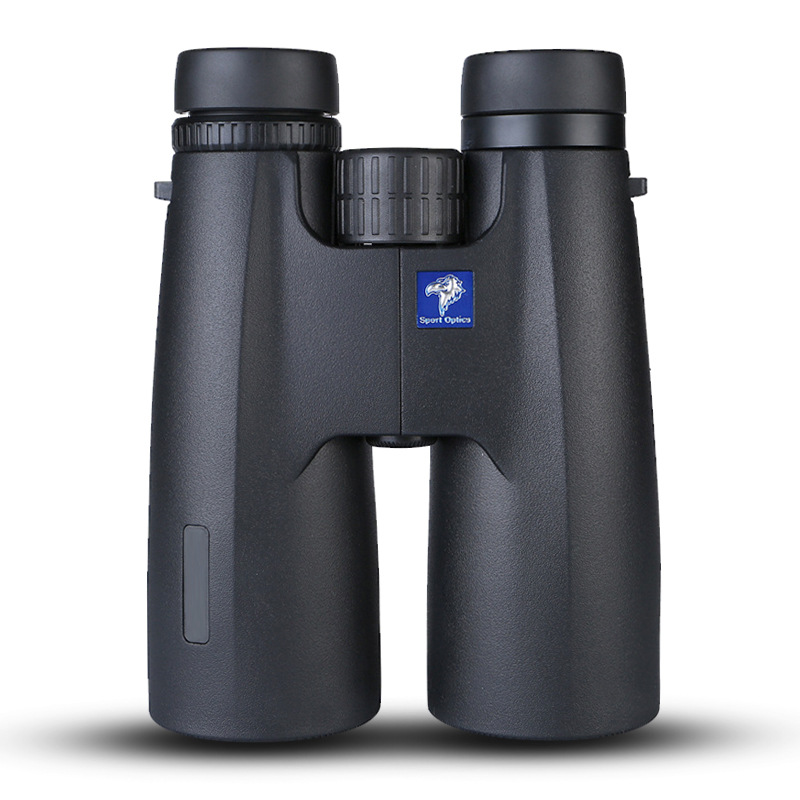
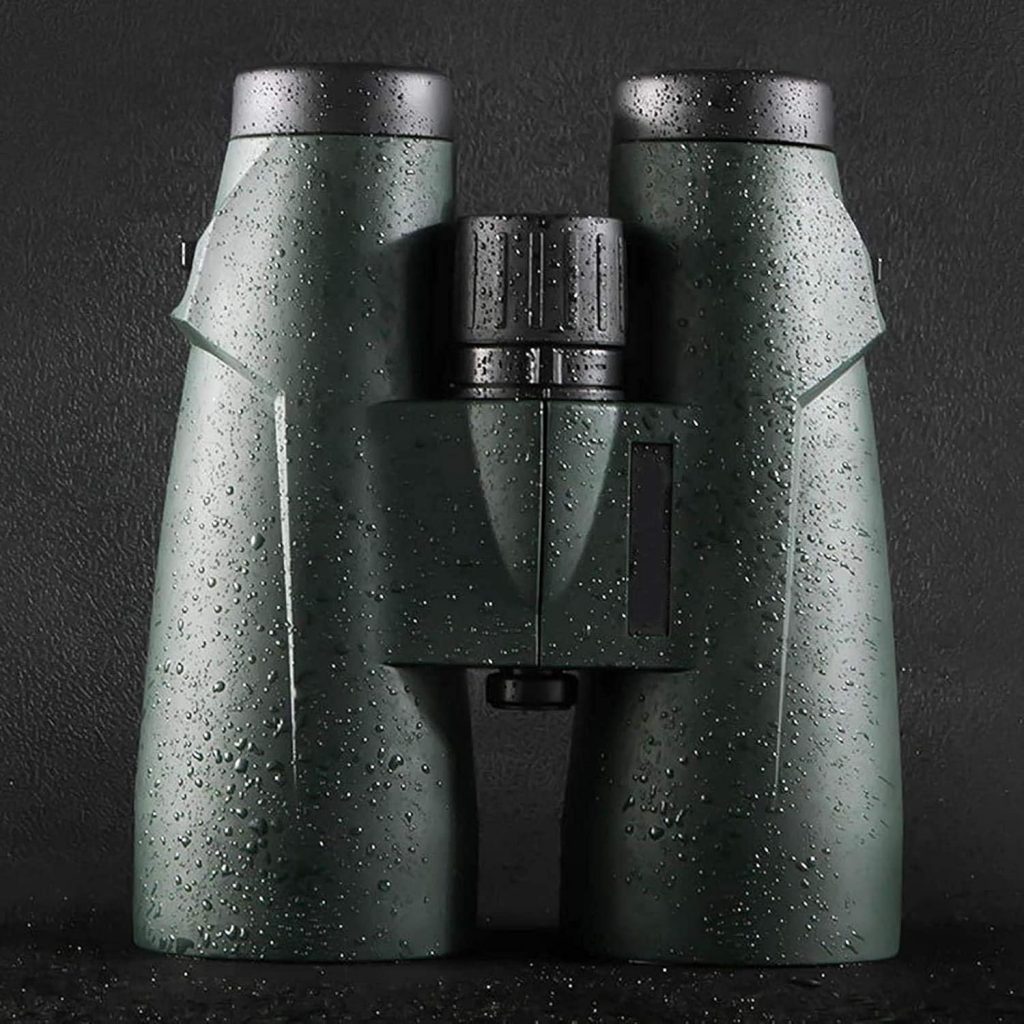
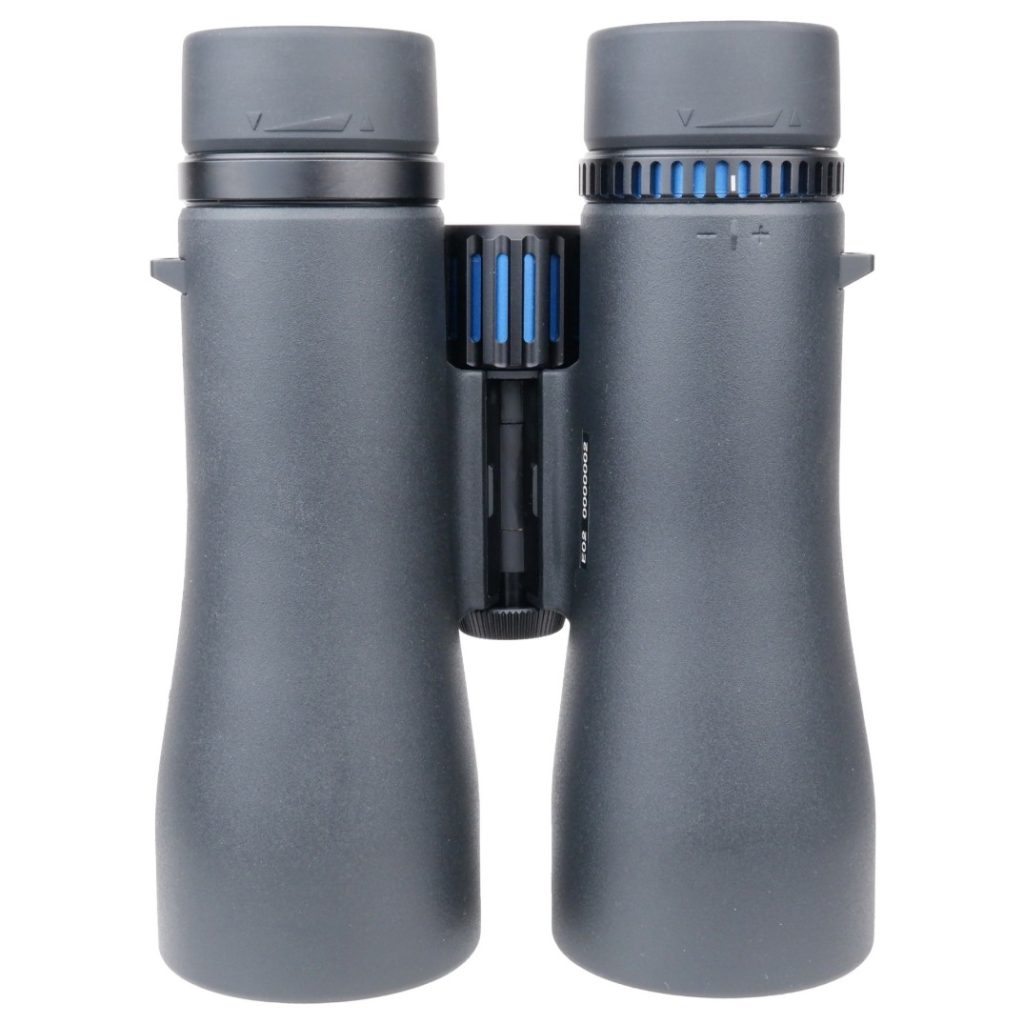
In mid-range roof-prism models, invest in BaK4 prisms, FMC optics, better eyepieces, nitrogen-filled waterproofing, stable eyecups, rubber armor, and refined focus. If the price permits, add phase correction or higher-reflectivity coatings. Aim for noticeable clarity, brightness, comfort, and feel—not a longer specification list.
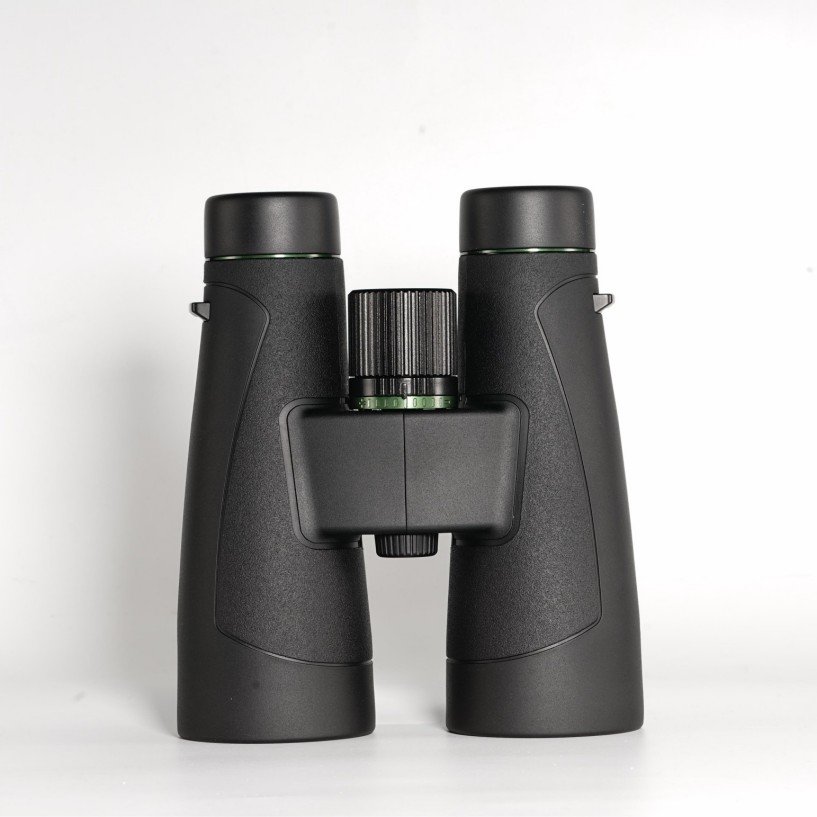
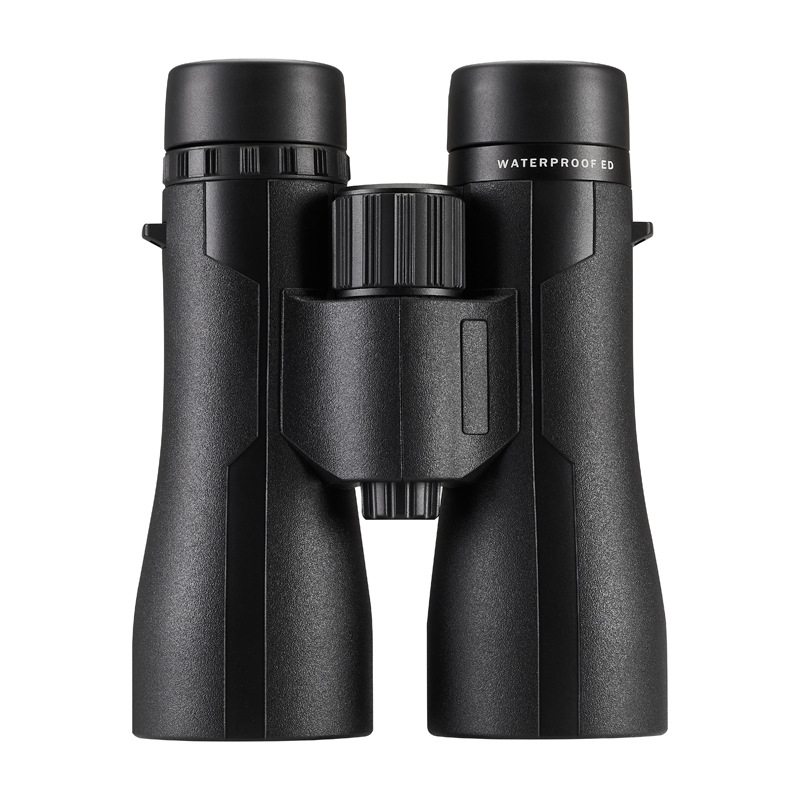
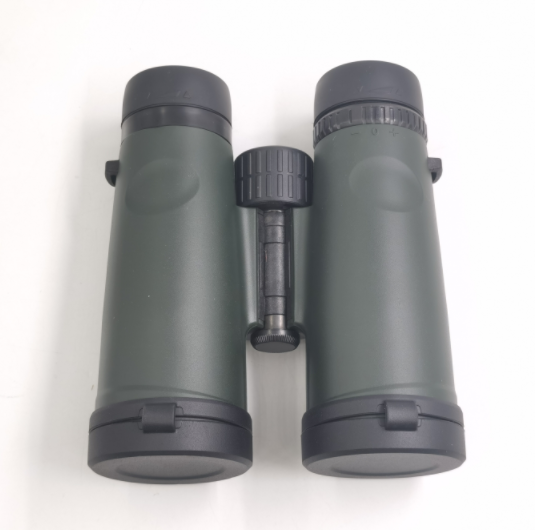
Tier Three: Premium Models Support Margin, Expertise, and Brand Positioning
ED Glass Is Only the Starting Point for a Premium Product
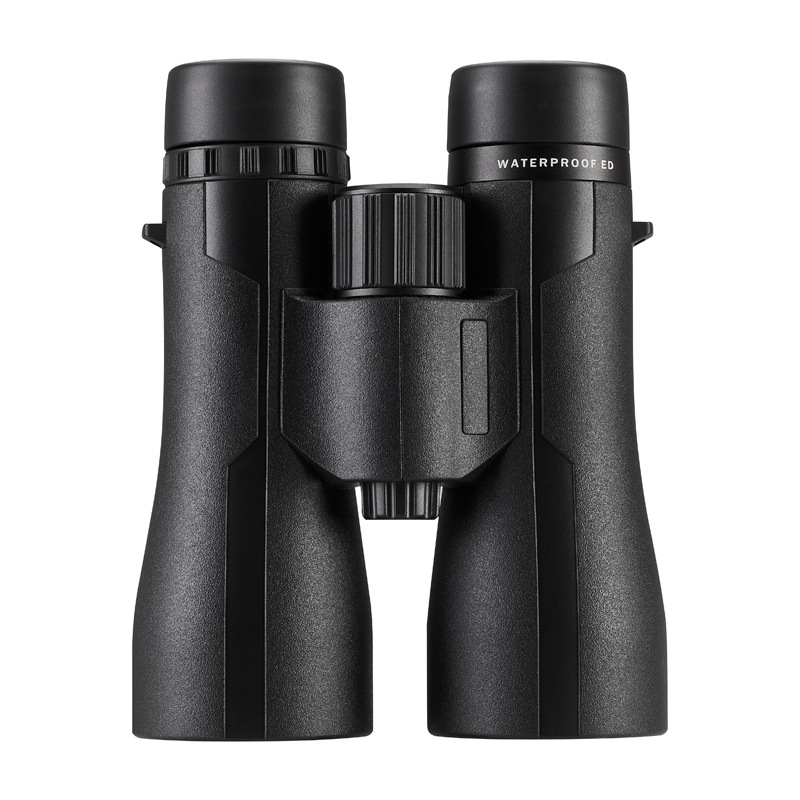
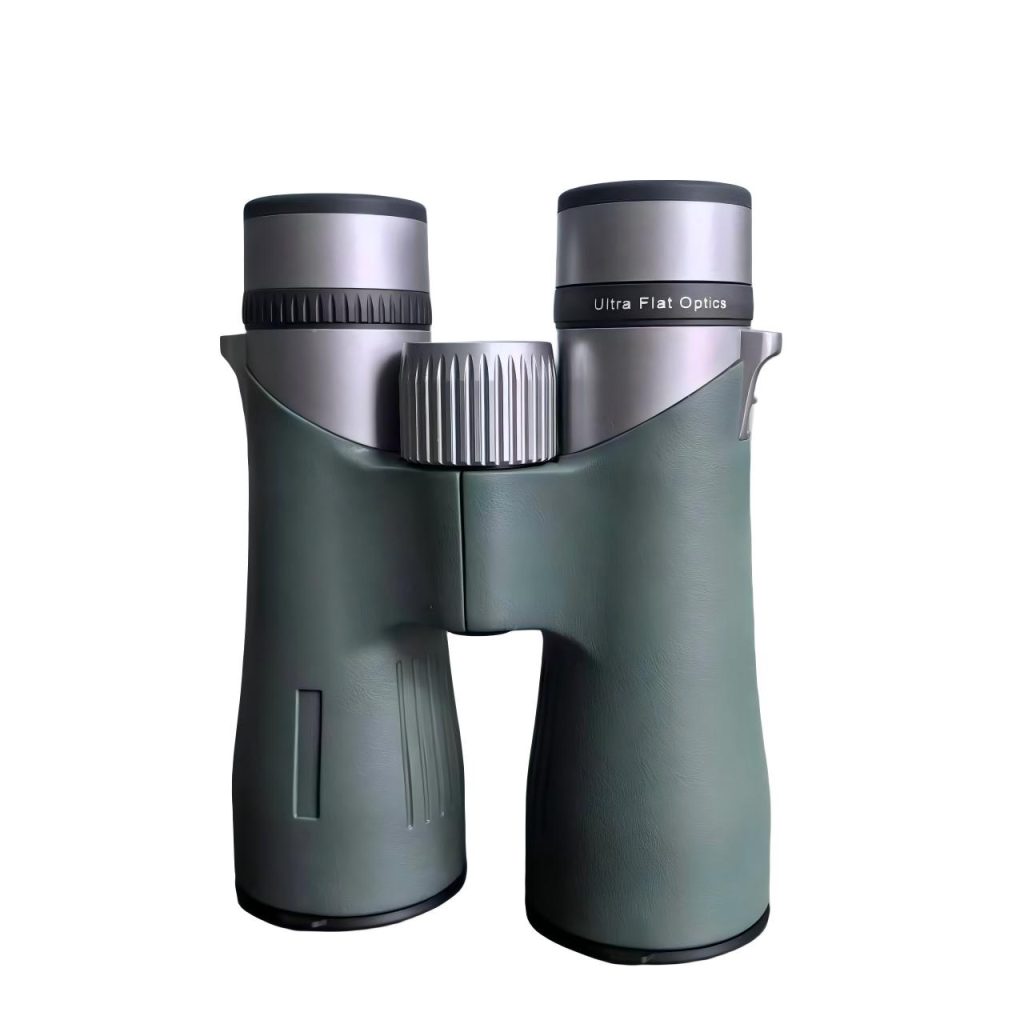
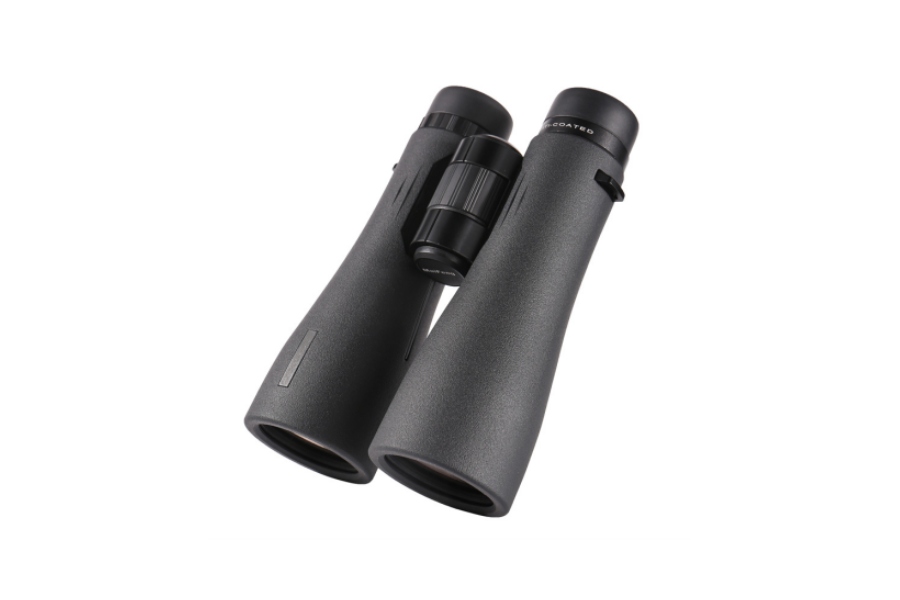
Premium models may use ED glass, phase correction, dielectric coatings, advanced eyepieces, and light metal or magnesium-alloy frames to improve edges, color control, low-light viewing, and focus. ED alone is insufficient: coatings, assembly, eyepiece comfort, and mechanical stability must improve together to justify the price.
Premium SKUs should stand out as a complete experience. For specialist birding, hunting, and outdoor dealers or flagship lines, improve proven 8×42, 10×42, and 10×50 formats with better optics and construction—not simply more magnification.
Premium Models Also Need Stronger Brand and After-Sales Support
Higher prices raise expectations for accessories, packaging, serial-number tracking, warranties, and service. A comfortable strap, better case, lens protection, and thoughtful packaging reinforce value. Wholesalers should seek unit margin, professional credibility, and a brand benchmark—not volume alone.
Further reading: How to Build Your Own Binocular Product Line from Scratch
Fourth Layer: Share Platforms, but Set Clear Quality Standards
To simplify purchasing and inventory, the tiers can share proven platforms, components, accessory interfaces, and packaging sizes. Yet optical BOMs, coating plans, mechanical tolerances, and acceptance criteria need clear versions. Quiet material or process changes between batches of an unchanged model often trigger complaints.
Keep a Golden Sample, BOM version, and inspection checklist for each tier. Entry models can use cheaper materials and simpler setups, but must retain sound alignment, focusing, structure, and function. Premium models need tighter optical, cosmetic, mechanical, and environmental control. ISO 14133:2025 covers general-purpose and high-performance binocular, monocular, and spotting-scope requirements; ISO 2859-1:2026 offers an AQL sampling framework for a shared inspection standard.
Typical Roles of Entry, Core, and Premium Binoculars
| Price Tier | Core Role | Typical Platform | Priority Investment | Purchasing & Inventory |
| Entry | Traffic, first-time buyers, gifts, broad reach | 8×21, 8×25, 10×25; entry 8×32 | Light weight, ease of use, basic clarity, alignment, packaging efficiency | Limit SKUs/colors; use proven open tooling and shared accessories |
| Core | Main sales, repeat orders, regular replenishment | 8×32, 8×42, 10×42 roof prism | BaK4, FMC, waterproof nitrogen fill, field of view, eye relief, focusing feel | Core inventory; focus forecasting and repeat purchases |
| Premium | Margin, expertise, brand benchmark | ED 8×42, 10×42, 10×50; higher-spec roof prism | ED/coatings, mechanical precision, light materials, accessories, service | Limit SKUs; stock to specialist-channel demand |
How to Keep the Three Tiers from Competing with Each Other
• Define the target customer, channel, and retail price range for each tier first; then work backward to purchase cost and configuration instead of starting with a factory model list.
• The same magnification and objective size can appear at different prices, but buyers must be able to notice differences in field of view, clarity, low-light performance, mechanical feel, materials, or accessories.
• Avoid overloading entry models with costly features, or separating core and premium models by an “ED” label alone; either approach can create internal price competition.
• Calculate product, logo, packaging, and dedicated-material MOQs separately so a complete three-tier range does not create large amounts of slow-moving inventory.
• Validate sales and replenishment on proven platforms before investing in exclusive tooling, a distinct exterior, or deeper ODM development for the premium tier.
How FORESEEN OPTICS Supports Three-Tier Product Planning
FORESEEN OPTICS can begin with proven Roof, Porro, and Compact platforms. Based on the wholesaler’s target countries, channels, retail prices, expected annual volume, and MOQs, we can select base models for Entry, Core, and Premium ranges. We then define the optical, structural, appearance, accessory, and packaging differences that genuinely distinguish the tiers. This retains the advantages of a proven supply chain while avoiding superficial differentiation through new names and packaging alone.
For customers building a range for the first time, proven platforms can support sample testing and market validation. Once the core tier shows reliable replenishment and clear professional demand emerges for premium models, a distinct exterior, dedicated materials, or deeper ODM work can be added with greater control over development spending and inventory risk.
Conclusion
A healthy wholesale binocular range gives each price tier a clear commercial job. Entry models lower the barrier to a first purchase; core models drive sales and replenishment; premium models support margin and brand stature. Differences in performance, user experience, and price should correspond to one another.
If you are planning a binocular range for regional wholesale, e-commerce, outdoor retail, or brand distribution, begin with your target channels, main selling price, expected purchase volume, and key use cases. FORESEEN OPTICS can use those inputs to build a three-tier product matrix and turn each tier’s must-keep, upgrade, and remove decisions into an actionable BOM and sample plan.