The Same Product Does Not Require the Same Sales Strategy
For brands, importers, and channel customers operating across multiple countries, one of the fastest ways to increase costs is to develop a new binocular model for every new market. A more efficient approach is to establish a stable base platform, then make modular adjustments to packaging, accessories, colors, languages, barcodes, and inspection items according to national regulations, climate conditions, user preferences, and sales channels.
The goal is not to use exactly the same SKU in every market. It is to keep the optical system, main structure, and key components as consistent as possible while concentrating differences in controlled, replaceable elements. This reduces tooling and inventory risk and makes replenishment, quality traceability, and global price management easier.

First-Level Adaptation: The National Market Determines What Must Change
Address Regulations, Language, and Traceability Information First
Before entering a new country, the brand should first confirm local requirements for product safety, labeling, the responsible economic operator, packaging information, and language. In the European Union, for example, the GPSR applies to non-food consumer products sold both online and offline. When planning packaging and e-commerce pages, brands should verify manufacturer or responsible-party information, product identification, and traceability requirements. Whether other regulations also apply depends on whether the binocular includes electronics, rangefinding, illumination, or similar functions.
Then Account for Climate and Operating Environment
Different markets place different priorities on the durability of the same binocular. Cold regions focus more on focusing resistance at low temperatures, hardening of rubber components, and internal fogging. Hot, sunny, or dusty environments place more emphasis on sealing, dust resistance, surface materials, and grip stability. Coastal and marine channels may also require waterproofing, salt-spray resistance, and floating straps.

Second-Level Adaptation: The Sales Channel Determines What Should Change
Even when the same 8×42 or 10×42 binocular is sold, different channels focus on different things. Physical outdoor retailers care more about shelf recognition, feel, accessory completeness, and front-of-pack information. E-commerce channels focus more on shipping volume, the unboxing experience, barcode management, return risk, and consistency of online specifications. Gift and co-branding channels place greater emphasis on color, logos, outer boxes, and gift-oriented presentation.
Typical Adjustments to the Same Base Model for Different Channels
| Channel | Primary Focus | Recommended Adjustments | Keep Consistent |
| Outdoor / Birding Retail | In-Store Experience and Professional Feel | Straps, cases, exterior colors, feature labels, display packaging | Core optics and structure |
| Amazon / DTC E-Commerce | Shipping Efficiency and Conversion | Compact packaging, barcodes, manuals, serial numbers, warranty cards | Core specifications and BOM |
| Regional Wholesalers | Inventory Turnover | Neutral packaging + regional labels, flexible accessory bundles | Base product platform |
| Gift / Co-Brand Channels | Visual Appeal and Brand Recognition | Logo, color palette, gift box, custom card | Proven open-tooling structure |
Third-Level Adaptation: Concentrate Differences in Replaceable Modules
A product platform designed for multiple markets usually limits variation to a few modules: exterior color and rubber armoring, logo treatment, eyecup or focus-wheel details, accessory bundles, instruction-manual language, color boxes and inserts, barcodes and labels, and inspection items. This creates market differentiation without repeatedly changing the core optics and structure.
For example, the same roof-prism binocular can include a more complete strap and environmentally responsible packaging for European birding channels, use a more compact shipping box with UPC/GTIN management for North American e-commerce, and emphasize heat resistance, dust protection, and grip configuration for Middle Eastern outdoor channels. The main unit can still come from the same proven BOM.
Fourth-Level Adaptation: Packaging, Barcodes, and Logistics Must Follow the Channel
Packaging is not the final step; it is part of channel adaptation. Different countries and platforms may require different languages, importer or responsible-party information, serial numbers, warnings, barcodes, and shipping marks. Retail channels may also have their own requirements for package size, hanging holes, inserts, tamper evidence, and display methods.
If a brand serves multiple markets, it should separate the universal packaging structure from regional printed information from the outset. Reuse the color-box structure wherever possible, and handle national differences through labels, manuals, or short-run printing. This significantly reduces the risk of obsolete packaging inventory. Product-identification systems such as GTIN should also be planned by the brand in advance to prevent inconsistent coding for the same product across platforms.

Build an SKU Structure Based on One Platform and Multiple Market Versions
| Version | Main Unit | Accessories | Packaging / Language | Typical Use |
| Base Platform | Unified optics / BOM | Basic accessories | Neutral | Shared supply-chain foundation |
| EU Version | Same platform | Standard strap + carrying case | Multilingual instructions + traceability information | European retail / e-commerce |
| North America | Same platform | E-commerce-friendly bundle | English + GTIN/UPC system | E-commerce / outdoor channels |
| Hot & Dust Version | Same platform; sealing and materials specifically validated | Dust-resistant accessories | Regional-language labels | Middle East / hot-climate outdoor use |
| Gift / Co-Brand | Same platform | Gift-oriented bundle | Co-branded color box / card | Gifting and collaboration projects |
Quality Standards Must Also Be Reconfirmed for the Target Market
Using the same main-unit platform does not mean every market needs exactly the same acceptance tests. Keep one Golden Sample, BOM, and set of core optical standards, then add low-temperature, temperature-humidity, waterproofing, drop, salt-spray, or package-transport tests according to the target market. ISO 14133:2025 can serve as a reference for general-purpose and high-performance requirements for binoculars, monoculars, and spotting scopes, but each project should still convert the requirements into an inspection checklist that both parties can execute.
How to Avoid Over-Customizing for Market Adaptation
- Define the target retail price, channel margin, and sales scenario before deciding whether to upgrade the optics or structure;
- Calculate product MOQ, logo MOQ, packaging MOQ, and dedicated-material MOQ separately so that small markets do not burden overall inventory;
- Prioritize differences in color, accessories, packaging, and language on a proven platform, and consider new tooling only after market validation;
- Create a separate SKU and version record for each country while keeping the core BOM number traceable;
- Lock the Golden Sample, packaging files, and inspection standards before mass production to prevent different market versions from being mixed during production.
How FORESEEN OPTICS Supports Multiple Markets and Channel Versions
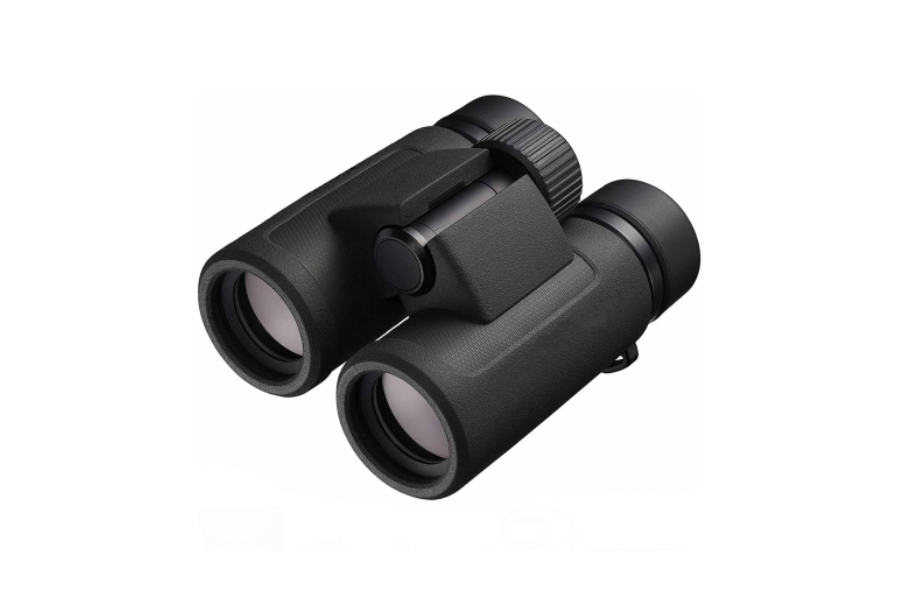
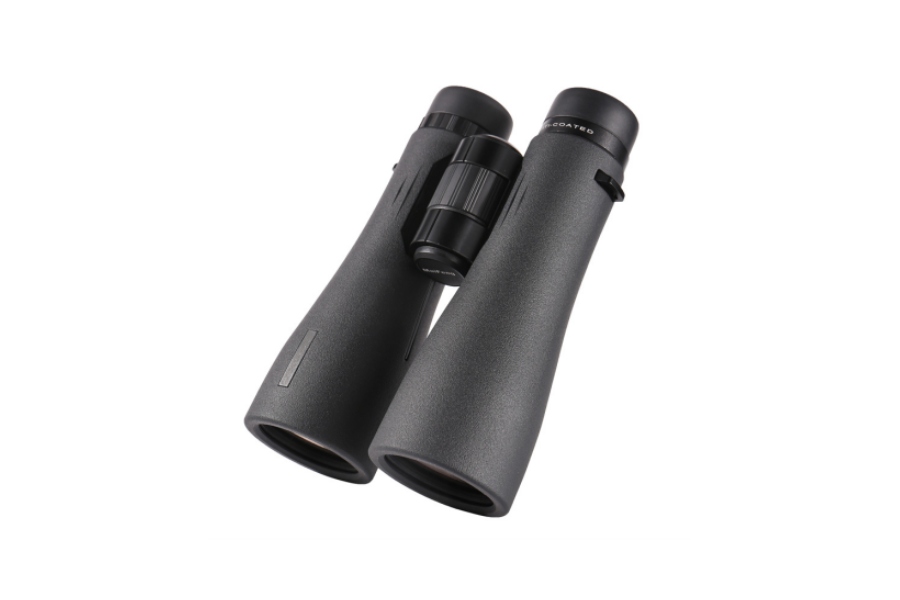
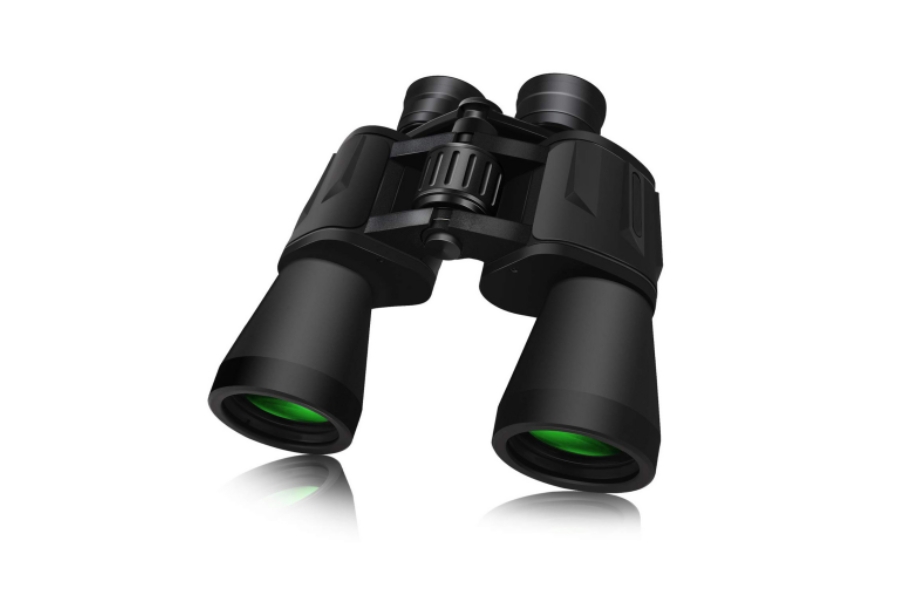
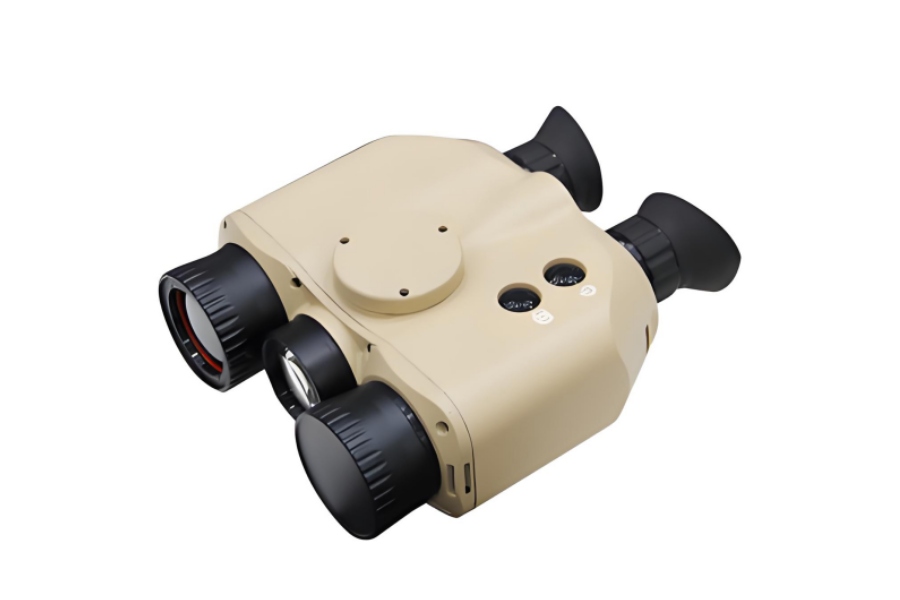
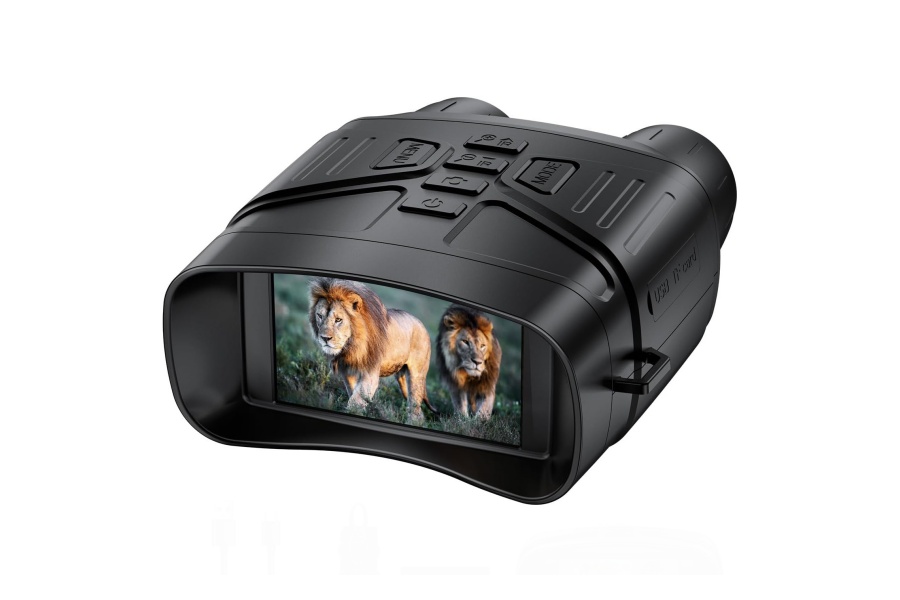
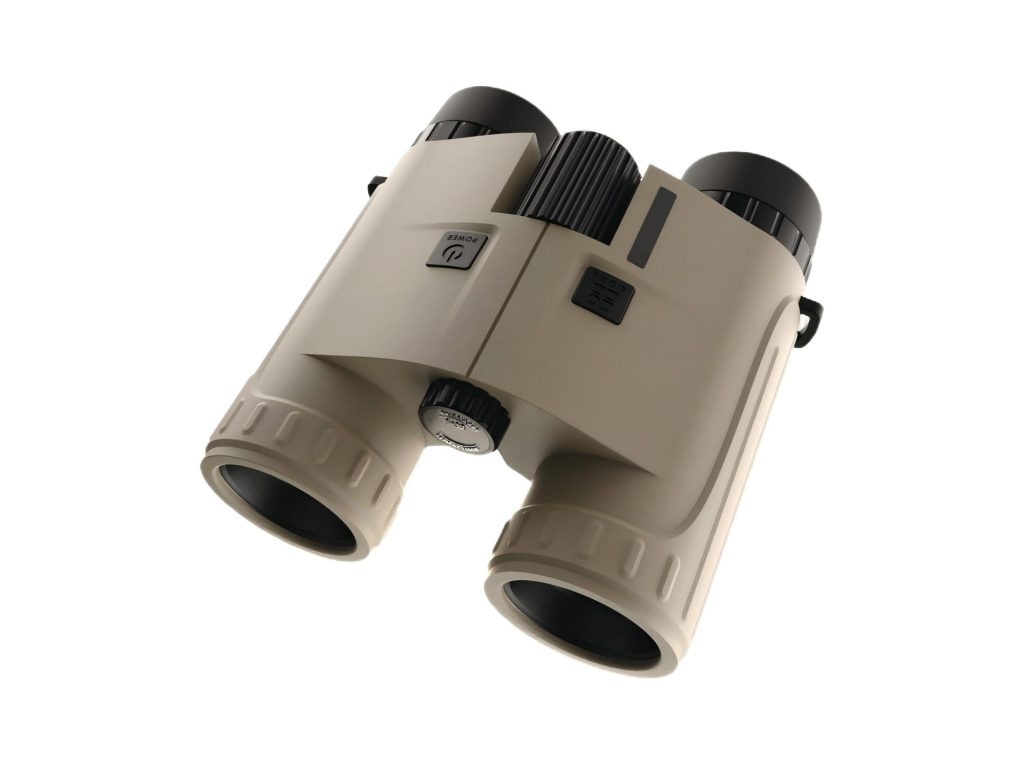
FORESEEN OPTICS Binocular can start from proven Roof, Porro, Compact, and other binocular platforms. Based on the customer’s countries, channels, target prices, and MOQ, we first define the most widely reusable base unit possible, then progressively separate the requirements for color, logos, accessories, packaging, languages, and inspection. For brands entering a new market, this approach usually controls trial-order risk more effectively than developing a new product for every country. Once a market achieves stable sales, the return on investment for a proprietary structure or deeper ODM development is also easier to evaluate.
Conclusion
Adapting the same binocular model for different countries and sales channels is not about designing more products. It is about designing a clearer version system. By keeping the optical, structural, and supply-chain foundation as consistent as possible, while making regulatory information, environmental adaptation, accessories, packaging, and channel presentation replaceable modules, a brand can control development costs while bringing the product closer to the real needs of each local market.
If you are planning a binocular series for multiple countries or sales channels, start with the target markets, selling prices, channel types, and expected MOQ. We can use this information to help identify the most suitable base platform and prepare an actionable list of version differences.