In recent conversations with brand customers about new product development, I have noticed a clear shift: customization is no longer understood as simply printing a logo or changing the housing color. More mature customers care about which custom features can help a product sell better, sell more consistently, and command a premium – and which ones merely add cost, raise the MOQ, and ultimately fail to create real market value.
For binoculars, spotting scopes, riflescopes, red dot sights, thermal imaging devices, and other outdoor optics, packaging, accessories, and color are no longer merely peripheral elements. They connect three levels of value: whether the brand can establish clearer recognition in its sales channels; whether end users can perceive value during unboxing, initial use, and long-term use; and whether the supply chain can maintain control over cost, lead time, and consistency.
For this reason, I prefer to view these customization decisions as part of product value design rather than as simple cosmetic decoration. This article addresses exactly that question: in B2B OEM/ODM development, which packaging, accessory, and color customizations are genuinely worth pursuing, which should be approached with caution, and how brands should make more rational trade-offs across different price tiers and channel strategies.
Why More Brand Customers Are Reassessing the Value of Non-Core Customization
On a specification sheet, packaging, accessories, and color may not appear to be core variables that determine product performance. In the real market, however, neither procurement decisions nor end-user purchases are based solely on maximum performance figures. The optics industry is increasingly shifting from competition on specifications to competition on user experience and brand strength.
- For channel customers, packaging determines whether shelf presentation is clear, shipping protection is reliable, and bulk shipments can be standardized efficiently.
- For brands, the accessory system affects SKU completeness, pricing headroom, repeat-purchase logic, and the after-sales experience.
- For end users, color, accessories, and the unboxing experience directly shape first impressions and, in turn, perceptions of product quality and price justification.
- For factories and procurement teams, a broader customization scope requires closer evaluation of MOQ, process stability, packaging-material consistency, and delivery efficiency.
In other words, the elements that seem unrelated to the optical core often determine whether a product is accepted smoothly by the market.
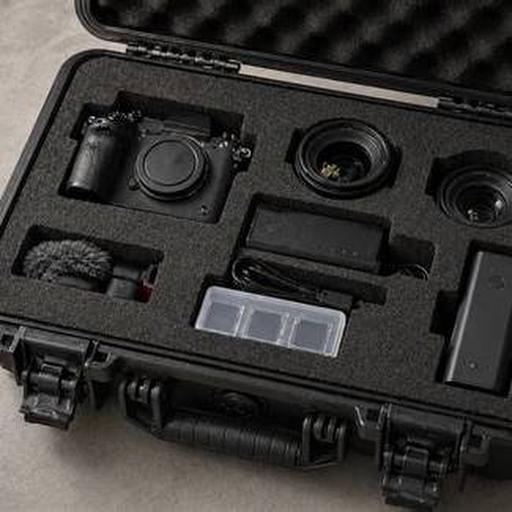
Packaging Customization: Real Value Comes from Clearer Expression, Not Greater Complexity
When customers first discuss packaging, the most common mistake is to assume that greater complexity means higher quality. In real projects, however, the best packaging is not necessarily the most expensive or structurally elaborate. It functions more like a translation system, converting the product’s positioning, price tier, target user, and sales channel into a visual and structural language that customers can understand quickly.
For outdoor optics, packaging has at least four jobs: protecting the product, communicating the brand, explaining the selling points, and supporting channel sales. Effective packaging customization is usually built around these four tasks.
- The first type of value is brand recognition. A consistent packaging system, stable brand colors, a clear model hierarchy, and use-case cues make the brand easier to recognize on display.
- The second type of value is protection and logistics. For precision products such as binoculars, spotting scopes, and thermal imagers, a well-designed insert, separate accessory compartments, moisture protection, and a crush-resistant outer box directly reduce shipping damage and after-sales risk.
- The third type of value is retail and e-commerce presentation. Product images, key specifications, use cases, and differentiated selling points on the packaging determine whether channel staff and end consumers can understand the product quickly.
- The fourth type of value is the unboxing experience. Especially in mid- to high-end product lines, the sequence of unpacking, accessory arrangement, and presentation of information often reinforce the user’s perception of professionalism and quality.
From an OEM/ODM perspective, a brand seeking meaningful differentiation through packaging should not begin with complex finishing processes. The priority is to establish a strong brand visual system, clear information hierarchy, and reliable protective insert structure.
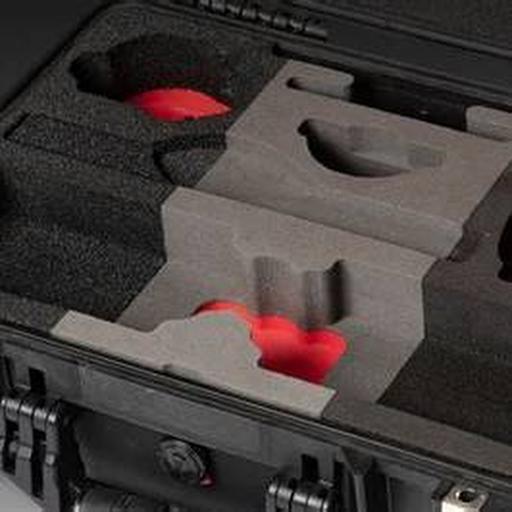
Accessory Customization: Repeat Purchases and Reputation Often Depend on the Supporting Experience
If packaging primarily shapes the first impression, accessories have a more direct effect on the long-term user experience. Many products feel intuitive not because the main unit is extraordinary, but because the accessory system lowers the barriers to use.
For outdoor optics, the value of accessory customization can be divided into three broad levels.
- Basic protection: Cases, backpacks, lanyards, straps, lens caps, and cleaning cloths directly affect portability and durability.
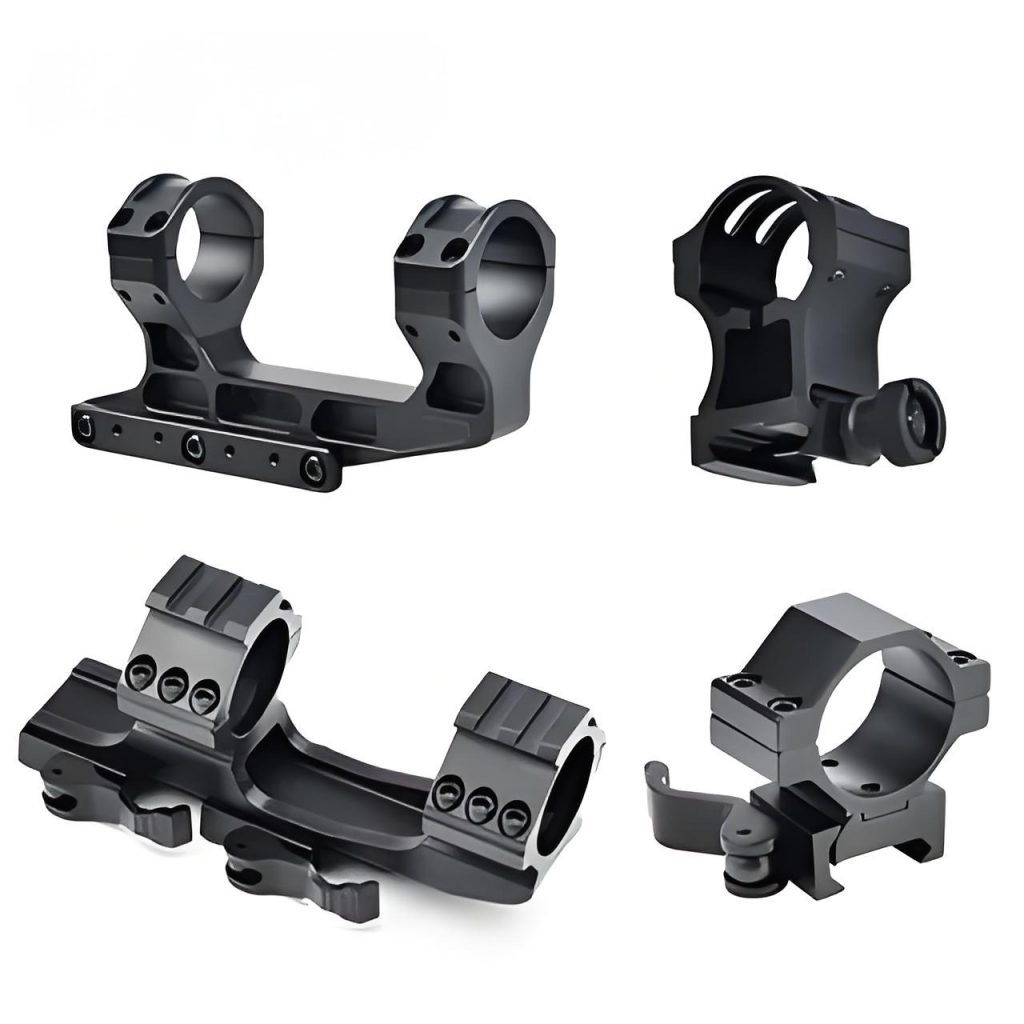
- Operating efficiency: Tripod adapters, quick-mount components, smartphone digiscoping adapters, and improved eyepiece-cover designs influence whether users are willing to use the product more frequently.
- Brand service: Customized manuals, quick-start cards, warranty cards, lens-cleaning kits, and after-sales contact information influence perceptions of brand professionalism and service quality.
In B2B projects, accessories that genuinely add product value usually share one trait: they are not included to make the package look fuller, but to solve a real use-case problem.
For example, birders and long-term outdoor observers may value a comfortable strap and a more secure protective case more than another ordinary cleaning brush. For target observation, inspection, or training, tripod compatibility and quick adapters are more likely to earn positive feedback than low-value giveaways. For gift and entry-level product lines, a neat and complete accessory set can substantially strengthen the sense that the user has been thoughtfully considered during unboxing.
Color Customization: Color Is a Balance Between Brand and Supply Chain, Not a Surface-Level Issue
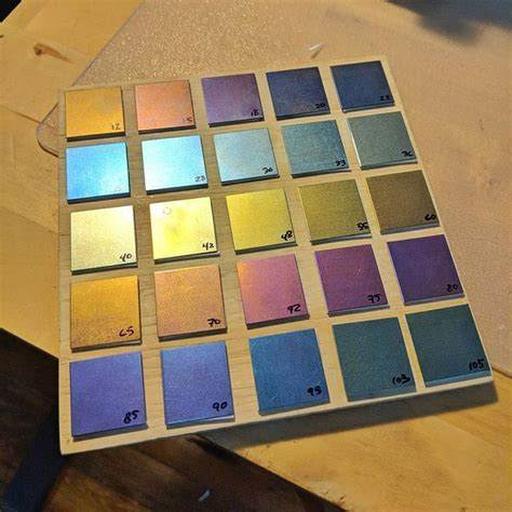
Color customization is also one of the most underestimated and misunderstood requirements. Many customers view it as simply changing the paint color or producing a special edition. In practice, color affects the manufacturing process, batch consistency, inventory strategy, supply-chain stability, and the brand identity system.
When managed well, color customization can help a brand achieve three goals:
- Establish product-family recognition – for example, by differentiating entry-level, mid-range, and professional models through distinct color families.
- Strengthen brand recall – creating a consistent visual asset that consumers associate with the brand as soon as they see the color.
- Match the use case – products aimed at tactical use, birding, gifting, or light urban outdoor activities can adopt different color languages.
When managed poorly, however, color becomes a source of supply-chain problems. Special colors often mean a higher MOQ, a longer approval cycle, more complex batch control, and even greater rework risk. For B2B customers, the real question is not whether a particular color can be produced, but whether it is worth the additional complexity.
In my experience, the more mature the brand, the less likely it is to pursue an unlimited number of colors. Instead, mature brands build a stable, extensible color system that is easy to manage in mass production. The goal of a color strategy is not to make products more colorful, but to make them more recognizably part of one brand.
From an OEM/ODM Perspective, Which Customizations Are Most Likely to Add Real Product Value?
When evaluating packaging, accessories, and color under one framework, I recommend that brands and procurement teams start by asking whether an option creates real commercial value, rather than simply whether it is customized.
| Customization Area | Value Most Likely to Deliver | When to Prioritize |
| Branded Packaging Visuals | Greater recognition, clearer retail communication, and stronger price justification | When a brand is building a product line or needs a stronger channel presence |
| High-Quality Protection and Insert Structure | Lower damage risk and a more professional impression | Mid- to high-end products, precision products, and cross-border shipping projects |
| Core Accessory Optimization | A better real-world user experience and fewer negative reviews | When long-term use, bundled sales, or use-case-specific channels are priorities |
| Coordinated Color System | Stronger brand recall and clearer product segmentation | When the SKU structure is clear and the brand is investing for the long term |
| Complex Gift Boxes or Special Finishes | Stronger gifting appeal and a more premium impression | Gift programs, seasonal projects, or high-ticket product strategies |
Conversely, some options that look highly customized may deliver little real value. A large number of low-quality giveaways with weak perceived value often increase only cost and package volume. Highly unusual colors with unstable sales may create inventory pressure. An overly complex gift box that does not match the product’s price tier may also make users feel that the packaging is excessive and the product itself is not strong enough.
Professional customization is therefore not about adding more. It is about knowing what to remove and directing resources toward the areas most likely to improve conversion, repeat purchases, and brand recognition.
How Customization Strategy Should Change Across Price Tiers and Channels
Products at different price tiers should not follow the same customization logic. Many projects underperform not because customization lacks value, but because the level of customization does not match the product’s price tier.
- Entry-level products: Clean standardization under controlled costs is more appropriate. Priorities should include clear packaging information, a complete set of basic accessories, and uncomplicated colors that make the product easier to sell.
- Mid-range products: Perceptible differentiation is more appropriate. A clear distinction can be created through coordinated packaging, higher-quality accessories, improved protective structures, and a unified color language.
- High-end products: A complete brand experience is more appropriate. High-end customers buy not only the product itself, but also the brand story, unboxing sequence, quality of detail, and perceived service.
Different channels also change customization priorities. E-commerce places greater emphasis on communicating selling points through packaging and on the unboxing experience. Professional retail prioritizes display recognition and brand presence. Gift and project-based customers focus more on the presentation of the complete set and its commemorative qualities. Long-term distributors care more about packaging standardization, replenishment efficiency, and overall supply-chain stability.
Overall Assessment: Effective Customization Connects the Brand, User, and Supply Chain
In one sentence, the true value of packaging, accessories, and color does not depend on whether they are considered add-ons. It depends on whether they help the brand communicate product positioning clearly, deliver a complete user experience, and control supply-chain complexity.
For outdoor optics brands, this means customization should not be a decorative afterthought added late in a project. It should be considered during product definition: Who is the target user? What is the retail price? What are the channel selling points? Which accessories most improve the experience? Does the color have lasting recognition value? Can the packaging support long-term brand building?
Not every customization adds product value. The valuable ones create a positive cycle among brand recognition, user experience, and delivery efficiency. Brands that manage all three are more likely to turn a product from something that can be sold into something worth selling for the long term.
Three Recommends from FORESEEN OPTICS
First, establish branded packaging visuals and structural protection before discussing complex finishing processes, not the other way around.
Second, optimize accessories around real use cases such as carrying, mounting, cleaning, protection, and quick setup instead of adding low-value giveaways.
Third, use color customization to build a product-family system that can extend over the long term rather than adding supply-chain burden for short-term novelty.