Lightweight Design Is Evolving from an Added Selling Point into a Product-Line Strategy
In the past, lightweight binoculars were often placed in travel or gift categories as low-cost supplementary products. Today, more outdoor brands are incorporating 8×25, 10×25, 8×30, and 8×32 models into their core product lines. This is not because consumers have suddenly stopped valuing optical performance. Rather, brands increasingly recognize that binoculars can only achieve a higher real-world usage rate when users are willing to carry them regularly.
From a B2B procurement perspective, lightweight products also fill channel gaps beyond traditional 8×42 and 10×42 models, covering hiking, urban sightseeing, sporting events, camping, nature education, and promotional gifting. They are more than scaled-down binoculars: they can serve as product-line tools that help brands reach more entry-level users, broaden SKU coverage, and lower the barrier to first purchase.

Three Commercial Reasons Brands Are Adding Lightweight Binoculars
1. Users Are Shifting from “Owning Binoculars” to “Carrying Binoculars Regularly”
Full-size binoculars offer advantages in low-light performance and viewing comfort, but travelers and hikers often also carry cameras, water, clothing, and navigation equipment. Smaller and lighter binoculars fit more easily into backpack side pockets, chest packs, or vehicle storage compartments. Swarovski positions the CL Pocket as an outdoor product that combines compact dimensions, low weight, and optical performance, while Nikon continues to offer lightweight specifications such as 8×30 across its PROSTAFF and MONARCH ranges. This shows that lightweight binoculars now cover multiple price tiers, from mass-market to premium.
2. Lightweight Products Are Easier to Sell Across Multiple Channels
The same lightweight binocular model can be sold through outdoor retailers, travel retail, sporting-event channels, museum shops, e-commerce platforms, and corporate gifting programs. For wholesalers, these SKUs typically require less packaging volume, allow more units per carton, and are easier to customize with colors, logos, soft cases, and gift boxes. Their value is not necessarily to replace core 42 mm products, but to broaden channel compatibility and improve inventory-turnover flexibility.
3. They Give Brands a Clear Upgrade Path
Lightweight products can create a specification ladder of “25 mm portable entry level — 30/32 mm balanced core range — 42 mm professional observation.” Users can enter a brand’s ecosystem through a lightweight model and later upgrade to higher light transmission, ED glass, or stronger low-light performance. For OEM/ODM brands, this type of tiering establishes clearer product positioning than simply adding several similar 42 mm models.
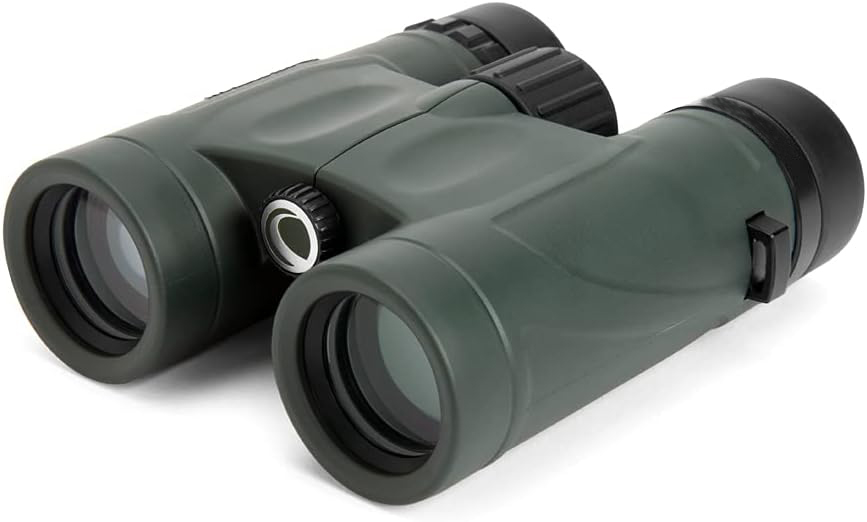
Lightweight Does Not Mean Simply Making Products Smaller: Product Definition Must Protect the Essential User Experience
Reducing weight limits both objective-lens diameter and the internal space available for the optical and mechanical structure, so manufacturers cannot pursue low weight alone. If the field of view becomes too narrow, eye relief is insufficient, eyecups are unstable, or low-light performance declines too sharply, the product may be easy to carry but unable to build a lasting reputation. When selecting a platform, brands should verify at least the following factors:
- Handheld stability and field of view: 8× models are generally easier than 10× models for mainstream travel and nature-observation users.
- Weight and grip: even a compact body must provide an adequately sized focus wheel, appropriate hinge resistance, and comfortable one-handed operation.
- Waterproofing, fog resistance, and housing strength: lightweight products are carried frequently, so weather resistance should not be reserved only for premium models.
- Eye relief and eyecups: the design should accommodate eyeglass wearers and avoid sacrificing viewing comfort merely to achieve extreme compactness.
- Accessory system: the soft case, quick-access strap, and packaging structure should be defined together with the target sales channel.

How Should a B2B Product Line Be Configured with Lightweight Specifications?
| Specification | Channel Role | Target Markets | Procurement & Customization Priorities |
| 8×25 | Ultra-portable entry SKU | Travel, events, gifts, light hiking | Folded size, cost, soft case, and color customization |
| 10×25 | Portable higher-magnification complement | Sightseeing, sporting events, travel retail | Manage image shake; maintain field of view and eye relief |
| 8×30 / 8×32 | Core lightweight SKU | Hiking, birding, general outdoor use | Wide field of view, waterproofing, grip, and coating upgrades |
| 10×30 / 10×32 | Advanced lightweight SKU | Mountains, open terrain, nature observation | Resolution, stability, and weight balance |
For outdoor brands entering the binocular category for the first time, starting with an 8×25 or 8×30 model can establish a portable entry point, followed by 10× and ED versions based on market feedback. Brands with an established 42 mm product line can use a lightweight series to fill travel and everyday-carry use cases without directly competing with their existing core SKUs.
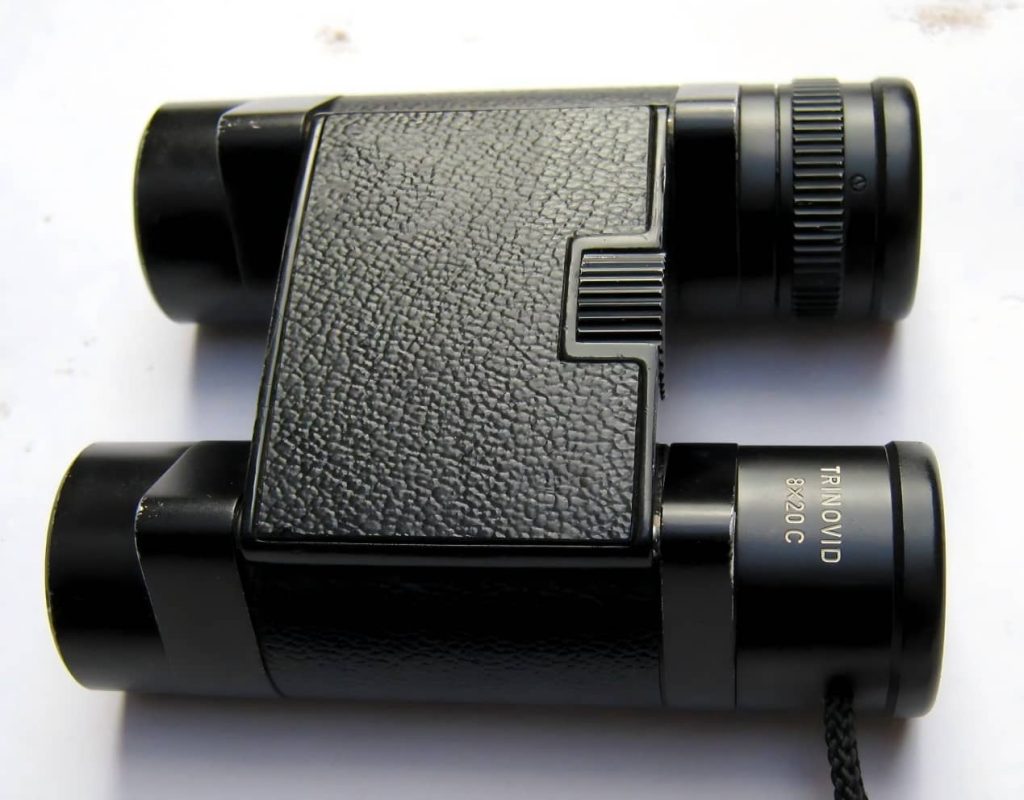
A New Manufacturing Opportunity: Moving from Individual Lightweight Models to a Scalable Lightweight Platform
The lightweight trend requires factories to do more than reduce weight; it requires a scalable platform strategy. FORESEEN OPTICS can currently build OEM/ODM combinations around compact binoculars, roof-prism structures, and travel specifications, offering brands choices in magnification, objective-lens diameter, coatings, housing materials, colors, logos, packaging, and accessories.
For brands and wholesalers, the most worthwhile purchase is not simply “the lightest model,” but a lightweight platform that clearly matches the target channel, preserves the essential optical experience, and supports future series expansion.
Conclusion: Lightweight Binoculars Are Helping Brands Reach More Use Cases
The growing number of outdoor brands adding lightweight binoculars does not mean that traditional 8×42 models are losing value. More accurately, brands are expanding from a single professional-observation route into higher-frequency use cases such as travel, hiking, and everyday outdoor activities. Lightweight products reduce the carrying barrier while giving channels more flexible price tiers and SKU combinations.
The most competitive lightweight series of the future will not simply be smaller and cheaper. They will establish a stable balance among weight, field of view, comfort, weather resistance, and mass-production cost. B2B procurement teams should prioritize suppliers with mature structural platforms, controllable quality, and series-based customization capabilities rather than comparing only the weight figure of a single sample.