For brands, importers, and wholesalers, a mature binocular line does not need every combination of magnification, objective size, and prism design. More SKUs make inventory, sales training, packaging management, and replenishment forecasting more complex. A better approach is to cover the main customer groups with a small number of clearly positioned core models, then add specialist versions when actual sales data supports them, rather than filling the entire catalog from the start.
Start Product-Line Planning by Giving Every Model a Clear Role
Following the product-definition approach used in established OEM projects, identify the end user, target retail price, and sales channel first. Then decide on optics, construction, accessories, and packaging. One proven platform can serve several markets through different configurations, but every SKU should have a clear reason to buy it. Do not add a model merely to fill a missing magnification in the specification table.
Three Core Models Cover Most Mainstream Needs
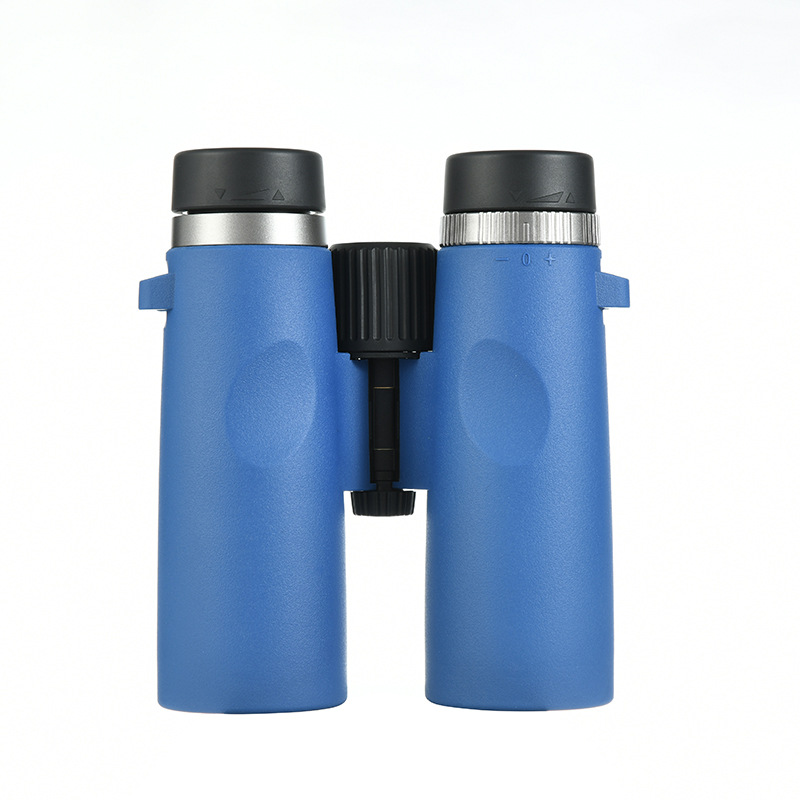
1. 8×42 Roof Prism for Core Sales and General Use
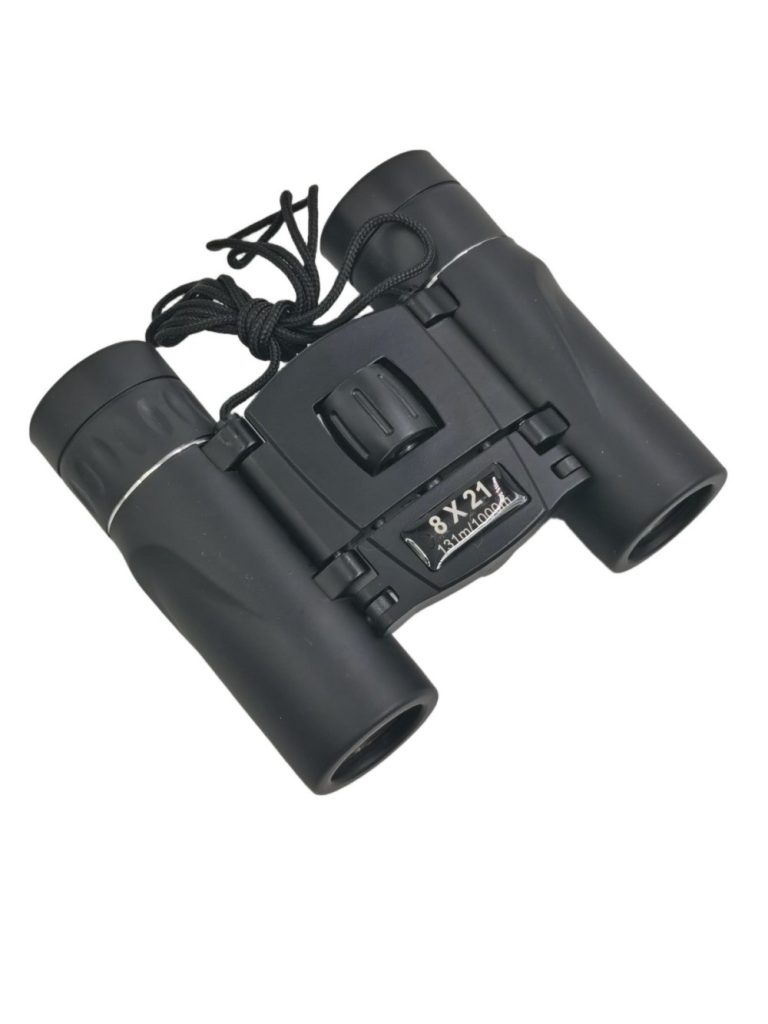
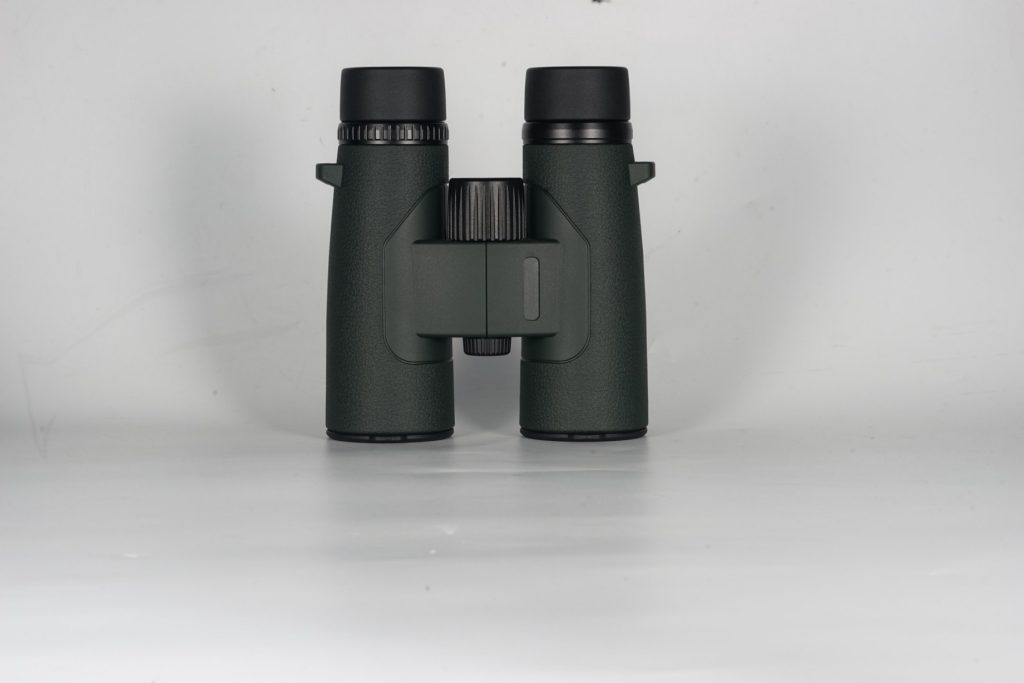
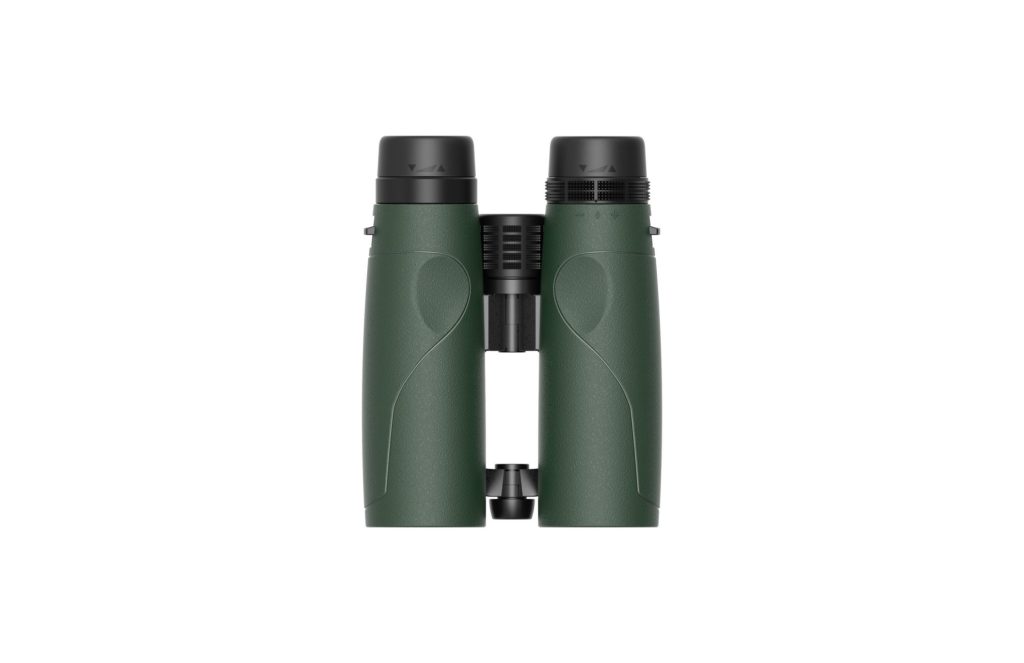
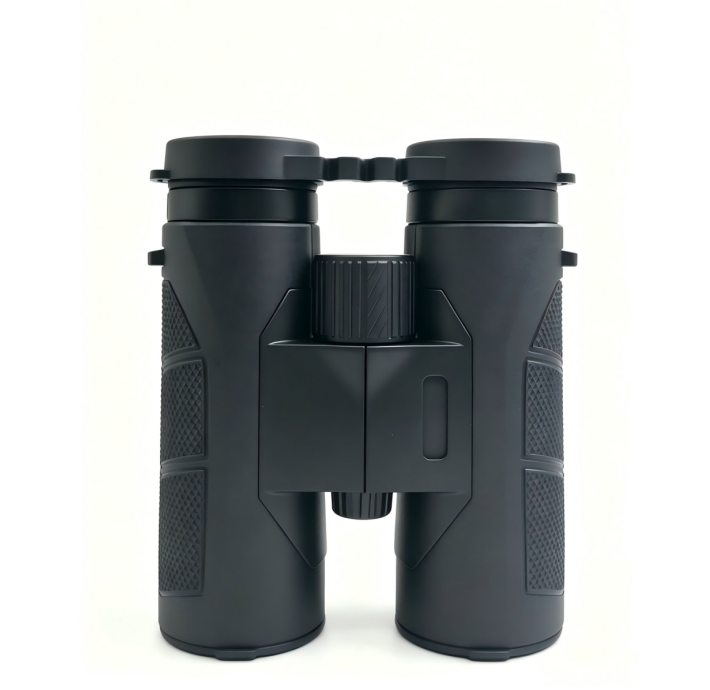
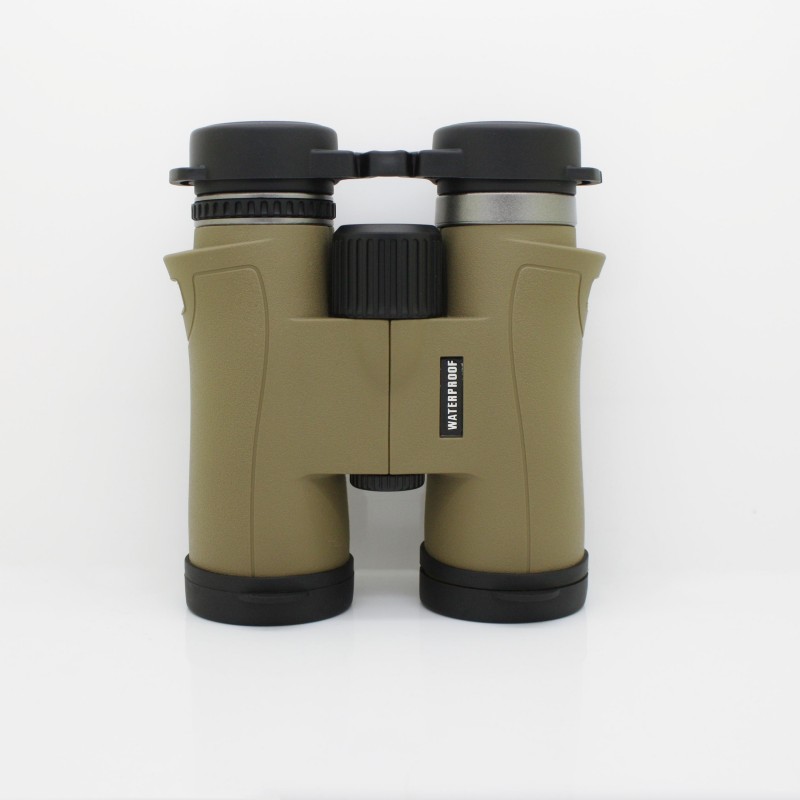
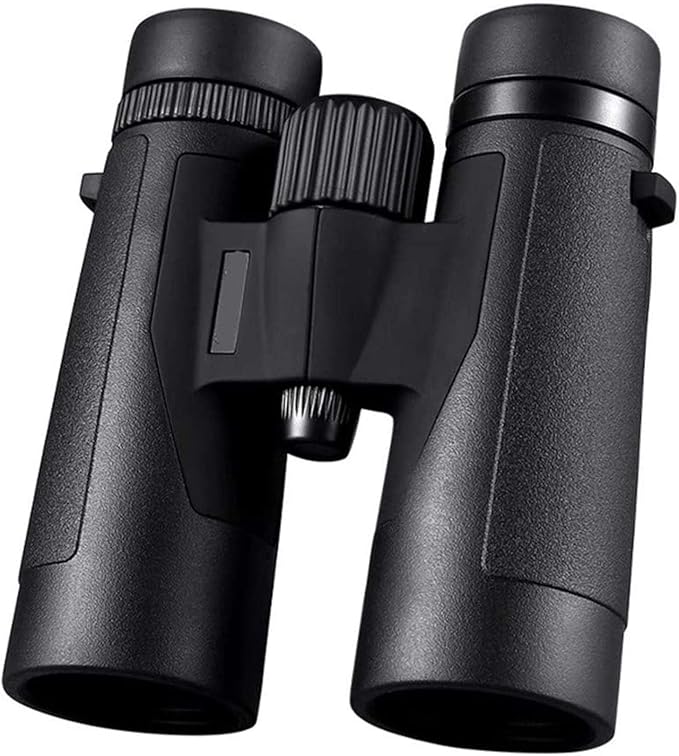
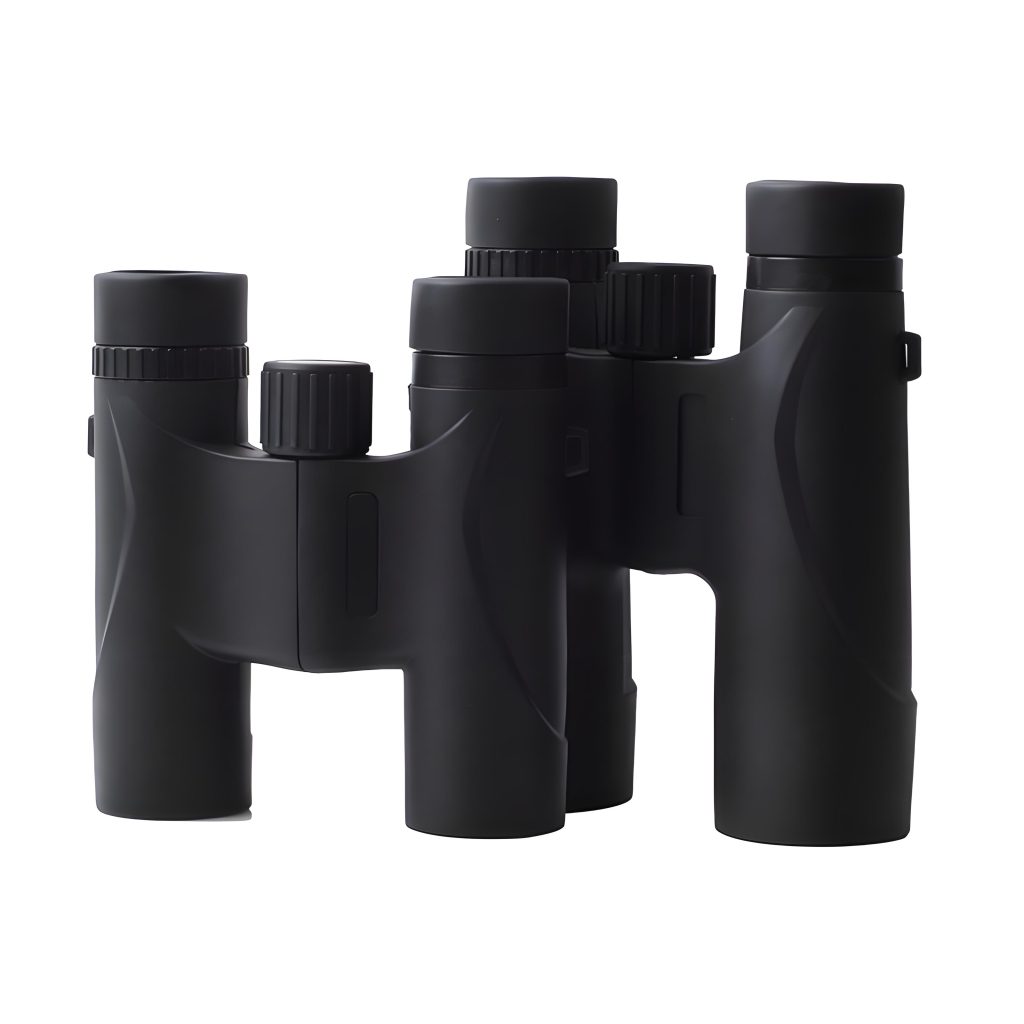
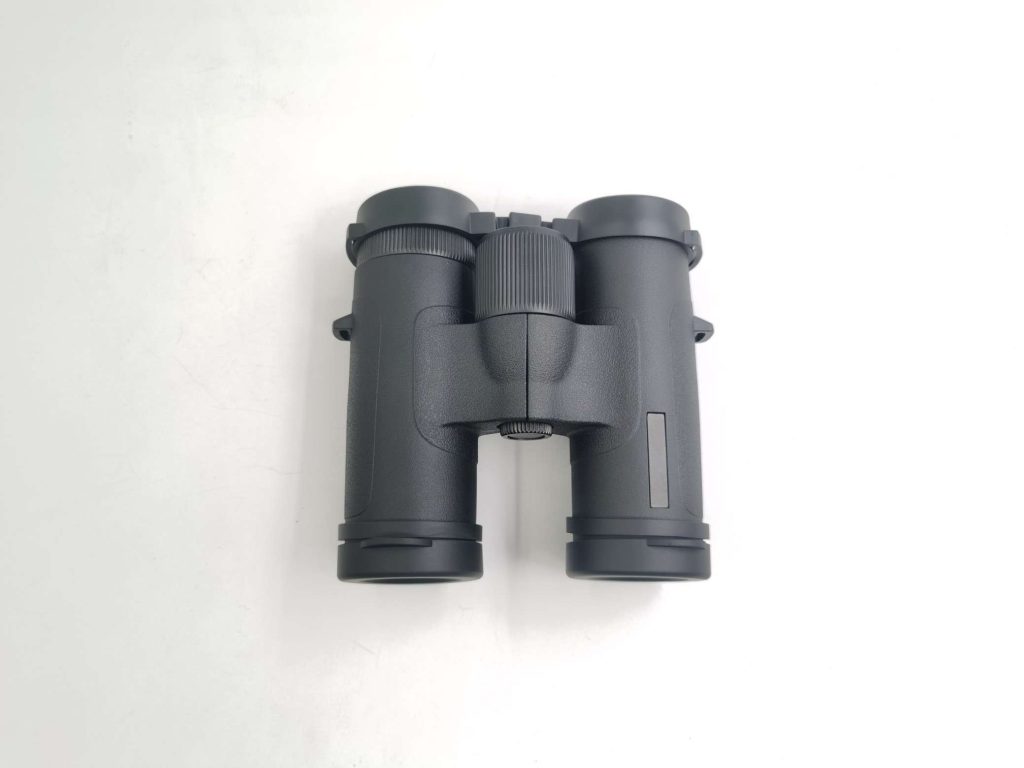
If a brand first needs a core product with broad appeal, an 8×42 roof-prism binocular is usually worth evaluating. It offers a practical balance of magnification, field of view, handheld stability, and low-light usability, making it suitable for birding, nature observation, hiking, and general outdoor channels. For business buyers, the 8×42’s advantage is not dominance on a single specification. Its uses are easy to explain, customer education is relatively simple, and the same platform can support both a base and an upgraded version.
For the base version, first confirm fully multi-coated optics, smooth focusing, comfortable eyecups, and dependable waterproofing and fog resistance. If the target price allows, then consider upgrades such as phase-correction coatings or ED glass. See the
Cornell Lab review of 8×42 binoculars for an example of how this specification performs in birding.

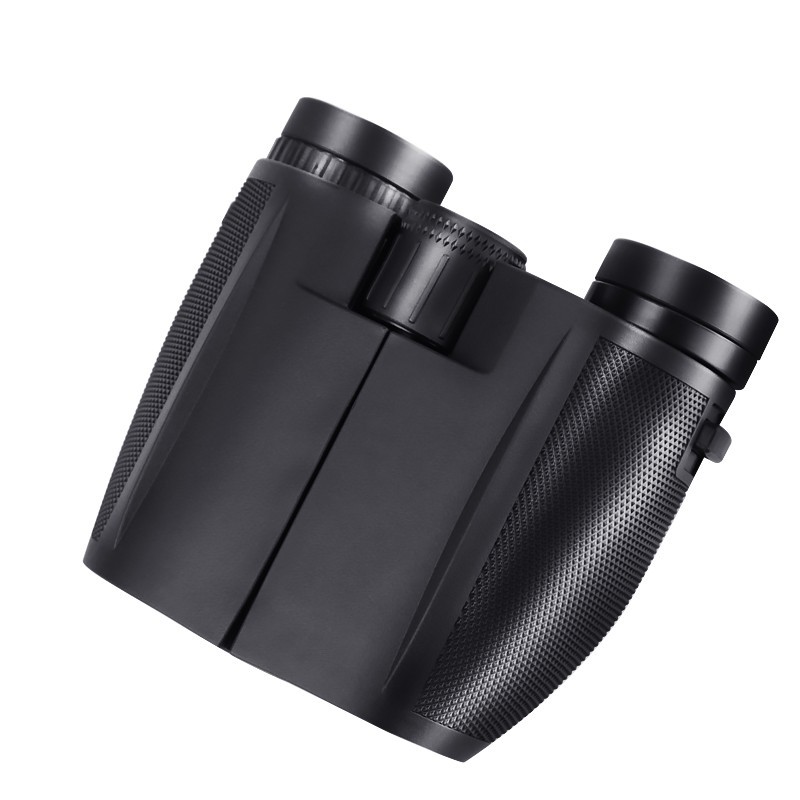
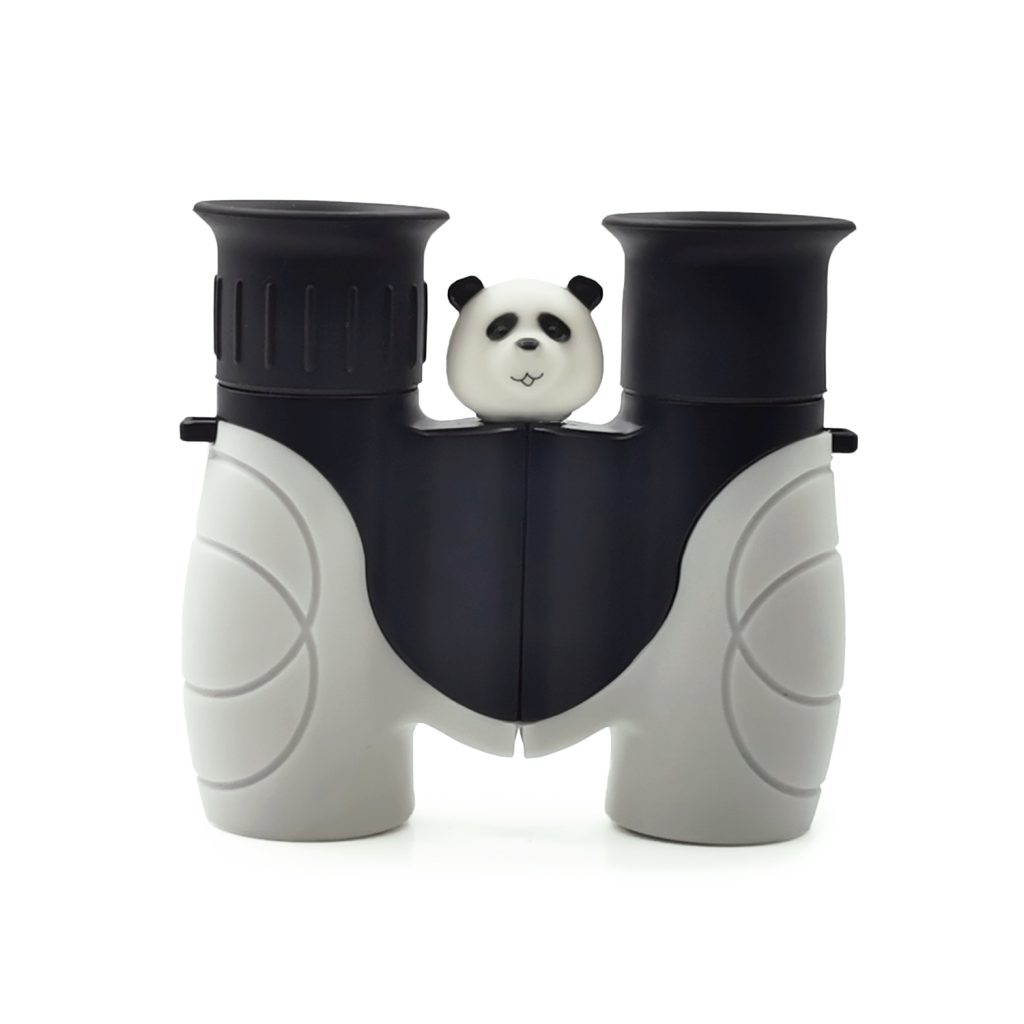
2. 8×25 or 10×25 Compact for Travel, E-commerce, and Gifts
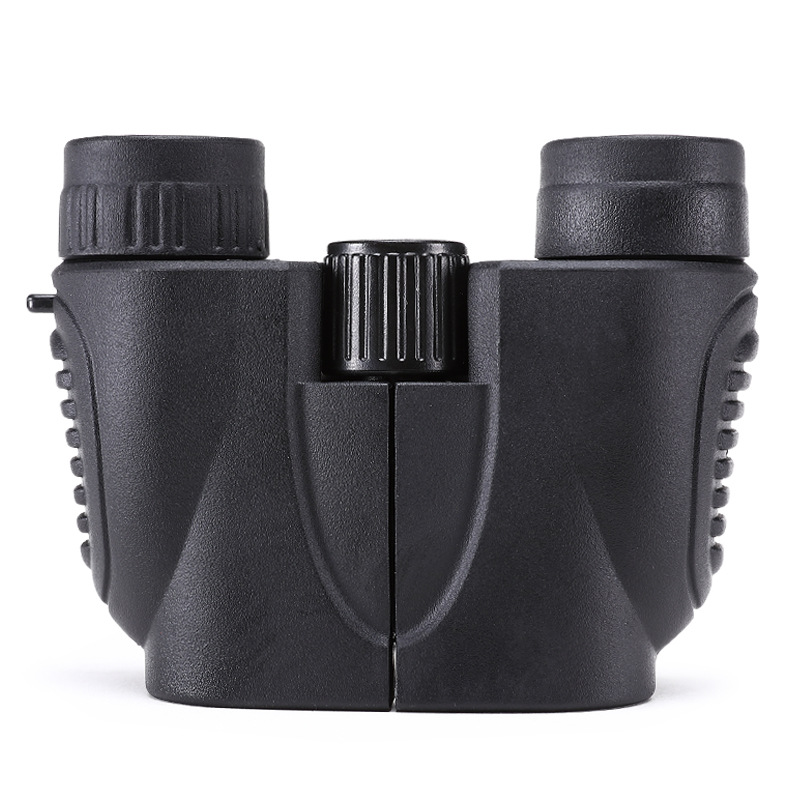
Compact binoculars fill a portability role; they do not replace the dawn-and-dusk performance of full-size models. An 8×25 is usually easier to hold steady. A 10×25 offers stronger magnification appeal but calls for closer attention to field of view, eye relief, and handheld shake. In e-commerce, travel retail, and gift channels, sales performance also depends on low weight, a durable folding mechanism, included lens caps and case, package size, and clear product images.

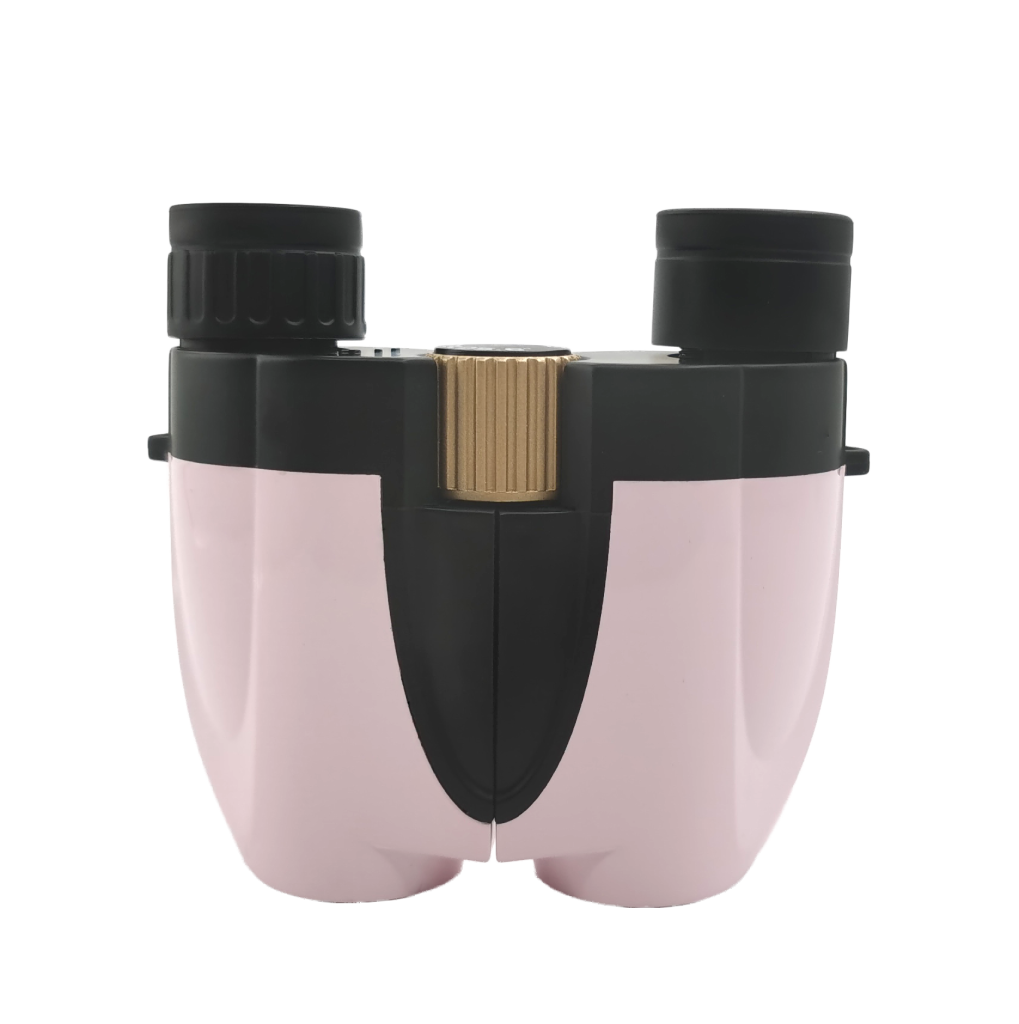
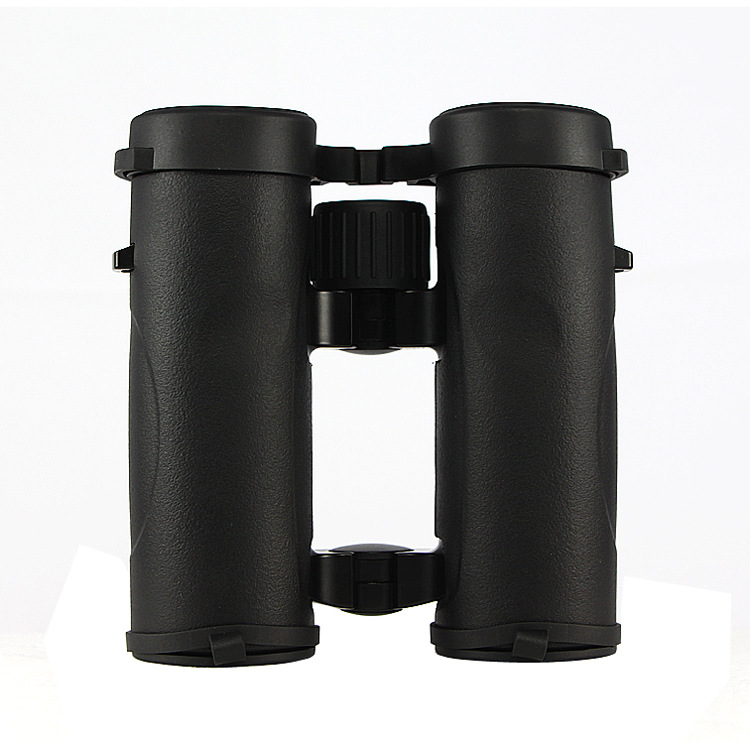
3. 10×42 or 10×50 for Long-Range and Hunting Needs
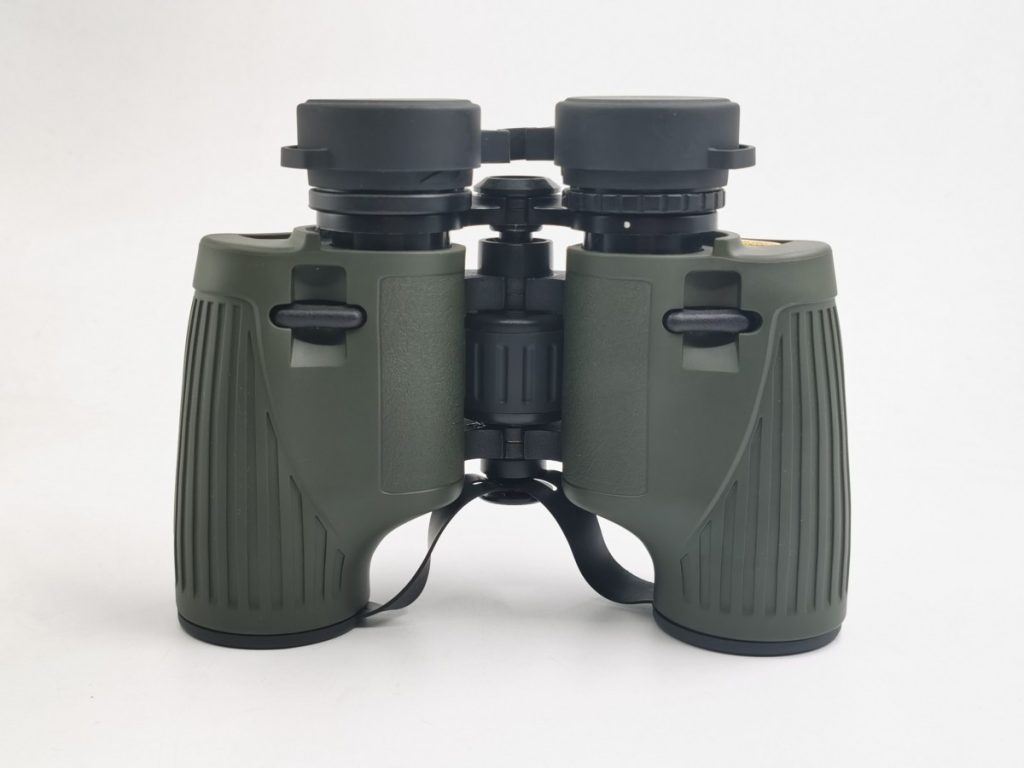
If the target market favors open terrain, long-range wildlife observation, or hunting, consider adding a 10×42. If low-light viewing and a larger objective lens matter more, evaluate a 10×50 instead. New brands generally should not carry deep inventory of both as core models from the outset; choose one based on regional demand, target price, and user feedback. Waterproofing and fog resistance, grip stability, reliable focusing, and batch-to-batch consistency often affect long-term reputation more than one extra number on a specification sheet.
Related platform: Roof Binoculars; professional outdoor projects should also assess construction and quality control.
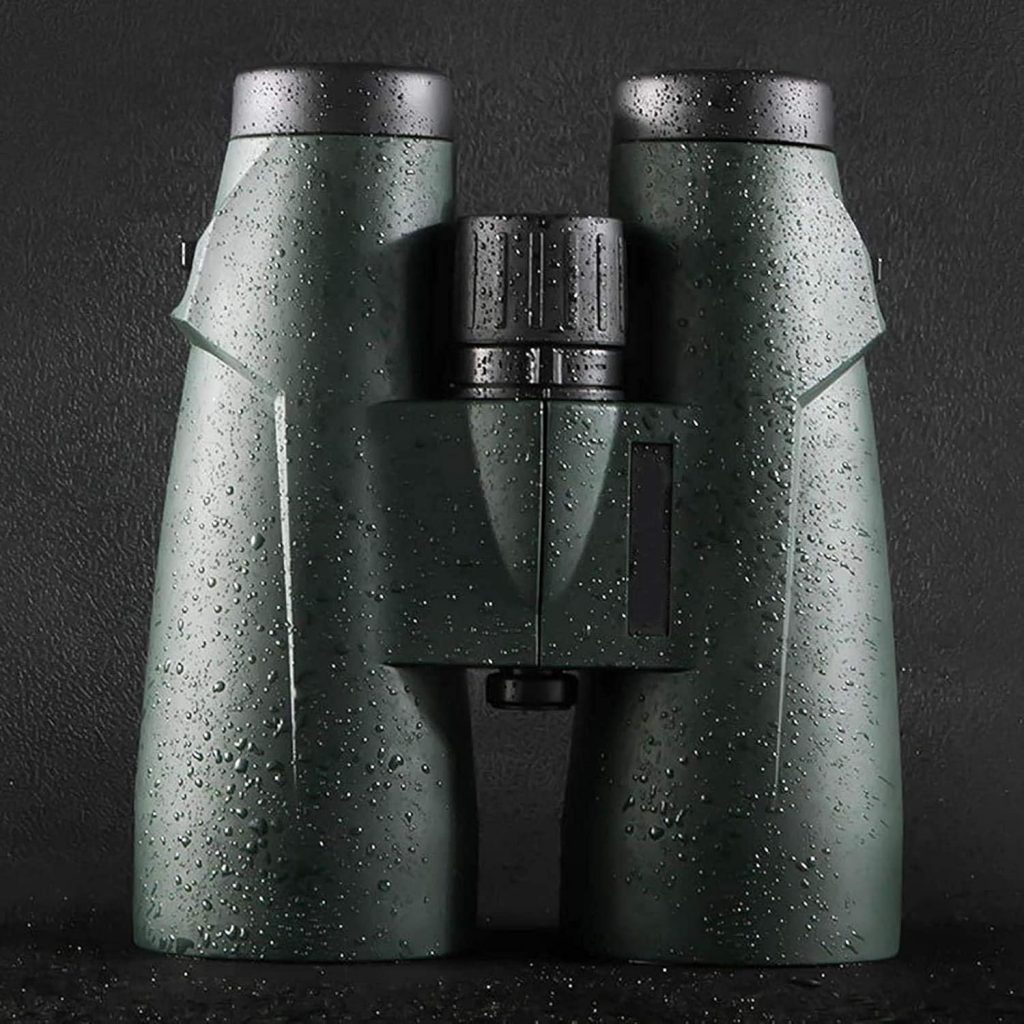
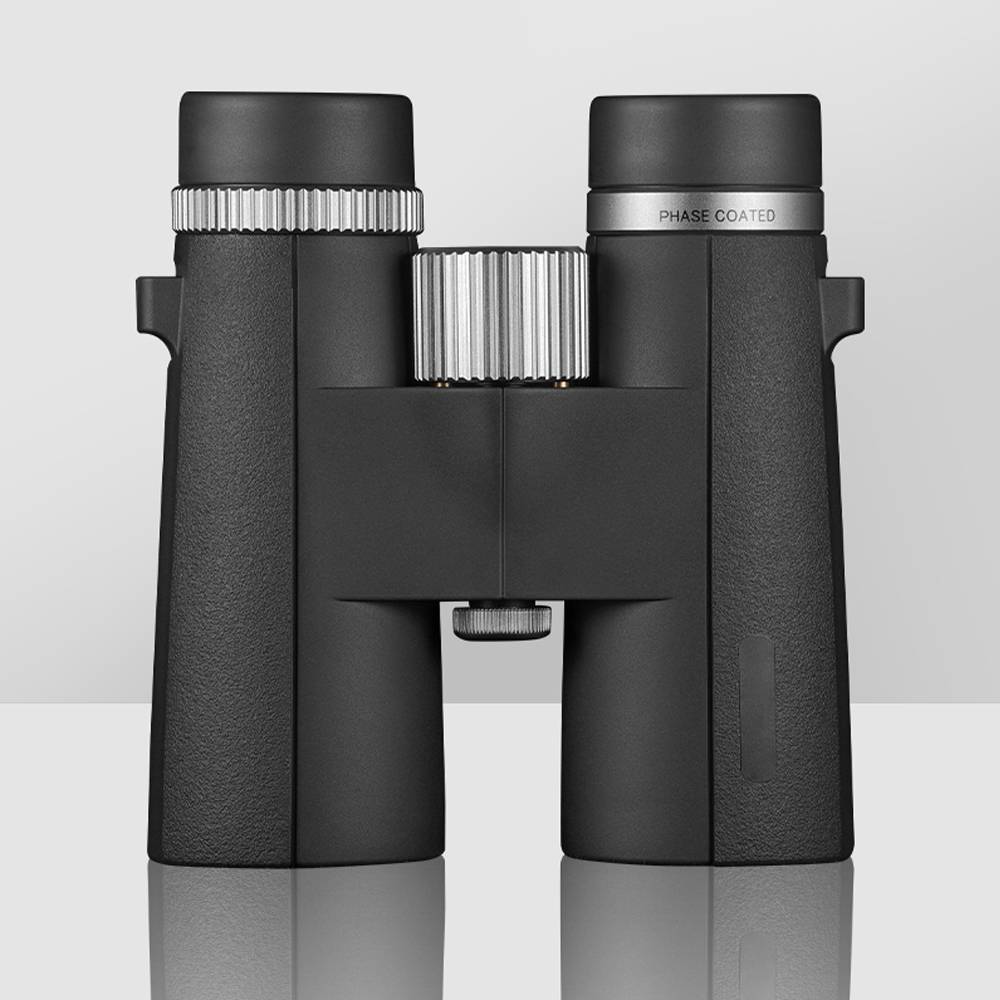
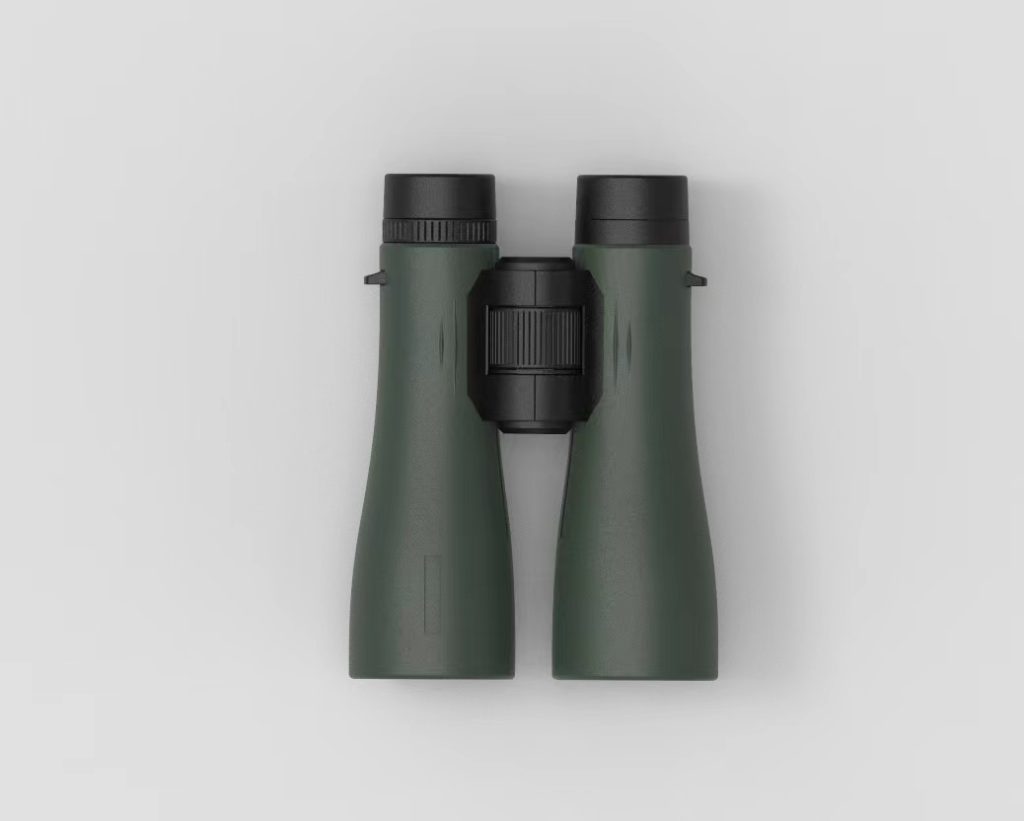
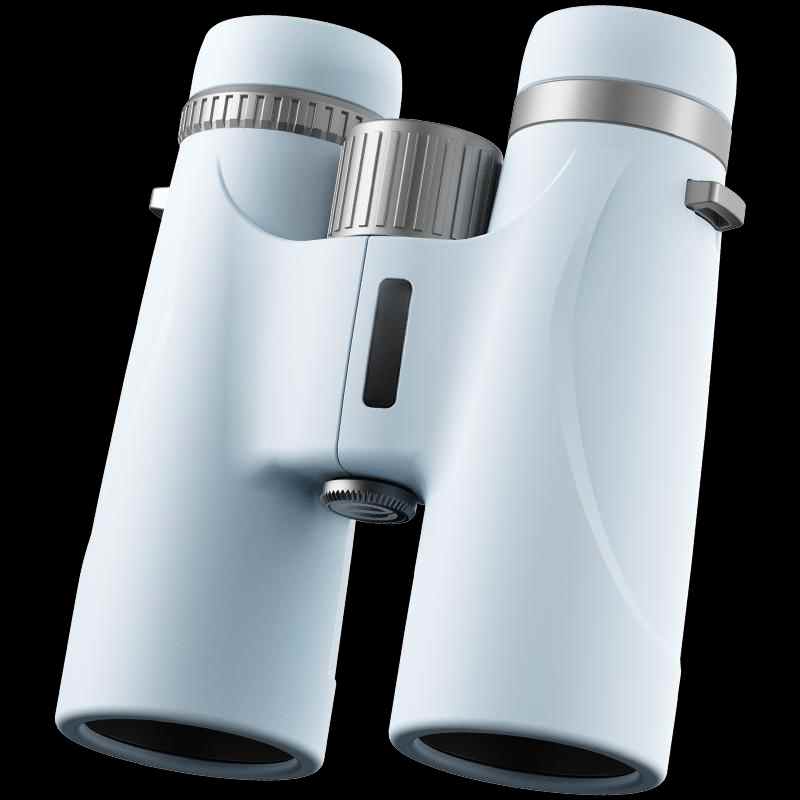
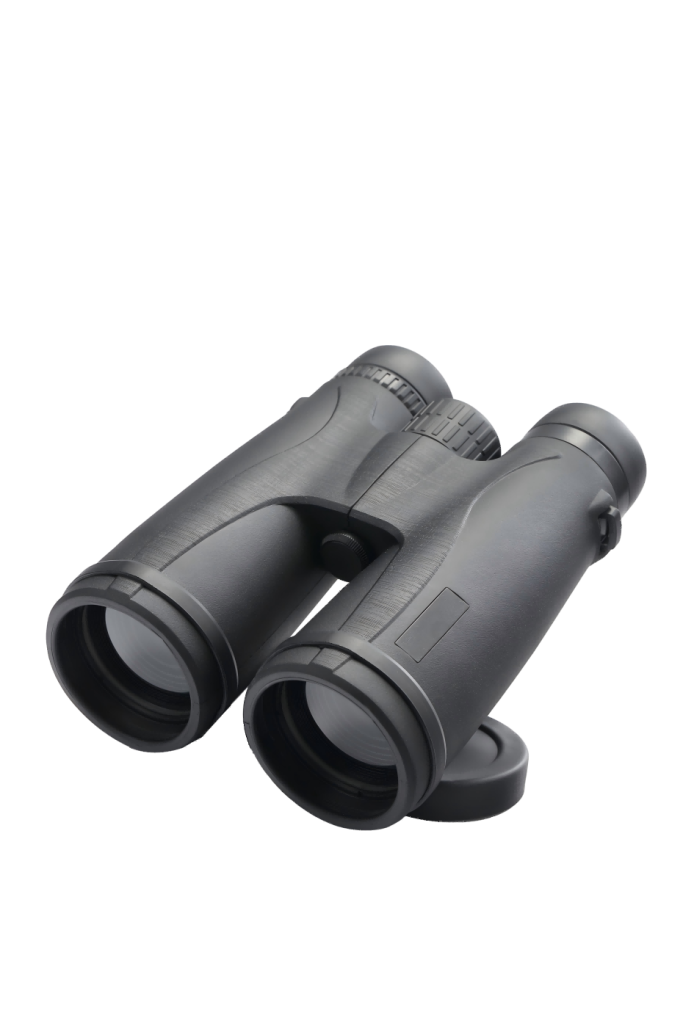
Recommended Core Product-Line Structure
| Product role | Priority model | Core purpose | Suggested inventory approach |
| Core best seller | 8×42 Roof | Serve birders, nature observers, and general outdoor users | Keep replenishment steady for this primary SKU |
| Portable companion | 8×25 or 10×25 Compact | Travel, e-commerce, gifts, and light outdoor use | Limit color and packaging variants |
| Long-range addition | 10×42 or 10×50 (choose one) | Open terrain, hunting, and long-range observation | Choose by regional demand; avoid deep stock in both |
| Optional specialist | 7×50 Marine, ED upgrade, or rangefinding model | Meet defined marine or specialist needs | Add only when a channel or project needs it |
When Is a Fourth Core Model Worth Adding?
Add a fourth model only when customer demand and sales data show that the existing core range cannot serve a stable niche. A marine channel, for example, may specifically need a waterproof 7×50 compass model, or a specialist birding channel may be willing to pay more for ED optics. Otherwise, differentiate a proven platform first through color, logo, accessory bundles, packaging, eyecups, or optical coatings.
This approach reduces the risks of duplicate development and excess stock while making product training, spare parts, and quality acceptance standards easier to standardize. For projects that need deeper development, define the BOM revision, golden sample, critical dimensions, collimation consistency, cosmetic standards, and AQL sampling requirements.
Let Channel Positioning Determine Packaging, Accessories, and Quality Standards
E-commerce channels should prioritize shipping protection, accessory lists, product images, and label information. Physical outdoor stores need clear specifications, product differences that staff can explain, and shelf-ready packaging. Specialist channels place greater weight on consistent batches, technical documentation, warranty terms, and after-sales spare parts. Packaging need not be entirely different for every model: keep a consistent brand look and distinguish models with labels, inserts, or accessory packs.
Quality standards can draw on the general requirements for binoculars in ISO 14133:2025, then be turned into a practical inspection checklist agreed by both parties for the specific project.
How to Keep the Product Line from Becoming Too Complex
• Define the target user, channel, and retail price before deciding whether a new specification is needed.
• Calculate product, logo, packaging, and special-material MOQs separately.
• Test the market on a proven platform before investing in a new structure or extensive ODM work.
• Give each model a distinct role so multiple SKUs do not compete for the same buyers.
• Periodically discontinue weak models based on sales velocity, return reasons, and replenishment cycles.
How FORESEEN OPTICS Helps Customers Plan Core Models
FORESEEN OPTICS can start with proven Roof, Porro, and Compact platforms and select a small set of core models that cover mainstream needs based on a customer’s target market, retail price, sales channels, and initial order volume. We then confirm optical specifications, construction, waterproofing and fog resistance, appearance, accessories, packaging, and quality acceptance requirements. This helps customers focus a limited budget on products with a better chance of generating sales.
Explore the binocular OEM/ODM product line, Porro Binoculars, or use the FAQ to discuss samples, MOQ, and the scope of customization.
Conclusion
For most new brands and wholesalers, a mature binocular range can begin with three core roles: an 8×42 main seller, a portable 8×25 or 10×25, and a 10×42 or 10×50 addition chosen for the market. Marine, premium ED, and rangefinding models should be driven by clear channel demand, not treated as mandatory SKUs for every brand. A product line’s competitiveness depends less on its number of models than on whether each has a defined user, price position, and sales role.