More Products Do Not Necessarily Mean More Sales Opportunities
Many binocular wholesalers naturally believe that more models mean broader customer coverage and more sales opportunities. However, when 8×32, 8×42, 10×42, 10×50 are combined with different coatings, ED versions, colors, packaging and accessory combinations, a previously clear product range can quickly become dozens of SKUs.
At this point, what increases is often not customer choice, but the complexity of sales explanation, inventory management, forecasting, purchasing and after-sales handling.
For B2B wholesale business, product line efficiency is not determined by the number of SKUs, but whether each model has a clear market role. SKU expansion can increase inventory holding, forecasting, storage and fulfillment difficulty. Product portfolio planning requires continuous balance between category breadth, SKU depth and inventory service levels.
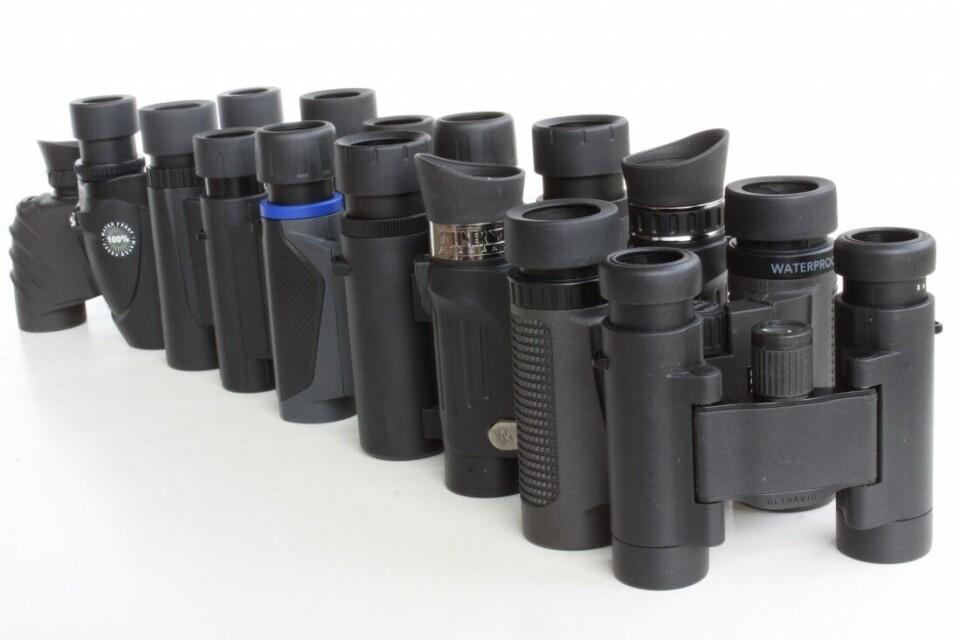
Layer 1: Sales Side — Similar Models Make Transactions Slower
Customers Find It Difficult to Quickly Understand “Why Choose This Model”
When two models differ only slightly in appearance, coating description or accessories, while their prices are very close, sales teams need more time to explain the differences.
For downstream customers of wholesalers, differences that cannot correspond to clear scenarios—such as birdwatching, hunting, travel, gifts or low-light environments—are difficult to convert into a clear purchasing reason. More models make quotation lists longer, but actual successful sales usually concentrate on a few easy-to-understand products.
Sales Teams Also Find It Harder to Build a Stable Recommendation Logic
An efficient product line should allow sales staff to quickly answer three questions: What should entry-level customers choose? What should mainstream customers choose? What should customers seeking higher optical performance choose?
If every price range contains many similar models, sales teams spend more time confirming internal differences, and customers are more likely to focus only on price comparison. This directly reduces quotation, follow-up and training efficiency.
Layer 2: Inventory Side — More SKUs Divide the Same Capital into Smaller Pieces
Each additional SKU usually means new purchasing quantities, cartons, barcodes, manuals, spare parts and safety stock. Even if total sales do not increase at the same time, cash is distributed across more inventory locations.
The result is that best-selling models may run out of stock because funds are occupied by long-tail SKUs, while slow-moving models continue consuming warehouse space. So, it’s important to do SKU proliferation management.
Layer 3: Supply Chain Side — MOQ, Packaging and Version Management Increase Complexity
The binocular body may share the same platform, but once different SKUs use independent colors, rubber armor, nameplates, boxes, language manuals or accessory combinations, the supply chain creates multiple hidden MOQs.
Product MOQ is only one number. Printing materials, dedicated components, packaging and customized accessories often each have their own minimum order quantities.
With too many SKUs, purchasing teams must manage more BOM versions, packaging versions and delivery schedules. The risk of incorrect assembly, incorrect packaging and outdated inventory also increases.
A more efficient approach is usually not developing a new product for every channel, but sharing mature optical and structural platforms and using limited, commercially meaningful differences for price tiers or channel differentiation.
Layer 4: Channel Side — Too Many Similar Models Create Price Conflicts
Wholesalers often serve e-commerce sellers, regional distributors and outdoor retail stores at the same time.
If different channels receive many models with similar appearance and specifications but without clear positioning, price comparison, cross-channel discounting and product explanation confusion can easily occur.
A better approach is to keep fewer core SKUs on the same platform and create channel versions through packaging, accessories, colors or exclusive combinations. This maintains differentiation while making inventory and after-sales management easier.
Wholesalers Need Product Portfolios with Clear Roles
A healthier binocular product line does not try to cover every specification. Instead, each SKU should have a specific responsibility.
| Product Role | Main Task | Configuration Logic | Inventory Strategy |
| Core Best Seller | Main sales volume and repeat orders | 8×42, 10×42 and other widely recognized mature configurations | Deep inventory, priority replenishment |
| Price Tier Filler | Cover entry-level or higher budget customers | Clear price/performance gap, not just one small specification difference | Medium inventory |
| Scenario-Specific Model | Serve clear channels or applications | Compact, Porro, low-light, gift and other products with clear usage reasons | Light inventory, replenish by channel |
| Market Test Model | Validate new functions or positioning | Small-batch testing based on mature platforms | Small batch, exit conditions |
| Long-Tail Duplicate Model | Weak differentiation and slow turnover | Merge or stop replenishment if replaceable | Gradual removal |
How to Decide Whether a SKU Should Be Kept?
• Look at actual shipment speed, not only whether customers have asked about it. Models without stable turnover after several replenishment cycles should be re-evaluated.
• Check whether it serves an independent customer group. If another model can completely replace it at a similar price and function level, its value is limited.
• Consider both gross margin and inventory occupation.
• Check whether packaging, accessories and after-sales requirements create extra management costs.
• Set validation periods and exit conditions for new SKUs. Stopping replenishment after an unsuccessful test is more important than keeping temporary test models in the catalog permanently.
Here are some strategies to reduce product proliferation.
How FORESEEN OPTICS Helps Wholesalers Reduce Inefficient SKUs
FORESEEN OPTICS prefers to first select suitable models from mature platforms according to customers’ price range, channels and application scenarios, and then decide which differences truly deserve an independent SKU.
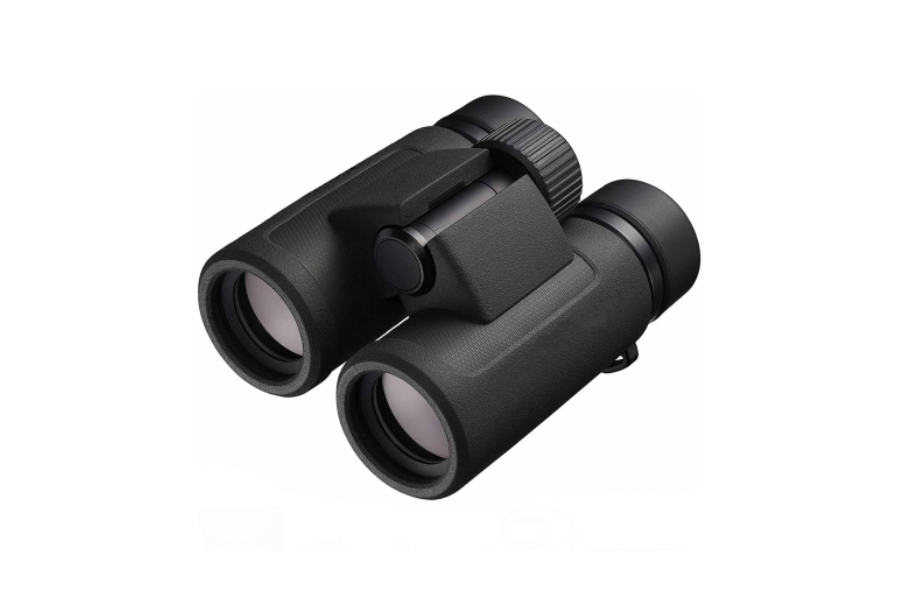
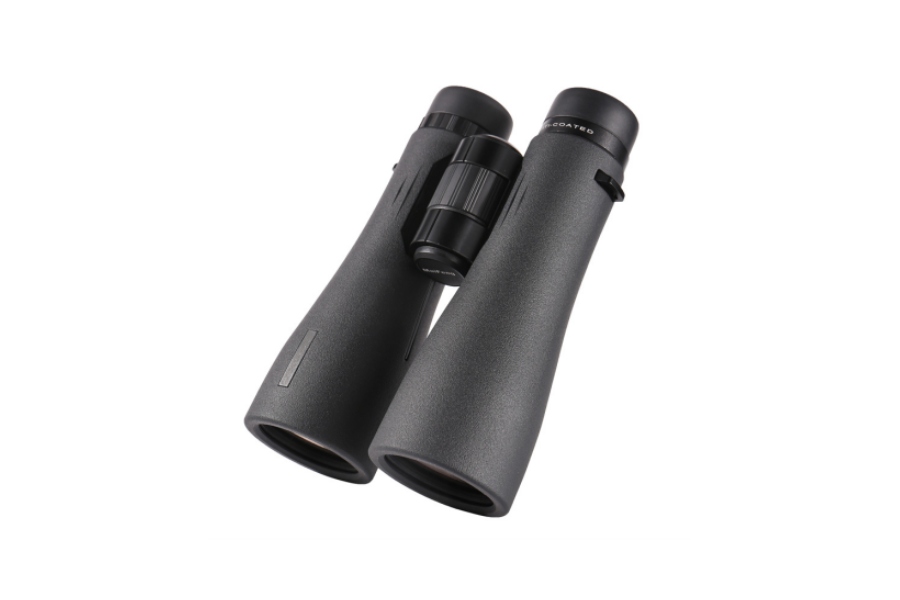
For the same product family, optical systems, structural parts and basic packaging logic can be shared as much as possible. Clear product tiers can then be created through magnification/objective size, glass and coating levels, accessory combinations or channel packaging.
This approach allows wholesalers to maintain product coverage while reducing repeated sampling, fragmented purchasing and long-tail inventory.
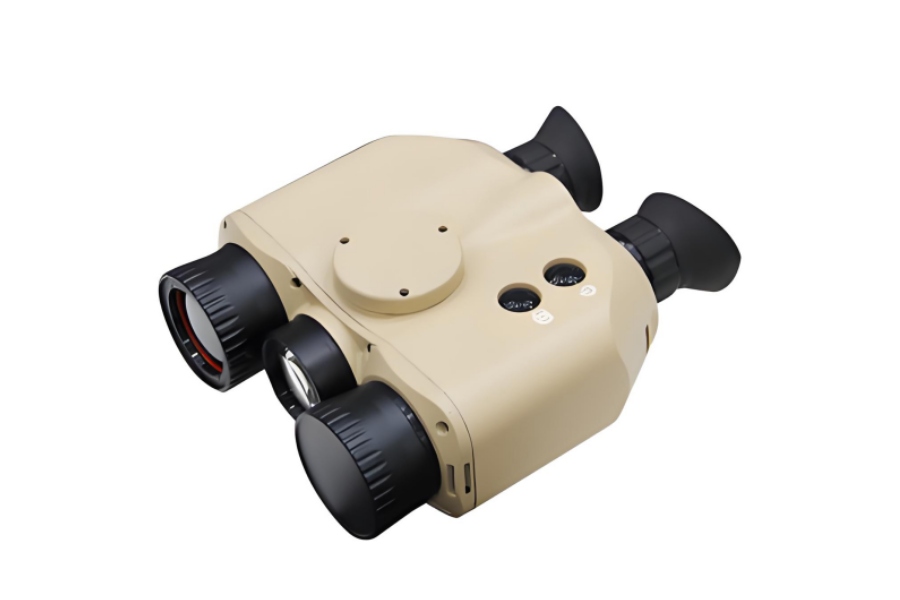
For new markets, existing Roof, Porro or Compact platforms can be tested in small batches before expanding into specialized structures or deeper OEM/ODM projects.

Conclusion
For binocular wholesalers, the problem with too many product lines is not simply that the catalog becomes longer. Complexity eventually transfers into sales, inventory, purchasing, packaging, after-sales service and cash flow.
An efficient product portfolio should make products easy for customers to understand, easy for sales teams to recommend and easy for inventory teams to replenish.
Keeping a limited number of clearly positioned core SKUs, using scenario products and channel versions for differentiation, and continuously removing inefficient long-tail products based on real shipment data is usually more beneficial for building sustainable wholesale business than unlimited model expansion.