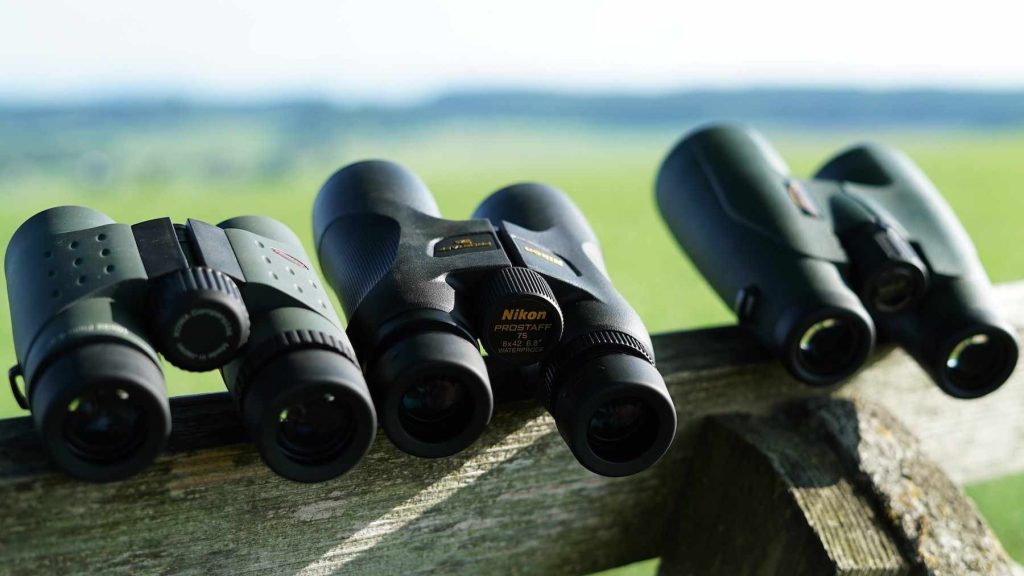
Define the Role of Each SKU Before Allocating Purchase Volumes
For wholesalers, 8×42, 10×42, and 10×50 binoculars should not be stocked in equal quantities. The three specifications serve different needs: mainstream coverage, long-range upgrades, and professional low-light use. Without clearly defined SKU roles, a product line can easily suffer from overlapping price points, slow inventory turnover, and difficulty guiding channel customers toward the right model.
FORESEEN OPTICS currently offers an 8×42/10×42/10×50 Roof Binoculars platform based on a shared structural system. Brand logos, coatings, waterproofing, nitrogen filling, packaging, and accessories can be customized, making it suitable for wholesalers building a series with a unified appearance but differentiated application positioning.
8×42: The Sales Anchor of the Product Line
Why Is It Better Suited to Be the Core SKU?
The 8×42 format balances a relatively wide field of view, handheld stability, brightness, and versatility. It can readily cover birding, wildlife observation, hunting reconnaissance, and general outdoor markets. The Audubon buying guide also notes that most birders prefer 7× or 8× binoculars because they make it easier to locate and track moving subjects.
B2B Configuration Recommendations
- Position the 8×42 in the core mid-range price tier to support channel volume and build brand recognition.
- Prioritize a wide field of view, smooth focusing, long eye relief, waterproof and fogproof performance, and consistent quality across batches.
- Use the same platform to offer both a standard version and an ED upgrade, creating a clear price ladder.
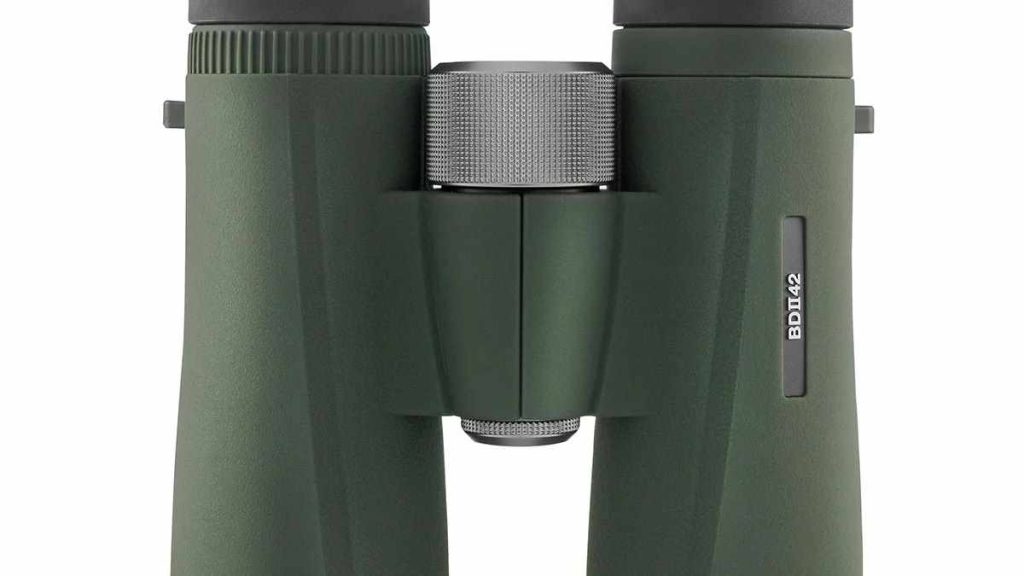
10×42: Increase Average Order Value and Create Long-Range Differentiation
It Is Not Simply an Upgraded 8×42
The 10×42 provides stronger long-distance detail recognition and is better suited to open terrain, mountain environments, hunting, and long-range nature observation. However, higher magnification usually brings a narrower field of view and more noticeable hand shake, placing greater demands on optical quality and ergonomics.
Which Channels Are the Best Fit?
The 10×42 is well suited to specialist outdoor retailers, hunting channels, nature-tourism operators, and brands seeking a more premium image. Wholesalers should not rely on “higher magnification” alone to justify a higher price. ED glass, phase correction coating, improved lens coatings, a higher waterproof rating, or a binocular chest pack should be added to create a value difference that customers can clearly understand.

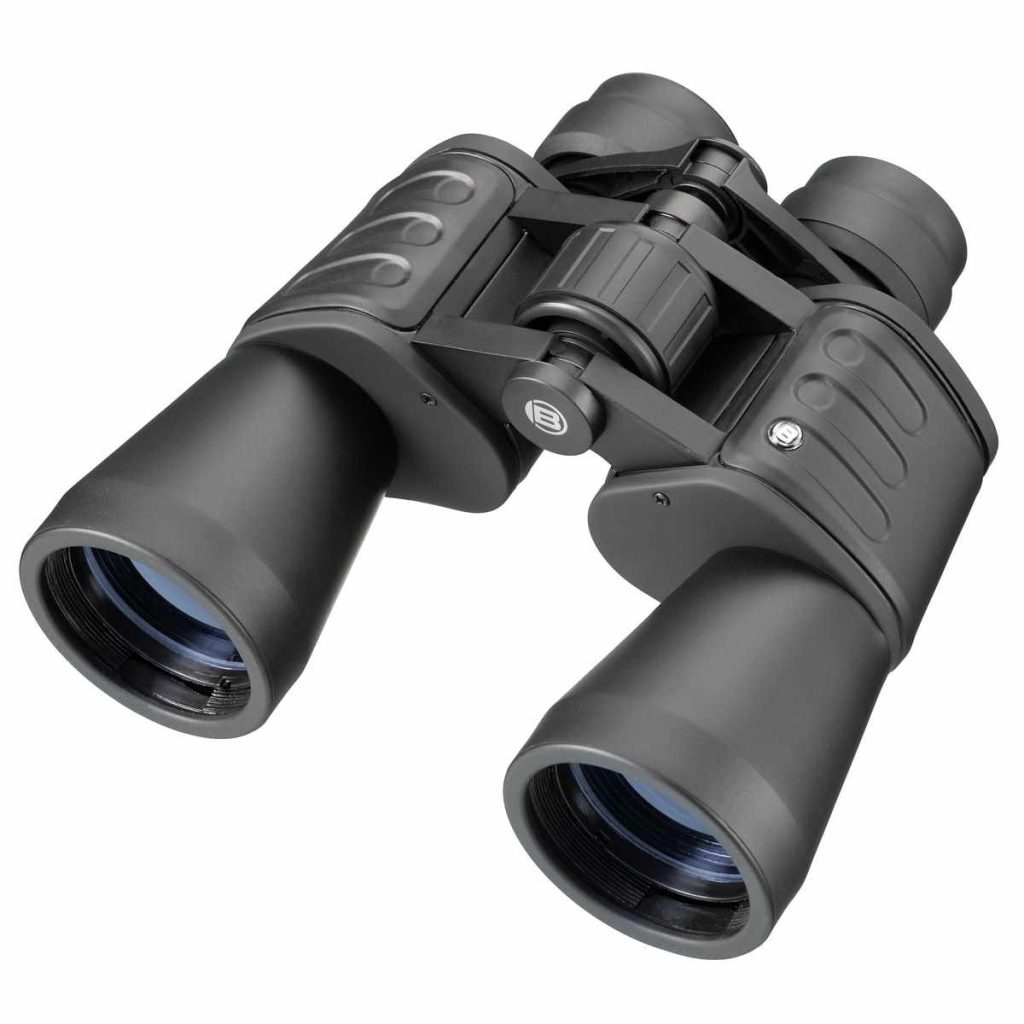
10×50: Treat It as a Professional-Use SKU, Not a High-Volume Stock Item
The 50 mm Objective Is Designed for Low-Light Performance and Viewing Comfort
With a 5 mm exit pupil and greater light-gathering capacity, the 10×50 is better suited to dawn and dusk hunting, long-range coastal observation, fixed-position viewing, and entry-level astronomy. At the same time, it is usually heavier, requires more storage and shipping space, and some users may also need a tripod adapter.
Use a More Conservative Inventory Strategy
For general-purpose wholesalers, the 10×50 is better positioned as a supplementary SKU supported by pre-orders, specialist dealer orders, or seasonal stocking. A higher purchasing ratio is appropriate only when the customer base is clearly concentrated in hunting, marine, low-light observation, or astronomy channels.
Wholesale Product-Line Positioning for the Three Specifications
| Specification | Product-Line Role | Core Channels | Key Selling Points | Procurement Risks |
| 8×42 | Sales anchor | Birding, general outdoor, entry-level hunting | Wide field, stable, versatile | Commoditization; differentiate through structure and configuration |
| 10×42 | Upgrade and profit SKU | Hunting, mountain use, long-range nature observation | Stronger distance perception and detail recognition | Higher demands on field of view and handheld stability |
| 10×50 | Professional supplementary SKU | Low-light hunting, marine, astronomy, fixed-position viewing | Brightness, dawn/dusk performance, long-range viewing | Weight, size, turnover, and logistics pressure |
How Should Wholesalers Allocate Their Initial Purchase?
The following ratios are not fixed rules. They are a reference for an initial stocking plan aimed at broad outdoor channels. Actual proportions should be adjusted according to local users, channel structure, and price positioning:
- 8×42: approximately 50%–60%, serving as the core volume and regular replenishment SKU.
- 10×42: approximately 25%–35%, supporting long-range upgrades, brand margin, and professional channels.
- 10×50: approximately 10%–20%, used as a targeted supplement for low-light, marine, astronomy, or hunting applications.
Where hunting and open-terrain observation dominate, the share of 10×42 can be increased. Where birding and general outdoor use are the main channels, 8×42 should remain the core specification.
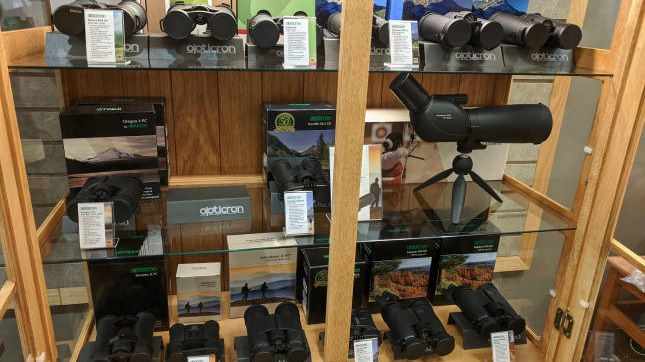
Four B2B Questions to Confirm Before Placing an Order
- Can the platforms share components? Using common housings, accessories, and packaging systems helps reduce MOQ requirements and simplifies future replenishment.
- Is the price ladder clear? The three specifications should not have nearly identical costs while overlapping with one another at retail.
- Is the quality baseline consistent? Waterproofing, fogproofing, focus-wheel resistance, eyecup durability, and assembly consistency should not be reserved only for premium models.
- Can customization be reproduced consistently? Logos, colors, coatings, packaging, and accessories must remain stable across repeat orders.
For a more detailed evaluation of OEM/ODM configurations, MOQs, and packaging options for different specifications, refer to FORESEEN OPTICS’ Roof Binoculars wholesale and customization service.
Build the Product Line Around Three Roles, Not Three Numbers
For most wholesalers, the 8×42 should deliver broad market coverage and turnover, the 10×42 should provide long-range upgrading and profit, and the 10×50 should serve low-light and professional channels. A mature product line does not stock all three specifications heavily. Instead, each SKU has a clearly defined user, price tier, and reason to buy.
When specification positioning, configuration tiers, and inventory ratios are planned in advance, wholesalers can reduce internal competition, improve replenishment efficiency, and build a more stable foundation for private-label programs and long-term channel sales.
References
Audubon Binocular Guide (8× Models and Wide-Field Selection)