Core Logic for Choosing Binoculars:
Start from the Use Case
The essence of choosing binoculars is to match “specifications” to “use scenarios”. Once you define the primary application, the numbers printed on the housing (such as 8×42 or 10×25) become much easier to interpret and most choices naturally fall into place.
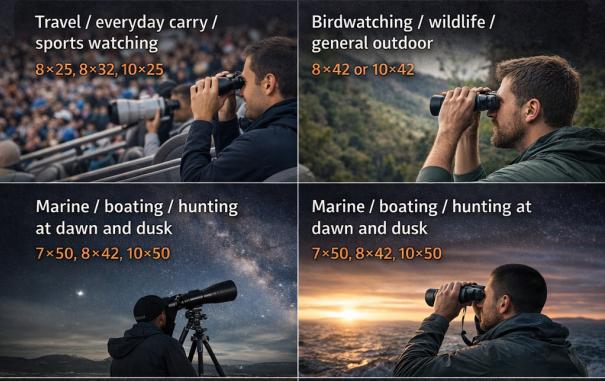
Common use cases and recommended specifications are roughly as follows:
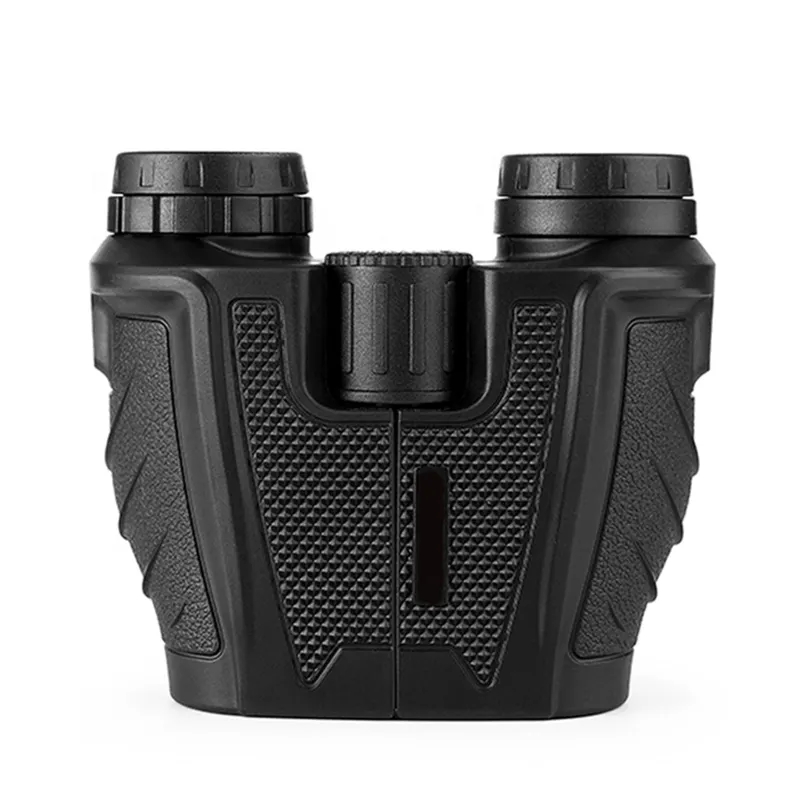
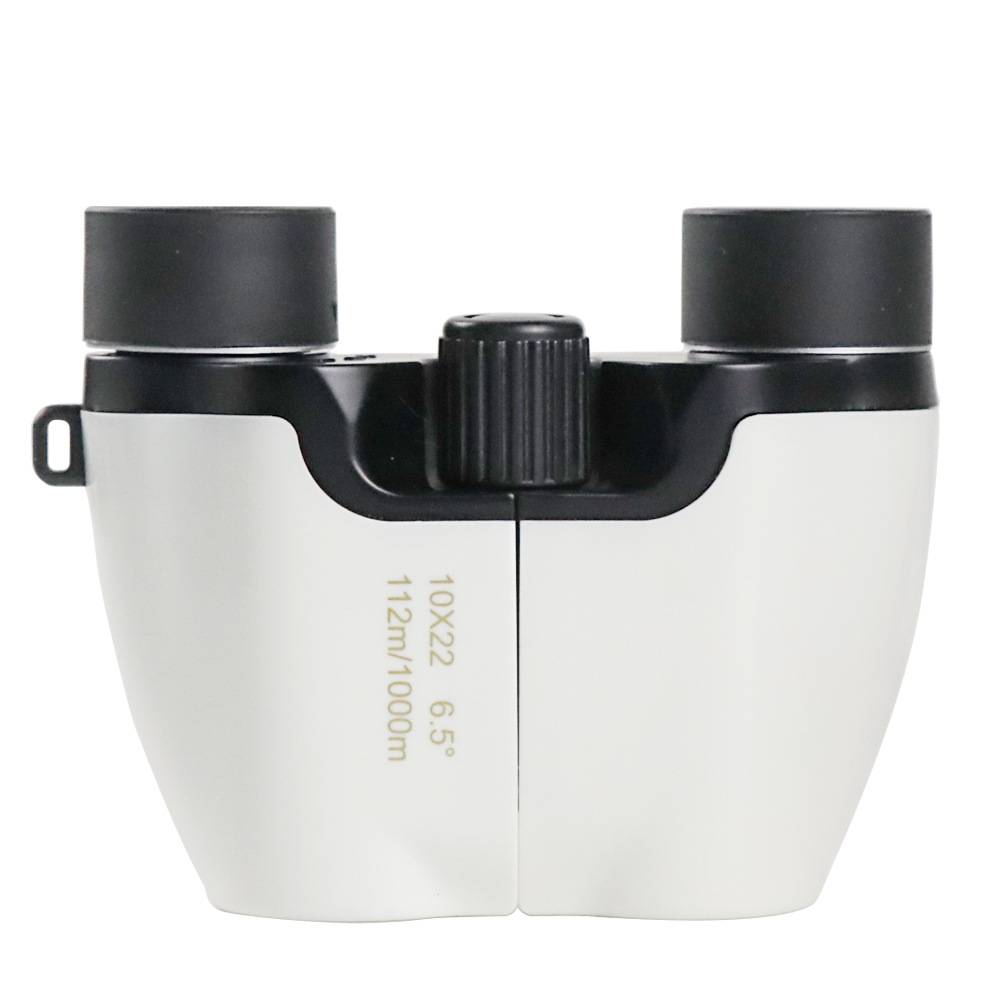
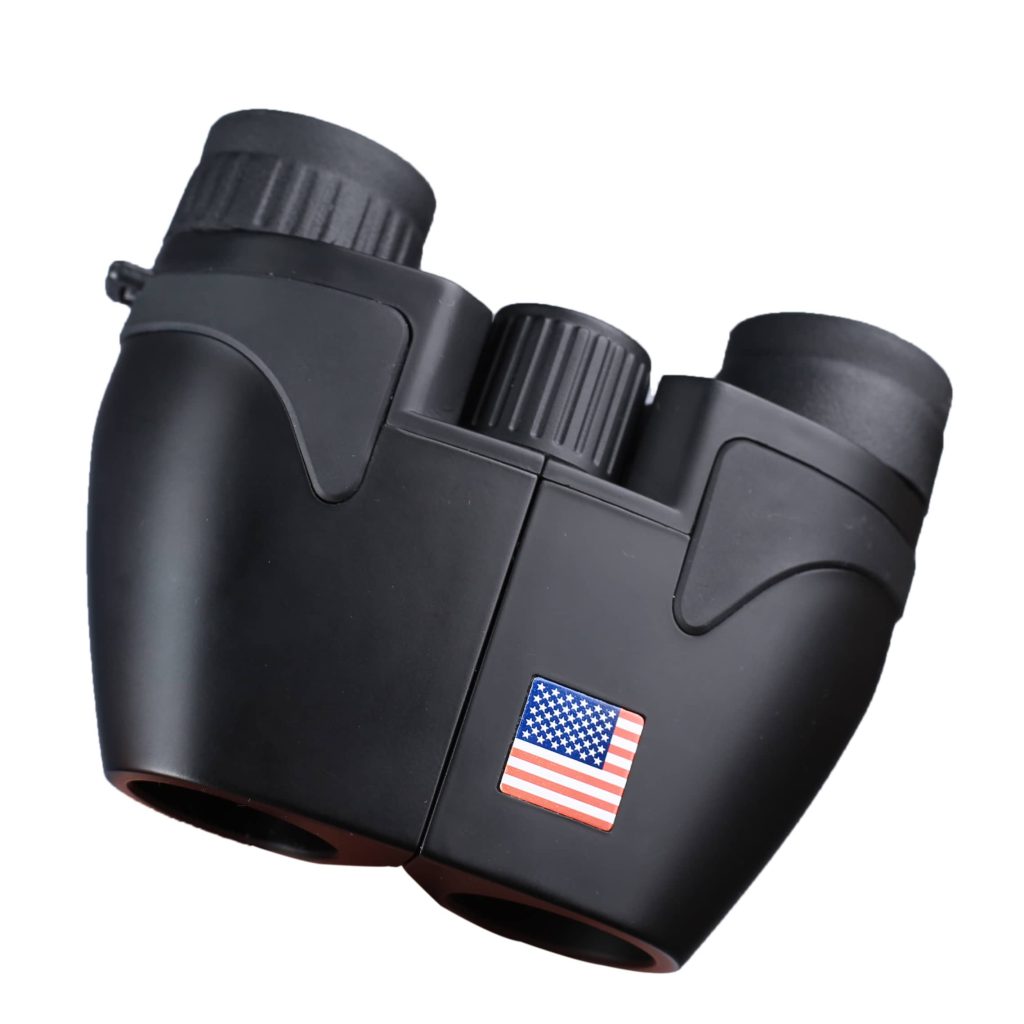
- Travel / everyday carry / sports watching: 8×25, 8×32, 10×25 (lightweight and easy to carry).
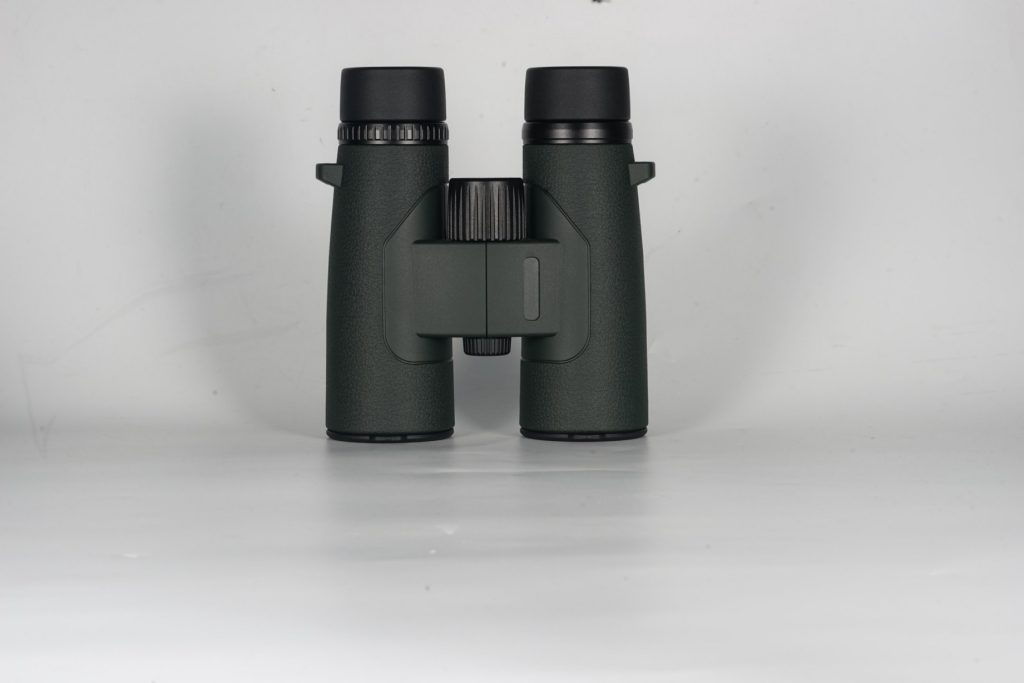
- Birdwatching / wildlife / general outdoor: 8×42 or 10×42 (the most mainstream all-round configuration).
- Marine / boating / hunting at dawn and dusk: 7×50, 8×42, 10×50 (large objective lenses, brighter images).
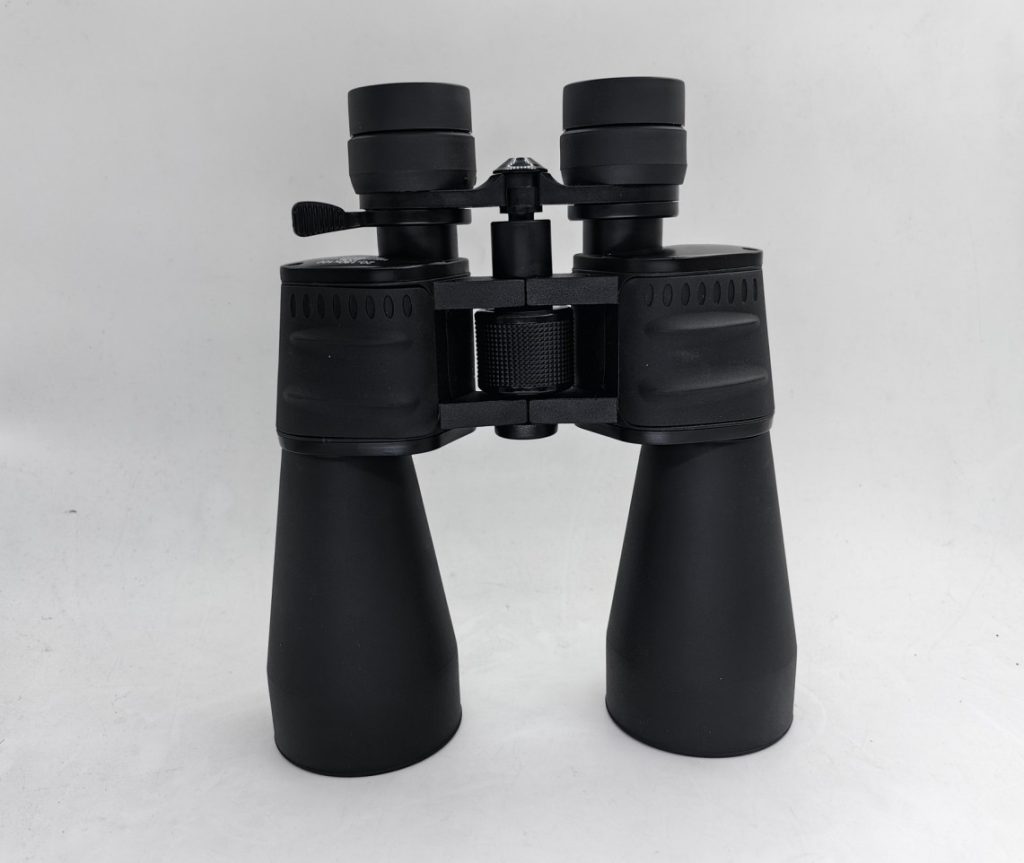
- Astronomical observation / stargazing: 10×50, 7×50, 15×70 (medium- to high-power, large objectives, tripod recommended).
- Concerts / theaters / indoor performances: 8×25, 10×25 (compact and easy to carry).
If the user has no experience at all, 8×42 is basically a safe “first binocular” choice—offering a wide field of view, good brightness and very broad applicability.
Basic Specifications: Magnification, Objective Diameter and Brightness
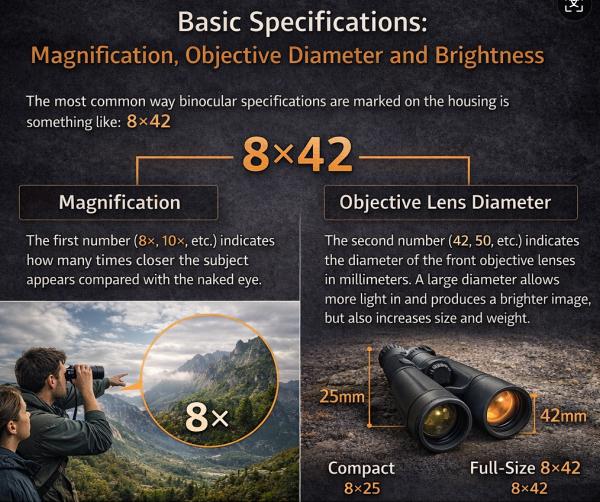
The most common way binocular specifications are marked on the housing is something like: 8×42.
Magnification: the first number (8×, 10×, etc.) indicates how many times closer the subject appears compared with the naked eye.
Objective lens diameter: the second number (42, 50, etc.) indicates the diameter of the front objective lenses in millimeters. A larger diameter allows more light in and produces a brighter image, but also increases size and weight.
For most users, 8×–10× is a comfortable magnification range: 8× provides a wider field of view and is easier to hold steady, while 10× delivers more detail but is more prone to shake and places higher demands on hand-holding stability. For daytime use, an objective diameter of 25–42 mm is usually sufficient; for low-light, dusk or astronomical observation, 42–50 mm or even larger objectives are recommended.
Evaluating Brightness: Exit Pupil
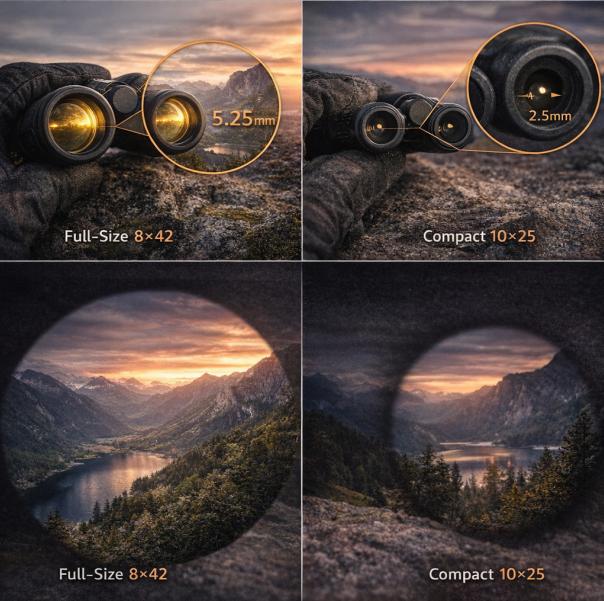
Exit pupil is a very practical indicator for judging image brightness:
Exit pupil = objective diameter ÷ magnification.
8×42 → 42 ÷ 8 ≈ 5.25 mm: excellent performance in low-light conditions.
10×25 → 25 ÷ 10 = 2.5 mm: suitable for daytime use but somewhat limited at dusk and at night.
In general, an exit pupil of 4–5 mm or larger has clear advantages in low-light environments such as dawn and dusk; exit pupils in the 2.5–4 mm range are more appropriate for midday, sunny conditions with abundant light.
FORESEEN’s Suggestions
For most beginner enthusiasts, understanding the parameters mentioned above is sufficient. However, as FORESEEN, a company with decades of experience in the optics industry, we will provide you with more information about other product parameters. We believe that after learning and understanding this information, you will become a professional telescope enthusiast.
1. Field of View, Eye Relief and Prism Types
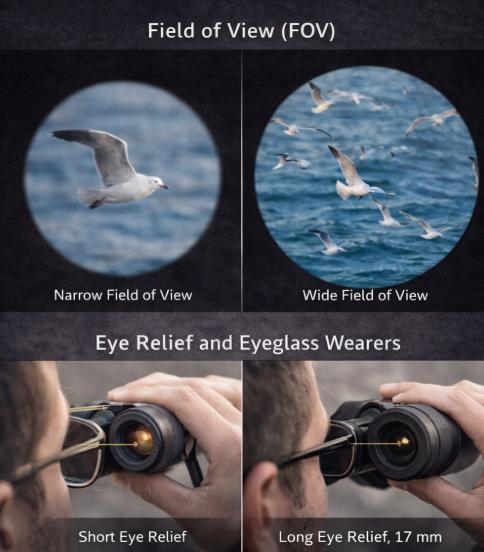
Field of view (FOV)
Field of view is usually expressed in degrees (°) or as m/1000 m or ft/1000 yd. A wider FOV makes it easier to quickly locate and track moving targets such as birds or athletes. For birding and general outdoor use, a FOV that is as wide as possible is recommended.
Eye relief and eyeglass wearers
Eye relief refers to the distance between your eye and the eyepiece at which you can still see the the full field of view. It is especially critical for users who wear glasses: an eye relief of at least 15 mm is recommended, with 17–20 mm offering even greater comfort. Twist-up eyecups make it easier to find a comfortable viewing position.
Prism types
Roof prisms: feature a straight-through body design that is more compact and portable. They are currently the mainstream structure, but they demand higher precision in manufacturing and coatings, and therefore tend to be more expensive.
Porro prisms: the classic zig-zag appearance, offering stronger stereoscopic and depth perception. At the same price level, they often have advantages in image quality, though they are bulkier overall.
2. Coatings and Optical Glass: Key Factors for Sharpness and Contrast
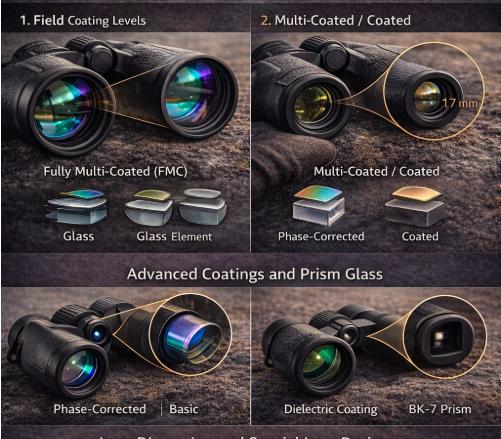
Basic coating levels
Fully Multi-Coated (FMC): every air-to-glass surface is treated with multiple layers of coating, delivering the best brightness, contrast and color fidelity. This is standard on mid- to high-end products.
Multi-Coated / Coated: only some surfaces have multi-layer or single-layer coatings; overall performance is moderate.
Advanced coatings and prism glass
Phase-corrected coating: used on roof prisms to improve contrast and resolution.
Dielectric coating: significantly increases prism reflectivity and results in a brighter image.
BaK-4 prism vs BK-7 prism: BaK-4 prisms provide better edge illumination and a more circular exit pupil, leading to higher brightness and better image quality, and are commonly found in high-quality binoculars.
Low-dispersion and special lens designs
ED / HD / LD glass (low-dispersion glass): effectively reduces chromatic aberration and purple fringing, with especially visible benefits in birdwatching, long-focus viewing and astronomy.
Aspherical lenses: improve edge image quality and reduce distortion.
Field flattener lenses: keep the image sharp from center to edge, ideal for demanding users.
Light transmission: some manufacturers specify an overall light transmission (for example, 90%+), which is a core metric that professional buyers pay close attention to.
3. Construction and Protection: Basic Outdoor Reliability
For outdoor, law-enforcement, marine and other professional applications, durability and environmental resistance are just as important as optical specifications.
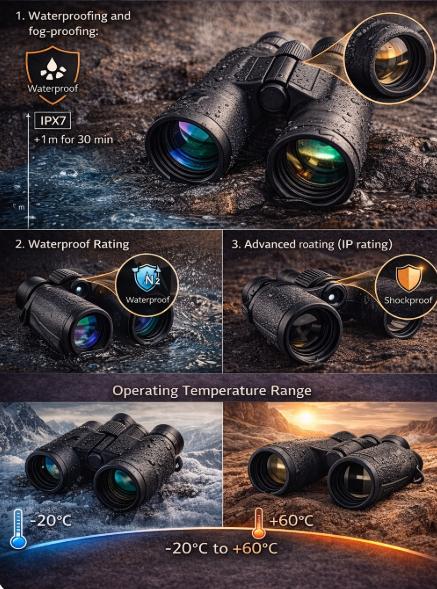
Waterproofing and fog-proofing: typically achieved via O-ring sealing combined with nitrogen purging or argon purging to prevent internal fogging.
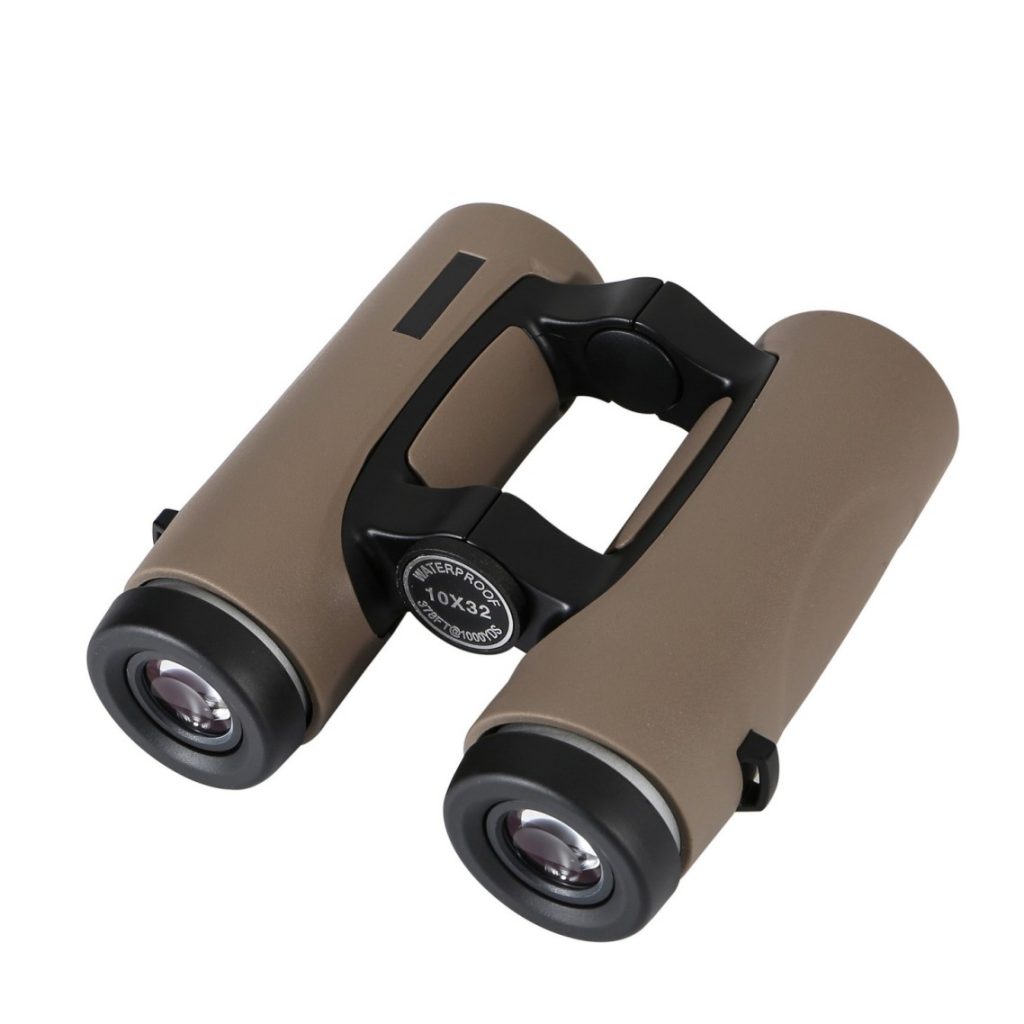
Waterproof rating (IP rating): for example, IPX7 means the binoculars can withstand immersion in approximately 1 m of water for 30 minutes, which is especially critical for boat use, rainforests and high-humidity environments.
Rubber armor: improves grip while providing anti-slip properties and a certain degree of drop protection.
Operating temperature range: for example, −20°C to +60°C with temperature-cycle testing, which is particularly important for high-altitude, very cold or very hot environments.
4. Specifications That Are Often Overlooked but Very Important for B2B Buyers
This section covers factors that are most easily overlooked in ordinary buying guides but that B2B buyers, professional users and engineers are highly interested in. You can present them as “professional selling points” in product detail pages.
Ergonomics and user comfort
Interpupillary distance (IPD) adjustment range: for example, 56–74 mm, which directly determines whether users with narrower or wider faces can use the binoculars comfortably. This is particularly important for many Asian users.
Eye relief and eyecup design: beyond listing the eye-relief value, you can also mention the twist-up eyecup structure and how many click-stop positions it has.
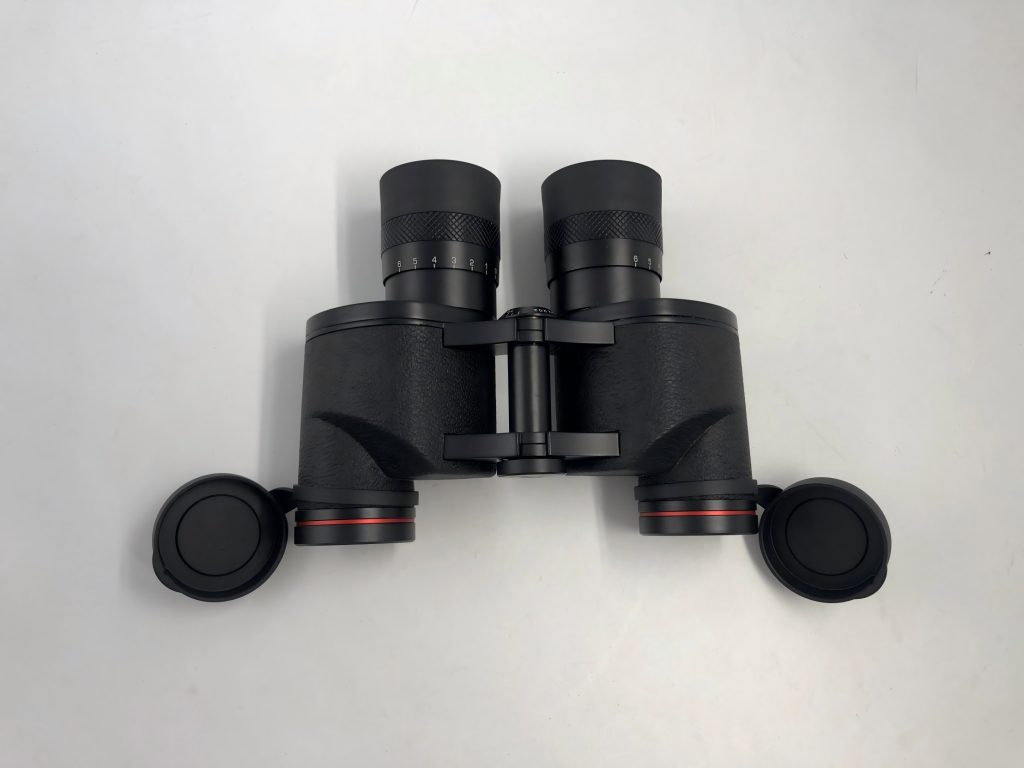
Diopter adjustment: specify the diopter range (e.g., ±3D / ±5D) and whether a diopter lock is provided, helping users with different vision in each eye achieve a clear image.
Focusing wheel feel and travel: you can describe it as fast focus or precise fine focusing, and indicate how many turns are required to go from the closest focus distance to infinity, which reflects the handling experience.
Weight distribution and grip design: instead of only stating “weight xx g”, you can emphasize whether the center of gravity is centered (center-balanced) and whether there are thumb indents or special anti-slip textures.
Environmental reliability and structural strength
Shock and drop resistance: for example, passing a 1.5-m drop test or impact tests up to a certain G-value. These can be expressed in more user-friendly language in product detail pages.
Lens-surface protection: such as scratch-resistant coatings and oil-/dirt-repellent layers, which improve lens durability in harsh outdoor environments.
Resistance to salt spray, dust and rainforest conditions: for marine, coastal, desert and jungle projects, you can explicitly highlight relevant testing or real-world application cases.
Functional expansion and advanced applications
Tripod interface: whether a standard 1/4″-20 tripod adapter interface is provided, which is particularly important for 10×50 and larger magnification/objective combinations.
Image stabilization (IS): if IS is built in, you can specify the compensation range, operating time and auto-sleep function. This is a key selling point for high-end marine, birding and long-duration observation applications.
Ranging and tactical functions: for example, internal reticle scales for rough distance estimation, or binoculars with an electronic compass or integrated laser rangefinder; you can specify the ranging distance and accuracy.
Accessory system: items such as a comfort-enhanced strap or chest-harness, tethered objective/eyepiece covers, and hard or soft carrying cases can all be described as added value in the product details.
Quality control, certifications and warranty policy
Optical alignment and factory inspection: you can state that each unit undergoes multiple stages of collimation testing before leaving the factory to ensure that double images are unlikely to occur even after long-term use.
Certification systems: compliance with standards such as RoHS, CE and FCC is an important trust factor for B2B customers in markets like Europe and North America.
Warranty and after-sales service: clearly indicate warranty terms such as 2 years, 5 years or limited lifetime warranty, and highlight spare-parts availability and local service support.
5. Quick Selection Logic
Quick selection logic
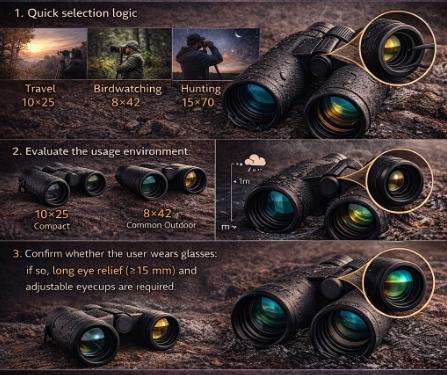
First clarify the primary use scenario (travel, birdwatching, hunting, marine, astronomy, etc.), then lock in the magnification and objective-diameter range according to the scenario.
Confirm whether the user wears glasses: if so, long eye relief (≥15 mm) and adjustable eyecups are required.
Evaluate the usage environment: if the binoculars are frequently used in rainy conditions, at sea, or in very cold or hot climates, high levels of waterproofing, fog-proofing and structural strength are necessary.
Consider low-light requirements: if the binoculars will be used at dusk, dawn or at night, prioritize large exit pupils (above 4–5 mm) and large objective lenses (such as 8×42 or 10×50).
Pay attention to long-term investment value: assess whether the product is suitable as a long-term project or brand cooperation model from the perspectives of optical glass, coating grade, quality-control processes, certifications and warranty policies.