If we look at the outdoor optics market over the past two years, one trend has become increasingly clear: birdwatching is no longer just a relatively niche interest. It is gradually becoming an important force driving the upgrade of binocular products.
In the past, many brands and distributors planned their binocular lines mainly around magnification, objective lens size, price range, and general-purpose positioning. Today, however, more and more B2B customers are asking a much more specific question: Is this product truly suitable for birdwatching? Does it offer stronger competitiveness in field of view, focusing speed, comfort, and long-duration observation?
This shift is not simply about adding another type of end user. It is reshaping the product logic of the entire market. Birdwatching does not only require binoculars to “see farther.” More importantly, it requires them to find targets faster, track them more steadily, and support longer, more comfortable viewing.
Once the market begins to evaluate products based on these real usage tasks, the old approach of relying only on paper specifications to create differentiation becomes less and less effective.
For B2B customers, this points to two important changes.
First, birdwatching demand is pushing binoculars from general-purpose supply toward scenario-based supply.
Second, product differentiation is no longer just a matter of marketing language at the retail end. It is gradually becoming a systematic change in product development, product selection, and supplier cooperation.
In other words, the earlier a company understands the product logic behind birdwatching demand, the more likely it is to gain an advantage in the next stage of market differentiation.
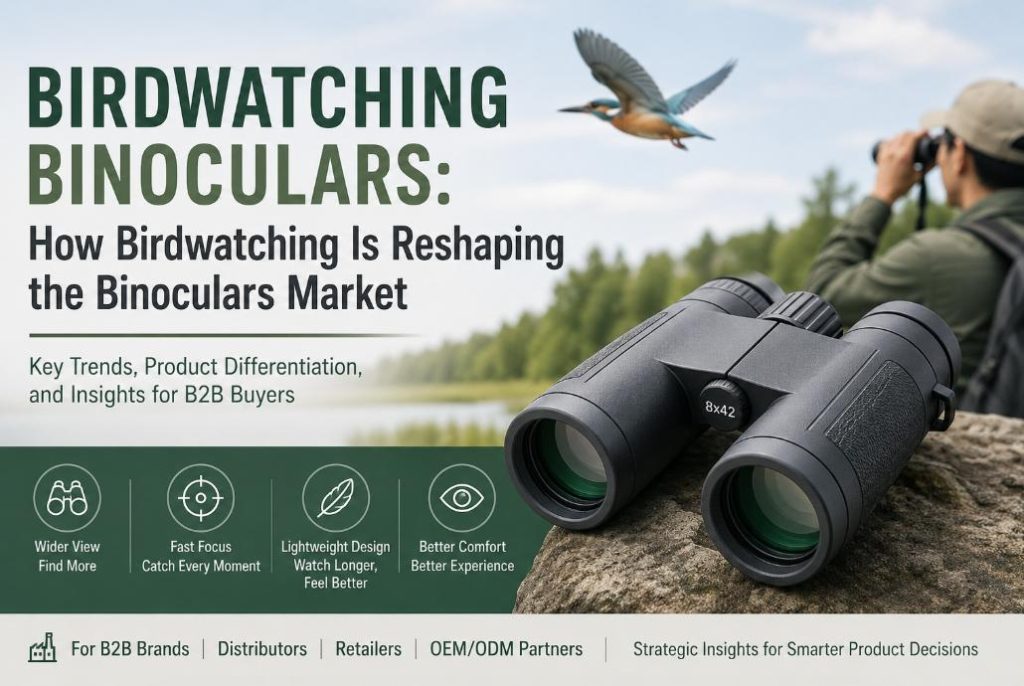
Why Birdwatching Is Changing How Users Evaluate Binoculars
Because it is changing how users evaluate binoculars.
What birdwatchers really care about is not just seeing farther. They care about seeing more efficiently and more comfortably.
The biggest difference between birdwatching and many traditional outdoor observation scenarios is the nature of the target. Birds are often small, fast-moving, and only visible for a short moment. They may perch at the end of a branch, skim across the water, hide near the edge of grass, or move quickly under backlit conditions.
In this kind of scenario, users do not simply need “more magnification.” What they need is the ability to find the target faster, follow it more smoothly, and stay comfortable during extended observation.
This is exactly why birdwatching demand brings certain product details into much sharper focus. A wider field of view, smoother focusing, more comfortable eye relief, better body balance, and less fatigue during long-term use all become much more important.
These factors may not always appear in the most eye-catching part of a specification sheet. But for birdwatchers, they are often the differences that can be felt most clearly in real use.
The growing maturity of birdwatching as a usage scenario is also pushing the market language to change.
In the past, many end users chose binoculars by making rather general comparisons around magnification, objective lens size, and price. Birdwatchers, however, tend to express their needs more clearly: Is the field of view wide enough? Is the focusing fast enough? Is it friendly for eyeglass wearers? Will it feel tiring after being held for a long time? Are the colors natural?
For B2B customers, this is an important signal.
It means birdwatching is not just “one more application scenario.” It is developing into a more mature consumer language. And as this language becomes clearer, the market will naturally expect product definitions to become clearer as well.
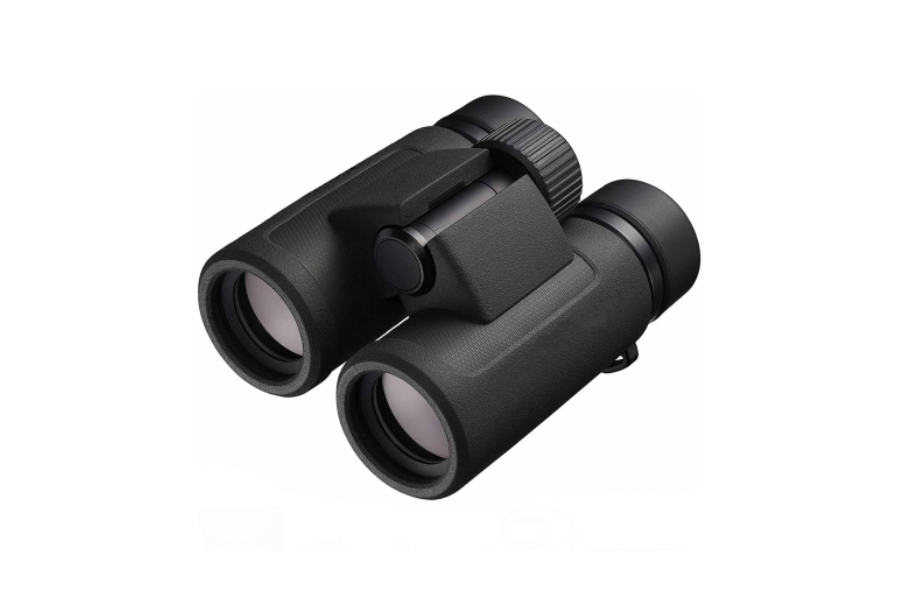
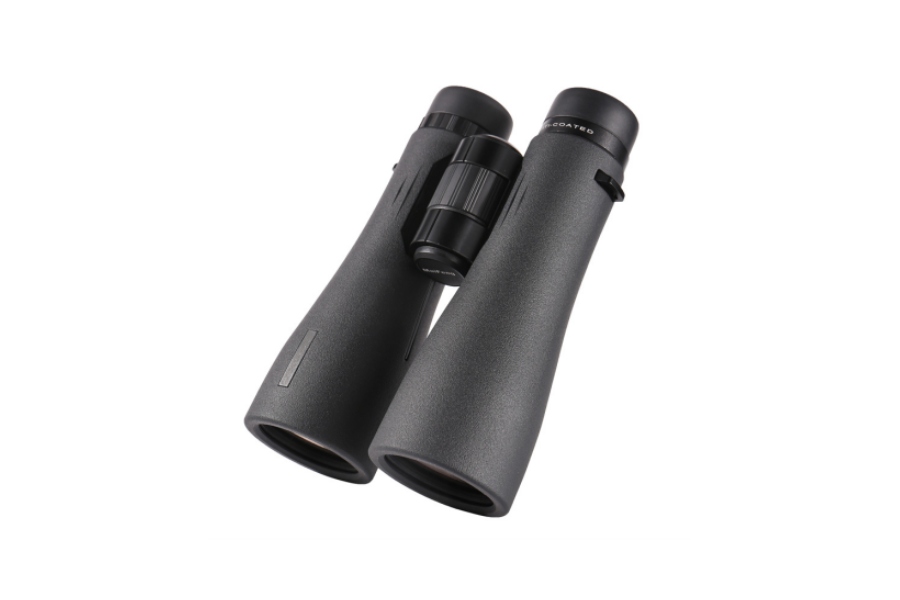
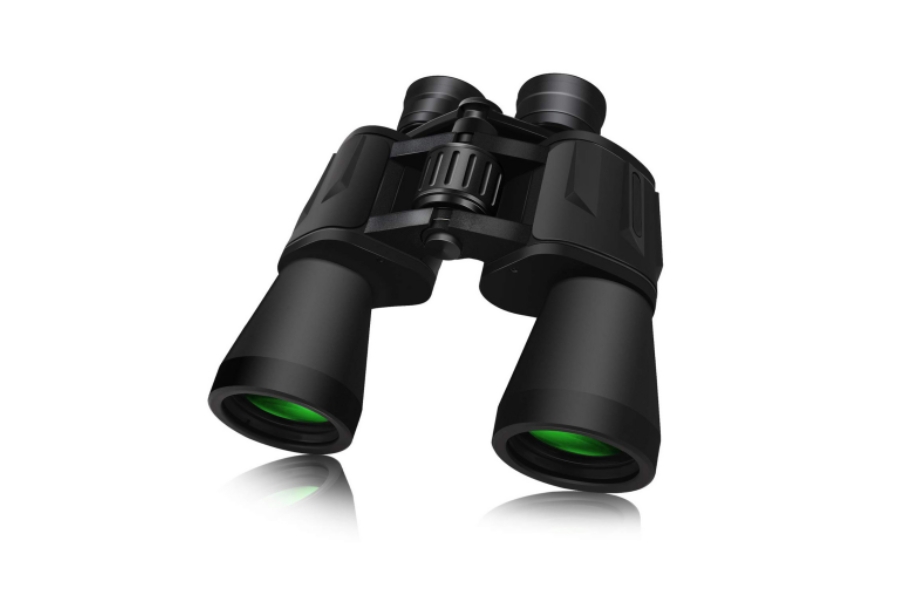
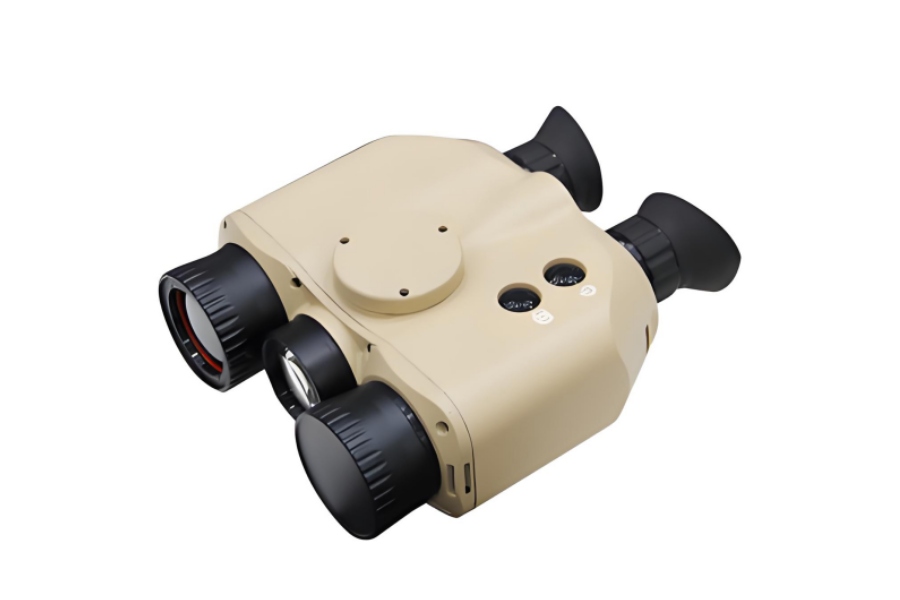
How Birdwatching Is Driving Product Differentiation in the Binocular Industry
If we look at this from the perspective of factories, brands, and distribution channels, birdwatching demand is sending at least four clear signals.
First, users are paying much more attention to real experience indicators such as field of view, focusing, and comfort. This shows that product competition is gradually shifting from paper specifications to actual usage efficiency.
Second, lightweight design and body balance are becoming significantly more important. Birdwatching is a typical high-frequency, long-duration observation scenario, so a binocular that feels fine for a few minutes may not feel the same after hours of use in the field.
Third, product lines are moving away from the idea of “one series covering all general outdoor scenarios” and toward a more scenario-specific structure. Birdwatching binoculars are no longer just a sub-model within a general outdoor series. Increasingly, they need to be planned as a more independent product direction.
Fourth, the way products are presented to end users is also changing. In the past, marketing often emphasized “higher specifications.” Now, it is becoming more important to explain why this product is suitable for birdwatching.
Taken together, these signals all point to the same conclusion: birdwatching demand is no longer an optional side market. It is pushing the binocular industry into a clearer stage of product differentiation.
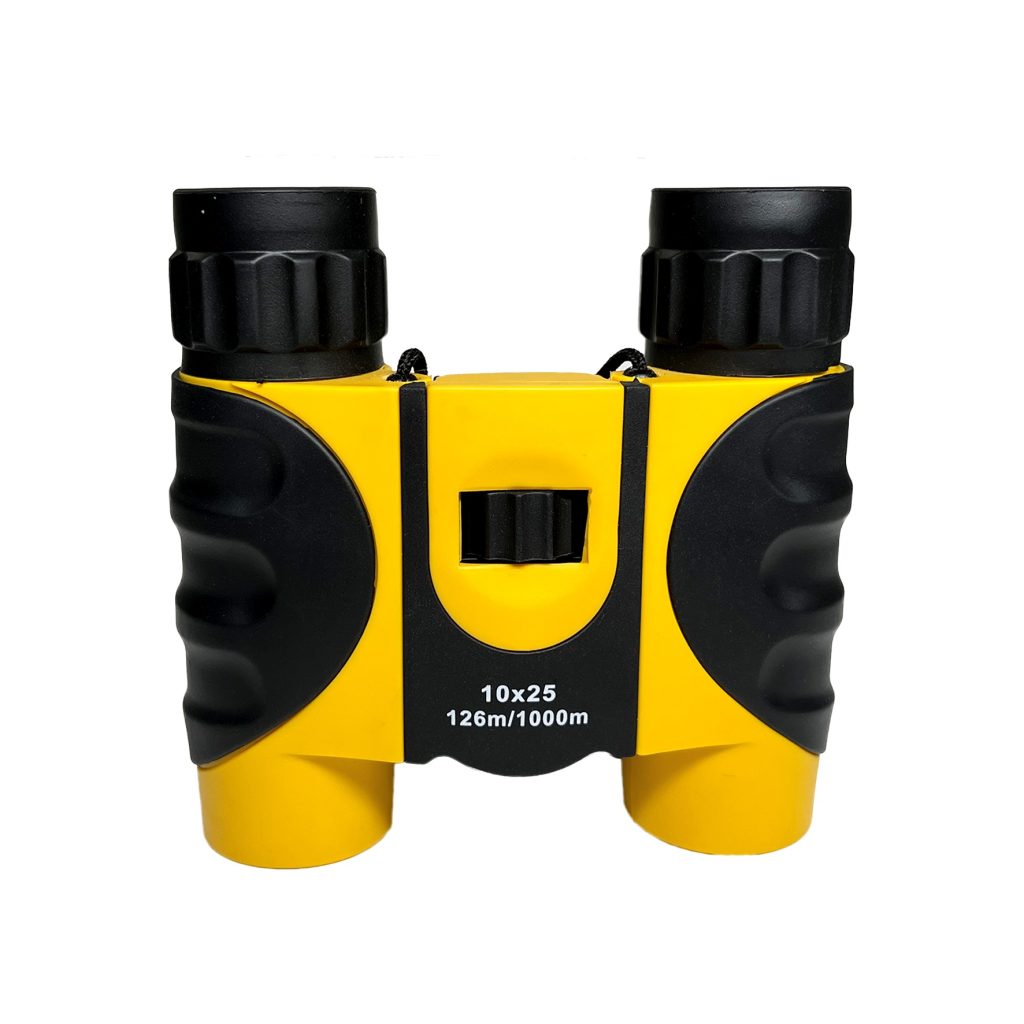
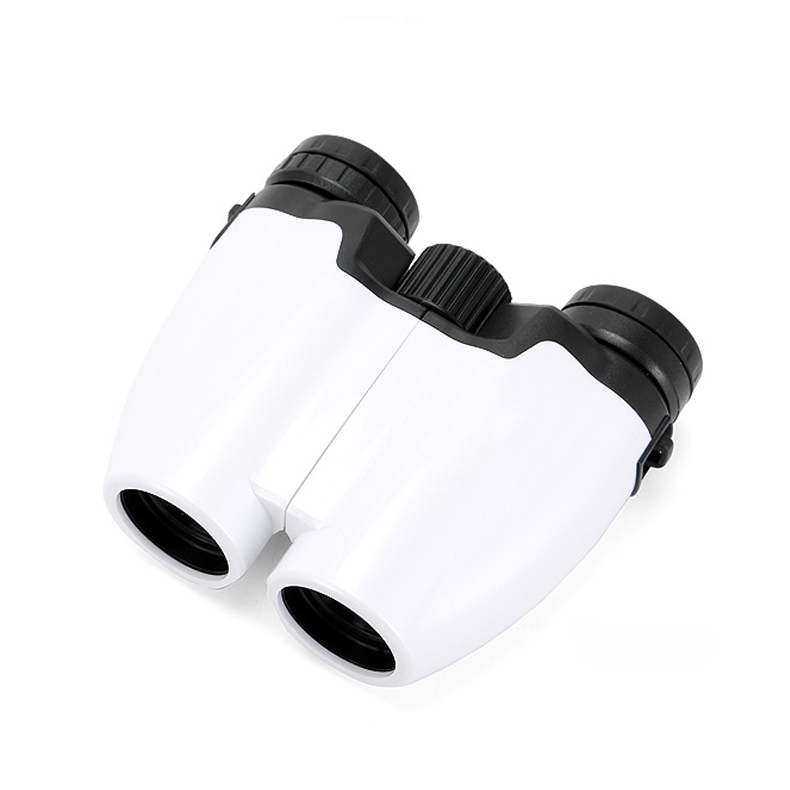
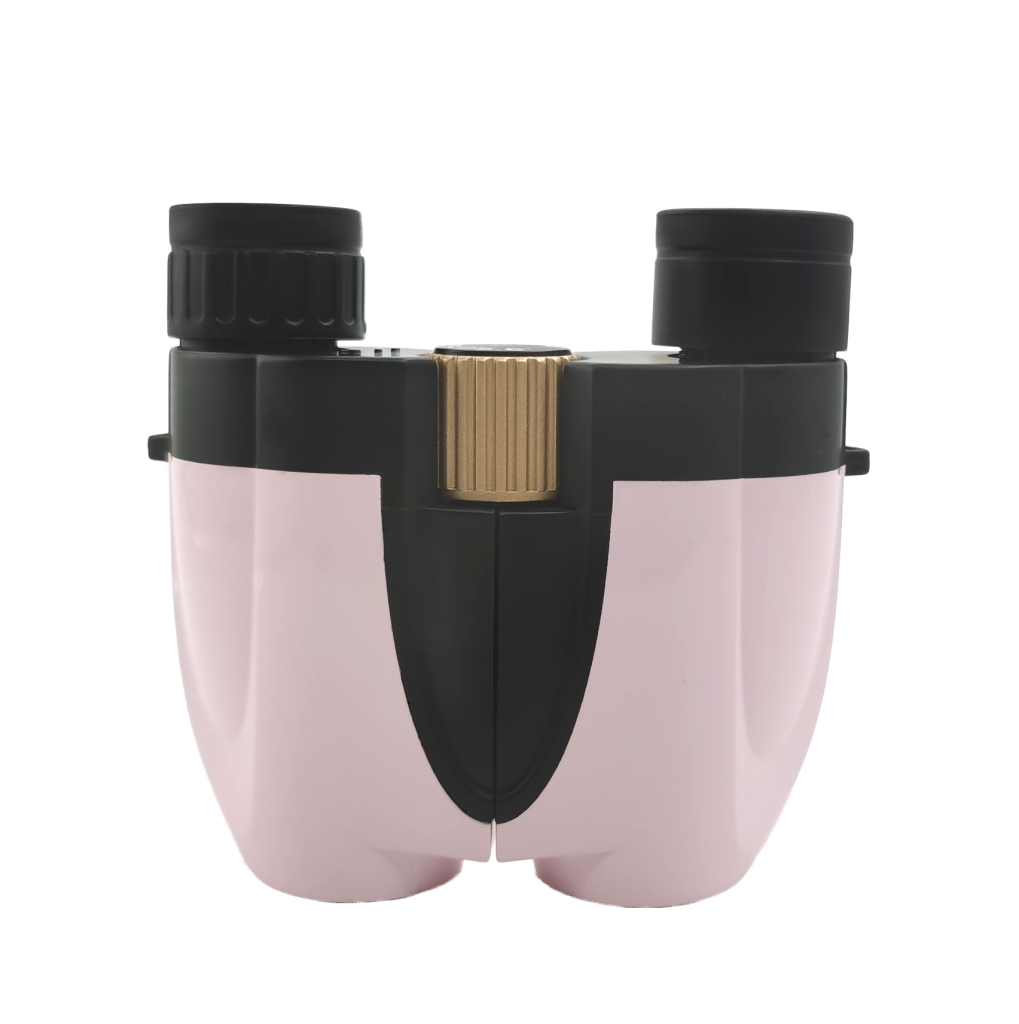
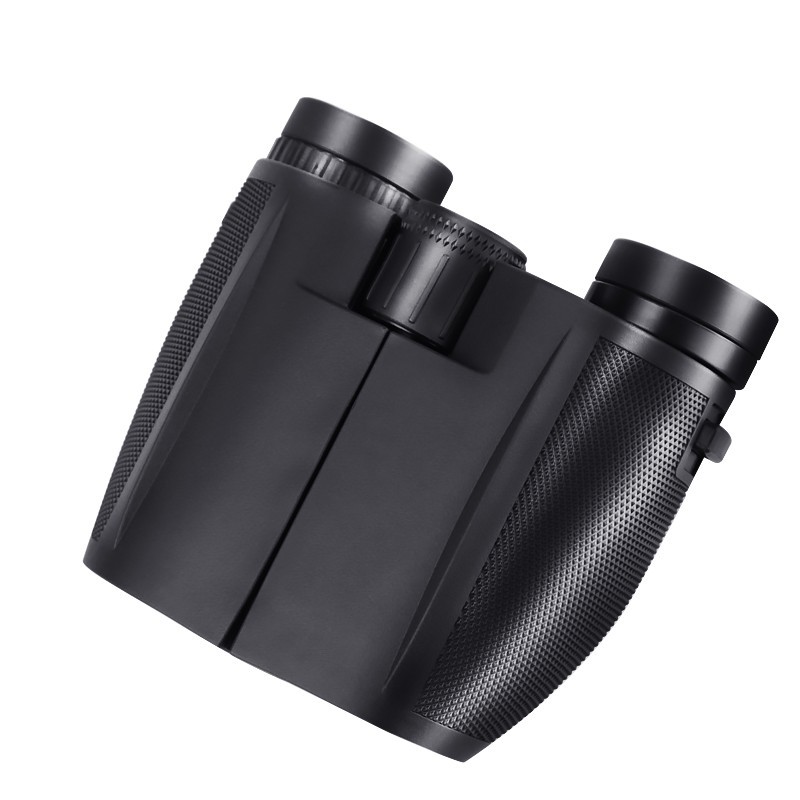
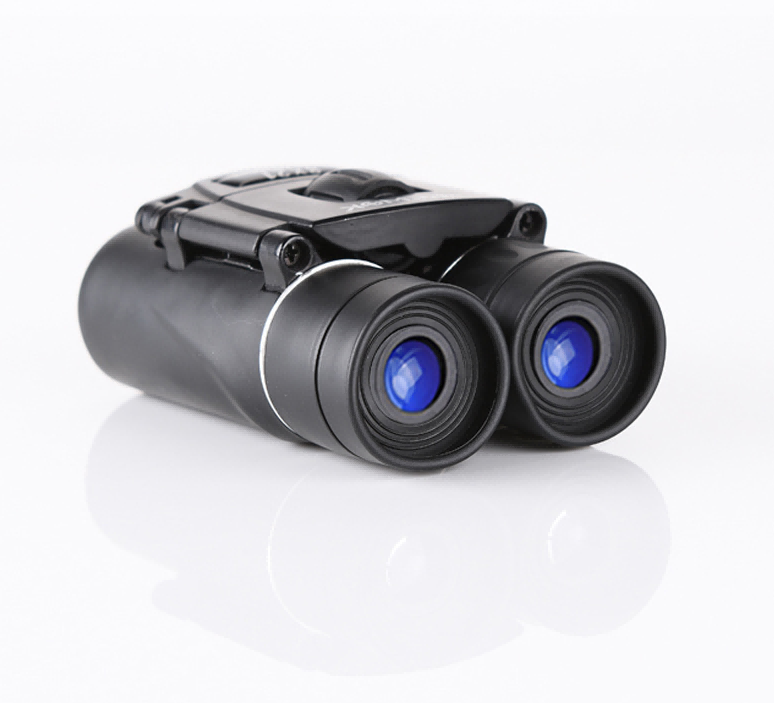
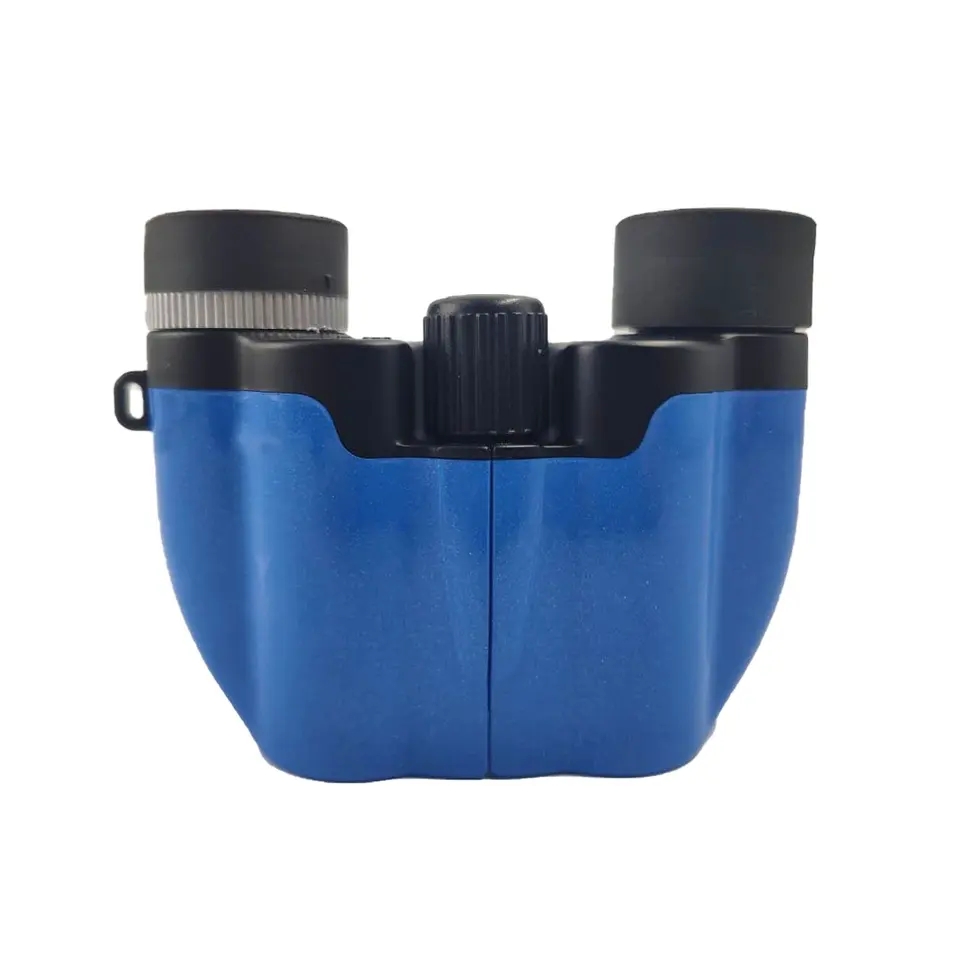
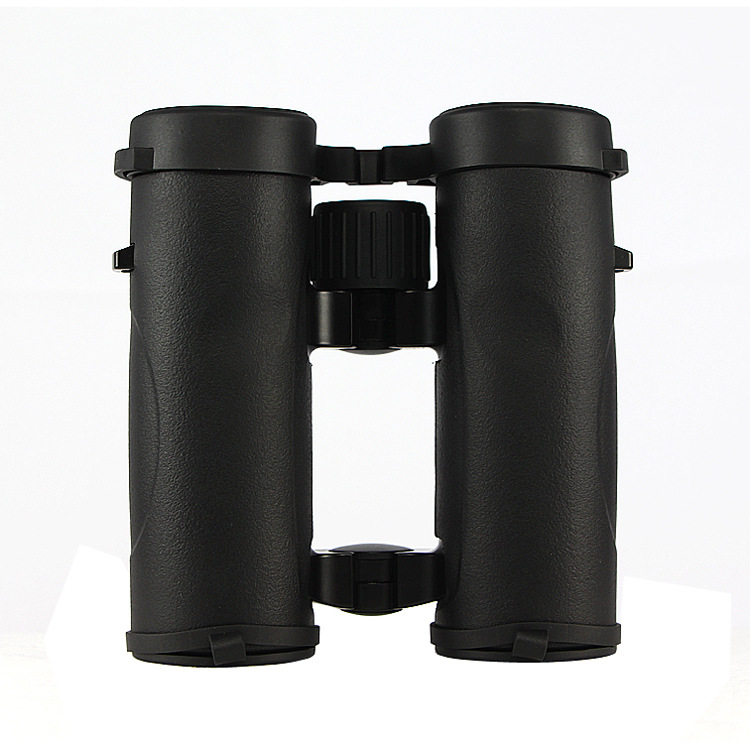
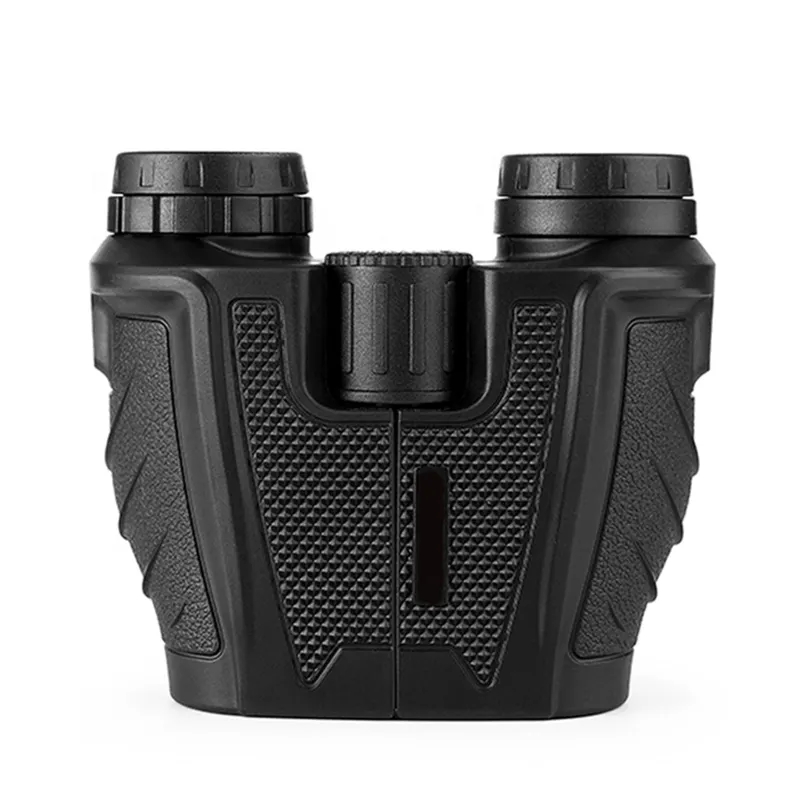
Six Key Areas That Differentiate Birdwatching Binoculars
Field of View: The First Source of Efficiency in Birdwatching
In birdwatching, the most common problem users face is not “not enough magnification,” but “the target is hard to find” or “the target is easy to lose.”
That is why a wide field of view is almost the foundation of efficiency for birdwatching binoculars. For B2B customers, this means that products aimed at the birdwatching market should not build their selling points only around magnification. Field of view needs to be placed much higher in the product definition.
The earlier a brand understands that field of view is efficiency, the easier it becomes to build a product line that is genuinely suitable for birdwatching.
Focusing and Handling: The Real Difference Birdwatchers Feel Most Clearly
When many end users first try a pair of birdwatching binoculars, what they notice first is usually not technical optical terminology. It is whether the focusing feels smooth, whether it is easy to follow the target, and whether the operation feels intuitive.
Because birds move quickly and appear unpredictably, focusing efficiency and handling feel become much more noticeable in real use.
For B2B customers, this means that the differentiation of a birdwatching product can often be felt immediately once the user picks it up. This makes focusing and handling a very effective entry point for product differentiation and end-user education.
Weight and Balance: Frequent Use Turns Small Details Into Reputation
Birdwatching is a high-frequency, long-duration usage scenario. If the binocular is too heavy, poorly balanced, or uncomfortable to hold, that discomfort quickly turns into user fatigue.
For many users, whether they truly accept a pair of birdwatching binoculars does not depend only on whether the image is clear. It also depends on whether they are actually willing to keep holding and using it for a long time.
This means lightweight design is not just a simple material upgrade. It is part of the product route itself.
Comfort and Color Reproduction: What Determines Long-Term Satisfaction
Birdwatchers often spend a long time observing details such as feather color, posture, and behavior. Because of this, eye relief compatibility, long-viewing comfort, natural color reproduction, and edge-to-edge viewing quality all have a direct impact on long-term user satisfaction.
These factors are often underestimated in traditional specification-driven sales. But among birdwatchers, they can be key reasons behind repeat purchases and word-of-mouth recommendations.
Scenario-Based Marketing Instead of Specification-Based Selling
Birdwatching Products Need Scenario-Based Language, Not Just Stacked Specifications
If end users truly care about finding targets faster, watching more comfortably, and tracking movement more smoothly, then brands and channels cannot limit their product communication to magnification, objective lens size, and coating layers.
For B2B customers, this means whether a birdwatching binocular is easy to sell depends not only on the product itself. It also depends on whether you can translate its advantages into language that users can understand and actually feel.
Platform-Based Product Development for B2B Brands
What B2B Customers Really Need Is Scenario Capability, Not Just a Single SKU
From a more upstream perspective, birdwatching demand is pushing B2B customers to move beyond one-time purchasing and toward longer-term product route cooperation.
For brand owners, what they need is not just an existing model. They need a platform that can continue to expand and evolve around the birdwatching market.
In the future, a more competitive supply chain will not simply be one that can produce a single product. It will be one that can translate birdwatching demand into a systematic solution covering specifications, structure, accessories, appearance, and selling-point communication.
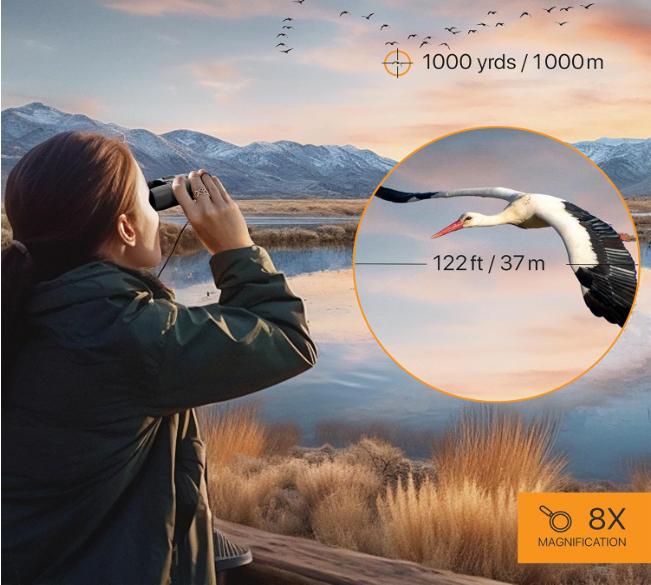
My Overall View
Birdwatching Is Not a Niche Add-On, but an Important Entry Point for the Upgrade of the Binoculars Market
Many B2B customers may initially see birdwatching as just an additional niche market. But from a product development perspective, it is more like an early driving force behind the upgrade of the binocular industry.
This is because birdwatching is one of the scenarios that most clearly exposes the limitations of general-purpose binoculars. It also pushes the industry to return to the real tasks users are trying to complete in the field.
From this perspective, the importance of birdwatching demand is not only that it can contribute a certain share of sales. More importantly, it is changing how the market defines a “good product.”
The earlier a company adapts to this change, the more likely it is to build a first-mover advantage in brand cooperation, channel strategy, and product planning.
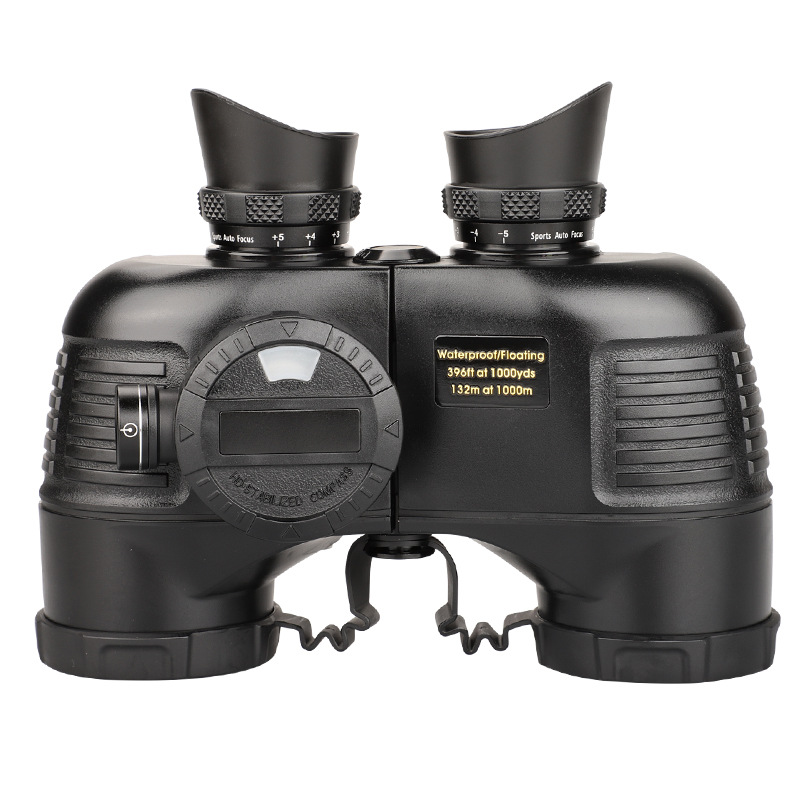
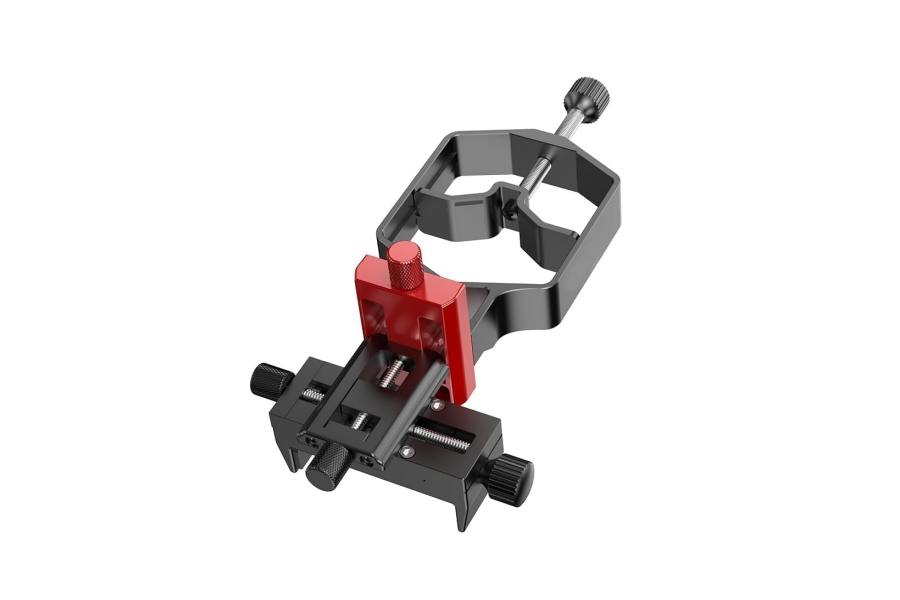
Three Strategic Recommendations for B2B Buyers
First, review and reorganize the existing product line. Make it clear which products are truly designed to serve birdwatching users, and which ones are only loosely covering the category under a general outdoor positioning. The clearer the product route is, the easier it becomes for end users to understand.
Second, deepen cooperation with the supply chain. B2B customers need to move beyond a simple OEM supply mindset and build more scenario-based product development partnerships. In the future, higher-value competitiveness will come from understanding real user scenarios and having the ability to keep improving products over time.
Third, upgrade end-market content and communication. For birdwatching users, simply stacking specifications is no longer enough. Brands and channels need to explain more clearly: why this product is suitable for birdwatching, what problems it solves, and how it differs from other product routes.
Conclusion
When we say birdwatching demand is reshaping the binoculars market, the real point is not that a niche hobby has suddenly become popular. It means the industry is beginning to redefine products around more real, more specific user needs.
For B2B customers, the key is not simply to follow the trend and add a “birdwatching” label to a product. What really matters is understanding the product differentiation logic behind this shift: why users are paying more attention to field of view, focusing, comfort, and lightweight design; why product lines need to become clearer; and why future competition will increasingly depend on scenario-based development capability.
Once this layer is understood, many decisions around product planning and supplier cooperation will become much clearer.