In traditional binocular purchasing, many buyers are used to looking first at magnification, objective lens size, prism material, coating level, and field of view. But in the hiking channel, what really determines whether a product will be used consistently by end users — and purchased repeatedly by distributors — is often not one single optical specification. It is a much more practical, scenario-based question: will users actually want to carry it outdoors?
Hiking users are different from hunters, target shooters, and dedicated birdwatchers. Their gear list is usually longer, backpack space is more limited, physical effort matters more, and usage scenarios are often more spontaneous. For many hikers, binoculars are not the core piece of equipment, but rather an added observation tool that makes the outdoor experience better. So even if a binocular looks strong on paper, if it is too heavy, too bulky, inconvenient to access, or uncomfortable to wear, it may eventually be left at home.
This is why hiking channels are paying more attention to “willingness to carry.” It is not just a marketing phrase. It is a purchasing logic shaped by real user behavior. For outdoor optics brands and manufacturers, the future definition of hiking binoculars should not be built only around traditional specifications. Instead, it should be redefined around lightweight design, portability, durability, ease of use, and real scenario fit.
This article will explore:
- Why do hiking channels place “willingness to carry” before traditional specifications?
- Which product details directly affect whether users are willing to carry binoculars over the long term?
- How should specifications such as 8×32, 8×25, and 10×32 be understood in hiking scenarios?
- How should brands and factories define hiking binoculars in OEM / ODM discussions?
Across different price ranges, how should lightweight design, optical performance, and durability be balanced?
What Does “Willingness to Carry” Mean in Hiking?
“Willingness to carry” does not simply mean that the lighter the product is, the better it will be. It refers to whether users feel a product is worth taking with them when they are making gear choices before heading outdoors — worth the backpack space, the shoulder and neck load, and the attention required during use.
From a channel perspective, a hiking binocular that can improve users’ willingness to carry usually shares several key features:
• Acceptable weight: It does not create an obvious burden during long-distance walking.
• Easy-to-pack size: It can fit easily into a chest pack, side pocket, waist bag, or outer backpack pocket.
• Quick access: When users spot a landscape, animal, or route marker, they can take it out and use it quickly.
• Comfortable to wear: The strap, lanyard, protective case, and overall shape do not interfere with walking movement.
• A rewarding viewing experience: Even though it is lightweight, the clarity, field of view, and stability are still good enough for users to feel that it is “worth carrying.”
In this sense, willingness to carry is essentially a pre-use decision. If the product is rejected by users at this stage, even the best optical specifications will struggle to turn into a real user experience.

Why Traditional Optical Specs Take a Back Seat in Hiking Scenarios
Hikers Build Their Gear List Differently
For hikers, the first priorities are usually footwear, backpacks, clothing, water, food, first aid, navigation, rain protection, and safety gear. Binoculars are usually not an essential item, but an additional tool that enhances the observation experience.
That is why hiking binoculars need to be light enough, compact enough, and easy enough to carry before they can realistically make it onto a user’s gear list.
Higher Specs Often Come With a Higher Carrying Cost
A larger objective lens, higher magnification, or more complex structure often means a bigger body and heavier weight. For hunters or birdwatchers, this trade-off may be acceptable. But for hikers, if the product affects walking comfort, it will directly reduce their willingness to carry it.
Hiking Observations Usually Happen on the Move
Observation during hiking is usually not about setting up in one place and waiting for a long time. More often, users suddenly notice a distant ridge, wildlife, a route marker, a campsite, or a scenic viewpoint — then quickly take out the binoculars, take a look, and put them away again.
This usage pattern makes easy to carry, easy to access, and easy to use more important than simply having high specifications.
Channels Care About Real Repeat-Use Feedback
In the end, hiking channels care about whether the product is used frequently, whether it is easy to recommend, and whether it helps reduce returns and after-sales pressure.
If users buy a pair of binoculars but rarely take them outdoors, the channel’s long-term confidence in that product will naturally decline.
How Hiking Binoculars Are Changing from a Manufacturing Perspective?
In the past, many hiking binoculars were simply regular binoculars made smaller, or low-cost compact models placed into the travel or hiking category. But today, hiking channels are becoming much clearer about what they need from a product.
It is not about making binoculars as small as possible. It is also not about lowering the specifications and price as much as possible. The real challenge is finding a better balance between willingness to carry, basic optical performance, and durability.
From “Cheap Compact Binoculars” to “Lightweight Practical Tools”
In the early entry-level market, compact binoculars were often positioned as low-cost gifts or travel souvenirs. But real hiking users are not simply looking for a toy. They need a practical tool that is lightweight but reliable, clear but not heavy, affordable but not fragile.
From “Spec Display” to “Carry Experience Display”
Traditional product pages usually highlight magnification, objective lens size, coatings, and prism type. Hiking channels, however, need to show more about how the product fits into real outdoor use.
For example, can it fit into a pocket? Can it hang comfortably on the chest? Does it work well with a backpack system? Is it reliable in rainy weather or bumpy trail conditions?
From Single-Product Sales to Scenario-Based Bundles
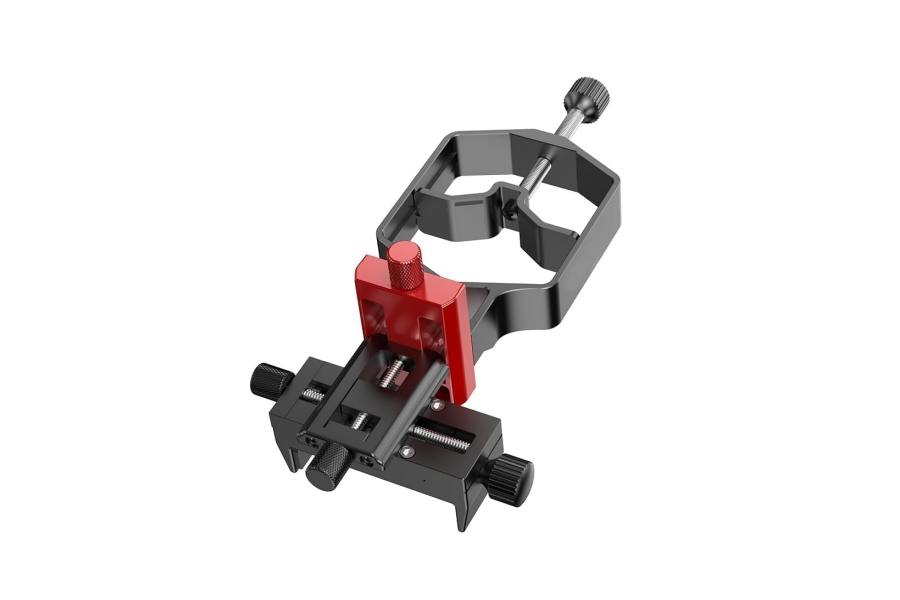
In the future, hiking binoculars should not only be sold as standalone products. They can also be bundled with a compact carrying pouch, quick-release lanyard, lightweight protective case, waterproof storage bag, phone adapter, or even a route observation guide.
This helps create a more complete outdoor-use solution, rather than just selling another pair of compact binoculars.
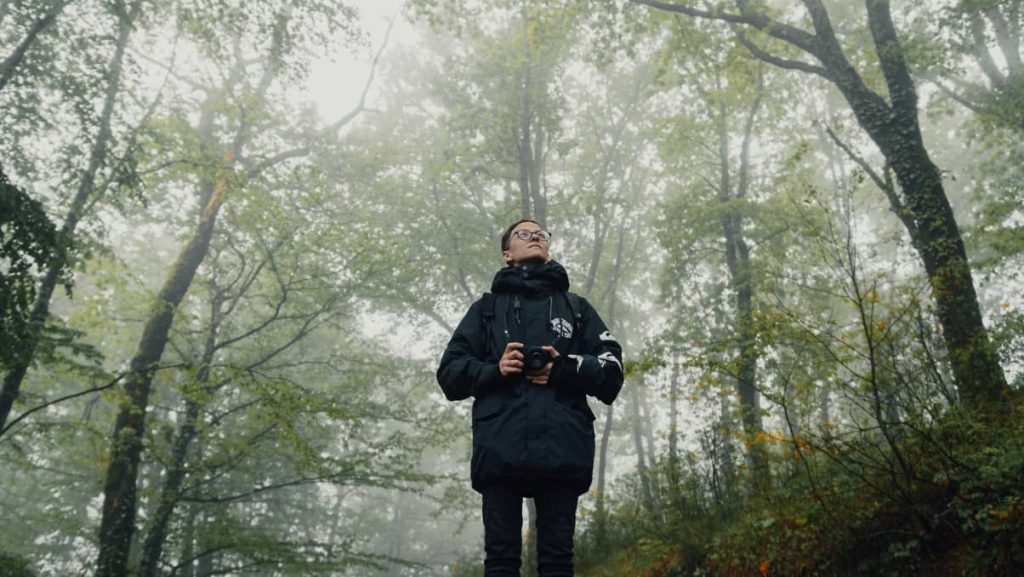
Five Questions Hiking Brands Should Answer Before Defining a Product
Before defining a hiking binocular, brands should first answer five key questions:
• Is the target user a casual hiker, a long-distance trekker, or a general outdoor user who also enjoys travel and nature observation?
• Where will users mainly carry the binoculars — in a backpack side pocket, chest pack, clothing pocket, waist bag, or on a neck strap?
• What will users most often observe — mountain views, routes, birds, wildlife, campsites, landmarks, or the broader natural environment?
• Does the target price range allow for better coatings, structural sealing, lightweight materials, and a more complete accessory system?
• Does the brand want to focus on “ultra-light portability,” or on “lightweight durability with a real optical experience”?
These five questions show that product definition should not begin with a specification sheet. It should begin with how users carry the product and how they actually observe outdoors.
Otherwise, it is easy to create a product that looks balanced on paper, but is not something users truly want to take with them on the trail.
Five Key Factors That Influence Willingness to Carry
- Weight and Size
Weight is the most direct factor, but size is just as important. A product may not be very heavy, but if its shape is bulky or difficult to pack, it can still reduce users’ willingness to carry it.
- Grip and Quick Access
Hikers may often be wearing gloves, carrying a backpack, holding trekking poles, or using a camera. Binoculars need to be easy to take out, quick to raise, and simple to focus. They should not add extra friction through small or inconvenient operating details.
- Protection and Weather Resistance
In hiking environments, binoculars may face rain, sweat, dust, accidental drops, and pressure inside a backpack. Lightweight design should not come at the obvious cost of durability.
- Basic Optical Experience
Compact binoculars do not need to chase extreme optical specifications, but they still need to deliver good center sharpness, a sufficient field of view, acceptable color reproduction, and comfortable eye relief.
Otherwise, even if users are willing to carry them, they may not be willing to use them again and again.
- Accessories and Carrying System
A well-designed soft pouch, quick-access lanyard, chest-carry solution, or waterproof storage bag can often do more to improve willingness to carry than simply adding another specification to the product sheet.

Which Binocular Specification Is Best for Hiking?
| Product Specification | Core Advantage | Possible Limitation | Best-Fit Hiking Positioning |
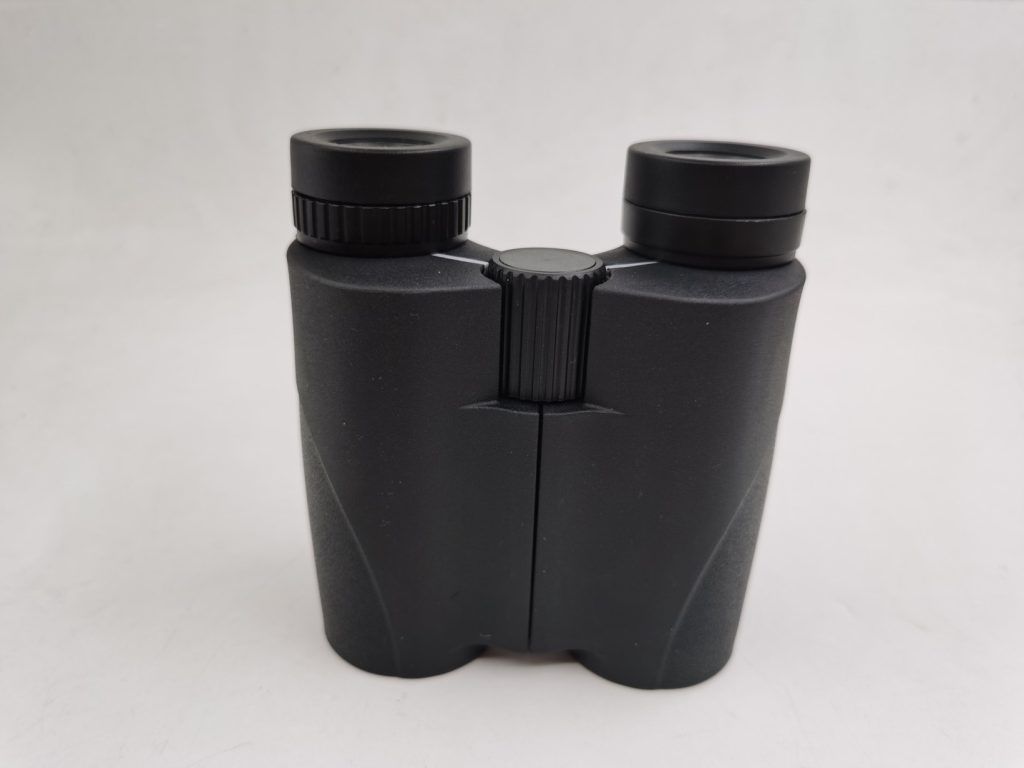
| 8×25 / 10×25 | Extremely lightweight, easy to pack, and easier to control in price | Limited low-light performance and handheld stability | Travel, casual hiking, and backup observation tool |
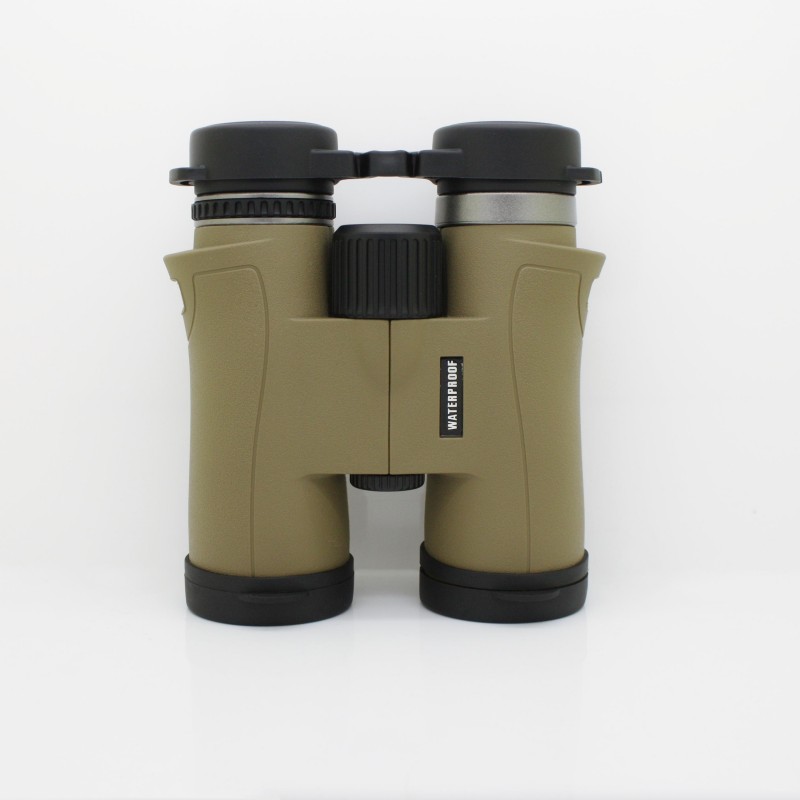
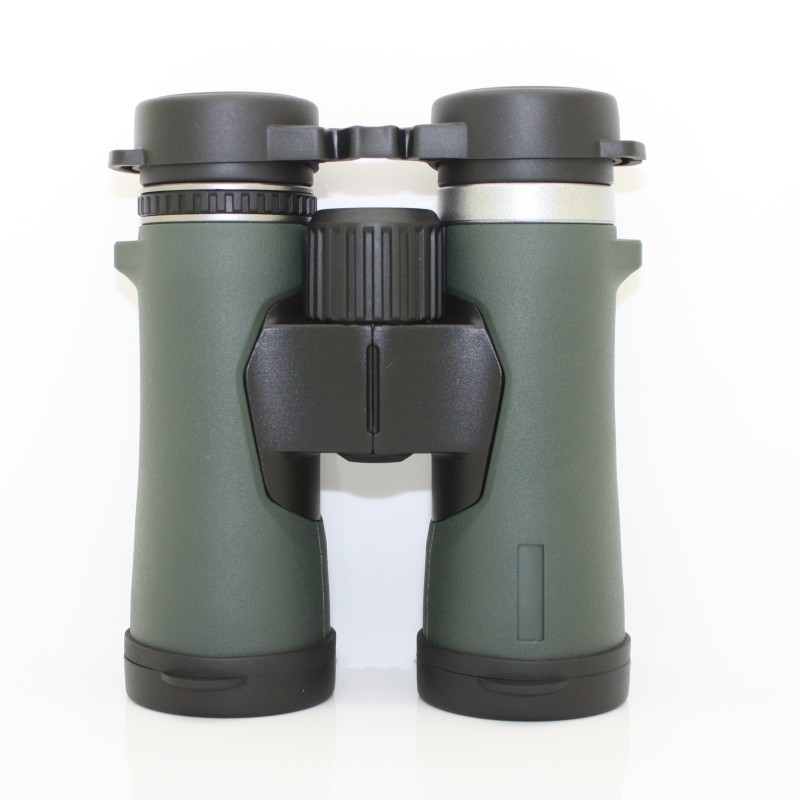
| 8×30 / 8×32 | Better balance between field of view, stability, and weight | Slightly larger than pocket-size models | Main hiking model, nature observation, and general outdoor use |
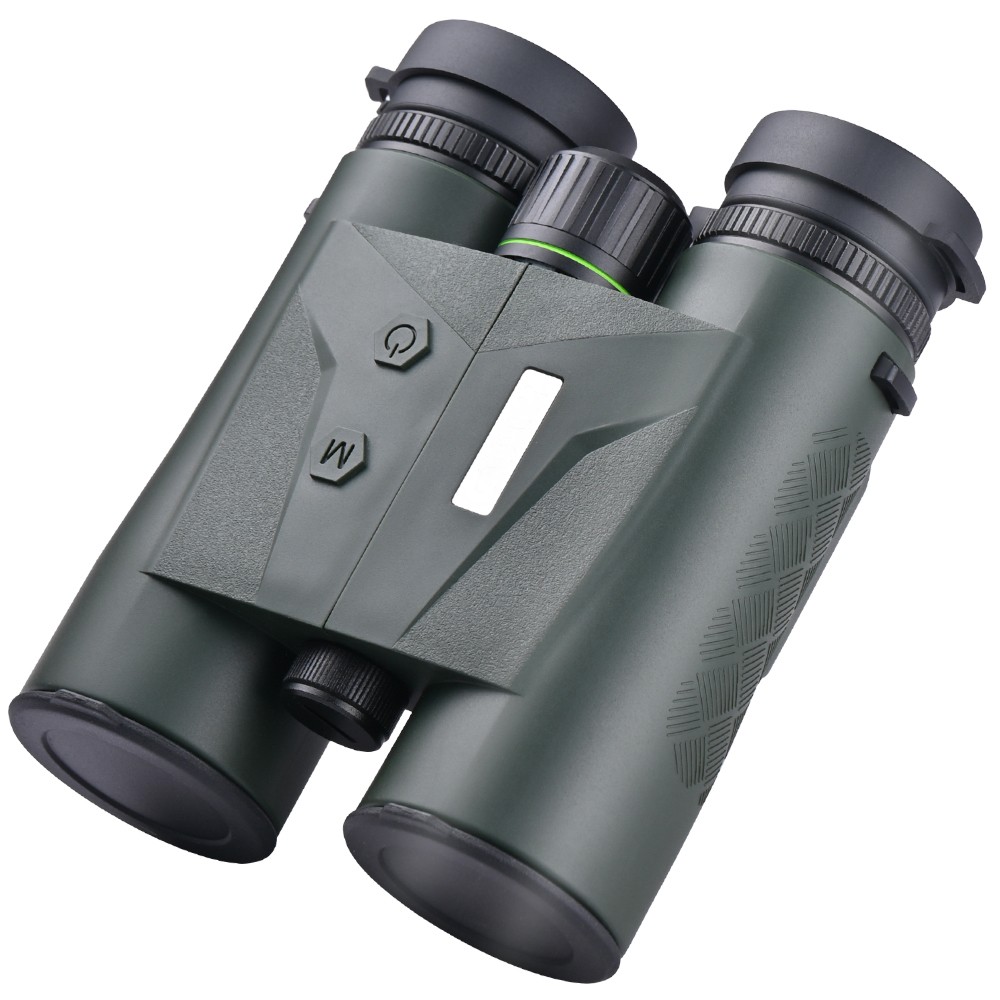
| 10×32 | Stronger long-distance observation capability | Requires better handheld stability | Mountain hiking, open-area observation, and more experienced users |
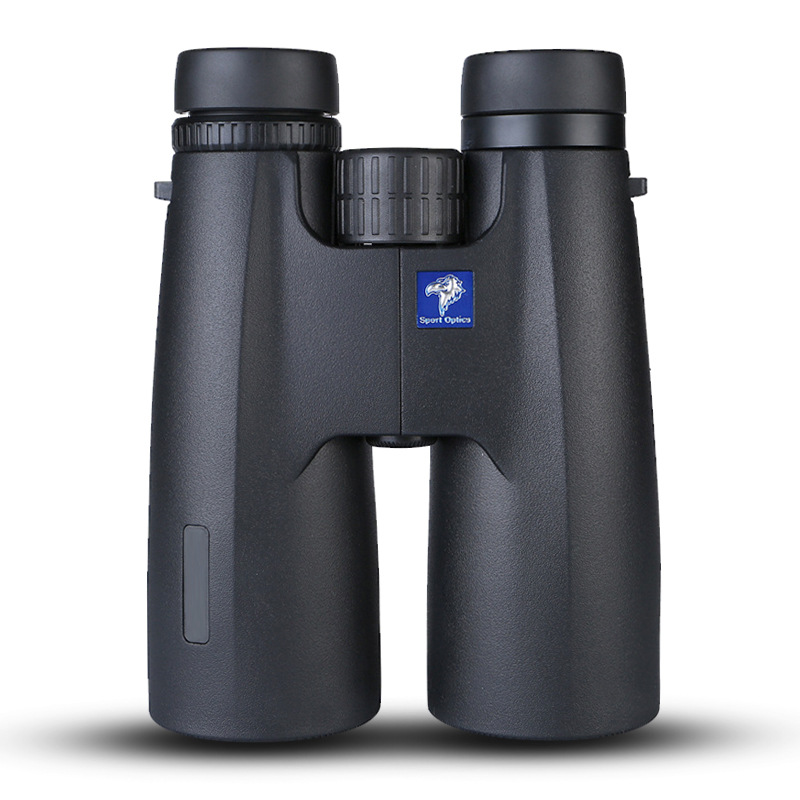
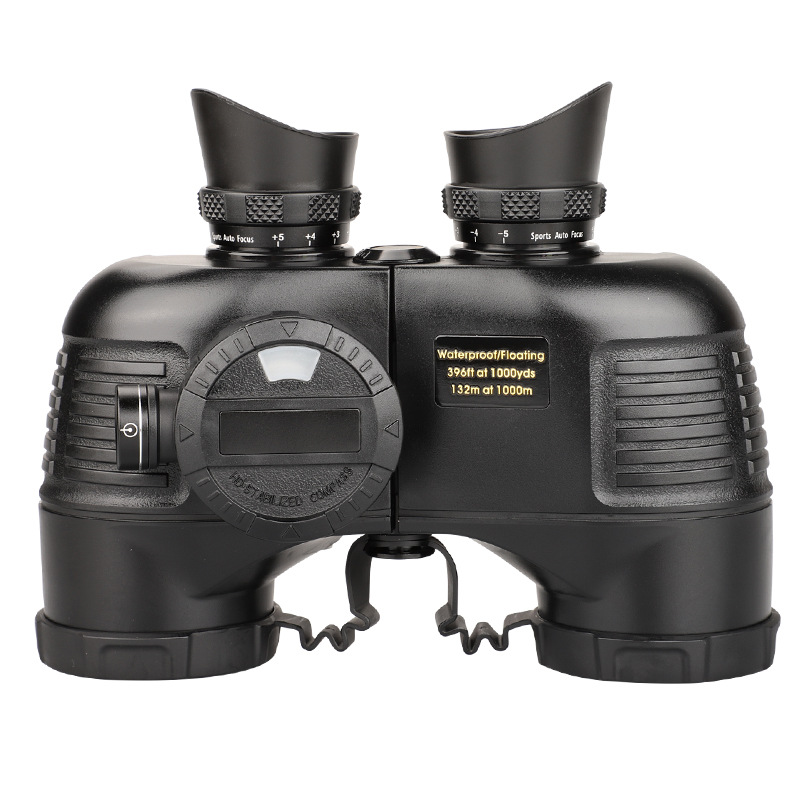
| 8×42 | Better low-light performance and viewing comfort | More noticeable weight and size pressure | Heavy-duty hiking, campsite observation, and users who care more about image quality |
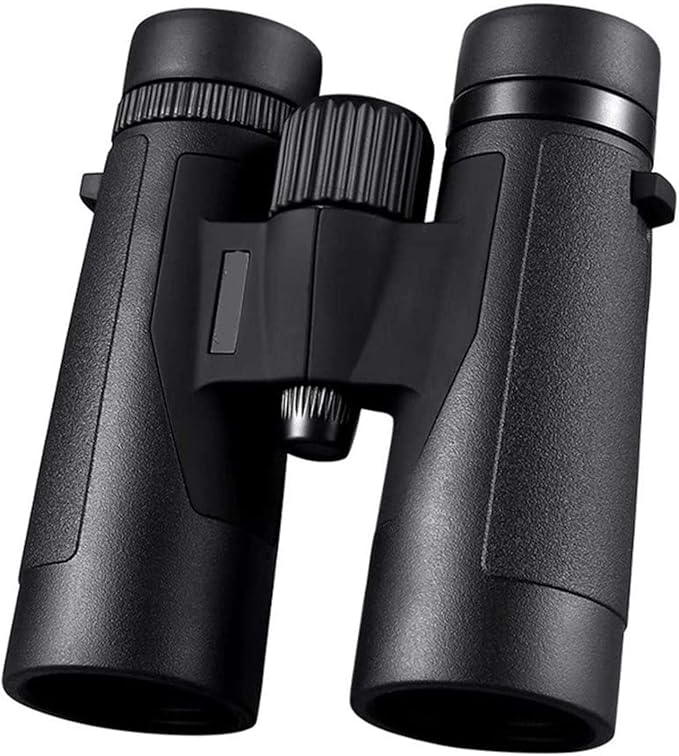
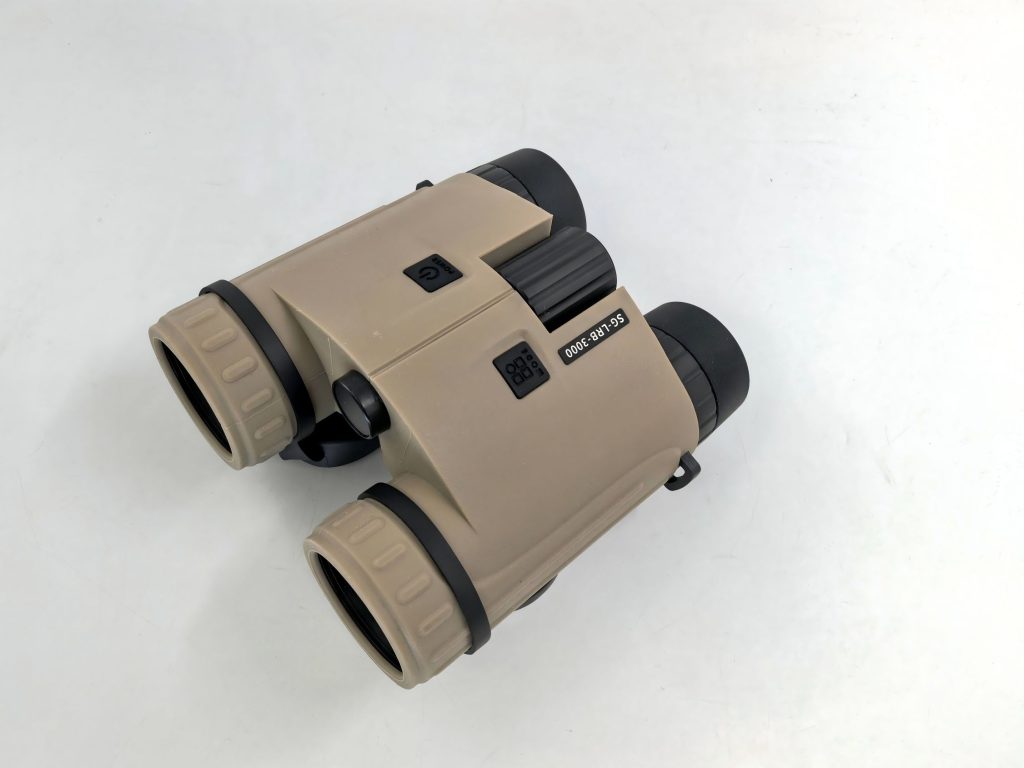
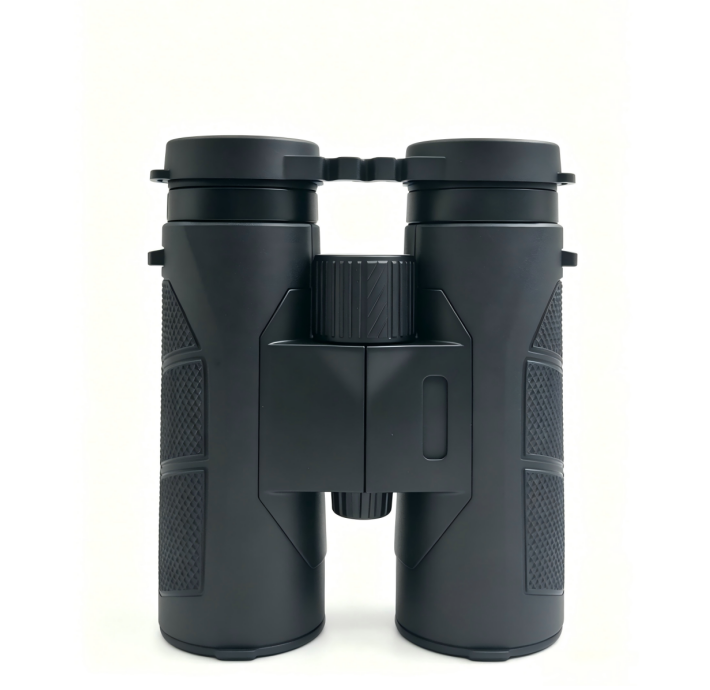
From a hiking channel perspective, 8×30 / 8×32 is often a more important balanced specification. It offers a more real and comfortable viewing experience than pocket-size models, while still being much easier for users to carry outdoors than 42mm-class binoculars.
Why Hiking Brands Need a Product Line Instead of One Best Seller
Hiking users are not one single, uniform group. Casual hiking, urban trail routes, long-distance trekking, campsite observation, nature education, and outdoor travel all create different needs for binoculars. If a channel relies on only one model, it will be difficult to cover all user types effectively.
• Entry-level compact model: Focuses on low entry cost, easy carrying, and suitability for gifts or travel add-on sales.
• Mid-range core model: Focuses on balanced specifications such as 8×30 / 8×32, combining willingness to carry with a real optical experience.
• Advanced durable model: Focuses on stronger waterproofing, fog-proof performance, coatings, structural strength, and a better accessory system.
• High-end lightweight model: Focuses on lightweight materials, premium glass, comfortable eye relief, and stronger brand image.
This layered product line approach helps channels guide different users toward the right product, instead of simply separating products by magnification or price.
What Development Opportunities Still Exist in the Hiking Binocular Market?
Lightweight Structure and Material Optimization
Factories can optimize hiking binoculars through lightweight body structures, compact hinges, thinner-wall designs, adjusted rubber armor thickness, and improved internal support structures. The goal is to reduce overall weight without clearly sacrificing durability.
Carrying Accessories Designed for Hiking
Compared with traditional neck straps, hiking users may need more practical carrying solutions, such as quick-access lanyards, chest-carry straps, waterproof soft pouches, waist bag compatibility, or even one-hand access solutions for users carrying trekking poles.
More Reliable Protection Systems
In hiking environments, waterproofing, fog-proof performance, dust resistance, sweat resistance, drop resistance, and wear-resistant housing are all important. If a lightweight product feels fragile, it will be difficult to build long-term user trust.
More User-Friendly Close-Focus Performance
Hikers do not only observe distant mountain views. They may also look at plants, insects, birds, route markers, and terrain details. A better close-focus distance and smoother focusing experience can help increase how often the product is actually used.
Scenario-Based Packaging and Content Support
Channels can combine binoculars with hiking observation guides, nature education cards, and outdoor storage solutions. In this way, binoculars are no longer just a piece of hardware — they become part of the overall hiking experience.
How Should Products Be Balanced Across Different Price Ranges?
| Price Range | Key Selling Points to Emphasize | Product Definition Suggestion |
| Entry Level | Lightweight, easy to buy, and basic clarity | Avoid over-promoting high specifications. Focus on basic usability and low after-sales pressure. |
| Mid-Range Mainstream | Willingness to carry, optical experience, and durability | Position it as the core hiking model, suitable for long-term channel sales. |
| High-End Lightweight | Lightweight materials, premium image quality, and refined structure | Target frequent hikers and nature observation users while building a stronger brand image. |
The mid-range mainstream price segment is the most worth focusing on. Users in this segment still care about price, but they can also clearly feel the difference in carrying comfort, structural details, and optical performance.
What Should Brands and Factories Confirm When Discussing Hiking Binoculars?
When brands and factories discuss hiking binoculars, they should focus on confirming the following points:
• Target user intensity: Is the product designed for casual hiking, daily travel, long-distance trekking, or campsite observation?
• Target carrying method: Will users mainly carry it in a pocket, on the chest, in a backpack side pocket, in a waist bag, or on a neck strap?
• Acceptable weight range: The goal is not simply to make the product as light as possible, but to balance weight with durability and optical experience.
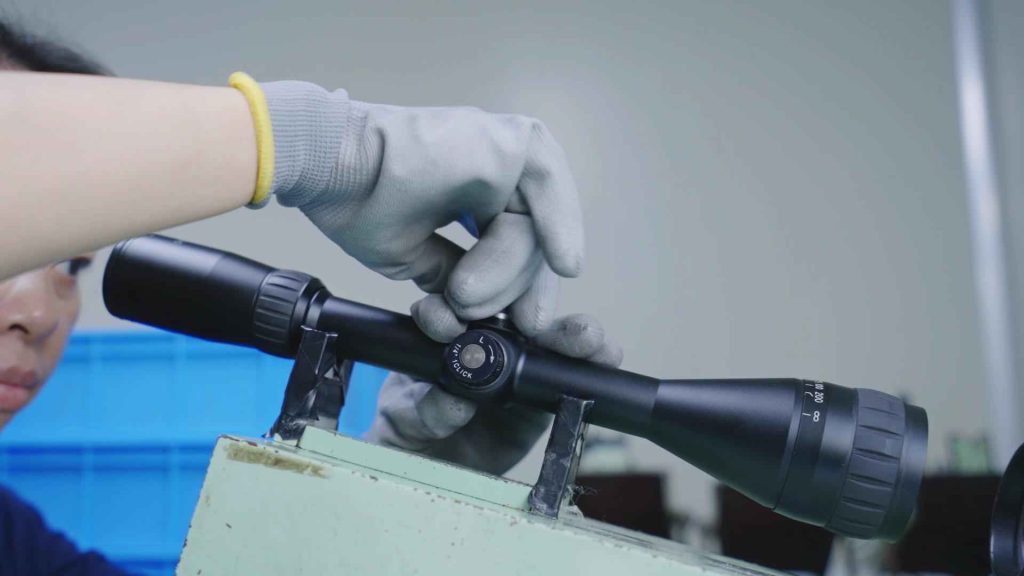
• Clear protection standards: Does the product need defined testing standards for waterproofing, fog-proof performance, wear resistance, drop resistance, and other protection requirements?
• Accessory system: Are accessories part of the product definition from the beginning, rather than something added casually at the end?
• Product line structure: Can the product line be clearly segmented into entry-level, mid-range, and high-end models?
From a manufacturing perspective, if a brand only provides magnification, objective lens size, and target price at the beginning, it is difficult for the factory to judge whether the product is truly suitable for hiking channels.
A better approach is to first define the carrying method, user scenario, and channel positioning, and then work backward to determine the right specifications and structure.

Conclusion: From Spec Advantage to Easy-to-Carry Binoculars
Why do hiking channels care more about “willingness to carry” than just traditional optical specifications? The reason is simple: in hiking scenarios, a product can only create real value when users are willing to take it outdoors. Traditional specifications define what a pair of binoculars can theoretically do, but willingness to carry determines whether it will actually be used.
In the future, competition in hiking binoculars will not only be about magnification, objective lens size, and coatings. It will increasingly focus on lightweight design, packing convenience, quick access, weather-resistant structure, accessory systems, and long-term carrying comfort.
For brands and channels, the real opportunity is to turn binoculars from an “optional accessory” into an observation tool that hikers are willing to carry again and again. For factories, the earlier they understand this purchasing logic, the better chance they have to take the lead as the hiking optics market becomes more clearly segmented.
Frequently Asked Questions
Q: Are lighter hiking binoculars always better?
A: Not necessarily. Lightweight design is important, but if it comes at the cost of grip, durability, and basic image quality, it may actually reduce long-term user satisfaction.
Q: Which is better for hiking, 8×25 or 8×32?
A: 8×25 is better for maximum portability and as a backup option for travel. 8×32 is more suitable as a main hiking binocular because it offers a better balance of field of view, stability, and optical experience.
Q: Do hiking users still care about ED glass?
A: Yes, but ED glass is usually not the first priority. Hiking channels often focus first on weight, size, durability, and ease of use before considering upgraded optical configurations.
Q: Why do accessories affect channel purchasing decisions?
A: Because accessories directly influence how easy the product is to carry and access. A well-designed carrying system may increase user frequency more effectively than simply improving one specification.
Q: What do factories most often overlook when developing hiking binoculars?
A: They often overlook the real carrying scenario. If a product only works on the specification sheet but does not consider backpacks, lanyards, waterproof storage, one-hand access, and long-term wearing comfort, it will be difficult to make it truly suitable for hiking channels.