In the outdoor optics market, hiking used to be seen as a fairly basic application — something lightweight, portable, and “good enough” was often considered sufficient. But as more people get into hiking, camping, birdwatching, nature observation, and lightweight travel, the expectations for binoculars in hiking scenarios are becoming much more specific.
Today’s hiking users are not only looking for binoculars that are compact and easy to carry. They also want products that are durable enough for real outdoor conditions, clear enough for long-distance viewing, and comfortable enough for frequent use on the trail.
This shift is reshaping how the outdoor optics market is segmented.
In the past, a small 8×21 or 10×25 binocular could cover most “travel and portability” needs. Now, users are making clearer distinctions between different outdoor scenarios: short day hikes, long-distance trekking, mountain travel, forest birdwatching, family outdoor activities, professional nature observation, and even support for photography or content creation.
Behind each use case, the requirements for weight, structure, protection, field of view, eye relief comfort, and price range can be very different.
For brands and manufacturers, this means hiking binoculars are no longer just “smaller versions” of standard binoculars. Truly competitive products need to find a better balance between portability, durability, optical performance, and long-term user experience.
This article will explore several key questions:
- Why are hiking users upgrading their expectations?
- From portability to durability, which product specifications are changing purchasing decisions?
- How should binocular products be segmented for different hiking scenarios?
- What problems should manufacturers prioritize when developing hiking binoculars?
- How can brands capture new opportunities in the lightweight outdoor optics market through smarter product planning?
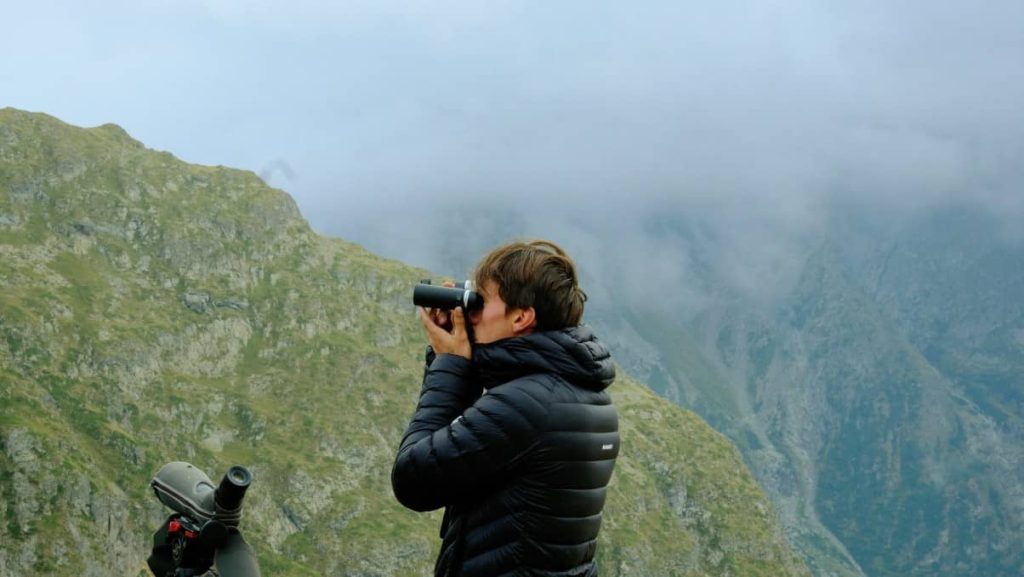
The Definition of Hiking Binoculars Is Changing
From a manufacturing perspective, hiking binoculars are not simply smaller versions of standard binoculars. Their design needs to be redefined around walking, carrying weight, quick observation, and reliable outdoor performance.
They are different from traditional hunting binoculars, professional birdwatching binoculars, and large spotting optics.
What makes hiking scenarios unique is that users are moving most of the time. Their observation behavior is often short, frequent, and spontaneous. They may use binoculars to check a distant route from a mountain ridge, look for birds or wildlife in the forest, judge terrain in high-altitude areas, or simply enjoy a richer visual experience while traveling.
Because of this, the product definition of hiking binoculars should answer three key questions:
- Are they light enough for users to carry all day?
- Are they durable enough to handle sweat, rain, dust, bumps, and temperature changes?
- Are they easy enough to use for quick viewing, fast focusing, stable observation, and a clear image?
Why “Portability” Is Becoming a System-Level Capability
2.1 Lightweight Does Not Simply Mean Small, and Small Does Not Always Mean Easy to Use
Many brands tend to equate “lightweight design” with a smaller body and lower weight. But real hiking scenarios are more complicated than that.
If the binocular body is too small, users may face problems such as unstable grip, uncomfortable interpupillary distance adjustment, limited eye-position tolerance, and weaker low-light performance. For users, true portability is not about making the product as small as possible. It is about making it easy to carry without becoming tiring, and easy to use without feeling awkward.
2.2 Portability Also Includes Carrying Method and Access Efficiency
Hiking users do not want to dig through the bottom of a backpack every time they want to observe something.
Neck straps, chest harness systems, protective cases, magnetic buckles, quick-access pouches, and anti-slip housing designs can all affect whether a binocular is actually used frequently in the field. If manufacturers only focus on the bare unit weight while ignoring the carrying system, the overall user experience will remain incomplete.
2.3 Portability Must Be Designed Together with Durability
If lightweight design comes at the cost of structural strength, waterproof performance, fog resistance, or drop protection, it will be difficult for the product to build a strong long-term reputation.
Hiking users may not face strong recoil like hunting users do, but they do deal with backpack compression, knocks against rocks, rain and fog, sweat, mud, dust, and temperature changes. All of these conditions require binoculars to provide a basic level of outdoor reliability.
Three Behavioral Changes of Hiking Users
Change 1: Users Are Paying More Attention to Whether They Will Actually Carry the Product Long Term
In hiking scenarios, whether a piece of gear gets purchased does not depend only on its specifications. It also depends on whether users are truly willing to take it with them again and again.
Weight, size, housing texture, storage method, and accessory design all affect the user’s real willingness to carry the product in the field.
Change 2: Users Are Looking for Better Clarity in Lightweight Designs
In the past, compact binoculars were often seen as products that only needed to be “good enough.” But today’s users are starting to compare field of view, image brightness, edge clarity, and low-light performance even within the same compact size range.
This becomes especially important in forests, at dusk, or in shaded environments, where low-quality compact binoculars can quickly show their limitations.
Change 3: Users Are Paying More Attention to Reliable Durability and Protection
The hiking gear market itself places strong value on durability. If a binocular cannot provide basic waterproofing, fog resistance, anti-slip handling, and protection against minor impacts, it will be difficult for the product to enter more professional outdoor retail channels.
For hiking users, durability is no longer just an added feature. It is becoming part of the basic expectation.
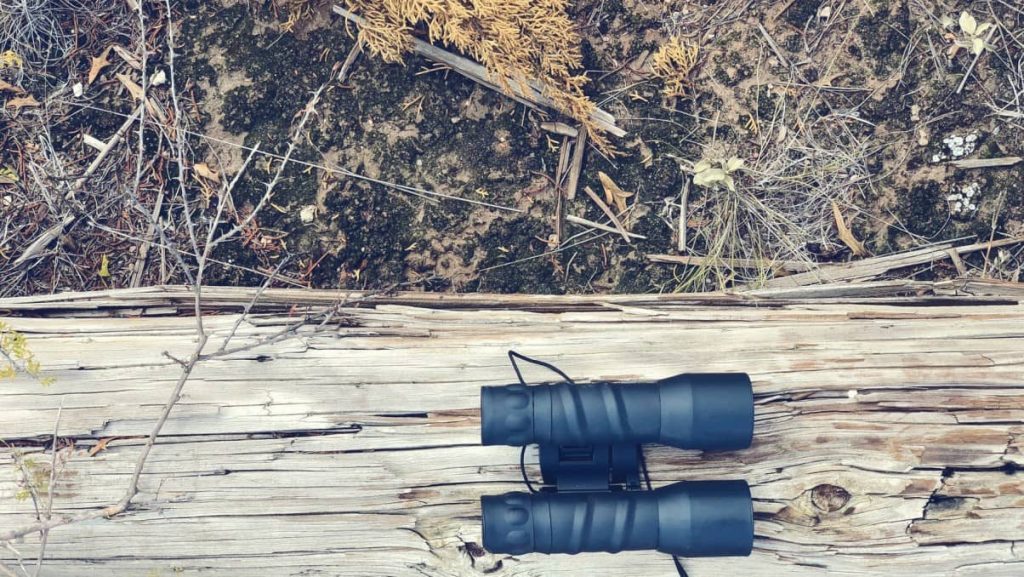
Manufacturing Perspective – Key Questions Before Product Design
Before deciding on specifications, manufacturers should first answer five key questions:
- Is the target user a casual day-trip user or a long-distance trekking user? Different users have very different tolerance levels for weight and durability.
- Will the product mainly be used in mountains, forests, wetlands, coastal areas, or general outdoor environments? Different environments will determine the priority of protection, field of view, and low-light performance.
- Is the product positioned as an entry-level compact model, a mainstream lightweight model, or a premium lightweight and durable model? This will affect the choice of glass, coatings, body material, and accessory configuration.
- Will users observe only occasionally, or will they use the binoculars frequently during the trip? This will influence eyepiece comfort, focusing feel, and grip design.
- Does the brand want to sell a single product, or build a complete hiking optics product line? If it is a product line, then clear segmentation and scenario-based roles are needed.
Once these questions are answered clearly, specification selection becomes much more efficient.
Otherwise, the product can easily fall into one of two common problems: it may look lightweight but deliver an incomplete user experience, or it may have decent specifications but still fail to become something hiking users actually want to carry.
In Hiking Scenarios, Products Should Be Evaluated Across Five Dimensions
Weight and Size
Weight and size are the first entry points for hiking products, but they should not be the only standards. A reasonable weight needs to be evaluated together with grip comfort, exit pupil, objective lens size, and structural strength.
Optical Usability
Optical usability includes center sharpness, field of view, color reproduction, low-light performance, and edge control.
Hiking users may not always demand extreme optical performance, but the viewing experience should never feel obviously uncomfortable or tiring.
Structural Durability
Structural durability includes anti-slip housing, stable hinges, waterproof and fog-proof performance, eyecup lifespan, focusing wheel damping, and the binocular body’s ability to withstand minor impacts.
Fast and Easy Operation
Observation during hiking is usually quick and temporary. Users often raise the binoculars for a short look and then keep moving.
Because of this, focusing speed, grip position, one-handed access, and the strap system all play an important role in the actual user experience.
Accessories and Storage System
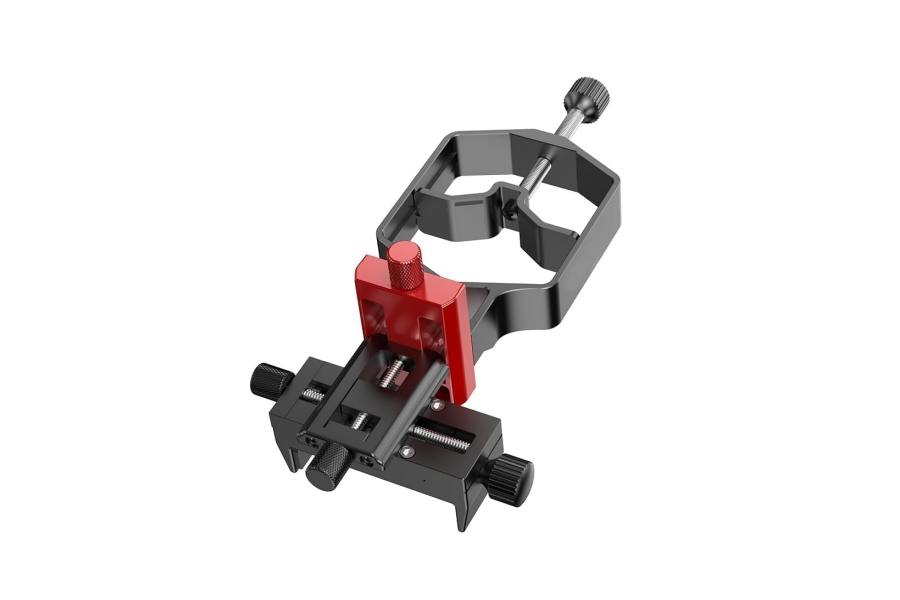
Chest harnesses, soft cases, lens caps, rain covers, quick-access storage, and smartphone photography adapters can all become part of the product’s differentiation in hiking scenarios.

What Product Routes Should Match Different Hiking Scenarios?
| Scenario Type | User Priorities | Recommended Specification Direction | Product Definition Focus |
| Short trips / urban outskirts | Lightweight, easy to use, price-friendly | 8×21 / 10×25 | Compact size, easy storage, basic image clarity |
| Long-distance trekking / mountain hiking | Weight control, durability, waterproof performance | 8×32 / 10×32 | Balance between lightweight design and stable observation |
| Forest observation / light birdwatching | Field of view, low-light performance, fast target searching | 8×32 / lightweight 8×42 | Wide field of view, comfortable exit pupil, smooth focusing |
| Family outdoor activities / entry-level nature observation | Safety, easy operation, drop resistance | 6×30 / 8×30 | Stable low-magnification viewing, durable structure, simple operation |
| Premium lightweight outdoor use | Image quality, materials, long-term user experience | 8×32 ED / 10×32 ED | High-quality optics combined with a lightweight structure |
As we can see, the hiking optics market is not limited to a single price range.
It is evolving from basic compact portability into a more layered structure, including entry-level portable models, mainstream lightweight products, rugged outdoor options, and premium lightweight binoculars.
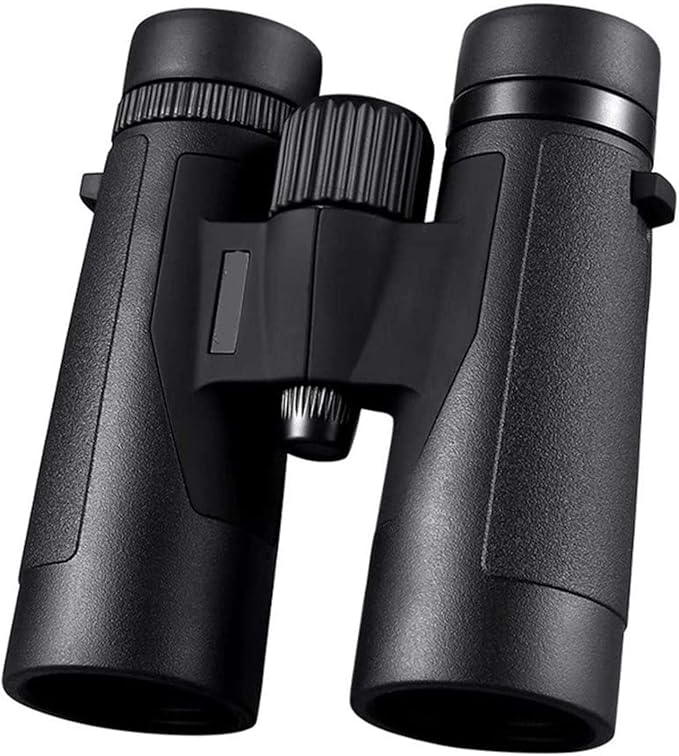
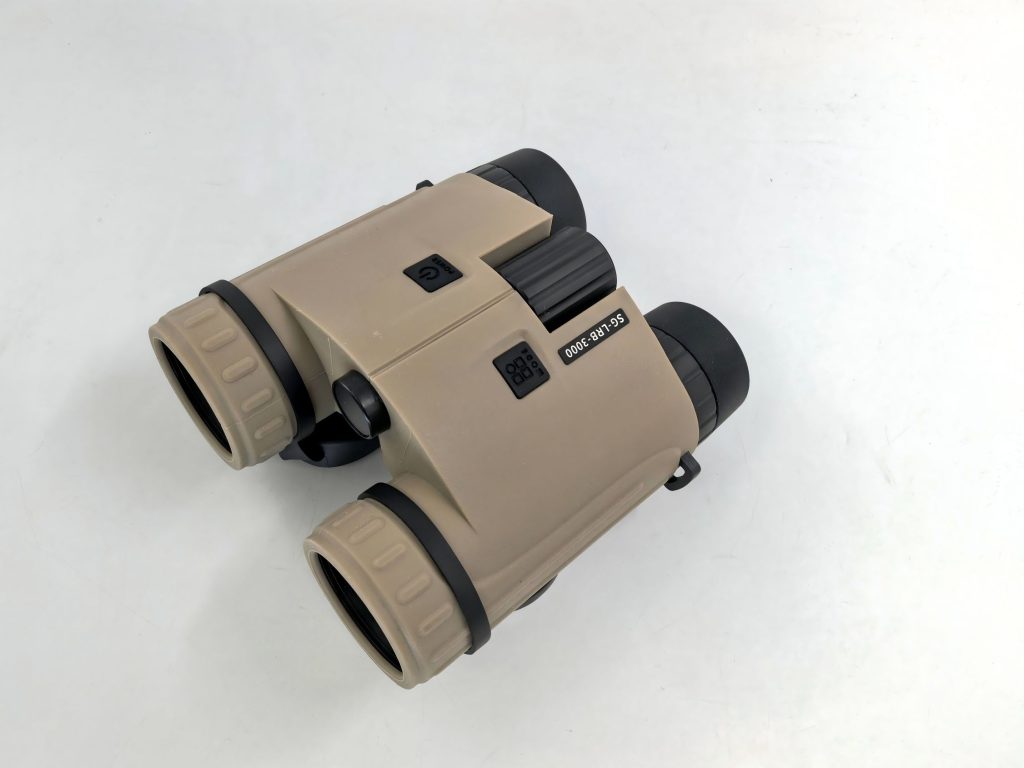
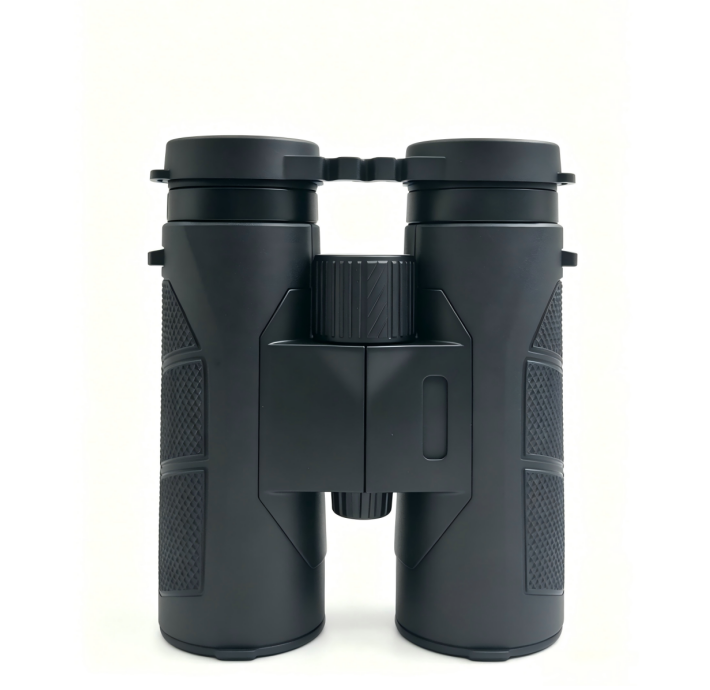
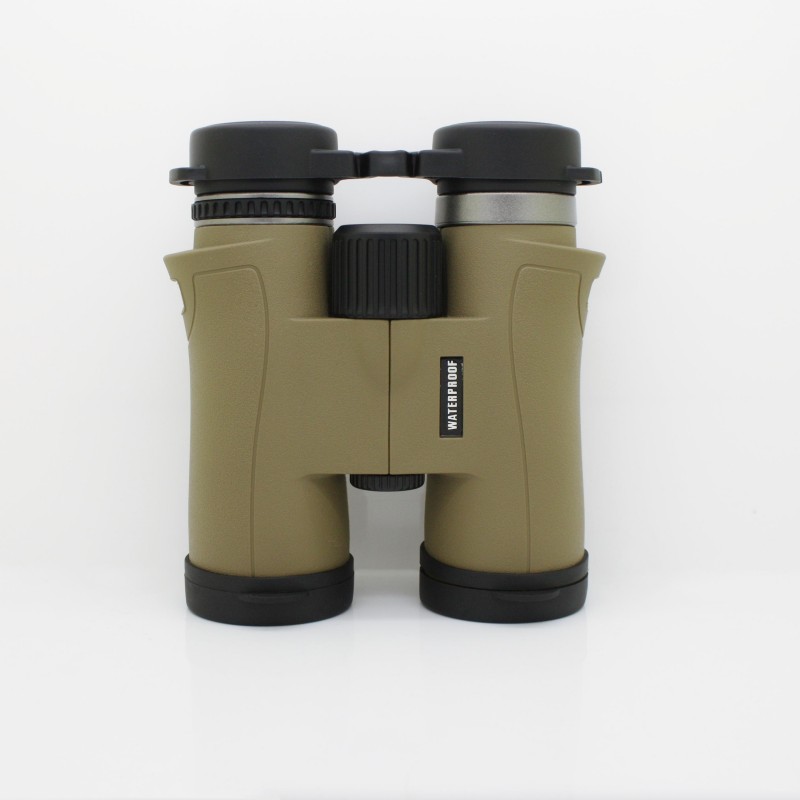
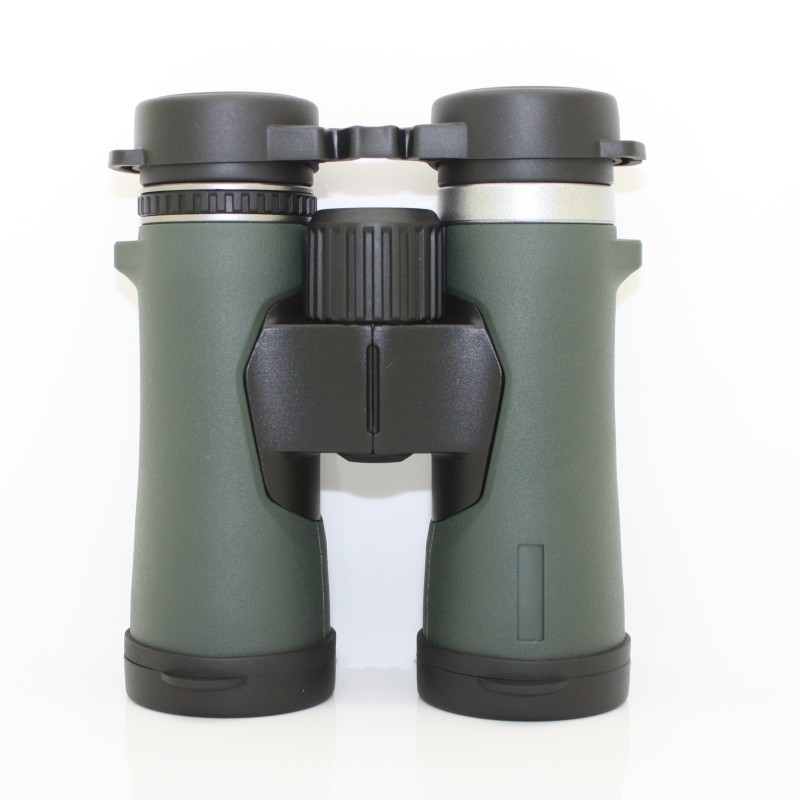
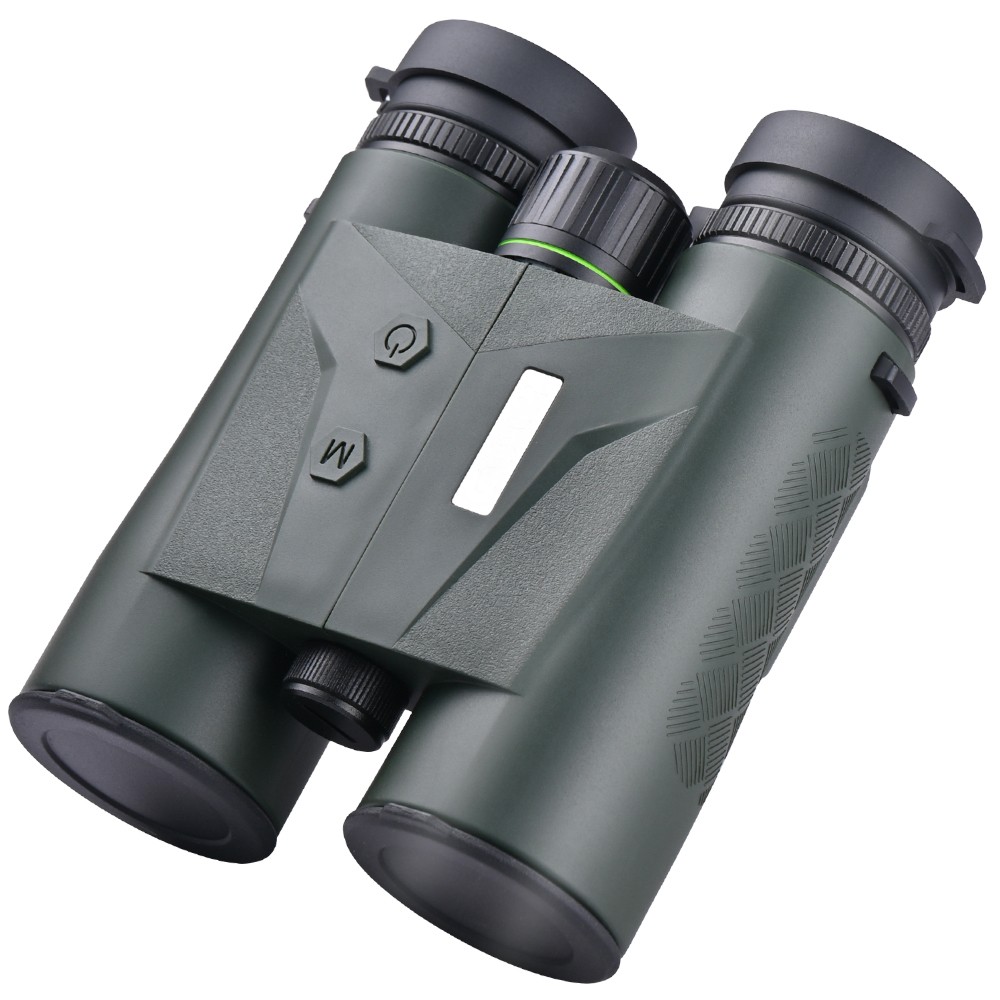
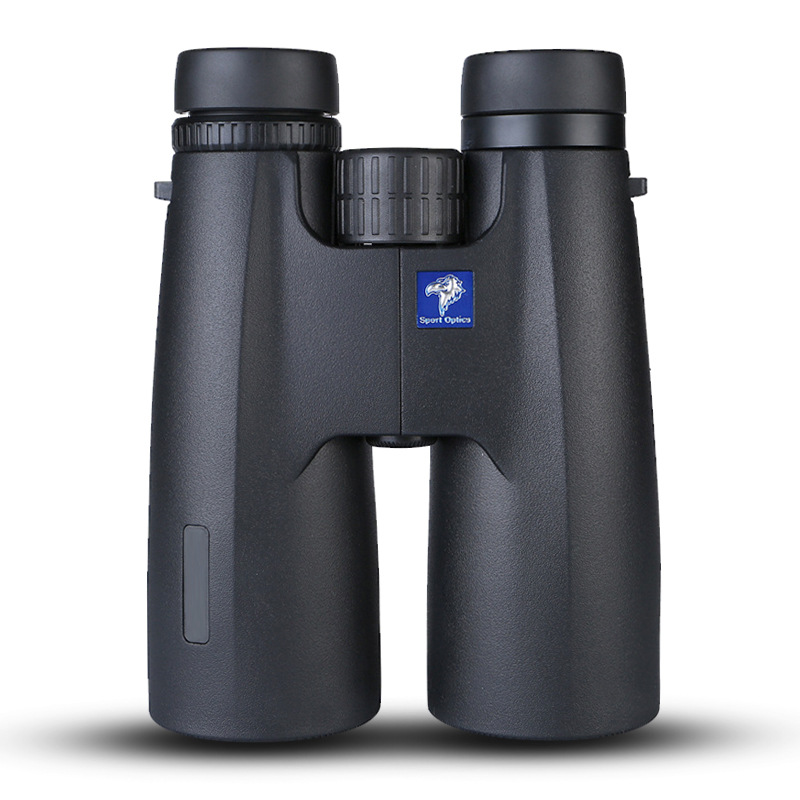
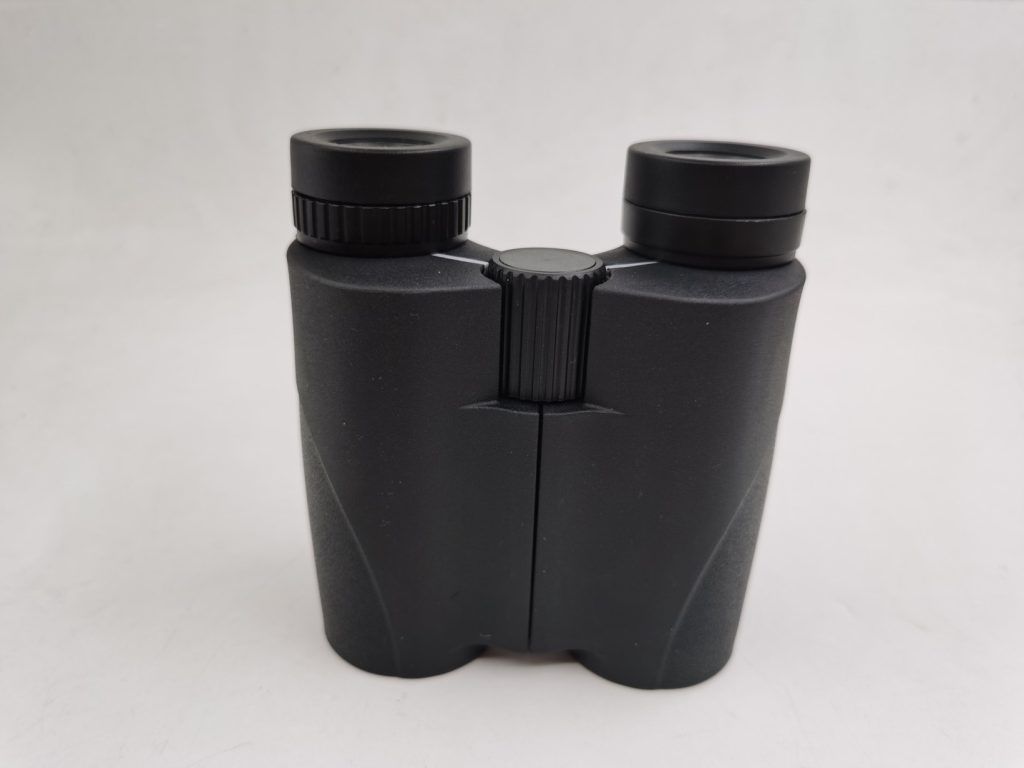
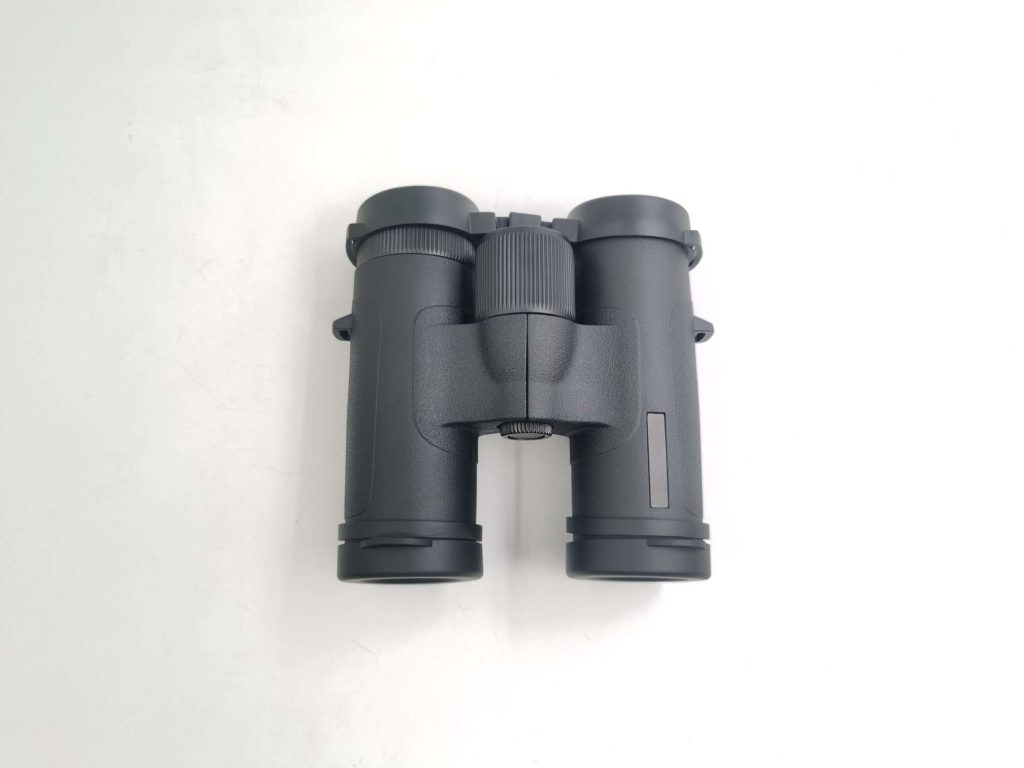
Manufacturing Opportunities in the Hiking Optics Market
1. Develop Lightweight Platforms Truly Designed for Hiking
Manufacturers can build lightweight product platforms around specifications such as 8×32, 10×32, and 8×25, instead of simply reusing traditional binocular structures.
The key is to find the right balance between body material, hinge strength, grip ergonomics, and optical comfort.
2. Strengthen Basic Protection and Build a Clear Outdoor Identity
Hiking users are highly sensitive to features such as waterproofing, fog resistance, anti-slip handling, and drop protection.
Even for non-premium products, basic protection should be turned into selling points that can be clearly communicated, verified, and marketed.
3. Improve the Carrying System and Accessory Experience
If a lightweight product is sold only as a bare binocular, it may be difficult to fully show its value.
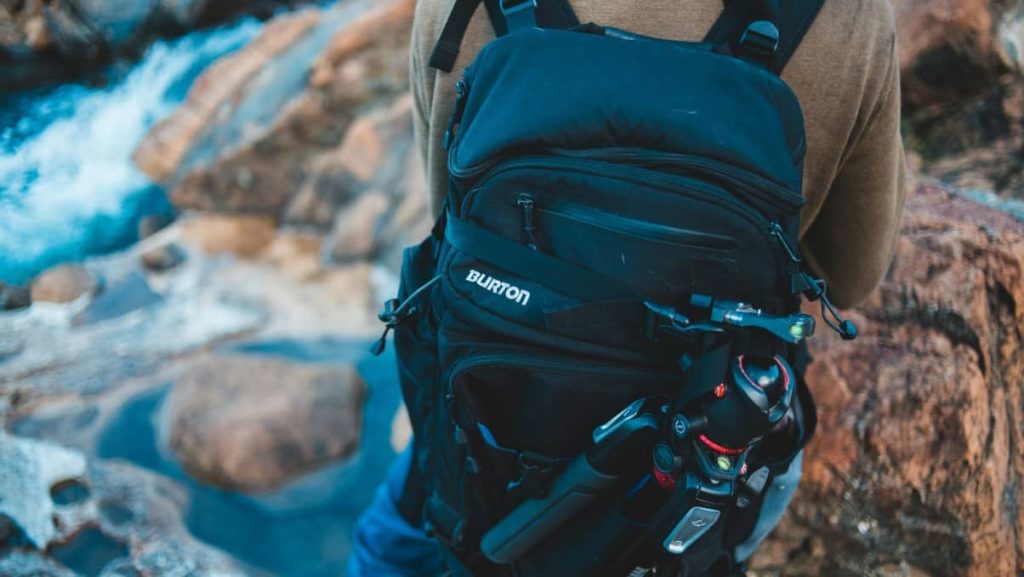
Manufacturers can develop chest harnesses, quick-access soft cases, rain covers, and lightweight strap combinations, turning the product from a single binocular into a hiking observation kit.
4. Make the Appearance and Materials More Outdoor-Oriented
Hiking users often have clear preferences for appearance and hand feel.
Matte finishes, low-reflection surfaces, anti-slip textures, natural color options, lightweight metal bodies, or engineering plastic housings can all improve how well the product fits real outdoor scenarios.
How Should Products Be Re-Segmented Across Different Price Ranges?
| Price Range | More Suitable Product Logic | Development Focus |
| Entry-Level Portable Models | Compact, easy to use, and basically durable | Control costs while avoiding obvious optical weaknesses |
| Mainstream Lightweight Models | Lightweight design + clear image + outdoor protection | 8×32 / 10×32 platforms, hand feel, waterproof and fog-proof performance |
| Rugged Outdoor Models | Reliable structure, suitable for frequent use | Reinforced housing, durable eyecups, smooth focusing, and accessory systems |
| Premium Lightweight Models | ED optics + lightweight materials + refined handling | Advanced coatings, low chromatic aberration, and lightweight body design |
This kind of re-segmentation helps brands avoid treating all hiking users as part of the “low-cost portable” market.
It also helps manufacturers move product development away from single-specification thinking and toward clearer scenario-based platforms.
What Should Brands and Manufacturers Confirm When Discussing Hiking Binoculars?
When brands and manufacturers discuss hiking binocular products, they should focus on several key points:
- Is the target user a travel user, a lightweight hiking user, or a frequent nature observation user?
- Is the main selling point extreme portability, rugged outdoor performance, or lightweight design with high image quality?
- What is the target weight range? Will this weight compromise grip comfort or exit pupil tolerance?
- Are there clear testing standards for waterproofing, fog resistance, anti-slip performance, and drop protection?
- Are chest harnesses, soft cases, quick-access systems, or smartphone photography accessories needed?
- Can the same platform be extended into an entry-level version, an ED version, a reinforced protection version, or a customized version for specific brands?
If early communication only focuses on magnification and price, hiking binoculars can easily become just another compact binocular.
To develop products that truly match market trends, brands and manufacturers need to discuss user scenarios, carrying methods, durability requirements, and product segmentation together from the beginning.

Long-Term Opportunities for Manufacturers in the Hiking Market
From a manufacturing perspective, the opportunity in the hiking market is not simply about producing smaller and cheaper binoculars. It is about building long-term product capabilities around lightweight outdoor scenarios.
Manufacturers can focus on several key directions:
- Build lightweight binocular platforms covering mainstream specifications such as 8×25, 10×25, 8×32, and 10×32.
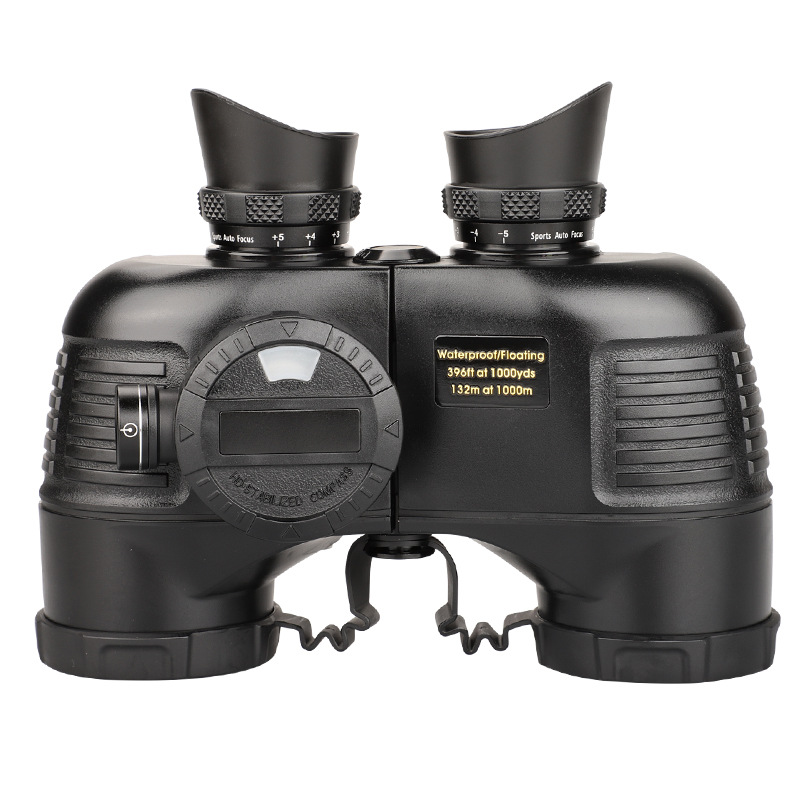
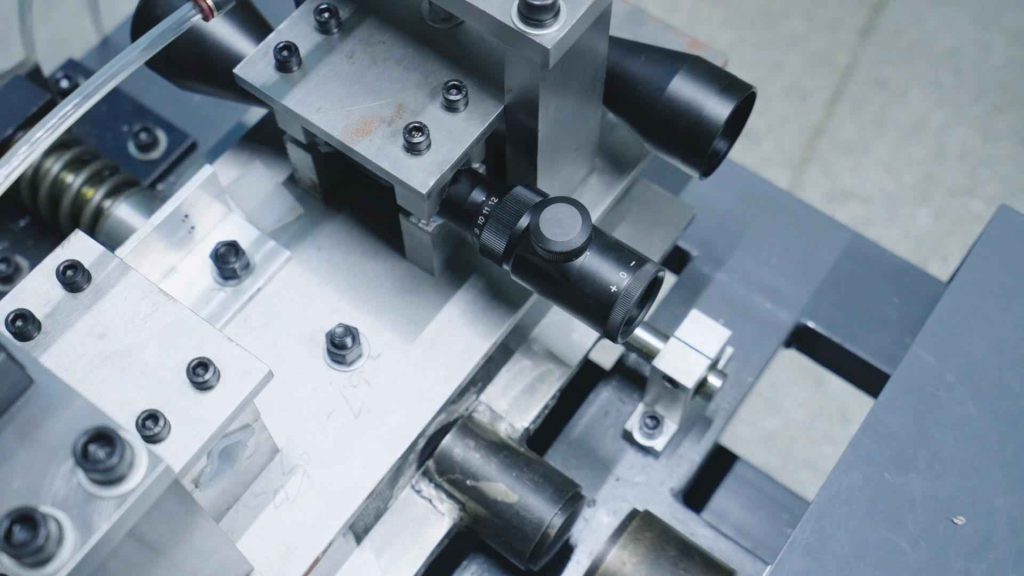
- Strengthen waterproofing, fog resistance, anti-slip performance, and durability testing, so the products have a clearer outdoor identity.
- Develop accessory systems designed for hiking, improving product completeness and increasing average order value.
- Create mid-to-high-end lightweight product routes through ED glass, wide field of view, low chromatic aberration, and better optical configurations.
- Help brands segment hiking users into more specific scenarios, such as travel, lightweight hiking, mountain trekking, birdwatching, and family outdoor activities.
When manufacturers move beyond simply “making products” and start providing scenario-based product solutions, they can create stronger long-term value for brand customers.
Conclusion – The Real Competition Is Scenario Understanding
From portability to durability, the changing needs of hiking users are reshaping the segmentation of the outdoor optics market. This shift is not simply about dividing products into expensive and inexpensive categories. It is about users having clearer scenarios, and those scenarios creating more specific product requirements.
Short-trip travelers need compact and easy-to-use binoculars. Long-distance hikers need lightweight and durable products. Forest observation users need a wide field of view and comfortable exit pupil. Premium lightweight users want better optical performance without adding too much extra weight to their gear.
For brands and manufacturers, the future competition in hiking binoculars will no longer be only about who can make the product lighter. It will be about who can better balance clarity, durability, carrying systems, and price positioning on the basis of lightweight design.
The brands and manufacturers that understand this shift earlier will have a stronger chance to take the lead in the next stage of outdoor optics market segmentation.

Frequently Asked Questions
Q: Are lighter hiking binoculars always better?
A: Not necessarily. If binoculars are made too light, they may sacrifice grip stability, low-light performance, and structural durability.
Good lightweight design is not simply about reducing weight. It is about finding the right balance between weight, image clarity, and body strength.
Q: What specifications are most recommended for hiking binoculars?
A: For mainstream hiking users, 8×32 and 10×32 binoculars usually offer a better balance between portability and viewing comfort.
For short trips or casual travel, 8×25 or 10×25 models can also be good options.
Q: Do hiking binoculars need ED glass?
A: Entry-level models do not always need ED glass. However, for mid-to-high-end lightweight products, ED glass can improve chromatic aberration control and viewing comfort, helping the product create stronger differentiation.
Q: Is waterproof and fog-proof performance important for hiking binoculars?
A: Yes, it is very important.
Hiking users often face rain, fog, sweat, and temperature changes. Basic protection directly affects the long-term user experience and the product’s reliability in real outdoor conditions.
Q: What do manufacturers most often overlook when developing hiking binoculars?
A: Manufacturers often overlook the carrying system and actual usage frequency.
Hiking users do not only look at specifications. They care about whether the product is something they are truly willing to carry, whether it is easy to access, and whether it can withstand long-term outdoor use.