If you put today’s outdoor optics market onto one single map, one thing becomes increasingly clear: even within the same category of binoculars, very different product paths are starting to emerge.
In the past, many brands and distributors were used to segmenting products by magnification, objective lens size, or price range. But today, after repeated conversations with customers, dealers, and end users from the manufacturing side, I am more convinced than ever that the real force driving market differentiation is not simply better specifications — it is the use scenario itself.
Among birdwatching customers, the phrases I hear most often are: “a wider field of view,” “true-to-life color,” “fast focusing,” and “comfortable viewing over long periods.”
Among hunting customers, the key concerns quickly shift to “low-light performance,” “waterproof and fogproof reliability,” “weather resistance,” and “whether the binoculars can remain stable in complex outdoor conditions.”
For hiking and travel users, the most common questions are different again: “Is it lightweight?” “Can I carry it with me for long periods?” and “Is it easy to pick up and use right away?”
It is through this ongoing comparison of these three types of demand that I have come to see the market more clearly: the outdoor binocular market is moving away from a competition over “who has the higher specs” and toward a new question — who understands the specific scenario better?
From a manufacturing perspective, this is not just a simple product update. It is a new round of product route reconstruction.
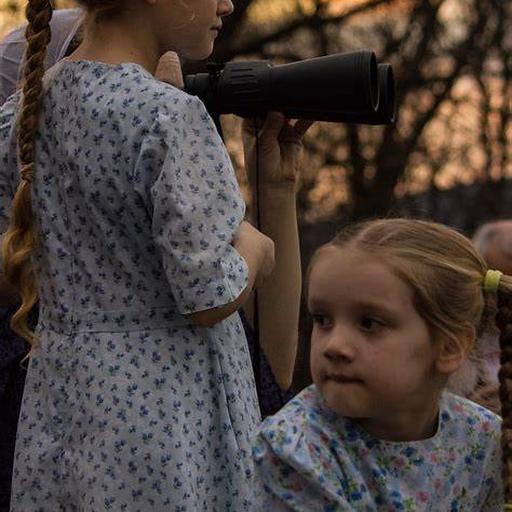
Different Customers Speak Three Completely Different Product Languages
Birdwatching
For birdwatching customers, the conversation always starts with “comfortable viewing” and “faster target finding”
Birdwatching users do pay attention to magnification, objective lens size, and price. But these are not usually the core factors behind their final decision.
What they really care about is this: Can they quickly locate the target in complex environments such as forests, wetlands, and valleys? Will their eyes feel tired after long periods of observation? Can the image still show natural colors in the early morning or on cloudy days? When birds move quickly, can the focusing system keep up?
This means the birdwatching product route is essentially about long-duration observation efficiency.
A wide field of view, good edge-to-edge image control, fast focusing response, comfortable eye relief, and well-balanced handheld feel are often more valuable than simply pushing magnification higher.
From a manufacturing perspective, this is a product path that places strong emphasis on visual experience and ergonomic details.

Hunting
For hunting customers, every question eventually comes down to “reliability in complex conditions”
Hunting and more demanding field observation scenarios follow a very different logic.
These users are not simply looking for “longer viewing distance.” What they care about more is whether the equipment can still perform reliably in low light, humidity, cold weather, mud, rain, snow, and other unpredictable outdoor conditions.
Brightness at dawn and dusk, stray light control, waterproof and fogproof construction, the durability of the external rubber armor, and the stability of the mechanical system all directly affect how they judge a product.
From a manufacturing perspective, the core of the hunting product route is not to build a binocular that only looks strong on paper. It is to build one that delivers predictable performance in unpredictable environments.
This route tests more than optical specifications. It also depends on structural design, sealing technology, assembly consistency, and long-term reliability.
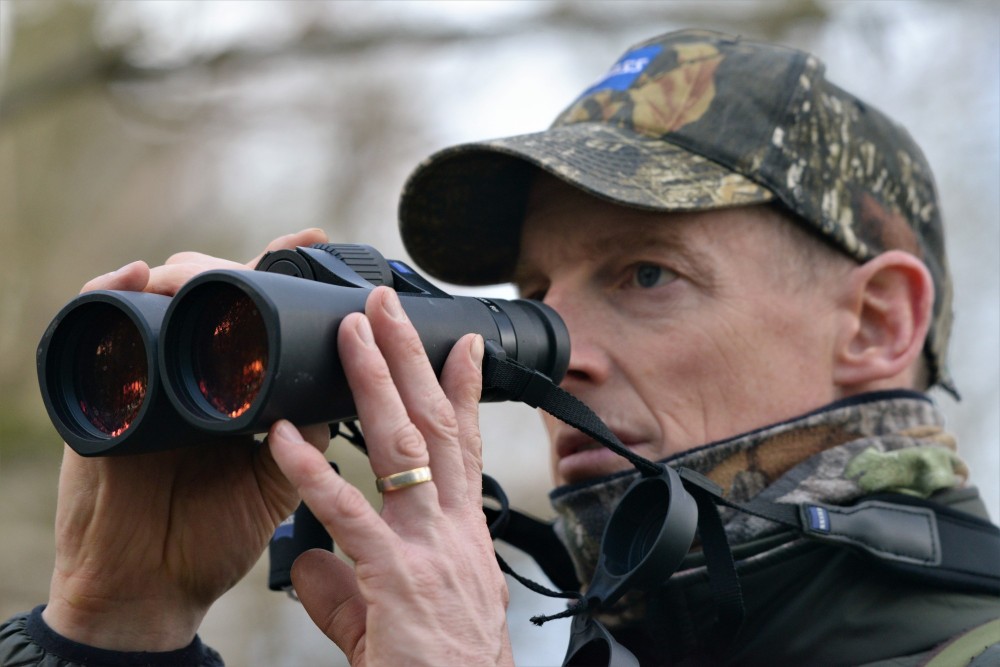
Hiking
For hiking customers, the key question is not “Can it see clearly?” but “Will I actually carry it all the time?”
Hiking, travel, and general outdoor users show a third type of demand.
Of course, they still care about optical performance. But their priorities often come first in more practical questions: Is it lightweight? Does it take up much space? Will it feel tiring after hanging around the neck for a long time? Is it easy to pack away? Is it simple and intuitive to use?
For this group of users, binoculars are not a tool used from a fixed position. They are a piece of gear that has to move with the body for long periods of time.
That is why the hiking product route is not about simply making everything smaller. It is about finding a better balance between lightweight design, compact size, durability, and basic image performance.
From a manufacturing perspective, the real challenge is this: how to reduce weight without making users feel a clear drop in the overall experience.

Why is this differentiation happening?
Because users have already formed three typical “usage models”
If we look deeper into these needs, we can see that today’s market differentiation is not accidental. It is the result of three usage models becoming increasingly clear and reinforced.
Model A: Moving targets + long observation time
This applies to scenarios such as birdwatching. Users care more about field of view, visual comfort, color reproduction, and fast focusing.
Model B: Low-light conditions + unpredictable environments
This applies to hunting and more demanding field use. Users place greater value on brightness, protection, weather resistance, and overall product reliability.
Model C: High mobility + long carrying time
This applies to hiking, travel, and light outdoor activities. Users are more concerned about weight, size, packing efficiency, and ease of operation.
As these three models become more established, different product routes naturally begin to appear.
For binoculars factories, the real task is no longer to design one “average product” that everyone can accept. Instead, it is to build product platforms that can be optimized for different scenarios.
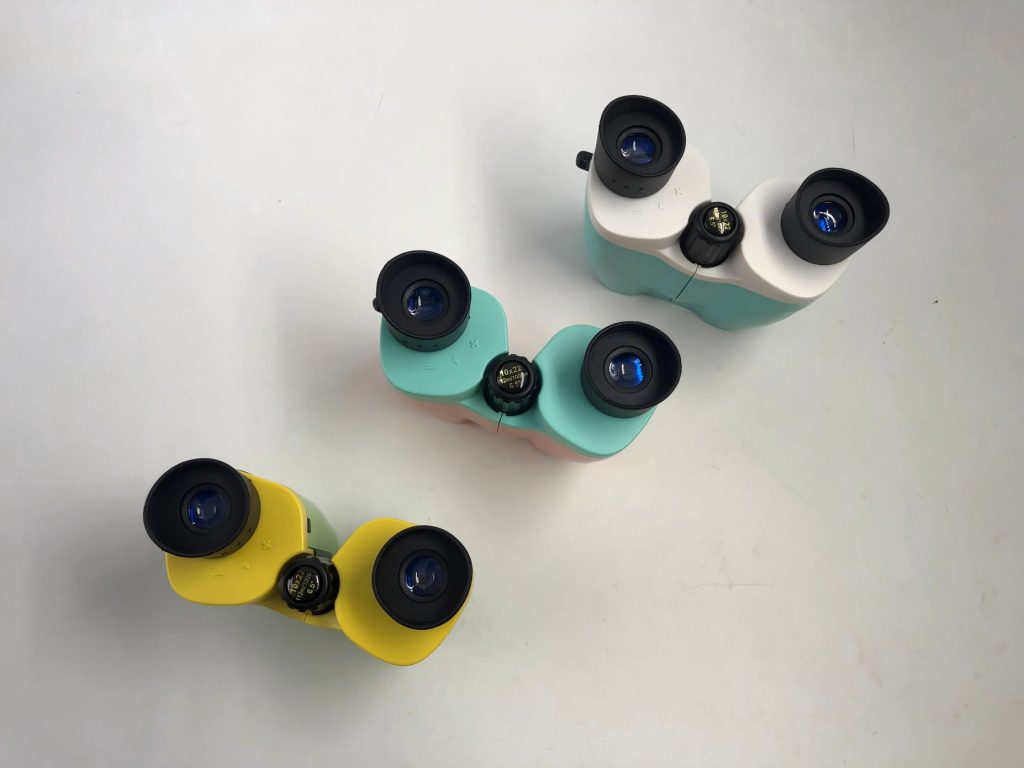
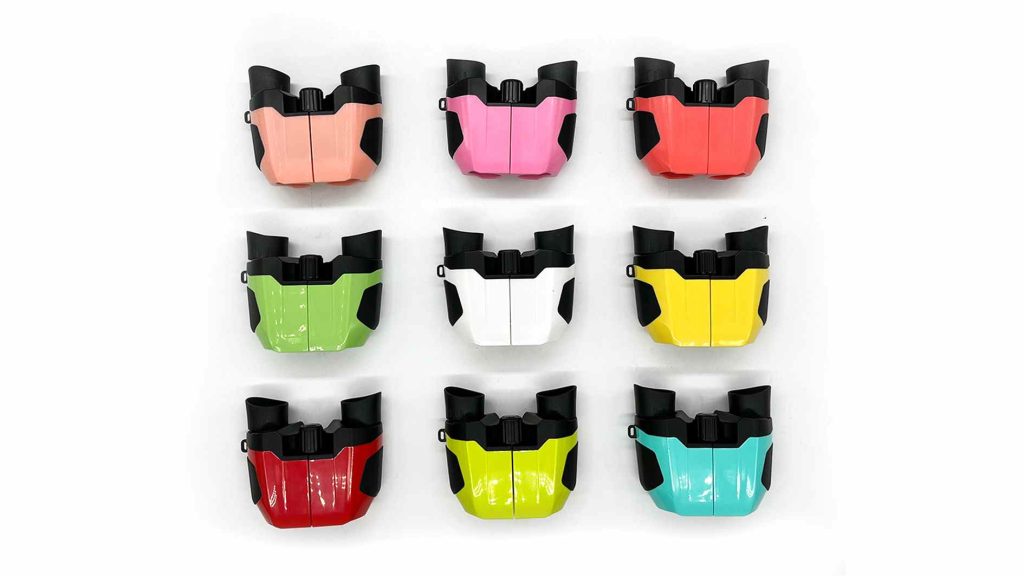
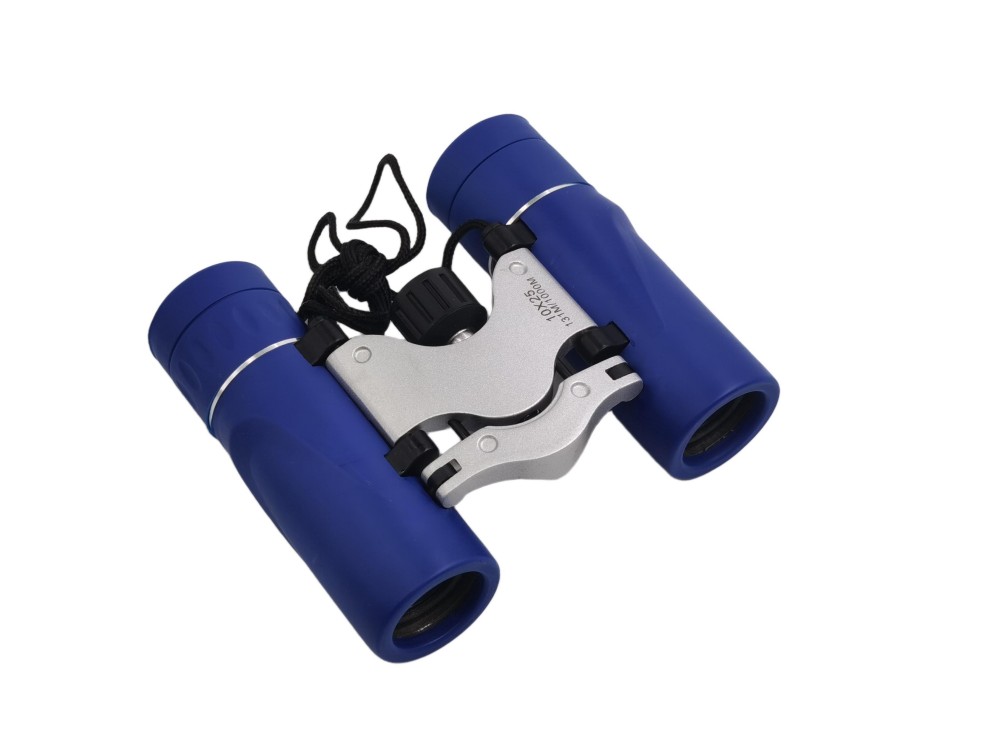
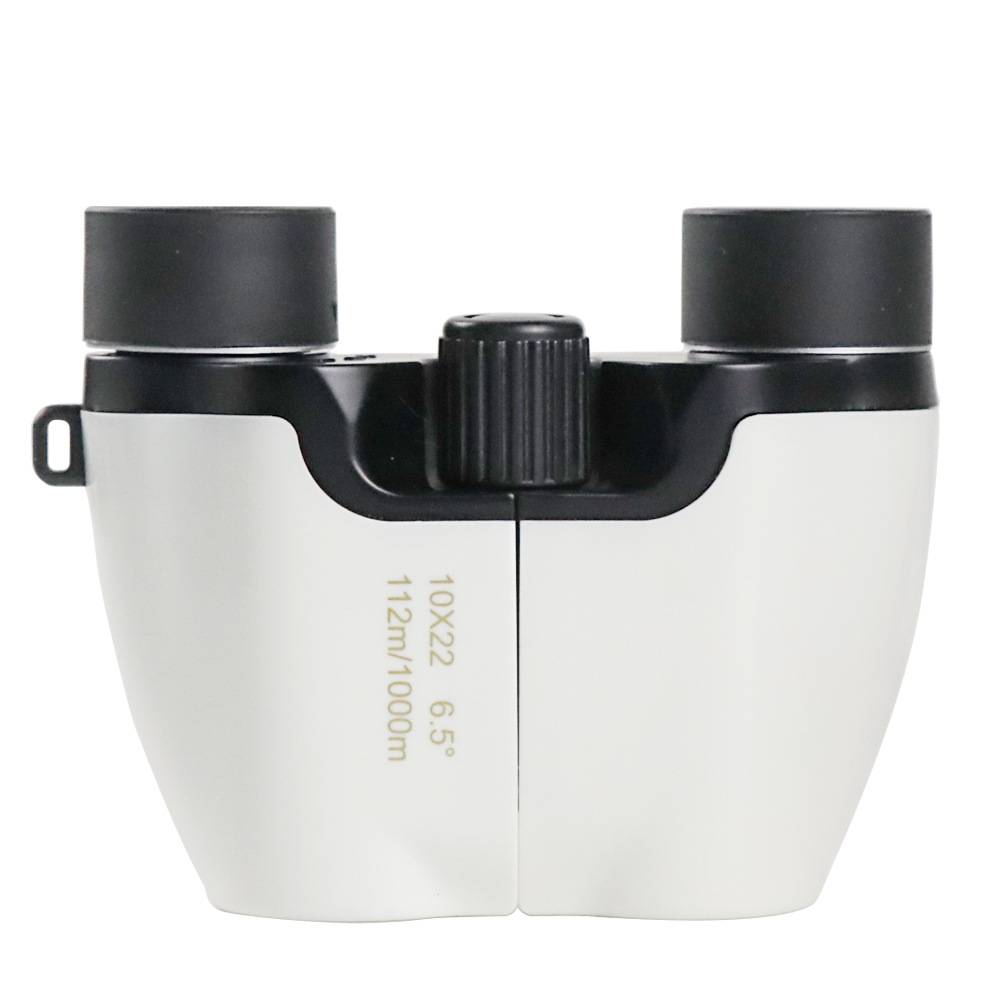
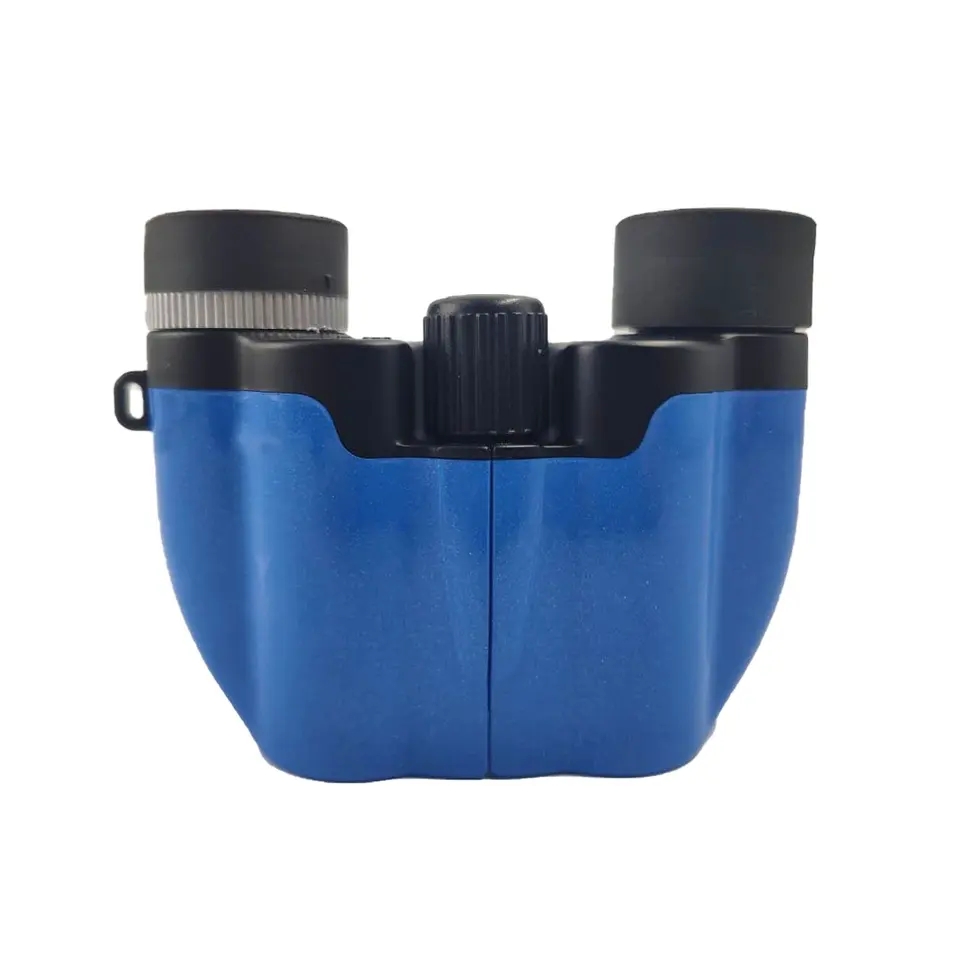
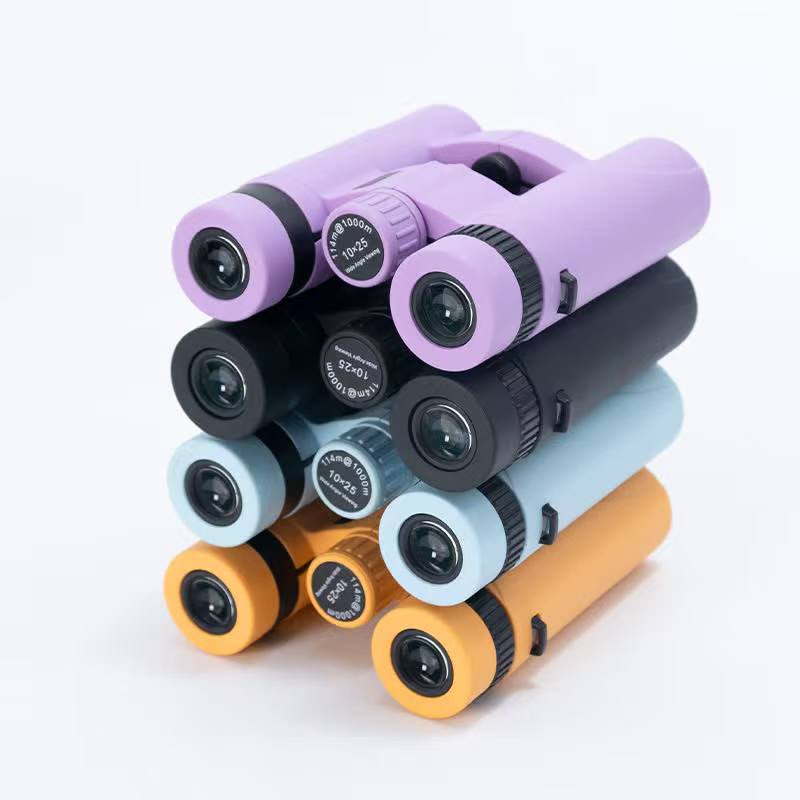
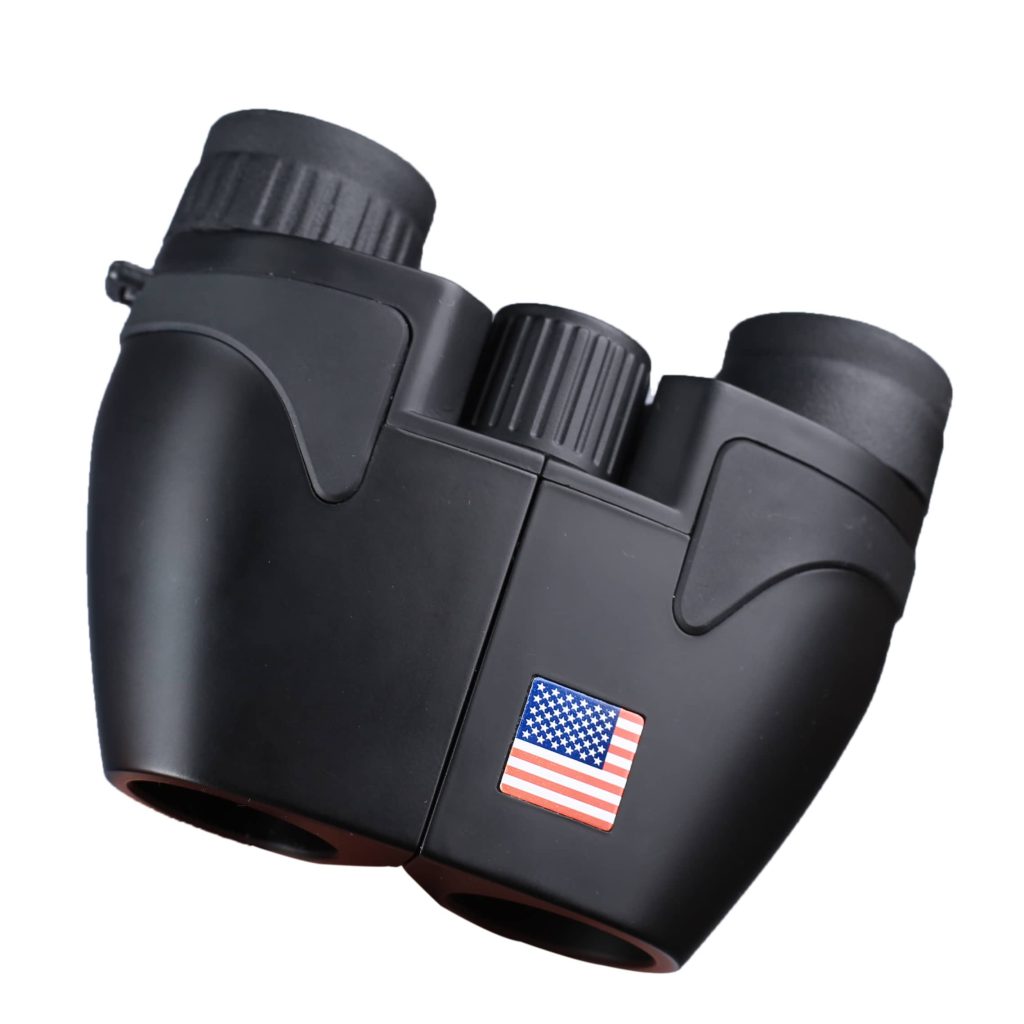
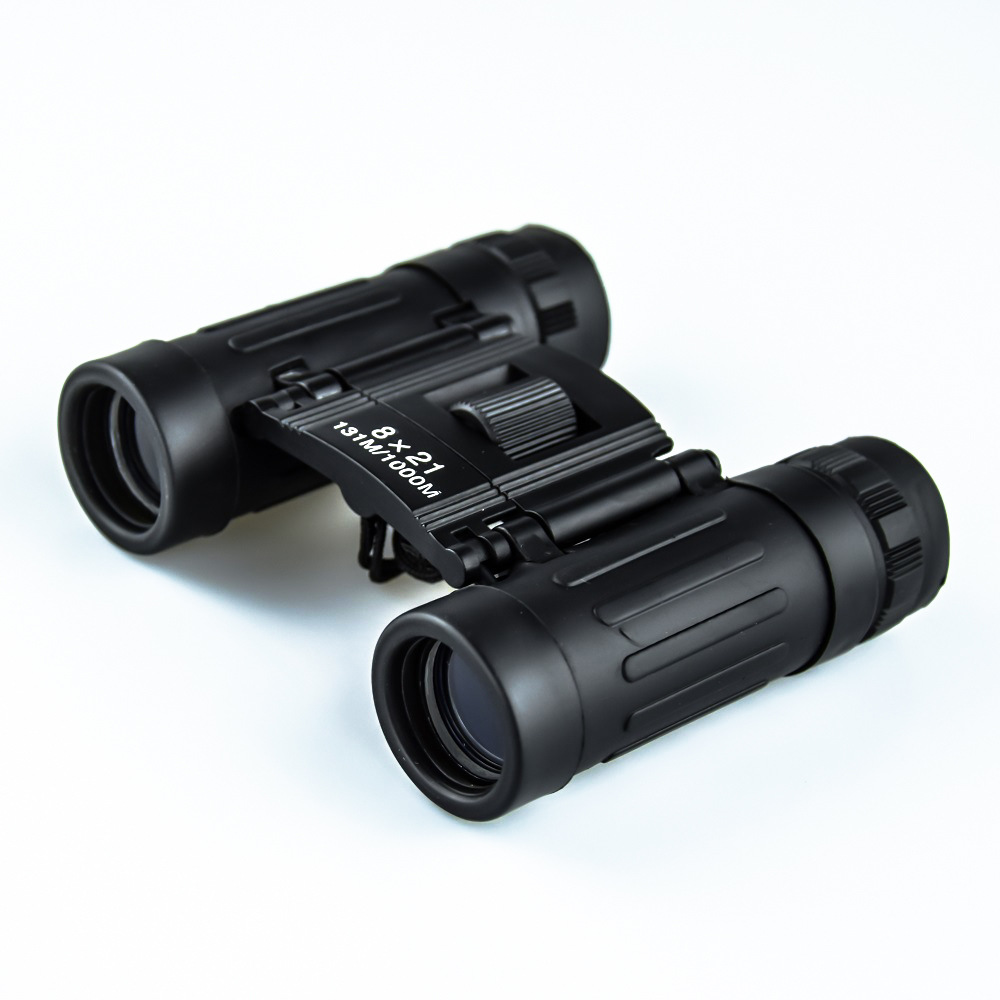
The Real Trade-offs I See Across Six Technical Dimensions
1. Magnification and objective lens size
Higher specs do not always mean a better experience
Many customers still start by asking about magnification and objective lens size during early discussions. But once the conversation goes a little deeper, it becomes clear that the real user experience is not decided by one single number. What matters is how these numbers match the actual use scenario.
For birdwatching, the product needs a good balance between handheld stability and field of view. For hunting, low-light effectiveness becomes more important. For hiking, weight and size must be considered together from the very beginning.
My view from the manufacturing side is this: the value is not in simply making everything bigger or higher. The real value lies in creating a reasonable specification combination.
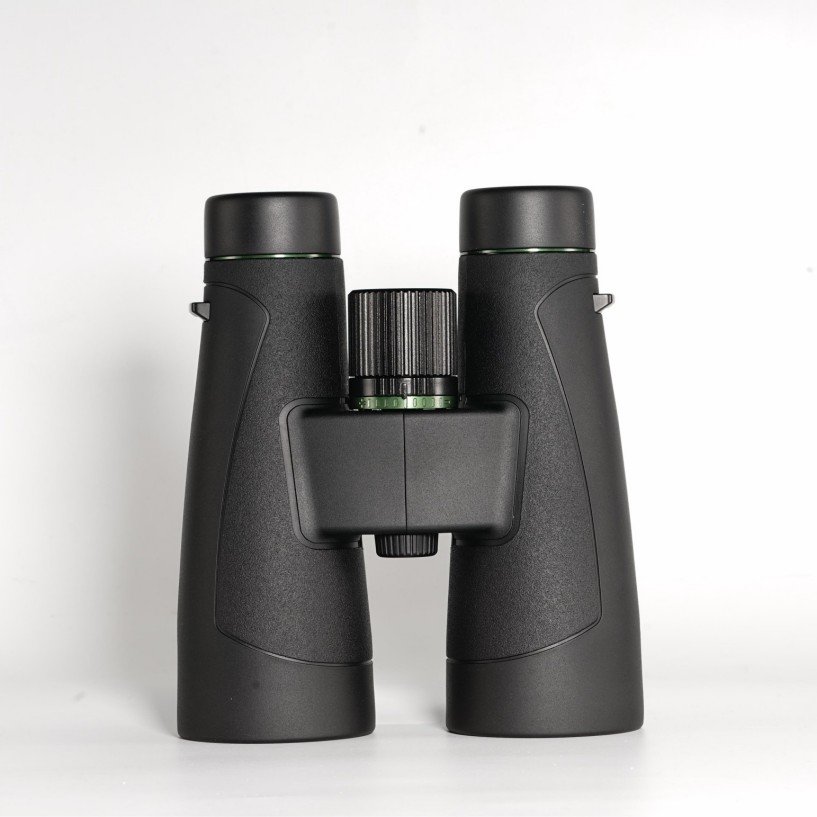
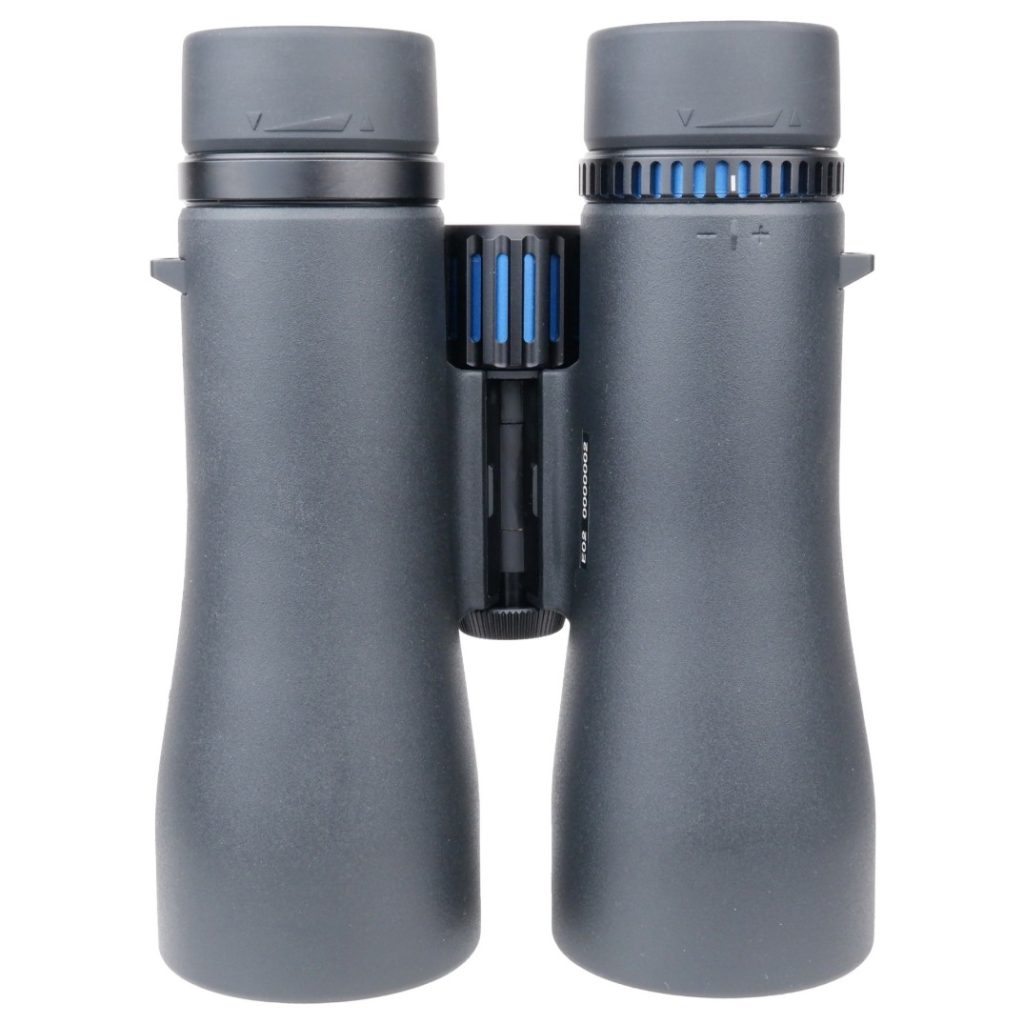
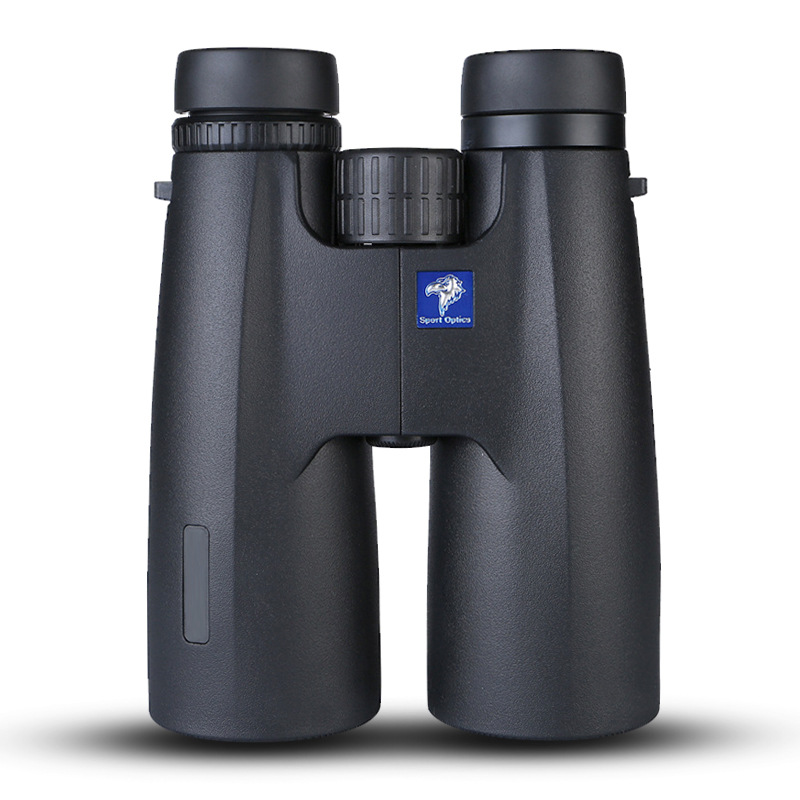
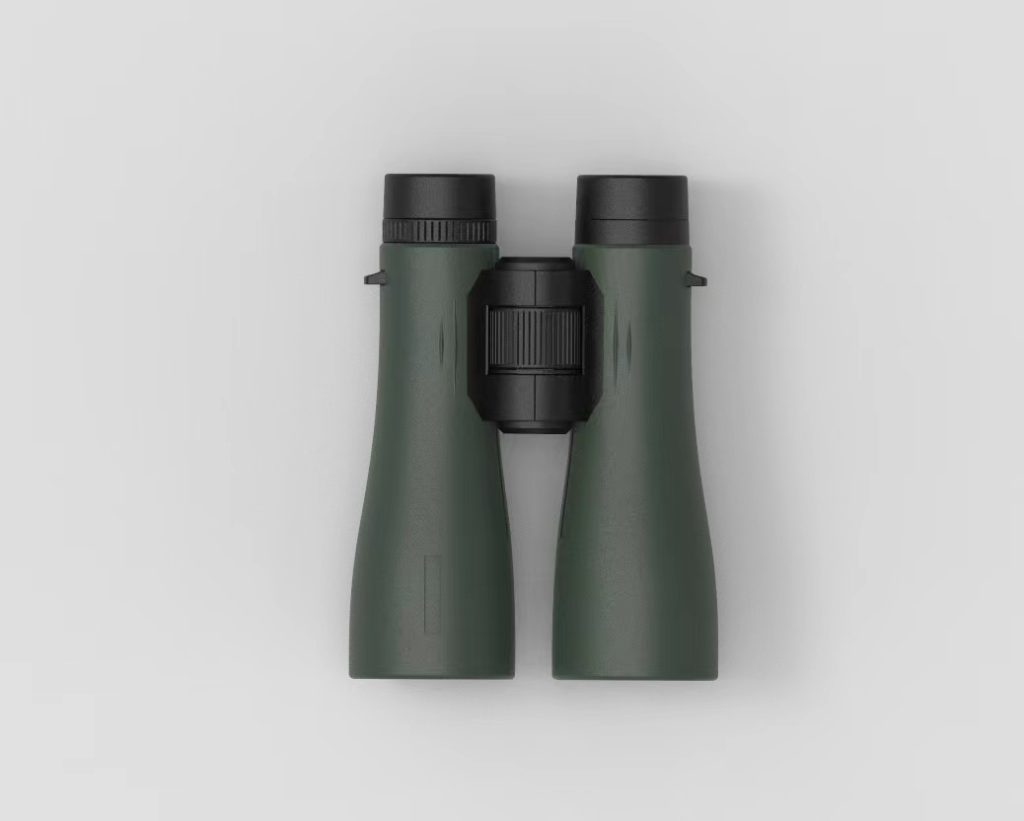
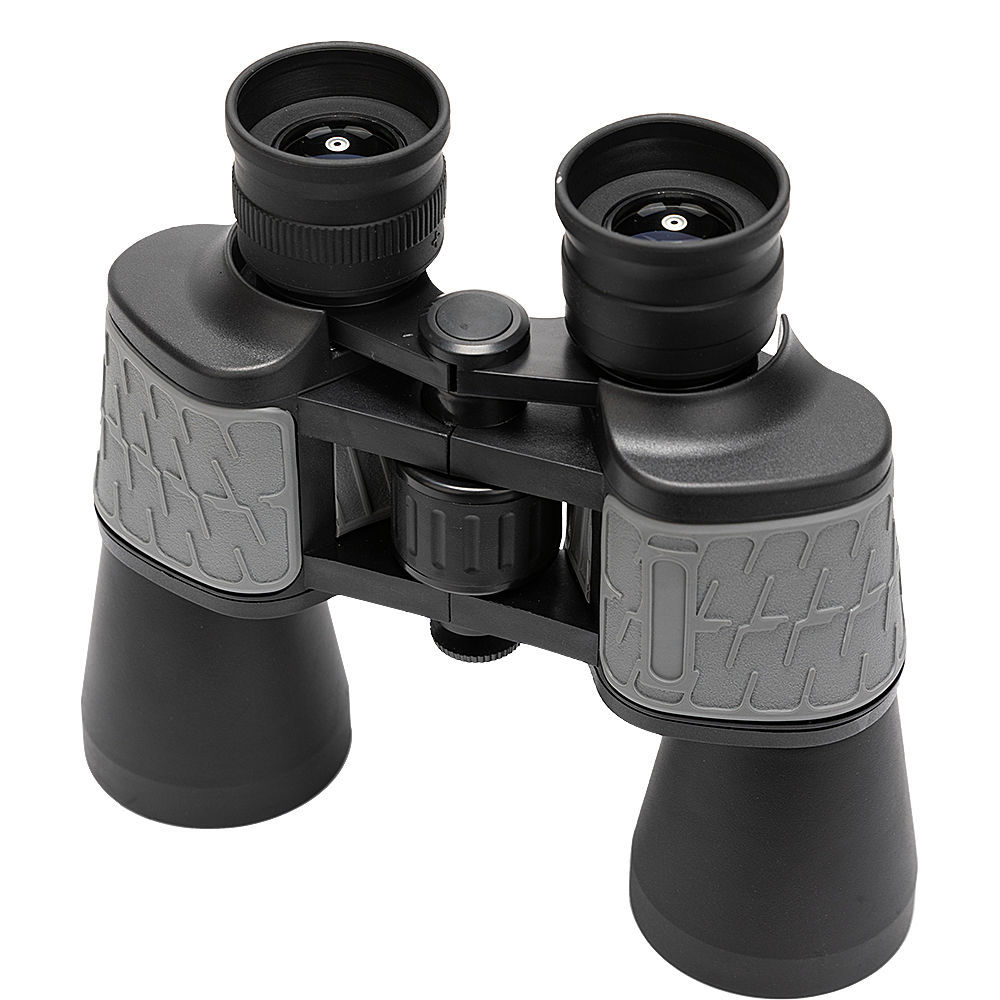
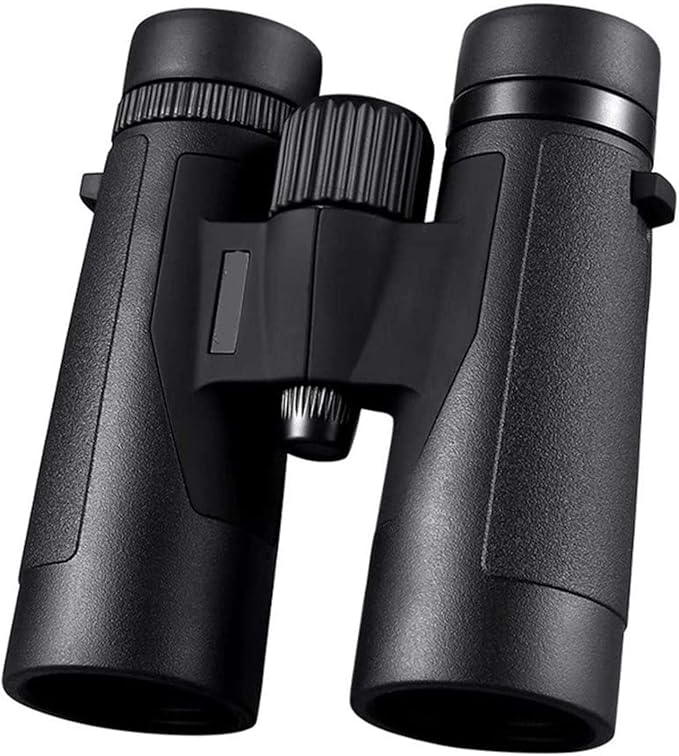
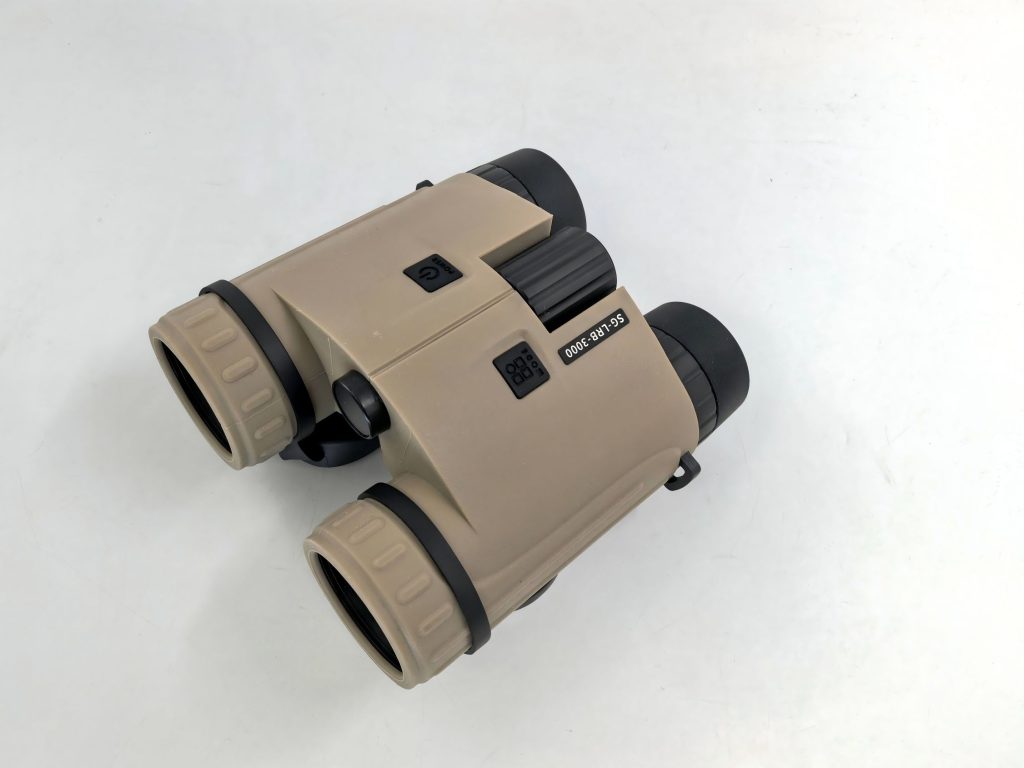
An 8×42 for birdwatching, a 10×42 or 10×50 for hunting, and an 8×32 for hiking are not just different specifications. They are different answers for different product routes.
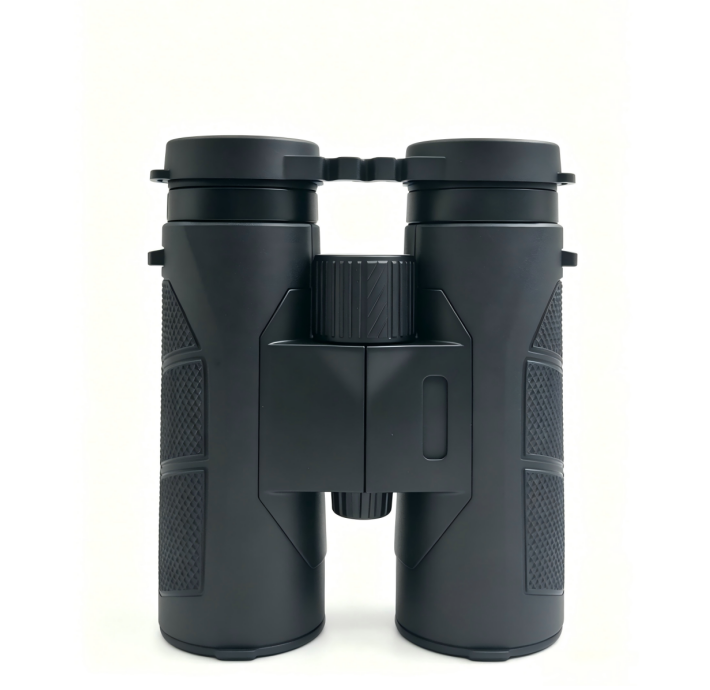
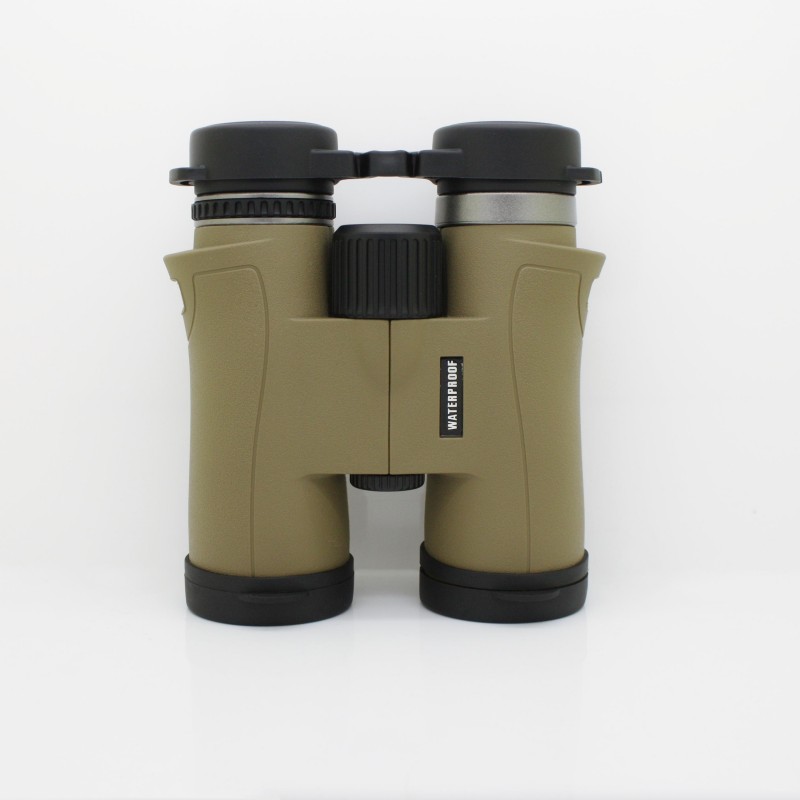
2. Field of view and focusing
This is the key source of efficiency in the birdwatching route
For birdwatching users, the target often appears suddenly, moves quickly, and can easily be blocked by branches or leaves.
A wide field of view helps reduce the time needed to locate the target. The speed and damping of the focusing system directly affect how quickly users can capture it. Edge image quality and eyecup design also influence whether long periods of scanning will feel tiring.
That is why, in this product route, the real difference often does not come from the “biggest number” on the specification sheet. It comes from the overall viewing experience as a system.
3. Coatings and low-light performance
It is where the hunting route best shows “system capability”
For hunting and demanding field environments, the most critical time is often not midday, but early morning and dusk.
At these moments, lens coating efficiency, prism system performance, stray light control, and overall light transmission have a much stronger impact on the user experience than they do in normal daytime conditions.
From a factory perspective, low-light performance is never the result of one single feature. It comes from the combined effect of optical materials, coating processes, alignment precision, and system-level matching.
The manufacturer that can execute these details consistently is much more likely to build long-term trust in the market.
4. Mechanical structure and protection
It is more important than any single specification in harsh conditions
Many users may not describe a product in engineering terms. But they will judge it with one very direct question: Can this binocular take real outdoor use?
For hunting and field users, waterproof and fogproof performance, bridge rigidity, rubber armor durability, the ability to hold alignment after impact, and long-term mechanical stability all play a key role in repeat purchases and brand reputation.
This points to a very practical reality: reliability is not just a marketing claim. It is an engineering goal that manufacturers must truly deliver.
5. Weight and size
It is the first rule of the hiking route is to make users actually want to carry it
For hiking users, the logic is very practical: if a binocular is too heavy, too bulky, or uncomfortable to carry, even excellent optical performance may not be enough to keep it in regular use.
For this type of user, usage frequency starts with carrying willingness.
That means lightweight design is not simply about removing weight. It is a higher-level product trade-off.
It requires the factory to optimize materials, structure, rubber armor, accessories, and even the neck strap or carrying solution together. The final goal is to create a product that users are truly willing to take out often — and therefore actually use more often.
6. Platform-based development
what B2B customers are really buying is “scenario-matching capability”
From the manufacturing side, more and more brands and channel customers are no longer satisfied with one general-purpose bestselling product.
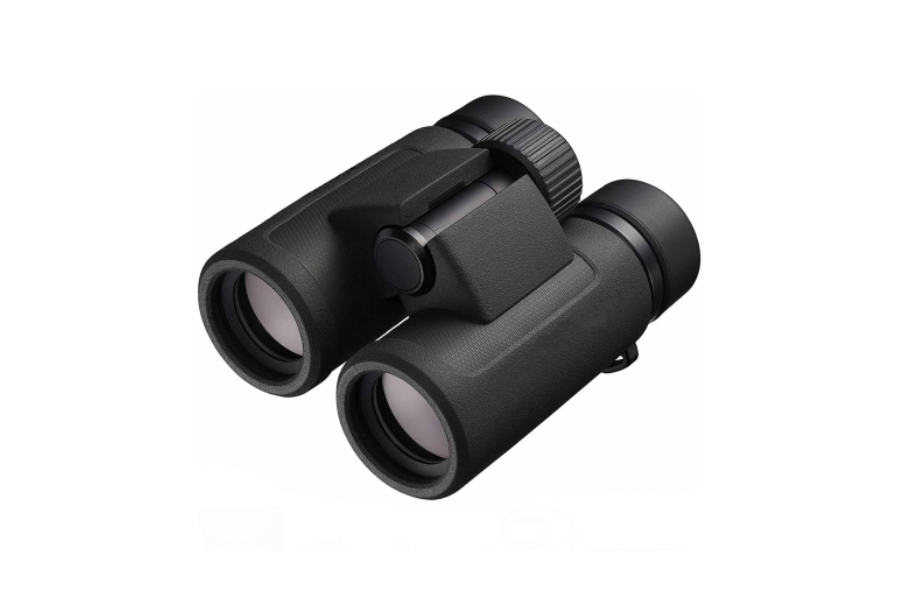
What they increasingly expect from a factory is platform-based thinking: using a shared basic structure, while developing differentiated versions for birdwatching, hunting, hiking, and other specific scenarios.
This may include different material choices, exterior designs, accessories, tuning priorities, and selling-point language.
This means future competition will not only be about who can make a binocular. It will be about who can better translate user scenarios into executable product routes.
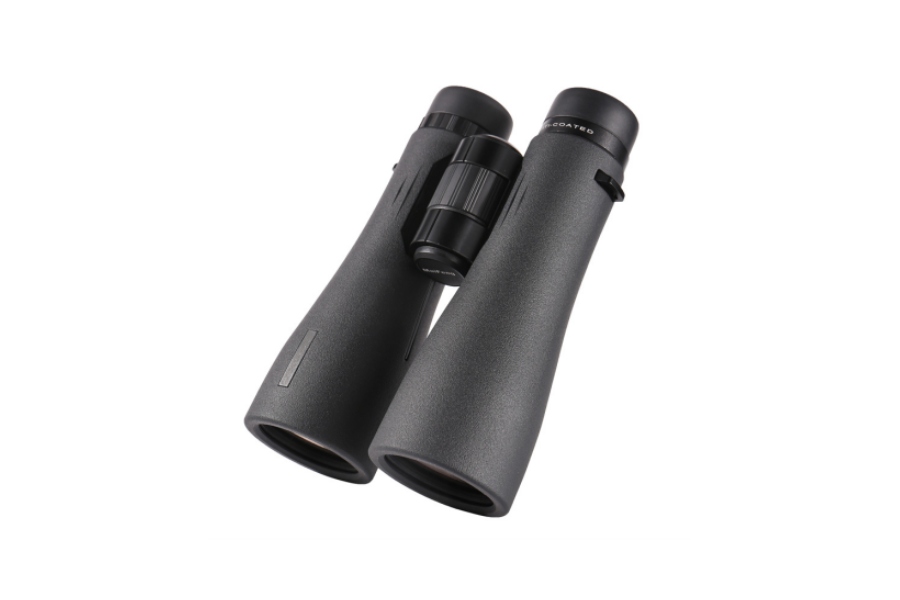
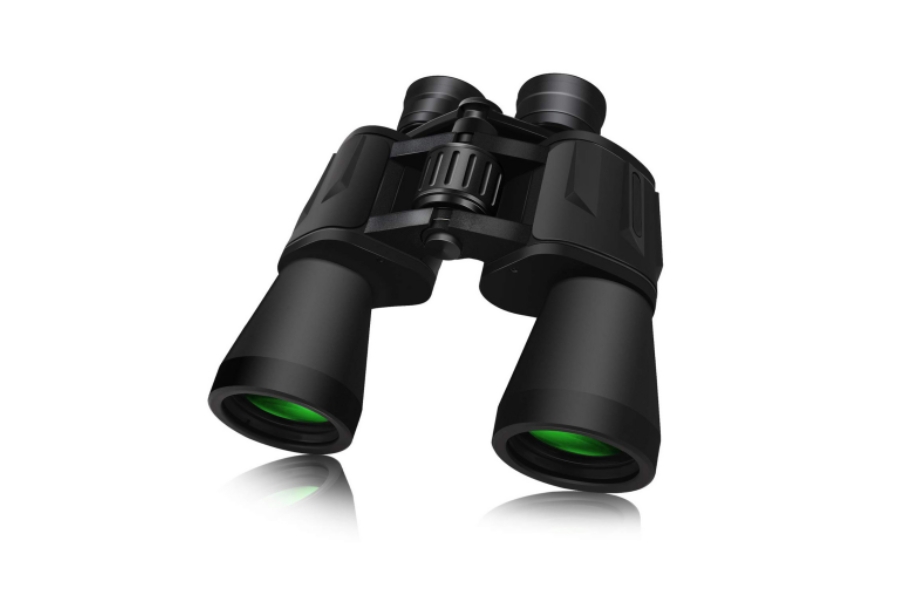
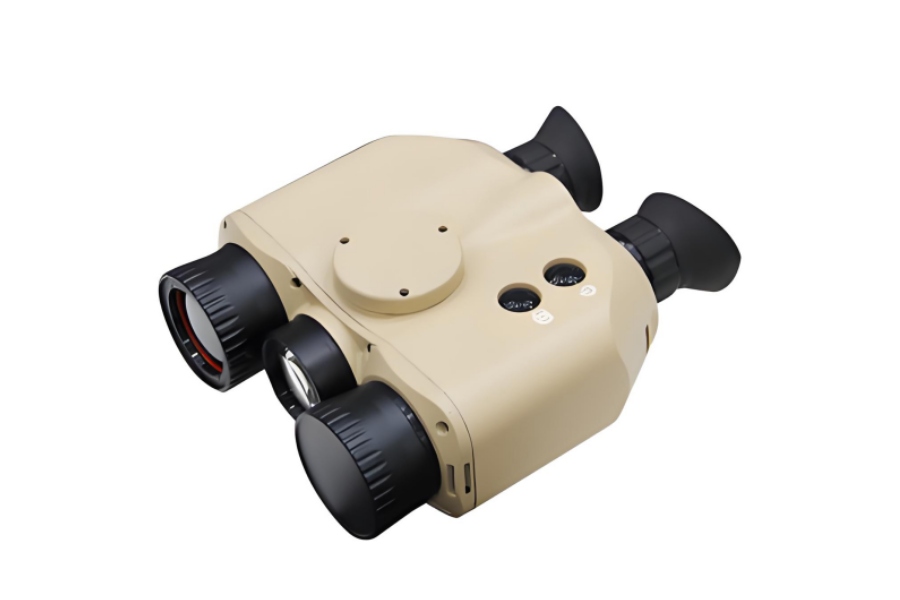
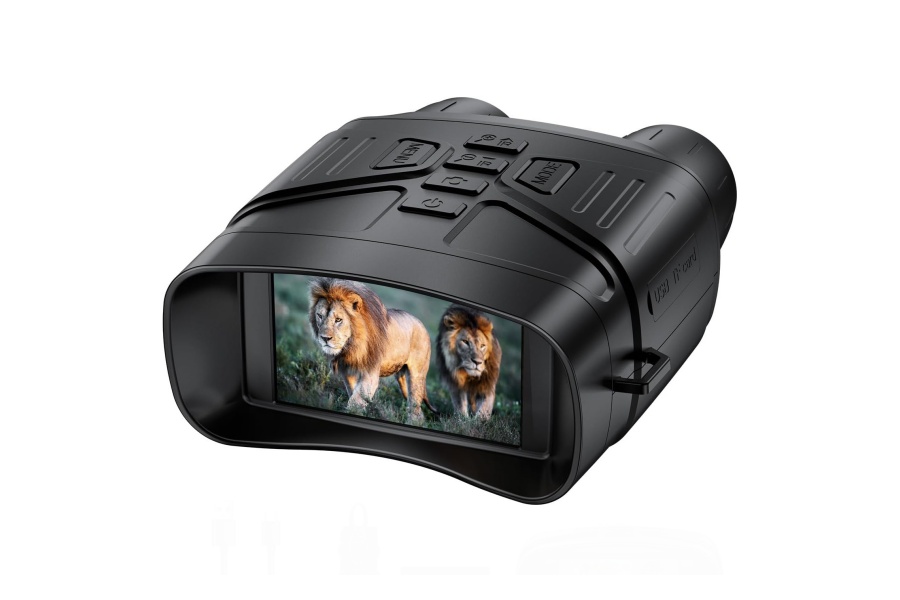
My overall view: this is not a conflict, but a sign that the outdoor optics industry is becoming more mature
After going through this round of observation, I actually see this as a very positive signal for the industry.
It shows that the market is finally moving away from the idea of “one universal answer” and starting to recognize that different scenarios need different product routes.
- The birdwatching route highlights visual efficiency and long-duration viewing comfort.
- The hunting route highlights low-light performance and reliability.
- The hiking route highlights portability and ease of use.
If I had to summarize it in one sentence, it would be this:
Outdoor binoculars are moving from “specification competition” toward “scenario and system capability competition.”
For brand customers, this means product lines need to be restructured.
For manufacturers, it means the development logic must evolve from simply “making products” to “building product routes.”
And for end users, it means future choices will become more segmented, more practical, and much closer to real user needs.
Three directions I will be watching closely over the next 12–24 months
First, the balance between lightweight design and high performance will continue to be an important direction for hiking and general outdoor markets. The brands that can reduce weight without making users feel a clear drop in experience will be more likely to win over a broader user base.
Second, the combined optimization of low-light performance and overall reliability will keep pushing the hunting and more professional field markets forward. The truly competitive products of the future will not just look brighter on paper. They will remain trustworthy in more complex and demanding environments.
Third, platform-based development around scenarios such as birdwatching, hunting, and hiking will become an important manufacturing capability. Customers no longer need only production execution. They also need to know whether the factory can provide clearer scenario insight and stronger product direction.
Conclusion
Looking back at the market from the manufacturing side, I increasingly believe one thing:
Binoculars are becoming more different not because the industry is becoming more confusing, but because users are finally defining a “good product” through their real usage scenarios.
When birdwatching, hunting, and hiking each begin to create their own product routes, the industry is truly becoming more mature.
For factories, brands, and distributors, this is not just pressure. It is an opportunity to make products more accurate, more relevant, and more valuable.