When we look at today’s outdoor optics market as a whole, one shift is becoming increasingly clear: hunting scenarios are reshaping what people expect from binoculars.
In the past, product communication often revolved around magnification, objective lens size, and price range, as if “seeing a little farther” was enough to explain the value of a binocular. But after continuous conversations with distributors, brand owners, and end users from different countries, I have become more and more aware of one thing: what is truly driving product upgrades today is no longer just how far a binocular can see, but whether it can perform reliably in complex real-world environments.
For hunting users, the needs that come up again and again are not about one single specification. Instead, they are a full set of environment-based requirements: Can the binocular still deliver a clear image in low light at dawn or dusk? Will it fog up in rain, mist, or sudden temperature changes? Is the rubber armor secure enough to provide a stable grip? Is it comfortable to carry for long periods? And after bumps or impact in the field, can it still work reliably?
In other words, hunting scenarios are not only about optical performance itself. They are about the predictability of the entire system in real outdoor conditions.
This means hunting is not simply “one sub-category” of outdoor optics. It is more like a magnifying glass that brings low-light performance, weather resistance, structural strength, handling efficiency, and long-term durability directly in front of the user.
That is why hunting scenarios are pushing outdoor binoculars to move away from a purely specification-driven mindset toward a more system-capability-driven approach. They are also encouraging products to evolve from general-purpose designs into more clearly defined and scenario-oriented solutions.
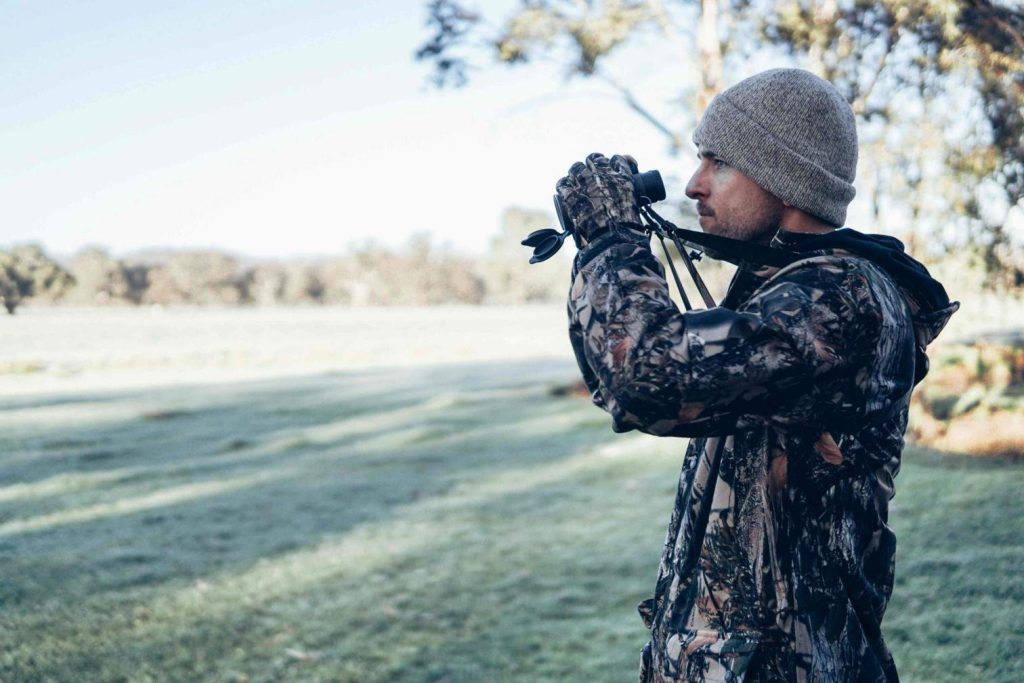
Why Is Hunting the Scenario Most Likely to Drive Outdoor Optics Upgrades?
Because hunting is not a single-task activity. It is a combination of environmental challenges happening at the same time.
Unlike casual outdoor observation, hunting rarely takes place under ideal conditions. Many observations happen at dawn, at dusk, on cloudy days, in fog, in low temperatures, in humid environments, behind vegetation, or across complex terrain. Users need to quickly spot a target, keep tracking its movement, identify its outline, and judge the surrounding environment. At the same time, the binocular itself must withstand moisture, temperature changes, friction, and the pressure of being carried outdoors for long periods.
This means hunting naturally places multi-dimensional demands on binoculars.
Low-light performance determines whether the user can see the target at all. Contrast and detail determine whether the image is clear enough to identify what they are looking at. Waterproofing, fog-proofing, and structural durability determine whether the binocular remains stable and reliable in the field. Grip comfort and weight balance determine whether the user is actually willing to carry and use it for hours.
That is exactly why hunting is not a scenario that only tests one specification. It often exposes the real weaknesses of a product faster than other outdoor uses. And because of that, hunting is also one of the strongest forces pushing the entire outdoor binocular product line toward meaningful upgrades.
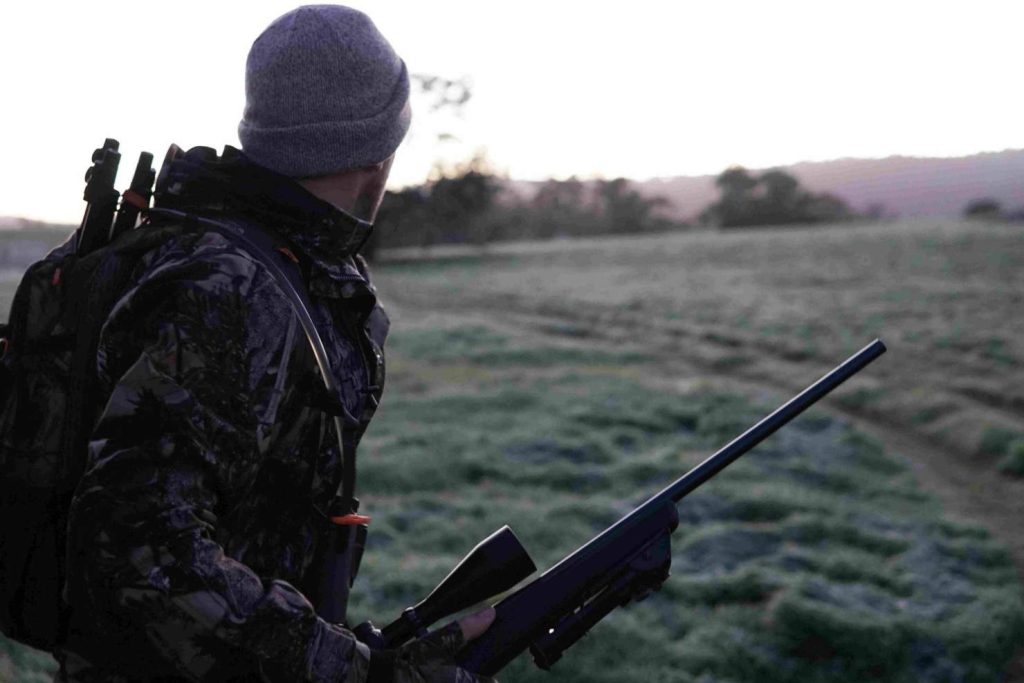
The Reliability Factor for High-Value End Users
Hunting users matter for another reason: they are much more sensitive to reliability.
Many casual outdoor users may accept a binocular that is “good enough.” But hunting users are usually less willing to tolerate uncertainty. In their real-use scenarios, a slow focus adjustment, a fogged lens, an unstable grip, or a wrong identification in low light can directly affect the outcome.
From a product perspective, this means hunting users are quicker to see reliability and stability as core value. They are not simply asking whether one specification is the highest on paper. What they really care about is whether the whole device can deliver consistent performance in complex environments, again and again.
For the optics industry, this represents a very meaningful shift in user expectations.

From Low Light to Weather Resistance: What Upgrades Are Hunting Scenarios Really Driving?
When we break down hunting as a real-use scenario, it becomes clear that it is not pushing just one isolated product upgrade. Instead, it is driving the improvement of an entire set of system capabilities.
First, low-light observation has become much more important. Many hunting activities do not take place under bright sunlight. They often happen in the early morning, at dusk, or when weather conditions are changing quickly. This makes brightness, contrast, stray light control, and effective target identification far more critical than before.
Second, weather resistance and environmental adaptability are moving higher on the product priority list. Waterproofing, fog-proofing, temperature-change resistance, stable rubber armor, and a wear-resistant housing are no longer just “premium add-ons.” They are becoming basic requirements for real outdoor use.
Third, handling efficiency and long-term carrying comfort are becoming increasingly important. Real hunting often involves walking, waiting, and repeatedly raising the binocular for observation. Whether the product remains easy to operate while wearing gloves, in humid conditions, or during long periods of handheld use can directly affect the user’s judgment in the field.
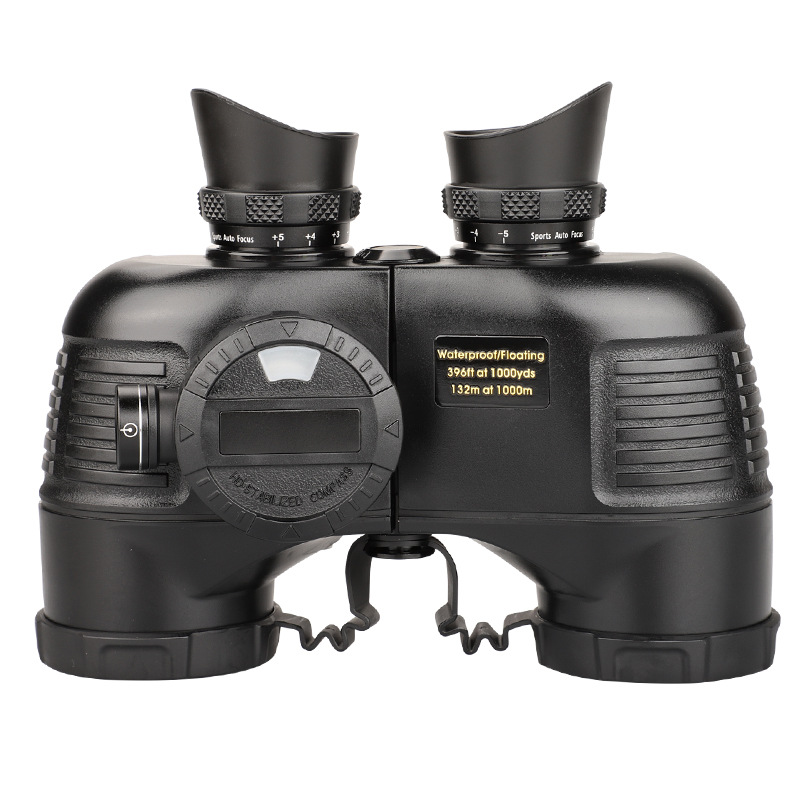
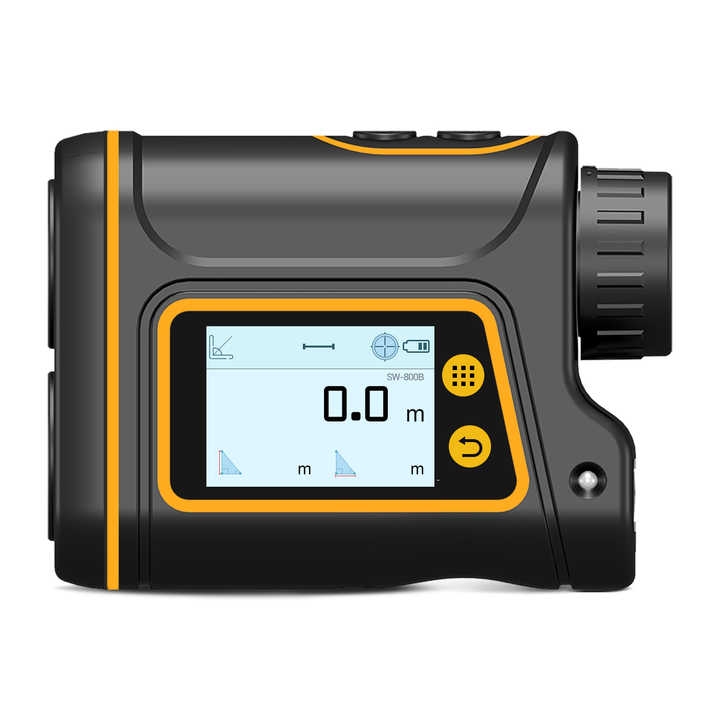
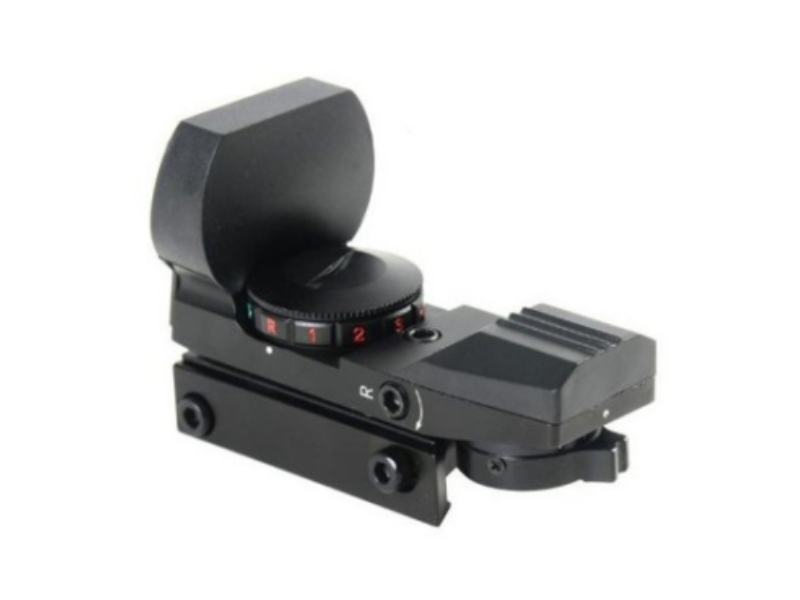
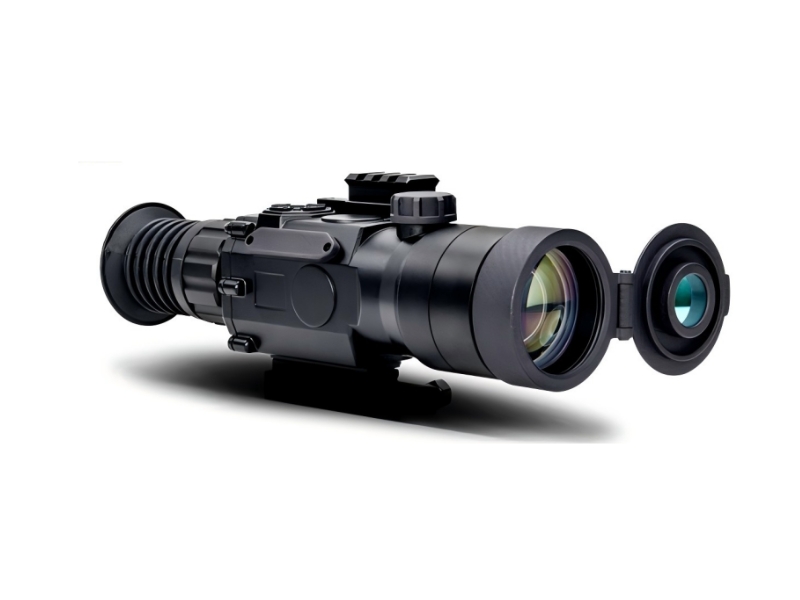
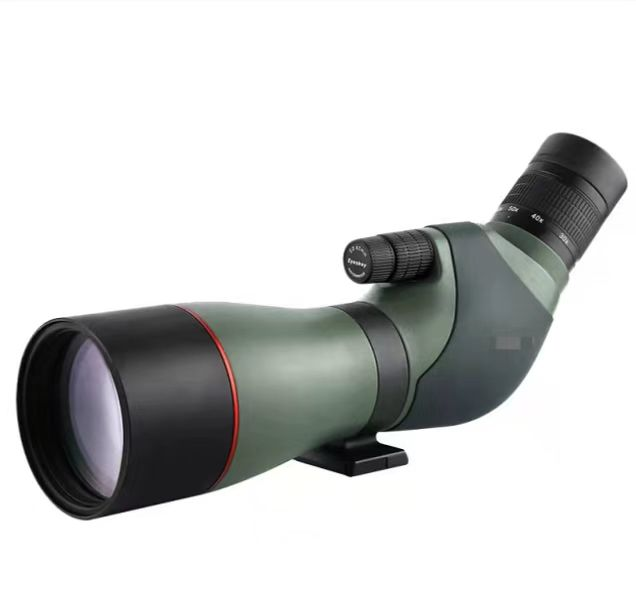
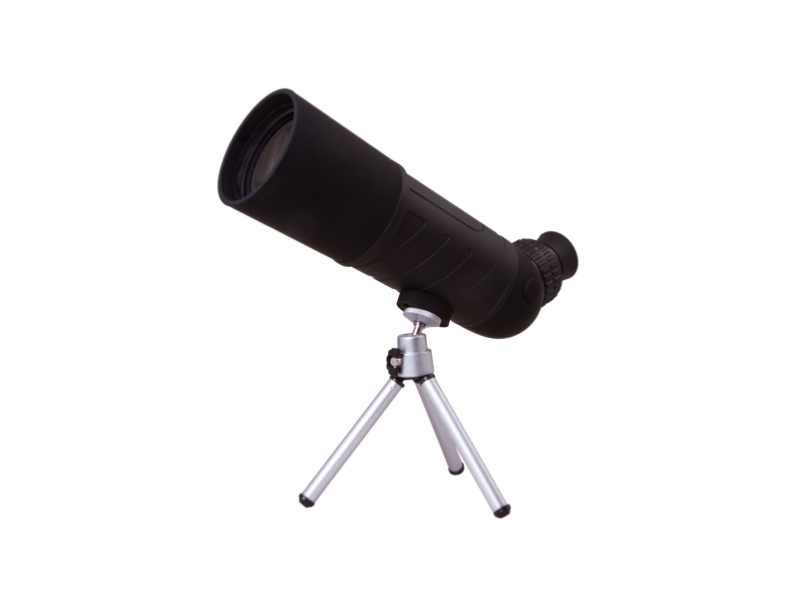
The Product Upgrade Logic Across Six Key Dimensions
Low-Light Performance
It’s Not Just “Brighter”—It’s “See Earlier, See More Accurately”
For hunting users, the real value in low-light conditions isn’t abstract brightness on paper—it’s whether they can identify targets earlier and more reliably in complex backgrounds. Morning frost, dusk backlighting, or shadowy forest edges can all make differences between products extremely obvious.
This is why many users aren’t ultimately persuaded by specs alone—they are convinced by real-world recognizability. Low-light performance is shifting from a technical term into a core capability that directly affects outcomes in the field.
Contrast and Detail
Hunting Needs “Clear Contours and Layers”
In dense vegetation, low-light, and layered backgrounds, simply magnifying the image is not enough. Users need to separate the target from its surroundings, recognizing contours, depth, and relative positioning.
Therefore, contrast, stray-light control, and imaging hierarchy are far more critical than many realize. They don’t determine whether an image looks “pretty”—they determine whether the user has enough information to make accurate judgments.
Waterproofing, Fog-Proofing, and Temperature Adaptability
Weather Resistance Is Becoming a Basic Requirement
Once products leave the showroom and enter the outdoors, differences in performance are amplified by weather and temperature changes. Fogged lenses, internal moisture, rain exposure, and stability after hot-cold transitions all directly affect users’ perception of reliability.
That’s why weather resistance is moving to the front of the priority list in hunting-focused products. It’s no longer just a “premium feature”—it’s a prerequisite for real-world usability.
Exterior Armor and Mechanical Reliability
Can It Withstand Rough Use?
Hunting equipment is rarely handled gently. Carrying, friction, impacts, wet hands, and prolonged outdoor exposure all put rubber armor feel, bridge strength, and mechanical consistency to the test.
Users may not describe it in engineering terms, but they quickly form a very direct judgment: Is this device reliable or not?
Grip and Handling
Gloves, Moisture, and Long-Term Use Magnify Small Issues
It’s easy to miss differences when trying a binocular in an office or at a trade show. But in hunting conditions—operating with gloves, in wet conditions, repeatedly raising the binocular, or carrying it for hours—any shortcomings in handling are instantly exposed.
A binocular truly suitable for hunting isn’t just “holdable”—it must remain comfortable, stable, and efficient even under complex, demanding conditions.
Product Roadmap
Hunting Scenarios Are Driving the Industry from “General-Purpose” to “Clearly Defined”
When users start evaluating products based on low-light performance, weather resistance, reliability, and handling efficiency, the old strategy of “one series covers all outdoor users” becomes increasingly strained.
The most competitive future outdoor optics won’t be “average all-rounders” claiming to do a little bit of everything. They will be products designed around clear, scenario-focused definitions, with systematic upgrades that truly meet the demands of hunting and similar outdoor activities.
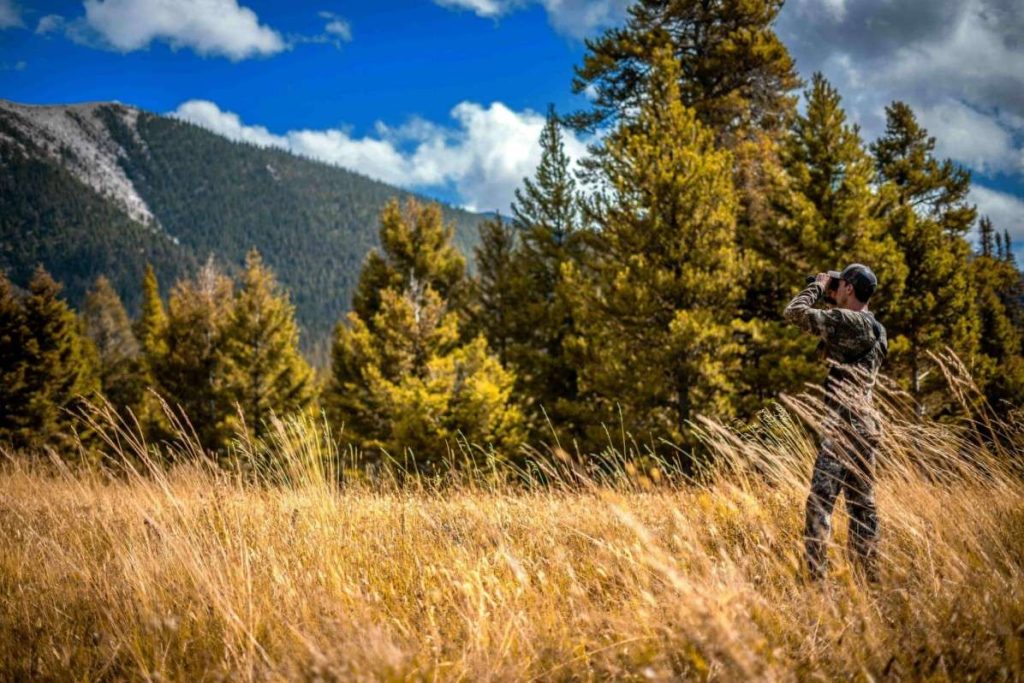
Why Hunting Drives a Shift in Development Logic: Manufacturer’s Perspective
Looking from the manufacturing side, the most important value of hunting scenarios is that they force the team to shift focus from “how good the specs look on paper” back to “how the real task gets done.”
In the past, many development decisions prioritized whether the spec ladder was complete or whether selling points were easy to communicate; hunting requirements, however, push the team to think: When are users observing most often? What weather conditions are they likely to face? Which types of failures are absolutely unacceptable? Which details are most likely to drive word-of-mouth?
Once this development mindset is established, the direction of product upgrades changes significantly. It is no longer just about adding points to a single specification, but about system-level design centered on real-world usage.
That is why hunting scenarios are becoming an important gateway for the outdoor optics industry to move from “making products” to “defining clear product roadmaps.”
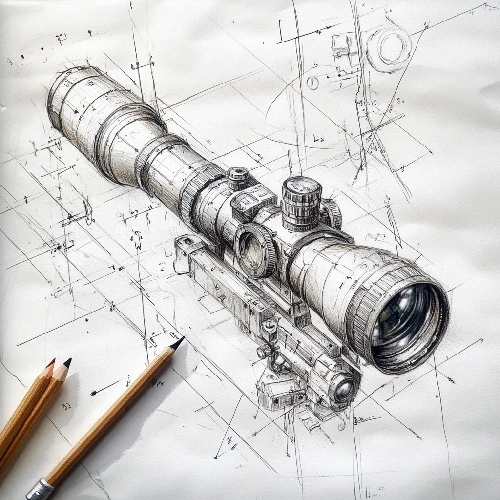
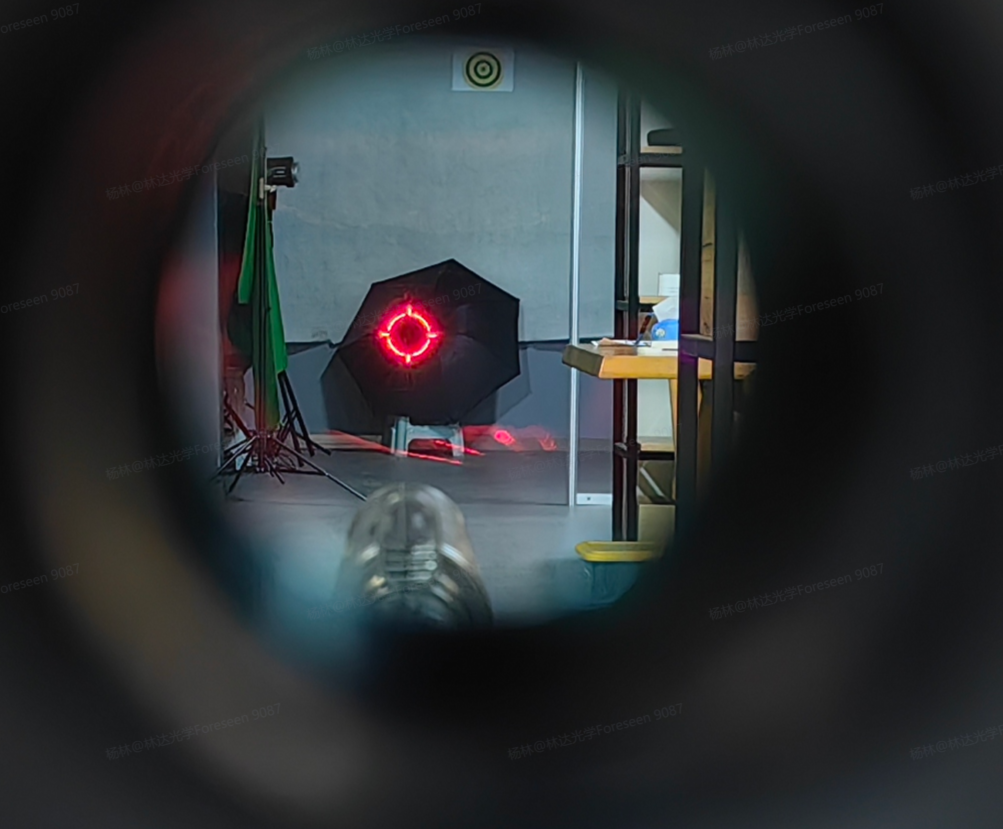
Three Upgrade Directions for the Optics Industry
First, low-light performance and detail resolution will continue to be key upgrade directions for hunting-focused products. The real value in the future won’t just be “looking brighter”—it will be enabling users to make better judgments in complex backgrounds and low-light conditions.
Second, weather resistance will continue to move forward as a fundamental part of product definitions. Waterproofing, fog-proofing, temperature adaptability, and mechanical reliability will be increasingly seen not as premium add-ons, but as essential capabilities for real hunting scenarios.
Third, platform-based development centered on hunting scenarios will gain more attention. When brands and distributors start evaluating products based on real-world performance, the focus of competition in the supply chain will gradually shift from one-off deliveries to systematic collaboration that iterates continuously around specific scenarios.
Conclusion
From low-light performance to weather resistance, hunting scenarios are redefining outdoor binoculars—not simply because hunting is a popular use case, but because it most directly reveals the truth: truly competitive products must remain reliable and usable in real-world conditions.
For brands, distributors, and manufacturers, this is the real significance of hunting demand. It reminds the entire industry that future upgrades will no longer be about higher specs alone, but about how well products match the scenario, how reliable they are, and how they support long-term use. Those who understand this earliest will have the best chance to take the lead in the next wave of product differentiation.