The Bottom Line: BAK4 Usually Offers Advantages, but It Is Not Mandatory for Every Order
In the binocular market, BAK4 is commonly regarded as a higher-grade prism glass than BK7. This view has a technical basis: under the same structural and dimensional conditions, BAK4’s higher refractive index provides a greater margin for total internal reflection, making it easier to maintain a complete, nearly circular exit pupil and reduce darkening at the edge of the image.
However, wholesale buyers should not judge a product solely by the term “BAK4.” Prism size, optical-path design, polishing accuracy, roof-prism phase coating, reflective coating, and optical alignment all affect final performance. A well-designed, consistently assembled BK7 product can easily outperform a product that merely carries a BAK4 label while cutting costs elsewhere.

What Are the Core Material Differences Between BAK4 and BK7?
Different Refractive Indices Create Different Safety Margins for Total Internal Reflection
According to SCHOTT’s published data, N-BK7 has a refractive index nd of 1.51680 at the d-line, while N-BAK4 has an nd of 1.56883. Based on an estimate of the critical angle at the glass-to-air interface, the values are approximately 41.2° and 39.6°, respectively. A smaller critical angle means that, under the same prism geometry, BAK4 is more likely to keep marginal rays under total internal reflection instead of losing them through the prism surface.
The Most Visible Difference Is Whether the Edge of the Exit Pupil Remains Complete
Point the eyepieces toward a bright background and hold your eyes approximately 20 to 30 cm away. You will see a bright exit pupil. If the prism is undersized or the total internal reflection margin is insufficient, the edge of the exit pupil may show cut-off corners, square shadows, or obvious darkening. BAK4 generally makes these edge-illumination problems easier to improve. However, a non-circular exit pupil is not necessarily caused only by the glass type; it may also result from an undersized prism, aperture-stop design, or assembly decentering.
Why Does BAK4 Not Automatically Mean a Clearer Image?
Porro and Roof-Prism Systems Have Different Requirements
Porro-prism systems make it easier to use total internal reflection and are also more economical to manufacture. In entry-level products with a moderate field of view and primarily daytime use, BK7 can still deliver acceptable center sharpness. Roof-prism systems are more compact, but they are more sensitive to machining, alignment, and coatings. Some Schmidt-Pechan designs also require a silver or dielectric high-reflectivity coating, while the roof surface requires a phase-correction coating. Simply replacing BK7 with BAK4 cannot substitute for these critical coatings. Nikon likewise uses phase correction and dielectric high-reflectivity coatings for different purposes: improving resolution and contrast, and increasing reflectivity across the visible spectrum.
The Material Name Alone Does Not Define the Actual Material Grade
In supply-chain communication, BAK4, BaK4, and “equivalent high-refractive-index prism glass” are sometimes used interchangeably. For products targeting mid-to-high-end channels, buyers should confirm the specific glass designation, refractive-index range, or material source rather than simply asking the supplier to add “BAK4” to the specification sheet. Requiring a complete material certificate may not be economical for an ordinary promotional project, but higher-priced branded projects should apply stricter material-traceability requirements.
Polishing, Coatings, and Optical Alignment Can Offset the Material Advantage
Insufficient prism-surface accuracy, uneven coatings, internal contamination, or optical-axis deviation can all reduce contrast and cause double images. What wholesale orders truly need to control is finished-product consistency, not the material label on a single sample. Whether the factory has incoming-material inspection, surface inspection, optical-axis calibration, and batch records often has a greater effect on the after-sales rate than BAK4 itself.

How Should Different B2B Projects Choose?
| Procurement Scenario | Can BK7 Be Used? | When BAK4 Is More Strongly Recommended | Procurement Priorities |
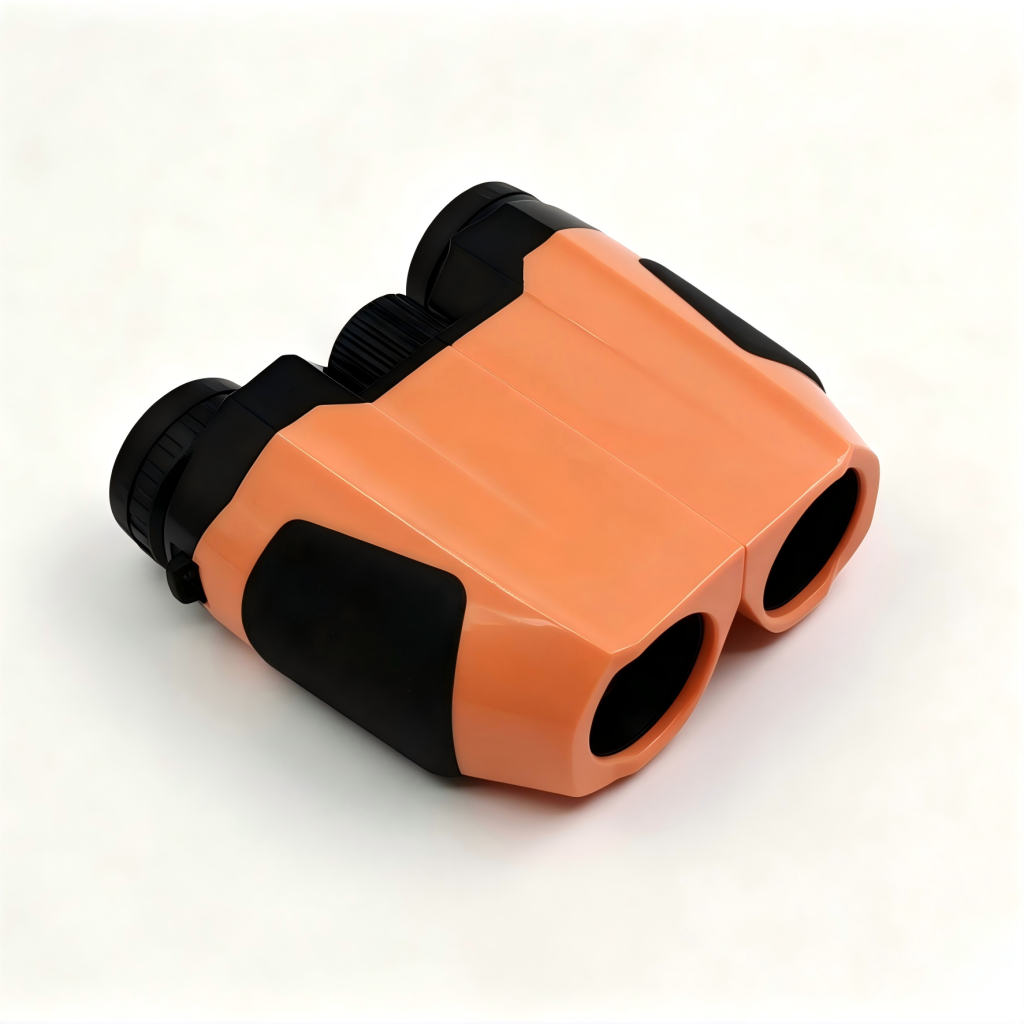
| Promotional Gifts, Children’s Products, and Daytime Leisure | Yes | When a wider field of view or better edge illumination is required | Cost control, optical alignment, and basic image clarity |
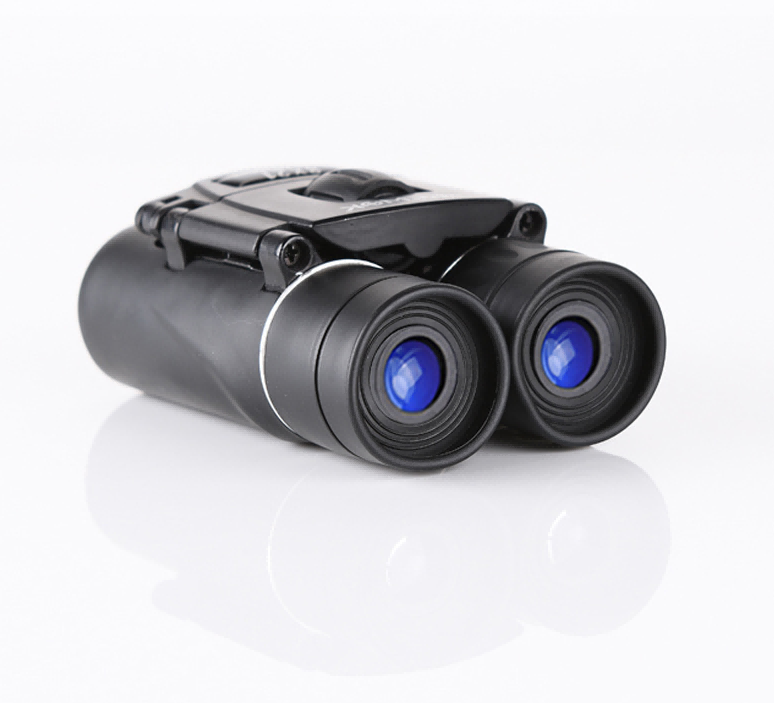
| Mainstream Outdoor and Travel Retail | Suitable as an entry-level SKU | For core models, larger objectives, or wider fields of view | Compare exit pupil, backlight performance, and batch consistency |
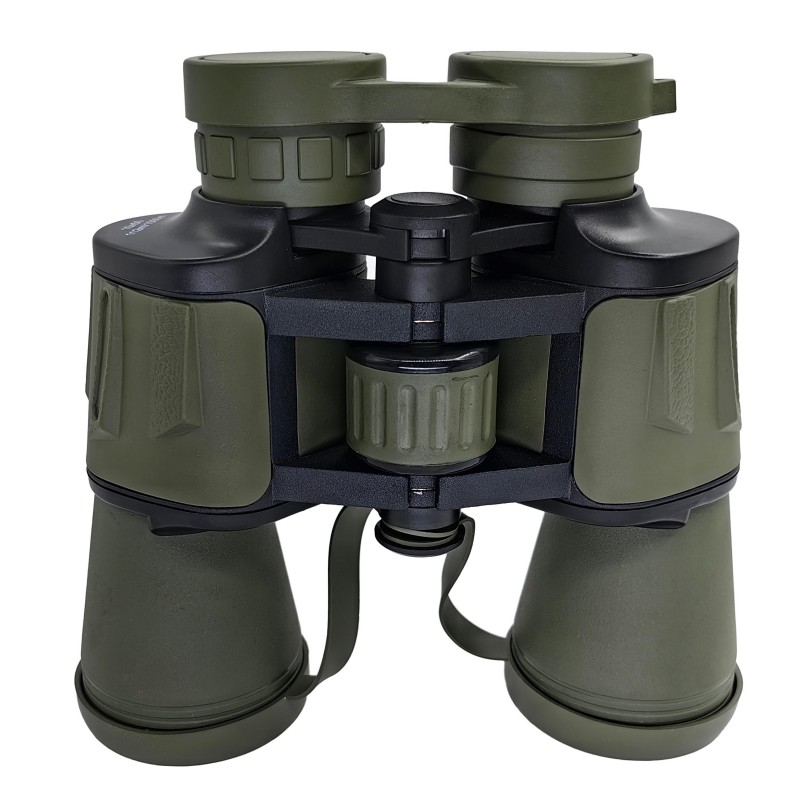
| Birding, Hunting, and Dawn/Dusk Observation | Not recommended as the main selling-point solution | Usually recommended | Low-light performance, contrast, coatings, and waterproofing |
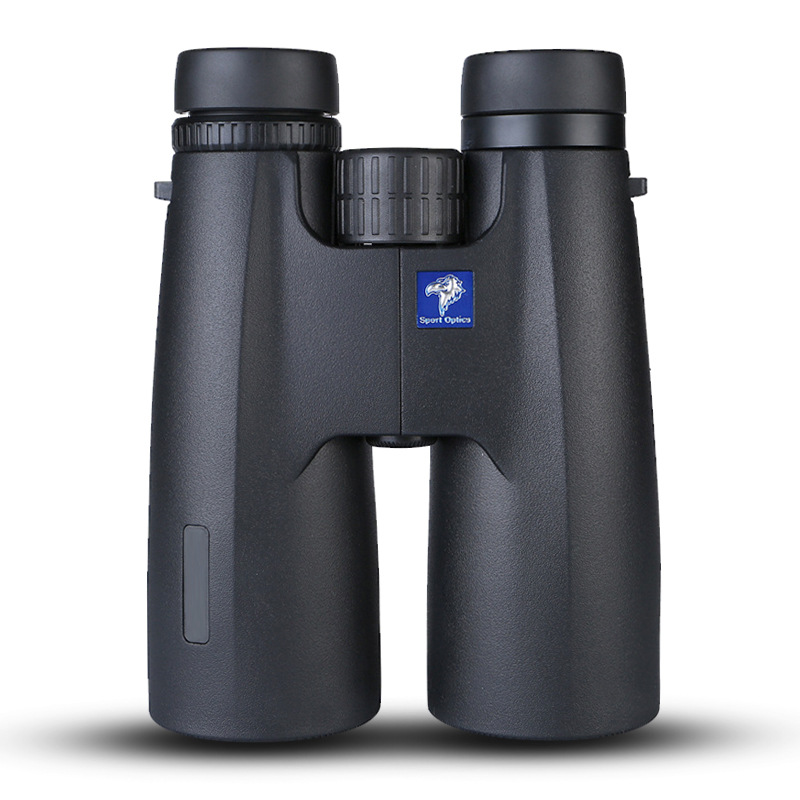
| Mid-to-High-End Private-Label Roof-Prism Projects | Usually not preferred | BAK4 or a clearly specified equivalent material is recommended | Phase coating, dielectric coating, material traceability, and AQL |
Wholesale Buyers Should Ask Suppliers These Six Questions
• Does “BAK4” in the specification sheet refer to a specific glass designation or to an equivalent high-refractive-index prism glass?
• Is the prism size properly matched to the field of view and objective-lens diameter, and is there any edge vignetting?
• Does the roof-prism product include a phase-correction coating and either a silver or dielectric high-reflectivity coating?
• Are the sample’s exit-pupil shape, brightness of the left and right barrels, and optical alignment consistent?
• Will mass production be locked to the same BOM, Golden Sample, and AQL sampling standard?
• Can the unit-price increase from upgrading to BAK4 be converted into value that the target channel can actually perceive?
FORESEEN OPTICS Recommendation: Choose According to Channel Value, Not by Mechanically Pursuing a Material Name
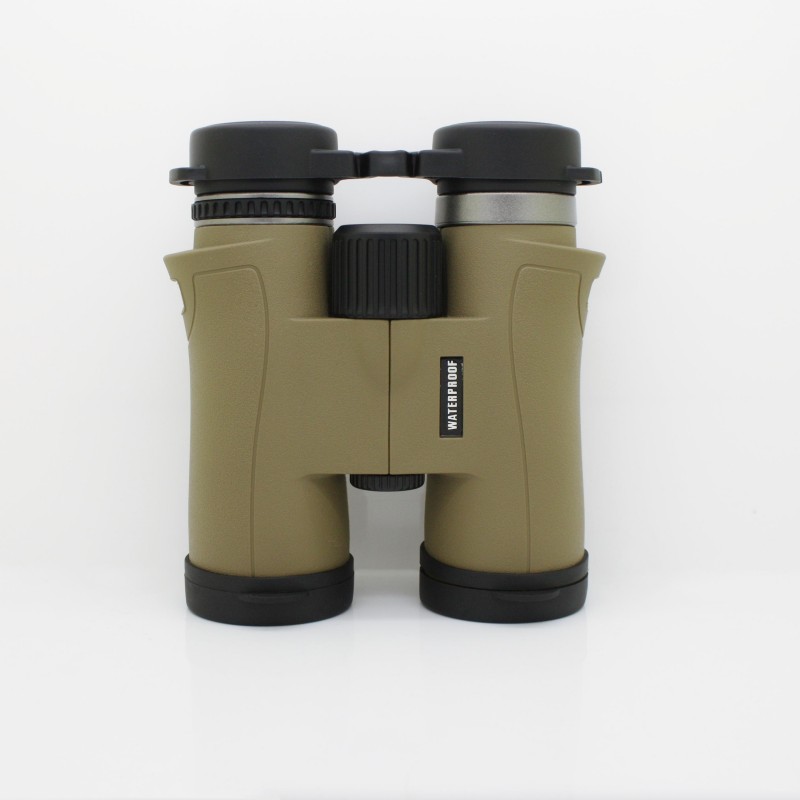
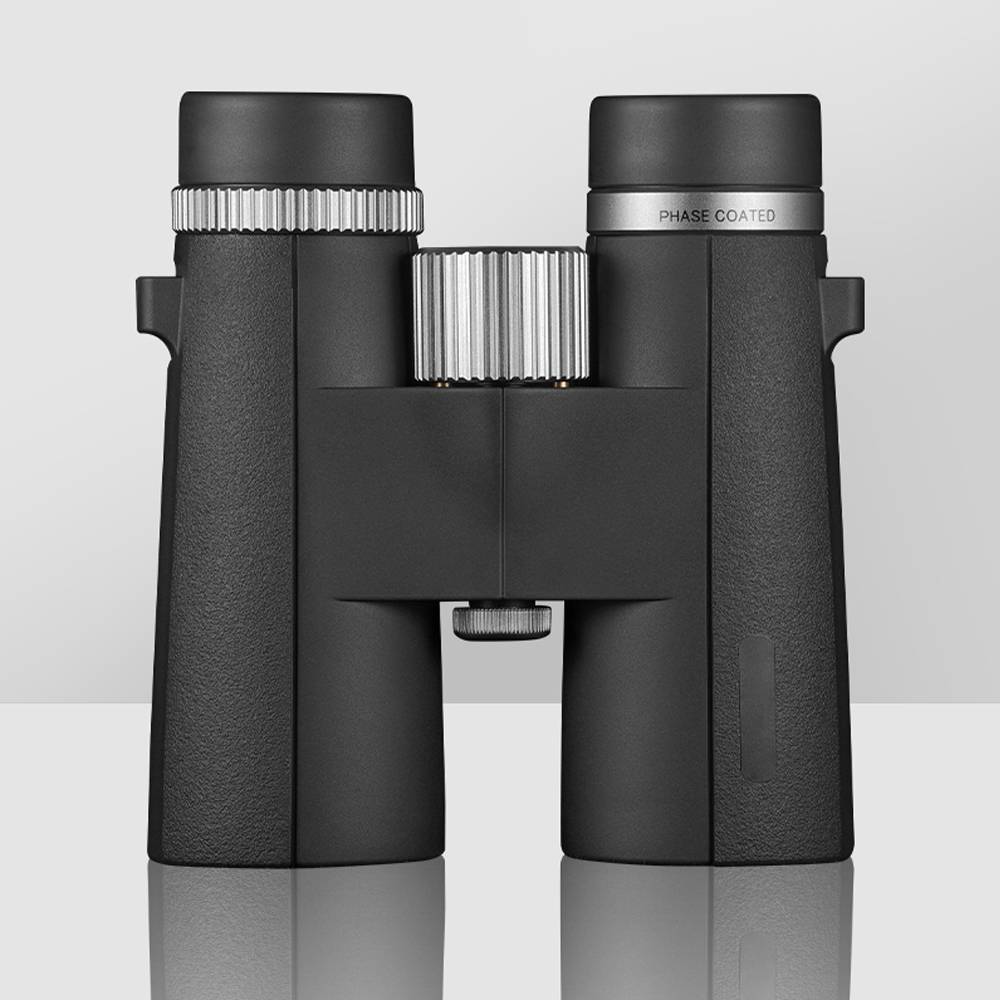
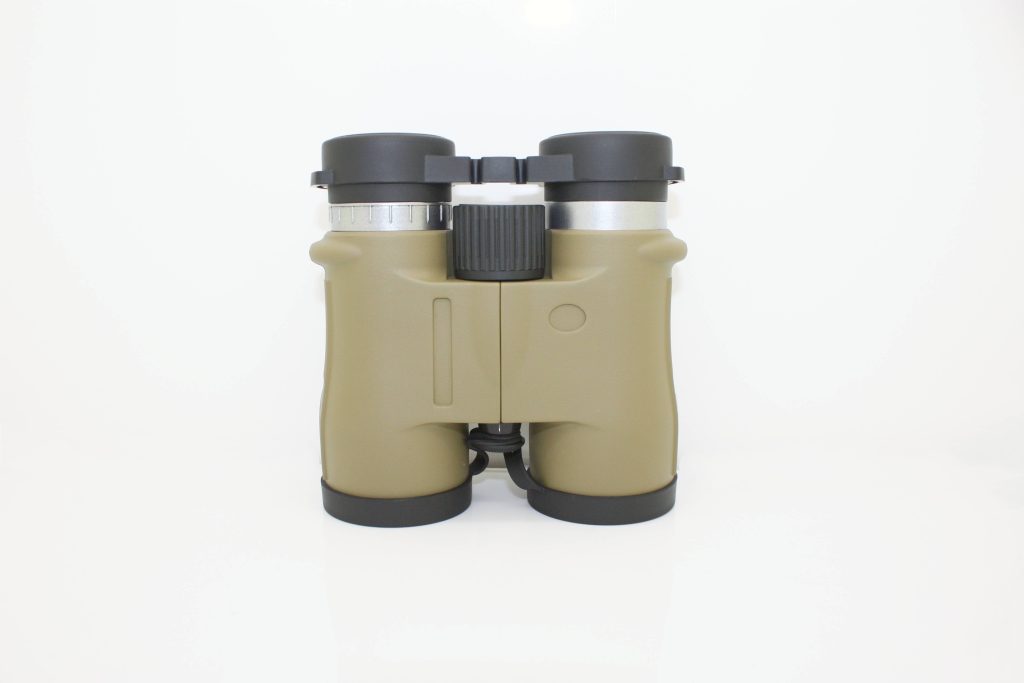
For price-sensitive promotional, travel, and entry-level Porro products, a mature BK7 platform can still play a clear role in the SKU lineup. For birding, hunting, low-light, wide-field, and mid-to-high-end roof-prism products, BAK4 is generally the lower-risk choice. However, any upgrade should also confirm the prism size, reflective coating, phase coating, optical alignment, and protective construction; otherwise, the material premium may not be fully converted into an improved end-user experience.
Conclusion
The real difference between BAK4 and BK7 mainly comes from refractive index and the available margin for total internal reflection. BAK4 generally provides more complete edge illumination and is better suited to wide-field, low-light, and mid-to-high-end products, but it is not a single guarantee of image clarity. For wholesale buyers, the most mature decision is not to require BAK4 for every SKU. Instead, select the material grade according to channel positioning and use exit-pupil, backlight, optical-alignment, coating, and mass-production consistency tests to confirm that every dollar spent on configuration creates sellable product value.