In the hiking and travel market, the purchasing logic for binoculars is clearly changing. In the past, brands and distributors were more used to defining products through traditional optical specifications, such as magnification, objective lens diameter, prism material, and coating level. But in real hiking and travel scenarios, users are not looking at a specification sheet first. They are facing a much more practical question: is this product light enough to carry, and good enough to use again and again?
This is also what makes outdoor optics for hiking and travel so difficult to define. If a product is made too lightweight, it may compromise stability, field of view, low-light performance, and structural durability. If it is made too powerful, it may become too heavy, too bulky, and inconvenient to access, which eventually reduces how often users are willing to carry it.
For channels and brands, products with real long-term sales potential are usually not the models with one outstanding specification. Instead, they are the products that find the right balance between portability, basic optical performance, structural reliability, and ease of use.
This article will analyze, from both the manufacturing and channel perspectives, how outdoor optical products for the hiking and travel market can balance portability and user experience. It also provides a clearer framework for brand product line planning and OEM / ODM development.
- Why don’t hiking and travel users simply chase high specifications?
- Where do the main conflicts between portability and user experience appear?
- What specifications are more suitable for long-term sales in hiking and travel channels?
- How can brands define products around the way users carry and actually use binoculars?
- What room is there for factories to improve structure, materials, optics, and accessories?
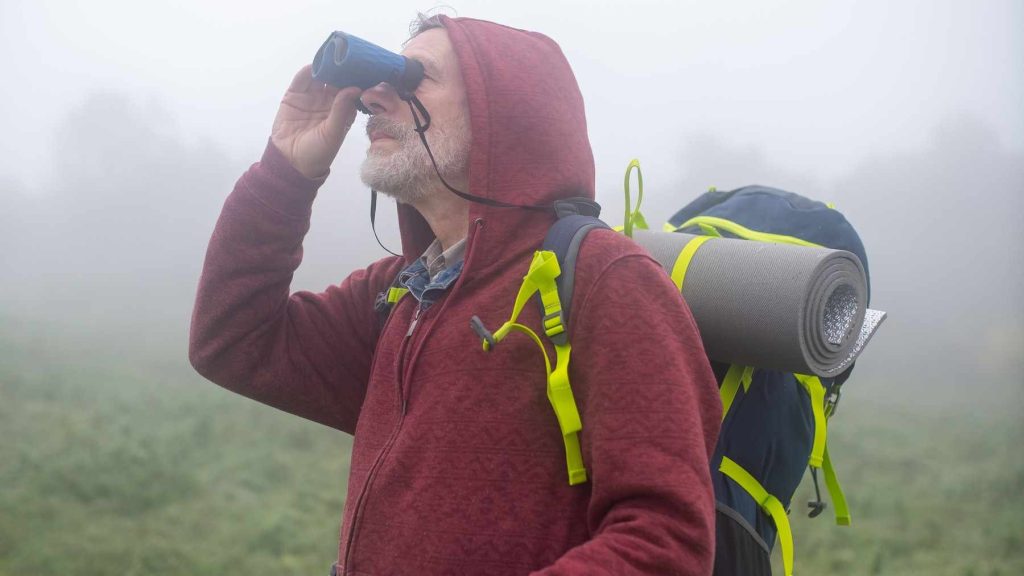
Why Does the Hiking and Travel Market Need a New Understanding of a “Good Product”?
In the traditional optics market, a good pair of binoculars is often understood as having the right magnification, a larger objective lens, better coatings, and brighter image quality. But in the hiking and travel market, product value must first pass the test of real outdoor use. Users will think about backpack space, walking weight, ease of access, weather changes, and how often they will actually use the product during a trip.
It Is Not a Fixed Observation Tool, but Part of Everyday Carry Gear
Hikers and travelers usually do not stay in one place for long periods of observation. More often, they use binoculars briefly while moving, when they come across scenery, wildlife, distant landmarks, route points, or city views. This means binoculars must be easy to carry and quick to access.
It Is Not Essential Survival Gear, but an Experience-Enhancing Tool
Compared with shoes, clothing, backpacks, rain gear, water bottles, and navigation tools, binoculars are usually not a must-have item for hiking. Users will only add them to their gear list when they feel the product does not create a noticeable burden and can clearly improve their viewing experience.
It Is Not Only Sold to Professional Users, but Also to General Outdoor Consumers
Travel and light hiking users usually do not have the same level of optical knowledge as professional birdwatchers or hunters. They may not fully understand every specification, but they can immediately feel whether a product is comfortable to hold, visually appealing, easy to store, and simple to use.

Where Is the Real Conflict Between Portability and User Experience?
Lightweight Design May Reduce Optical Space
Smaller objective lenses, shorter bodies, and more compact structures usually help reduce weight and size. However, they may also affect low-light performance, viewing comfort, eye relief, and the internal space available for the optical and mechanical structure.
For manufacturers, the key is to judge which lightweight designs are true optimizations, and which ones may create a noticeable loss in user experience.
A Better User Experience Usually Requires a More Stable Structure
Image clarity, focusing feel, waterproof and fogproof performance, rubber armor, and hinge stability all add structural complexity and cost. If a product focuses too much on low cost and lightweight design, it may sell well in the short term, but its long-term reputation and repeat purchase potential may be affected.
Travel Users Care More About a “Low-Interruption” Experience
In travel scenarios, users often switch between taking photos, walking, driving, climbing, and resting. If binoculars take up too much bag space, feel uncomfortable around the neck, or are inconvenient to take out and use, users may eventually give up carrying them, even if the specifications look good on paper.
Hiking Users Care More About a Sense of Reliability
Hikers often face rain, sweat, dust, rocky trails, backpack pressure, and temperature changes. If a product feels too delicate, too fragile, or difficult to protect, users will naturally have less confidence in it.

From a Channel Perspective, Which Products Are More Likely to Build Long-Term Sales Advantages?
For distributors and retail channels, the key concern is not whether a product can attract attention once. What matters more is whether it can sell steadily, keep after-sales issues low, be easy to explain, easy to recommend, and suitable for users at different experience levels.
- Easy to understand: Users should be able to quickly tell whether the product is designed for travel, light hiking, or more advanced outdoor observation.
- Easy to carry: The weight and size should not become a clear barrier when users decide what to bring on a trip.
- Easy to use: Focusing, grip, eyecups, straps, and storage should all feel intuitive.
- Solid basic experience: Center clarity, field of view, color performance, and viewing comfort should not hold the product back.
- Reliable durability: Lightweight design should not lead to excessive after-sales issues or negative reviews.
Therefore, long-term sales advantages usually come from clear positioning, stable user experience, and a low barrier to use, rather than leadership in a single specification.
Five Questions Brands Should Answer Before Defining a Product
- Is the target user a city traveler, a light hiker, a long-distance hiker, or a nature observation enthusiast?
- How will the product mainly be carried: in a pocket, chest pack, backpack side pocket, on a neck strap, or in a dedicated soft case?
- What will users observe most often: distant landscapes, animals, birds, landmarks, routes, or the overall natural environment?
- Does the target price range allow the product to balance lightweight materials, basic coatings, waterproof construction, and an accessory system?
- Does the brand want to focus on extreme portability, or position the product as “lightweight without sacrificing the viewing experience”?
If these five questions are not clearly answered first, the product can easily fall into unclear positioning: trying to be lightweight while also chasing high magnification; trying to be low-cost while offering a premium experience; trying to serve travel users while also covering professional observation needs.
In the end, the product may become something everyone can use, but no one truly loves.
Five Key Dimensions That Affect the Balance Between Portability and User Experience
Weight and Size
Weight determines whether users are willing to carry the product for a long time, while size determines whether it can be easily packed into a bag or worn on the body. For hiking and travel products, it is not enough to look only at the weight in grams. The overall shape and how easy it is to store also matter.
Specification Combination
Specifications such as 8×25, 8×32, 10×32, and 8×42 can all fit into the outdoor market, but they serve different users and scenarios. A truly mature product definition should match the specification with the carrying method, observation distance, and target user.
Basic Optical Experience
Lightweight products do not necessarily need to chase extreme image quality, but they must still provide clear center resolution, a usable field of view, comfortable eye relief, and natural color performance. Otherwise, even if users bring the product outdoors, they may not use it frequently.
Structural Reliability
Waterproof performance, fogproof performance, drop resistance, rubber armor, hinge damping, and eyecup durability are important foundations for building long-term reputation in the hiking and travel market.
Carrying System and Accessories
Soft cases, neck straps, quick-release buckles, waterproof storage bags, chest-carry solutions, and smartphone adapters can all affect how often users use the product. For the hiking and travel market, accessories are not just add-ons. They are part of the overall product experience.

Product Positioning Suggestions for Different Specification Routes
| Specification Route | Main Advantages | Potential Limitations | More Suitable Market Positioning |
| 8×25 / 10×25 | Ultra-portable, easy to store, suitable as a travel backup | Limited low-light performance and stability | City travel, light hiking, gift channels |
| 8×30 / 8×32 | A good balance between field of view, stability, and weight | Slightly larger than pocket-size models | Main hiking models, nature observation, general outdoor use |
| 10×32 | Stronger long-distance viewing capability | Requires better handheld stability | Open-area travel, mountain hiking, more experienced users |
| 8×42 | Better low-light performance and viewing comfort | Greater weight and size pressure | Camping, slow travel, image-quality-focused users |
For most hiking and travel channels, 8×30 / 8×32 is often the most worthwhile balanced route to focus on. It offers a more practical viewing experience than pocket-size models, while remaining easier for users to carry over the long term than 42mm models.
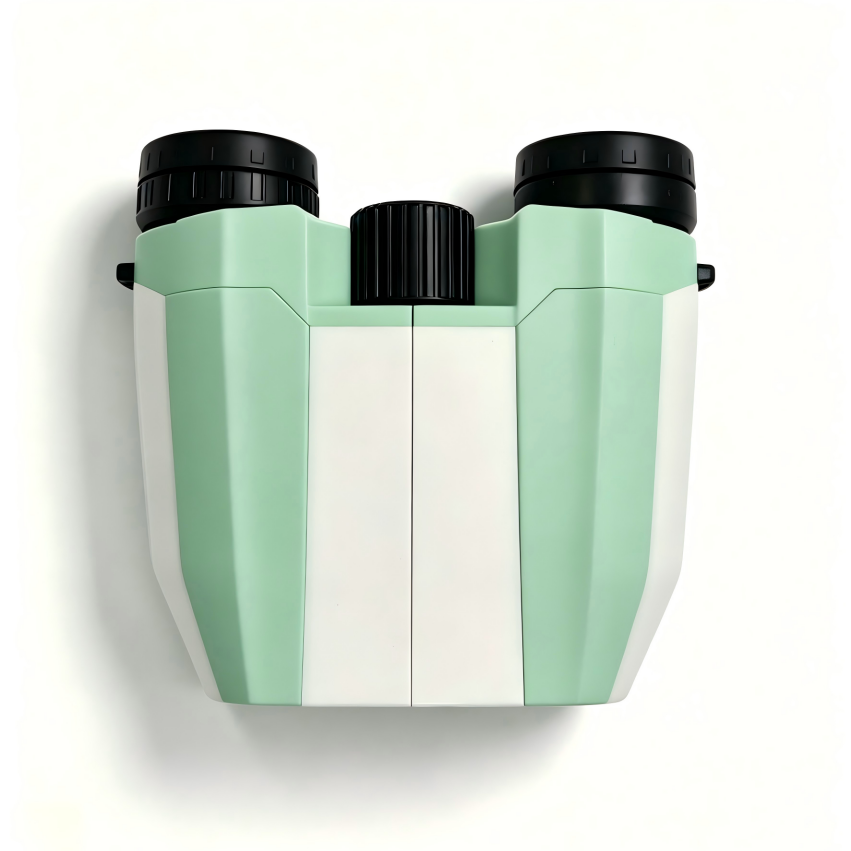
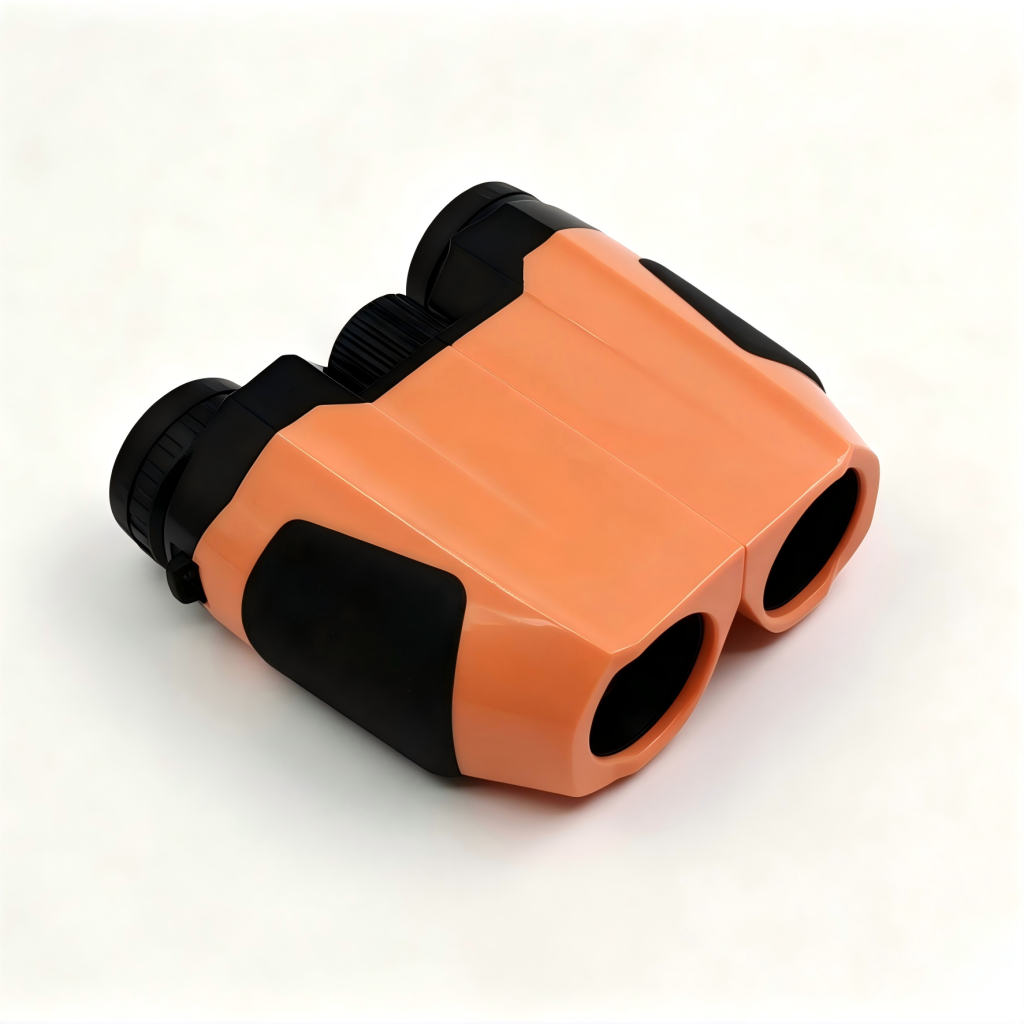
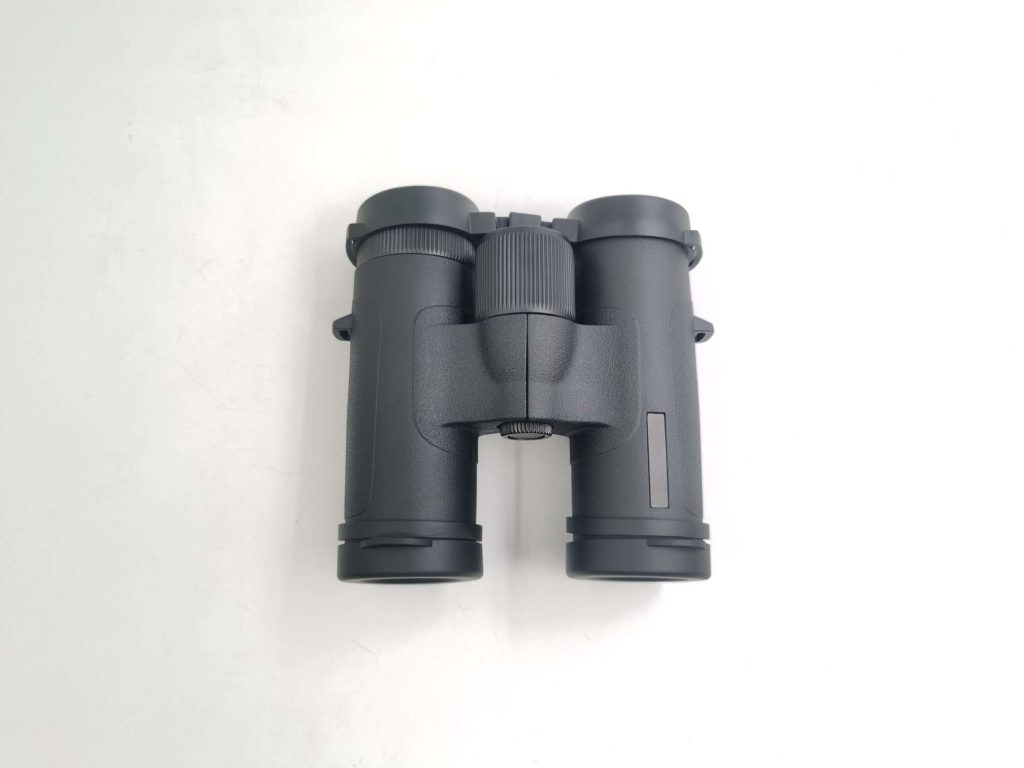
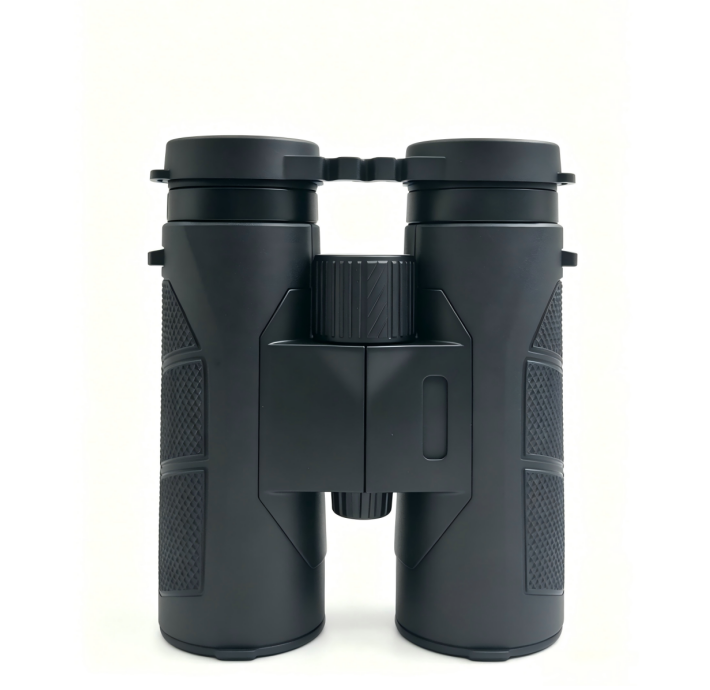
Why Should Lightweight Products Not Ignore Durability?
When developing lightweight products, many brands tend to focus too much on the weight number itself, while overlooking how sensitive outdoor users are to durability. In fact, hiking and travel users may not fully understand the optical structure, but they can quickly feel whether a product is solid, waterproof, and able to withstand backpack pressure and everyday bumps.
Lightweight Does Not Mean Fragile
Good lightweight design should come from better materials, smarter structure, and optimized internal layout. It should not simply come from reducing protection, weakening sealing performance, or cutting down key structural components.
Durability Determines Channel Confidence
Travel and outdoor channels pay close attention to return rates and user reviews. If a product is lightweight but easy to damage, it can quickly weaken channel trust.
Reliable Structure Can Become a Differentiated Selling Point
Features such as waterproof and fogproof construction, anti-slip rubber armor, wear-resistant housing, stable hinges, and smooth focusing can all become selling points that users can feel and channels can clearly explain.

From a Manufacturing Perspective, Where Are the Optimization Opportunities?
- Lightweight material optimization: Optimize body materials, structural wall thickness, and external armor design while keeping costs under control.
- Compact structural design: Reduce unnecessary volume and make the product easier to store and carry.
- Improved focusing feel: Enhance operating efficiency for quick, short-time observation.
- Better close-focus performance: Meet the needs of travelers who want to observe plants, animals, architectural details, and the surrounding natural environment.
- Accessory system optimization: Develop soft cases, quick-access straps, chest-carry solutions, and waterproof storage options that are better suited for hiking and travel.
- Appearance and tactile experience optimization: Create a better aesthetic balance between travel consumer products and outdoor gear.
The value of manufacturing is not just making a product smaller and lighter. It is about helping brands find the best combination of portability, optical experience, durability, and cost.
How Should Products Be Balanced Across Different Price Ranges?
| Price Range | Values Better to Emphasize | Product Definition Suggestions |
| Entry Level | Lightweight, easy to use, basic clarity | Control costs, avoid overloading the product with excessive specifications, and focus on lowering the barrier to use |
| Mid-Range Mainstream | Portability + experience + durability | Build a core model for long-term sales, emphasizing balance rather than extreme performance |
| High-End Lightweight | Premium image quality, lightweight materials, refined structure | Target frequent travelers and more advanced outdoor users, while helping build the brand image |
The mid-range mainstream price segment is the most suitable area for building a core product around the balance between portability and user experience. This segment has enough market scale, while also allowing users to feel the real difference brought by better structure, coatings, handling, and accessory systems.
What Should Brands Confirm When Communicating with Manufacturers?
- Is the product designed as a travel backup, a main model for light hiking, or a more advanced tool for nature observation?
- Do the target weight and size match the way users will actually carry the product?
- Is the optical experience good enough to support repeated use, rather than simply meeting a low-price requirement?
- Are there clear standards for waterproofing, fogproofing, wear resistance, and drop testing?
- Is the accessory system included in the product definition, instead of being randomly matched at a later stage?
- Can the same product platform be developed into entry-level, mid-range, and high-end series?
From an OEM / ODM perspective, the earlier these questions are clarified, the easier it is to avoid unclear positioning later in the development process. It also makes it much easier to turn the balance between portability and user experience into a real, workable product.
Conclusion: Portability Opens the Door, but User Experience Defines Long-Term Value
For the hiking and travel market, finding the right balance between portability and user experience is not about making outdoor optics as small and light as possible. It is also not about pushing specifications to the highest level. The real key is to make users willing to carry the product, make it easy to use, and give them a satisfying viewing experience in real outdoor scenarios.
Portability determines whether the product can make its way into the backpack. User experience determines whether it will be taken out and used again and again. Durability determines whether channels are willing to sell it over the long term, while product positioning determines whether users can quickly understand whether it is right for them.
Therefore, for both brands and manufacturers, a mature definition of hiking and travel binoculars should be built around carry-friendly design, solid basic optical performance, reliable structure, complete accessories, and clear price positioning.
The truly competitive products in the future will not simply be the ones that look best on a specification sheet. They will be the ones that best match how users actually travel, and the ones users are most willing to carry for the long term and use repeatedly.

FAQ
Q: Are lighter binoculars always better for hiking and travel?
A: No. Lightweight design is important, but if it sacrifices basic clarity, handheld stability, and durability, the long-term user experience may actually become worse.
Q: Which is better for channels to promote, 8×25 or 8×32?
A: 8×25 is more suitable for ultra-portability and travel backup use. 8×32 is better as a main model because it offers a more balanced combination of portability and viewing experience.
Q: What should high-end hiking binoculars focus on?
A: High-end hiking binoculars should focus on lightweight materials, premium image quality, refined structure, weather resistance, and a more complete carrying system, rather than simply emphasizing magnification.
Q: Do travel users care about waterproof and fogproof performance?
A: Yes. Travel environments can change quickly, and waterproof and fogproof performance helps reduce user concerns while improving the overall sense of reliability.
Q: What do factories most often overlook when developing this type of product?
A: The most commonly overlooked factor is the real carrying method. If a product only looks good on a specification sheet but is not easy to store, wear, or access quickly, it will be difficult to fit the hiking and travel market.