If we roughly divide the outdoor binocular market into two categories — general outdoor use and hunting-related applications — it becomes clear that these two customer groups are moving toward very different ways of evaluating products.
In the general outdoor market, buyers often make decisions based on portability, price, versatility, and basic image quality. For many users, a binocular needs to be light enough to carry, easy to use, reasonably clear, and suitable for travel, hiking, sightseeing, sports events, or casual nature observation.
Hunting channel customers, however, tend to ask a very different set of questions. Can the binocular still deliver a clear image in low-light conditions? Will it remain reliable in wet, cold, foggy, or long-hour outdoor environments? Is the grip stable enough when hands are cold or wet? Can the product withstand frequent use in tougher field conditions over time?
At first glance, this may seem like a simple difference in customer preferences. But when we look deeper into the real usage scenarios, we can see that these two markets are actually built around two very different task models.
For most general outdoor users, binoculars are used in relatively relaxed situations. The main expectation is that the product should be convenient, easy to carry, and “good enough” for a wide range of everyday outdoor activities.
Hunting-related users, on the other hand, often operate within more demanding time windows, more unpredictable weather, and more complex field environments. Their observation is not just about enjoying the view — it is closely connected to timing, judgment, and accuracy.
That is why the requirements of hunting channel customers are becoming increasingly different from those of the general outdoor market. This difference is not just about changing marketing messages or highlighting different selling points. It is pushing outdoor optics away from a one-size-fits-all product mindset and toward more clearly defined, scenario-driven product development.
For brands, distributors, and manufacturers, understanding this shift is important. Because once we understand how hunting users judge binoculars in real field conditions, we can better understand where the next round of product upgrades and market segmentation is heading.
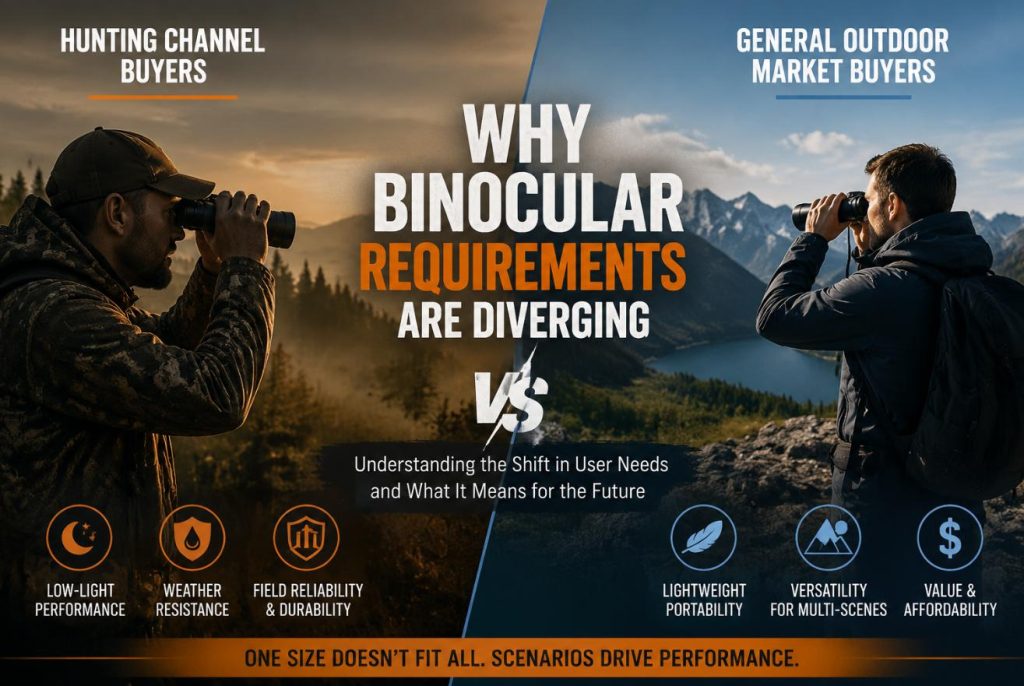
Why Are Hunting Channel Buyers and General Outdoor Buyers Evaluating Products Differently?
Because they are not dealing with the same kind of outdoor observation task.
Different Usage Scenarios Define Different Expectations
Many buying scenarios in the general outdoor market are built around simple needs: seeing something more clearly, carrying the product easily, and using it without much effort. A user may take a binocular to enjoy scenery, watch a performance, observe something during a trip, or do some light nature watching from time to time. In these situations, as long as the binocular is lightweight, easy to operate, and comfortable enough to look through, it can usually meet most expectations.
Hunting-related scenarios are very different.
For hunting users, observation is not something they do casually or “just for a quick look.” It is often a highly task-driven activity. They may need to identify a distant target at dawn or dusk. They may have to keep using the binocular in cold, wet, foggy, or rainy conditions. They may also spend a long time waiting, only to make a quick judgment within a very short observation window.
That is why hunting channel customers do not simply ask whether a product is “a binocular.” They care more about whether this binocular can be trusted when it really matters.
From “Good Enough” to “Must Be Reliable”
The general outdoor market is looking for broad versatility, while hunting channels care more about performance in critical scenarios.
The most fundamental difference between these two markets lies in their tolerance for failure.
General outdoor users can often accept a product that is “good enough.” But hunting channel customers are much less willing to accept obvious weaknesses in key performance areas. In hunting-related use, poor visibility in low light, unstable viewing after fogging, a slippery housing that affects grip, or performance drop after long hours outdoors are not just minor user-experience issues. They can directly affect the actual value of the product in the field.
From this perspective, hunting customers are not becoming different simply because they are “more demanding.” Their usage scenarios naturally require higher quality, stronger reliability, and a more clearly defined product direction.
Key Performance Priorities in Hunting Binoculars
When we break down the real needs of hunting scenarios, we can see that they are reshaping the priority order of binocular specifications as a whole.
First, low-light performance becomes much more important. Dawn, dusk, forest edges, and shaded areas are all very common in hunting environments. That means whether the optical system can still provide effective observation under difficult lighting conditions often has a direct impact on how customers judge the product.
Second, weather resistance and environmental adaptability are becoming increasingly important. For hunting channel customers, waterproofing, fog resistance, temperature-change resistance, rubber armor, grip stability, and overall structural reliability are not just “extra selling points.” They are part of what makes a binocular truly qualified for this market.
Third, long-term stability is moving higher on the priority list. Many general outdoor users may care more about the first impression when they pick up a binocular. Hunting customers, however, usually pay more attention to whether the product can remain stable after repeated use in the field.
In other words, the hunting market is not simply asking for one higher specification. It is pushing a change in the whole product mindset: binoculars need to move from being basically usable to being trustworthy in complex outdoor environments.

The Real Market Split I See Across Six Key Dimensions
Low-Light Performance
Not a Bonus Feature, but the Foundation of a Hunting-Oriented Binocular
In the general outdoor market, many users mainly use binoculars during the daytime or in relatively good lighting conditions. In that context, “clear enough” is often good enough.
But in hunting-related scenarios, the most important observation moments often happen when the light is far from ideal.
That is why hunting channel customers pay much closer attention to real, usable low-light performance, instead of only looking at magnification and objective lens diameter on paper. The brands that can build a reliable reputation in this area are more likely to earn long-term recognition from hunting channels.
Weather Resistance
“Nice to Have” for General Outdoor Use, “Must Have” for Hunting Channels
For the general outdoor market, waterproof and fog-proof performance is often seen as an added benefit.
But in hunting scenarios, it is closer to a basic entry requirement. Rain, morning fog, cold weather, and temperature changes are all part of real field use.
This means hunting channel customers are not simply looking for a list of weather-resistant claims. What they really care about is whether the product can keep working reliably when the environment changes.
Grip and External Structure
Long Hours in the Field Make Small Details Much More Important
For casual users, a short hands-on experience may not be enough to notice details such as rubber armor texture, surface grip, or overall balance.
But hunting users are different. In long-hour, repeated field use — sometimes even with gloves on — these details become much more noticeable.
That is why grip comfort, anti-slip surface design, intuitive operation, and overall structural stability all become important factors when hunting channel customers judge whether a binocular is truly suitable for the hunting market.
Reliability
Hunting Customers Are Not Buying “Looks Good at First,” but “Works Reliably Over Time”
In many general outdoor markets, purchasing decisions are often driven by first impressions, price range, and general usability. Hunting channel customers, however, usually care more about how stable the product remains after long-term use.
That is why they are more sensitive to structural reliability, sealing performance, and how well the product maintains its condition after repeated use in the field. For these customers, reliability is not just one feature among many — reliability itself is part of the product’s core value.
Content Expression
The Hunting Market Responds Better to “Real-Scenario Effectiveness”
When communicating with the general outdoor market, brands can often focus on portability, value for money, and broad everyday use.
But in hunting channels, the more effective message is usually much more scenario-based: better visibility in low light, more stable performance in complex weather, and more reliable use during long hours outdoors.
This shows that entering the hunting channel is not simply about changing the sales wording. It requires more accurate content built around a more professional usage logic.
Product Direction
Hunting Customers Do Not Want a “General Outdoor Upgrade,” but a Clearly Defined Scenario-Based Product
As the market becomes more mature, hunting channel customers no longer expect a product that is simply “a little stronger than a normal outdoor binocular.” What they want to see is a product line that is truly defined around hunting scenarios.
In other words, the more competitive brands and supply chains in the future will not only be able to make a binocular. They will be able to translate real hunting needs into a complete solution — covering specifications, structure, exterior design, accessories, and selling-point communication.
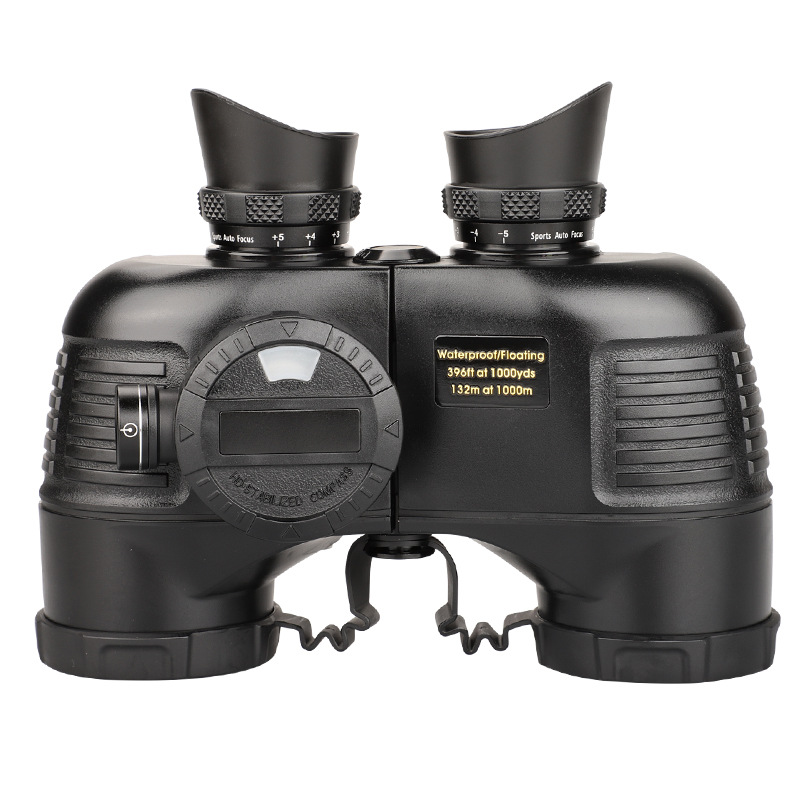
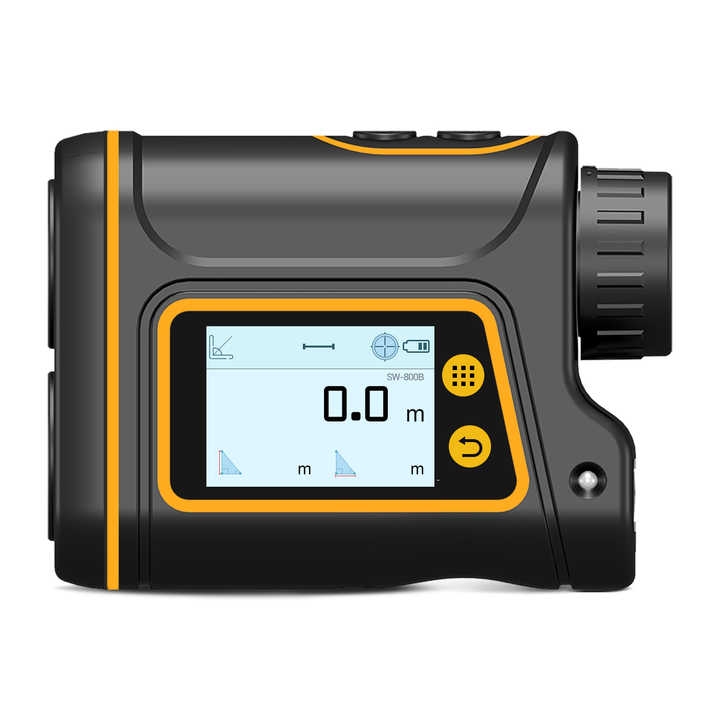
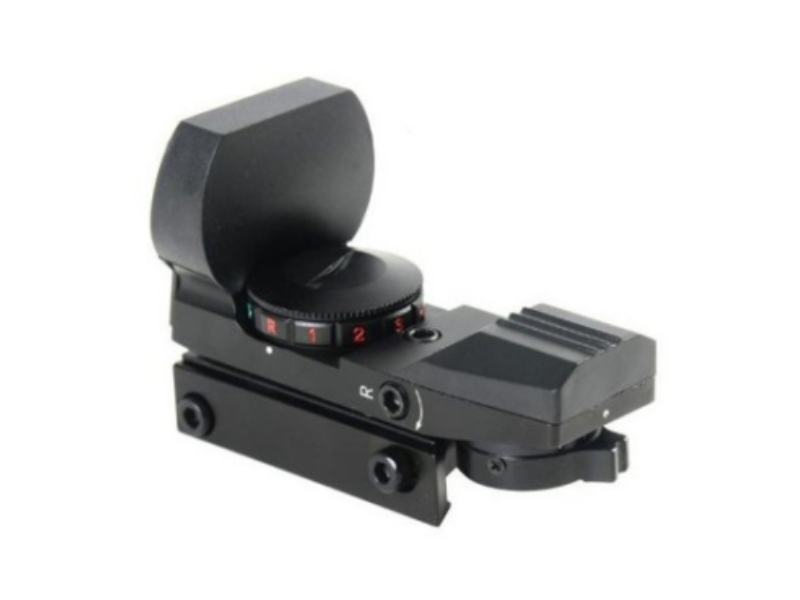
From a Manufacturing Perspective, Why Is This Gap Becoming Wider?
From the manufacturing side, the gap between hunting channel customers and the general outdoor market is becoming wider because end users are becoming more mature, and distribution channels are becoming more professional.
In the past, a broad “general outdoor” product line might have been able to cover many different needs. But as users develop a deeper understanding of real scenario-based experience, it becomes harder for channels to serve everyone with one vague product logic.
Hunting is one of the clearest areas driving this separation. It brings low-light performance, weather resistance, reliability, grip, and long-term stability into focus at the same time. These field conditions force product development to return to the real task itself.
For manufacturers, this means the development mindset needs to shift from making general-purpose products to building clearly defined product directions. For brands and channels, it also means market communication must become more precise and easier to understand.
Three Market Trends for the Next 12–24 Months
First, product lines built specifically around hunting scenarios will become more clearly defined. The market will place more value on products that offer systematic advantages in low-light performance, weather resistance, structural reliability, and long-term field use.
Second, channels will pay more attention to real-scenario effectiveness rather than generalized specifications. The brands that can clearly explain why a product is truly suitable for hunting will be more likely to build professional recognition in the market.
Third, the cooperation between brands and supply chains will move beyond simple OEM supply. It will increasingly shift toward targeted development and platform-based expansion around the real needs of hunting users.
Because real competition will not stop at a single product. It will ultimately depend on how well a brand and its supply chain can define the entire product direction.
Conclusion
So, why are hunting channel buyers’ requirements for binoculars becoming increasingly different from those of the general outdoor market?
At the core, it is not because they are harder to serve. It is because the scenarios they face are naturally more complex, more demanding, and much better at revealing a product’s true performance.
For brands, distributors, and manufacturers, this difference is actually a good thing. It shows that the market is moving from vague positioning to clearer segmentation, and from general-purpose products to more specialized product directions.
Those who understand the real needs of hunting scenarios earlier will have a better chance to take the lead in the next round of outdoor optics product upgrades.