In the spotting scope market, many customers start their first inquiry with a very simple question: “What magnification is this model?” or “Can the magnification be even higher?”
But once they move into real testing, comparison, and purchasing decisions, magnification is rarely the only factor that matters. What really influences the final decision is whether the image stays stable, whether fine details can be clearly identified, whether the structure feels easy to use, and whether the entire unit is reliable enough for long-term outdoor use.
This reflects a clear shift in the spotting scope market: users are becoming more professional, and purchasing decisions are becoming more mature. In the past, many users simply wanted to “see the target.” Today, they care much more about seeing it clearly, observing it comfortably for longer periods, keeping the image stable, and using the product smoothly even in complex outdoor conditions.
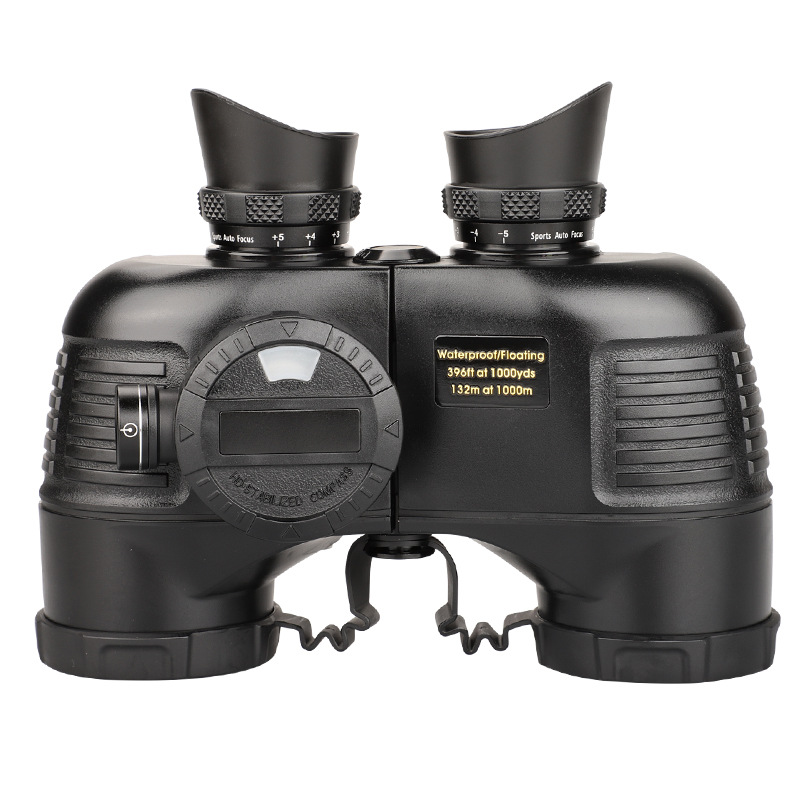
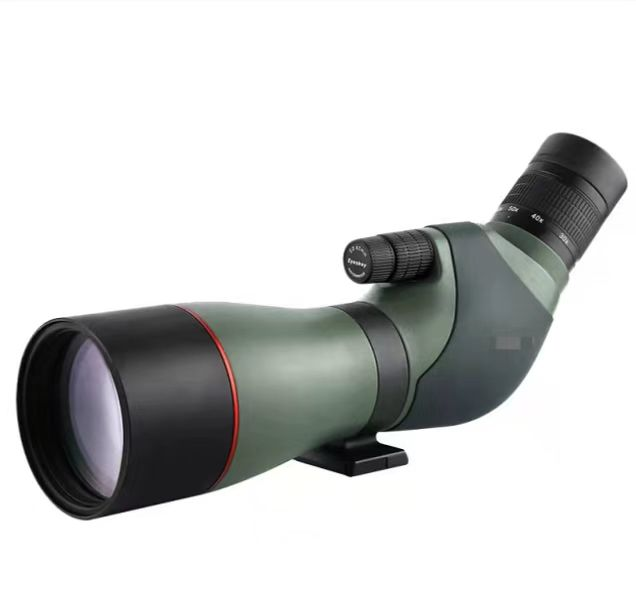
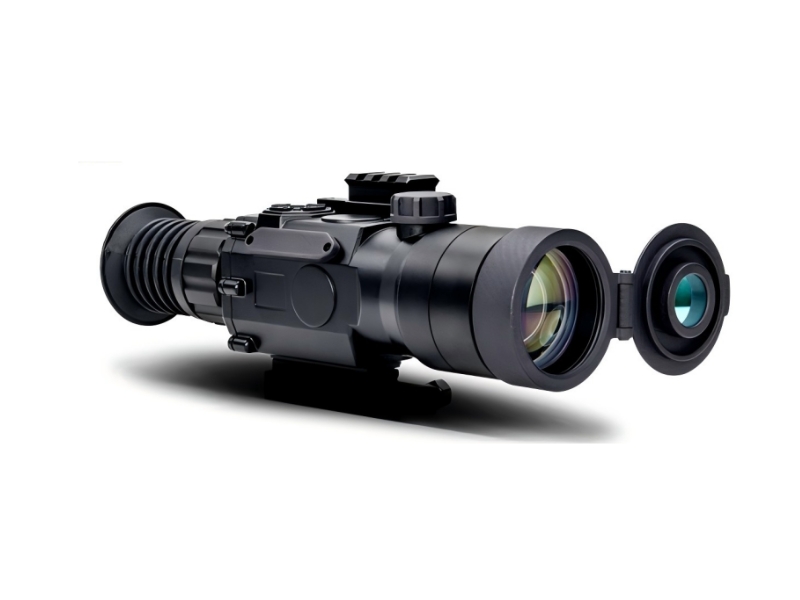
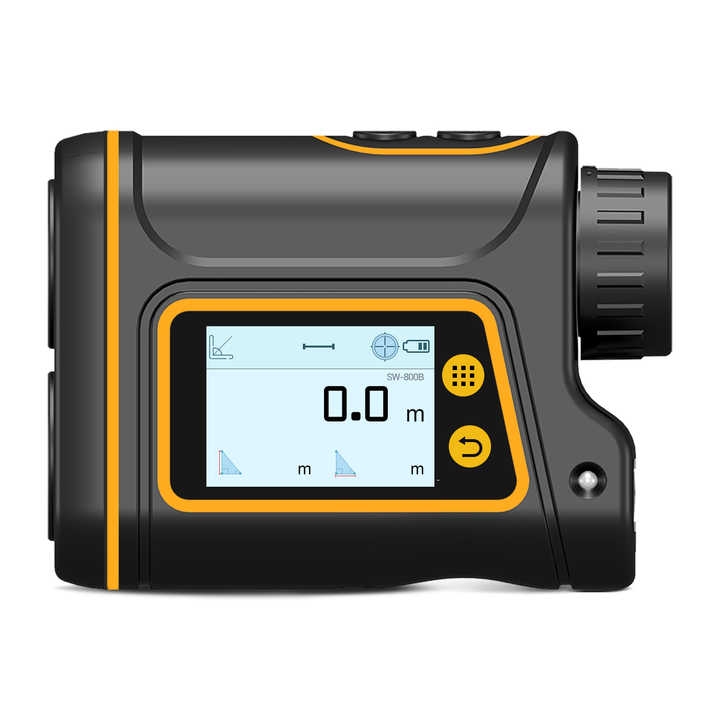
For outdoor optics brands, this means that simply promoting higher magnification is no longer enough to build real competitiveness.
Following the same structure as our previous articles, this article will look at the spotting scope category from the perspective of manufacturing and product definition. We will analyze why spotting scope customers pay increasing attention to stability, resolution, and structural details, and how brands should adjust their product planning accordingly.
- Why is magnification not the core standard for evaluating a spotting scope?
- What problems do stability, resolution, and structural details actually solve?
- How do real customer needs differ across various spotting and shooting scenarios?
- When brands communicate with OEM / ODM manufacturers, which product details should be confirmed first?
- Across different price ranges, what kind of product layout is more likely to be accepted by the market?

What “Effective Performance” Really Means for Spotting Scope Users
From a manufacturing perspective, the “effective performance” of a spotting scope is not about pushing one single specification as high as possible. It is about whether the product can help users observe, identify, and make judgments clearly, steadily, and consistently in real-world use.
In practice, what customers truly care about is usually the combined result of several capabilities:
- Stability: This includes whether the scope body is well supported, whether the image is easy to keep steady during observation, and whether the product remains easy to control during longer viewing sessions.
- Resolution: This is not only about sharpness in the center of the image. It also includes edge clarity, contrast, image layering, and the ability to preserve enough detail when identifying small targets.
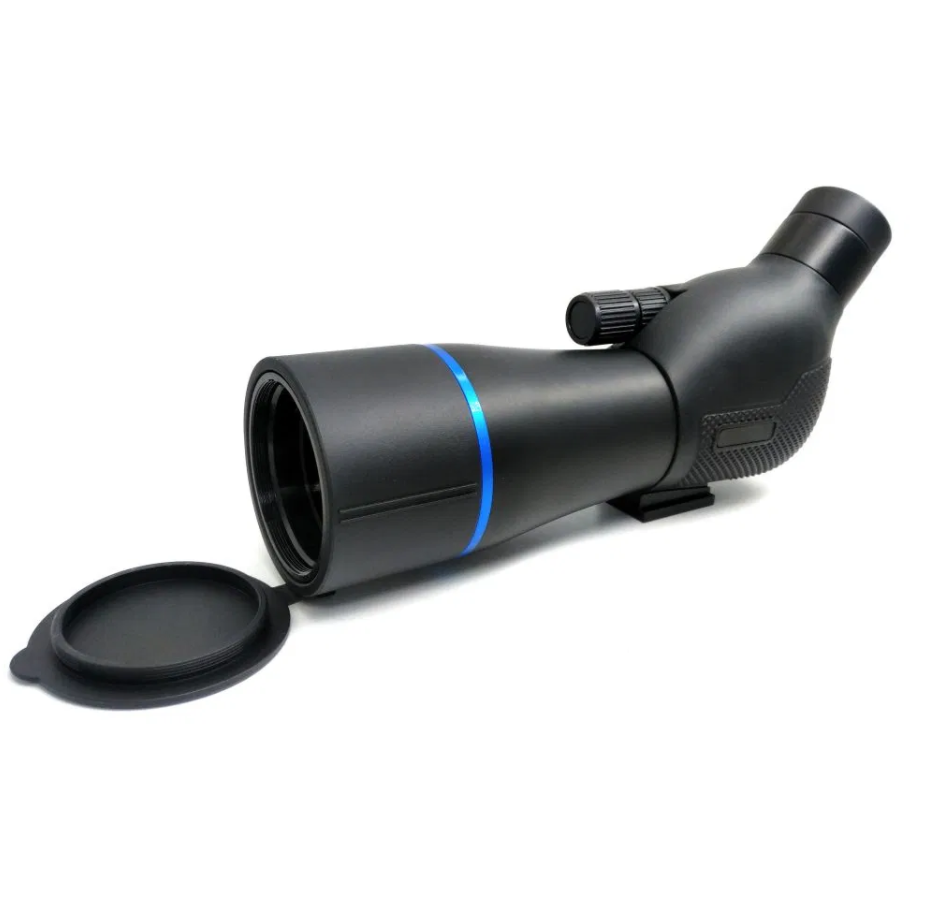
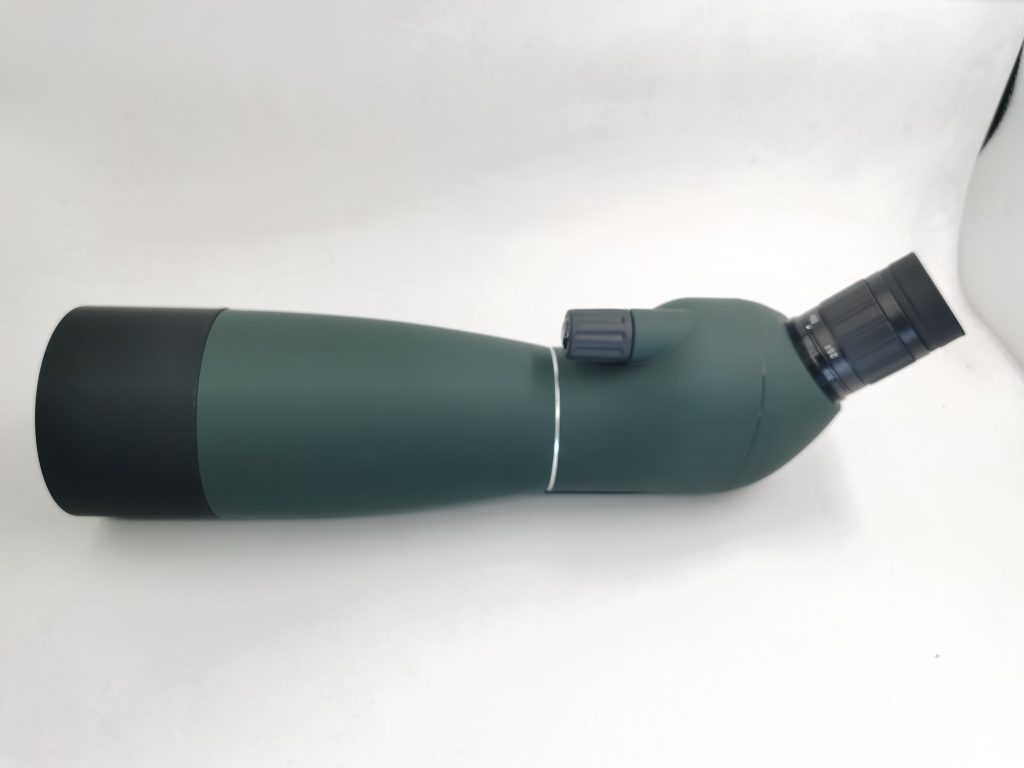
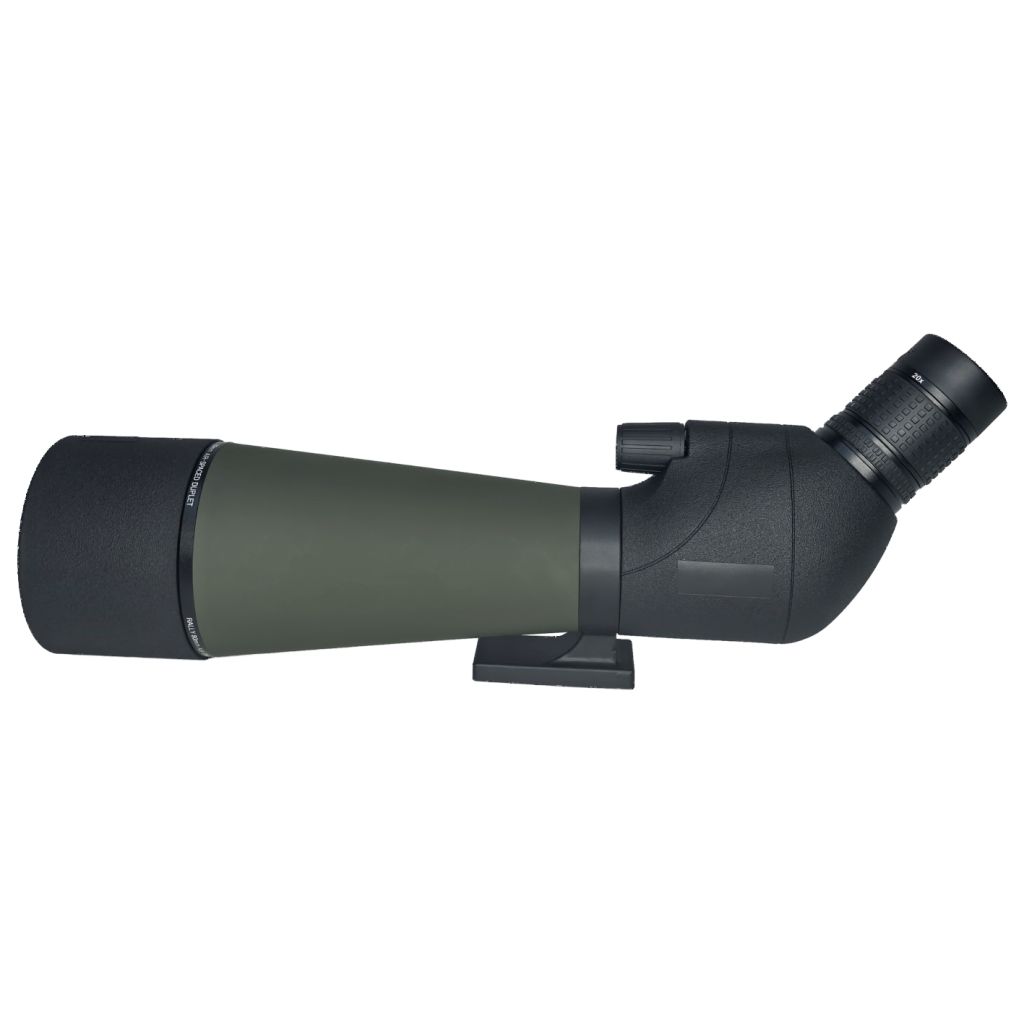
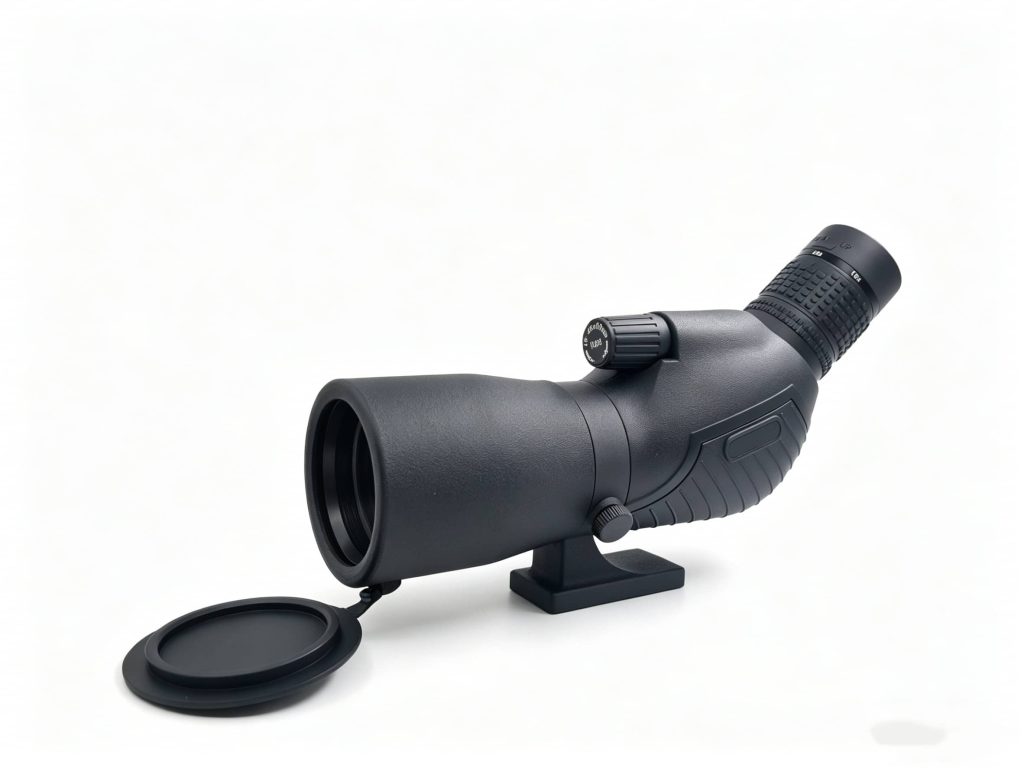
- Structural details: These include whether the focus wheel feels smooth and controlled, whether the eyepiece adjustment is precise, whether the tripod interface is secure, whether the housing is durable, and whether waterproof and fog-proof performance is reliable.
- Operating logic: Users need to find focus quickly, switch between observation targets smoothly, and read visual information efficiently.
- Long-term consistency: A good sample is no longer enough. Customers are paying more attention to whether mass-production units can remain stable and consistent across different batches.
In other words, customers are not simply buying “higher magnification.” They are buying the ability to collect useful visual information steadily and efficiently at the target distance.
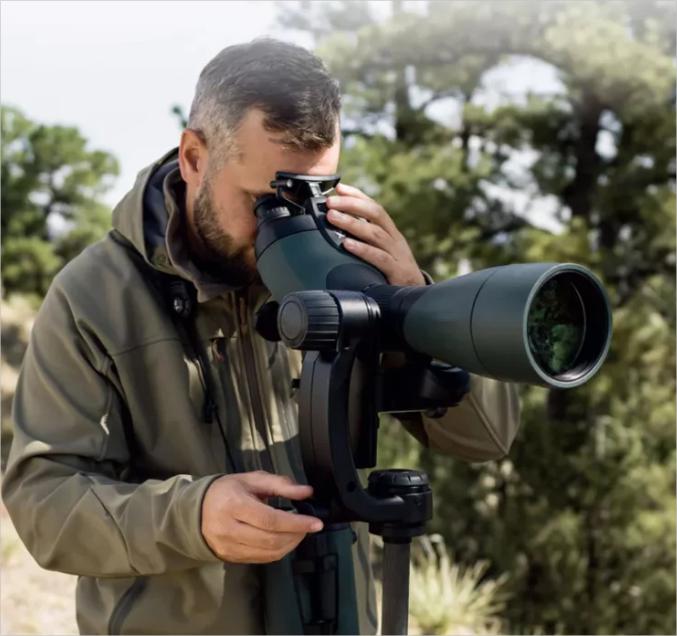
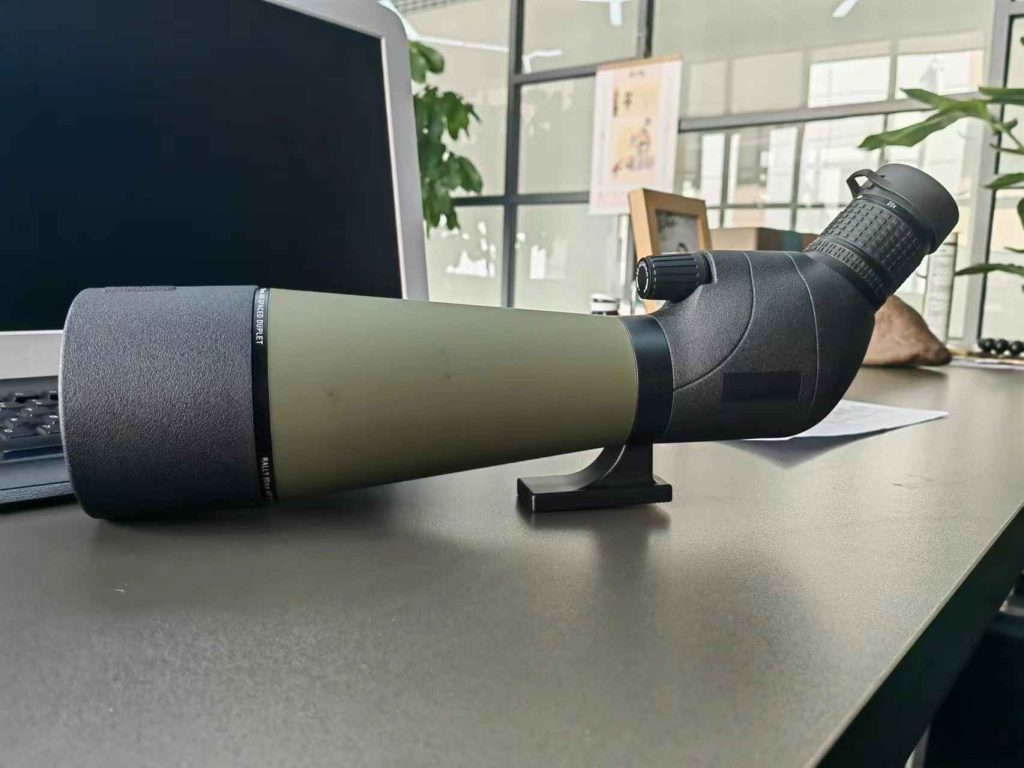
Why Magnification Is Not the Only Deciding Factor
Magnification Enlarges the Target, but It Also Enlarges the Problems
Higher magnification can make the target appear larger in theory. But at the same time, it also makes hand shake, unstable support, air turbulence, edge image degradation, and small focal plane errors more noticeable.
If a spotting scope only offers higher magnification without enough optical resolution and structural stability to support it, the actual viewing experience will not necessarily improve.
When Resolution Is Not Enough, High Magnification Only Creates a “Bigger Blur”
In target observation, users are not simply looking for a larger image. What they really want to see are clearer bullet holes, sharper target ring edges, more target detail, or signs of wind drift.
If the optical system does not have enough resolving power, increasing the magnification only makes a blurry image look bigger. This is why experienced users often say: “Seeing bigger” does not mean “seeing clearer.”
High Magnification Requires Better Light Transmission and More Stable Support
This becomes especially obvious in early morning, dusk, backlit conditions, heavy heat mirage, or long-distance shooting range environments. High-magnification spotting scopes place higher demands on light intake, contrast, tripod stability, and viewing posture.
If the overall structure does not match the real application scenario, the user experience may even feel worse than using a medium-magnification model.
What Customers Ultimately Buy Is Viewing Efficiency
For range users, competition shooters, and long-term training users, viewing efficiency matters more than simply stacking specifications.
A spotting scope with moderate magnification, a stable image, clear detail, and smooth operation often has more purchasing value than a high-magnification model that is difficult to use steadily.
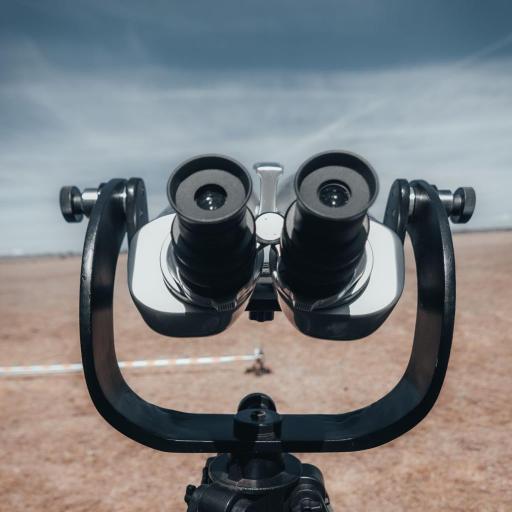
Why Stability Has Become a Core Concern for Spotting Scope Users
Stability is one of the most frequently mentioned keywords in the spotting scope category, because it directly affects whether users can maintain effective observation over a longer period of time.
Stability Determines Whether the Image Is Truly Usable
If the support is unstable, the center of gravity is not well balanced, the tripod interface is loose, or the image shake becomes obvious at higher magnification, users will struggle to get the most out of the product, even if the optical quality itself is good.
Stability Affects Comfort During Long Viewing Sessions
Target observation is not something users finish with just one quick glance. Whether for training, competition recording, or long-distance observation, users often need to observe continuously for an extended period.
A stable structure helps reduce frequent readjustment and visual fatigue, making the overall viewing process more efficient and comfortable.
Stability Builds Customer Trust in the Product
From a brand perspective, customer trust in a spotting scope often comes from one simple feeling: every time they use it, the product performs in a familiar, steady, and predictable way.
This kind of stability includes not only stable optical performance, but also consistent mechanical structure, assembly quality, and overall product reliability.
Why Resolution Matters More Than Expected
Resolution is often much closer to the real pain point of spotting scope users than magnification. Most customers are not trying to make the image simply “look bigger.” What they really want is to see more clearly.
Resolution Determines Whether Small Targets Can Be Identified
In mid- to long-distance target observation, users need to see target points, bullet holes, scoring rings, markings, and sometimes even background details.
When resolution is not strong enough, these important details can easily blur together, making accurate observation much more difficult.
Resolution Affects Usability in Different Weather Conditions
In conditions such as heat mirage, haze, cloudy weather, or backlighting, strong resolution and good contrast control help the image maintain better depth and detail.
This is not just about making the image “brighter.” It is about keeping useful visual information clear and readable in less-than-ideal environments.
Resolution Defines the Professional Feel of the Product
As spotting scope users become more experienced, they can clearly feel the difference between two products: one simply makes the image larger, while the other presents details, edges, and layers in a cleaner and more controlled way.
The second type of product is much more likely to build long-term word of mouth and customer trust.

Why Structural Details Are Playing a Bigger Role in Purchasing Decisions
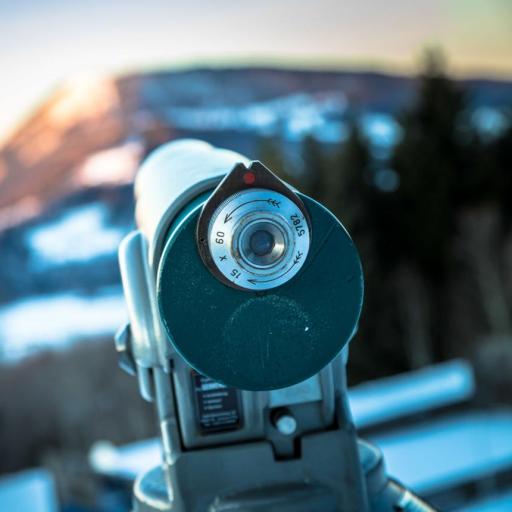
If magnification is what makes customers click on a product page, structural details are often what determine whether they actually place an order — and whether they come back for repeat purchases after using the product.
- Focus wheel resistance: If it is too loose, focus can drift easily. If it is too tight, fine adjustment becomes less efficient.
- Eyepiece adjustment: Clear markings and accurate return positioning help users quickly repeat their preferred settings.
- Housing and protection: In outdoor use, impact resistance, waterproof performance, fog-proof reliability, and weather resistance all affect how customers evaluate the product.
- Tripod interface and structural strength: Once the interface becomes loose or the fit is not precise enough, the problem will quickly become more obvious at higher magnification.
- Overall balance and handling: Details such as the handle, knobs, support foot, and protective covering all affect how natural and comfortable the product feels in daily use.
From the manufacturing side, we often know very clearly that customer complaints are not always about “not enough magnification.” More often, they are about issues such as rough focusing, unstable support, eye fatigue during long viewing sessions, or structural details that do not feel refined enough.
This is why, as the spotting scope market becomes more professional, structural details can no longer be treated as secondary.
How Spotting Scope Customers Are Changing Their Purchasing Decisions
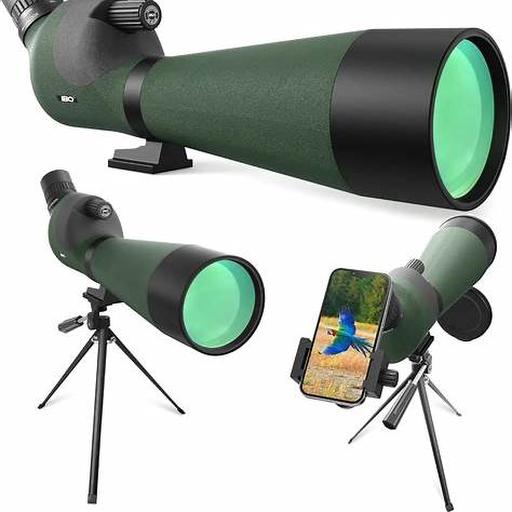
As the spotting scope market becomes more professional, customer purchasing logic is also changing in a clear way.
From “Can I See It?” to “Can I Make an Efficient Judgment?”
Early-stage users mainly cared about basic visibility. Today, customers pay much more attention to observation efficiency and the quality of visual information.
From “Higher Specifications” to “A More Complete User Experience”
Users no longer compare only magnification and objective lens size. Instead, they look at the product as a complete system, including image clarity, stability, support structure, long-viewing comfort, and overall workmanship.
From “Buying a Single Product” to “Choosing a Scenario-Based Solution”
Different users have different priorities. Some need fast target reading at competition ranges, some care more about long-distance static observation, while others need a balance between outdoor weather resistance and portability.
These different scenarios naturally lead to different purchasing decisions.
From “Sample Impression” to “Long-Term Reputation”
More customers are now considering batch consistency, after-sales stability, and long-term user feedback.
This also pushes brands to pay more attention to manufacturing quality and product line definition.
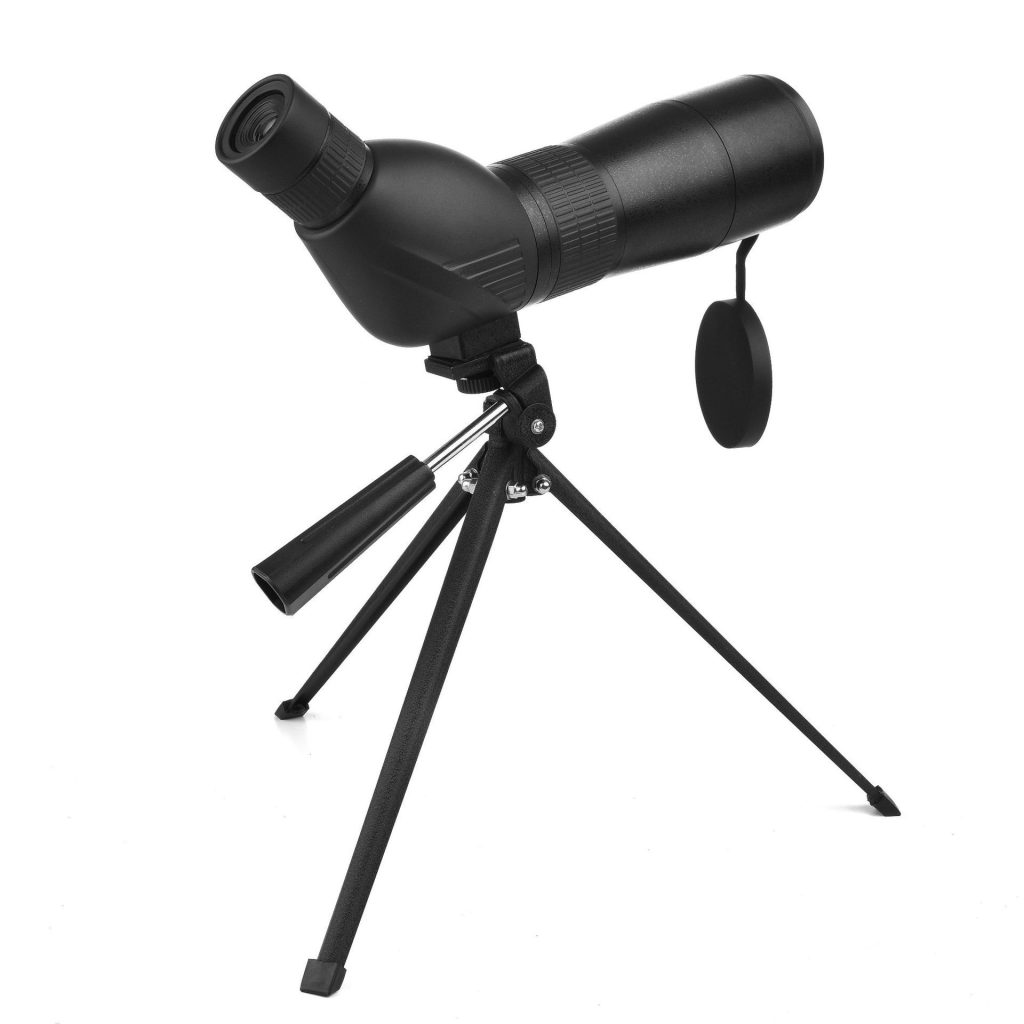
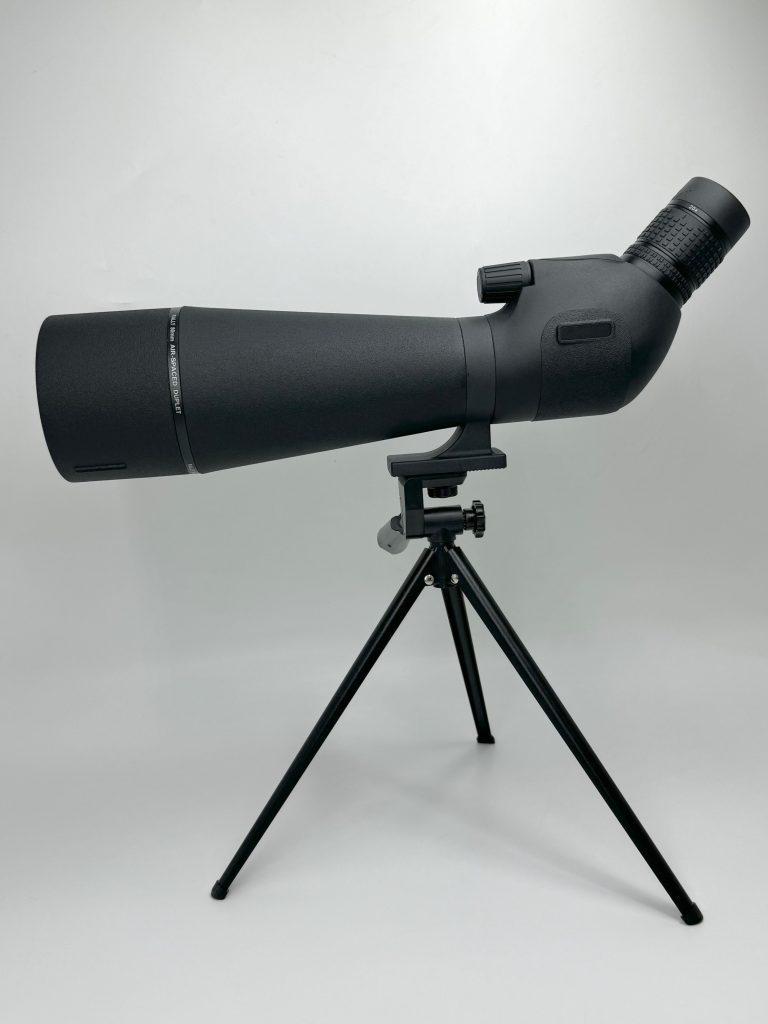
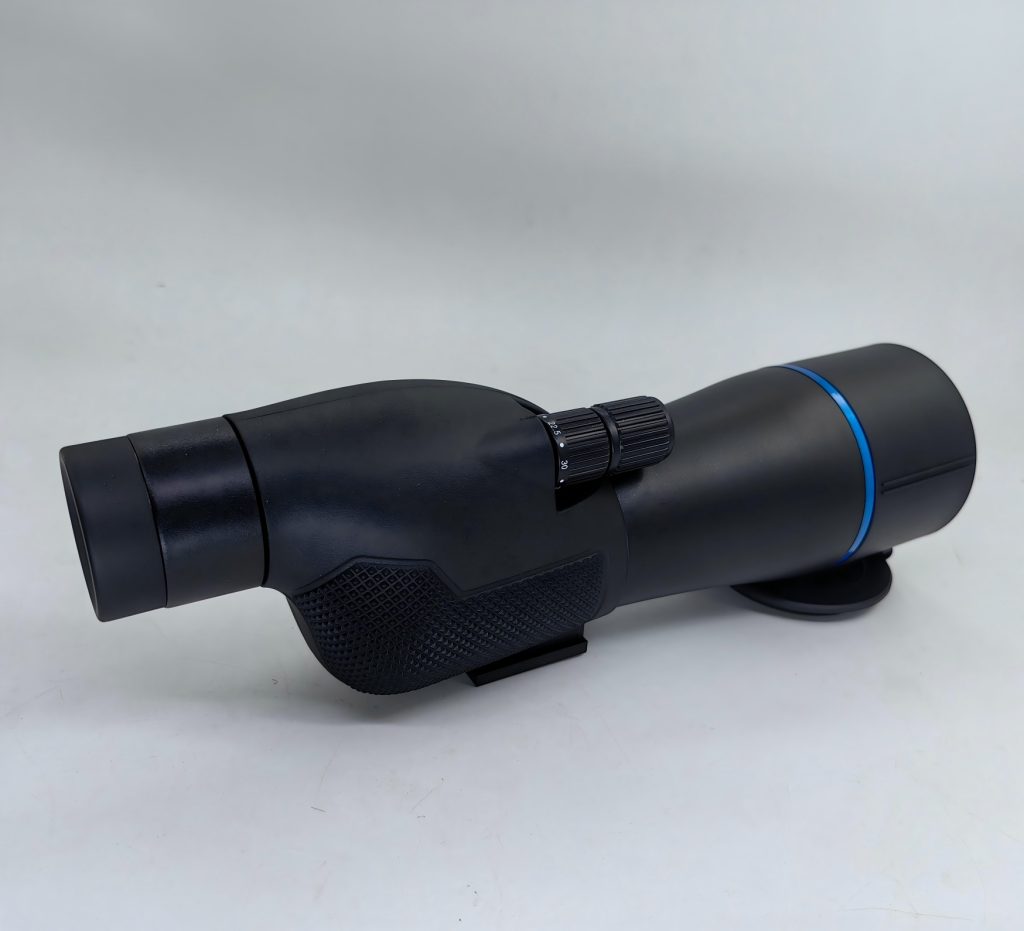
5 Questions Brands Should Answer Before Planning a Spotting Scope Product Line
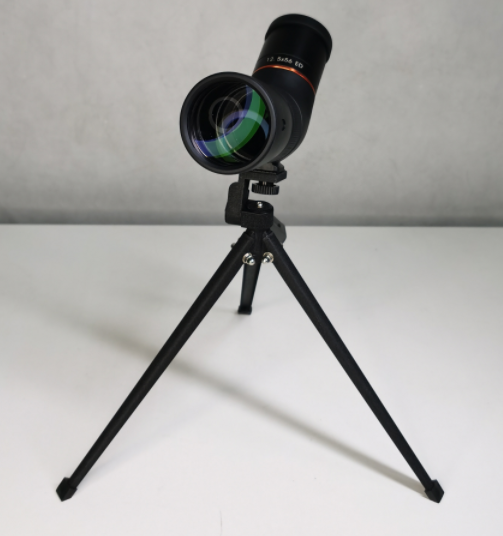
Before building a spotting scope product line, brands should first answer five key questions:
- Who is your target user? Are you targeting entry-level range users, competition shooters, club buyers, or more professional long-distance observation users?
- What is your main application scenario? Is the product mainly for indoor ranges, outdoor long-distance observation, low-light environments, or multiple use cases?
- What is your core selling point? Are you focusing on high magnification as a specification, or are you building a complete user experience around stable imaging, clear detail, and reliable structure?
- What is your target price range? This determines how much you can invest in the optical system, structural components, and product validation process.
- Are You Building a Product Line or a Single Model? Are you trying to create one best-selling model, or build a clearly segmented spotting scope product line that can be upgraded over time?
Only after these questions are clearly answered can brands avoid vague requirements such as “we want everything” when communicating with factories later.
How to Evaluate a Spotting Scope Properly: Start with Five Dimensions
To evaluate a spotting scope properly, brands should look beyond magnification and start with five key dimensions.
Optical Resolution and Contrast Performance
Do not only look at whether the image is “bright.” It is more important to evaluate detail layering, edge control, chromatic aberration control, and performance under different lighting conditions.
Structural Stability and Mechanical Reliability
This includes the tripod interface, body rigidity, waterproof and fog-proof performance, focus mechanism durability, and long-term consistency during use.
Ergonomics and Operating Experience
Can users find focus quickly? Are the knobs easy and comfortable to operate? Is the whole unit suitable for continuous observation over longer periods?
Scenario Fit
A product should truly match its intended use, whether for shooting ranges, long-distance observation, competitions, or general outdoor environments. It should not rely on one set of specifications to cover every possible scenario.
Mass Production Consistency and After-Sales Maintainability
Customers, especially distributors and brand owners, are paying more attention to whether the product remains stable and consistent when they place repeat orders.
They also care whether the product can be supported properly after sale, instead of only looking good during the sample stage.
What Do Customers Focus on Across Different Observation Product Categories?
From a manufacturing perspective, there is no single “best answer” for all target observation products. Different product categories naturally lead to different customer priorities.
| Product Category | Performance Customers Care About | Structural Details Customers Care About | More Reasonable Product Definition |
| Spotting Scope | Resolution, contrast, and comfort during long viewing sessions | Tripod interface, focus wheel, and overall stability | Moderate magnification + clear and stable image + easy-to-use structure |
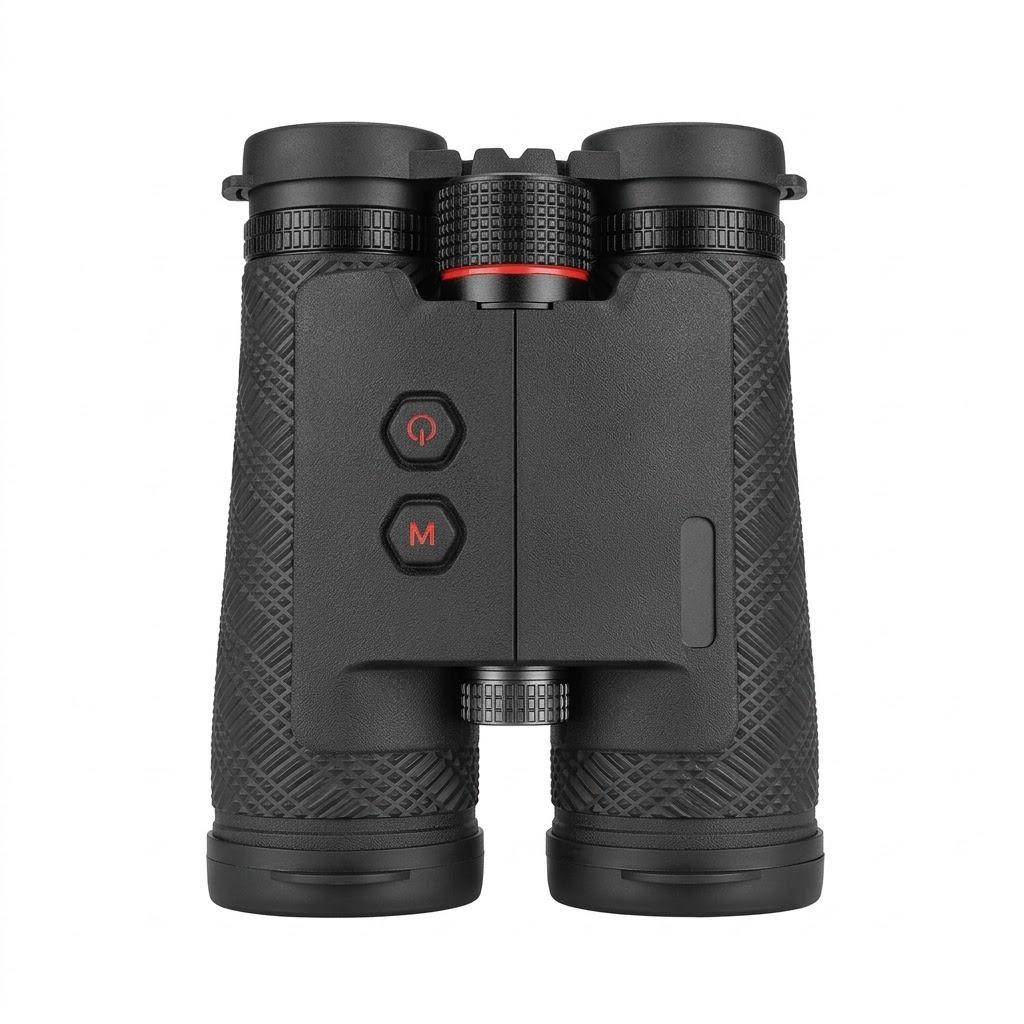
| Binocular Observation Products | Field of view, viewing comfort, and low-light performance | Grip, weight, hinge structure, and protection | Lightweight, stable, and suitable for quick observation |
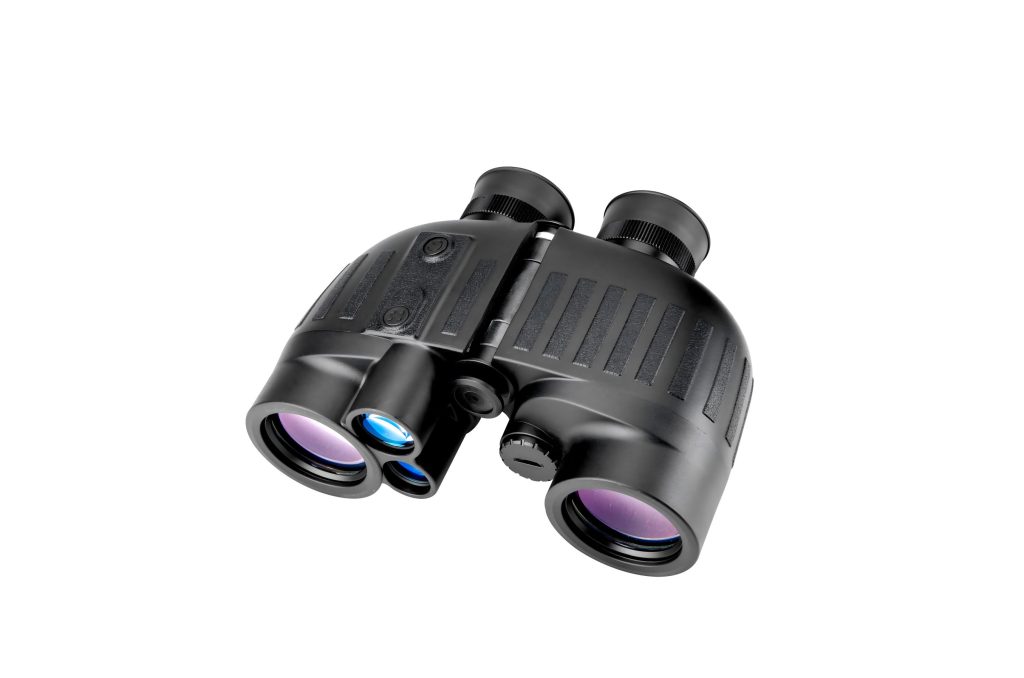
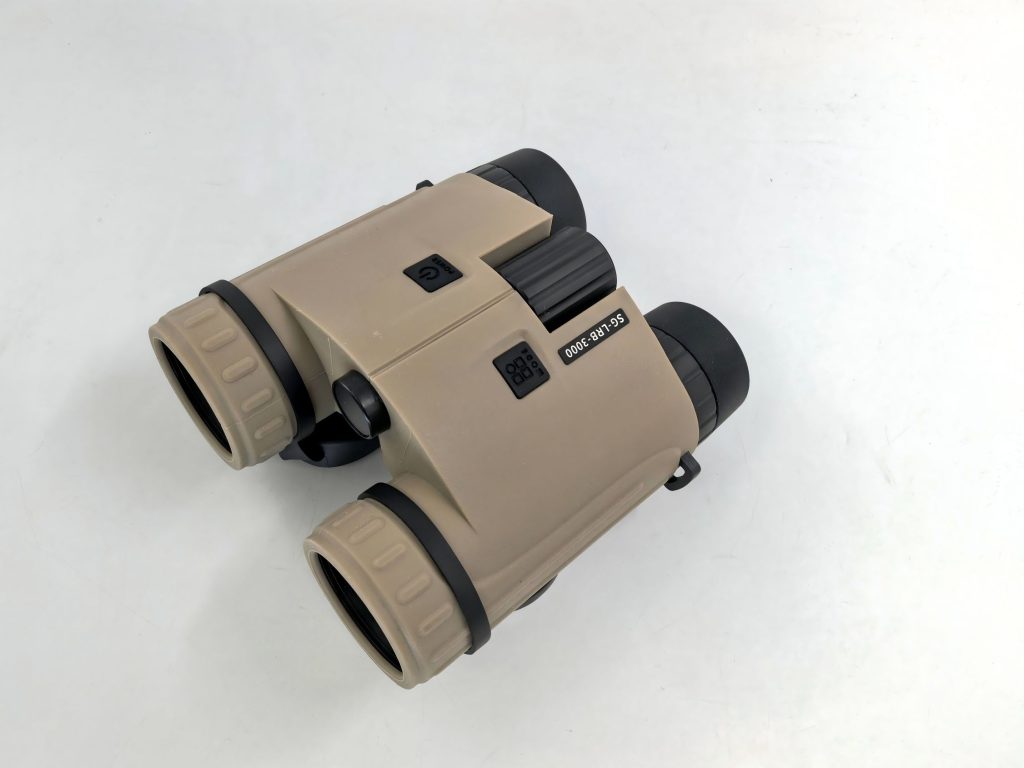
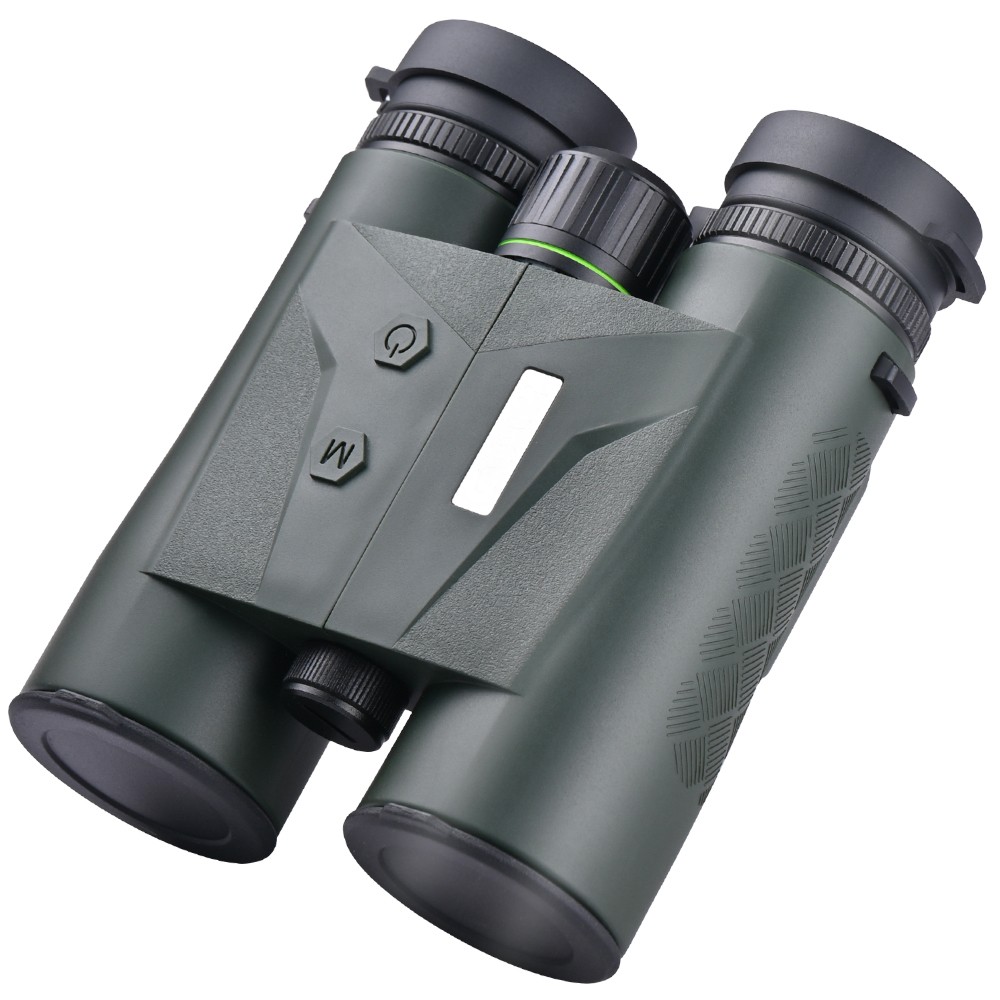
| Observation Products with Rangefinding | Information reading efficiency and identification accuracy | Button logic, power supply, and structural protection | Integrated functions without making the product overly complicated |
| Thermal / Night Vision Observation Devices | Detection and identification capability, image processing algorithms | Battery solution, button layout, and interface reliability | Usability first, rather than simply stacking specifications |
As we can see, the more professional the user is, the less likely they are to ask only “What magnification is it?”
Instead, they care more about whether the product truly works well in their own application scenario.

Five Key Manufacturing Capabilities Behind Product Performance
From the manufacturing side, stability, resolution, and structural details are not created by a single specification. They come from several core capabilities working together.
- Optical system integration: This determines resolution, contrast, edge control, and overall image quality.
- Mechanical structure design: This affects body strength, support stability, focus feel, and long-term durability.
- Industrial design and ergonomics: This determines whether users are willing to use the product for longer periods and whether the product can generate positive feedback in real use.
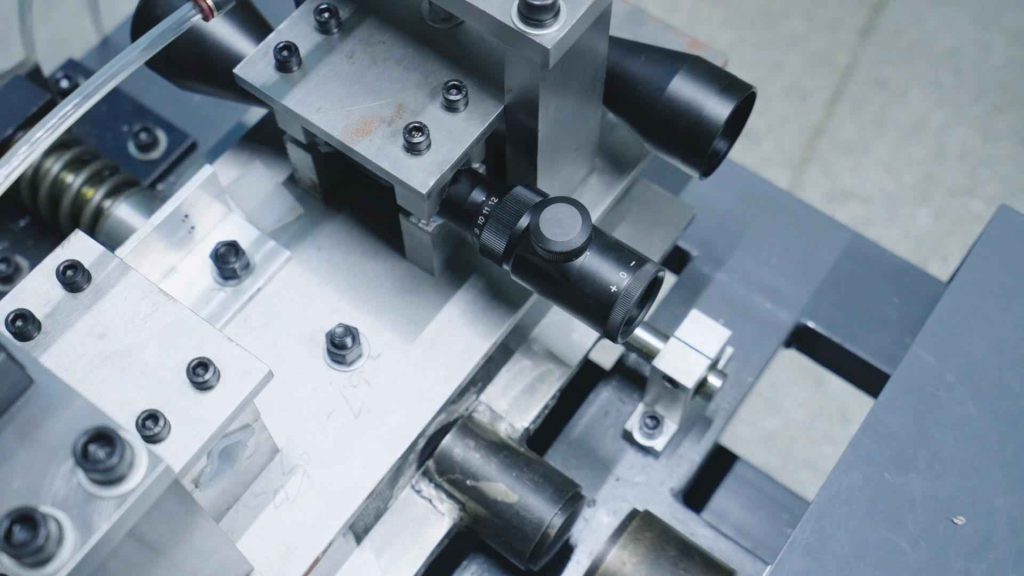
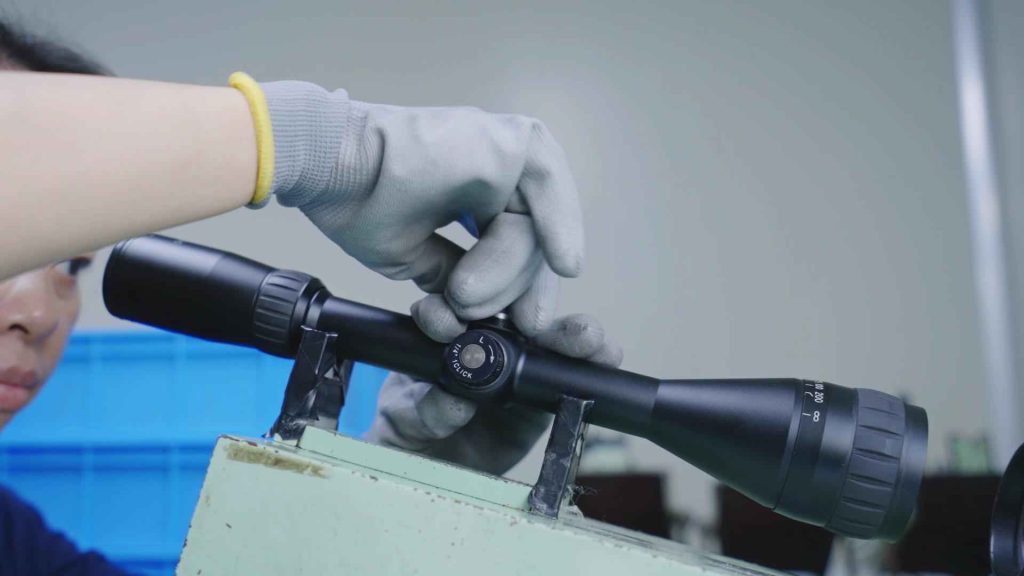
- Testing and validation: High and low temperature testing, humidity testing, waterproof testing, fog-proof testing, drop testing, and life-cycle testing all directly influence long-term product reputation.
- Mass production control: This determines whether good sample performance can be consistently repeated in every production batch.
For brand owners, understanding the value of these manufacturing capabilities can help them make more mature decisions in OEM / ODM projects.
How Customer Priorities Differ Across Different Application Scenarios
Customer priorities can vary significantly depending on the actual application scenario. For spotting scope products, this is why product definition should always start from real use cases, not just specifications.
Range Training and Competition Target Reading
These users care more about fast focusing, clear target reading, and comfort during long viewing sessions.
For this scenario, stability and resolution are usually more important than blindly chasing higher magnification.
Outdoor Long-Distance Observation
In outdoor long-distance observation, air turbulence and changing light conditions are often more noticeable.
This makes contrast performance and structural stability even more important, because users need the image to remain readable and steady under less controlled conditions.
Multi-Purpose Use
If a product needs to cover shooting ranges, outdoor observation, and portability at the same time, the brand must find a better balance between magnification, weight, support stability, and structural details.
In this type of product definition, balance often matters more than pushing one single specification to the extreme.

How Should Brands Plan Their Product Line Across Different Price Ranges?
| Price Range | Selling Points to Emphasize | Product Layout Suggestions |
| Entry Level | Clear basic viewing experience and no obvious structural weaknesses | Do not blindly chase ultra-high magnification. Prioritize stability and ease of use first. |
| Mainstream Mid-Range | Resolution, structural details, and long-viewing comfort | Build a core product route around “stable, clear, professional, and easy to use.” |
| High-End Professional | Resolution, contrast, workmanship, and long-term reliability | Build reputation and product identity through stronger optics and a more refined structure. |
For most brands, the mid-range market is often the most valuable segment to develop deeply.
Customers in this price range are exactly the ones who can feel the real value of stability, resolution, and structural details. They are also more willing to pay for a product that delivers a better real-world user experience, not just better-looking specifications.
What Should Brands Confirm When Communicating with Suppliers?
When working with suppliers on spotting scope products, brands should not only ask for specifications. More importantly, they should confirm whether the product platform, structure, and optical solution truly match their target users and application scenarios.
- Instead of only asking whether the sample looks good, first ask: Is this structure and optical solution based on a mature product platform?
- What is the real advantage of this product in the target scenario? Is it higher magnification, or does it deliver a steadier and clearer viewing experience?
- Have the focus mechanism, waterproof and fog-proof performance, tripod interface, and eyepiece structure been fully validated?
- Can the supplier clearly explain why this solution is suitable for your target users?
- How will batch consistency be controlled during mass production?
- Can the same platform be used to build a tiered product layout and form a clearer product line?
From the manufacturing side, the most effective communication is not simply asking for more specifications. It is about clearly sharing your target users, main application scenarios, budget range, and real user pain points with the supplier.
Only in this way can the product be defined correctly from the beginning.
Conclusion
As the Spotting Scope Market Becomes More Professional, Stability, Clarity, and Long-Term Usability Matter More
Why do spotting scope customers care more about stability, resolution, and structural details instead of just magnification?
At the core, it is because the spotting scope market is shifting from “specification-based thinking” to “usage-based thinking.” Customers increasingly understand that simply making the target appear larger does not necessarily lead to more efficient observation.
What truly matters is whether the product can consistently deliver a stable, clear, comfortable, and reliable viewing experience in real-world conditions.
For outdoor optics brands, this means product planning must move from “highlighting specifications” to “building system-level capability”:
- Understand the application scenario before defining the product.
- Ensure stable and clear viewing before discussing the upper limit of magnification.
- Build solid structural details before claiming a high-end position.
- Create a clear product line before moving into more precise market segmentation.
The future spotting scope market will no longer reward brands simply for offering higher numbers on a specification sheet.
Instead, it will favor brands that truly understand their customers, understand real application scenarios, and can turn stability, resolution, and structural details into long-term user experience advantages.
FAQs
Q: Is higher magnification always more professional?
A: Not necessarily. Without enough resolution and stability to support it, higher magnification may simply enlarge blur and image shake at the same time.
Q: Why are spotting scope customers paying more attention to structural details?
A: Because structural details directly affect focusing efficiency, long-viewing comfort, tripod stability, and long-term reliability.
Q: Which is more important, resolution or brightness?
A: Both are important. But for professional spotting scope users, resolution usually has a more direct impact on whether they can clearly identify important details.
Q: Is structural optimization less necessary for mid-range products?
A: Quite the opposite. In the mid-range market, customers usually care a lot about the balance between real-world experience and price. Structural optimization is often one of the easiest ways to build better word of mouth.
Q: What is the most common mistake brands make when planning a spotting scope product line?
A: The most common mistake is focusing only on single specifications such as magnification or objective lens size, while overlooking application scenarios, structure, and long-term user experience.