Spotting Optics for Shooting and Long-Range Observation Are Entering a New Stage of Differentiated Competition
In the markets of shooting training, long-range observation, target reading, and precision outdoor viewing, spotting optics are shifting from “general specification competition” to a new stage of “scenario-based differentiation.”
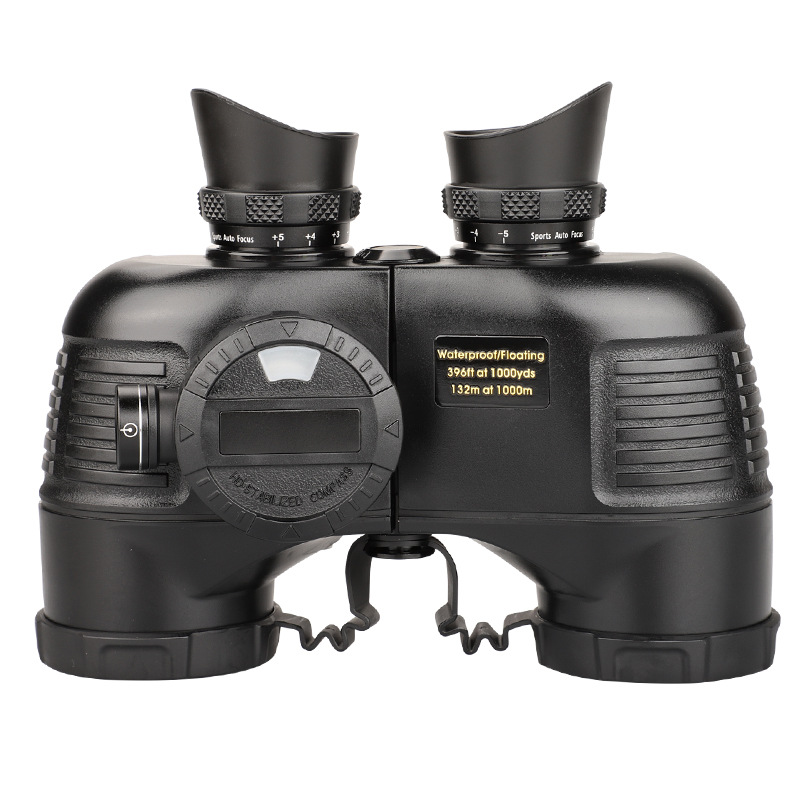
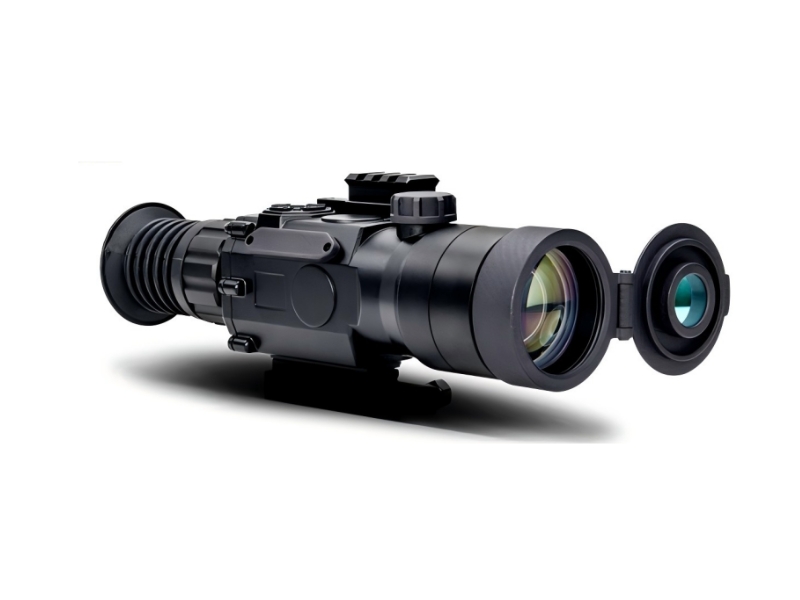
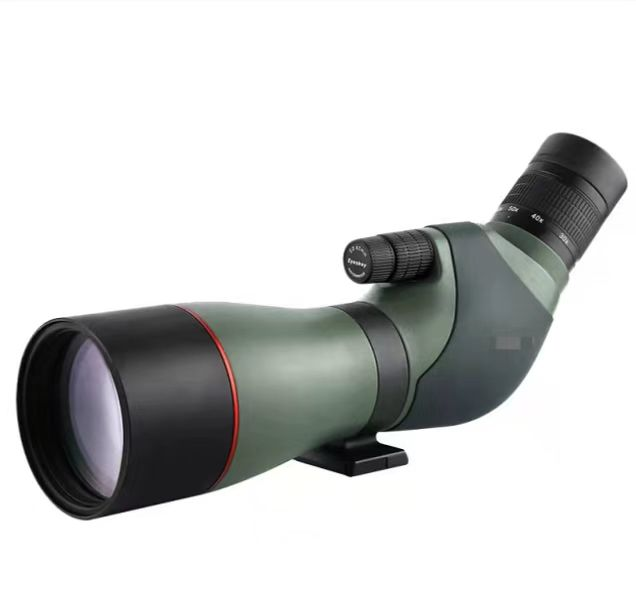
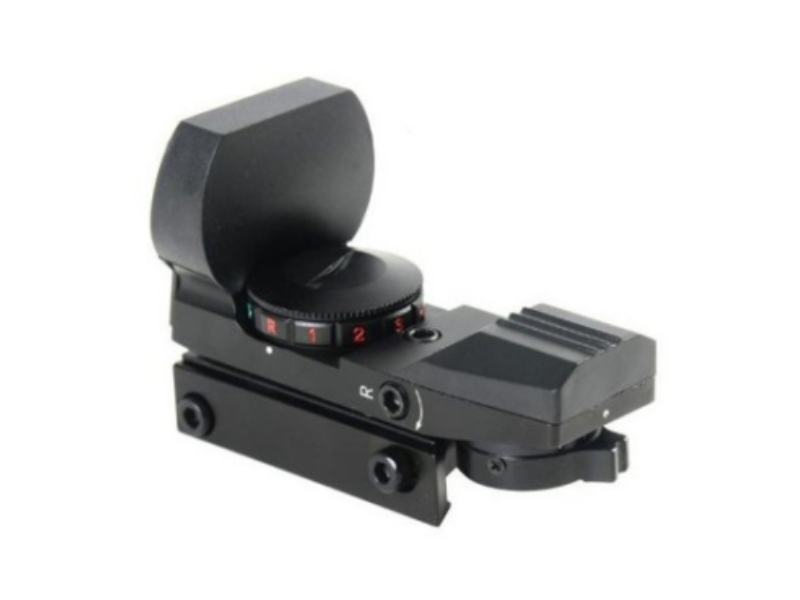
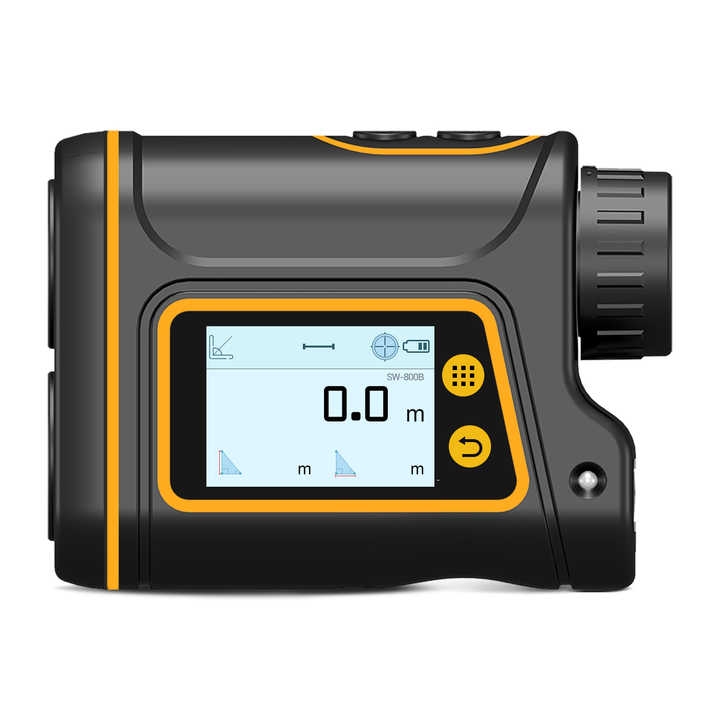
Why Spotting Optics Are Entering a New Competitive Stage
In the past, many brands defined spotting scopes mainly by basic parameters such as magnification range, objective lens diameter, waterproof performance, or whether a tripod was included. But as users become more experienced and application scenarios become more demanding, the market is no longer satisfied with products that simply “allow users to see.”
Today’s spotting scope users care much more about real performance in the field: Can the product identify fine details at long distances? Can it maintain enough contrast under changing light, heat shimmer, and airflow conditions? Is it comfortable for extended observation? Are the tripod system, focusing mechanism, eyepiece, housing, and accessories reliable enough for practical use?
In other words, competition in spotting optics is moving away from products that look similar on a specification sheet and toward products that perform differently in real-world scenarios.
For outdoor optics brands, distributors, and OEM / ODM purchasing teams, this shift means that future product planning can no longer rely on one or two general-purpose spotting scopes to cover every type of user. Instead, brands need to build clearer product layers around different applications, including shooting, long-range observation, portable outdoor use, professional training, and high-end precision viewing.
This article will look at spotting optics from the perspective of manufacturing and brand product planning, and explain why the market is entering a more differentiated stage of competition — and how outdoor optics brands should adjust their product strategies accordingly.
- Why is the spotting optics market moving from parameter-based competition to scenario-based competition?
- What are the real differences between shooting users and long-range observation users?
- How should brands design entry-level, mid-range core, and high-end professional product lines?
- What support capabilities should manufacturers provide in a differentiated market?
- What key product definition questions should purchasing teams confirm when communicating with factories?
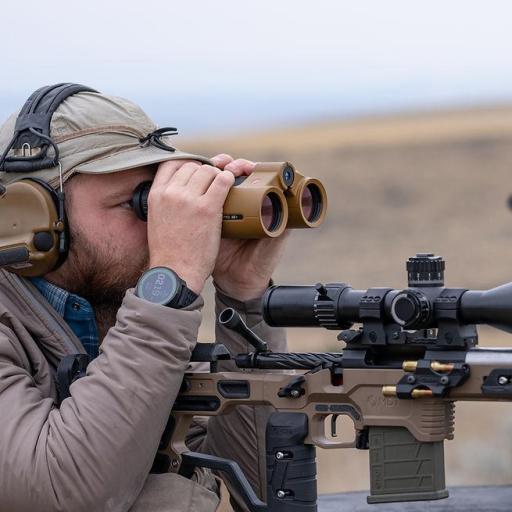
What Does “Differentiated Competition” Mean in Spotting Optics?
Differentiated competition does not simply mean making a product look different, or adding a few extra selling points to the specification sheet. Its real meaning is to redefine the core value of a product based on different user scenarios.
In the spotting optics market, differentiation usually appears in several key areas:
- Different application scenarios: shooting range training, PRS / NRL-style dynamic shooting, long-range stationary observation, hunting support, birdwatching, and nature observation.
- Different user skill levels: entry-level users often care more about ease of use, while experienced users place greater value on resolution, stability, and structural details.
- Different product structures: lightweight models, stability-focused models, high-magnification models, wide-field models, models designed for photo or video recording, and models with rangefinding or digital assistance.
- Different price segments: entry-level products focus on basic usability, mid-range products emphasize overall balance, and high-end models highlight professional performance and long-term reliability.
- Different brand positioning: some brands are better suited to volume-driven mainstream models, while others need to build a more professional identity and a premium image.
Therefore, the core of differentiated competition is not about creating more models. It is about making sure that every model has a clear scenario role and a strong reason for users to choose it.
Key Drivers Behind the Market Shift
User Groups Are Becoming More Segmented
In the past, spotting optics were often seen as general-purpose observation tools. Today, however, the user base has become much more clearly segmented. Entry-level range users, shooting club members, long-range shooters, outdoor observation users, and professional competition shooters all have very different expectations for the same product category.
Entry-level users may care more about price, basic clarity, and ease of use. Professional users, on the other hand, tend to pay closer attention to edge resolution, focusing resistance, tripod stability, contrast performance under heat shimmer, and eye comfort during extended observation.
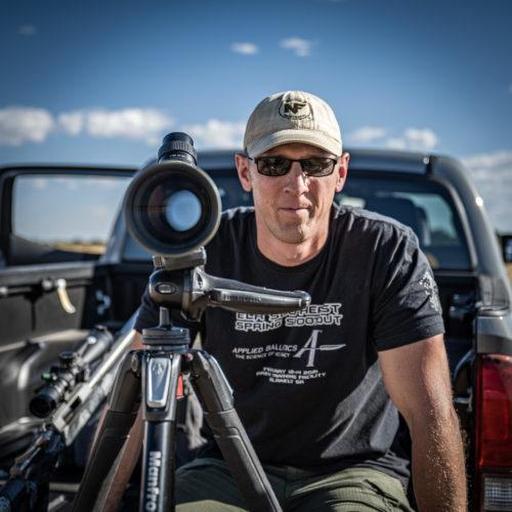
Application Scenarios Are Becoming More Specific
The shooting market itself is also becoming more segmented. Traditional range observation, long-distance static shooting, PRS-style dynamic shooting, pre- and post-hunting observation, and outdoor long-range identification all place different demands on spotting optics.
It is difficult for a single product to be the lightest, the most stable, the highest-magnification, the sharpest, and the most affordable at the same time.
Customer Evaluation Standards Are Upgrading
More and more customers are no longer asking only, “What is the magnification?” Instead, they are asking more practical questions: Does the image remain clear at high magnification? Is the tripod interface stable? Is the focusing smooth and precise? Is the eyepiece comfortable? Can it support smartphone photography? How consistent is the quality in mass production?
These questions show that customers are moving beyond parameter-based understanding and paying more attention to real user experience.
Brand Homogeneity Pressure Is Increasing
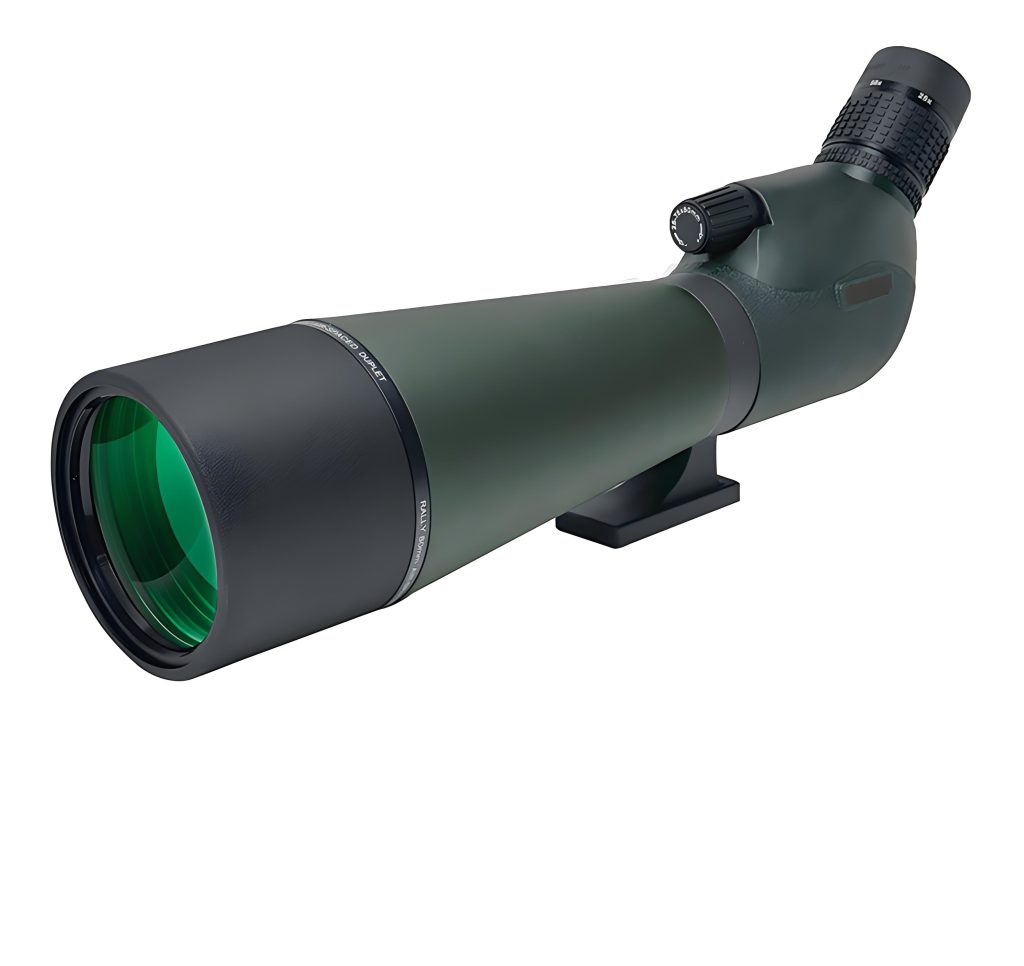
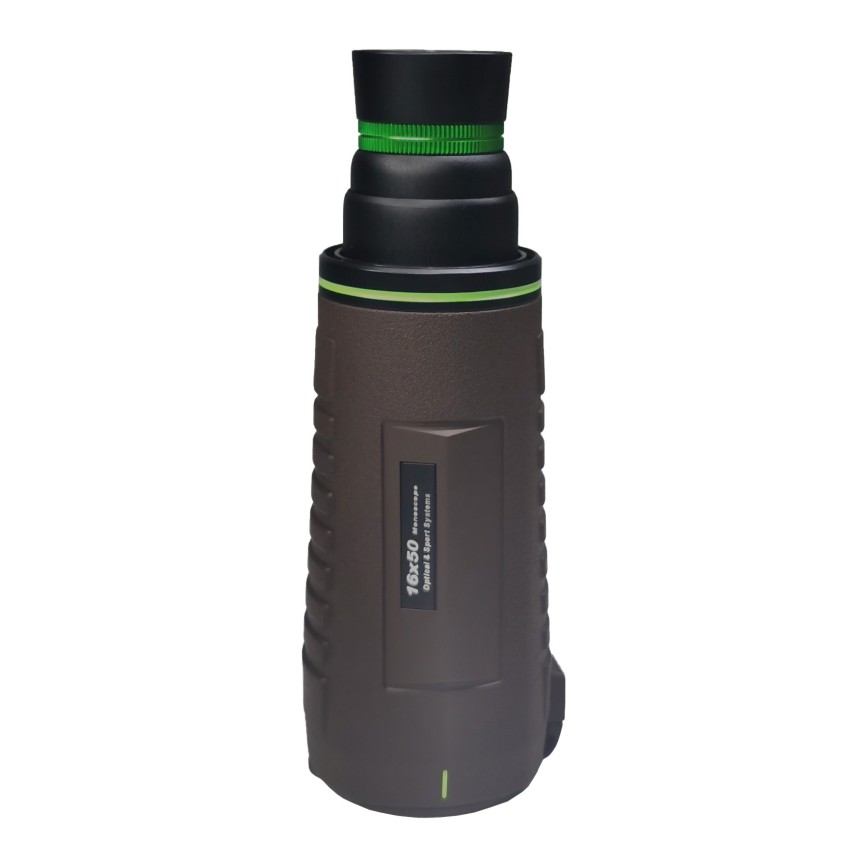
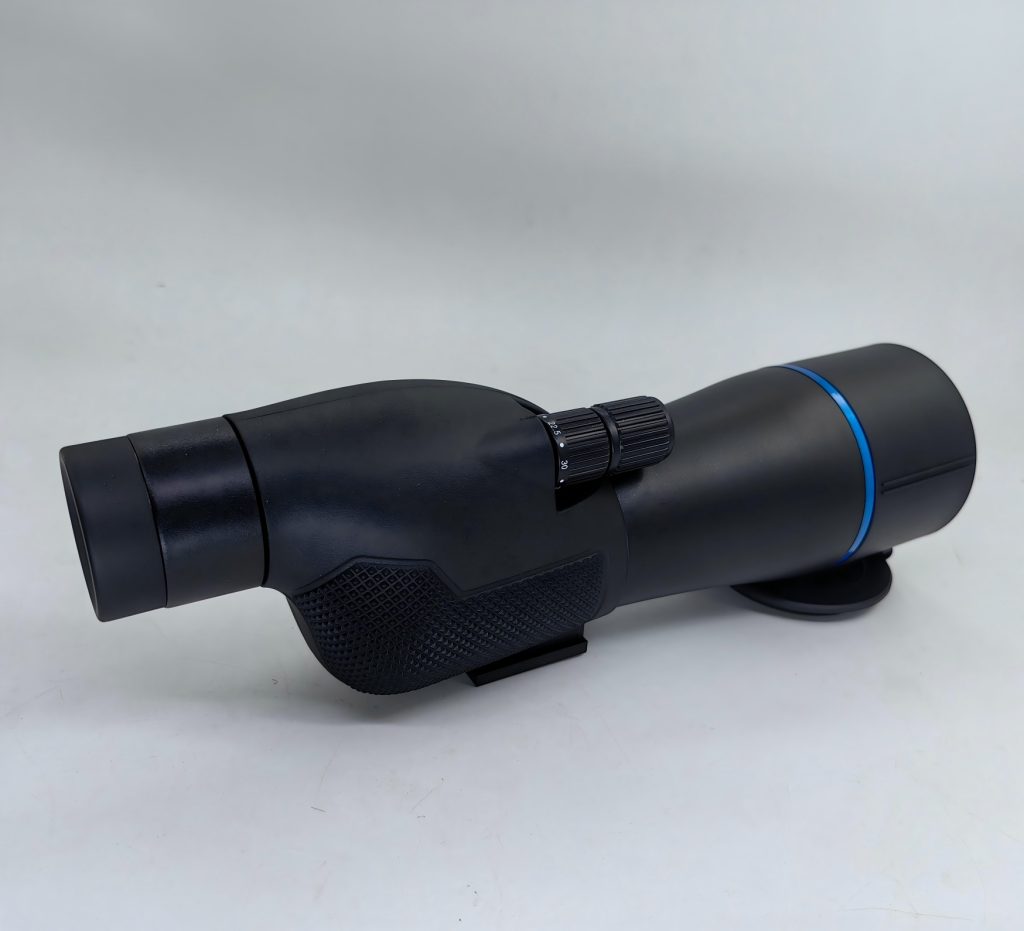
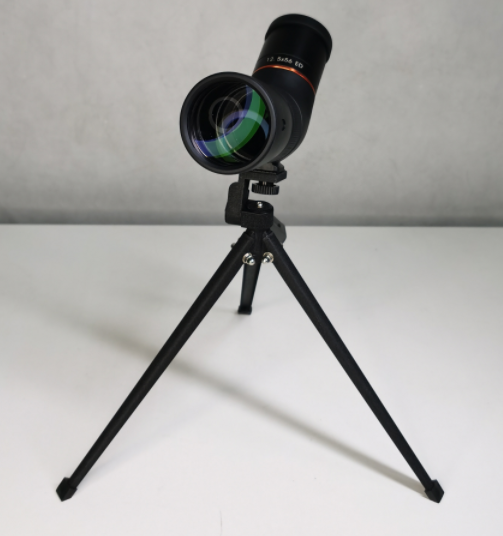
When multiple brands are selling similar 20-60×60, 25-75×70, or 20-60×80 spotting scopes with similar appearances and specifications, price competition can quickly become intense.
For brands that want to move away from product homogeneity, differentiation must come from clearer application scenarios, structural design, functional combinations, and well-defined product tiers.
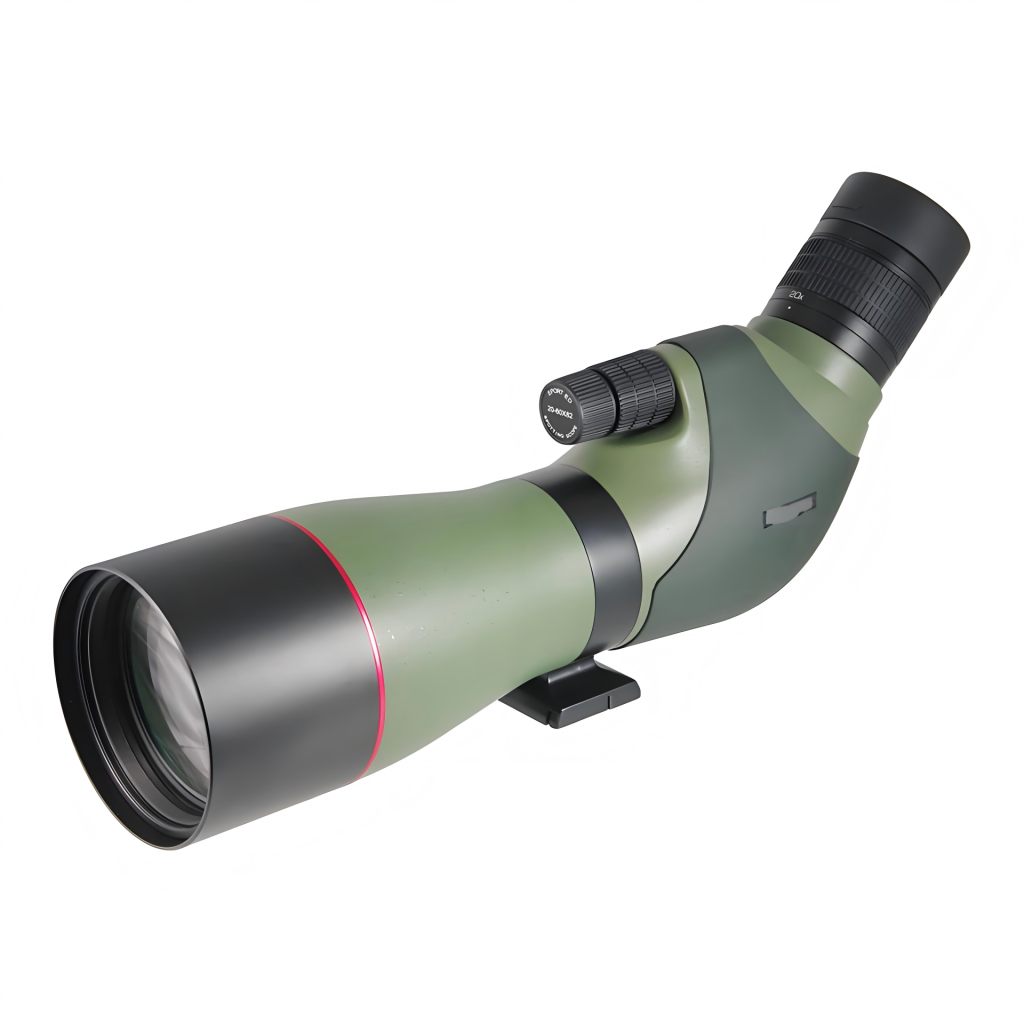
What Are the Core Product Requirements in Differentiated Competition?
In the stage of differentiated competition, the definition of spotting optics needs to move beyond “basic usability” and toward “scenario-based fit.” This is mainly reflected in the following areas.
Optical Performance Should Move from “Visible” to “Clear and Comfortable”
Users in shooting and long-range observation often need to identify small targets, bullet holes, target ring edges, wind drift signs, or distant terrain details. As a result, resolution, contrast, chromatic aberration control, edge performance, and eyepiece comfort all have a direct impact on the user experience.
Structural Design Should Move from “Able to Support” to “Stable and Reliable”
High-magnification products rely heavily on the support system. If the body interface, tripod platform, focusing structure, or eyepiece mechanism is not stable, the problem becomes more obvious as magnification increases.
Differentiated spotting optics must therefore pay close attention to structural stability, rather than focusing only on magnification range.
Operation Experience Should Move from “Feature-Rich” to “Smooth and Efficient”
In shooting range and training scenarios, users need to complete observation, focusing, recording, and angle switching quickly and smoothly.
Details such as knob position, focusing resistance, eyepiece angle, sunshade design, smartphone adapter, and carrying case can all affect how users evaluate the product.
Product Positioning Should Move from “Single-Product Sales” to “Product Line Planning”
Brands can no longer expect one spotting scope to meet the needs of every user. A more reasonable approach is to build a product portfolio around different user levels, including entry-level, core mainstream, professional, and high-end models.
This allows each type of customer to find a product that better matches their actual needs.

Five Questions Brands Should Answer Before Planning a Spotting Optics Product Line
Before building a spotting optics product line, brands should first answer five key questions.
- Who Is the Target Customer?
Is the product designed for entry-level range users, long-range shooters, outdoor observation users, or professional competition shooters?
- What Is the Main Application Scenario?
Will the product be mainly used for indoor shooting ranges, outdoor long-range observation, mountain viewing, competition support, or general multi-scenario use?
- What Is the Core Selling Point?
Is the product meant to stand out through an accessible price, lightweight portability, stronger resolution, stable structure, or expanded digital functions?
- What Is the Target Price Segment?
Different price segments can support different levels of glass material, coating quality, structural components, and validation costs. A product designed for the entry-level market cannot be defined in the same way as a professional model.
- What Role Does This Product Play in the Overall Product Line?
Is it a traffic-driving entry model, a core volume model, a profit-focused model, or a brand image model?
These questions determine whether a product is simply selected from a factory catalog, or truly defined around a clear market role. Only after that role is clear should the brand decide on specifications, structure, functions, and pricing.
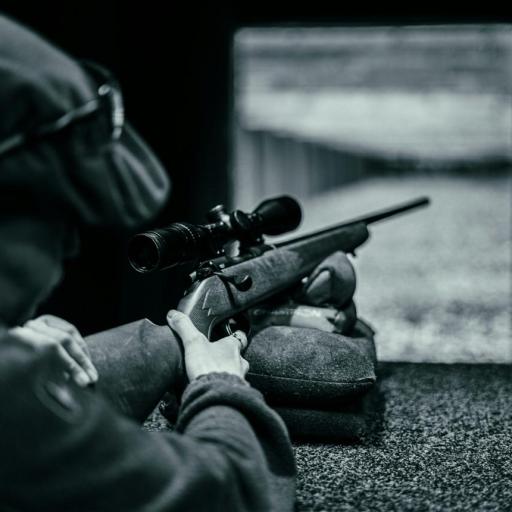
How to Segment a Spotting Optics Product Line
From both the manufacturing and brand perspective, a spotting optics product line can usually be segmented based on three factors: user maturity, application intensity, and price range.
| Product Tier | Target Users | Core Selling Points | Key Product Definition Focus |
| Entry-Level / Popular Model | Beginners, regular shooting range users, light outdoor observation users | Friendly price, basic clarity, easy to use | Mature platform, stable quality, avoiding obvious structural weaknesses |
| Mid-Range Core Model | Training users, club users, long-term outdoor observation users | Better resolution, stronger structure, more complete user experience | Improved coatings, smoother focusing feel, waterproof and fogproof performance, tripod compatibility |
| Professional Shooting Model | Long-range shooters, PRS / NRL users, competition training users | Stability, detail recognition, fast target reading | Usable high magnification, support system, eyepiece comfort, structural reliability |
| High-End Image Model | Professional enthusiasts, premium channels, brand image customers | High resolution, high contrast, high reliability | Higher-grade glass, precise assembly and adjustment, stricter validation, accessory ecosystem |
The value of this type of segmentation is that brands do not have to rely on one model to carry every market role. It also helps sales teams explain the positioning of each product more clearly to customers.
Scenario-Based Product Requirements
Shooting Range Training
Users in shooting range training scenarios care about quickly confirming bullet impact points, repeated focusing, and visual comfort during long observation sessions.
For these users, moderate magnification, clear image quality, smooth focusing, and a stable tripod setup are often more important than simply pursuing extremely high magnification.
Long-Range Shooting
Long-range shooting places greater emphasis on resolution, contrast control, and usability at high magnification.
A spotting scope should not only make the image larger, but also preserve enough detail under heat shimmer, wind, dust, and complex background conditions.
Competition and Dynamic Shooting
In competition and dynamic shooting scenarios, users have higher requirements for setup speed, viewing angle, tripod system, and operating efficiency.
Here, spotting optics are not just tools for seeing farther. They also serve as support tools for faster judgment and decision-making during the shooting process.
Outdoor Long-Range Observation
Outdoor observation users are more sensitive to portability, weather resistance, and comfort during extended viewing.
Even if a product looks strong on paper, excessive weight or an overly complex structure may reduce the user’s willingness to carry and use it in real outdoor conditions.
Digital Recording and Content Sharing
As demand grows for smartphone photography, short video recording, and training review, some spotting optics now need to consider smartphone adapters, eyepiece compatibility, image recording, and content-sharing experience.
This is also becoming an important direction for future differentiation.

5 Common Mistakes Manufacturers Should Avoid in Differentiated Competition
Mistakes 1: Increasing Magnification Without Improving High-Magnification Usability
Higher magnification does not automatically mean better performance. If resolution, support stability, and focusing structure are not strong enough, high magnification will only make blur, vibration, and operational difficulties more obvious.
Mistakes 2: Focusing Only on Appearance While Ignoring Real User Experience
Colors, textures, and packaging can help improve brand recognition. However, what really determines repeat purchases and word-of-mouth reputation is still image quality, handling feel, stability, and reliability.
Mistakes 3: Adding Too Many Functions and Making Operation Complicated
Features such as rangefinding, image capture, built-in display, and app connectivity can all add value, but they must be designed around real application scenarios.
More functions do not necessarily make a product easier to accept. In many cases, users prefer a product that is simple, reliable, and efficient in actual use.
Mistakes 4: Using One Product Logic for Every Market
Users in Europe, North America, Australia, the Middle East, and other markets may have different habits, price expectations, and application priorities.
If a brand uses exactly the same product definition for every market, it may end up with a product that looks correct on paper but fails to gain real market acceptance.
Mistakes 5: Ignoring Supply Chain Stability and Mass Production Consistency
A differentiated product cannot become part of a real brand product line if it only works well at the sample stage but cannot be produced consistently at scale.
For B2B customers, mass production consistency and delivery stability are just as important as product specifications.
How Can Brands Build a Clearer Spotting Optics Product Matrix?
For outdoor optics brands, a spotting optics product matrix does not have to be very large from the beginning, but it must be built with clear logic. Brands can develop the matrix step by step through the following path.
- Build a Stable and Reliable Mid-Range Core Model
The first step is to establish a dependable mid-range core model that can cover most shooting range training and outdoor observation needs.
This model should not be positioned as the cheapest option or the most advanced flagship. Instead, it should serve as the main product that balances image quality, structure, usability, and price.
- Extend Downward to an Entry-Level Model
Based on the core model, brands can then develop an entry-level version to lower the entry barrier for new users.
This type of product should focus on easy operation, basic clarity, stable quality, and an accessible price, helping beginners enter the category with less hesitation.
- Develop Upward into a Professional Shooting Model
The next step is to move upward by developing a professional shooting model with stronger resolution, better structural stability, and higher compatibility with tripod and support systems.
This model should be designed for users who need more reliable performance in long-range shooting, training, and competition-related scenarios.
- Decide Whether to Add Specialized Models Based on Market Feedback
After the core product structure is established, brands can decide whether to develop digital recording models, ultra-lightweight models, or high-end flagship models based on real market feedback.
This helps avoid blind SKU expansion and keeps product development closely connected to actual customer demand.
- Build an Accessory Ecosystem Around the Product Line
A complete spotting optics matrix should also include supporting accessories, such as tripods, smartphone adapters, protective covers, carrying bags, quick-release interfaces, and after-sales spare parts.
The benefit of this approach is that brands are not limited to a single price segment, nor do they need to increase SKUs blindly. Instead, every product has a clear market task and a well-defined role within the overall product line.
Differentiation Strategy Across Price Segments
| Price Segment | Core Competitive Direction | Brand Planning Recommendation |
| Entry-Level | Basic clarity, ease of use, price acceptance | Prioritize mature platforms, avoid blindly adding complex functions, and make sure the basic user experience remains stable |
| Mid-Range Mainstream | Resolution, structural stability, overall user experience | Invest in this segment as the core product line to build stable sales volume and customer reputation |
| High-End Professional | High-magnification usability, high contrast, precision structure, accessory ecosystem | Use this segment to build a professional brand identity and premium image; suitable for channel display and advanced users |
| Digital Expansion | Image capture, training review, content sharing | Suitable for differentiation exploration, but operation complexity and after-sales risks must be carefully controlled |
From a business perspective, mid-range mainstream products are usually the most worthwhile segment to refine first. This is because they can support sales volume while also showing that the brand understands real user experience.
High-end products, on the other hand, are better suited for building a professional identity rather than simply chasing higher specifications.

What Should Brands Confirm During OEM / ODM Communication?
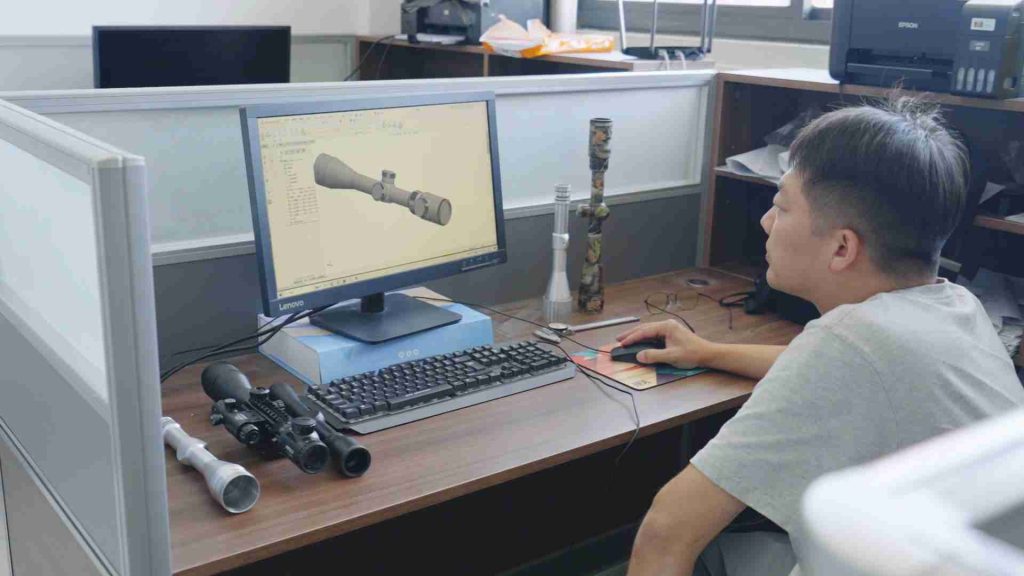
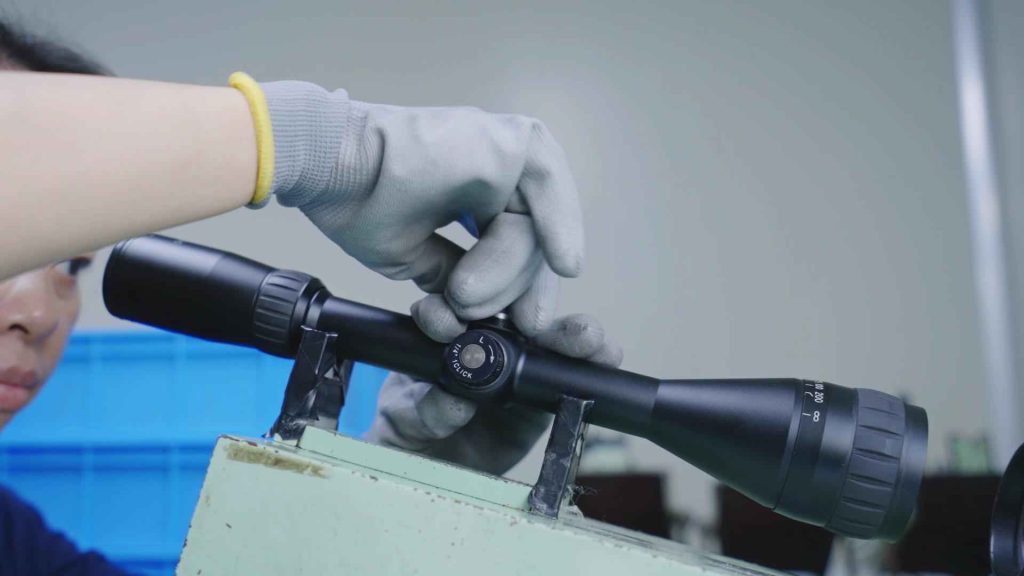
When working with an OEM / ODM manufacturer, brands should focus on confirming several key questions before finalizing a spotting optics project.
- What Specific Scenario Is This Product Designed For?
Is the product mainly intended for shooting ranges, long-range shooting, outdoor observation, or multi-scenario use?
- Is the Current Specification Based on a Mature Platform?
If the product is based on an existing mature platform, the development risk is usually lower. If it requires new development, the brand should confirm the development timeline, validation risks, and how the MOQ can be controlled.
- Has High-Magnification Performance Been Tested in Real Conditions?
Resolution, contrast, and stability at high magnification should be verified through real-use testing, not only by checking indoor samples.
- Are Key Structural Details Properly Validated?
Brands should confirm whether there are validation plans for the focusing mechanism, eyepiece structure, tripod interface, waterproof and fogproof performance, and housing strength.
- Can the Same Platform Support Different Product Layers?
It is also important to confirm whether the same platform can support different appearances, accessories, and configuration levels. This allows brands to build a more complete product line without starting every model from zero.
- How Will Mass Production Consistency and After-Sales Support Be Ensured?
For future repeat orders, brands should confirm how the manufacturer will ensure mass production consistency, stable supply of key components, and availability of after-sales spare parts.
Differentiation does not mean asking the manufacturer for more and more complicated requirements. Instead, it means helping both the brand and the manufacturing side understand the target user more accurately, so limited costs can be invested in the details that truly influence purchasing decisions.
Conclusion
The Next Round of Competition in Spotting Optics Will Be About Understanding Real Application Scenarios
For the shooting and long-range observation markets, spotting optics are entering a new stage of differentiated competition. This does not simply mean that brands will offer more and more models. More importantly, it means product definitions will become more professional, user segmentation will become clearer, and competition between brands will increasingly depend on how well they understand real-world application scenarios.
In the future, truly competitive brands will not rely only on the simple logic of “higher magnification, larger objective lens, and lower price.” Instead, they will need to answer several key questions clearly:
- What type of user is this product designed for?
- What specific scenario pain point does it solve?
- How does it work together with other products in the same brand lineup?
- Does its differentiation come from real user experience, or only from appearance and specifications?
- Can it be produced consistently at scale and support long-term brand reputation?
Once these questions are clearly answered, a spotting scope is no longer just a single product. It becomes an important strategic module within the brand’s overall product line.
The brands that complete the shift from “general-purpose configuration” to “scenario-based product planning” earlier will have a better chance of taking the lead in the next stage of the shooting and long-range observation market.
FAQ
Q: Does differentiation in spotting optics simply mean adding more models?
A: No. True differentiation is not about having more model numbers. It means that each model has a clear position in terms of application scenario, target user, and price segment.
Q: Are high-magnification products always better for professional users?
A: Not necessarily. Professional users care more about whether the image remains clear, stable, and easy to operate at high magnification, rather than the magnification number itself.
Q: Is structural optimization necessary for mid-range products?
A: Yes, absolutely. Mid-range products often carry the main sales volume, and structural stability and user experience are the areas most likely to turn into positive market reputation.
Q: Will digital functions become mainstream in spotting optics?
A: Digital functions will become an important direction, but they are not suitable for every product. These functions must be built around clear scenarios such as recording, sharing, and training review.
Q: What is the most common mistake brands make when planning a spotting optics product line?
A: The most common mistake is trying to use one general-purpose product to cover all users. This often results in unclear selling points and eventually pushes the brand into price competition.