Many people who are new to outdoor optics tend to put birdwatching and long-range target spotting into the same category. After all, both take place outdoors, and both involve looking at distant objects. So it may seem that all you need is a binocular that “sees far and looks clear.”
But once you actually talk to users from both groups, or look at these two product directions from a manufacturing perspective, the difference becomes very clear: although birdwatching and long-range target spotting both belong to outdoor observation, they are built around two very different task models.
Birdwatchers are usually dealing with targets that are small, moving, short-lived, and surrounded by complex backgrounds. A bird may be hidden in the treetop one second and then disappear behind another tree the next. In this situation, what users care about most is whether they can locate the target quickly, follow it smoothly, and stay comfortable during long observation sessions.
Long-range target spotting is different. The target is usually fixed, relatively small, and requires careful detail recognition. The key question is not “Can I find it quickly?” but “Can I see the details clearly and steadily?” This becomes especially important at longer distances, where image stability and reliable resolution matter much more.
That is why the requirements for these two types of binoculars are becoming increasingly different. One emphasizes field of view and observation efficiency; the other emphasizes resolution and stability.
For users, understanding this difference helps avoid choosing the wrong product. For brands and manufacturers, it also means that product development can no longer rely only on general-purpose designs. It needs to move further toward scenario-based development.
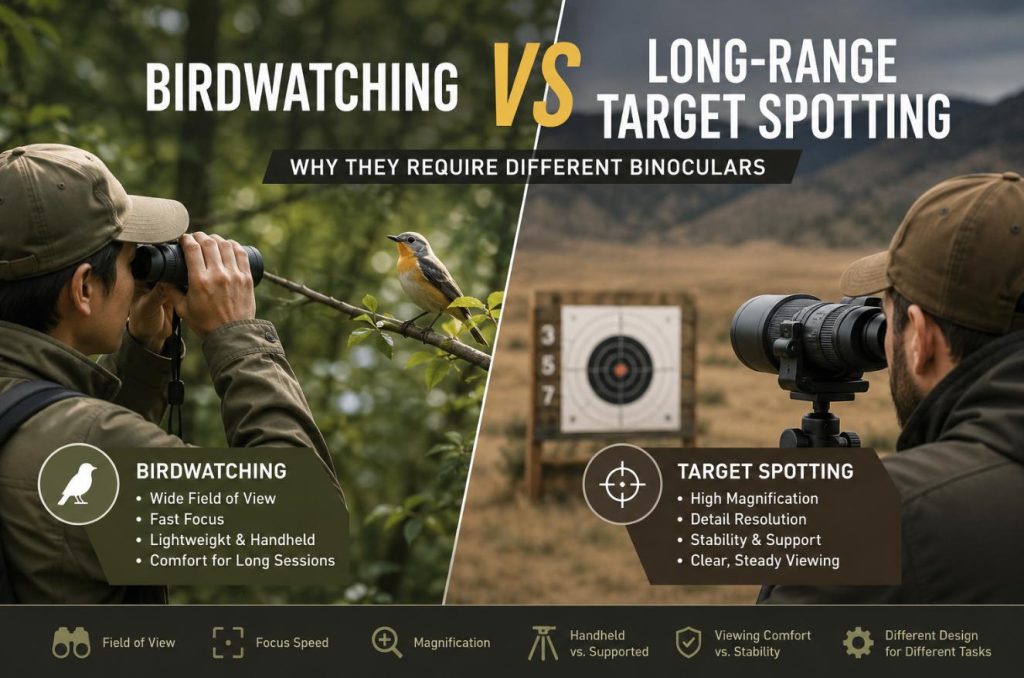
Birdwatching and Long-Range Target Spotting Solve Different Observation Problems
They Both Seem to Be About “Seeing Far,” but the Real Problems Are Different
Birdwatching: Finding Quickly and Tracking Continuously in Complex Environments
The real challenge in birdwatching is often not how far away the target is, but how fast it changes position and how complex the background is.
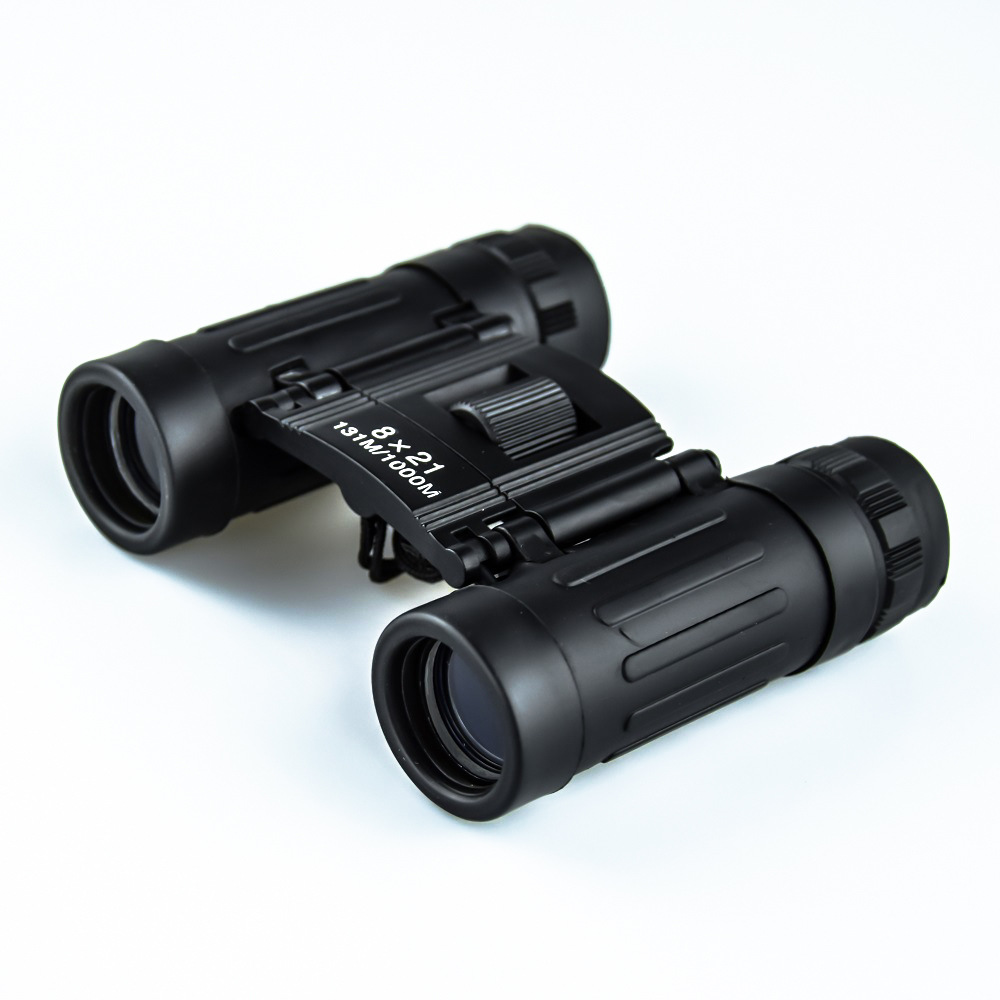
Many birds are small, quick, and often partly hidden among leaves, branches, reeds, or backlit surroundings. For birdwatchers, the most important thing is not to magnify the bird as much as possible. It is to find it quickly, keep it steadily within the field of view, and then observe its movement, plumage, and behavior over time.
That is why birdwatching usually places the first priority on a wide field of view and fast focusing. The wider the view, the easier it is to locate a target in a complicated background. The smoother the focusing, the easier it is to keep up with a moving bird.
At the same time, birdwatching is often a high-frequency, long-duration activity. Comfortable eye relief, good handheld balance, and natural color reproduction can all make a noticeable difference to the overall experience.
Simply put, binoculars designed for birdwatching are mainly about observation efficiency and long-term viewing comfort.
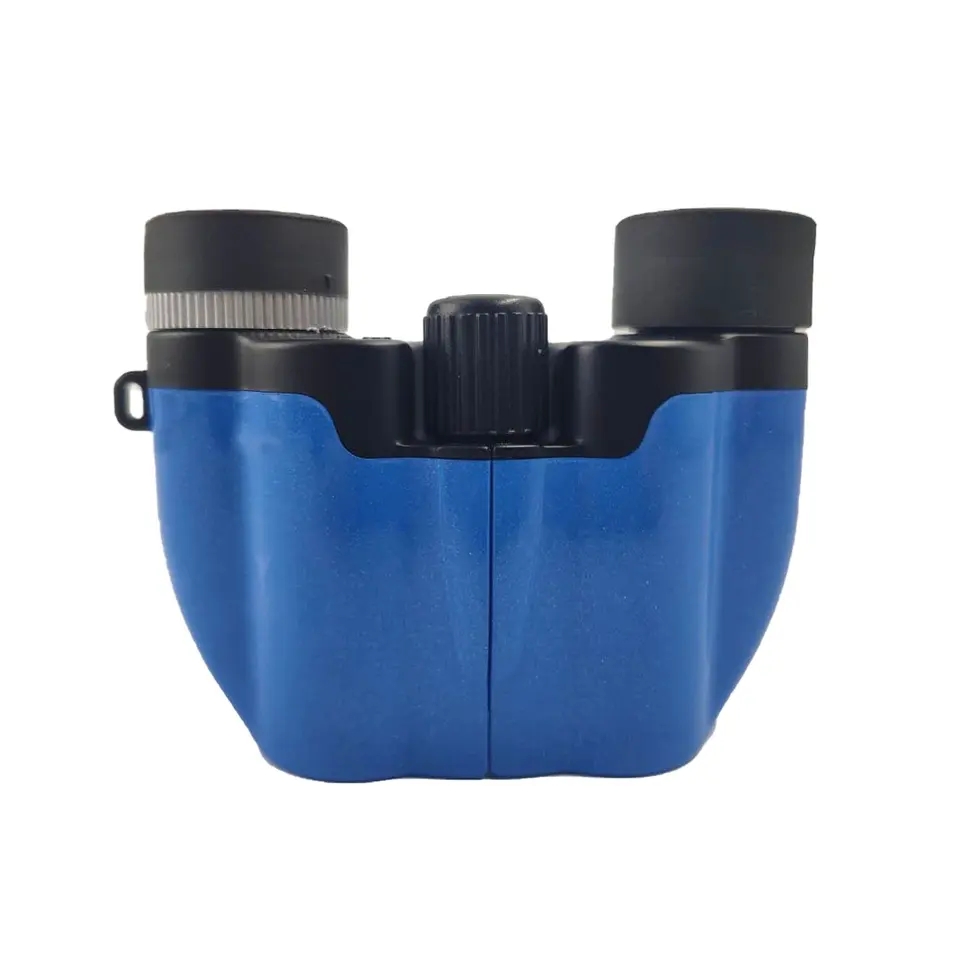
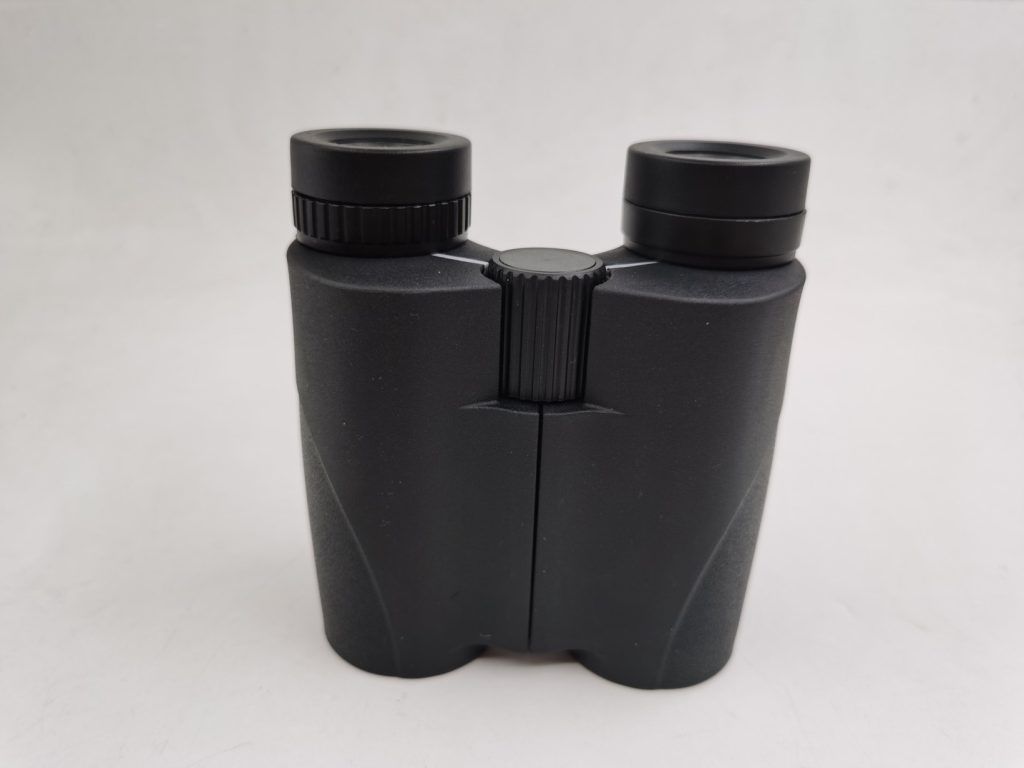
Long-Range Target Spotting: Clearly Identifying Details Under Stable Conditions
Long-range target spotting, shooting practice, and fixed-point observation follow a different logic.
In these scenarios, the target is usually relatively stationary. Users do not need to constantly scan the whole environment. Instead, they need to identify specific details at a longer distance, such as bullet impacts on a paper target, changes in marking points, or the outline of a distant object.
Here, the key issue is not how quickly the user can find the target. It is whether, after locking onto it, they can observe it steadily, clearly, and continuously.
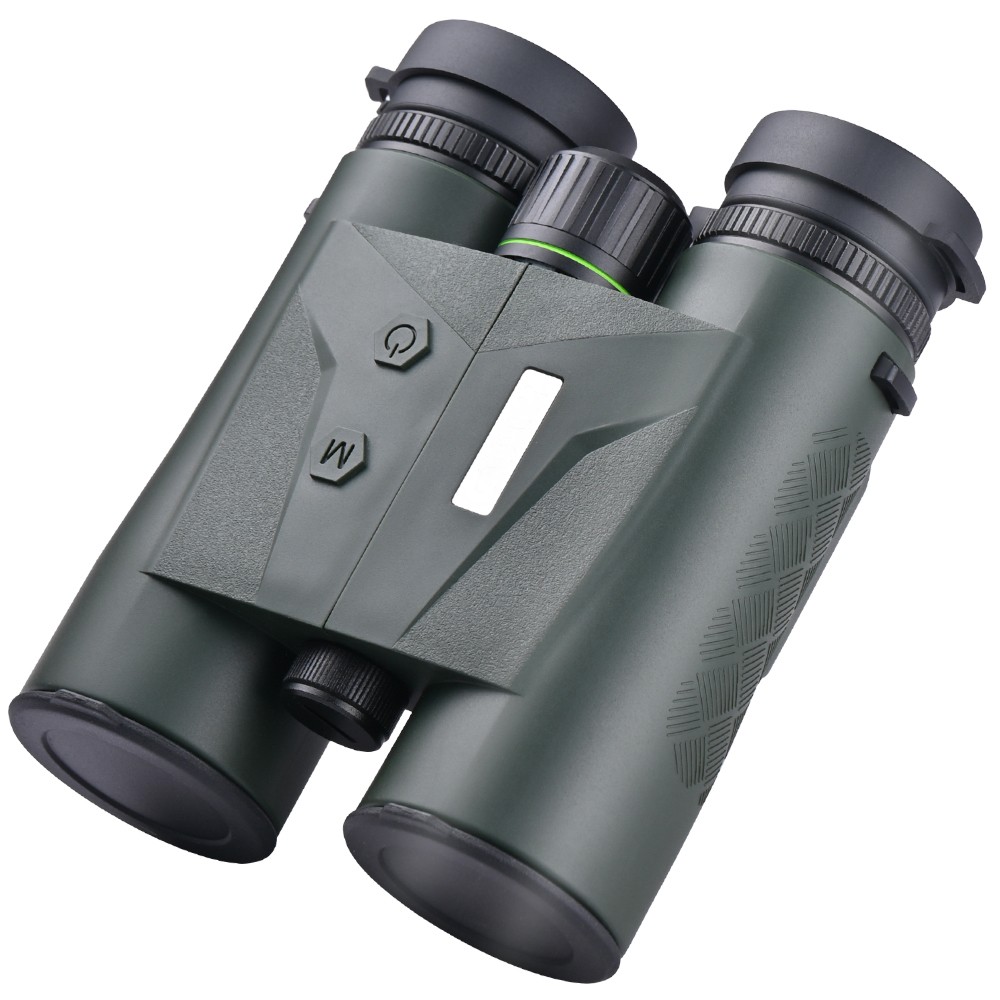
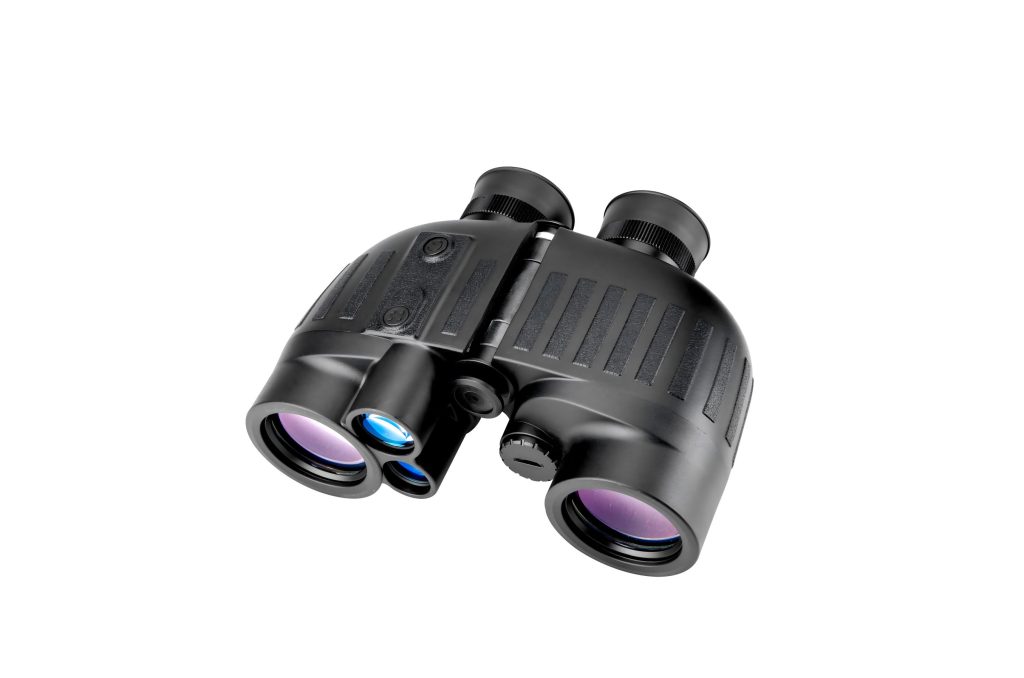
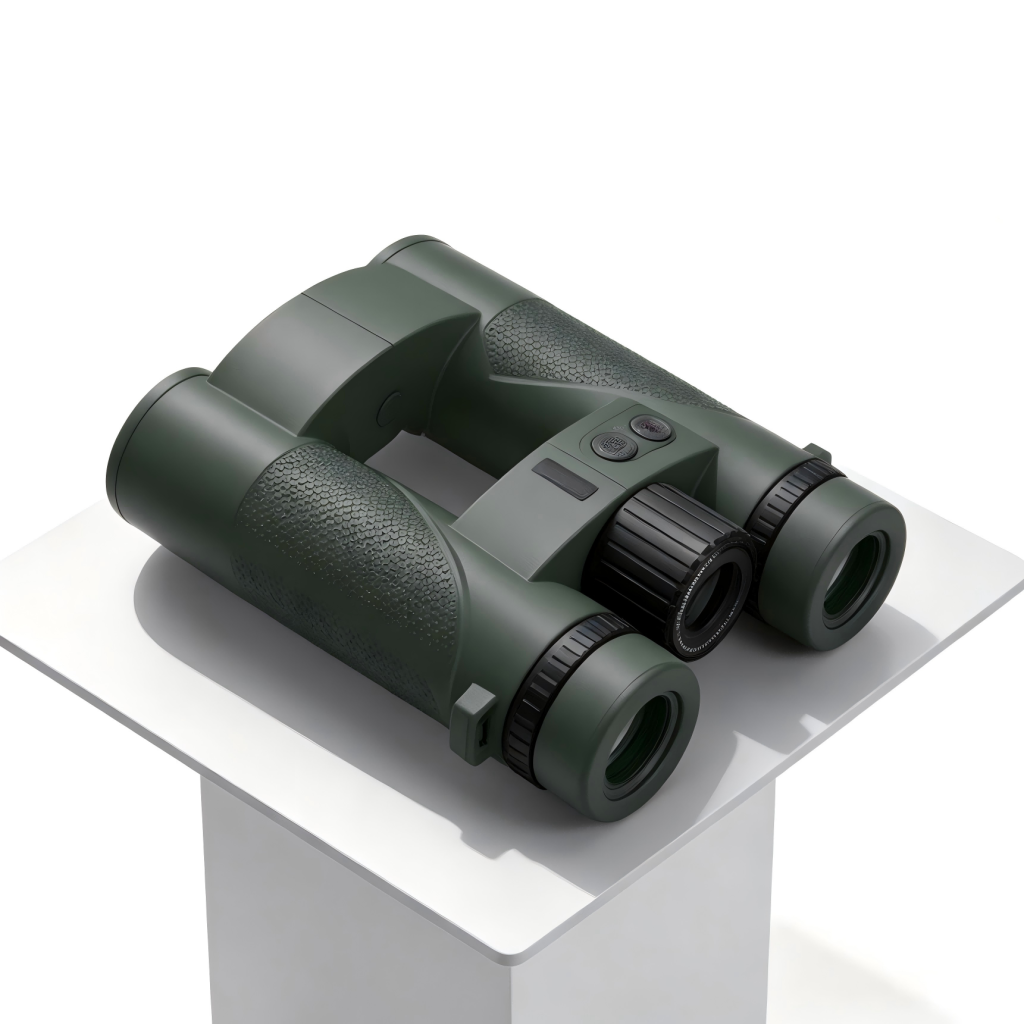
That is why long-range target spotting places more emphasis on detail recognition, image contrast, center sharpness, and stable performance when used with a support system such as a tripod. In many cases, this type of application can accept higher magnification because the goal is indeed to bring out more detail. But at the same time, it also depends much more on overall system stability and viewing conditions.
In short, binoculars or spotting optics designed for target observation are mainly about detail resolution and stable viewing.
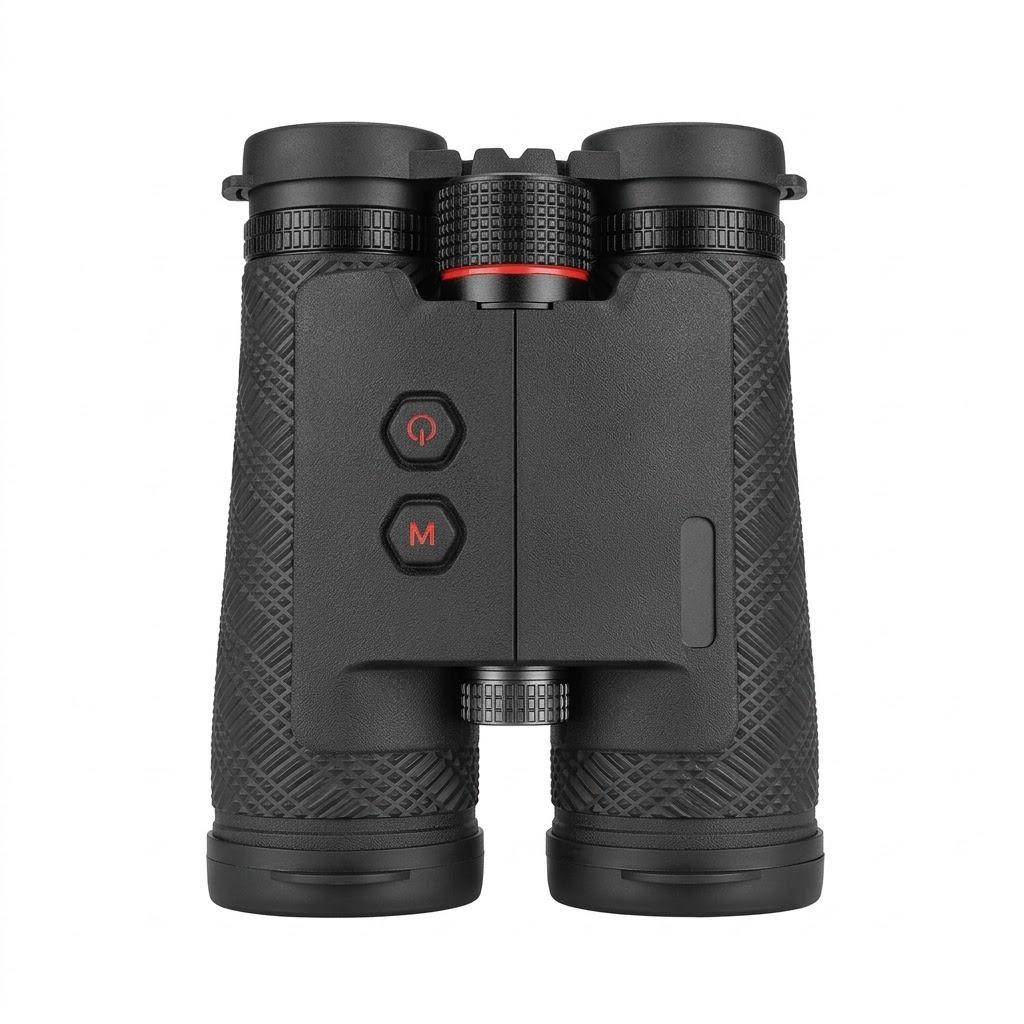
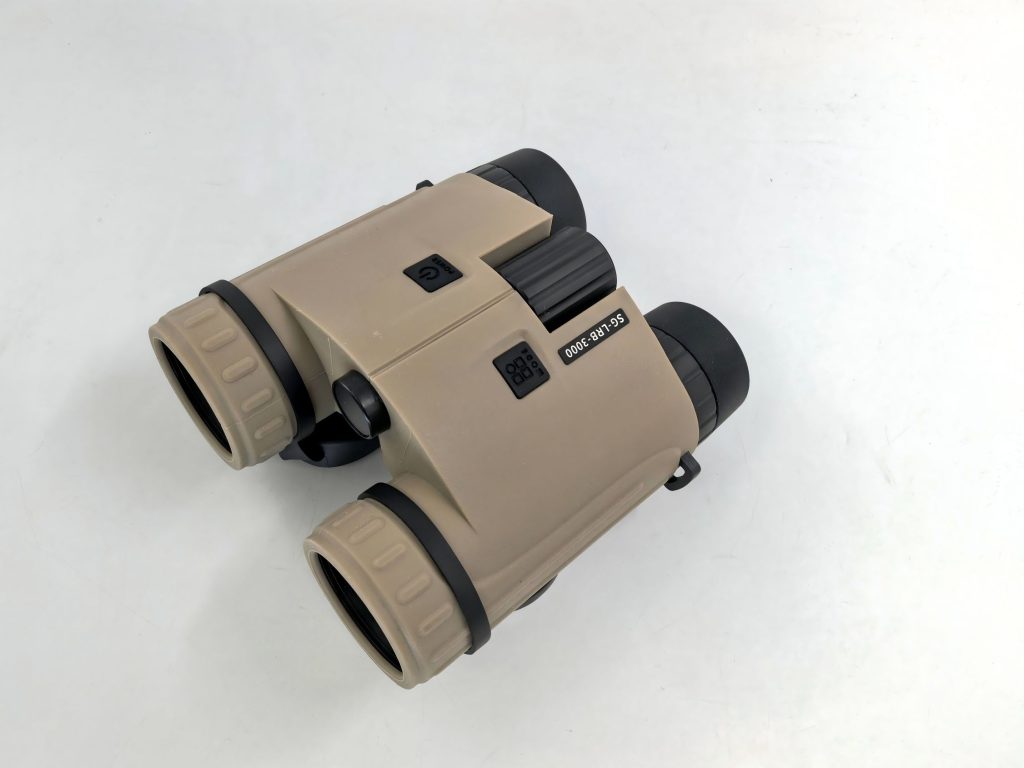
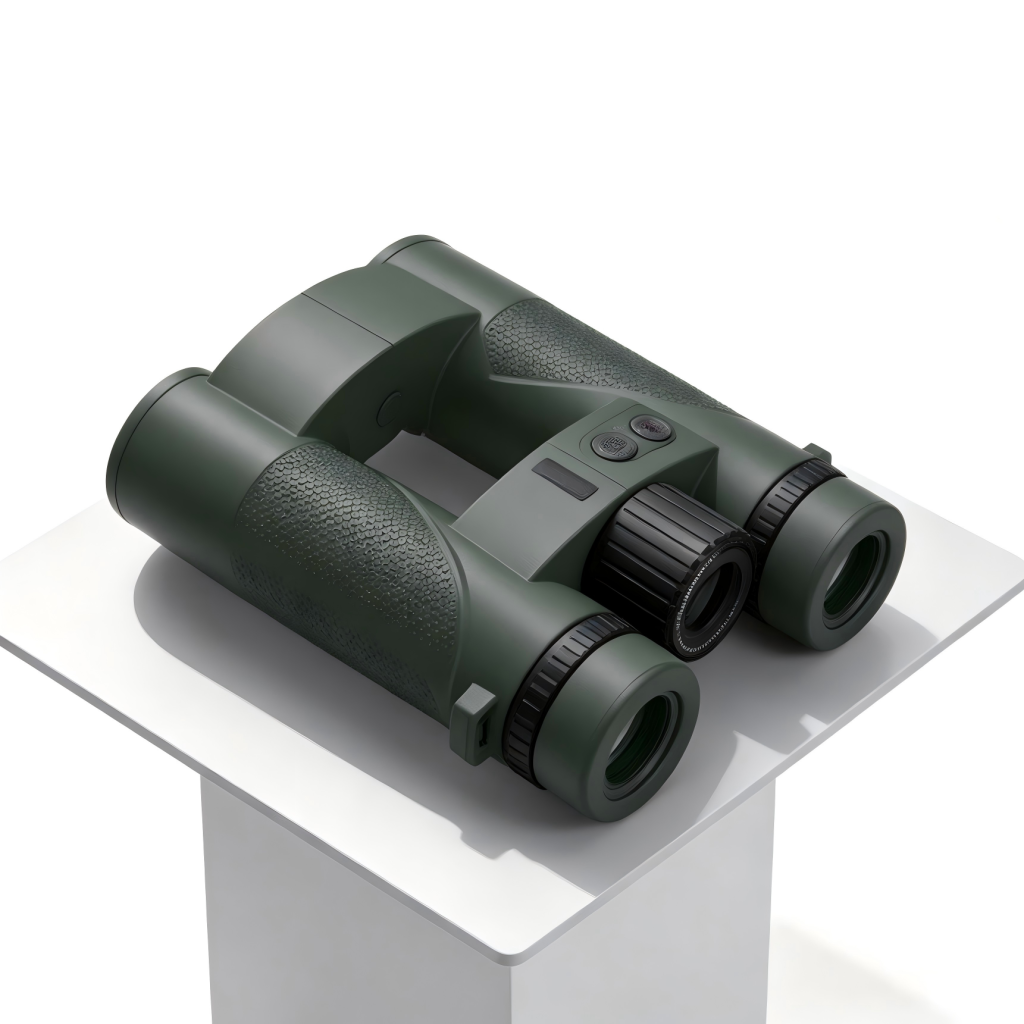
Why Is the Difference So Big?
Because Magnification Serves Different Experiences
To put it simply, birdwatching is more like a dynamic observation task, while long-range target spotting is more like a fixed-position detail recognition task.
For birdwatching, the biggest problems are: not finding the target, not keeping up with it, or getting tired after watching for a long time.
For long-range target spotting, the biggest problems are different: unclear details, unstable images, and low efficiency during extended observation.
This also explains why the two types of users prioritize very different things when choosing optics.
Birdwatchers usually care first about field of view, focusing speed, weight, and handheld balance. Long-range target spotting users are more likely to focus on detail sharpness, magnification power, tripod compatibility, and stable viewing performance.
In other words, these are not just two groups of users ranking the same product features differently. They are looking for solutions to two fundamentally different use cases.
Once you understand this, it becomes clear why some products that look stronger on paper may not actually be suitable for birdwatching. Likewise, some configurations that feel very comfortable for birdwatching may not work well for long-range target spotting.
The real difference is not simply whether the specifications are “higher” or “lower.” It is whether those specifications actually serve the task they are designed for.
Why Birdwatching and Target Spotting Require Different Binocular Designs: Six Key Dimensions
Field of View
Essential for Birdwatching, Less Critical for Target Spotting
In birdwatching, targets often appear suddenly, move quickly, and blend into complex backgrounds. That makes a wide field of view almost essential for observation efficiency.
The wider the view, the easier it is to search for the bird quickly. It also makes it easier to keep the bird in view when it moves.
Long-range target spotting is different. In most cases, the user is observing a known target area and does not need to scan a large environment repeatedly. What matters more is the level of detail after the target has been locked in.
So while field of view still matters, it usually does not sit at the very center of the decision-making process the way it does for birdwatching.
Focusing Speed
Birdwatching Needs Faster Response, Target Spotting Needs Precision
Birdwatchers deal with moving targets. Whether the focus responds quickly and feels smooth can directly affect whether the user can keep up with the bird or loses it from view.
In this type of scenario, focusing efficiency is not just a technical feature. It is part of the actual user experience.
For long-range target spotting, the target is usually fixed. Users do not need to shift focus back and forth quickly. In this case, focusing is more about accuracy and controllable fine adjustment, rather than extremely fast switching speed.
Magnification
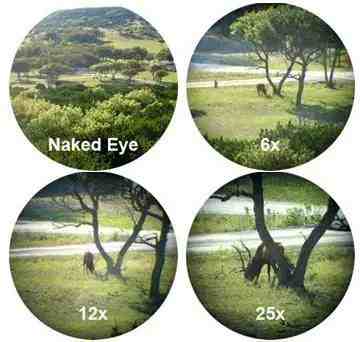
More Useful for Target Spotting, but Sometimes a Burden for Birdwatching
Target spotting does require distant details to be enlarged, so higher magnification can be very useful under the right conditions. This is especially true when the user has stable support, such as a tripod. In that situation, higher magnification can directly help bring out more detail.
Birdwatching is different.
Too much magnification often means a narrower field of view and more noticeable hand shake. This makes it harder to find the target and even harder to track it once it starts moving.
For birdwatching, higher magnification is not always an advantage. In many cases, it can actually raise the difficulty of use.
Handheld Use or Supported Use
This Directly Separates the Two Product Routes
Birdwatching usually relies more on handheld use. Birds move quickly and change position often, so users need to adjust their viewing angle with flexibility. Because of this, overall weight, handheld balance, and a stable feel become very important.
Long-range target spotting, on the other hand, is more often used with a tripod or another support system. Under this condition, the product can place more emphasis on resolution and stable observation, rather than putting handheld mobility first as birdwatching optics do.
Long-Term Viewing Experience
Birdwatching Needs Ease, Target Spotting Needs Stability
Birdwatching is often a high-frequency, long-duration scanning activity. Factors such as comfortable eye relief, natural image rendering, and reduced hand fatigue can all have a clear impact on user satisfaction. The easier the binocular is to use, the more willing the user is to keep observing.
Long-range target spotting may also last for a long time, but its focus is different. The key is stable detail observation after the target has been locked in. So the long-term experience is more about whether the image stays steady and whether the details remain clear, rather than whether frequent scanning feels effortless.
Product Direction
Both Are Outdoor Optics, but They Serve Different Tasks
From a manufacturing and brand perspective, the reason birdwatching and long-range target spotting require different product routes is simple: they are built for two completely different task models.
Birdwatching optics emphasize field of view, efficiency, portability, and comfort. Target spotting optics emphasize detail, magnification, support compatibility, and stability.
In other words, today’s increasingly segmented product lines are not about making the market more complicated. They are about making each product direction more accurate.
For users, this means it becomes easier to choose the right product. For brands, it means product definition must become more scenario-driven.

My Overall View
It Is Not About Which One Has “Higher Requirements,” but About Different Problem Definitions
When people compare birdwatching optics with long-range target spotting optics, they often fall into a common misunderstanding: assuming that one use case is “more professional” while the other is “more basic.”
But in real use, these two scenarios are not higher or lower than each other. They simply define the problem differently.
Birdwatching requires users to observe quickly and comfortably in complex, dynamic environments. Long-range target spotting requires users to read details clearly and steadily under more fixed conditions.
So a mature selection logic should not start with the question, “Which configuration is more advanced?” It should start with, “Which configuration is better suited to my task?”
Once you look at products from this perspective, many choices that once seemed contradictory begin to make perfect sense.
Why does birdwatching not always benefit from higher magnification? Why can target spotting accept, and even benefit from, stronger magnification? Behind both answers, the logic is actually very clear.
If You Are Choosing a Product, Start with These Three Questions
If you are choosing between birdwatching optics and long-range target spotting optics, I would suggest starting with three simple questions.
First, is your target moving or fixed? If the target often moves and is difficult to lock onto quickly, the birdwatching logic will suit you better. If the target is fixed and your main task is to see details clearly, then the target spotting logic will be more appropriate.
Second, will you mainly use it handheld, or can you use it with support? If handheld use is your priority, you should pay more attention to weight, field of view, and mobility. If you can use a tripod or another support system, then you can make better use of stronger detail resolution and higher magnification.
Third, what is the viewing problem you cannot accept most? Is it taking too long to find the target? Getting tired after watching for a while? Not seeing enough detail? Or having an image that is not stable enough?
Once you understand this clearly, it will often help you choose the right product better than simply comparing specifications.
Conclusion
Although birdwatching and long-range target spotting both belong to outdoor observation, they place completely different demands on binoculars. This is not because one is more “professional” and the other is more “simple.” It is because they are solving two different problems from the very beginning.
For users, the real key is not to look for one universal answer, but to understand their own use scenario first.
For brands and manufacturers, the real value is not in creating an average product that can “do a little bit of everything.” It is in making each product route more accurate and more closely matched to its target application.
Once you understand this, you can avoid many unnecessary mistakes when choosing the right optics.