The Shift from “Being Able to See” to “Observing Longer”
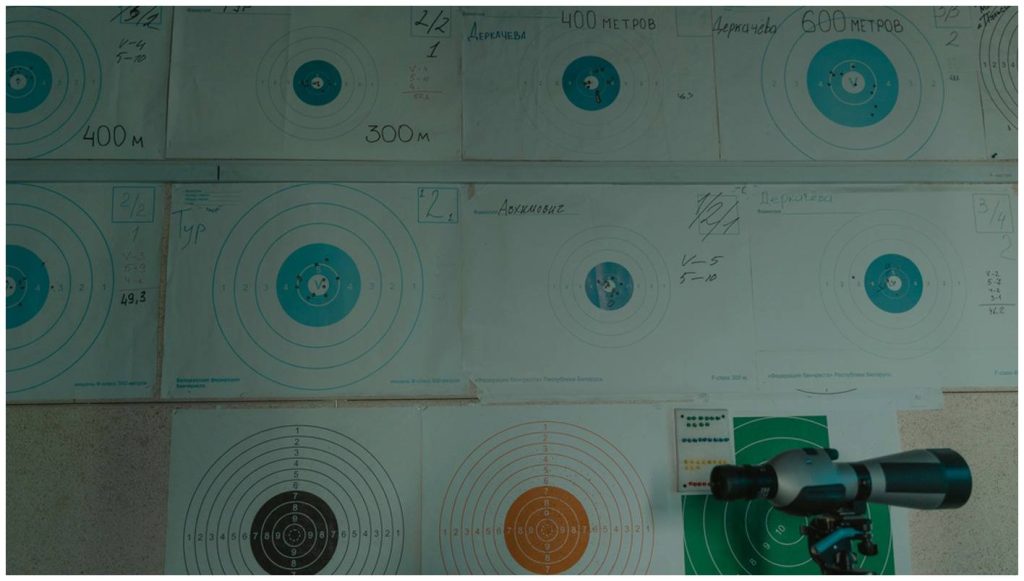
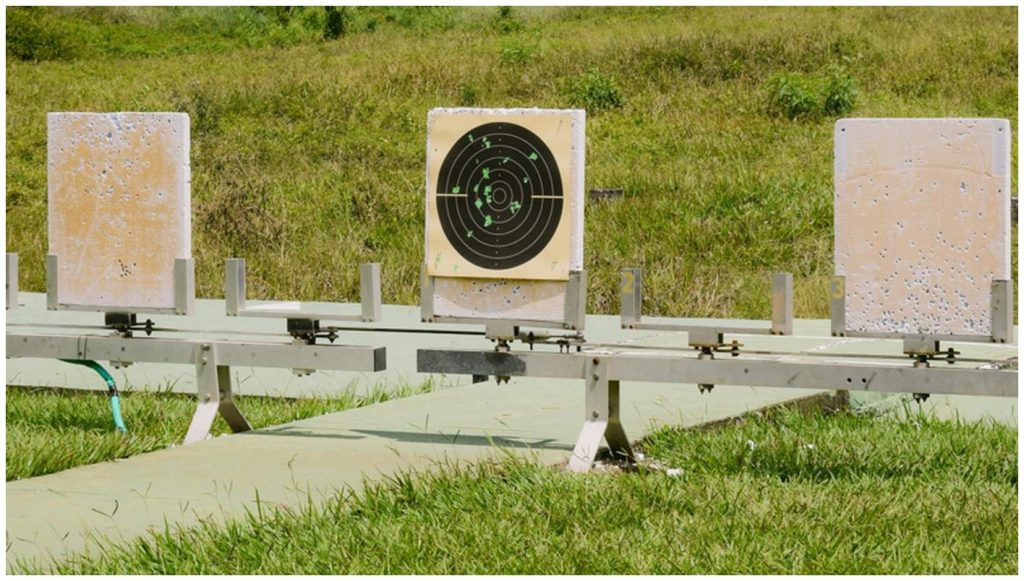
In target observation, the first thing users usually care about is simple: Can I clearly see the bullet holes on the target paper?
But as shooting range training, long-range shooting, crossbow practice, and outdoor observation scenarios continue to become more specialized, the real user experience is no longer determined by image clarity during a single quick look. What matters more is whether the user can observe for a longer period of time with a stable, comfortable, and consistently clear view.
This is one of the key reasons why the target observation market is moving toward a more professional optical path.
For brands, a spotting scope or target observation optical product does not automatically become competitive simply by increasing magnification or making the objective lens larger. What users truly need is the ability to maintain a clear and stable image under real shooting distances, real lighting conditions, real viewing postures, and real training rhythms — without getting tired too quickly.
In this article, we will start from the changing needs of the target observation market and take a closer look at the relationship between image clarity, resolution, chromatic aberration control, eye relief comfort, focusing experience, tripod stability, eyepiece angle, and product line planning.
The goal is to help outdoor optics brands better understand why target observation products are evolving from simply “being able to see” toward “being able to observe longer, more steadily, and more accurately.”
This article will mainly answer the following questions:
- Why are target observation users moving beyond basic image clarity and paying more attention to long-session viewing comfort?
- What new requirements do target observation scenarios place on objective lens size, ED glass, lens coatings, eyepiece design, and focusing structure?
- Why do tripods, pan heads, and viewing posture directly affect the real-world value of an optical product?
- When planning a target observation product line, how should brands differentiate between entry-level, mid-range, and professional-level solutions?
- During OEM/ODM customization, what technical details and mass production factors should procurement teams pay special attention to?
How Is Target Observation Changing?
Target observation is not simply about “looking at something far away.” In shooting, crossbow practice, airgun training, long-range shooting, and outdoor observation, users need to identify points of impact quickly, continuously monitor changes on the target, and maintain stable recognition during multi-user rotation or multi-distance training.
Smaller observation details
Users are no longer only identifying a large target surface. They need to recognize bullet holes, arrow holes, group edges, scoring areas, and fine details on the target paper.
Longer observation sessions
Users do not just take a quick look and stop. During training, they often observe repeatedly, record results, and review their shooting performance.
More fixed viewing positions
Seated shooting, prone shooting, benchrest shooting, and tripod-based observation all require the equipment to remain stable, while the eyepiece must stay comfortable for repeated viewing.
More complex lighting and weather conditions
Strong sunlight, backlight, heat waves, shadows, rain, fog, and low-light conditions can all affect how clearly users can identify target details.
More rational buying decisions
With online reviews, comparison videos, and shooting community discussions, users are paying more attention to real-world experience, not just the numbers shown on a specification sheet.
Why Is “Clarity” No Longer Enough to Explain the User Experience?
Clarity is still important, but it is only the starting point of the target observation experience. What really determines whether users are willing to keep using a product over time is the combined performance of image clarity, viewing comfort, and stability.
| Dimension | What Users Feel Directly | Product Factors Behind It |
| Image Clarity | Can they clearly see bullet holes, target rings, and edge details? | Objective lens size, glass material, lens coatings, aberration control, and assembly precision |
| Stability | Does the image shake? Is it easy to locate the target? | Tripod, pan head, center-of-gravity design, magnification setting, and body weight |
| Viewing Comfort | Do the eyes get tired after long observation? Is there any dizziness or discomfort? | Eye relief, exit pupil diameter, eyecup design, eyepiece angle, and eyebox tolerance |
| Operating Efficiency | Can users focus quickly and switch between distances smoothly? | Dual-speed focusing, zoom ring feel, eyepiece layout, and knob damping |
| Environmental Adaptability | Can target details still be recognized in strong light or low light? | Lens coatings, anti-glare design, sunshade, waterproof and fogproof performance, and low-light transmission |
Many entry-level products may look “clear enough” under ideal conditions: short viewing time, fixed distance, and good lighting.
But once users start observing repeatedly during training sessions of more than 30 minutes, hidden problems quickly appear. Their eyes may get tired more easily, focusing may feel slow or uneven, edge distortion may become more obvious, the image may not stay stable enough, or the product may become much less usable at higher magnification.
The Technical Development Logic Behind Target Observation Optics
From the perspective of product evolution, target observation optics have generally moved from basic magnification tools to more complete professional observation systems.
Early Stage: Magnification and Basic Visibility
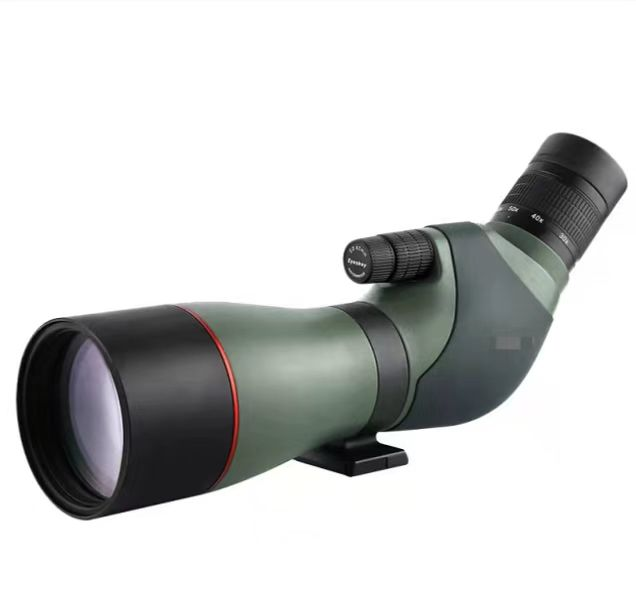
In the early stage, users mainly cared about whether the optic could help them see farther. Products were usually built around basic 20–60x zoom, standard glass, and simple tripods.
Mature Stage: Objective Lens Size, Coatings, and ED Glass
As the market developed, brands began to pay more attention to objective lens size, lens coatings, and ED glass. They gradually realized that higher magnification does not always mean better performance. Resolution, chromatic aberration control, and low-light performance are what truly determine the effective observation distance.
Professional Stage: From Single-Product Performance to System Experience
At this stage, user experience is no longer decided by the spotting scope alone. Eyepiece angle, focusing structure, tripod stability, viewing posture, and even smartphone photography or video recording all begin to influence the user’s buying decision.
Scenario-Based Stage: Different Use Cases Require Different Product Routes
Today, different target observation scenarios are creating different product directions. Shooting ranges, hunting, crossbow practice, airgun training, long-range shooting, and outdoor observation can no longer be fully covered by one single product logic. Each scenario has its own priorities, and brands need to build product lines around those real use cases.
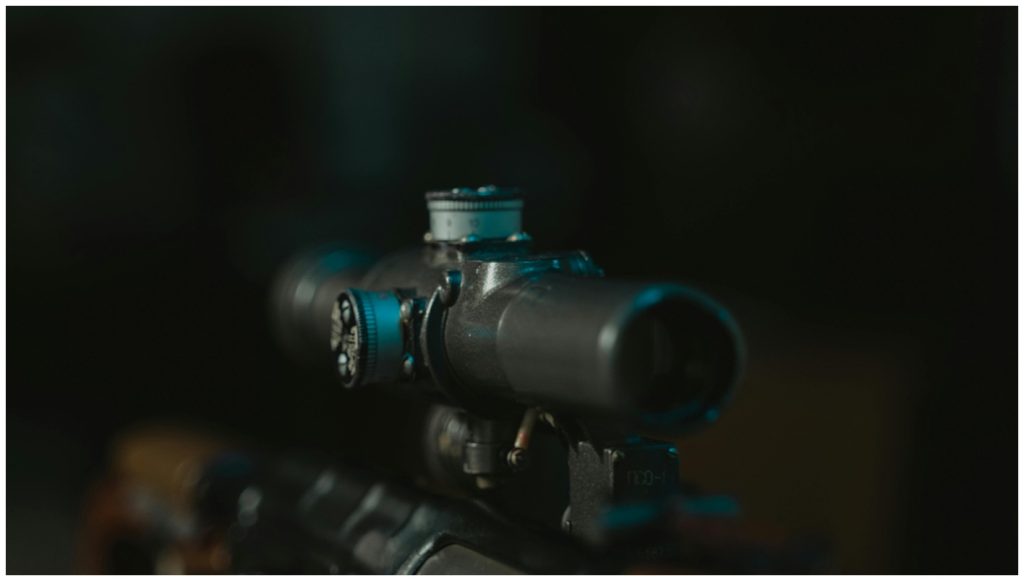
5 Questions Brands Should Answer Before Defining a Target Observation Product
Before developing or sourcing a target observation product, brands should first answer several basic but critical questions:
- Who is the target user?
Is the product designed for entry-level range users, shooting club members, long-range shooters, or professional outdoor observers?
- What is the main observation distance?
Observation at 50–100 meters, 100–300 meters, and longer distances requires very different levels of magnification, resolution, and image quality.
- How long will users observe at one time?
Quickly checking bullet holes and spending a long time recording shot groups place very different demands on eyepiece comfort and viewing fatigue control.
- How will the product be used?
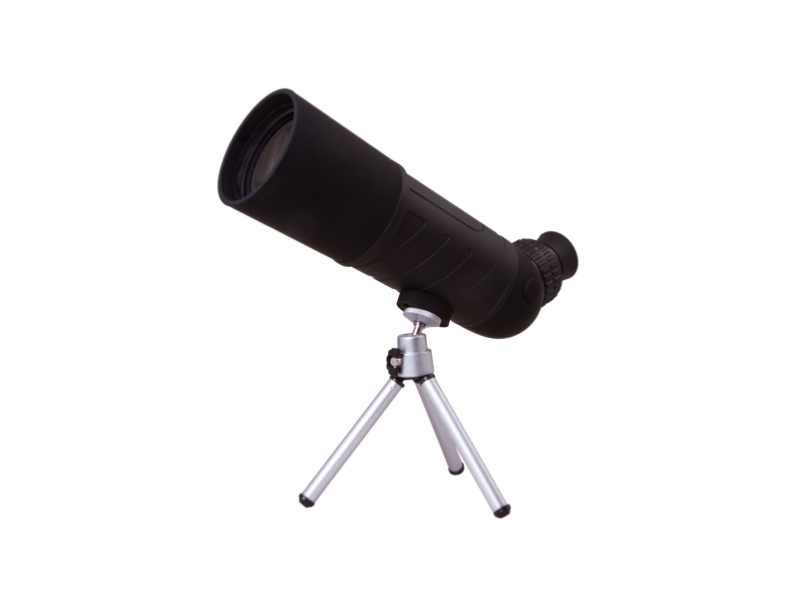
Will users rely on handheld viewing, a tabletop tripod, a full-size tripod, or a fixed benchrest support system?
- Does the brand want to sell “high-spec numbers” or build a truly scenario-based solution?
A product may look attractive on paper, but real value comes from whether it performs well in the user’s actual shooting or observation environment.
Only after answering these questions can brands avoid taking the product definition in the wrong direction.
For example, simply increasing magnification may reduce field of view, brightness, and image stability. On the other hand, reducing weight too aggressively may affect tripod stability and the viewing experience at higher magnification.
A More Practical Way to Classify Professional Target Observation Products
When planning a target observation product line, brands should not classify products only by magnification or objective lens size. A more practical approach is to evaluate them through four combined dimensions: optical performance, viewing comfort, support system, and application scenario.
| Classification Dimension | Key Question | Typical Impact |
| Optical Performance | Can the product identify fine details at the target distance? | Determines the visibility of bullet holes, target rings, edge details, and low-light target information. |
| Viewing Comfort | Can users observe for a long time without eye fatigue? | Affects eyebox tolerance, viewing posture, eye comfort, dizziness, and long-session usability. |
| Support System | Does the image remain stable at higher magnification? | Defines the real value of the tripod, pan head, center-of-gravity design, and mounting method. |
| Scenario Matching | Does the product fit the user’s real observation workflow? | Determines whether the product is better suited for shooting ranges, hunting, crossbow practice, airgun training, or long-range shooting. |
Strategic Product Line Planning for Outdoor Optics Brands
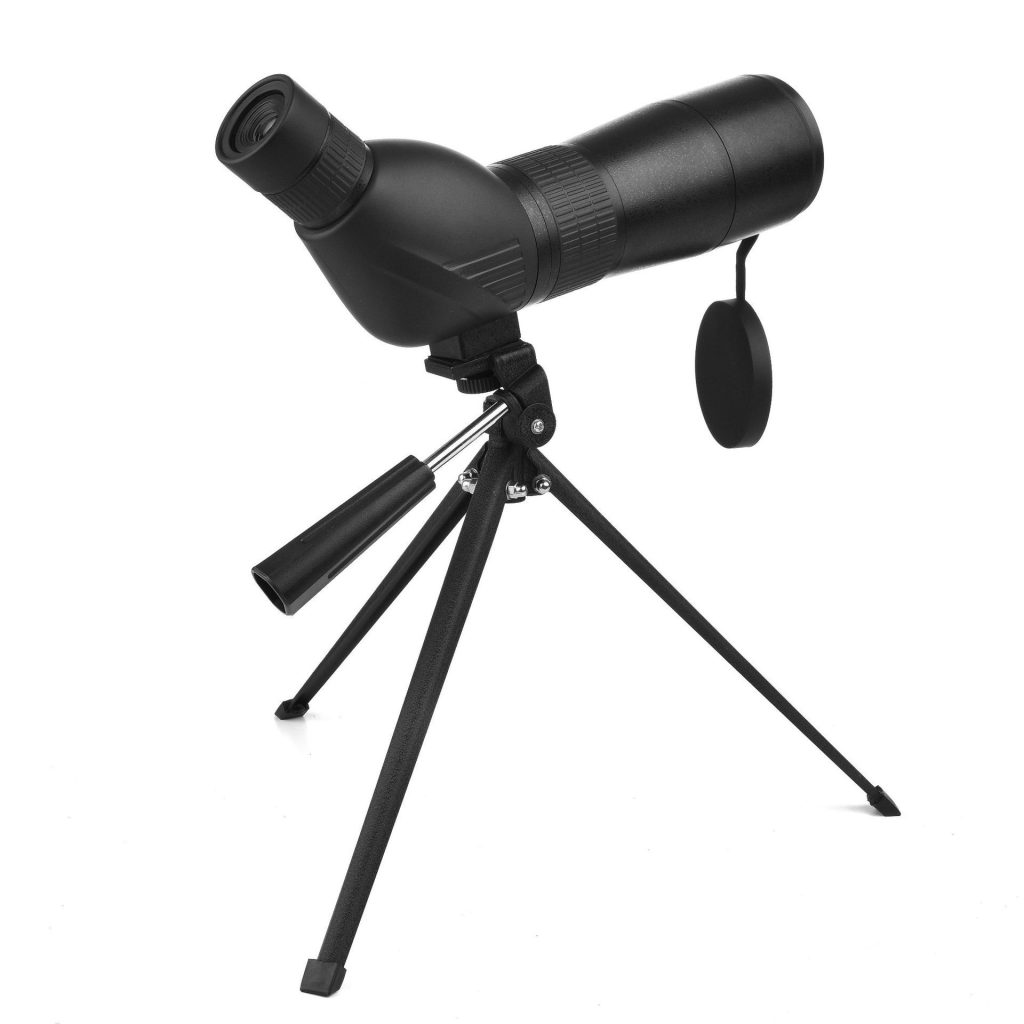
Entry-Level Spotting Scopes
Meeting the Basic Need to “See the Target”
Entry-level products usually focus on cost control and complete basic functions. They are suitable for short-distance shooting ranges, recreational shooting, and first-time users. Their core value is simple: helping users complete basic target observation with a lower budget.
- Typical configurations: 20–60×60, 20–60×70, or similar specifications.
- Advantages: More affordable pricing, mature supply chain, and lower mass production risk.
- Limitations: Limited usability at high magnification. Edge clarity, chromatic aberration, and low-light performance can easily become weak points.
- Suitable brand route: Best used as a basic SKU or entry-level channel product. It should not be positioned as a highly professional solution.
Mid-Range ED Spotting Scopes
From “Seeing Clearly” to “Viewing Comfortably”
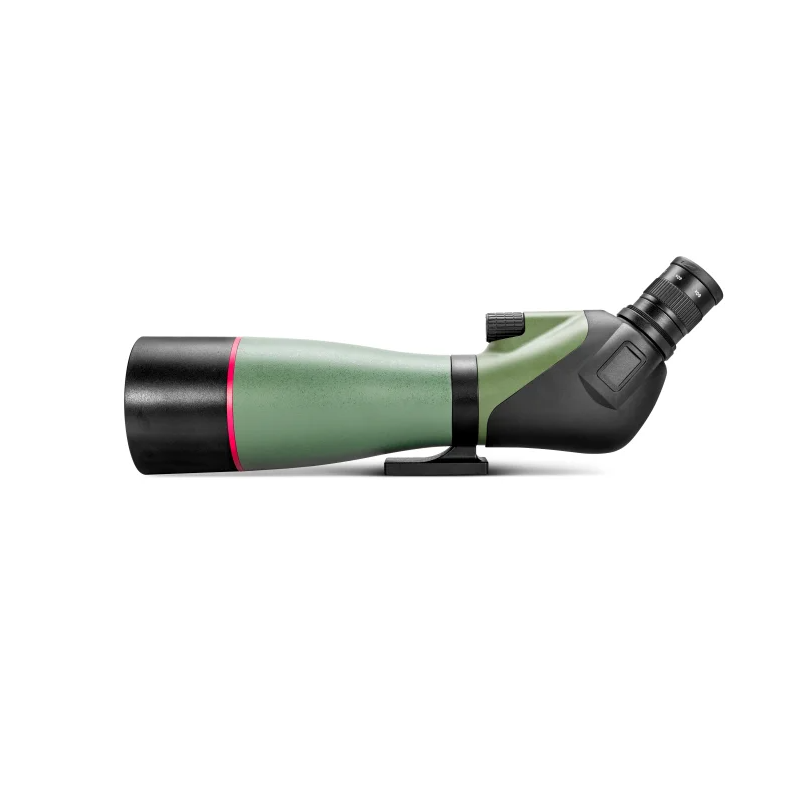
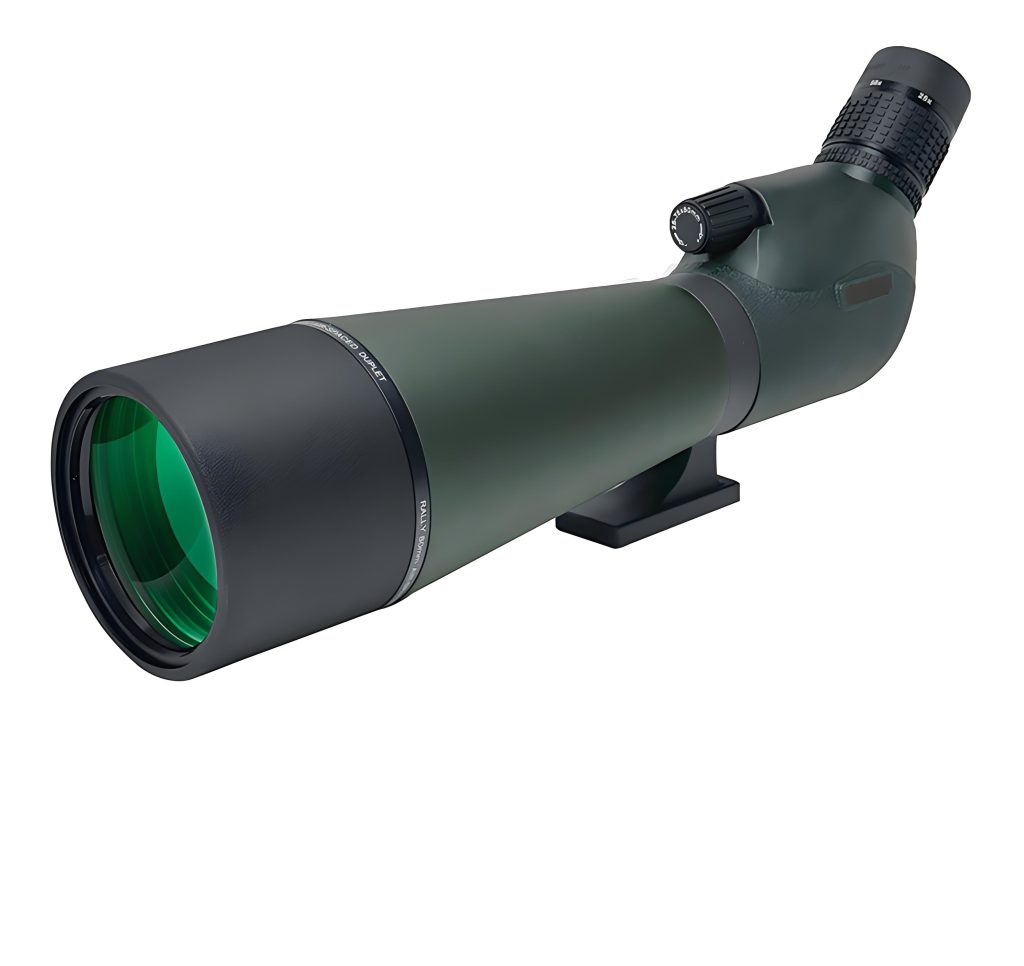
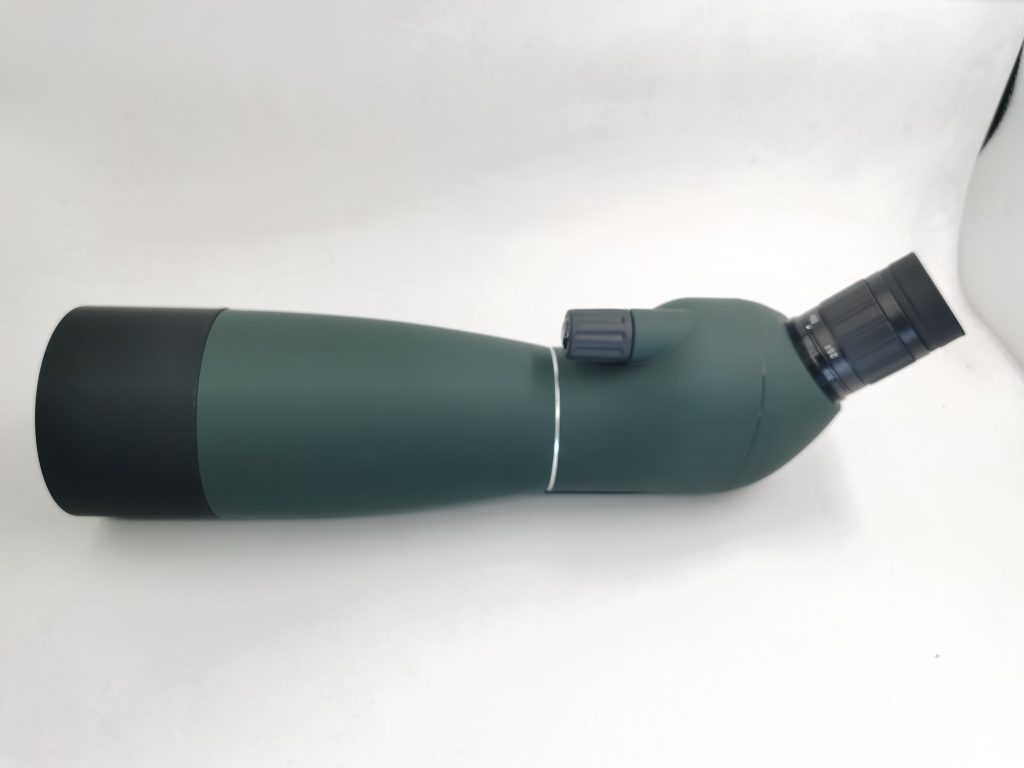
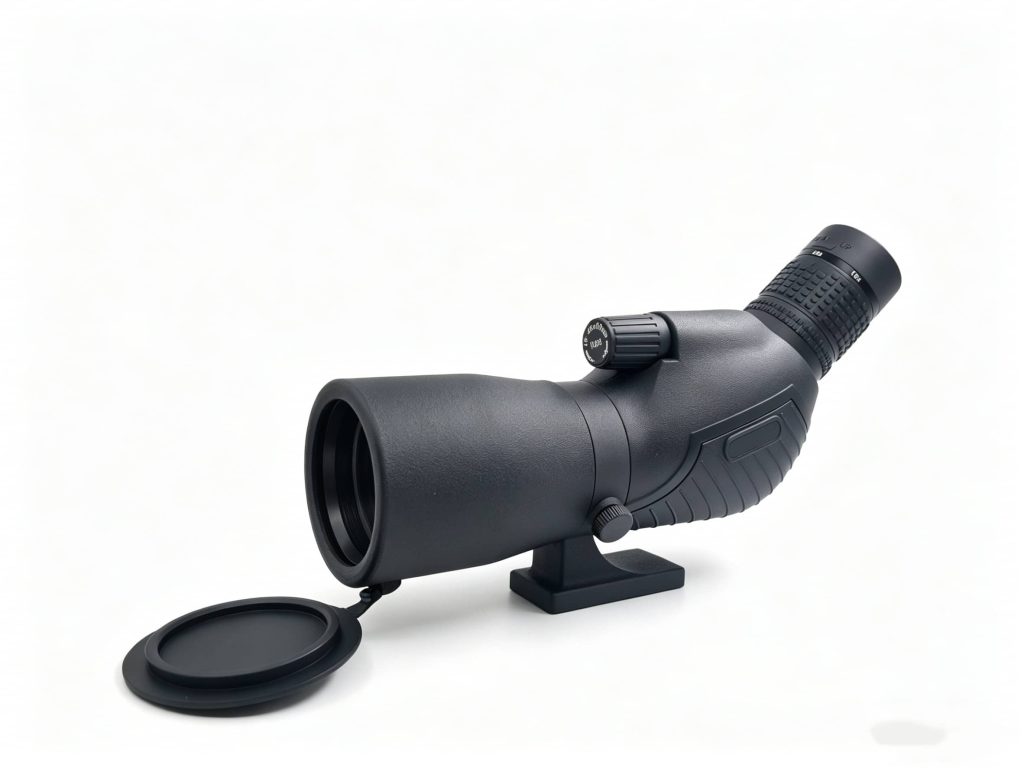
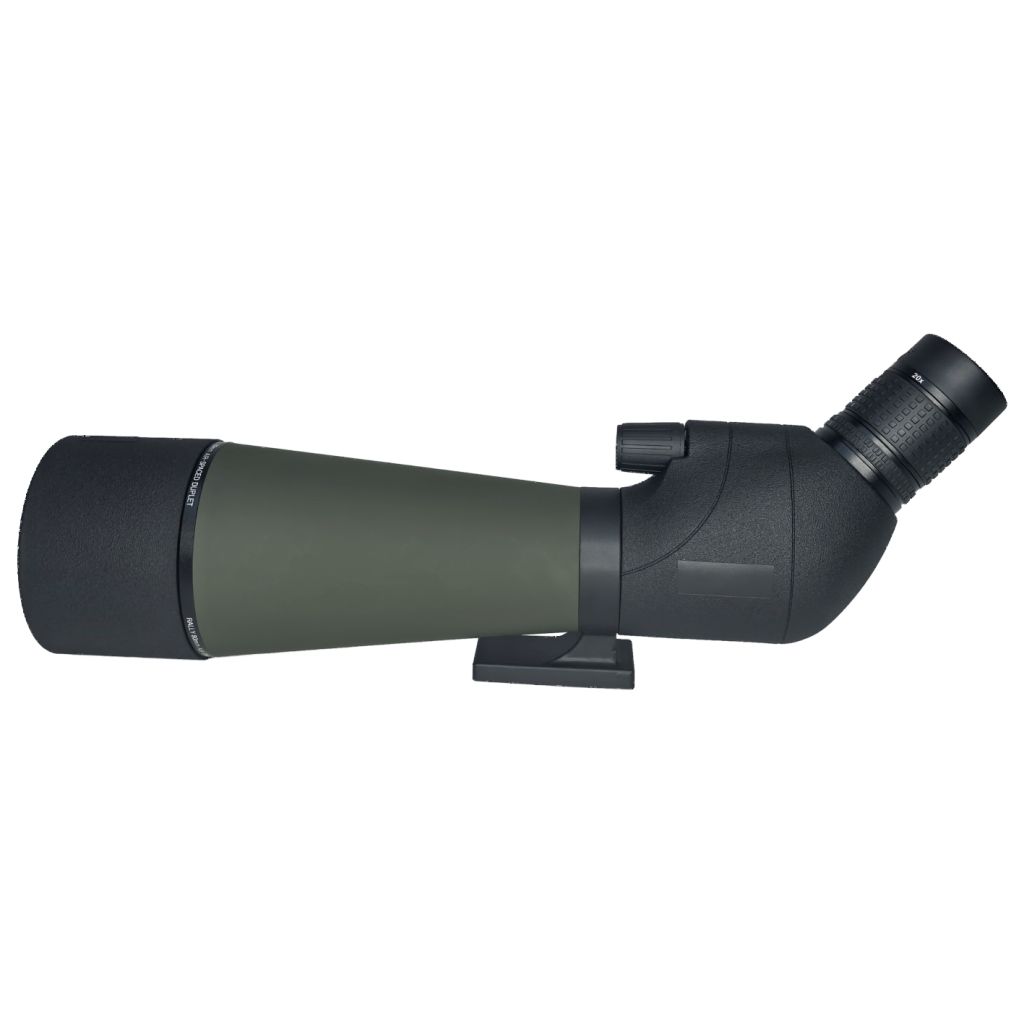
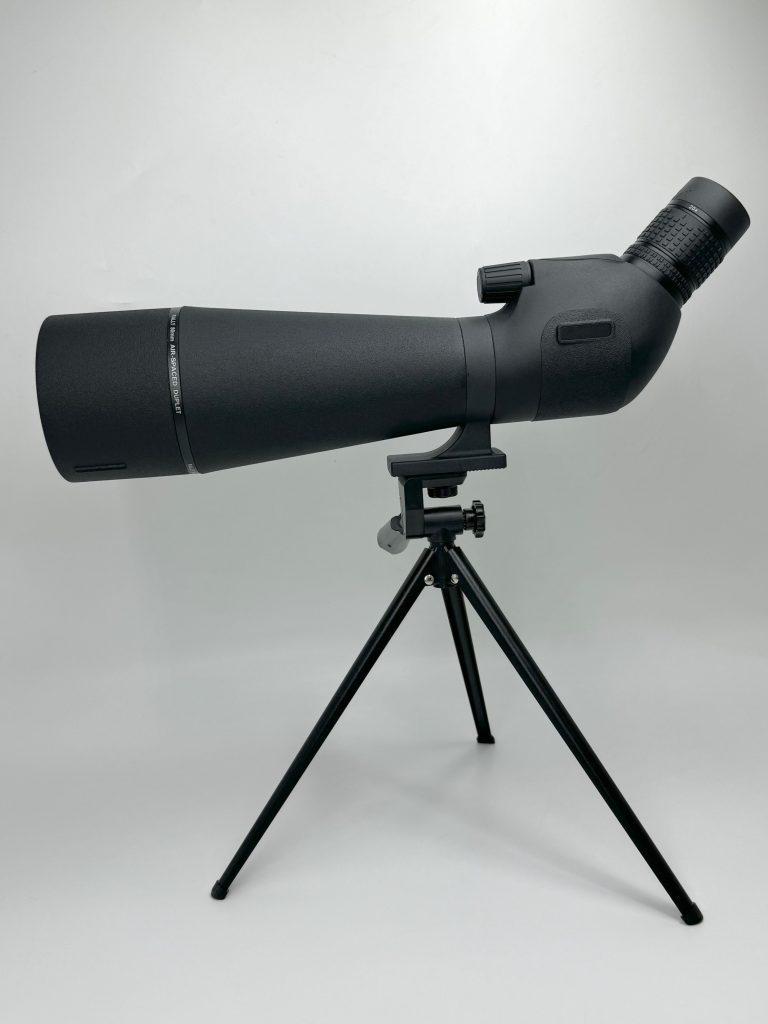
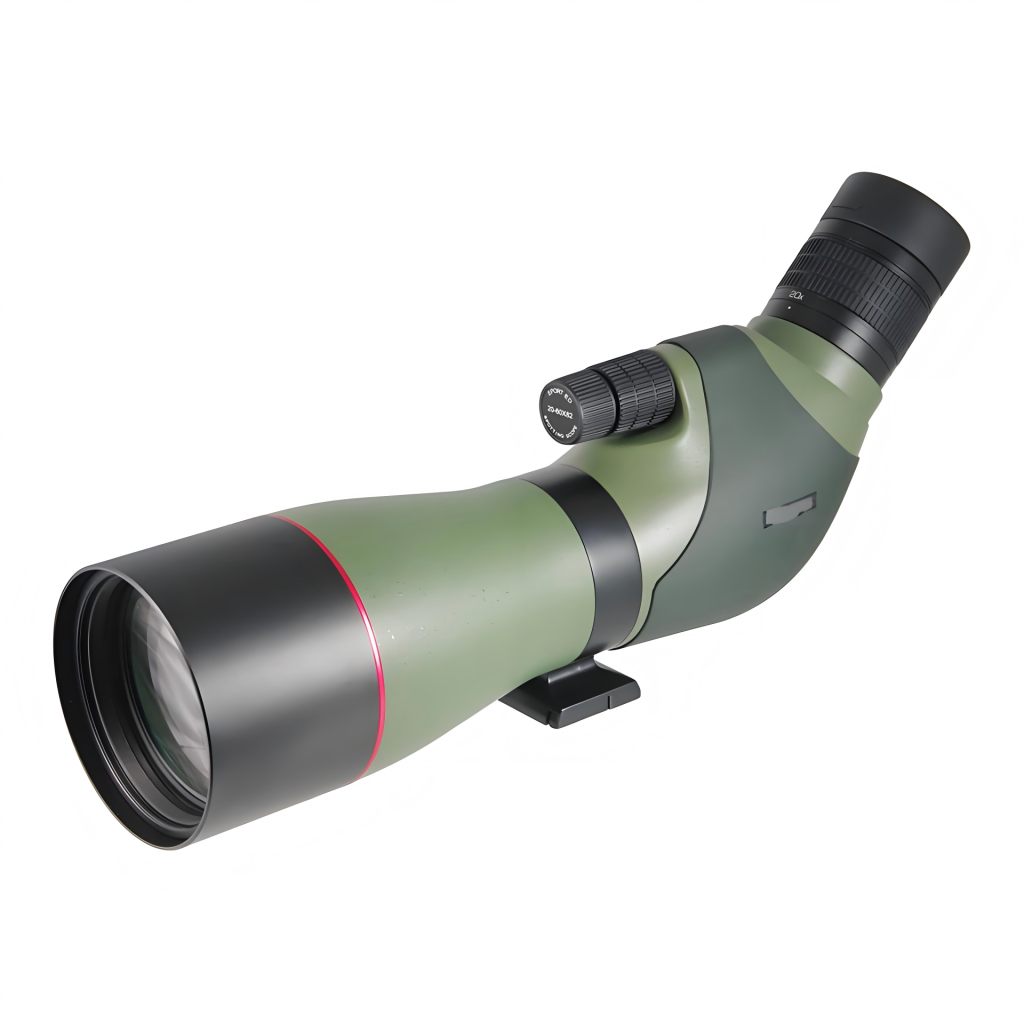
The core value of mid-range products is not simply higher magnification. Instead, they use ED glass, broadband coatings, better optical alignment, and a more reasonable eyepiece design to help users maintain a stable and comfortable viewing experience during longer observation sessions.
- Typical configurations: 65mm or 80mm objective lens, ED glass, improved lens coatings, and smoother focusing feel.
- Advantages: Lower chromatic aberration, more stable resolution, and better suitability for longer distances and higher-frequency training.
- Limitations: Higher cost, which requires clearer price positioning and stronger brand explanation.
- Suitable brand route: A core model for mainstream professional target observation product lines.
Professional Large-Aperture Spotting Scopes
Built for Long-Range and High-Intensity Training
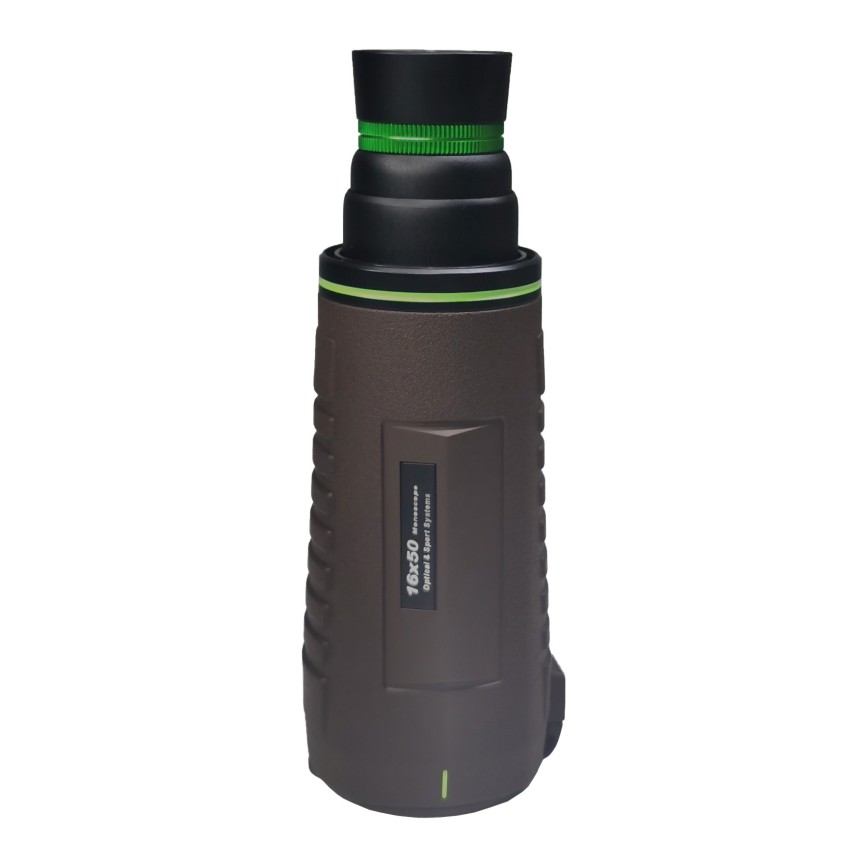
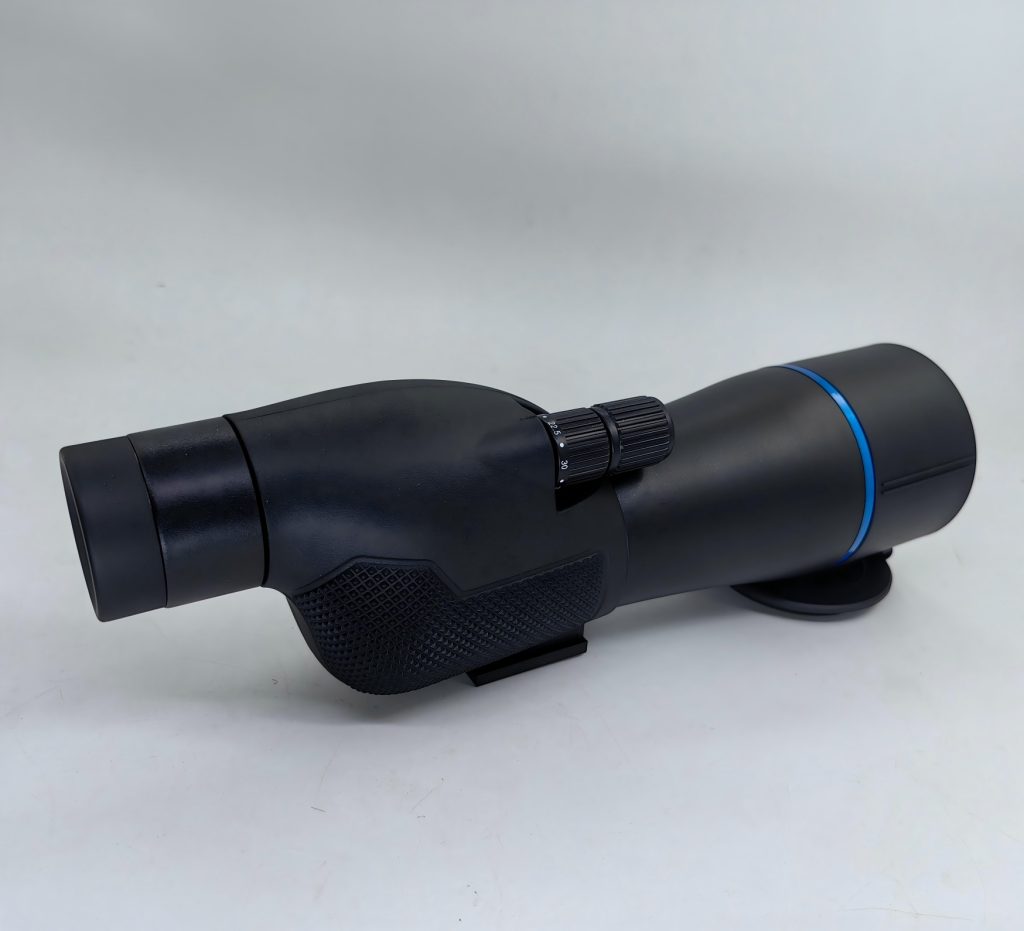
When users move into long-range shooting or professional training, large aperture, high resolution, stable tripod support, and better eyepiece comfort become critical. Products in this category should not rely only on stacked specifications. Instead, brands should emphasize the reliability of the complete observation system.
- Typical configurations: Objective lens above 80mm, ED/APO optical design, professional tripod and pan head combination.
- Advantages: Higher resolution, better low-light performance, and stronger suitability for long-session observation.
- Limitations: Larger size and heavier weight, with higher transportation and setup costs.
- Suitable brand route: High-end professional product line, club training solution, or long-range shooting ecosystem product.
What Determines Long-Session Viewing Comfort?
| Factor | Why It Matters | Development Suggestions for Brands |
| Eye Relief | Affects viewing tolerance for users wearing glasses and users with different facial structures. | Avoid focusing only on high magnification. Brands should verify the actual eye position range and eyecup comfort. |
| Exit Pupil Diameter | Affects image brightness and how easily users can position their eyes behind the eyepiece. | At higher magnification, the exit pupil becomes smaller. The product should not make users struggle to “find the image.” |
| Eyepiece Angle | Affects seated, prone, and multi-user observation comfort. | For shooting range and benchrest scenarios, an angled eyepiece design can be a better priority. |
| Dual-Speed Focusing | Affects how efficiently users switch between near and far targets. | Professional models can use a coarse + fine focusing structure to improve precise focusing control. |
| Chromatic Aberration Control | Affects the recognition of bullet hole edges and fine details on the target paper. | Mid- to high-end products should consider ED glass or higher-grade optical glass solutions. |
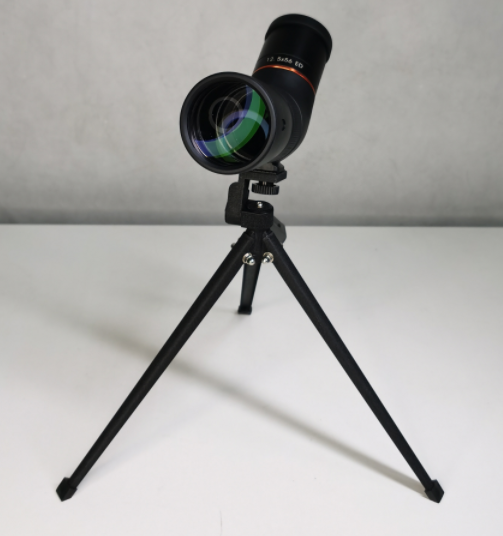
| Tripod Stability | Determines whether the image is truly usable at higher magnification. | Do not treat the tripod as a simple free accessory. It should be planned as part of the complete viewing system. |
How Should Brands Choose the Right Product Route for Different Target Observation Scenarios?
| Scenario | Core User Needs | Recommended Product Direction |
| Short-Distance Shooting Range | Quickly confirming bullet holes, with higher price sensitivity. | Basic 20–60x spotting scopes, with a focus on ease of use and cost control. |
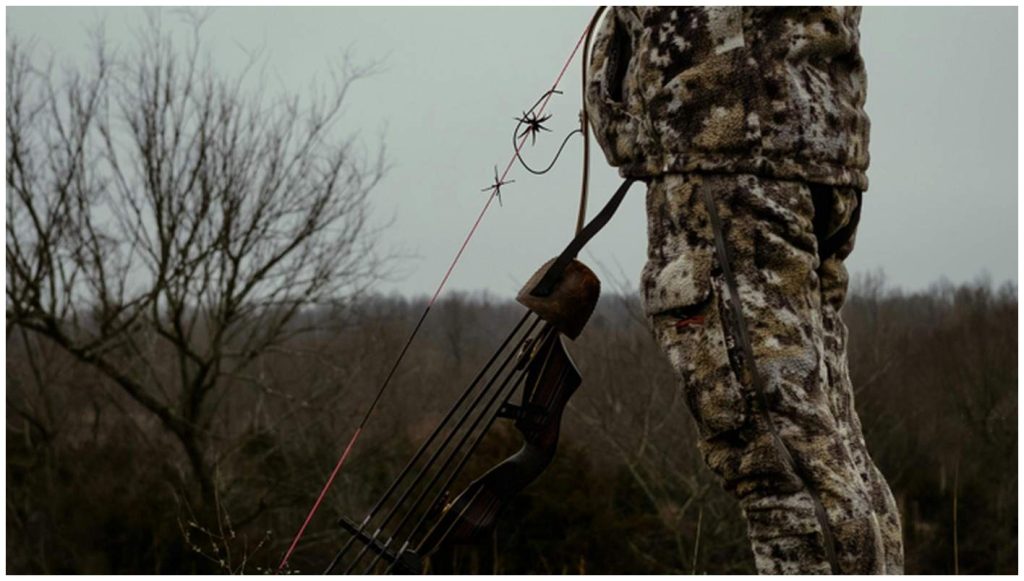
| Crossbow / Airgun Training | Medium- to short-distance detail recognition, with frequent observation. | Moderate magnification, wider field of view, comfortable eyepiece, and stable tabletop support. |
| Long-Range Shooting | Identifying bullet holes or shot groups at longer distances, often during extended observation sessions. | Large-aperture ED spotting scopes, professional tripods, and dual-speed focusing. |
| Club / Training Facilities | Shared use by multiple users, frequent adjustment, and higher durability requirements. | Durable housing, clear markings, stable tripod system, and stronger after-sales support. |
| Outdoor Hunting Support | Long-distance scanning and low-light identification. | Lightweight body, weather-resistant design, waterproof and fogproof performance, with priority on low-light capability. |
Product Line Planning Suggestions for Different Price Tiers
| Price Tier | Product Positioning | Key Configurations | Avoid Over-Investing In |
| Entry Level | Meets basic target observation needs. | Mature zoom structure, basic waterproof performance, and clear center-field image quality. | Over-promoting extremely high magnification or adding overly complex accessory combinations. |
| Mid-Range Level | Delivers a mainstream professional target observation experience. | ED glass, better lens coatings, comfortable eyepiece design, and a stable tripod. | Stacking specifications while ignoring real viewing comfort. |
| High-End Level | Built for long-range shooting and professional training systems. | Large aperture, high resolution, APO or premium ED optics, and professional pan head support. | Ignoring size, weight, transportation, and setup costs. |
| Ecosystem Level | Combines target observation, recording, and training management. | Smartphone digiscoping, support systems, data recording, and training accessories. | Adding electronic features too early when the basic optical performance is not strong enough. |
OEM/ODM Sourcing Tips: Technical Factors in Mass Production
During OEM/ODM sourcing and customization, procurement teams should not only compare specification sheets. They should also verify how the product performs in real target observation conditions, especially when the product is intended for shooting ranges, long-range training, or professional outdoor use.
Real-Distance Testing
Do not rely only on indoor sample checks. The product should be tested at the actual target distance, with real target paper and under natural lighting conditions.
High-Magnification Usability
Confirm the brightness, clarity, field of view, and focusing difficulty at the highest magnification. Do not judge the product only by its advertised magnification range.
ED Glass and Coating Solution
Confirm the glass material, coating color, target light transmission, and batch-to-batch consistency in mass production.
Eyepiece Comfort
Test the viewing comfort for users wearing glasses, users with different eye-position habits, and users observing for longer periods of time.
Focusing Structure
Check the coarse focus, fine focus, damping feel, production consistency, and any changes in focusing feel under low-temperature or high-temperature conditions.
Tripod and Pan Head
Confirm load capacity, stability, locking reliability, and the overall center of gravity of the complete setup. The tripod should not be treated only as a free accessory.
Waterproof, Fogproof, and Weather-Resistant Performance
Confirm nitrogen or argon purging, sealing structure, temperature-difference testing, and transportation protection.
Packaging and After-Sales Support
Professional users care more about long-term use. The user manual, accessory list, warranty policy, and service instructions should all be clear and easy to understand.
How Can Outdoor Optics Brands Build a More Professional Target Observation Product Line?
Outdoor optics brands should not rely on one single spotting scope model to cover the entire target observation market. Instead, they should build a clearer, tiered product portfolio, with each product level serving a different user group and sales purpose.
| Product Level | Suggested Role | Core Selling Points |
| Basic Model | Entry-level channel product for price-sensitive markets. | Easy to use, cost-controlled, and delivers basic image clarity. |
| Professional Model | Main sales model for the brand. | ED glass, comfortable eyepiece, stable focusing, and reliable performance in real observation scenarios. |
| High-End Model | Brand image product for long-distance observation scenarios. | Large aperture, high resolution, and a professional support system. |
| Accessory Ecosystem | Improves repeat purchases and creates a more complete user experience. | Tripods, pan heads, smartphone adapters, protective cases, and training record accessories. |

Future Trends
Over the next 12–24 months, several upgrade directions will be worth watching in the target observation optics market:
- ED glass and higher-grade optical glass will continue moving into mainstream mid-range products.
They will gradually become part of the basic threshold for a professional target observation experience. - Eyepiece comfort and viewing posture will receive more attention from users.
Angled eyepieces, longer eye relief, and better eyecup design will become more valuable, especially for longer observation sessions. - Tripods and pan heads will shift from “free accessories” to part of the complete system experience.
Brands will need to redefine accessory quality instead of treating support equipment as an afterthought. - Smartphone photography and training records will become new ways to differentiate products.
However, this only makes sense when the core optical performance is already stable enough. - More specialized models for crossbow practice, airgun training, long-range shooting, and club training will be easier to position in the market.
Compared with one all-purpose product, scenario-specific models can help users understand the product value more clearly.
Conclusion
Competition in Target Observation Is Moving from “Seeing Clearly” to “Observing Longer”
The reason target observation is driving a more professional optical path is that user needs have evolved from single-glance viewing to continuous, stable, and comfortable observation.
Image clarity is still important, but it cannot work alone. It needs to be supported by resolution, chromatic aberration control, eye relief comfort, focusing efficiency, support system stability, and real scenario matching.
For outdoor optics brands, a truly competitive target observation product is not necessarily the one with the highest magnification or the largest objective lens. It is the product that remains consistently usable in the target user’s real environment.
Future product planning should move away from competing on single specifications and shift toward system-level user experience. Brands should also move beyond selling standalone products and start building clearer product lines and accessory ecosystems.
The brands that understand the value of long-session viewing comfort earlier will have a stronger chance to take the lead in the next stage of professional target observation.
FAQ: Common Questions About Target Observation Products
Q: Is higher magnification always better for a spotting scope?
A: No. Higher magnification can make the target appear larger, but it also magnifies image shake, heat waves, and focusing difficulty. What truly matters is the effective resolution and stable viewing experience at the target distance.
Q: Why does ED glass matter in target observation?
A: ED glass helps reduce chromatic aberration and improves the recognition of edge details and high-contrast areas. This is especially useful when observing bullet hole edges, target ring details, and low-light target information.
Q: Which is better for shooting ranges: angled eyepiece or straight eyepiece?
A: An angled eyepiece is usually better for seated shooting, prone shooting, multi-user rotation, and long-session observation. A straight eyepiece is more intuitive and easier for quick target pointing. Brands should choose based on the main use scenario.
Q: Why shouldn’t the tripod be treated as just a free accessory?
A: At higher magnification, tripod stability directly determines whether the image is actually usable. A low-quality tripod can prevent even a good optical system from performing properly.
Q: What should be upgraded first in a mid-range target observation product?
A: The priority should be ED glass, lens coatings, eyepiece comfort, focusing feel, and tripod stability — not simply increasing magnification.