As shooting training, long-range observation, hunting support, and outdoor competition continue to become more specialized, the demand for target observation optics is also changing. Users are no longer simply asking for products that “see farther.” They now expect optics that help them make judgments more steadily, more clearly, and more efficiently.
This shift is not only reshaping how brands plan their product lines, but also creating new development opportunities for upstream outdoor optics factories.
In the past, discussions around target observation products often focused on magnification, objective lens size, and price. However, in more professional use scenarios, customers are paying closer attention to optical resolution, support stability, structural durability, focusing efficiency, accessory compatibility, digital assistance, and complete usage solutions.
For outdoor optics factories, this means future opportunities will not come only from developing a product with higher magnification. Instead, the real value lies in building more systematic and practical product platforms around different users and different application scenarios.
From a manufacturing perspective, this article explores what new development opportunities are emerging behind the upgrade of target observation needs, and how these opportunities can be turned into clearer product lines, differentiated solutions, and long-term cooperation value.
- Why are target observation needs evolving?
- Which product capabilities become more important as customer expectations rise?
- Where can factories find new development opportunities?
- How can single-product development be upgraded into platform-based, series-based, and scenario-based solutions?
- In OEM / ODM cooperation, how can brands and factories define new products more efficiently?
How Target Observation Demand Is Changing
Based on market feedback, target observation users are no longer satisfied with basic magnification alone. In shooting range training, long-range shooting, outdoor observation, and hunting support, users now care more about whether the product can support stable continuous observation, long-distance reading, and fast feedback.
From Seeing the Target to Reading the Details
Basic users may only need to see where the target is. More advanced users, however, need to clearly identify the aiming point, bullet holes, target paper edges, wind drift clues, target outline, and background layers.
This requires the product to deliver better resolution, stronger contrast control, and more consistent edge-to-edge image performance.
From Occasional Use to Long Continuous Use
Target observation products are rarely used for just a few seconds and then put away. Training sessions, competitions, and long-range observation often require extended setup, focusing, recording, and repeated confirmation.
As a result, structural stability, focusing feel, tripod interface design, and eyepiece comfort all become much more important.
From Single-Product Purchasing to Scenario-Based Solution Purchasing
More brands and distributors are no longer asking only about one spotting scope model. Instead, they want to build a complete product lineup, including entry-level models, mid-range best-sellers, high-end professional models, and matching accessories such as tripods, adapter rings, phone digiscoping accessories, rangefinding support, and packaging solutions.
Why Upgraded Demand Creates New Opportunities
When customer needs evolve, the way they evaluate a product also becomes more complex. For factories, this is both a challenge and an opportunity.
In the past, many factories mainly relied on mature specifications and standard quotations. Going forward, however, factories will need to get involved much earlier in the customer’s planning process through stronger product definition, structural design, and platform-based development capabilities.
Single-Parameter Competition Is Becoming Less Important
Magnification, objective lens size, weight, and price are still important. But they can no longer determine purchasing decisions on their own.
Customers are paying more attention to the real user experience created by the full combination of these parameters. This gives factories the opportunity to move beyond being a “specification supplier” and become a true solution development partner.
Scenario-Based Products Are Becoming More Common
Shooting range training, PRS / NRL-style long-range applications, hunting observation, outdoor ecological observation, and club-based instruction do not all require the same product structure or performance profile.
Factories can build differentiated product platforms around these different scenarios, instead of using one general-purpose product to cover every user group.
Brands Need More Early-Stage Development Support
Many emerging brands do not have a complete in-house optical design team. They may also find it difficult to clearly define the relationship between structure, optical performance, and real-world use scenarios.
If a factory can provide product roadmap suggestions, cost breakdowns, and development risk assessments at an early stage, it will be much easier to build long-term cooperation with customers.
Six Key Development Opportunities
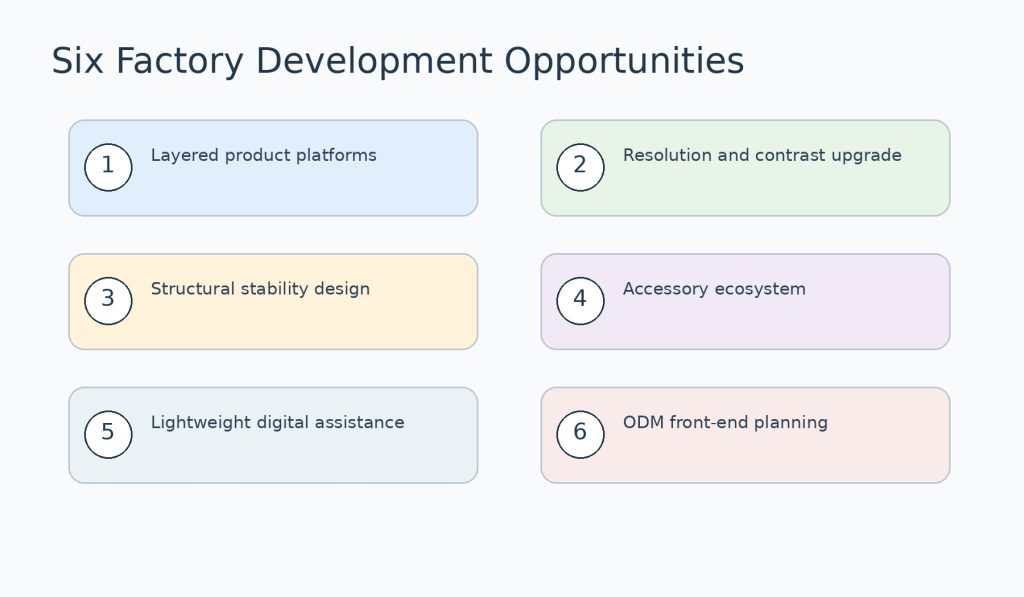
Opportunity 1: Developing a Clearer Tiered Platform for Target Observation Products
As the target observation market becomes more professional, one of the most direct opportunities for factories is to reorganize scattered models into a clearly tiered product platform, instead of starting from a single specification every time a customer sends an inquiry.
- Entry-Level Platform: Focuses on basic clarity, stable structure, and controlled cost. This type of platform is suitable for channel distribution and general training users.
- Mid-Range Platform: Emphasizes better resolution, smoother focusing, tripod compatibility, and comfortable long-session observation. This is often the most suitable level for a brand’s main product line.
- High-End Platform: Highlights higher resolution, stronger contrast, more stable construction, and a more complete accessory ecosystem. It is designed for professional shooting and long-range observation users.
This platform-based approach can help factories reduce repeated development costs, while also helping brands build a clearer product lineup more quickly.
For customers, the product is no longer just “a certain magnification.” Instead, it becomes a complete set of choices that covers everything from entry-level use to professional applications.
Opportunity 2: Upgrading Optics Around Resolution and Low-Light Detail Recognition
As target observation users pay more attention to detail recognition, optical system upgrades now have a much clearer direction. Factories can create more refined product differentiation around glass materials, coatings, prism reflection, internal light control, and assembly consistency.
From “Brightness” to Detail and Image Depth
Many customers are not simply looking for a brighter image. What they really need is the ability to see more useful information under complex backgrounds and long-distance conditions.
In the future, more valuable optical upgrades will not be about simply promoting higher light transmission. Instead, they should help users experience better contrast, stronger edge control, and better detail retention.
From the “ED Label” to a Complete Imaging Experience
Selling points such as ED glass, APO design, and broadband coatings can make a product more attractive. However, what truly shapes user feedback is whether the overall image is stable, clear, natural, and comfortable to observe over time.
Factories need to turn these technical selling points into a complete viewing experience that users can actually feel.
From Sample Performance to Mass Production Consistency
For brands, a good sample is not enough. What really supports long-term cooperation is the factory’s ability to maintain stable imaging performance and assembly quality across different production batches.
Opportunity 3: Developing New Selling Points Around Mechanical Stability
The user experience of target observation products depends heavily on mechanical structure. This is especially true at high magnification and during long-distance observation, where even slight looseness, inconsistent damping, or an unstable interface can become much more noticeable.
- More Stable Mounting Interfaces: Improve compatibility and reliability with tripods, heads, and quick-release plates.
- Smoother Focusing Mechanisms: Optimize damping consistency and improve the efficiency of fine focusing.
- More Reliable Eyepiece and Adapter Structures: Support long-session observation, phone digiscoping, and accessory expansion.
- Better Waterproof and Fogproof Design: Meet the needs of outdoor use, shooting ranges, and challenging weather conditions.
- Stronger Housing and Protection: Improve durability during transportation, carrying, and long-term use.
These structural details may not be as easy to promote as magnification, but for professional customers, they are exactly what drives repeat purchases and long-term word of mouth.
Opportunity 4: Building an Accessory Ecosystem for “Observation + Recording + Sharing”
As the demand for content sharing and training records continues to grow, target observation products are no longer just observation tools. They are gradually expanding into recording, sharing, and assisted teaching applications.
Phone Digiscoping Adapter Systems
More users want to record target papers, bullet holes, and long-distance targets with their smartphones. A stable, easy-to-install, and widely compatible phone adapter can become an important value-added feature for target observation products.
Fast Setup and Storage Solutions
Tripods, tripod heads, protective covers, carrying bags, and quick-release structures are becoming part of the overall user experience.
Factories can upgrade these accessories from simple “add-ons” into a complete product solution.
Kits for Clubs and Training Scenarios
Shooting clubs, training organizations, and outdoor education programs often need standardized product kits that are easy to manage, maintain, and replace.
These customers are not just buying individual products. They are looking for a durable, unified, and repeat-order-friendly system that can support long-term use.
Opportunity 5: Lightweight Integration of Rangefinding, Digital Display, and Smart Assistance
In more professional long-range observation scenarios, users do not only want to see the target clearly. They also want quick access to distance, angle, direction, or recording information. This creates new development space for rangefinding, digital display, and smart assistance features.
- Rangefinding Spotting Optics: Suitable for long-range observation and scene assessment, but weight, power consumption, and operating complexity must be carefully controlled.
- Simplified Information Display: The goal is not necessarily to add complex functions, but to prioritize the information users need most often.
- Bluetooth or App Support: This can be used for recording, training, ballistic assistance, or team coordination, but it should avoid over-design.
- Power and Protection Design: Once smart features are added, the battery compartment, buttons, waterproofing, and structural reliability become even more important.
For factories, smart integration is not simply about adding more functions. The real question is which features can truly improve target observation efficiency, and which ones only increase cost and after-sales risk.
Opportunity 6: Moving from Basic OEM Supply to Early-Stage ODM Development
As target observation needs continue to evolve, customers increasingly need factories to get involved in early-stage product definition, rather than simply quoting based on existing specifications. Factories can turn their manufacturing experience and market understanding into stronger ODM service capabilities.
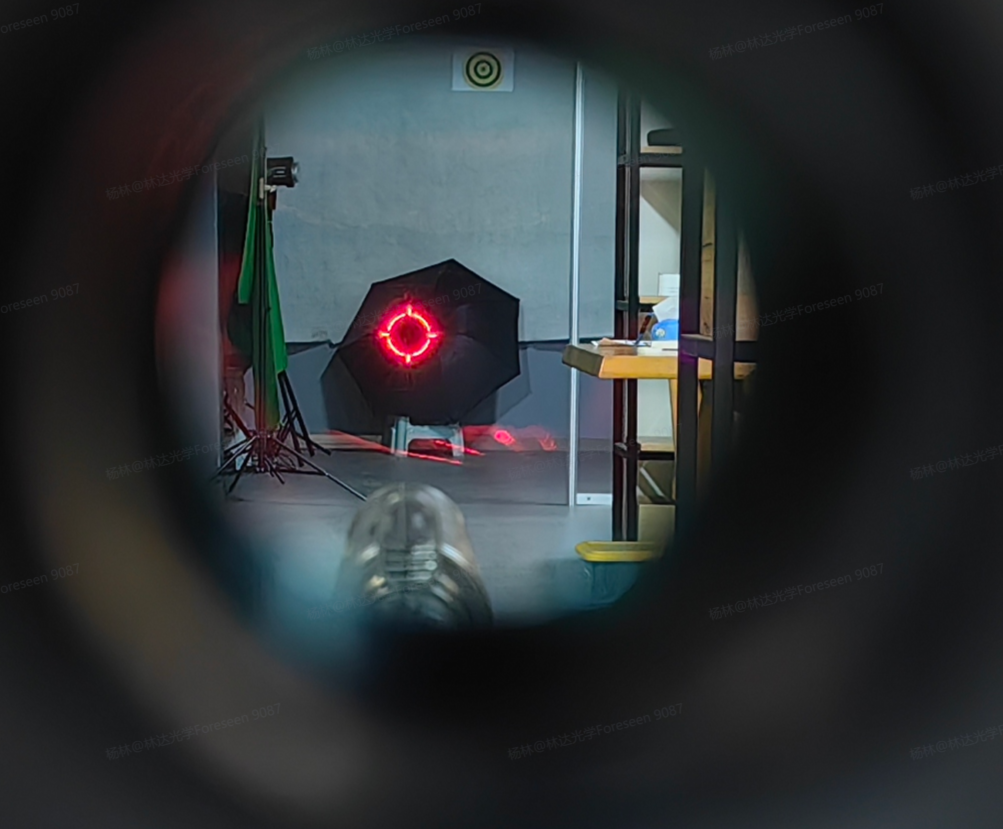
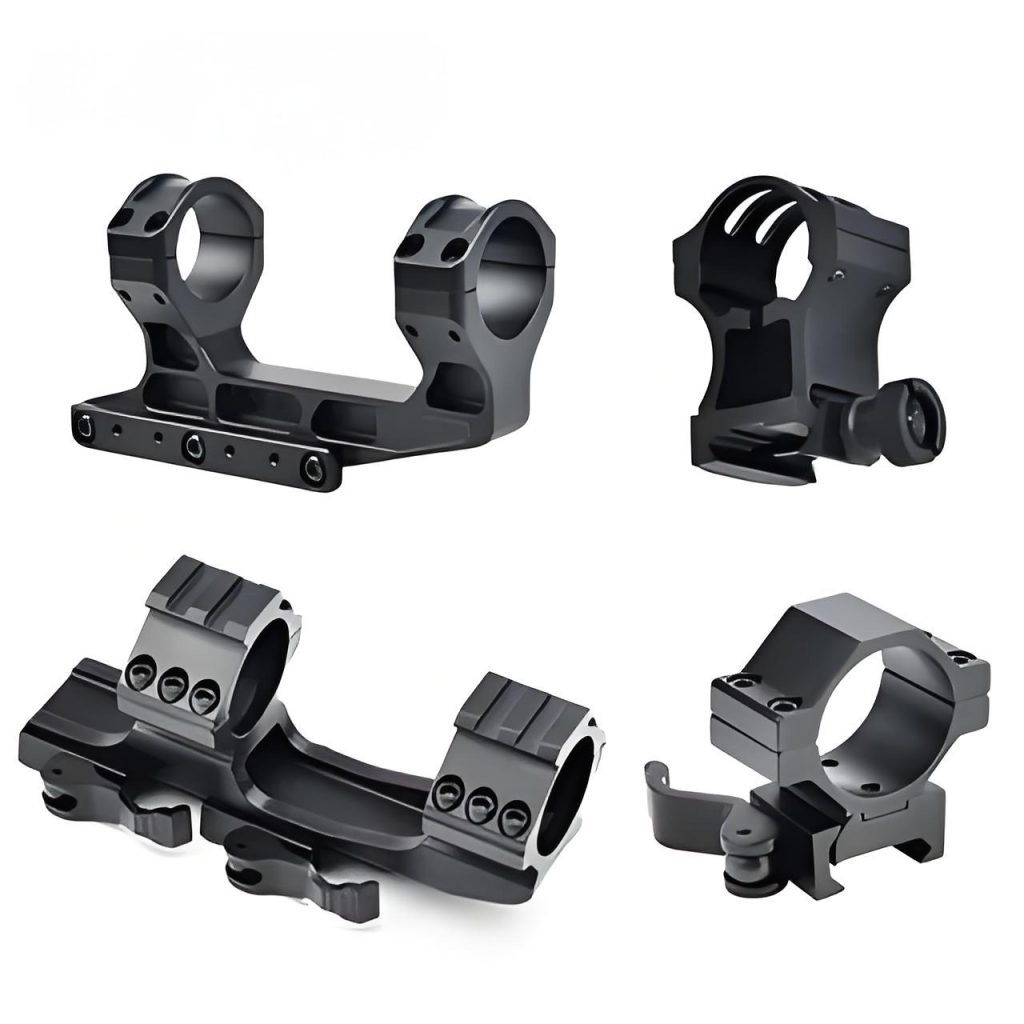
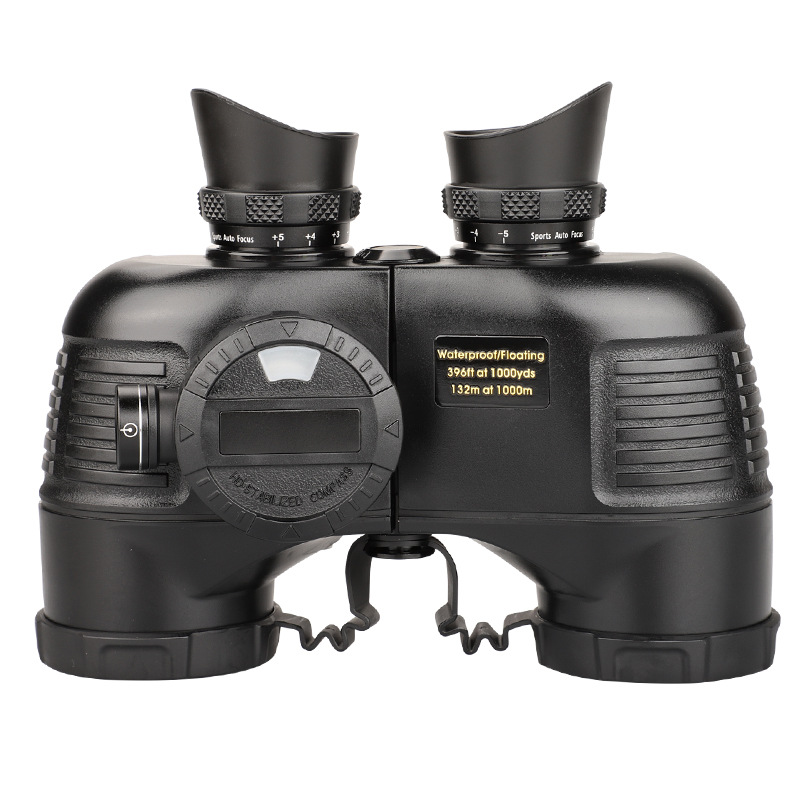
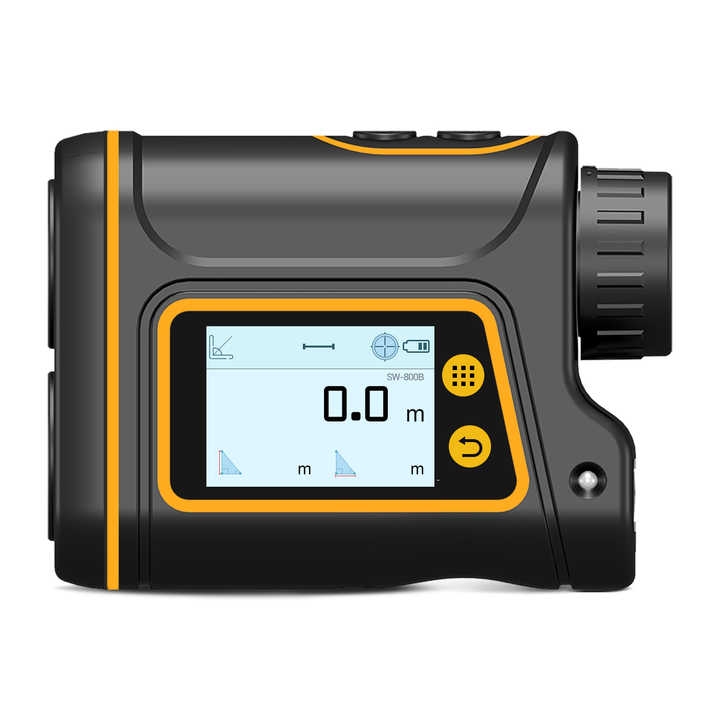
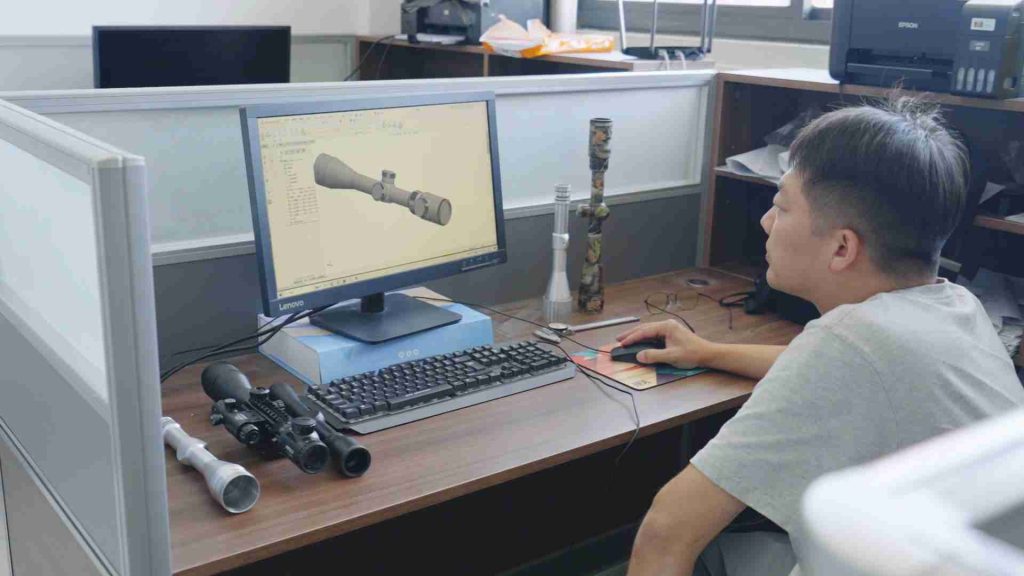
Upgrading OEM to ODM: From Manufacturing Execution to Product Decision Support
Helping Customers Define the Target Scenario
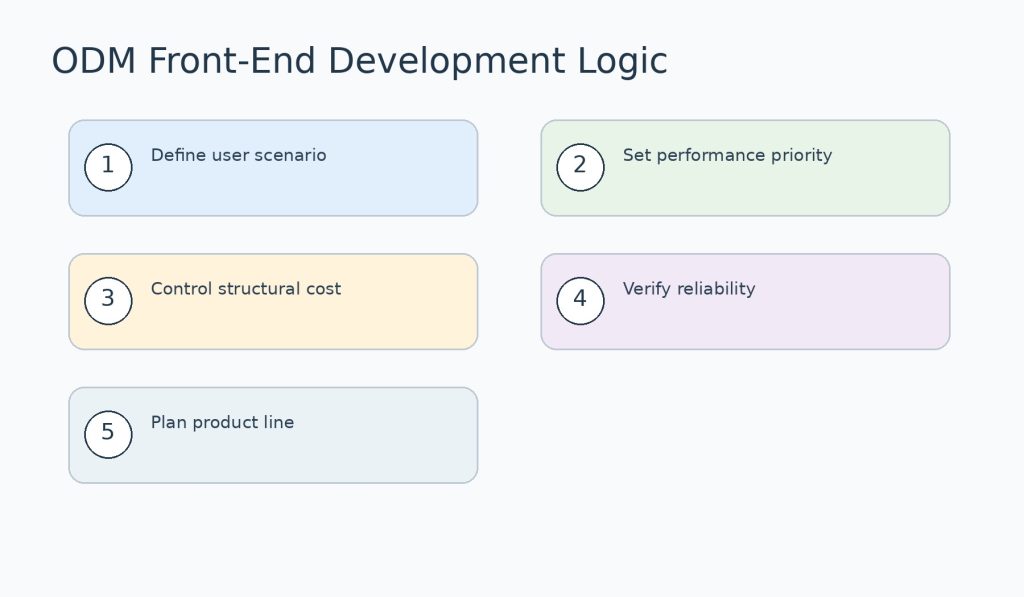
Factories can help customers clarify their target market through the right questions: Is the product intended for shooting range training, long-range shooting, hunting observation, or general outdoor use?
Different scenarios require different specifications, structures, and price ranges.
Helping Customers Prioritize the Right Configuration
Within the same cost range, should the product prioritize better resolution, lower weight, smoother focusing, or more accessories?
If a factory can provide clear and practical recommendations, customers will find it much easier to make decisions.
Helping Customers Reduce Development Risks
Some requirements may be technically possible, but they may also come with high mass-production risks, unsuitable costs, or limited market acceptance.
The value of an experienced factory is to help customers judge, at an early stage, which solutions are worth investing in and which ideas should be postponed.
Opportunities and Risks Across Different Development Directions
| Development Direction | Market Opportunity | Main Risk | More Suitable Factory Strategy |
| High-Resolution Optical Platform | Meets the needs of professional target observation and long-range viewing | Higher cost and stricter assembly requirements | Start with mid-to-high-end platforms, then extend downward |
| Mechanical Stability Upgrade | Improves reputation and long-term user experience | Difficult to express directly through specifications | Package the value through real use scenarios and detailed selling points |
| Accessory Ecosystem Kits | Increases average order value and strengthens brand completeness | More complex SKU management | Build standardized combinations around core scenarios |
| Rangefinding / Digital Assistance | Adds differentiation and stronger technology appeal | Power consumption, waterproofing, and after-sales pressure | Start with lightweight functions and avoid unnecessary complexity |
| Early-Stage ODM Development | Improves customer loyalty and project success rate | Requires stronger product management capabilities | Build a standardized demand communication template |
For factories, development opportunities are not about doing as many things as possible. The key is to choose directions that can support long-term capability building, based on the factory’s own supply chain, optical design strength, mechanical development capability, and customer types.
How Should Factories Plan Development Opportunities Across Different Price Segments?
| Price Segment | More Suitable Development Focus | Product Layout Recommendation |
| Entry-Level | Stable platform, basic clarity, and cost control | Reduce complex functions and ensure a stable basic user experience |
| Mid-Range Mainstream | Resolution, structural details, and accessory compatibility | Build a main product platform suitable for long-term sales by most brands |
| High-End Professional | High resolution, precision structure, scenario-based kits, and digital assistance | Create a differentiated flagship product to strengthen brand image and improve profit margin |
The mid-range mainstream platform is often the most worthwhile direction for factories to invest in. This price segment has enough market volume, while also leaving room to show the value of better resolution, structural details, and accessory ecosystem development.
What Should Brands and Factories Confirm When Discussing New Product Development?
- Who is the target user?
Is the product designed for entry-level range users, professional long-range users, hunting users, or club buyers? - What is the core use scenario?
Will it be used for indoor shooting ranges, outdoor long-range observation, low-light viewing, teaching and training, or general-purpose applications? - Which capabilities should be prioritized?
Resolution, stability, portability, accessories, rangefinding, recording, or cost control? - Is the price segment clearly defined?
The target retail price and purchasing cost will directly affect the depth of product development. - How can the product line be expanded?
Can different versions be developed based on the same platform? - How will mass production consistency be ensured?
Are the key components, assembly process, testing standards, and after-sales plan clearly defined?
If these questions can be clarified at the beginning of the project, factories will be able to turn new development opportunities into product solutions that are practical, mass-producible, and suitable for long-term cooperation.
Conclusion
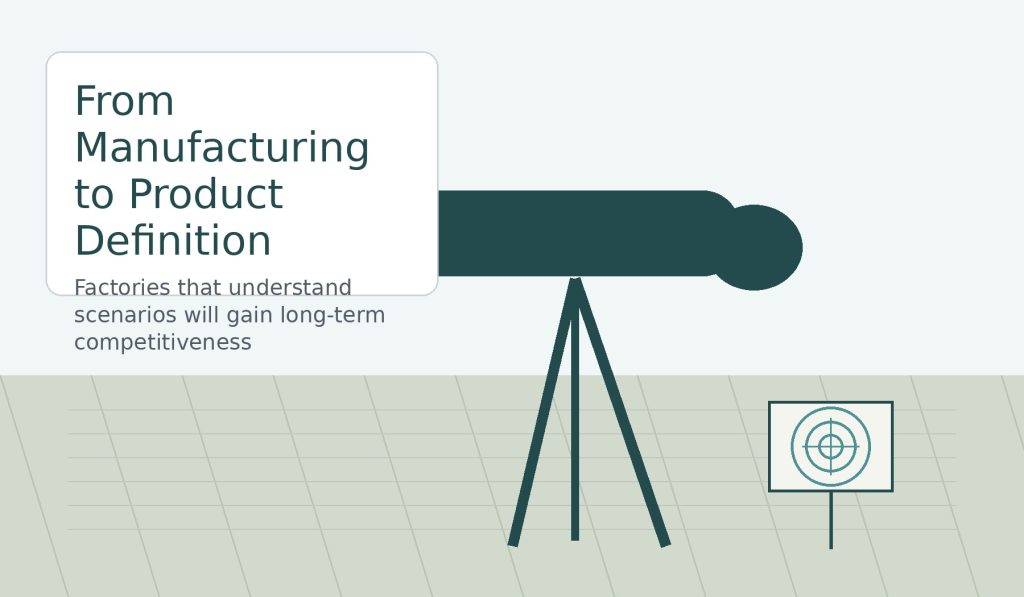
Upgraded Target Observation Needs Are Pushing Factories from Manufacturing Capability to Product Definition Capability
Behind the upgrade of target observation needs, the new development opportunities for outdoor optics factories are not simply about “making higher magnification products” or “adding more functions.”
What truly deserves attention is the broader development space created as user needs move from basic observation to professional judgment. This includes clearer product tiering, higher resolution, more stable mechanical structures, a more complete accessory ecosystem, lighter digital assistance, and earlier-stage ODM product definition capabilities.
In the future, factories that can capture these opportunities will usually share three key strengths.
First, they understand real end-user scenarios. Second, they can integrate optics, mechanical structure, cost, and mass production into one practical solution. Third, they can help brands move from single-product purchasing to complete product line planning.
For outdoor optics brands, this type of factory is no longer just a supplier. It becomes an important partner in product planning and market competition.
For factories, the earlier they complete this role upgrade, the more likely they are to gain long-term initiative in a target observation market that is becoming more professional and more differentiated.
FAQ
Q: After target observation needs upgrade, what should factories develop first?
A: In most cases, factories should start with a mid-range main platform. The focus should be on improving resolution, mechanical stability, and accessory compatibility, rather than adding complex smart features from the very beginning.
Q: Is high magnification still important?
A: Yes, but it should not be used as the only core selling point. Magnification only delivers real value when it is designed together with resolution, support stability, and a reliable focusing structure.
Q: Is an accessory ecosystem worth investing in?
A: Yes. Phone digiscoping adapters, quick-release tripods, protective covers, carrying bags, and scenario-based kits can all improve product completeness and brand value.
Q: Are smart features a must-have direction for the future?
A: Not every product needs to be smart. A more practical approach is to start from high-frequency user needs, such as rangefinding, recording, simplified display, and connection assistance.
Q: How can factories improve their ODM cooperation capabilities?
A: Factories can build demand research forms, product tiering templates, cost-and-configuration recommendations, reliability testing standards, and scenario-based solution libraries. These tools make it easier for customers to make product decisions.