The Biggest Problems in a First Import Often Have Little to Do with the Product Itself
Many buyers focus most of their attention on magnification, price, and logo design, only to confirm the customs-declaration entity, import duties, packaging labels, or destination-port charges after production has been completed. The result may be finished goods accompanied by unusable documents, clearance costs that exceed the budget, or even repackaging because the destination-market requirements were not confirmed in advance.
For a first import project, procurement should be treated as a complete process. Product approval is only the starting point. Import eligibility, trade terms, documentation, inspection, transportation, and after-sales responsibilities should all be written into a checklist before the deposit is paid.
Issue 1: Failing to Confirm Who Will Be the Responsible Importing Entity
A Customs Broker Can Assist, but Cannot Replace the Buyer’s Compliance Responsibility
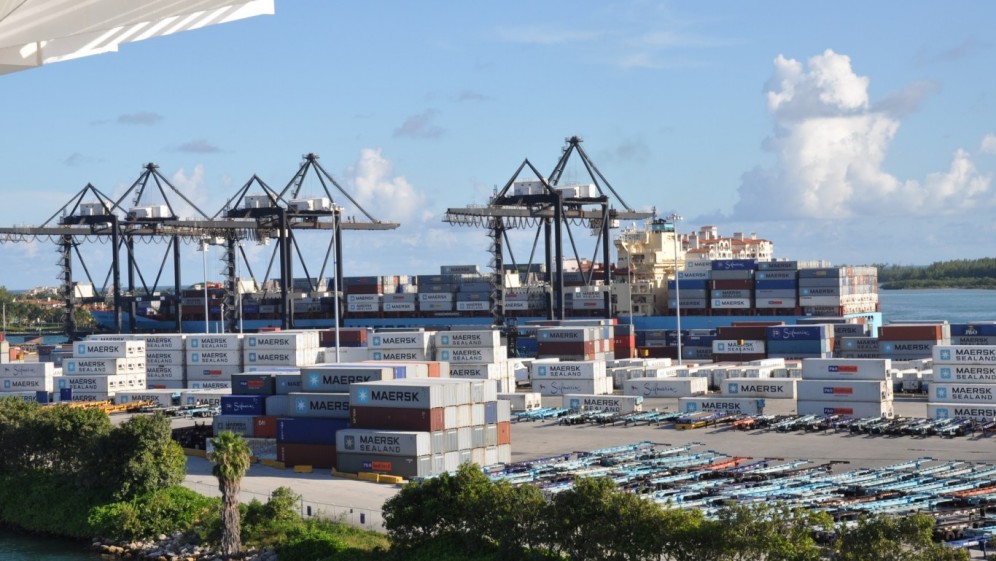
Requirements for the Importer of Record, tax identification numbers, authorization, and declaration responsibility differ by market. In the United States, for example, CBP makes it clear that even when a customs broker is used, the Importer of Record remains ultimately responsible for the accuracy of the entry documents and applicable duties and taxes. Before the first import, buyers should confirm the importing entity, required identification numbers, authorization documents, and filing timing with a licensed local customs broker.
HS Classification, Duties, and Market Requirements Must Be Verified in the Importing Country
The supplier may suggest a commonly used HS code, but the final classification usually depends on the importing country’s customs authority and the product’s actual configuration. Standard optical binoculars, rangefinding products, night-vision devices, and thermal-imaging products may fall under different classifications and regulatory requirements. EU buyers can use Access2Markets to review tariffs, taxes, import procedures, and product requirements, but the specific model should still be confirmed by a local adviser.
Issue 2: Treating Incoterms as Nothing More Than a Freight Figure
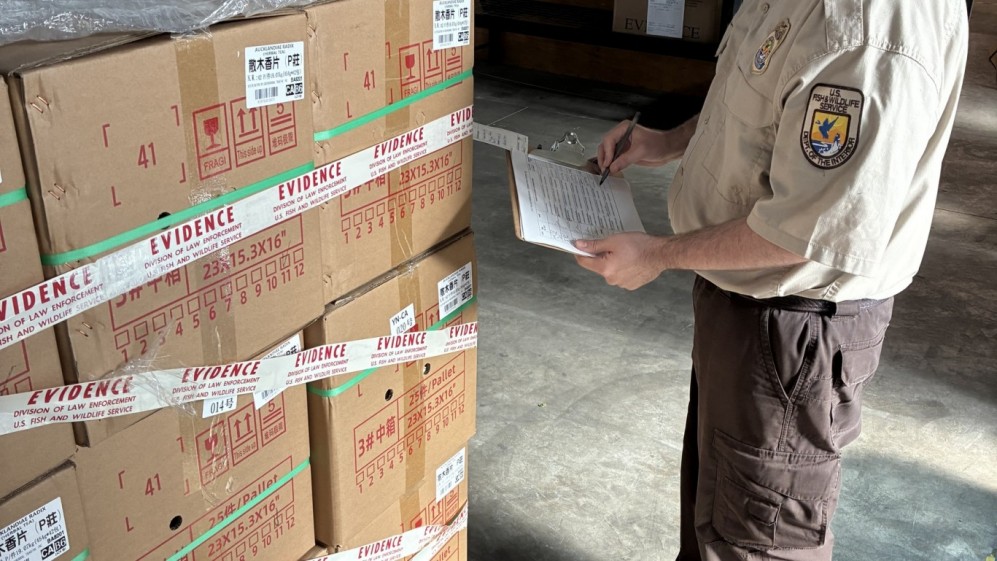
EXW, FCA, FOB, CIF, DAP, and DDP determine more than who pays the freight. They also affect the place of delivery, transfer of risk, export or import procedures, and insurance responsibilities. A common mistake among first-time buyers is to see “freight included” and assume the seller remains responsible until final delivery. Under some C terms, however, the seller’s payment of the main carriage does not mean that risk transfers only at the destination.
The contract should state the exact place and rule version, for example, “FCA Chongqing, China, Incoterms® 2020” or “DAP [buyer’s full warehouse address], Incoterms® 2020.” The freight forwarder should also confirm whether destination handling charges, customs-clearance fees, duties and taxes, inspection fees, and final-mile delivery are included.
Issue 3: Approving the Sample Without Locking the Bulk-Production Standard
After sample approval, retain one Golden Sample that has not undergone destructive testing and confirm the BOM, coatings, collimation, focusing feel, eyecups, color, logo, accessories, and packaging in writing. If the buyer simply replies “sample OK” in a chat, it becomes difficult to assign responsibility when production units differ.
The pre-shipment inspection plan should also define the sampling method and defect classifications. ISO 2859-1:2026 provides a framework for lot-by-lot attribute sampling based on AQL. Buyers can use it to agree with the factory or a third-party inspection company on Critical, Major, and Minor defect criteria.
Issue 4: Underestimating Packaging, Labeling, and Transportation Risks
Binoculars are not fragile glassware, but their collimation, focusing mechanisms, and lens cleanliness can still be affected by compression, drops, humidity, and temperature changes. For a first order, buyers should confirm the retail box, inner tray, number of outer-carton layers, packing quantity, shipping marks, gross and net weight, dimensions, and moisture protection. Depending on the shipping distance, spare color boxes, desiccants, or a stronger inner tray may also be needed.
The product name, model number, country of origin, importer information, manual language, barcode, and environmental labels should be confirmed before production according to the sales-market requirements. Adding labels or replacing manuals after the destination country raises an issue is usually far more expensive than handling them during printing in China.
Issue 5: Comparing Only the Purchase Price Without Calculating Landed Cost
| Cost Category | Commonly Overlooked in a First Import | Confirm Before Ordering |
| Product and Customization | Sample fees, logo, color box, manual, and dedicated accessories | Which costs can be credited back or amortized in the bulk order |
| Inspection and Documents | Third-party inspection, test reports, certificates of origin, and clearance documents | Who applies, the cost, and the delivery time |
| International Shipping | Pickup, main freight, insurance, and peak-season surcharges | Quotation validity and chargeable weight or volume |
| Import Clearance | Duties, taxes, customs broker fees, inspections, and port charges | Estimated landed cost provided by the local broker |
| Warehousing and After-Sales | Demurrage, storage, final-mile delivery, spare parts, and replacement shipments | Responsibility boundaries and the after-sales reserve ratio |
A More Reliable Ordering Process for a First Import
• Ask a local customs broker to confirm the importing entity, HS classification, estimated duties and taxes, and market-compliance requirements.
• Work backward from the target retail price to define an acceptable landed cost instead of asking only for the lowest EXW quotation.
• Confirm the product, packaging, accessories, and manual during the sample stage rather than leaving packaging decisions until the end of mass production.
• When signing the PI or contract, clearly state the Incoterm, place of delivery, payment milestones, lead time, and handling of delays.
• Retain a Golden Sample and establish an AQL plan and critical-performance acceptance checklist.
• Before shipment, verify the Commercial Invoice, Packing List, bill of lading details, and shipping marks.
• Keep the first order at a controllable inventory level, then increase MOQ and customization depth after sales become stable.
FORESEEN OPTICS Recommendation: Let the Supplier Help Prepare, but Do Not Replace Local Verification
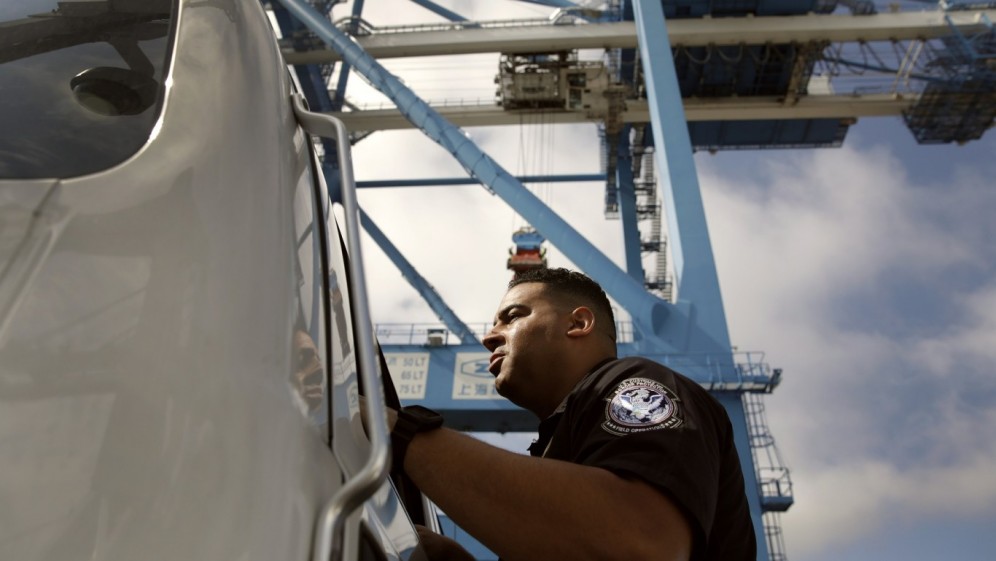
An experienced binocular supplier should be able to provide accurate product specifications, packing data, commonly used HS-code suggestions, export documents, packaging dielines, and inspection standards, while proactively reminding the buyer to confirm destination-country requirements. However, tariffs, import eligibility, and local compliance must still be verified by the buyer, customs broker, or professional adviser.
Conclusion
When importing binoculars from China for the first time, the entire chain from sample approval to warehouse receipt must be managed. The earlier buyers confirm the importing entity, market requirements, trade terms, packaging documents, inspection standards, and landed cost, the more effectively they can avoid last-minute corrective action after production is complete. The first order does not need to pursue the largest quantity or the lowest unit price; the priority is to establish a procurement and customs-clearance process that can be repeated for future orders.