When I look back at the changes in the outdoor optical binocular market over the past few years, one trend has become increasingly clear to me: the industry is moving away from simply asking, “Can we make a general-purpose product?” and toward a more refined question: “Can we develop the right product for the right use scenario?”
In the past, when many customers came to discuss cooperation, the conversation usually focused on price, basic specifications, and delivery time. Today, however, more and more brand owners and channel customers are asking a different type of question first: Is this product line more suitable for birdwatching or hunting? If it is aimed at the spotting market, how should the structure and support system be adjusted? For hiking and travel users, can we achieve better lightweight design without noticeably compromising the user experience?
On the surface, this shift may simply look like an increase in SKUs. But from the manufacturing side, the real change lies in the development logic behind the products. Traditional OEM focused more on producing existing solutions, ensuring stable quality, and creating cost advantages. Today’s custom development, however, increasingly requires factories to understand real-world scenarios, break down user needs, build product platforms, and translate the same optical capabilities into different product directions.
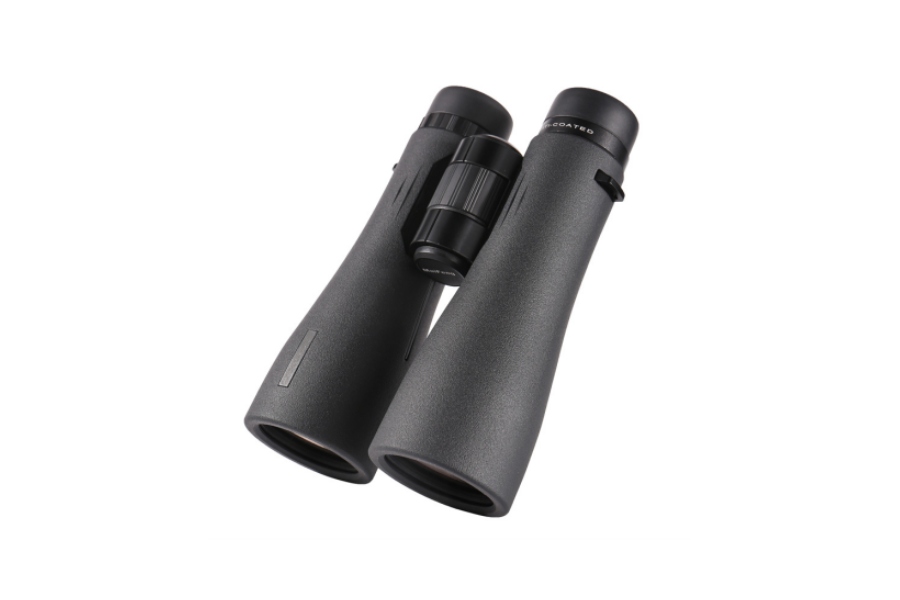
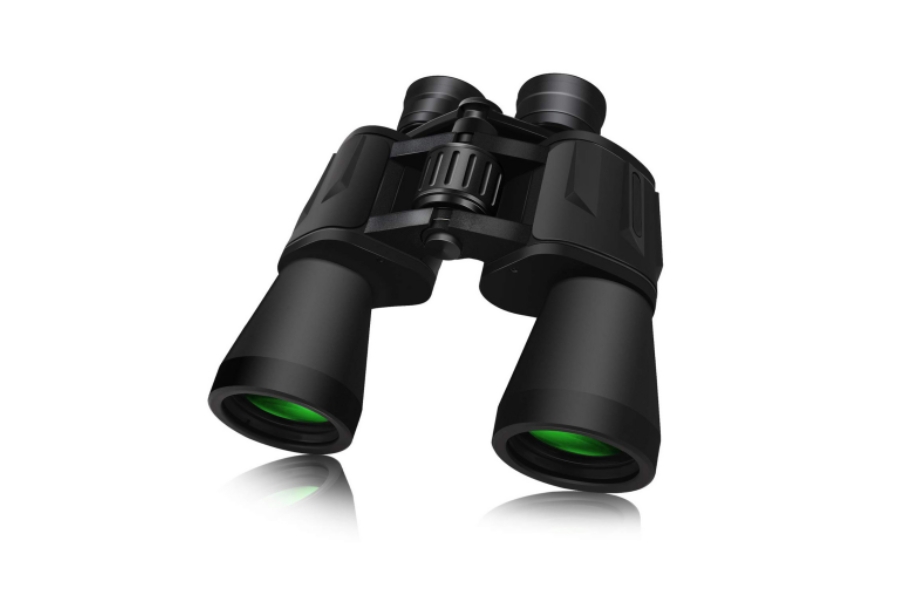
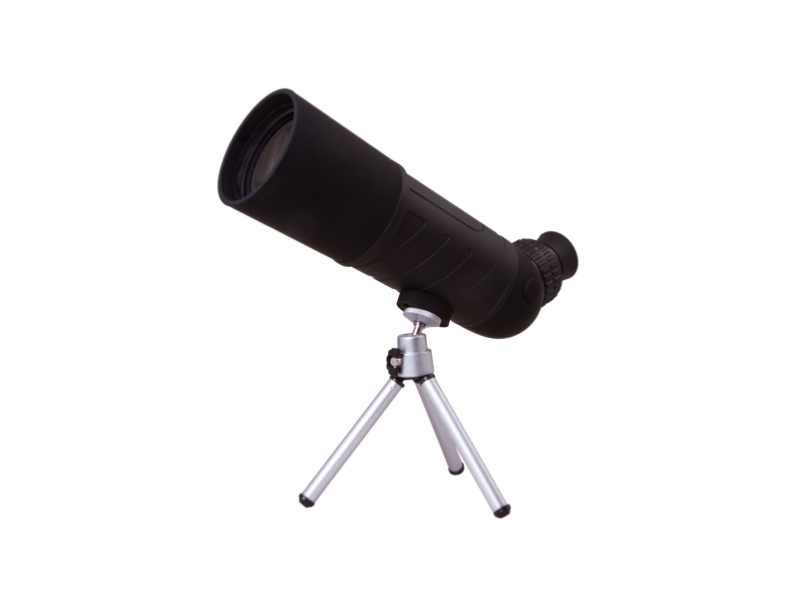
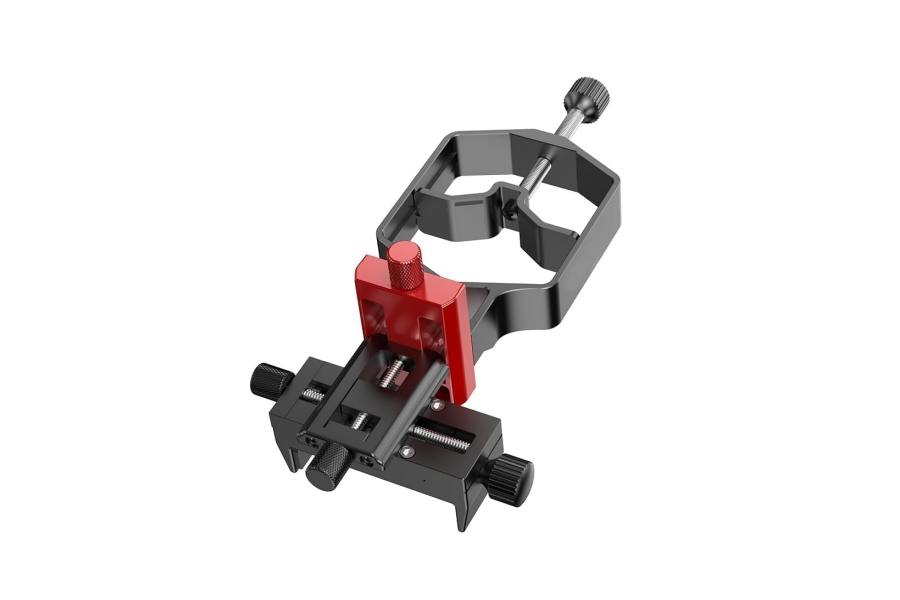
It is within this shift that the outdoor optics market is beginning to form four clearer product routes: birdwatching, hunting, target observation, and hiking.
This is not just a matter of product classification. It shows that differentiated competitiveness is moving away from the specification sheet and toward scenario-based development capability. The better a manufacturer understands what users truly care about in different use environments, the better it can help brand customers build product lines with real identity and market recognition.
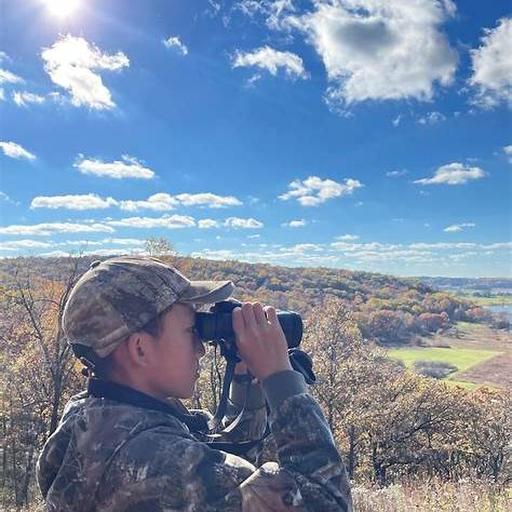
Understanding the Four Major Outdoor Binocular Use Scenarios
In Customer Communication, I’m Hearing Four Completely Different Sets of Demand Language More Often
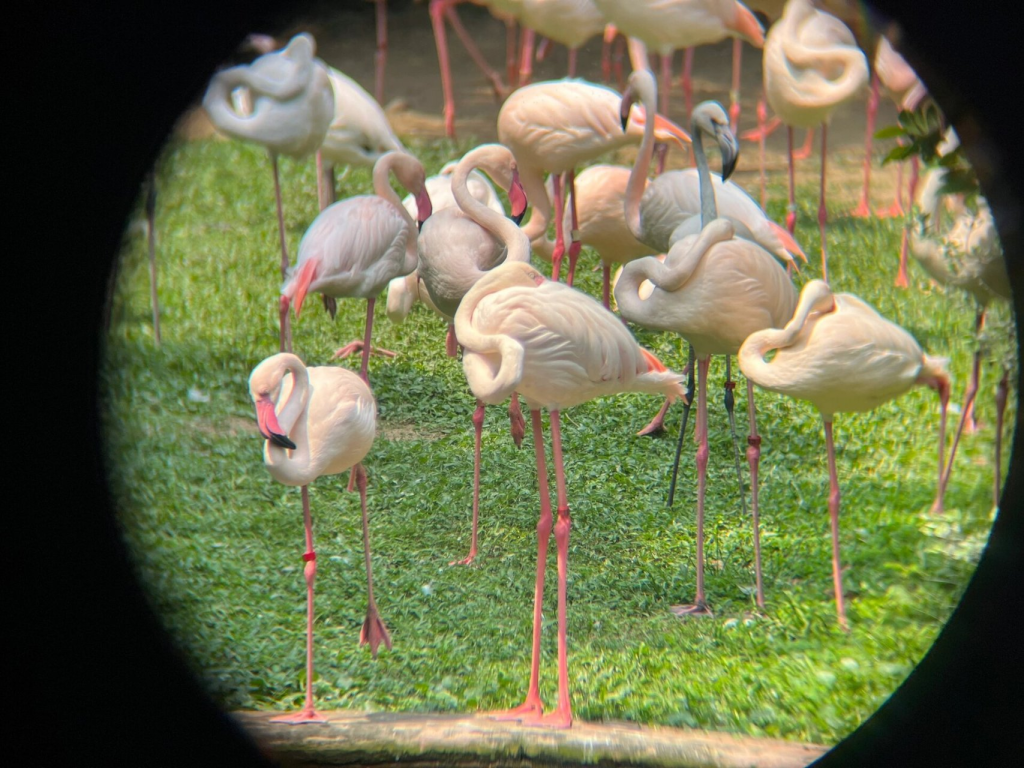
Birdwatching Binoculars: Optimizing Viewing Comfort and Observation Efficiency
For Birdwatching Customers, Almost Every Discussion Starts with “Comfortable Viewing” and “Finding the Subject Faster”
Birdwatching users may appear to be buying binoculars, but what they are really paying for is not an isolated magnification number. What they truly need is continuous observation efficiency.
For birdwatchers, the subject is often moving, the background can be complex, and the observation process usually lasts for a long time. Because of this, factors such as a wide field of view, fast focusing, natural color reproduction, edge-to-edge viewing comfort, and long-session usability often matter more than simply pushing the magnification higher.
This means that binocular development for the birdwatching market is essentially about answering one key question: how can we help users find the subject faster and keep observing it more comfortably?
From the manufacturing side, this route places greater emphasis on optical comfort, ergonomic details, and the overall rhythm of use, rather than just making one specification look better on paper.
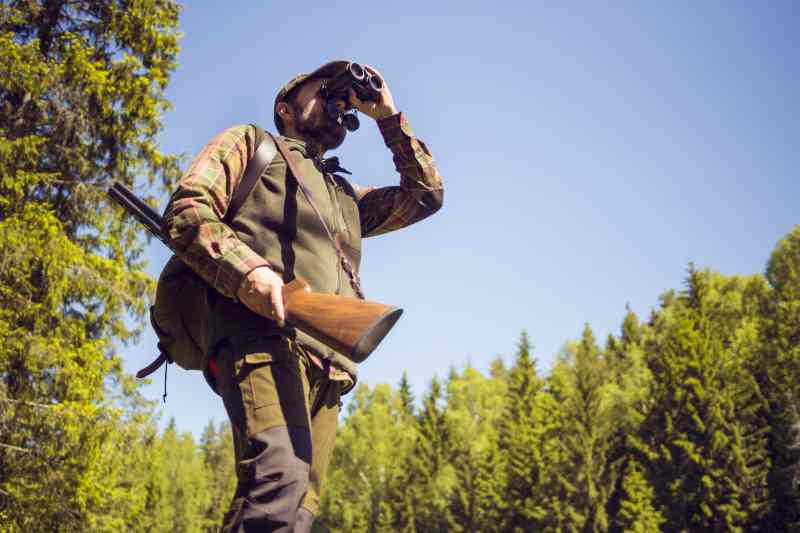
Hunting Binoculars: Prioritizing Low-Light Performance and Reliability
For Hunting Customers, the Conversation Quickly Moves to “Low-Light Performance, Weather Resistance, and Reliability”
For hunting and more demanding outdoor environments, customers care about a completely different set of priorities.
In these scenarios, the real user experience is not determined only by how far the binoculars can see. More often, it depends on whether the image remains clear during dawn and dusk, whether the product can perform reliably in changing weather, and whether it can withstand environmental impact and long-term field carrying without issues.
Low-light performance, waterproof and fogproof protection, durable rubber armor, mechanical stability, and predictable performance in complex environments all have a stronger influence on buying decisions than any single specification on its own.
From the manufacturing side, the hunting route is not about pushing one individual parameter to the extreme. It is about whether the complete product system is trustworthy enough.
This requires the factory to place optics, structure, sealing, and long-term reliability into one unified product logic, instead of optimizing each part separately.
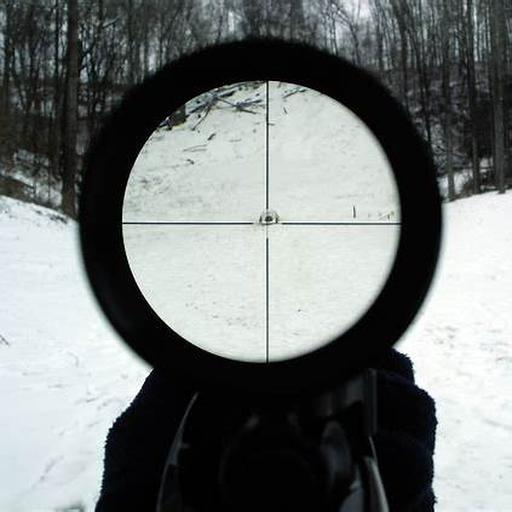
Target Observation Binoculars: Focusing on Detail Recognition and Stable Viewing
For Target Observation Customers, What Really Matters Is “Detail Recognition and a Stable Viewing System”
When the application shifts to target observation, long-distance fixed-point viewing, or shooting training, the product logic changes again.
In this scenario, the core requirement is no longer fast scanning, nor is it all-day carry. What matters most is whether the binoculars can help users recognize details clearly at longer distances, support stable observation under fixed viewing conditions, and fully bring out the product’s optical resolution and image contrast.
Because of this, the target observation route usually places greater emphasis on image clarity, contrast, central resolution, tripod or support compatibility, and viewing comfort during longer sessions.
When moving from OEM production to custom development, this type of product can quickly reveal whether a factory truly understands system-based observation, rather than simply making a device that “can magnify.”
Hiking and Travel Binoculars: Balancing Portability and Usability
For Hiking Customers, the Key Is Not “the Highest Specifications,” but “Whether Users Are Willing to Carry It All the Time”
The hiking, travel, and general outdoor markets reflect a fourth and very typical product logic.
For these users, binoculars are first and foremost a piece of gear that needs to move with the body for long periods of time. They are not tools used from a fixed position. Because of this, weight, size, strap comfort, storage efficiency, ease of use, and basic durability often determine whether the product will actually be used frequently — even before users start comparing extreme specifications on paper.
This means that differentiation in the hiking route is not simply about making the product smaller. The real challenge is finding the right balance between lightweight design, portability, basic image quality, and intuitive operation.
From the perspective of custom development, this is a very typical product logic built around one simple idea: users must first be willing to carry it.

Why Scenario-Based Product Planning Matters in Custom Binocular Development
In the traditional OEM stage, factories were mainly responsible for manufacturing and delivery based on existing specifications. Core competitiveness was usually built around cost, efficiency, quality control, and supply stability.
But when brand customers want their product lines to feel more differentiated, when channels need clearer selling points, and when end users want products that are easier to match with their own needs, factories have to take one step further.
They need to do more than just manufacture the product. They need to help define why the product should be developed in this way.
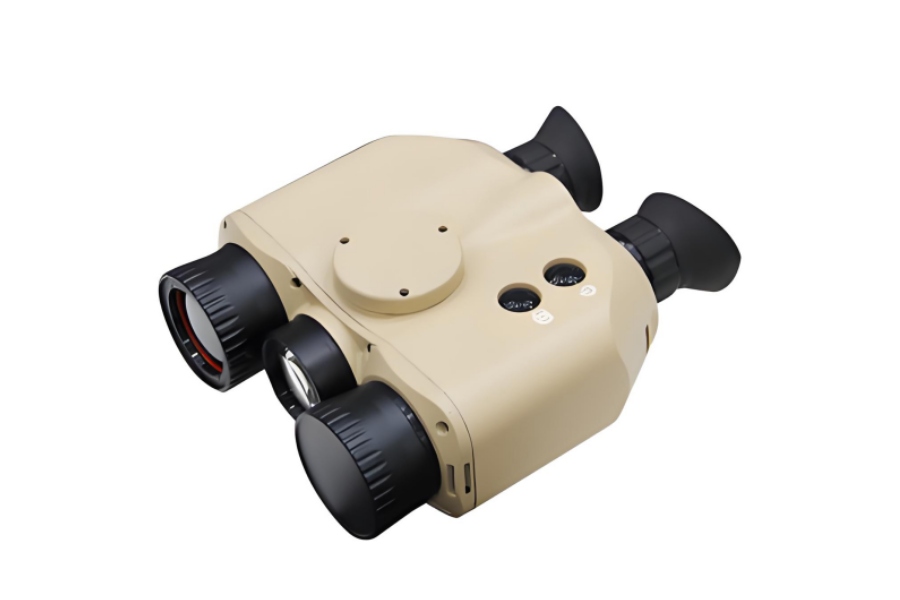
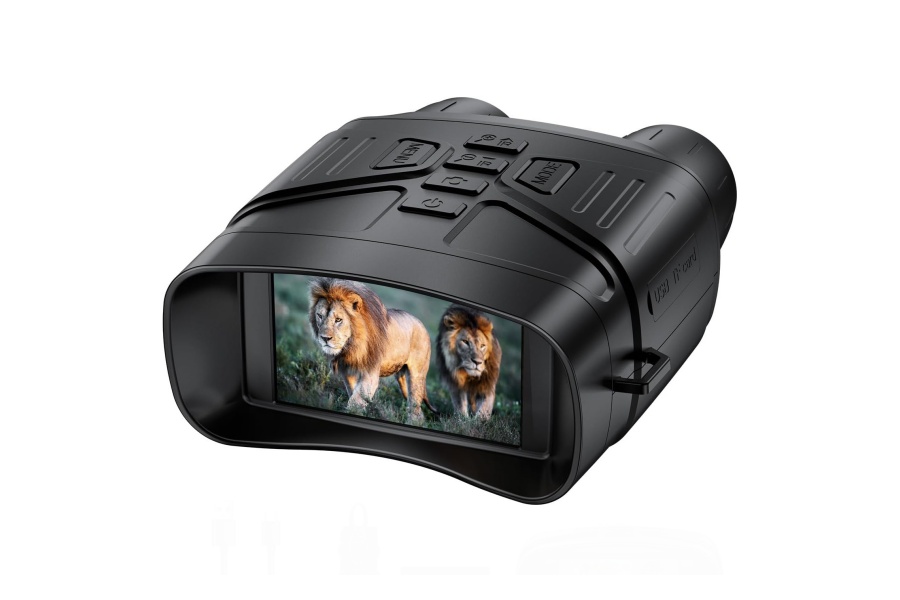
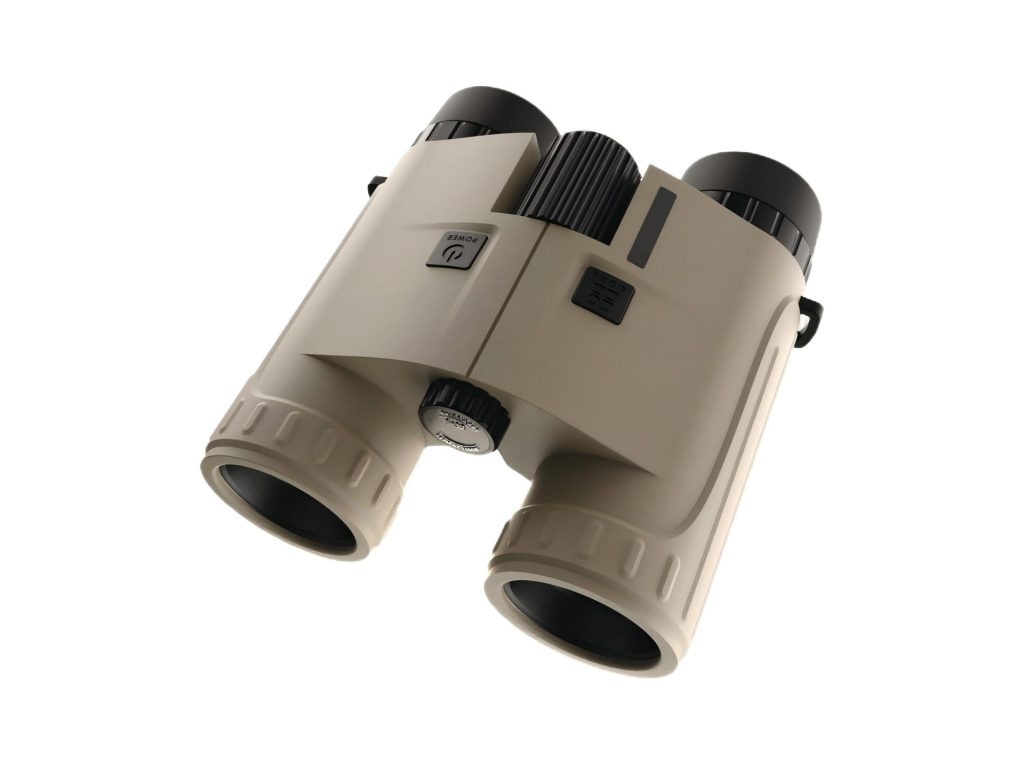
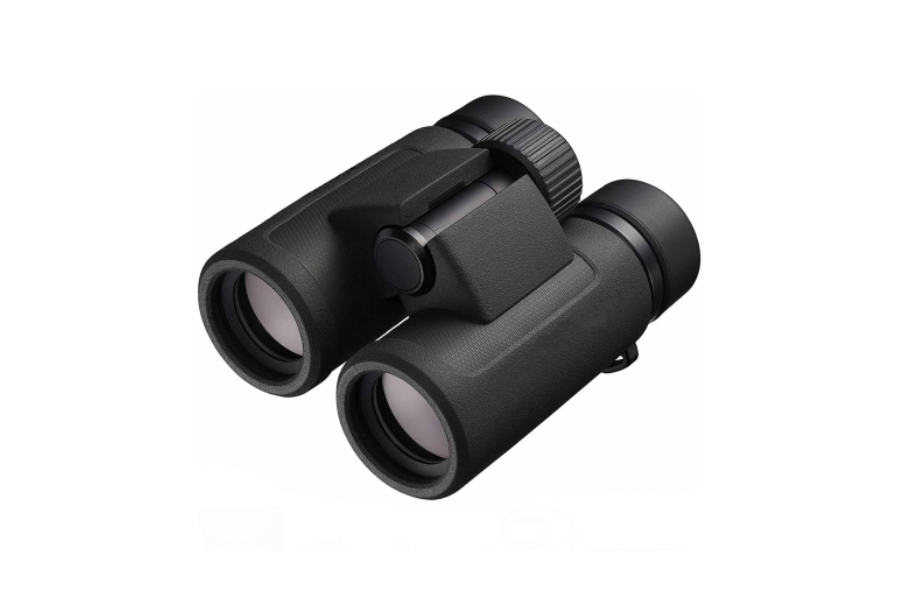
Birdwatching, hunting, target observation, and hiking are exactly the clearest entry points for this kind of product logic. Each scenario represents a different usage model:
- birdwatching is about moving subjects and long observation sessions;
- hunting is about low-light performance and complex outdoor conditions;
- target observation is about long-distance detail recognition and stable support;
- hiking is about long-term movement and users’ willingness to carry the product.
Once the usage model changes, the specification combination, structural design, material selection, and selling-point expression will naturally start to differ.
This is why more and more brand customers are no longer satisfied with simply putting a new logo on an existing model. Instead, they are asking factories to provide clearer scenario-based development advice.
Differentiated competitiveness no longer comes only from changes in appearance. It comes from a deeper understanding of how the product is actually used in real situations.

Six Technical Dimensions That Shape Outdoor Binocular Product Development
1. Magnification and Objective Lens Size:
Scenario Variables, Not One Universal Answer
Many cooperation discussions still begin with magnification and objective lens size. But if we only stay at these two numbers, it is easy to end up with products that look different in specifications but still follow almost the same product logic.
For birdwatching, the key is balancing field of view and handheld stability. For hunting, the focus shifts to practical low-light performance. For target observation, long-distance detail recognition becomes more important. For hiking, size and weight must be calculated together from the very beginning.
So truly valuable custom development is not about blindly increasing magnification or making the objective lens larger. It is about building a more usable specification combination around the actual scenario.
A configuration that works well for birdwatching may not be the best choice for hunting. A structure suitable for target observation may not make sense for hiking.
2. Field of View and Focusing Performance
Field of View, Focusing, and Observation Rhythm are the core efficiency source for birdwatching
In birdwatching, the subject is often moving, appears only briefly, and can easily be blocked by branches, reeds, or complex backgrounds.
A wider field of view helps reduce the time needed to locate the subject. Fast and accurate focusing improves tracking efficiency. Good eyecup design and comfortable edge performance also affect whether users feel tired during long scanning sessions.
This means the birdwatching route is really about creating a smoother observation rhythm, rather than maximizing one single parameter.
For factories, this “rhythm of use” is exactly what needs to be understood early in the custom development stage.
3. Low-Light Performance and Environmental Adaptability
Where Hunting Products Can Truly Stand Apart
For hunting customers, the most critical time is often not at noon, but during early morning and dusk.
At these times, lens coating efficiency, stray light control, overall light transmission, and structural stability in humid, cold, muddy, or wet environments can directly affect the user experience.
So competition in the hunting route is not simply about making the image “a little brighter.” The real question is whether the complete product remains trustworthy in complex outdoor conditions.
The manufacturers that can integrate optics, mechanics, and protection into one consistent system capability are the ones most likely to create real differentiation.
4. Support Compatibility and Stable Observation Systems
The System Threshold for Target Observation
Target observation products may look like they are simply solving the problem of “seeing farther.” But the real challenge is whether users can see more steadily, more clearly, and for a longer time.
This requires the product to offer enough resolution and contrast, but it also needs to work well with tripods, support systems, viewing angles, and long-session comfort.
For OEM factories, this means target observation products should not be understood merely as “optical devices with higher magnification.” They should be treated as part of a complete long-distance observation system.
Only with this understanding can custom development go beyond surface-level changes.
5. Weight, Size, and Carrying Comfort
Weight, Size, and Willingness to Carry are the first principle hiking products cannot compromise on
Hiking users make very direct judgments. If a product is too heavy, too large, or uncomfortable to carry, even strong specifications may not translate into frequent use.
Because before a binocular can be used often, users must first be willing to take it with them.
That is why lightweight design is never just about cutting features. It is a higher-level balancing process.
It requires optimization across materials, structure, rubber armor, accessories, and the overall user journey, so the final product becomes something users are genuinely willing to carry for a long time.
6. Platform-Based and Modular Development
The Real Dividing Line Between OEM and Custom Development
Mature custom development does not mean starting from zero every time a new product is needed. Instead, it means building product routes based on a shared platform capability.
In other words, the same basic architecture can be extended into different directions for birdwatching, hunting, target observation, and hiking. Differentiation can then be created through materials, exterior design, accessories, tuning priorities, and selling-point expression.
This is the real dividing line between a factory that “can manufacture” and a factory that “can develop.”
What brand customers truly want is not just one single model. They want a platform partner that can continuously support clear and scalable product routes.

The Shift from Specification Competition to Scenario-Based Differentiation
My Overall View: Differentiated Competition Is Moving from Price and Specifications to “Scenario Understanding”
When I put all these changes together, I actually see them as a sign that the outdoor optics industry is becoming more mature.
It shows that brand owners and channel customers are no longer satisfied with one “average” answer for every market. Instead, they are starting to define products around the way people actually use them.
- The birdwatching route focuses on continuous observation efficiency.
- The hunting route emphasizes low-light performance and reliability.
- The target observation route highlights system-based viewing capability.
- The hiking route prioritizes willingness to carry and ease of use.
If I had to summarize this shift in one sentence, it would be this:
Moving from OEM to custom development, the real competitiveness is no longer just about whether you can make the product. It is about whether you can clearly define the product route around these four key scenarios, develop it accurately, and build a platform that can keep evolving over time.
For factories, this means an upgrade in development logic.
For brands, it means a restructuring of product lines.
For channels, it means a much clearer way to build market understanding and communicate product value.
Future Trends in Custom Outdoor Binocular Development
First, platform-based development around the four key scenarios — birdwatching, hunting, target observation, and hiking — will become a more mainstream way for brands and factories to work together. The faster a factory can translate market needs into a clear product route, the more likely it is to win long-term cooperation.
Second, the coordinated optimization of lightweight design, low-light performance, stable viewing experience, and long-term reliability will continue to push different product routes into more refined segments. The truly competitive products in the future will not be the ones with more eye-catching specifications, but the ones with a clearer product direction.
Third, custom development will also push channels to upgrade the way they present products and build product portfolios. Once products are defined around real use scenarios, brands and channels must also explain more accurately to users: why this product is the right choice for you.
Conclusion
Looking back from the manufacturing side, the outdoor optical binocular market is becoming more segmented not because the industry has become more complicated, but because real user needs are finally being identified more accurately.
Birdwatching, hunting, target observation, and hiking are not just market categories. They are helping factories, brands, and channels redefine what a truly competitive product should be.
For OEM factories, this is not a pressure. It is an opportunity to upgrade.
Because when manufacturing capability is combined with scenario understanding, platform-based development, and custom development capability, real differentiation begins to take shape.