When you look at the outdoor binoculars market over the past few years, one trend becomes increasingly clear: products are becoming more specialized.
In the past, many brands treated binoculars as a relatively unified product category. The main differences were usually magnification, objective lens size, and price range. But today, brand customers, channel partners, and end users are talking about the market in a very different way. Is this model better for birdwatching or hunting? Is it designed more for long-distance target observation, or is it better suited for hiking and travel?
On the surface, it may seem like product categories are simply becoming more complicated. But when you look deeper from the manufacturing side and from real outdoor use scenarios, the reason is actually very straightforward: user needs have completely changed.
In the past, many users were willing to accept an “all-around” product that was good enough for most situations. Today, more and more users are no longer satisfied with “close enough.” They know more clearly where they will use the binoculars, what experience matters most to them, and what compromises they are not willing to accept.
Because of this shift, the competitive logic of the outdoor binoculars industry is also changing. The market is moving away from simply comparing specifications and prices, and toward a deeper competition in scenario understanding, system-level product capability, and the accuracy of product development direction.
Outdoor binoculars are becoming more specialized not because the industry is trying to make things complicated, but because the market is finally starting to define a “good product” based on real user needs.
Different Outdoor Activities Require Different Binocular Experiences
Across Different Users, I Keep Hearing Four Completely Different Sets of Needs
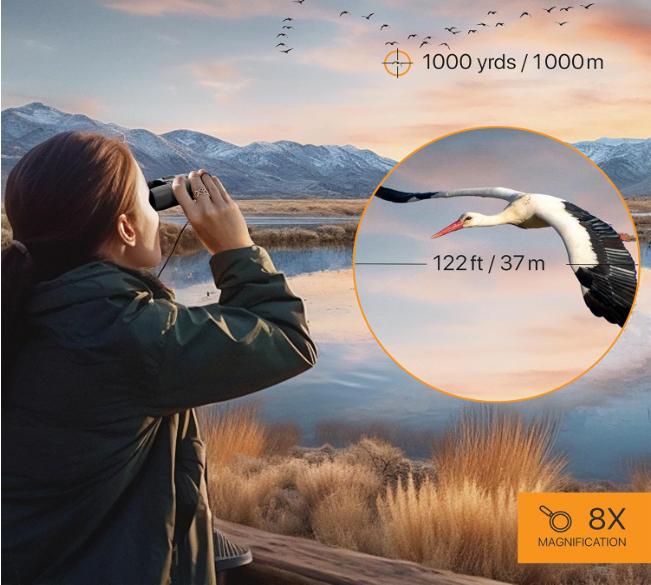
Birdwatching Users Prioritize Comfort, Speed, and a Wide Field of View
For birdwatching users, the conversation almost always starts with “comfortable viewing” and “finding the subject faster”
Birdwatching users may seem like they are simply choosing a pair of binoculars, but what they really care about has never been just magnification and objective lens size.
They care more about whether the field of view is wide enough, whether the focus can keep up with moving subjects, whether the colors look natural, whether the edge-to-edge viewing experience feels comfortable, and whether their eyes and hands will feel tired after long periods of observation.
That is because birdwatching is a scenario that combines quick target capture with continuous observation.
This is also why binoculars designed for birdwatching tend to emphasize a wide field of view, fast focusing, natural image reproduction, comfortable eye relief, and better efficiency during long viewing sessions.
For this type of user, a product that is “better for birdwatching” does not mean one single number on the spec sheet is higher. It means the overall experience feels smoother, easier, and more comfortable in real use.
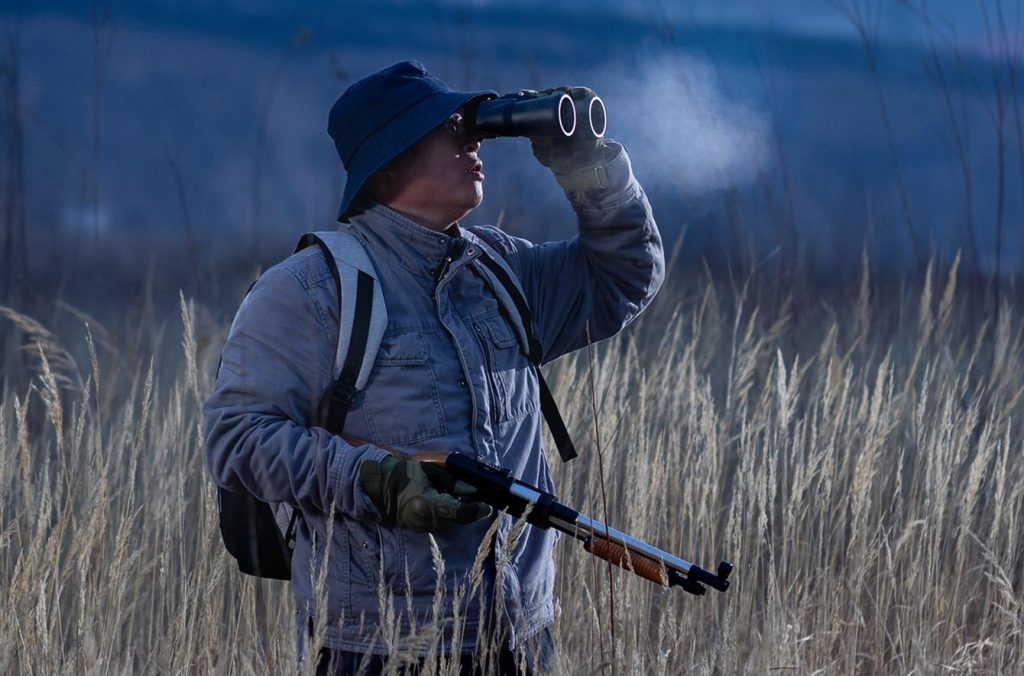
Hunting Users Focus on Low-Light Performance and Reliability
For hunting and demanding outdoor users, every question eventually comes back to “low-light performance, weather resistance, and reliability”
When the use case shifts to hunting or more challenging outdoor environments, the product logic becomes clearly different.
These users may not care first about whether the image edge is slightly sharper. Instead, they usually ask more practical questions: Can I still see clearly at dawn and dusk? Will it perform reliably in rain, fog, or environments with large temperature changes? Does it offer a secure grip? Can it handle bumps, rough handling, and long hours of outdoor use?
So this product direction is essentially built around low-light performance, environmental adaptability, structural reliability, and long-term stability.
That is why many binoculars designed for hunting and harsh outdoor markets are not simply about pushing specifications higher. They require more systematic optimization across the optical system, sealing structure, and overall engineering details of the product.
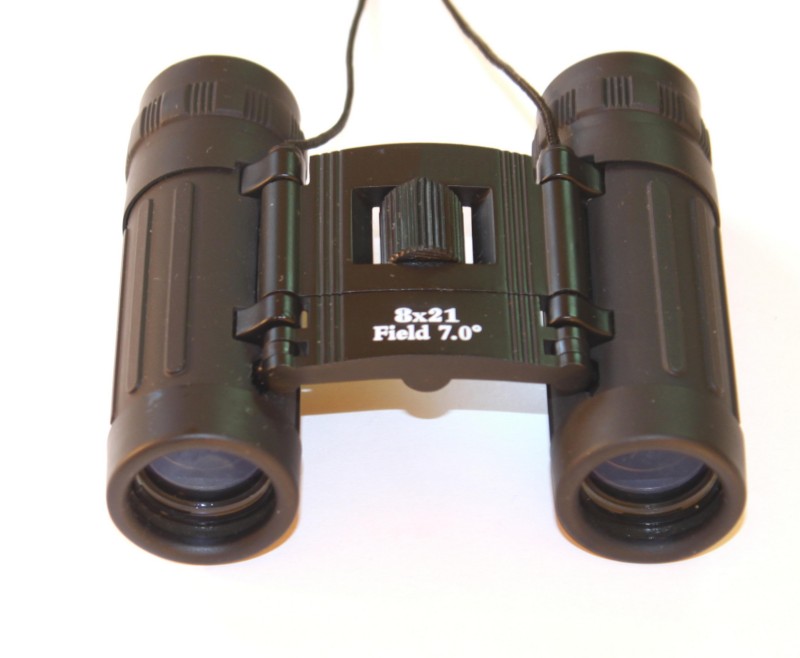
Hiking and Travel Users Value Portability Above All
For hiking and travel users, the key question is not “Is it the most powerful?” but “Will I actually carry it all day?”
Hiking and travel users follow a third kind of logic.
For them, binoculars are first of all a piece of gear they carry with them, not a tool used from one fixed position. Because of that, weight, size, strap comfort, packing efficiency, ease of use, and overall durability often matter more in the decision-making process than extreme specifications.
A product may look excellent on paper, but if users do not want to carry it on their body for a full day, it will be difficult for that product to become something they use frequently.
So the hiking-oriented product route is not about simply making everything smaller or weaker. It is about finding a more reasonable balance between lightweight design, compact size, basic optical performance, and ease of operation.

Long-Range Observation Users Need Detail Recognition and Stability
For target observation and long-distance fixed-point viewing users, what really matters is “detail recognition and stable observation”
In addition, the market for target observation, shooting training, and long-distance fixed-point viewing is also developing a much clearer set of needs.
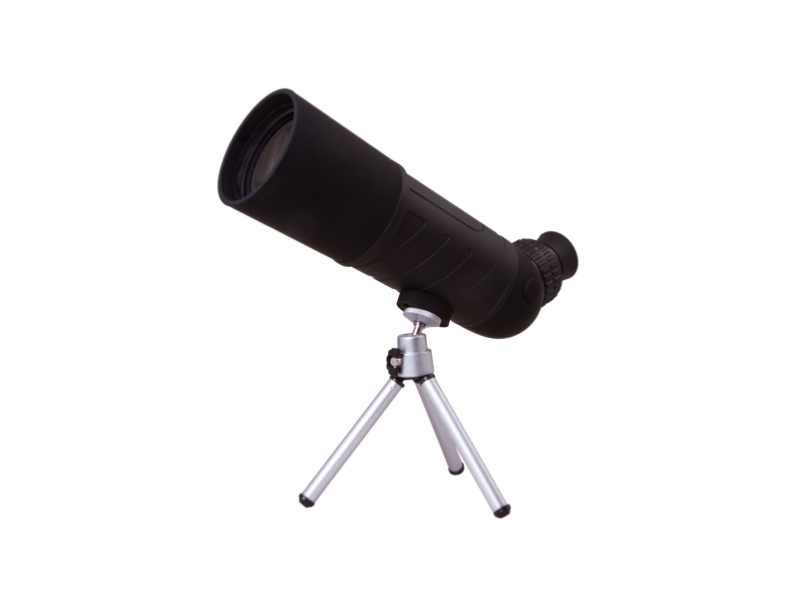
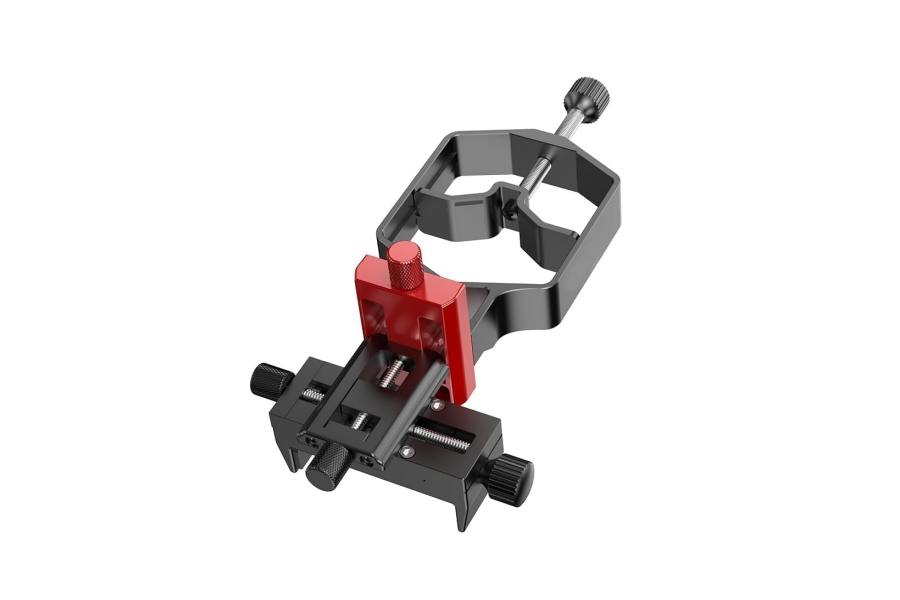
These users are not focused on fast scanning. What they care about more is the ability to recognize fine details at longer distances, viewing comfort during extended observation, image contrast, and compatibility with support systems such as tripods or other mounting setups.
This shows that the increasing specialization of outdoor binoculars is not the result of brands trying to divide products on purpose. It is because users in different real-world scenarios genuinely develop strong preferences for completely different aspects of the viewing experience.
Why Are Outdoor Binoculars Becoming More Specialized?
Because Users Have Moved from “Accepting an Average Answer” to “Actively Looking for a Scenario-Based Answer”
In the earlier outdoor optics market, users had fewer choices, and many people were willing to accept a general-purpose product that could “do a little bit of everything.” At that time, product lines did not need to be highly specialized to maintain basic sales.
But as market information has become more transparent, user education has improved, and communities, videos, and content platforms continue to highlight real differences in user experience, people are now much clearer about one thing: birdwatching, hunting, target observation, and hiking are not the same kind of need at all.
This means today’s users are no longer willing to pay for features they do not really need. They are also less willing to sacrifice the experience that truly matters just because a product looks “well-rounded” on paper but feels average in actual use.
Birdwatching users do not want to pay the price of an overly heavy body. Hiking users will not accept a much worse carrying experience just for higher magnification. Hunting users will not compromise low-light performance and overall reliability simply for a lower price.
Once user needs become more clearly expressed, products naturally have to become more specialized.
In the end, this shift is not being pushed by manufacturers alone. It is users themselves who are pushing the industry to reorganize product development around real usage scenarios.
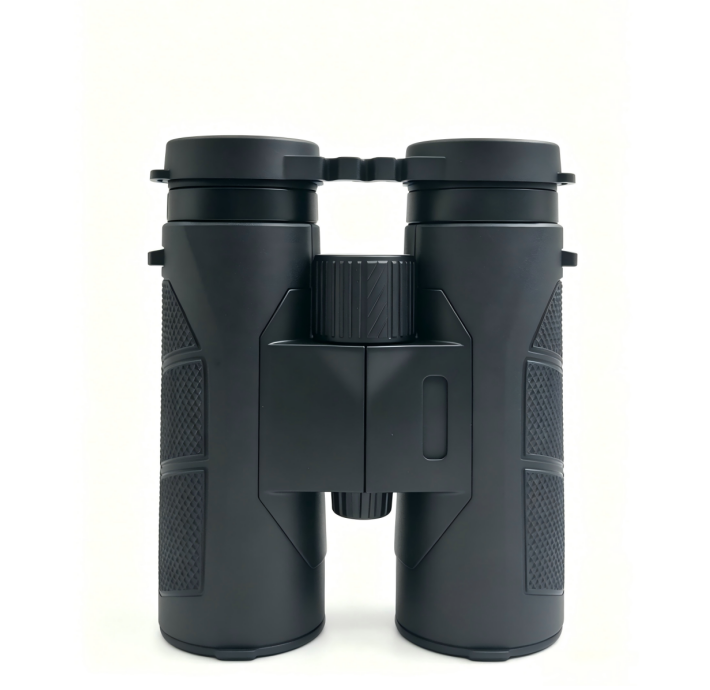
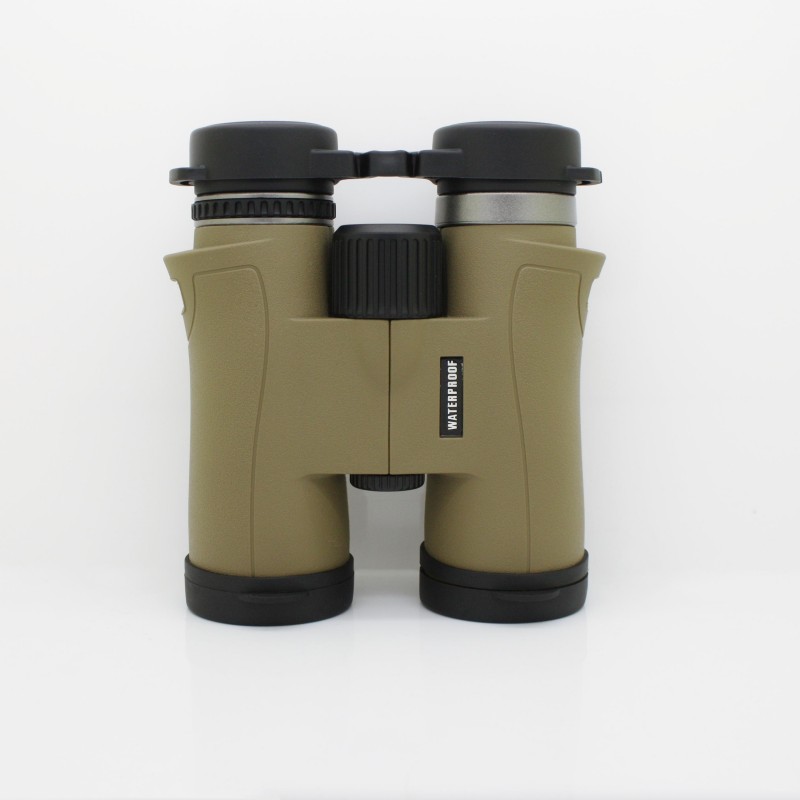
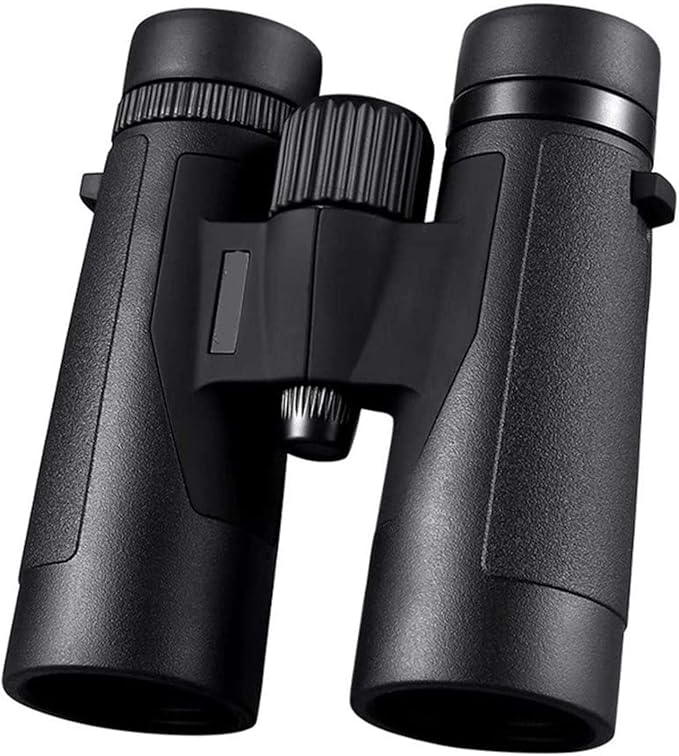
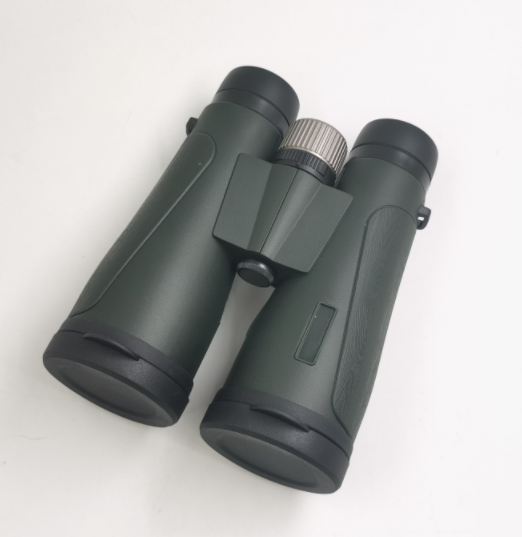
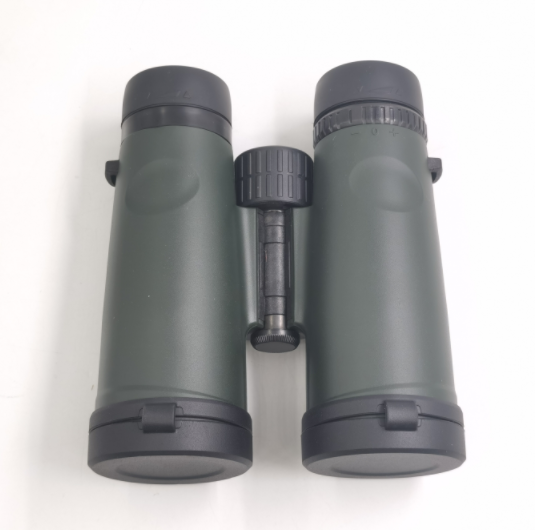
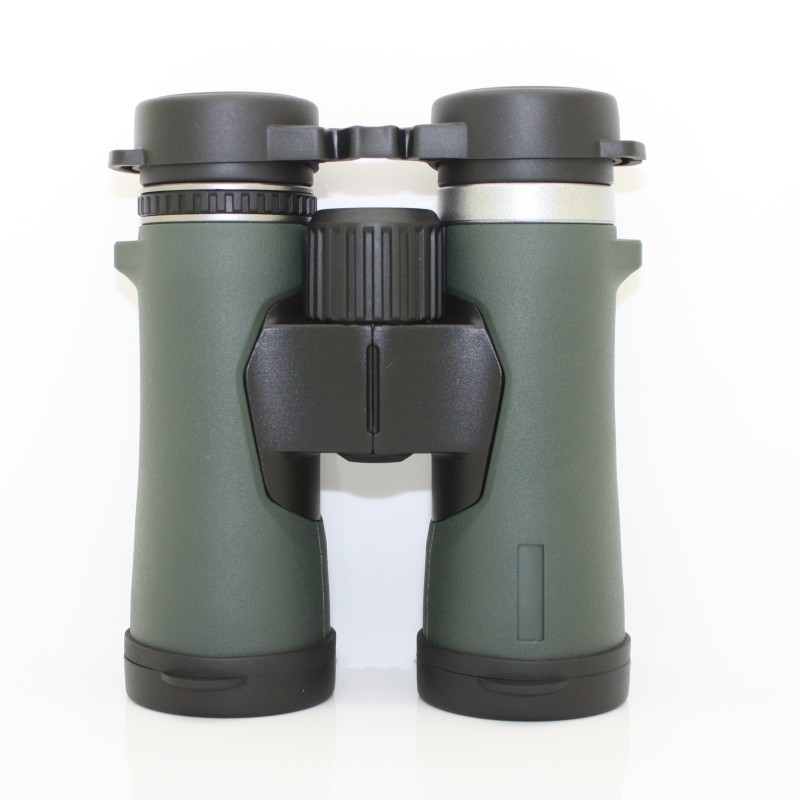
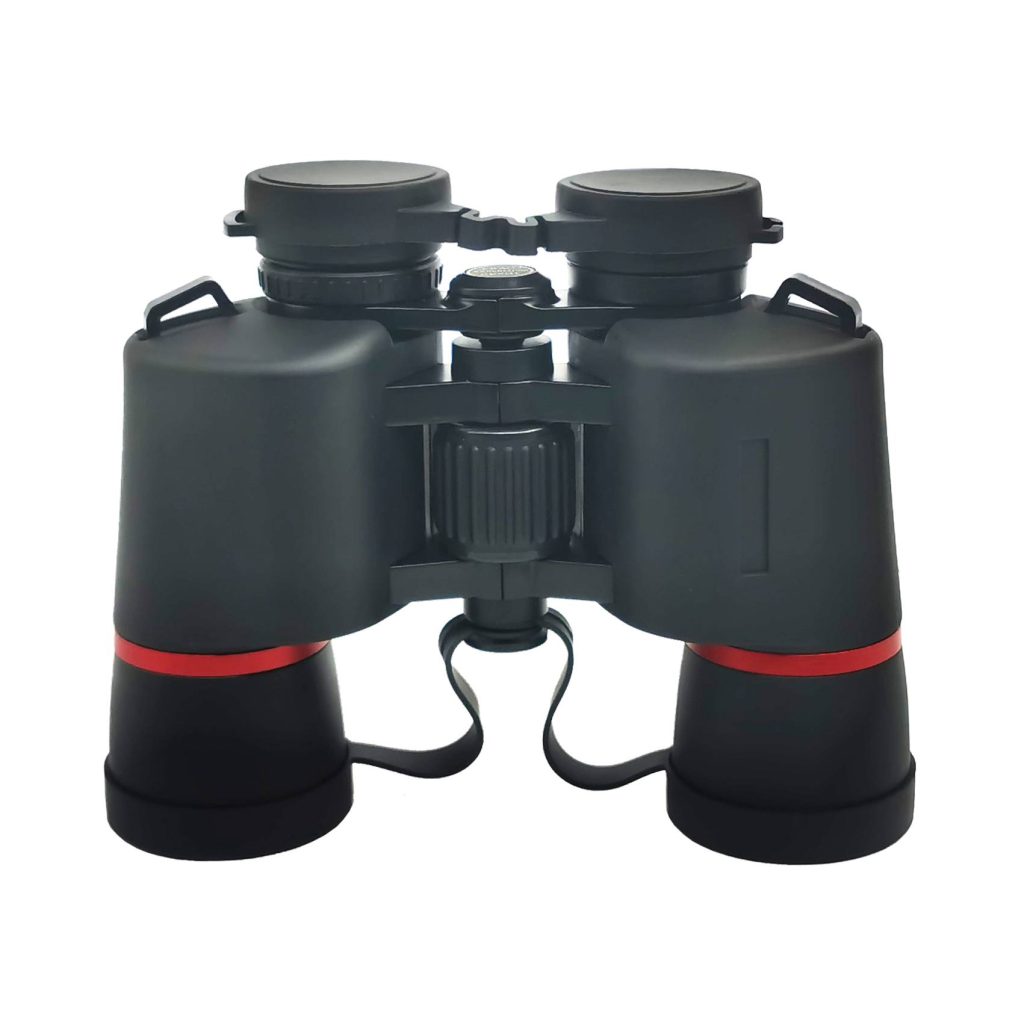
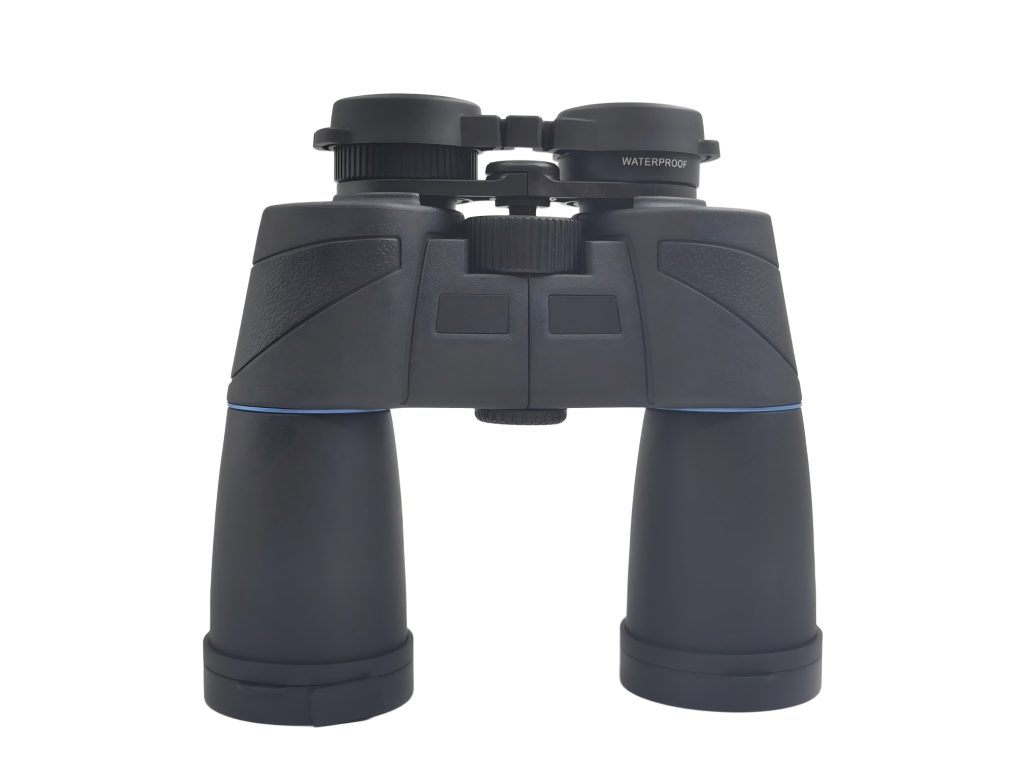
The Real Trade-Offs I See Across Six Technical Dimensions
1. Magnification and Objective Lens Size
They are only variables, not universal answers anymore
Many people are still used to looking at magnification and objective lens size first. But in today’s market, these specifications are more like scenario-based variables rather than one-size-fits-all answers.
Birdwatching puts more emphasis on the balance between field of view and handheld stability. Hunting cares more about effective brightness in low-light conditions. Hiking has to consider weight and size together. Target observation needs to balance magnification power with stable viewing conditions.
From the manufacturing side, the real value is not simply making these numbers bigger. It is about creating a more reasonable specification combination around a specific use case.
An 8×42 model for birdwatching, an 8×32 model for hiking, a 10×42 or 10×50 model for low-light and field observation, and higher-magnification solutions for fixed-point viewing are all, in essence, the results of different product routes.
2. Field of View and Focusing
The core source of efficiency for birdwatching products
In birdwatching, subjects often appear suddenly, move quickly, and can easily be blocked by branches, leaves, or complex backgrounds.
A wide field of view helps reduce the time needed to locate the subject. Focusing speed and focusing resistance directly affect tracking efficiency. Edge image quality and eyecup design also influence fatigue during long periods of scanning.
That is why a truly mature birdwatching product route will not focus only on magnification. Instead, it will treat “comfortable viewing” and “faster subject finding” as more important design goals.
3. Low-light Performance and Structural Reliability
Where hunting products most easily show real differences
For hunting and demanding outdoor environments, the most sensitive experience is often not what happens under bright midday conditions, but how the product performs at dawn, at dusk, and in difficult weather.
At these moments, lens coating efficiency, stray light control, waterproof and fog-proof design, external rubber armor, and overall structural stability all have a much stronger impact on the user experience than they might in daytime use.
This is also why many users are not ultimately convinced by “paper specifications.” They are convinced by reliability in real environments.
For this product route, system-level capability matters more than any single specification.
4. Weight and Size
The first principle that hiking products cannot ignore
For hiking and travel users, usage frequency first depends on whether they are willing to carry the product.
If a pair of binoculars is too heavy, takes up too much space, or feels uncomfortable after hanging around the neck for a long time, then even if the image quality is excellent, it may still end up staying deep inside the backpack — or simply being left at home.
So lightweight design is not about cutting corners. It is about finding a balance that better fits the real use scenario.
This requires manufacturers to optimize materials, structure, rubber armor, accessories, and the overall grip and carrying experience at the same time.
5. Detail Recognition and Long-term Viewing Comfort
The key capability for target observation products
Target observation and long-distance fixed-point viewing place very different demands on binoculars compared with birdwatching and hiking.
Here, the core need is not fast subject capture. What matters more is detail recognition at longer distances, image contrast, comfort during extended stable observation, and compatibility with support systems such as tripods.
This also shows that the specialization of outdoor binoculars is not simply about creating more SKUs. It is about redefining what kind of experience matters most under different usage models.
6. Platform-based Development and Customization
Behind specialization is an upgrade in development capability
From the manufacturing side, there is another important reason why outdoor binoculars are becoming more specialized: brand customers and channel partners increasingly expect factories to have platform-based development and customization capabilities.
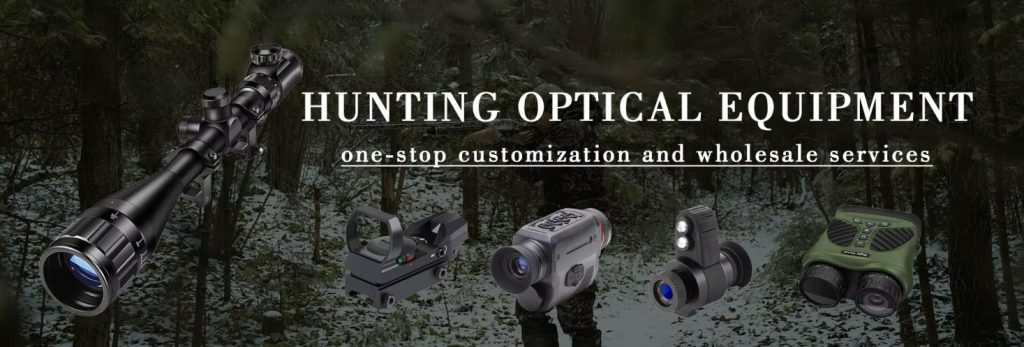
In other words, they no longer just want a few general-purpose models. They want manufacturers to build product routes around major scenarios such as birdwatching, hunting, target observation, and hiking, and then extend those routes through structure, materials, accessories, exterior design, and selling-point communication.
Moving from basic OEM production to deeper scenario-based development is not about “doing more.” It is about “doing it more accurately.”
The factory that can translate real user needs into a clear product roadmap will be much more likely to build differentiated competitiveness.
My Overall View
The Market Is Not Becoming Messy; the Industry Is Finally Maturing Around Real Use Scenarios
When we look at all these changes together, I actually see this as a positive development.
It shows that the outdoor binoculars industry is no longer obsessed with one vague “universal answer.” Instead, the market is beginning to recognize that different scenarios require different product routes.
Birdwatching amplifies the need for continuous viewing efficiency. Hunting emphasizes low-light performance and reliability. Hiking focuses on carrying willingness and ease of use. Target observation values long-distance detail recognition and stable viewing.
So if I had to answer the question, “Why are outdoor binoculars becoming more and more specialized?” in one sentence, the answer is actually quite simple:
It is not because marketing strategies have changed. It is because user needs have completely changed.
For brands, this means product lines need to be reorganized. For factories, it means development logic needs to upgrade from “making one product” to “building a product route.” And for end users, it means they will increasingly be able to buy products that truly fit their own needs.
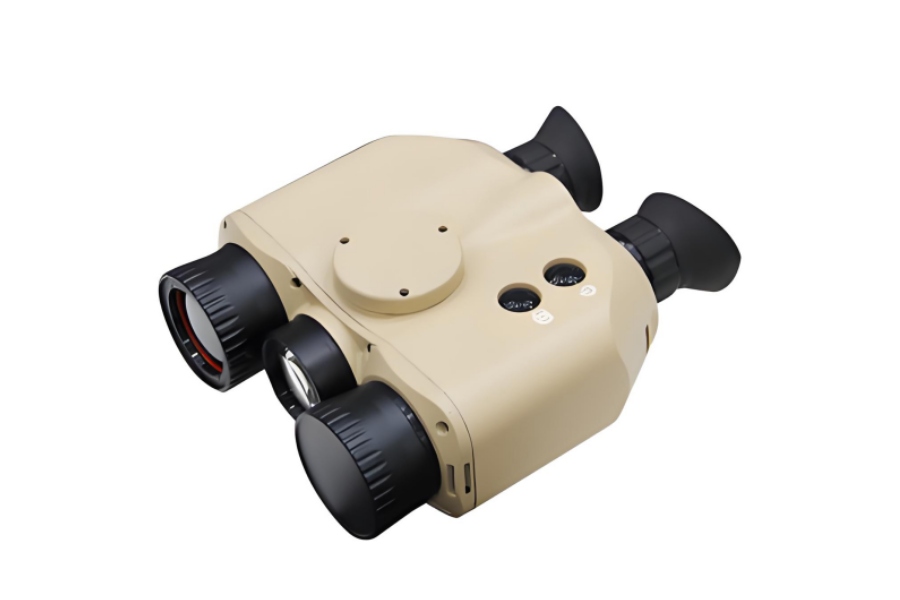
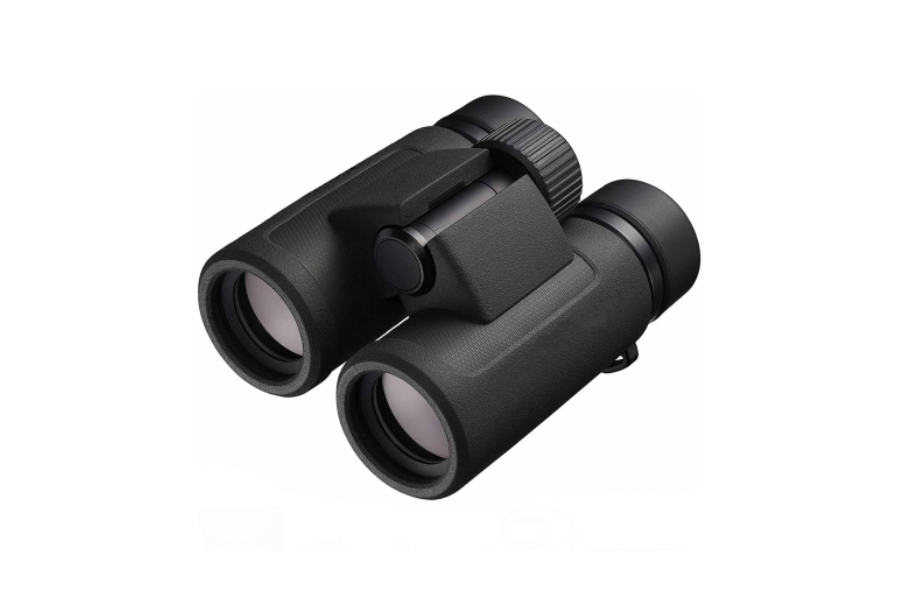
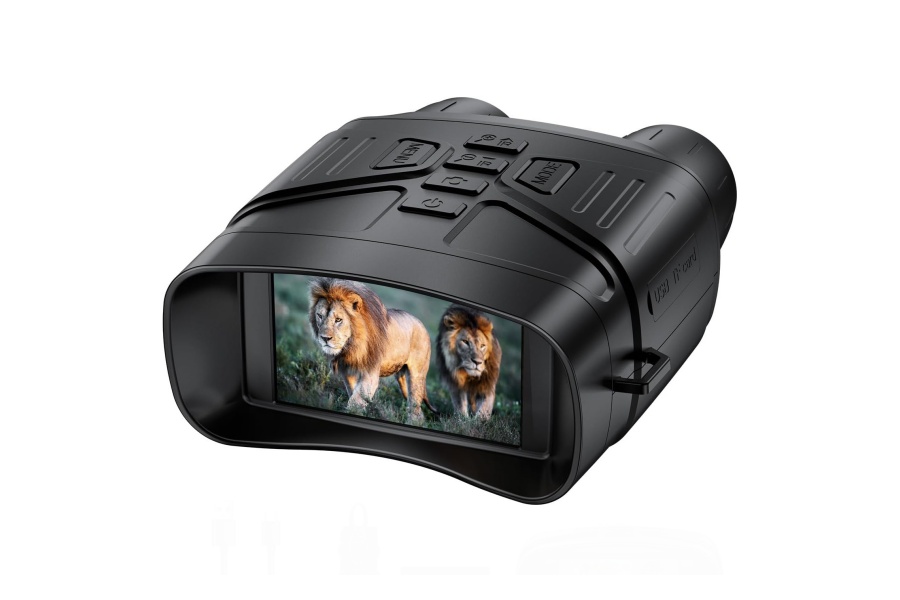
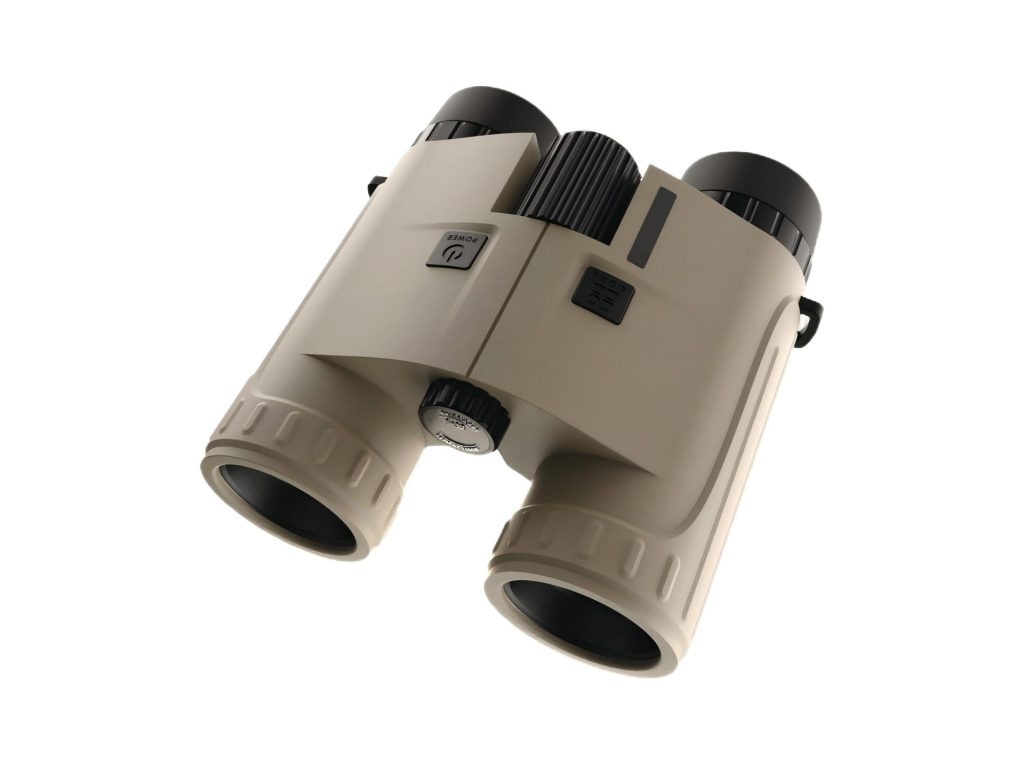
The Three Directions I Will Be Watching Most Closely Over the Next 12–24 Months
First, platform-based development around major scenarios such as birdwatching, hunting, target observation, and hiking will become an important direction in the outdoor optics market.
The faster a company can turn user needs into a clear product route, the easier it will be to build long-term competitiveness.
Second, the coordinated optimization of lightweight design, low-light performance, stable viewing experience, and long-term reliability will continue to push products into more specific directions.
The truly competitive products in the future may not be the ones with the most exaggerated specifications. They will be the ones that fit a specific use case most accurately.
Third, content communication, channel selection, and product planning will continue to develop around real usage scenarios.
Because when users stop asking only “What is the magnification?” or “How large is the objective lens?” and start asking “Is this really suitable for me?”, it means the market has already entered a new stage.
Conclusion
Looking back from the manufacturing side, the reason outdoor binoculars are becoming more specialized is not that the industry has become more complicated. It is that real user needs are finally being identified more accurately.
Birdwatching, hunting, target observation, and hiking are not just market labels. They are redefining what kind of product is truly valuable.
For factories, brands, and channel partners, this is not a burden. It is a new opportunity.
Because when products are truly defined around real use scenarios, the industry can move beyond simple specification competition and price competition, and enter a higher level of competition based on system-level capability.