If we look at the changes in the outdoor optics market over the past few years, one thing has become increasingly clear to me: today’s opportunity is no longer just about “pushing the price a little lower.” It is about whether we can develop products that better fit specific real-world scenarios.
When talking with brand customers, distributors, and end users, I hear the simple question “Can it be cheaper?” less often than before. Instead, I hear more practical questions:
- Is there a version better suited for birdwatching?
- Is there a structure more suitable for target observation?
- Is there a lightweight solution designed for hiking and travel?
This does not mean price is no longer important. On the contrary, in today’s market, price is still a key threshold for purchasing decisions and competition. But the real difference is no longer created by price alone. It is created by whether, within the same cost range, you can build a more accurate product direction.
In other words, the market is gradually moving from “who is cheaper” to “who understands the usage scenario better.”
From the manufacturing side, this shift is very obvious. In the past, many companies were mainly selling a “general-purpose binocular.” Today, what customers really want is a product that has been redefined around a specific use case.
That is why scenario-based product development is becoming one of the most important capabilities for the next stage of growth in the outdoor optics industry.
Three Customers, Three Languages of Demand
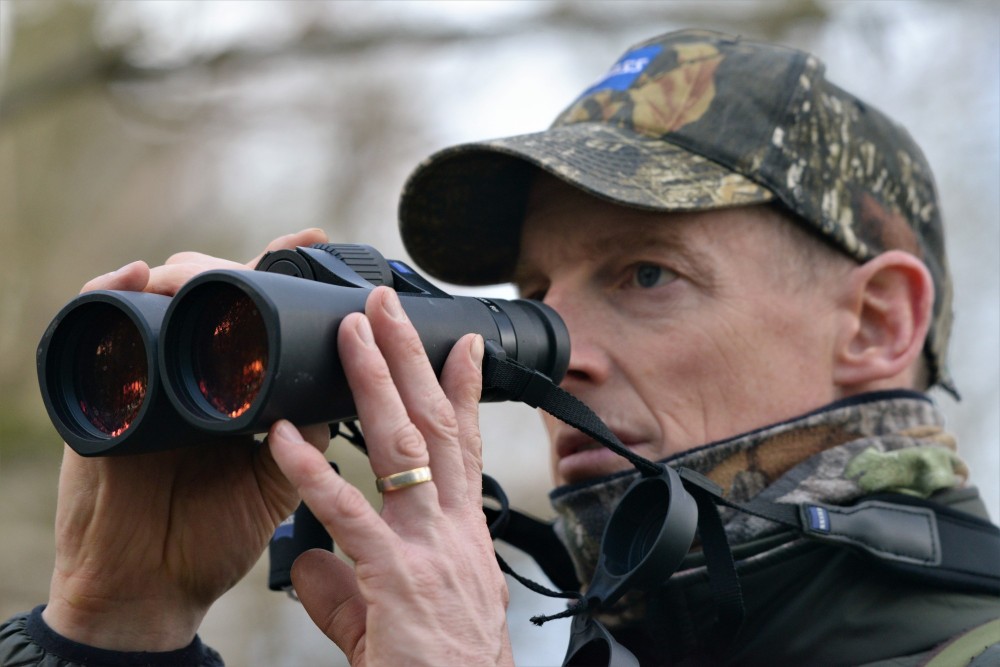
Birdwatching: Visual Efficiency and Comfort
For birdwatching customers, the conversation always starts with “comfortable viewing” and “faster target finding”
Birdwatching users may seem to be buying a pair of binoculars, but what they truly care about is never just magnification and objective lens size.
They pay more attention to whether the field of view is wide enough, whether the colors look natural and true, whether the focusing speed can keep up with moving subjects, and whether their eyes and hands will feel tired after long periods of observation.
This is because birdwatching is a scenario that combines frequent scanning, dynamic target capture, and extended viewing time.
So from the manufacturing side, a birdwatching-oriented product needs to focus more on wide field of view, sharp edge performance, fast focusing, comfortable eye relief, and good handheld balance.
What users are buying is not simply a tool that “sees farther.” They are buying an observation experience that remains smooth, accurate, and comfortable even after long-term use.

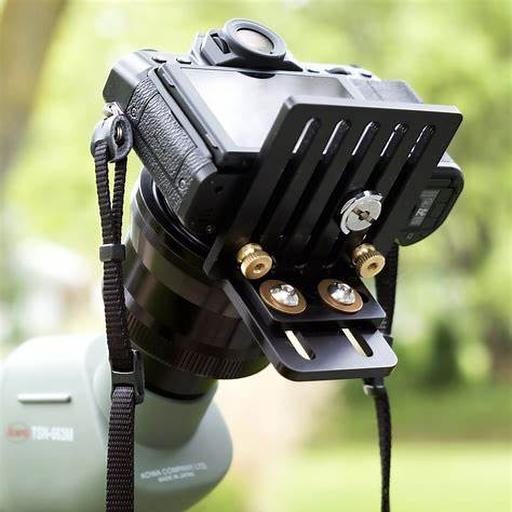
Target Observation: Clarity and Stability
For target observation customers, everything eventually comes down to “detail recognition” and “stable viewing”
In scenarios such as target observation, shooting training, or long-distance fixed-point viewing, users follow a very different logic when evaluating optical products.
The key here is not fast scanning. Instead, the real question is whether the product can clearly identify details at longer distances, support stable viewing over extended periods, and fully deliver its resolution and contrast when used with a fixed support system.
This type of application makes product differences much easier to notice. The ability to resolve fine details, image contrast, center sharpness, tripod compatibility, and viewing comfort all directly affect the user’s judgment.
From the manufacturing side, a target observation product is more like a long-distance viewing system built around stability, clarity, and extended observation performance.
Hiking and Travel: Portability and Balance
For hiking customers, the key is not “the highest specifications,” but “whether they are willing to carry it all day”
Hiking, travel, and general outdoor use reveal a third, clearly different set of needs.
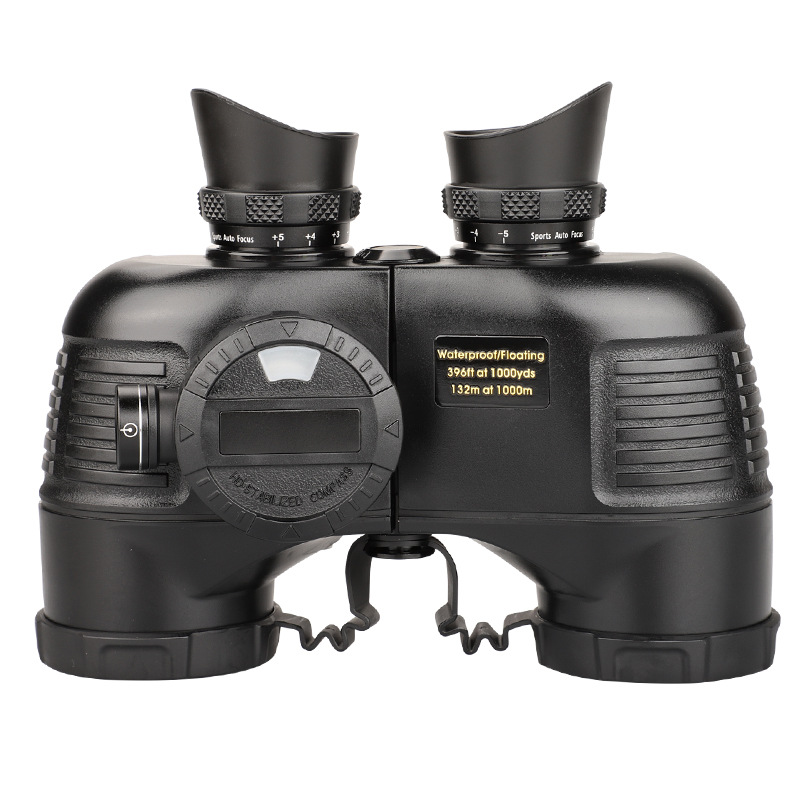
For these users, binoculars are first and foremost a piece of gear that has to be carried with them, not an optical instrument used from a fixed position. That means weight, size, packing efficiency, strap comfort, ease of use, and durability often enter the decision-making process before extreme optical specifications.
A product may look impressive on paper, but if users are not willing to carry it for a full day, it is unlikely to become a truly frequently used tool.
So for the hiking and travel route, the priority is not simply making the binoculars smaller. The real challenge is finding a better balance between lightweight design, portability, basic image quality, and easy operation.

Shift in Product Development Logic
Why do I say the opportunity is not just about price? Because what is really changing is the logic of product development
If the market stays only at the level of price competition, factories and brands will easily fall into product sameness. Competing purely on price often means everyone is fighting over basic needs that have already become highly transparent.
But today, the more valuable opportunity lies in the fact that customer needs are becoming more segmented and more specific.
Birdwatching users do not want to pay for unnecessary weight.
Target observation users will not sacrifice clarity just for portability.
Hiking users will not accept a heavier burden simply because the specifications look better on paper.
In other words, the market is moving from one-size-fits-all demand to scenario-specific demand.
Against this background, the real potential is no longer in developing another general-purpose product that everyone can “just about accept.” Instead, it lies in whether we can break down the product platform into several clear development directions based on different applications.
From the manufacturing side, this is exactly where new opportunities are emerging.
The companies that can understand user scenarios faster will be better positioned to help brand customers build differentiation. And the companies that can translate real usage logic into executable product configurations will be more likely to move away from a business path that depends only on price competition.
Technical Trade-offs Across Six Dimensions
3.1 Magnification and objective lens size: scenario variables, not one fixed answer
Many purchasing and product selection discussions often start with magnification and objective lens size. But if we only focus on these two specifications, it is easy to misjudge the real product direction.
Birdwatching places more value on the balance between field of view and handheld stability.
Target observation puts more emphasis on the ability to identify details at longer distances.
Hiking requires weight and size to be considered together from the very beginning.
So from the manufacturing side, the real priority is not simply making magnification or objective lens size “bigger.” What matters more is building the right combination around the actual usage scenario.
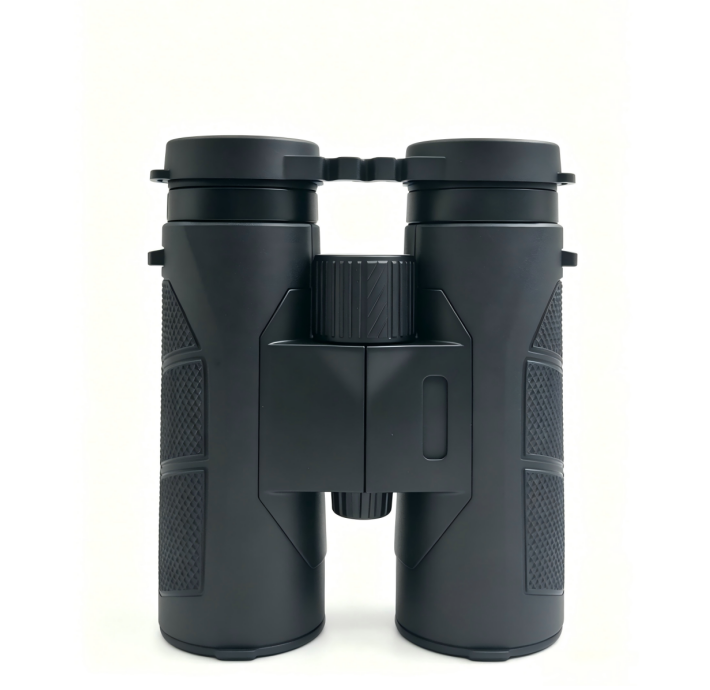
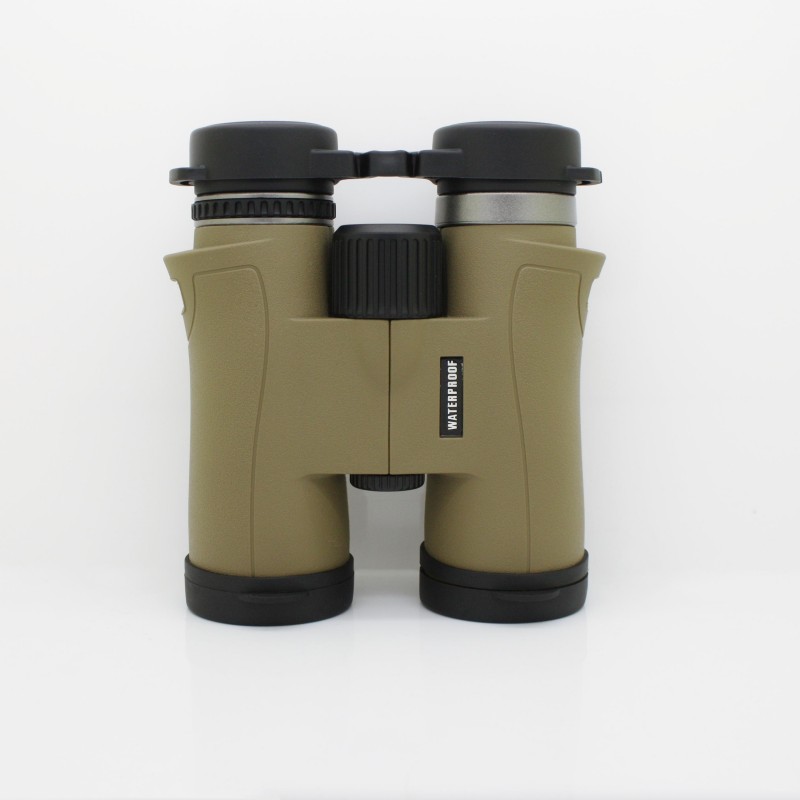
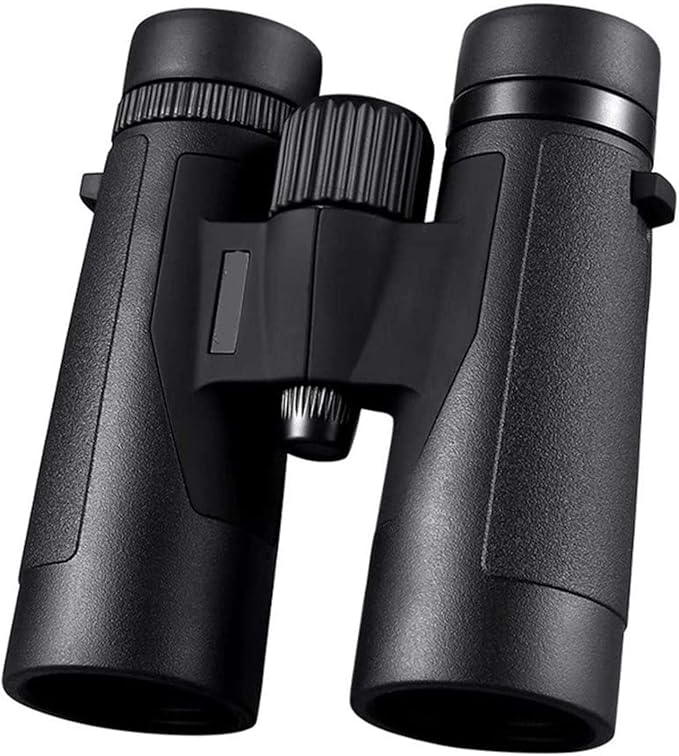
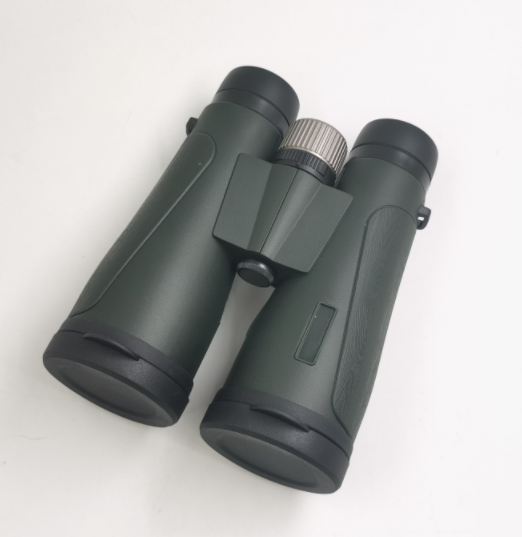
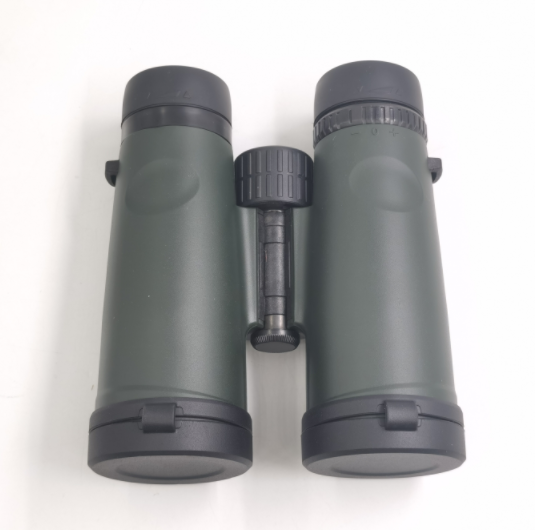
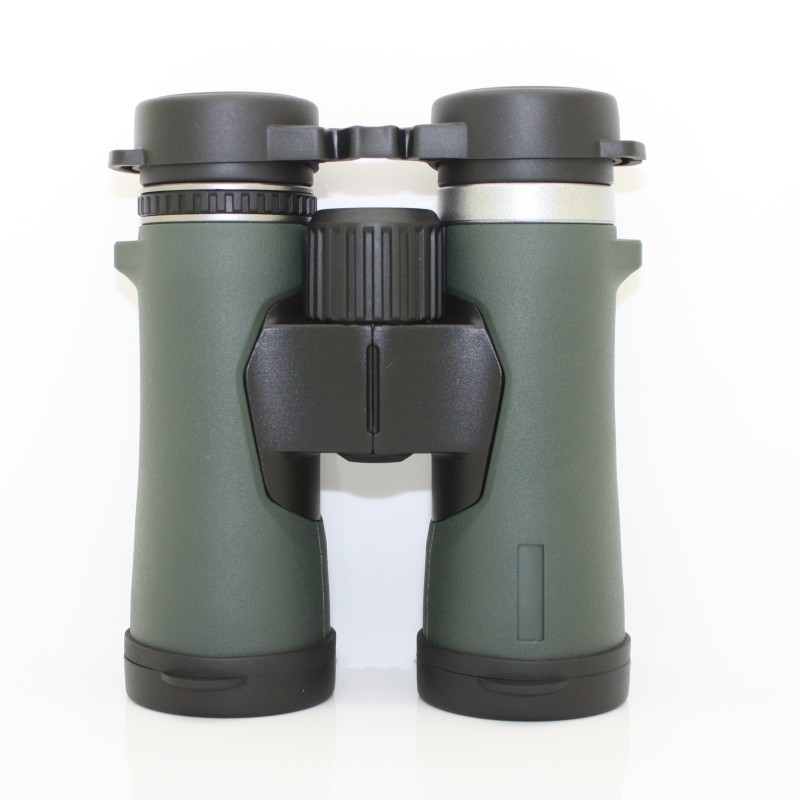
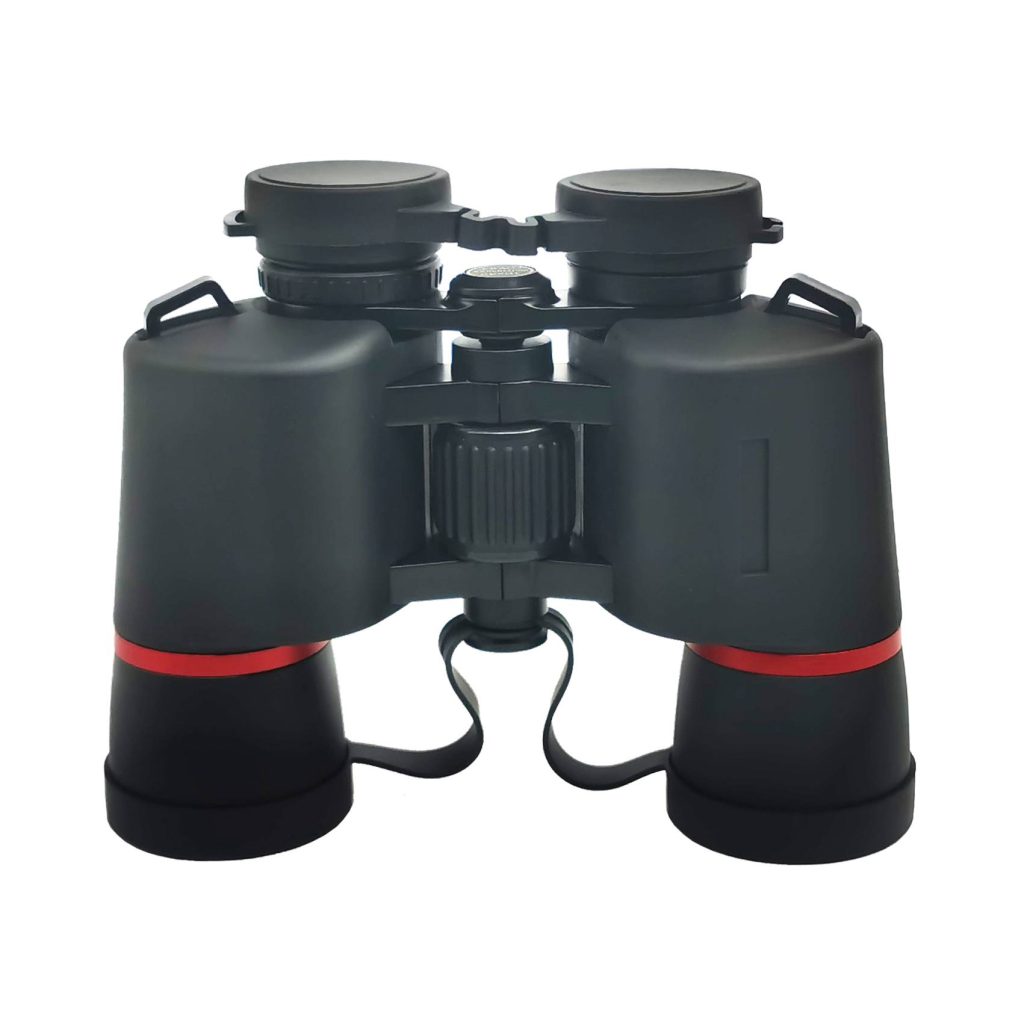
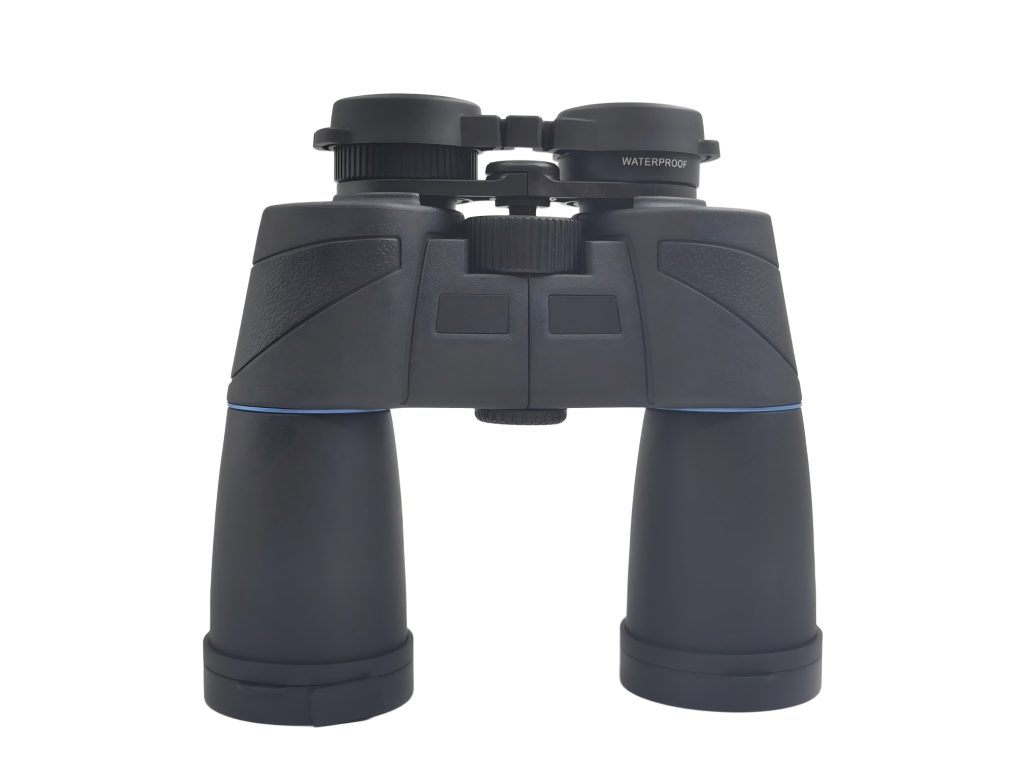
An 8×42 configuration for birdwatching, a higher-magnification solution for target observation, and a compact specification for hiking are not just different parameter choices. They are the result of different usage logic.
3.2 Field of view and focusing: the core source of efficiency for birdwatching products
In birdwatching, the target is often moving, partially hidden, and visible only for a short moment. A wide field of view helps users locate the subject faster. Smooth and accurate focusing reduces hesitation during target capture. Good edge control also has a direct impact on comfort during long periods of scanning.
This is why a birdwatching product is more about continuous visual efficiency, rather than simply making one specification look more impressive on paper.
3.3 Clarity, contrast, and stable viewing: the core barrier for target observation products
For target observation users, the key requirement is to maintain clear detail recognition and stable viewing at longer distances. This makes center resolution, contrast performance, optical system consistency, and support system compatibility more important than they would be in general outdoor use.
From the factory side, this route tests more than a single lens element or one isolated specification. It tests how well the entire system works together under real long-distance observation conditions.
3.4 Weight and size: the first principle that hiking products cannot compromise
For hiking users, the reality is very simple: if the product is too heavy, takes up too much space, or becomes uncomfortable to carry for long periods, even strong optical performance may not translate into frequent real-world use. Before users can use it often, they must first be willing to bring it with them.
So lightweight design is never just about removing features or reducing specifications. It is a higher-level product balance.
It requires optimization across structure, materials, rubber armor, accessories, and grip experience at the same time.
3.5 Structural durability and environmental adaptability: what they build is long-term trust, not just a one-time sale
Whether it is high-frequency birdwatching, fixed-position target observation, or long-distance hiking, users will eventually return to a very practical question:
Will this product last?
Can it handle different outdoor environments?
Will problems appear quickly after frequent carrying and real field use?
From the manufacturing side, reliability is not just a marketing phrase. It is an engineering result shaped by structural design, tolerance control, sealing processes, and assembly consistency.
3.6 Platform development and customization: what B2B customers really buy is scenario-based development capability
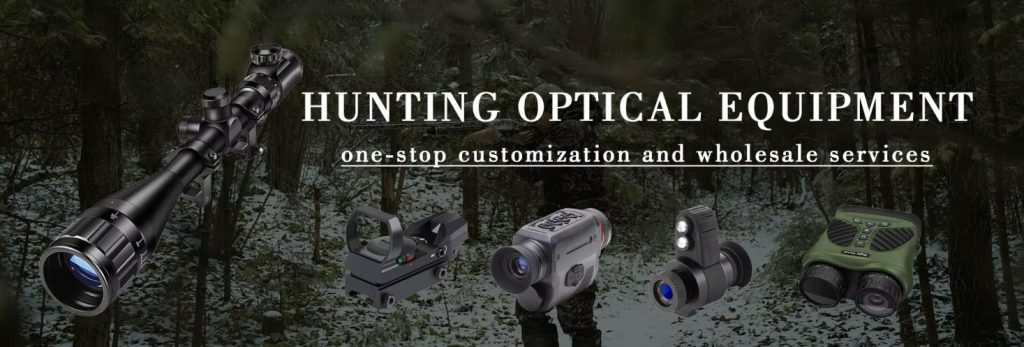
Looking at this from the factory side, many brand customers today are no longer just evaluating one ready-made product. What they really care about is whether the factory can extend different product directions based on a shared platform.
Under the same basic architecture, can the product be adapted for birdwatching, target observation, hiking, or other specific scenarios? Can differentiation be created through materials, appearance, accessories, selling points, and user experience?
This means future competition will not only be about who can make the product. It will be about who can translate user scenarios into clear product routes.
And that is exactly the core of scenario-based product development capability.
A More Mature Stage of Competition
After looking through the whole picture, I do not think price competition has disappeared.
The real change is that price is no longer the only lever for competition. It still matters, of course. But in more and more segmented applications, both users and brand customers are starting to realize that a product route designed around the right scenario often creates more long-term value than simply offering a lower price.
If I had to summarize this in one sentence, it would be this:
The opportunity in outdoor optical binoculars is not just price, but scenario-based product development capability.
Because the industry is moving away from competition between standardized products and toward competition based on scenarios and system-level capabilities.
For brand customers, this means product lines need to be reorganized with clearer application logic.
For factories, it means the development mindset must be upgraded.
And for end users, it means they will see more products in the future that are truly better suited to their own needs.
Three Directions for the Next 12–24 Months
First, platform-based development around specific applications such as birdwatching, target observation, and hiking will become one of the most important capabilities for factories.
The faster a factory can turn scenario insights into clear platform routes, the easier it will be to build long-term cooperation with brand customers.
Second, the balance between lightweight design and stable user experience will continue to drive upgrades in the general outdoor and hiking markets.
In the future, truly competitive products will not simply be lighter. They will need to remain comfortable, stable, and easy to use even after becoming lighter.
Third, rebuilding product selling points and product combinations around segmented scenarios will become an important task for both brands and channels.
Because consumers are no longer only asking, “Are the specifications high enough?” They are asking, “Is this product really suitable for the way I use it?”
Conclusion
Looking back from the manufacturing side, the outdoor optics binocular market is becoming more segmented not because the industry is becoming more complicated, but because user needs are finally being seen more accurately.
Specific scenarios such as birdwatching, target observation, and hiking are helping redefine what a “good product” really means in a much clearer way.
For factories, brands, and channels, this should not be seen as a burden. It is a new opportunity.
Because only when products are truly developed around real usage scenarios can the industry move beyond simple price competition and start competing on understanding, capability, and long-term value.