When choosing binoculars, many people first look at magnification, objective lens size, and price.
On the surface, this seems like the most direct and practical way to compare products. Higher magnification should mean seeing farther. A larger objective lens should mean a brighter image. A higher price should mean a better overall experience.
But when you look closely at feedback from different types of users, you will notice something important: the real difference in user experience often does not come from the numbers themselves, but from where and how the binoculars will actually be used.
For the same pair of binoculars, birdwatchers may care most about whether the field of view is wide enough and whether the focus can keep up with fast-moving birds. Users who observe targets or fixed objects at long distances may pay more attention to detail recognition, image contrast, and viewing stability during extended observation. Hikers and travelers, on the other hand, often ask a very different set of questions: Is it lightweight? Is it compact? Will I actually want to carry it with me all day?
That is why the logic behind choosing binoculars today is no longer simply about picking the model with the highest specifications. It is about finding the product route that best matches your real use case.
If you ignore the application scenario and focus only on the numbers, it is easy to end up with a pair of binoculars that looks powerful on paper but does not truly fit your needs.

Start with Your Primary Use Case
Before Looking at the Specs, Ask Yourself: “What Will I Mainly Use It For?”
Birding: Wide Field of View and Fast Focus Matter Most
If You Mainly Use Binoculars for Birding: Prioritize Field of View, Focusing, and Viewing Comfort
Birding is a very typical dynamic observation scenario.
The subjects you are looking at are usually not still paper targets. They are small, constantly moving objects in treetops, wetlands, forest edges, and open fields.
In this situation, a wide field of view becomes especially valuable because it helps you locate the subject faster. Focusing speed and focusing feel are also very important. Birds often appear only for a brief moment, and even a small delay can make you miss the best viewing opportunity.
Viewing comfort over long periods also has a major impact on the birding experience. Comfortable eye relief, natural color reproduction, better edge sharpness, and a well-balanced grip are often more valuable than simply pushing the magnification higher.
In other words, birdwatchers do not really need binoculars that only “make things look bigger.” They need binoculars that make it easier to observe, faster to find the subject, and more comfortable to use.
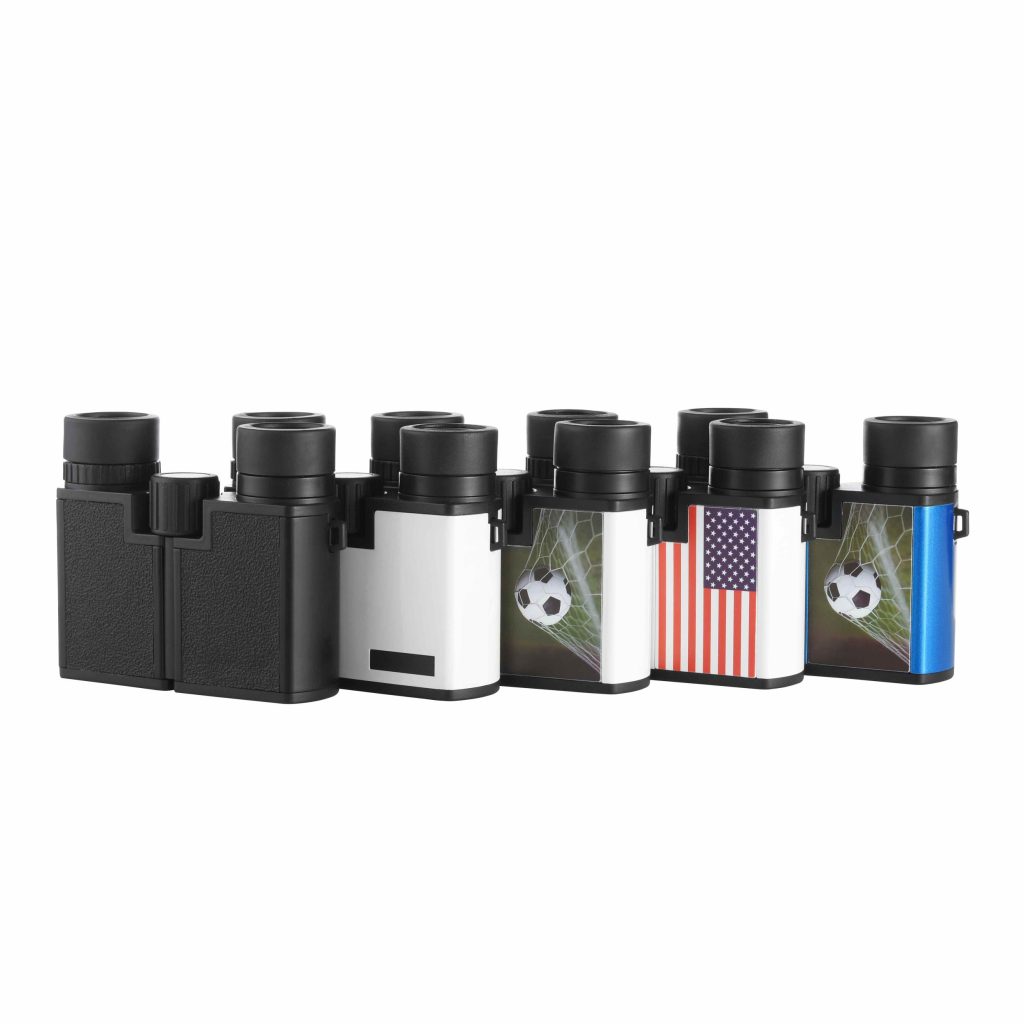
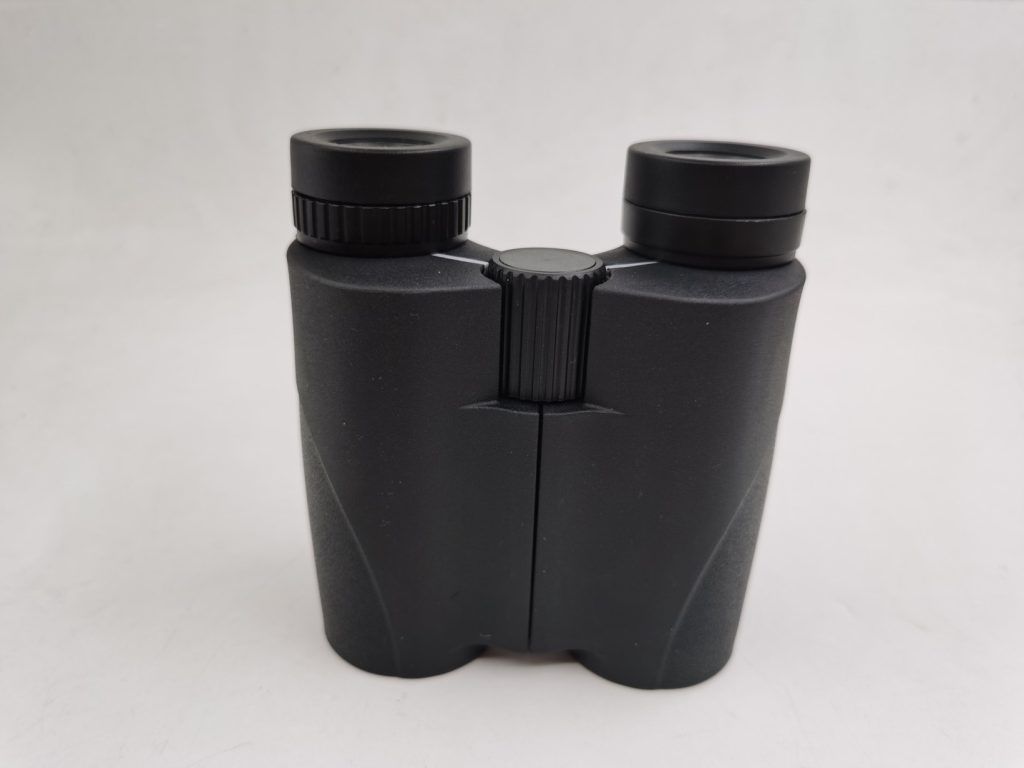
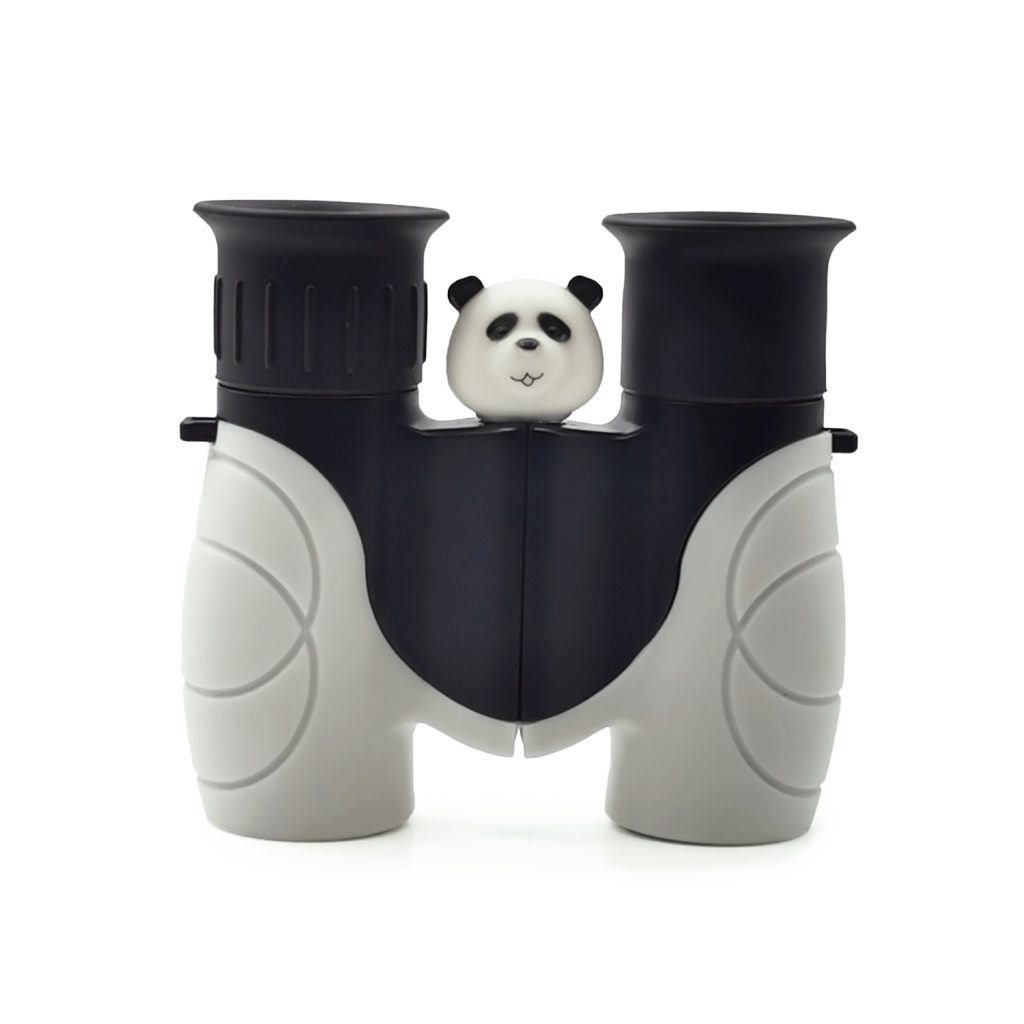
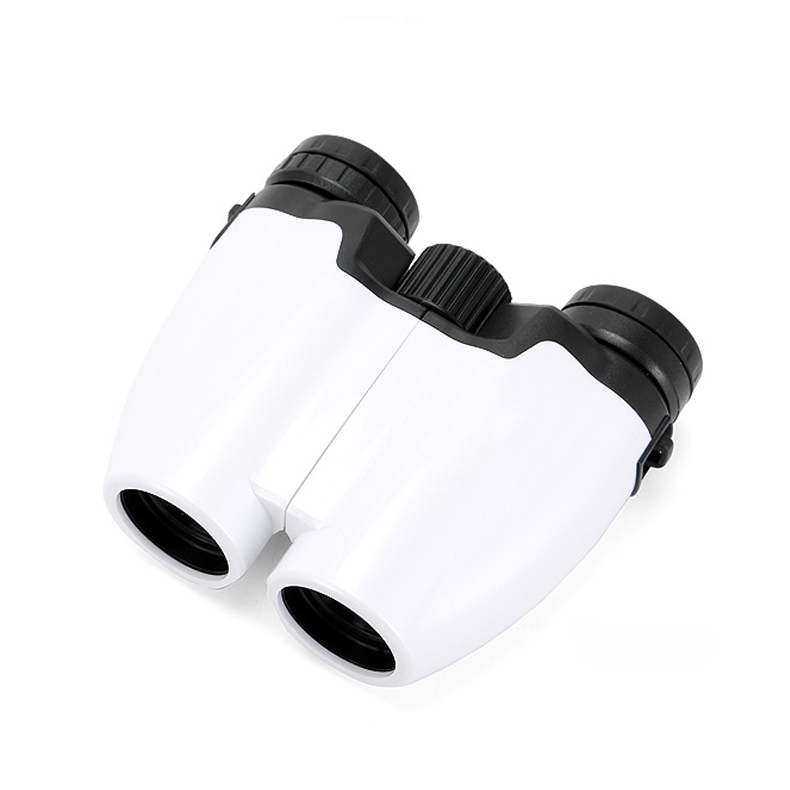
Target Observation: Prioritize Detail Recognition and Stability
If You Mainly Use Binoculars for Target Observation or Long-Distance Fixed Viewing: Prioritize Detail Recognition and Viewing Stability
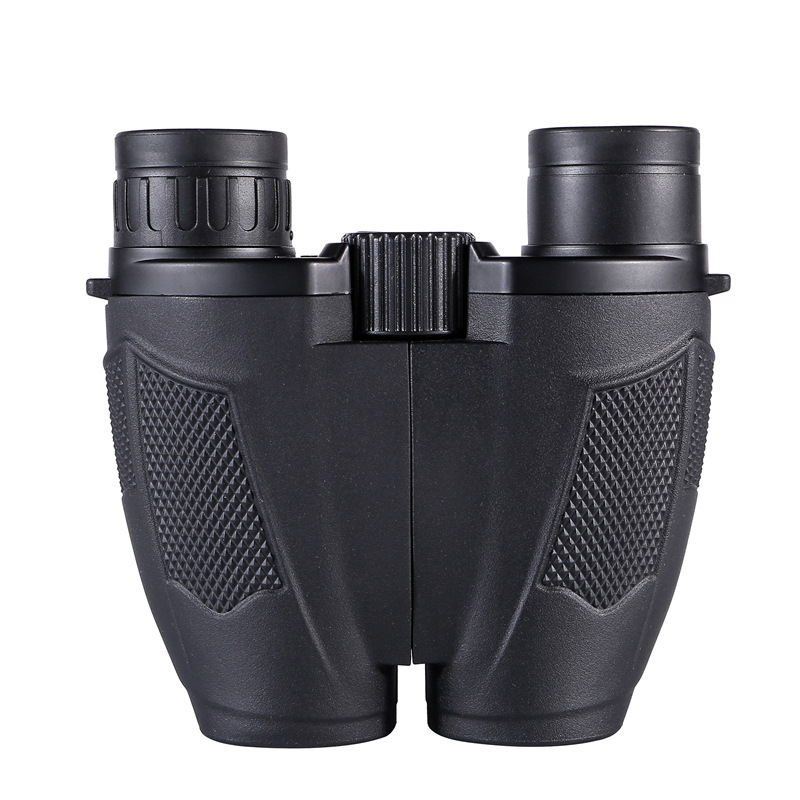
Target observation, shooting practice, and long-distance fixed viewing follow a very different logic.
These use cases place more emphasis on seeing details clearly at longer distances, such as bullet holes on paper targets, the outline of distant objects, or a fixed area that needs to be observed for an extended period. Here, the key is not fast scanning. It is whether you can keep seeing the details you care about clearly, steadily, and consistently.
In this scenario, center resolution, image contrast, magnification power, and viewing stability are often more important than having an extremely wide field of view.
If the binoculars need to be used with a support system, compatibility with accessories such as tripods can also directly affect the real user experience.
For this type of user, binoculars are closer to a long-distance observation tool than a general outdoor accessory.
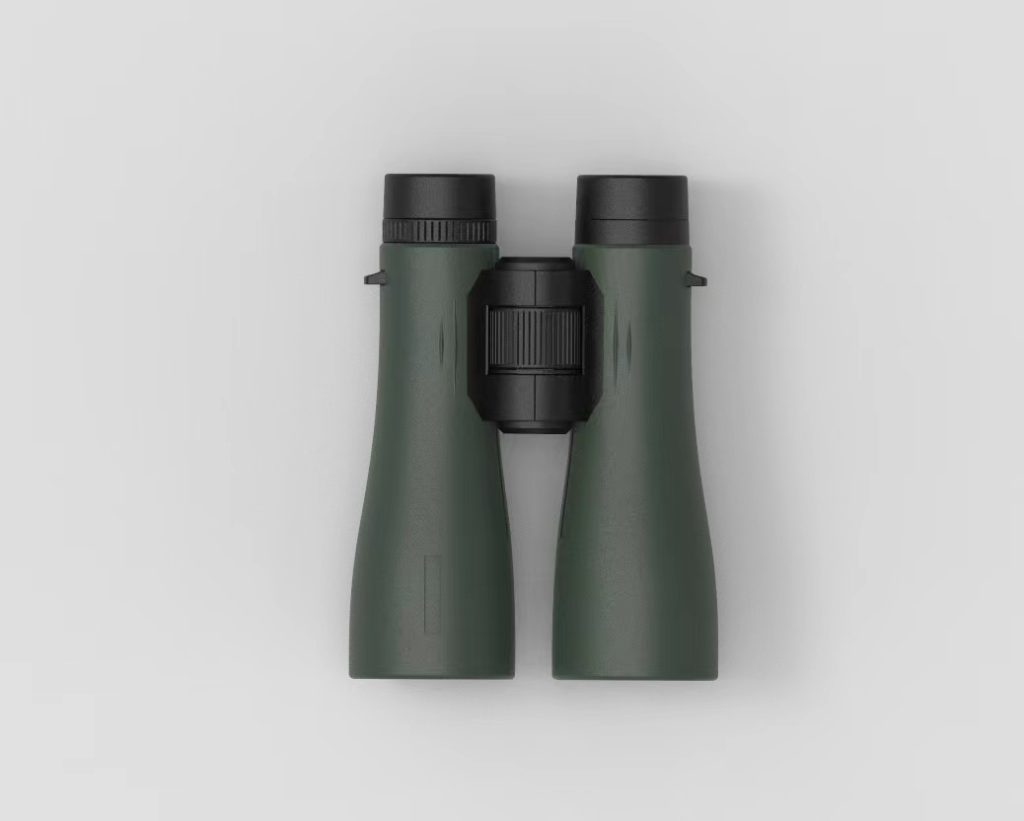
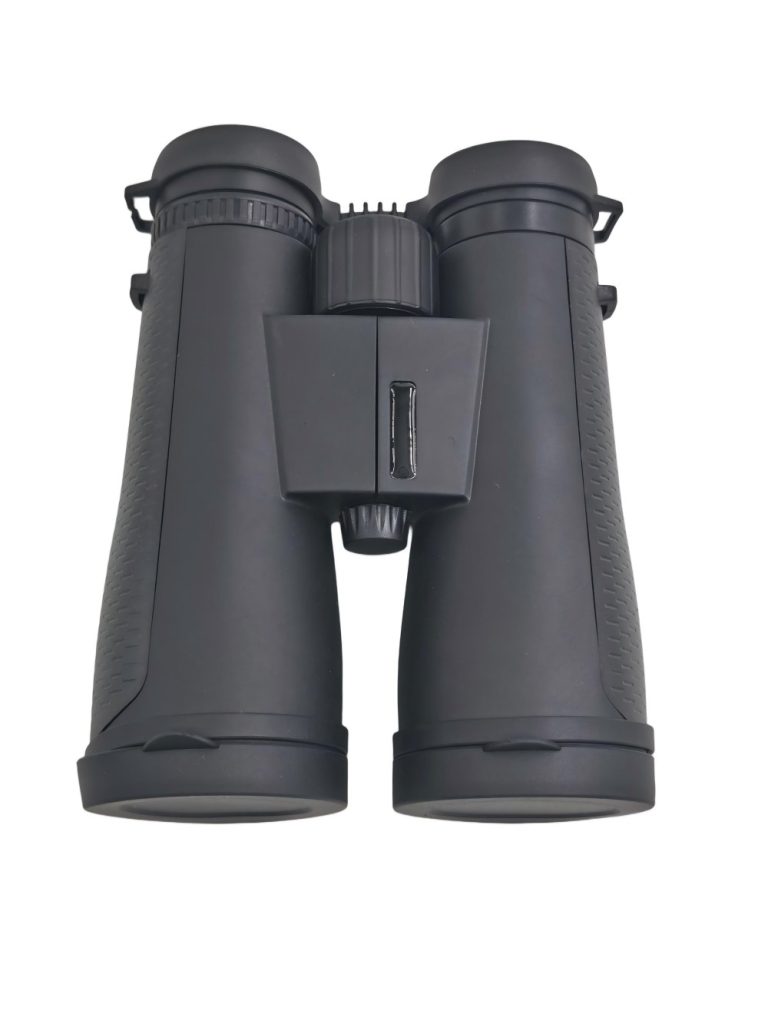
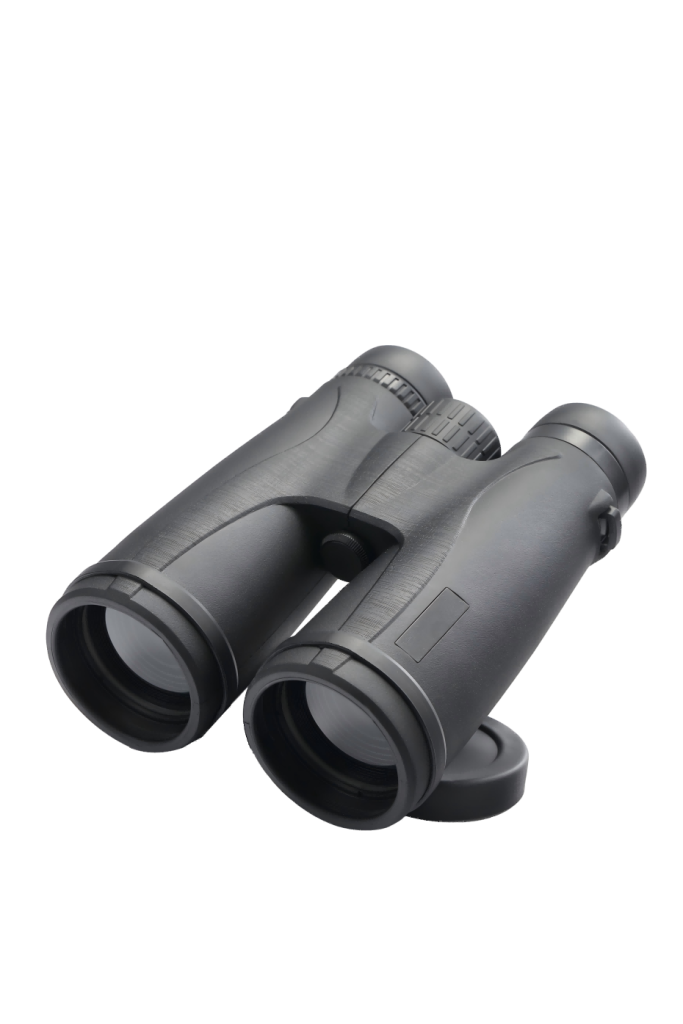
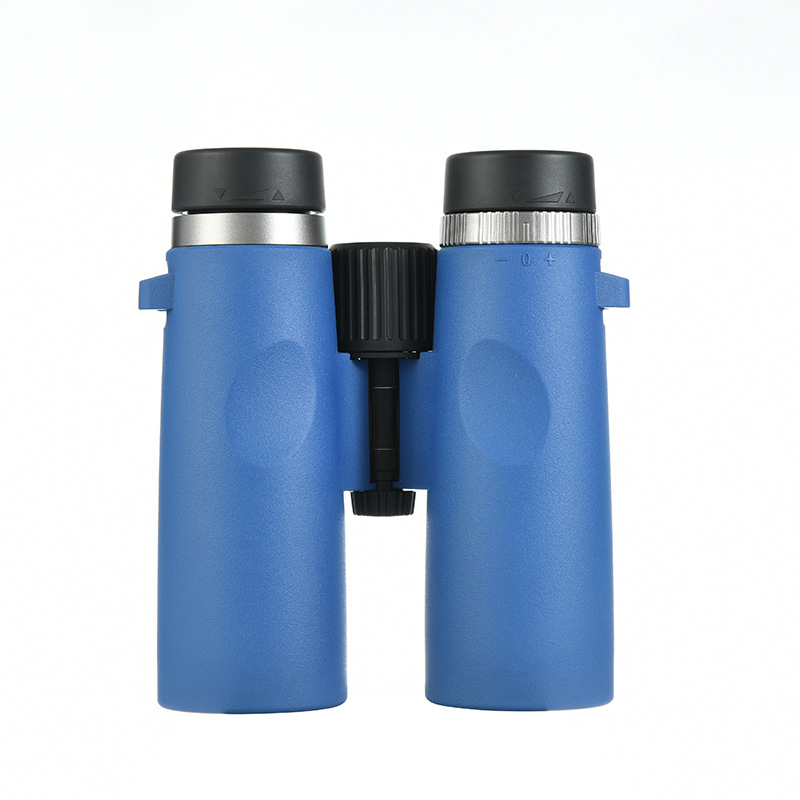
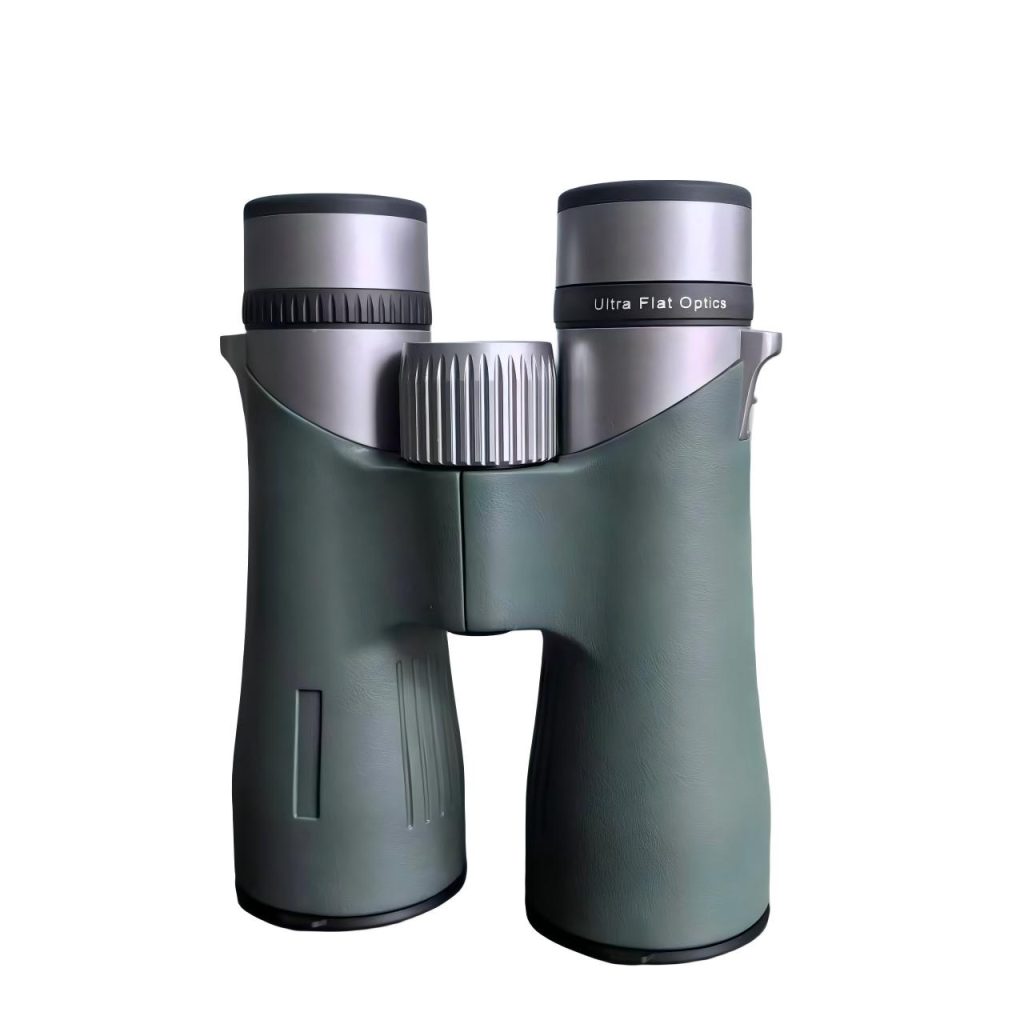
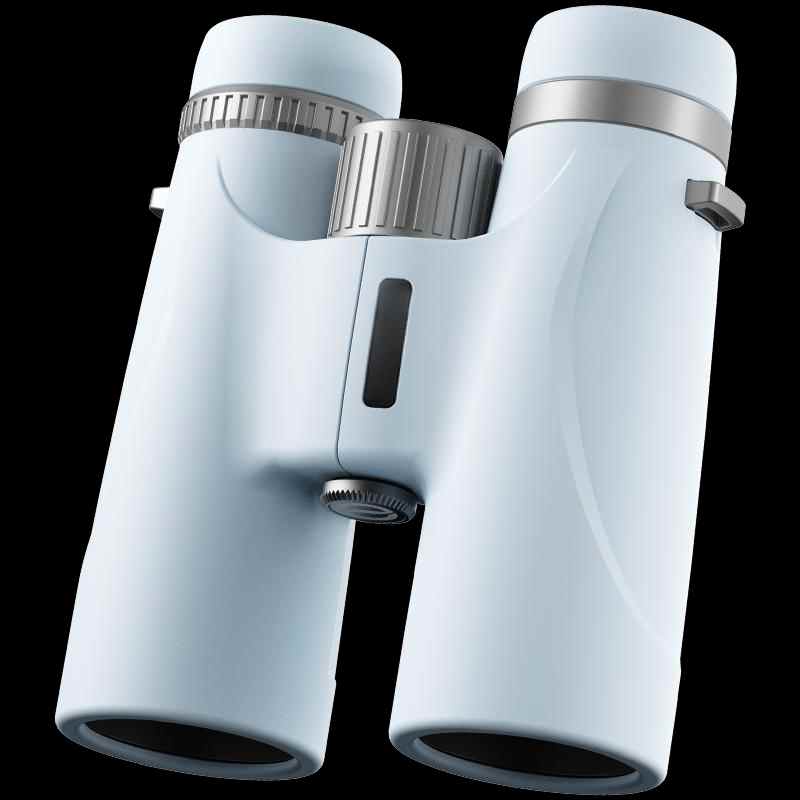
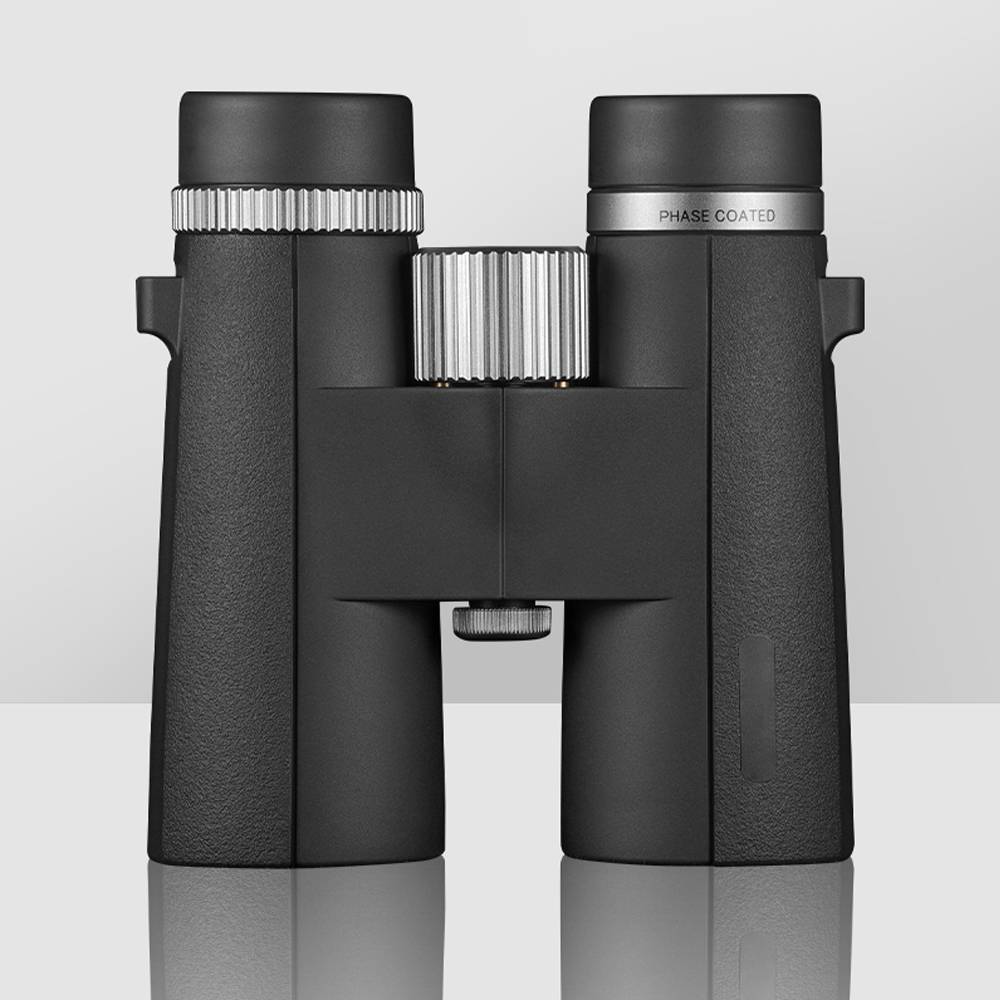
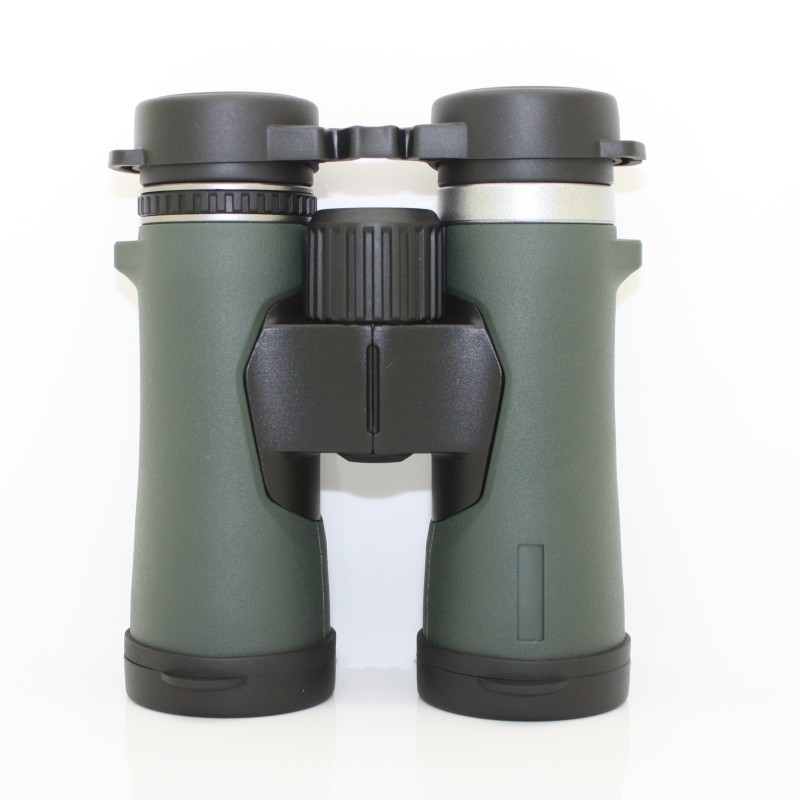
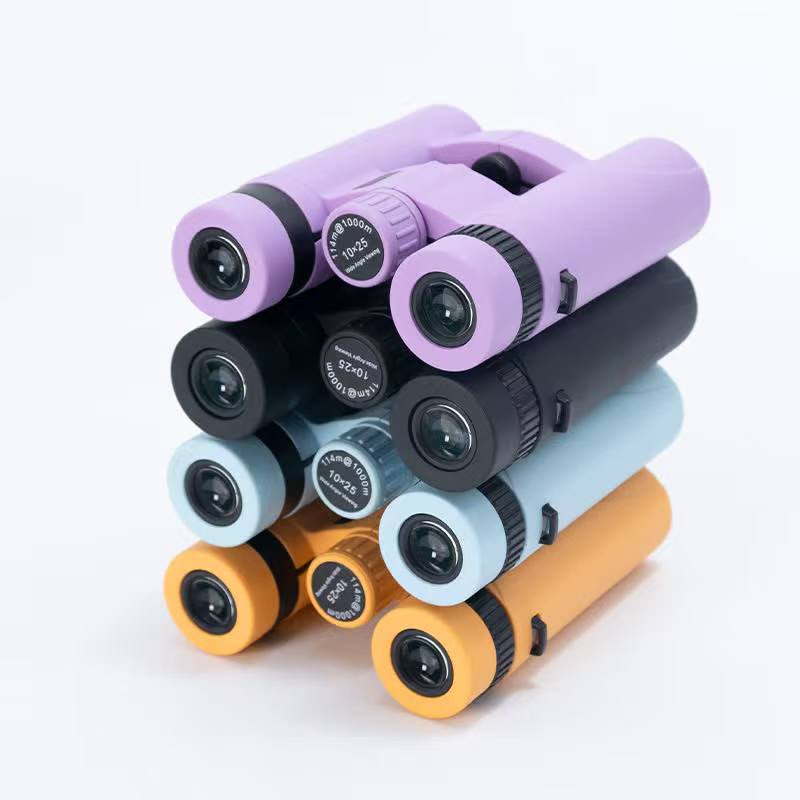
Hiking and Travel: Lightweight and Easy to Carry
If You Mainly Use Binoculars for Hiking, Travel, or Light Outdoor Activities: Prioritize Weight, Size, and Carrying Comfort
For hikers and travelers, the real question is often very simple: no matter how good the specifications look, if the binoculars are too heavy, take up too much space, or feel uncomfortable after hanging around your neck for a while, you probably will not want to bring them with you.
In these scenarios, binoculars are first something you need to carry with you, and only then an optical tool.
That is why the hiking and travel route is not about pushing one single specification to the extreme. It is about finding the right balance between lightweight design, compact size, basic optical performance, and ease of use.
A truly good pair of hiking binoculars may not have the most impressive numbers on paper, but it should be the kind of binoculars you are willing to carry for a full day.

Why the Same Binoculars Can Receive Completely Different Reviews
The reason is simple: different use scenarios highlight completely different parts of the user experience.
Birdwatchers care about fast target acquisition and efficient long-term observation. Target observation users care about detail recognition and stable viewing at longer distances. Hikers care about carrying comfort and how often they will actually use the binoculars in real outdoor conditions.
In other words, they are not choosing for the same need. They are choosing for three very different needs.
Once you understand this, you will realize that the question “Which binoculars are the best?” is often not the right question to ask.
A better question would be: Which binoculars are better suited to my main use case?
When the purpose changes, the best choice also changes. This is exactly why today’s binoculars market has become increasingly segmented.
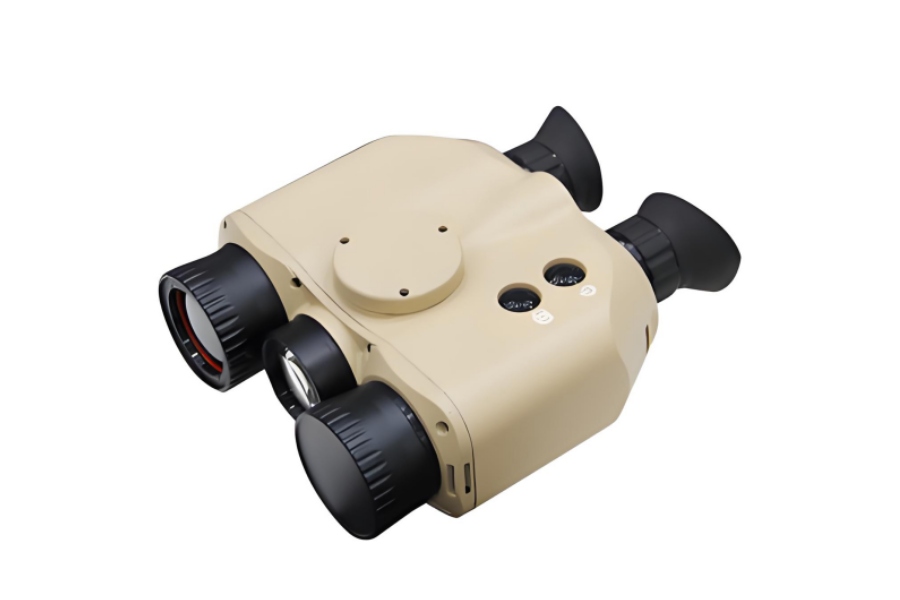
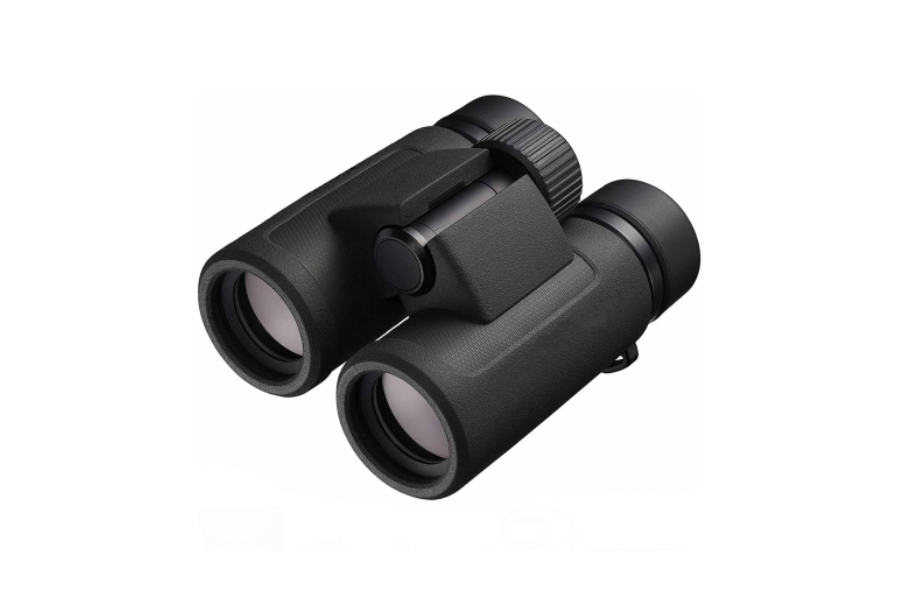
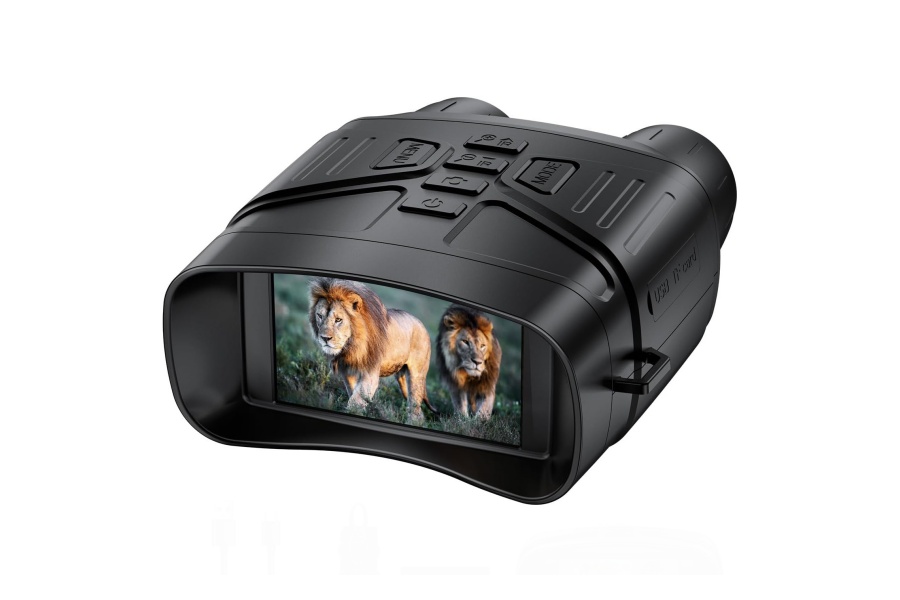
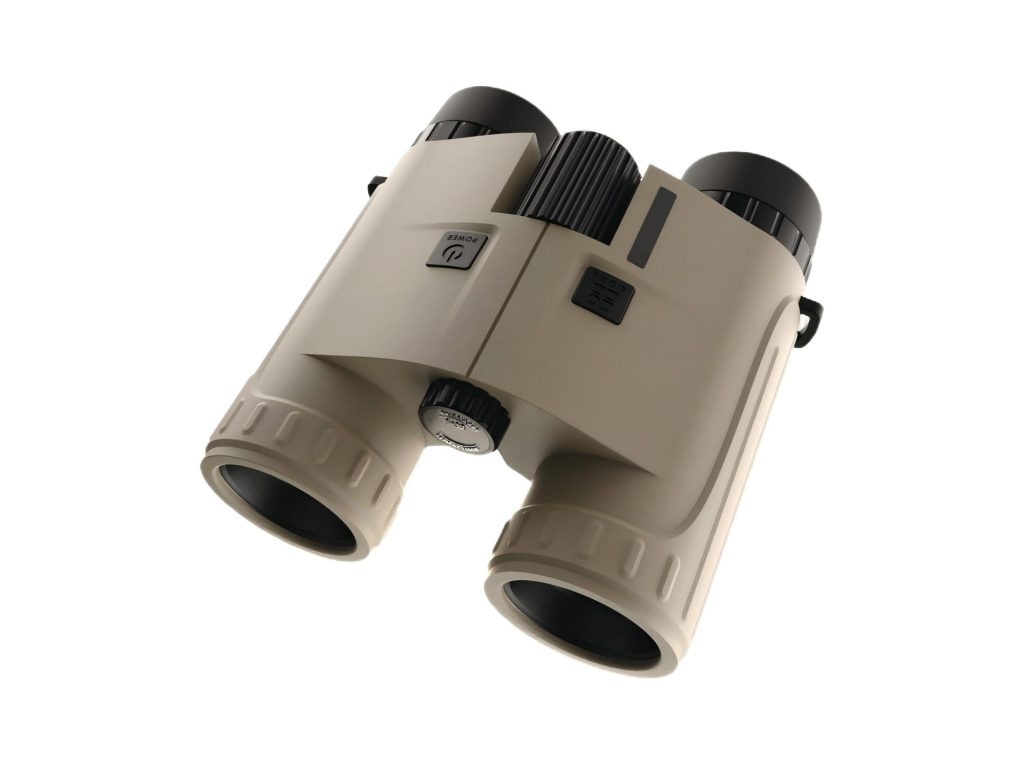
Six Key Factors to Consider When Choosing Binoculars
1. Magnification and Objective Lens Size
Match Them to Your Use Case Instead of Chasing Bigger Numbers
Magnification and objective lens size are important, of course. But bigger is not always better.
For birding, it is usually better to choose a combination that offers good handheld stability and a comfortable field of view. For hiking, the key is to balance optical performance with portability. For target observation, stronger magnification may be useful, but only when it is supported by proper viewing stability.
If you only focus on “bigger” numbers, it is easy to overlook one basic fact: higher specifications often come with larger size, heavier weight, more difficulty in handheld use, and higher requirements for the viewing environment.
So when choosing binoculars, it is better to first define a reasonable range based on your main use case, instead of simply going after the highest numbers from the start.
2. Field of View
Essential for Birding, but Not Always the Top Priority for Everyone
A wider field of view usually makes it easier to find the subject quickly. It also makes scanning for long periods more comfortable.
This is especially important for birdwatchers, because moving subjects often appear and disappear in just a few seconds.
But if your main use is long-distance fixed observation, then placing too much emphasis on field of view may not be the best priority. In that case, image clarity and detail recognition may matter more.
In other words, whether field of view is important depends on how you actually use the binoculars.
3. Detail Recognition
Target Observation Users Should Put This Near the Top
If your main task is to see details clearly at longer distances, then image contrast, center resolution, and stable viewing become extremely important.
These factors often have a greater impact on the final viewing result than simply “how much bigger” the image looks.
A common mistake in this scenario is focusing only on magnification while ignoring image quality and viewing stability.
In reality, being able to clearly identify details is far more important than simply making the image appear larger.
4. Weight and Size
Hikers and Travelers Should Never Overlook This
For light outdoor activities and travel, what really affects how often you use your binoculars is often not the optical specifications, but whether you are willing to carry them all the time.
If a pair of binoculars is too heavy, too bulky, or simply too much trouble to bring along, it may end up sitting unused for a long time, even if its optical performance is quite good.
So if your use case involves a lot of walking, moving, and carrying, then weight, size, and packing convenience should be core factors, not just secondary details.
5. Focusing and Handling
This Directly Affects How Natural It Feels to Use
Many people overlook handling when choosing binoculars. But in real use, the damping, travel distance, and response of the focus wheel, as well as the overall grip and balance, can make a very noticeable difference.
Birdwatchers will feel this especially clearly, because they often need to keep up with fast-changing subjects.
For hikers, a simple, intuitive, and easy-to-use operating experience can also lower the barrier to use. The easier the binoculars are to handle, the more likely users are to take them out and use them frequently.
6. Matching the Product to the Application
What Really Matters Is Whether It Fits You
In the end, the most important point is this: choosing binoculars is not about finding the strongest model in absolute terms. It is about finding the model that suits you best.
Birdwatchers are better served by binoculars that focus on field of view and focusing efficiency. Target observation users are better served by models that emphasize detail recognition and stable long-distance viewing. Hikers and travelers are better served by lightweight, compact binoculars that they are actually willing to carry.
Once you are clear about your main use case, the rest of the decision becomes much easier.
Because when the product route is right, many specification choices naturally become clearer.

My Overall Advice
Don’t Ask “Which One Is the Best?” Ask “Which One Fits Me Best?”
If you look at today’s binoculars market as a map, you will find that it is not becoming more complicated. It is becoming more precise.
Birding, target observation, hiking, and other use scenarios are helping users better understand what they really need. At the same time, they are also helping brands define clearer product routes.
So if you are choosing a pair of binoculars, my strongest suggestion is this: do not start by comparing specifications right away. Start by clarifying your main use case.
Only when the scenario is clear do the specifications, configurations, and budget truly start to make sense.
Future Trends in Binocular Design
If You Plan to Upgrade Your Binoculars in the Future, Focus on These Three Directions
First, pay attention to whether the product has been clearly optimized around your actual use scenario, instead of only looking at the “high specifications” in the marketing copy. The clearer the scenario, the easier it is for the product to deliver real value.
Second, look at lightweight design, comfort, and long-term user experience. This is especially important for birdwatchers and hikers. In many cases, user satisfaction is not decided by the first impression of the specifications, but by whether the binoculars still feel comfortable and easy to use after three months of regular use.
Third, focus on the overall product route rather than one single specification. Equipment that is truly worth using for the long term is often not the one with the most extreme number, but the one with the better overall balance.
Conclusion
Birding needs a wide field of view, target observation needs clear detail, and hiking needs portability. This is not just a simple way to categorize binoculars. It reflects the real usage logic behind today’s binoculars market.
If you want to choose a pair of binoculars that truly fits your needs, the most important thing is not to chase the highest specifications. It is to first understand your own use scenario, and then choose the product route that matches it.
Binoculars chosen this way are far more likely to become the pair you are actually willing to use for a long time.