When we look at “choosing binoculars” through the lens of real-world use, it becomes clear that many people ask the wrong question from the very beginning.
The most common questions are usually: What magnification is better? What objective lens size is more worth buying? Does a higher specification always mean a better viewing experience? But after talking with different types of users, you quickly realize that whether a pair of binoculars is truly useful often depends less on one single parameter, and more on the specific observation task it is designed to serve.
Birdwatching, hiking, hunting, and long-range observation all fall under outdoor viewing, but they actually represent four very different sets of needs. Birdwatchers care more about field of view, focusing speed, and comfort during long observation sessions. Hikers pay closer attention to weight, size, and whether the binoculars are easy enough to carry all day. Hunters usually value low-light performance, weather resistance, and overall reliability. Long-range users focus more on detail recognition, stable viewing, and compatibility with supporting systems.
In other words, these are not the same way of “using binoculars” at all.
That is exactly why today’s outdoor optics market is becoming more specialized. It is not because products have become unnecessarily complicated, but because users are finally choosing equipment based on real usage scenarios. For everyday consumers, this means it is easier to find a product that actually fits their needs. For brands and manufacturers, it also means product development can no longer rely on one “general-purpose configuration” to cover everyone.
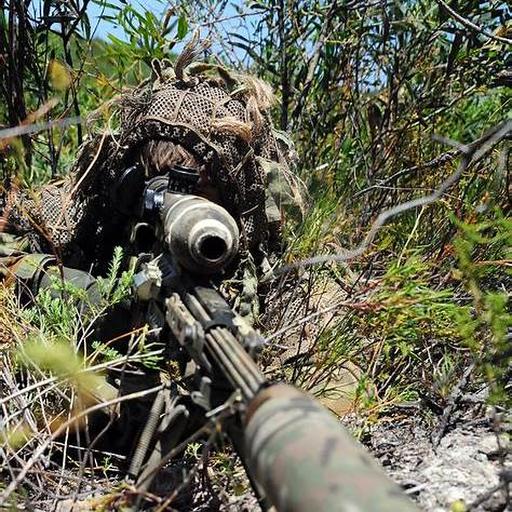
Don’t Start with the Specifications: Four Common Scenarios Are Actually Solving Four Different Problems
Birdwatching: A route that values field of view, focusing, and viewing comfort
Birdwatching is a typical form of dynamic observation. The subject is often small, fast-moving, and frequently hidden among branches, reeds, or backlit environments. For birdwatchers, the real challenge is not always “not being able to see far enough,” but rather whether they can find the subject quickly and follow it smoothly.
That is why birdwatching binoculars need a wide field of view, fast focusing, and a natural, comfortable image, instead of simply chasing higher magnification.
Birdwatching is also often a high-frequency, long-duration activity. Users may need to scan continuously for a long time, so overall balance, eye relief comfort, grip feel, and viewing fatigue all have a clear impact on the experience.
In other words, binoculars that are truly suitable for birdwatching are usually not the ones that look the most powerful on paper. They are the ones that help users find faster, watch longer, and view more comfortably.
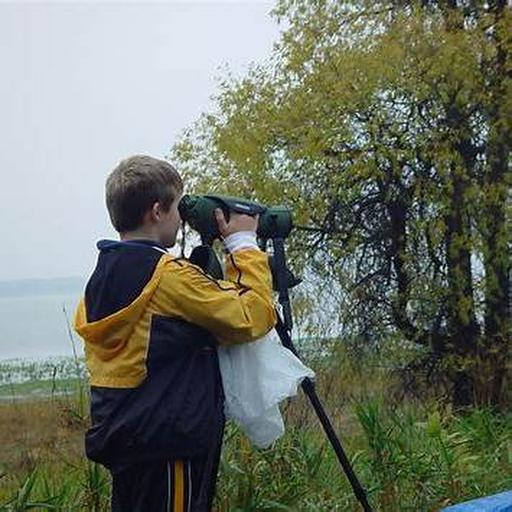
Hiking: A route that values lightweight design, compact size, and easy carry
For hiking, travel, and light outdoor use, binoculars are first something you need to carry with you, and only then an optical tool.
For these users, no matter how strong the product looks on paper, if it is too heavy, too bulky, uncomfortable around the neck, or takes up too much space in a backpack, it will quickly reduce how often people actually use it. In many cases, the problem is not that the binoculars are not good enough. It is simply that users do not want to bring them along.
That is why binoculars better suited for hiking are usually not about pushing one single specification to the limit. They are more about overall balance: light enough, compact enough, easy to handle, quick to use, and still capable of delivering solid image quality for everyday outdoor observation.
For hikers, a truly good pair of binoculars is the kind of product you are willing to carry with you for the whole day.
Hunting: A route that values low-light performance, weather resistance, and overall reliability
Hunting and more demanding field observation environments often bring out a different set of priorities.
In these scenarios, users usually care more about whether they can see clearly at dawn and dusk, whether the binoculars can perform steadily in wet, cold, or high-temperature-difference environments, and whether the overall structure, grip, and rubber armor are durable enough for real outdoor use.
In other words, binoculars for hunting place more emphasis on environmental adaptability and long-term reliability.
That is why hunting binoculars need stronger system-level performance across low-light viewing, waterproofing, fog resistance, mechanical stability, and field durability. Compared with simply chasing impressive specifications on paper, hunting users are often more willing to pay for a product that feels more dependable in real outdoor conditions.
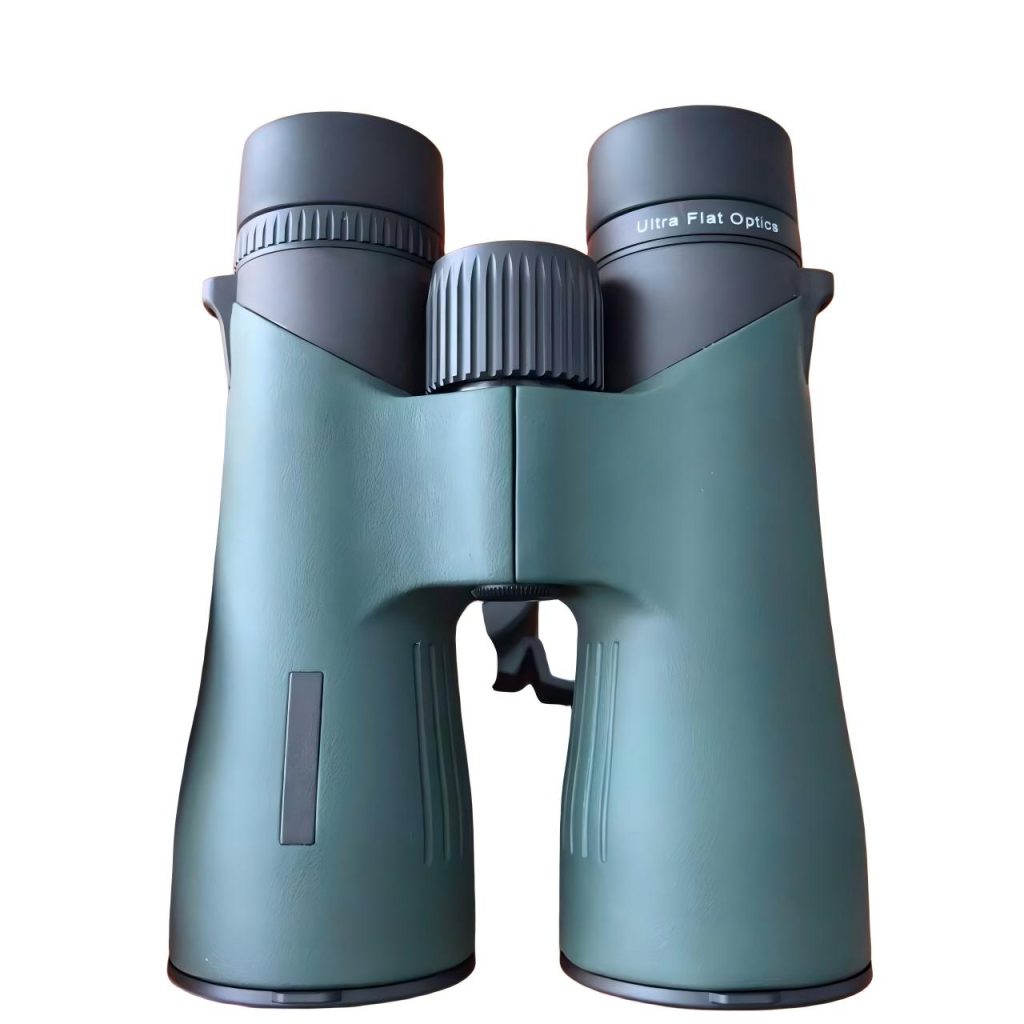
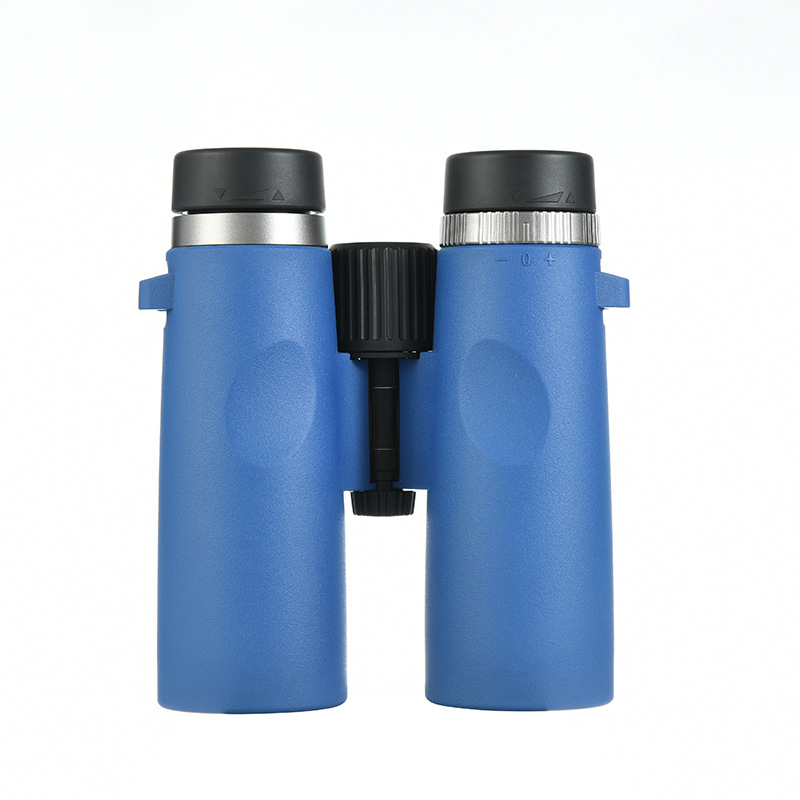
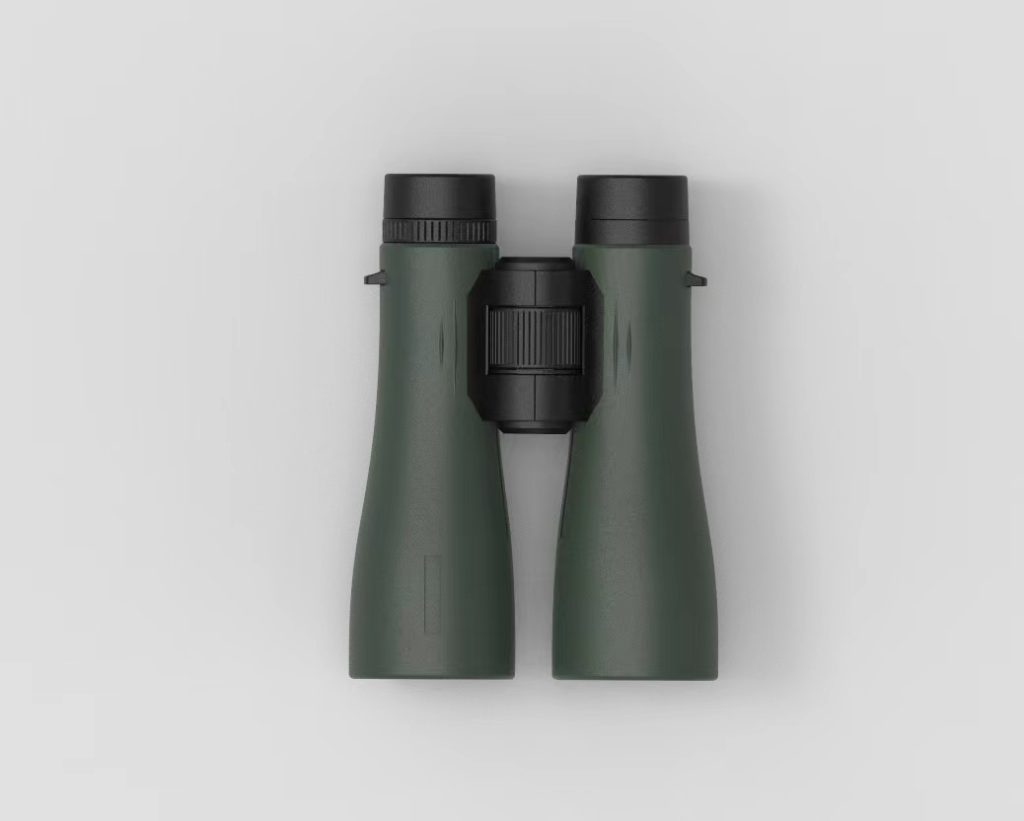
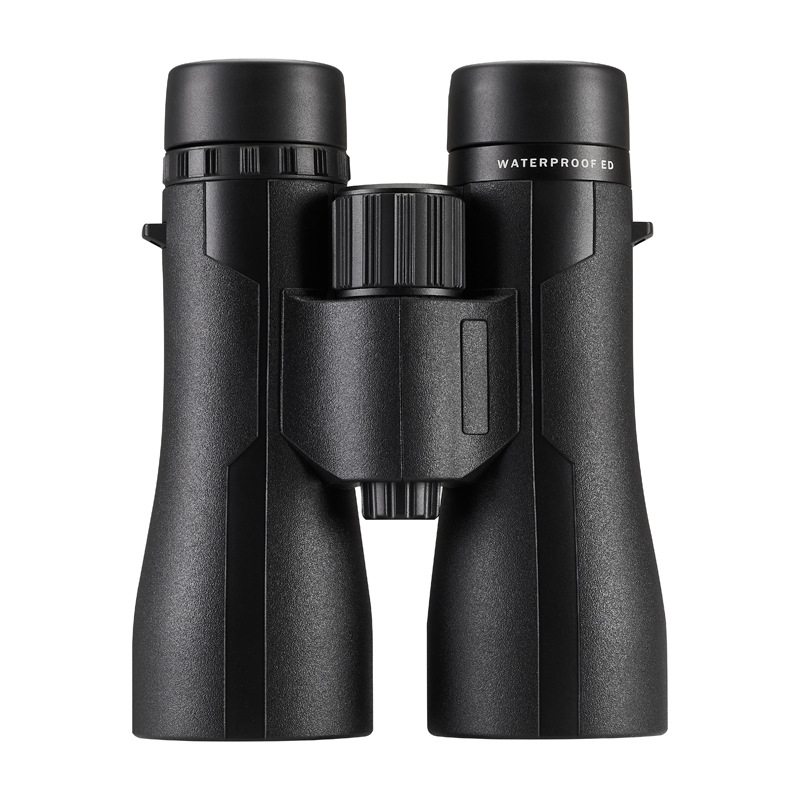
Long-Range Observation: A route that values detail recognition and viewing stability
Long-range observation, target spotting, and fixed-position viewing are quite different from birdwatching. In these scenarios, the subject is usually more stable, and the user’s main task is not to search quickly, but to identify details at a longer distance.
This makes center sharpness, image contrast, magnification capability, long-session viewing comfort, and compatibility with support systems much more important.
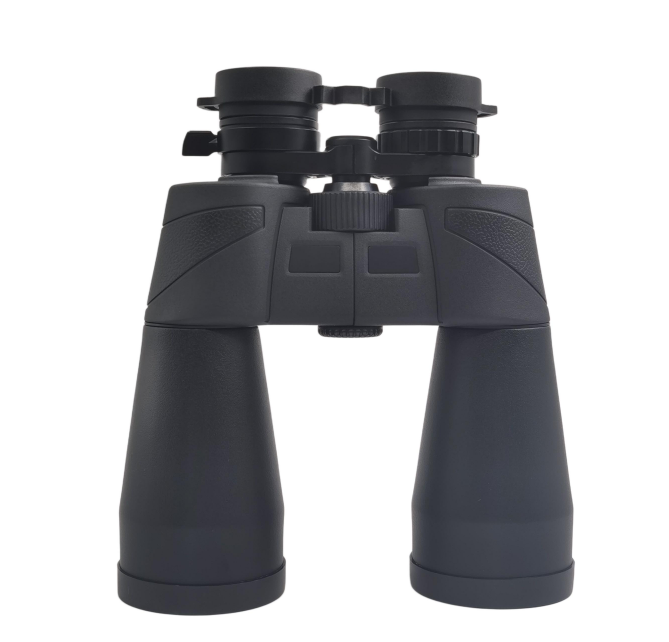
That is why products better suited for long-range observation often work more like a complete long-distance viewing solution, rather than just a pair of handheld binoculars.
Simply increasing magnification is not enough. The higher power must be supported by a more stable viewing setup and clearer detail performance.
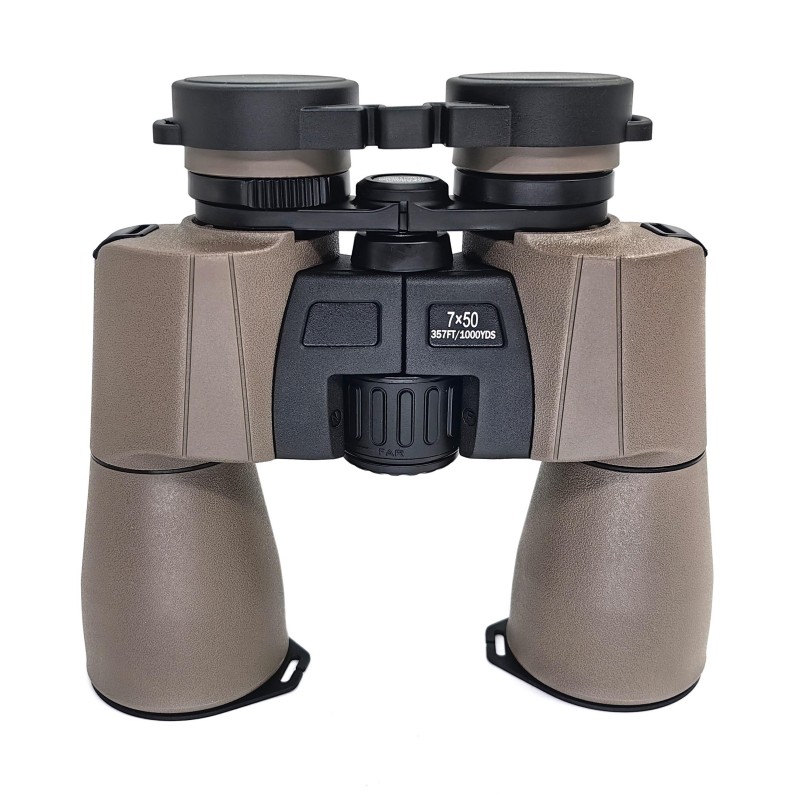
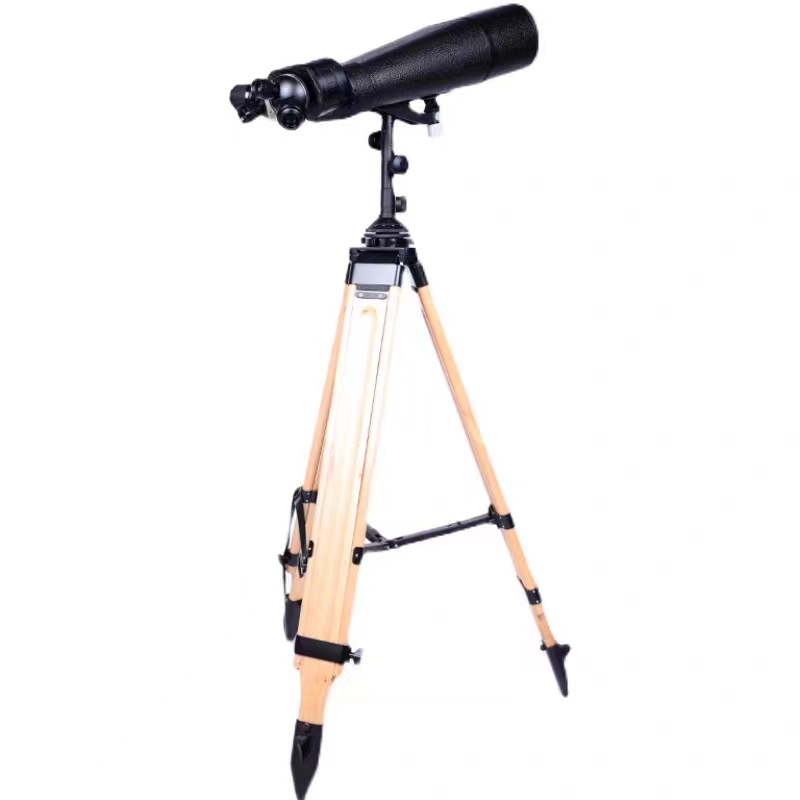
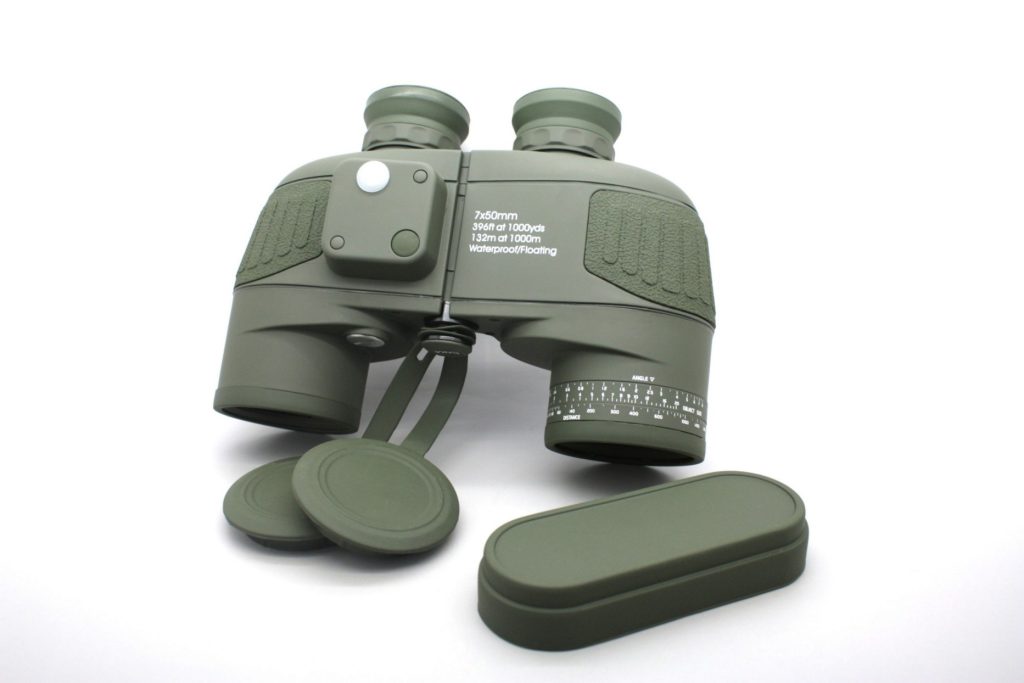
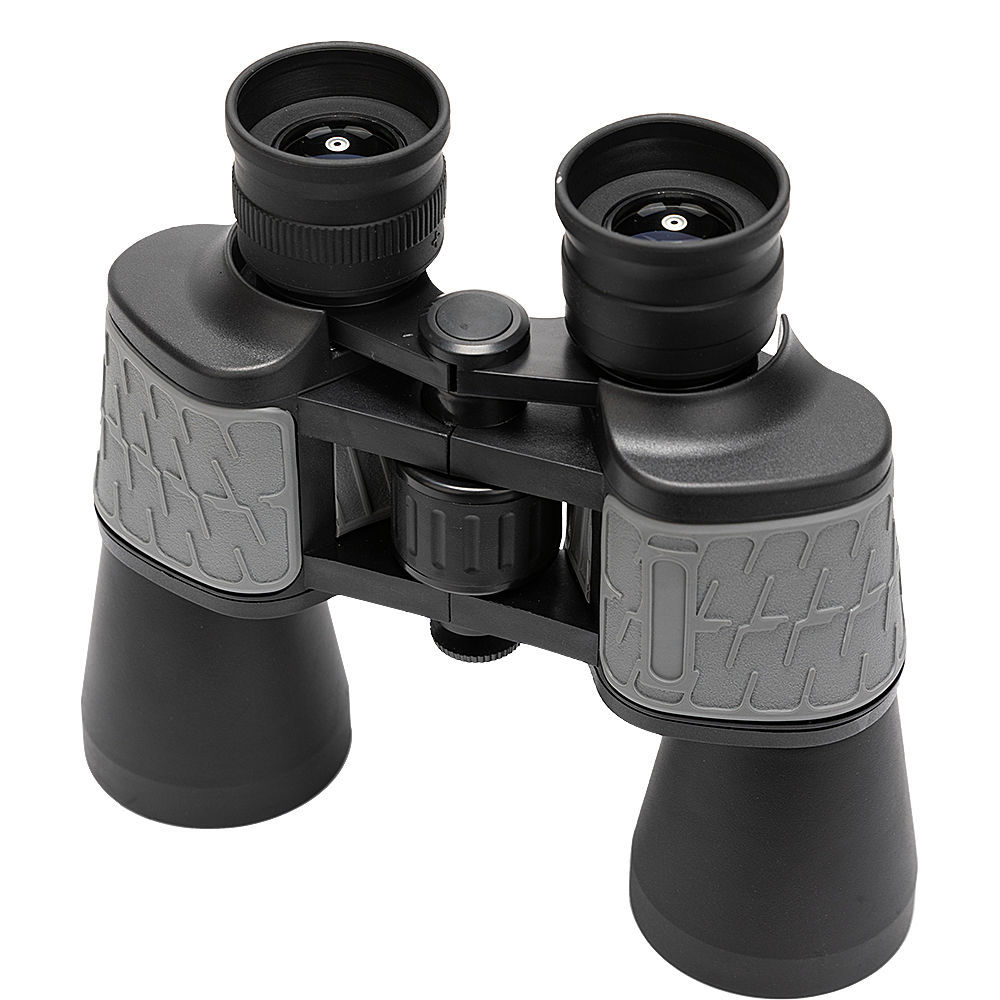
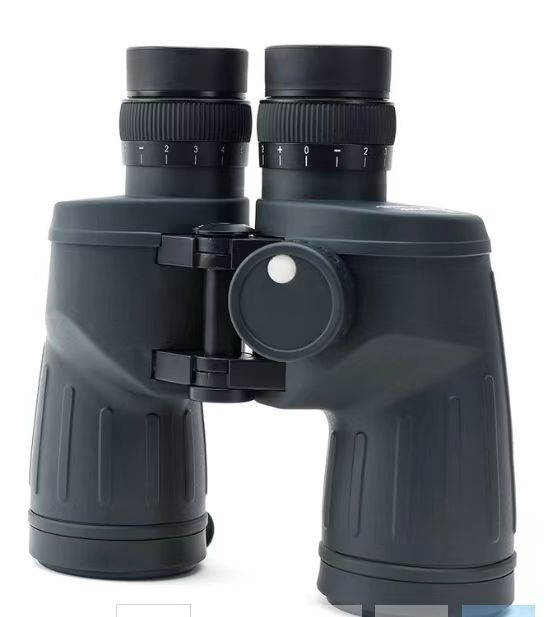
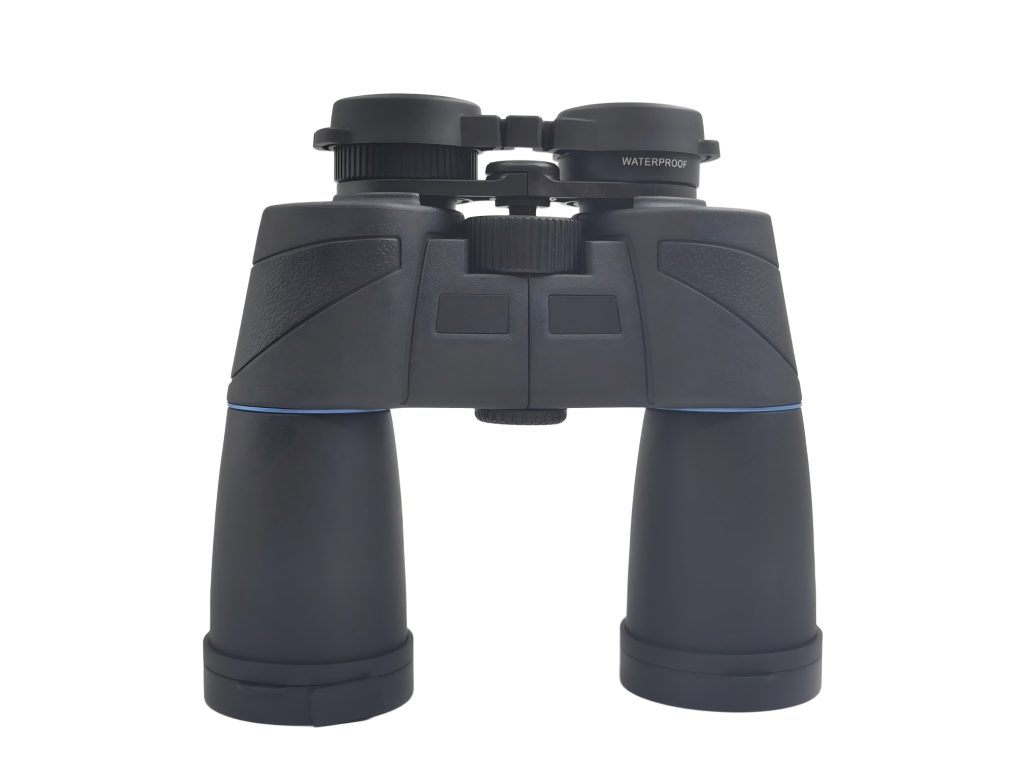
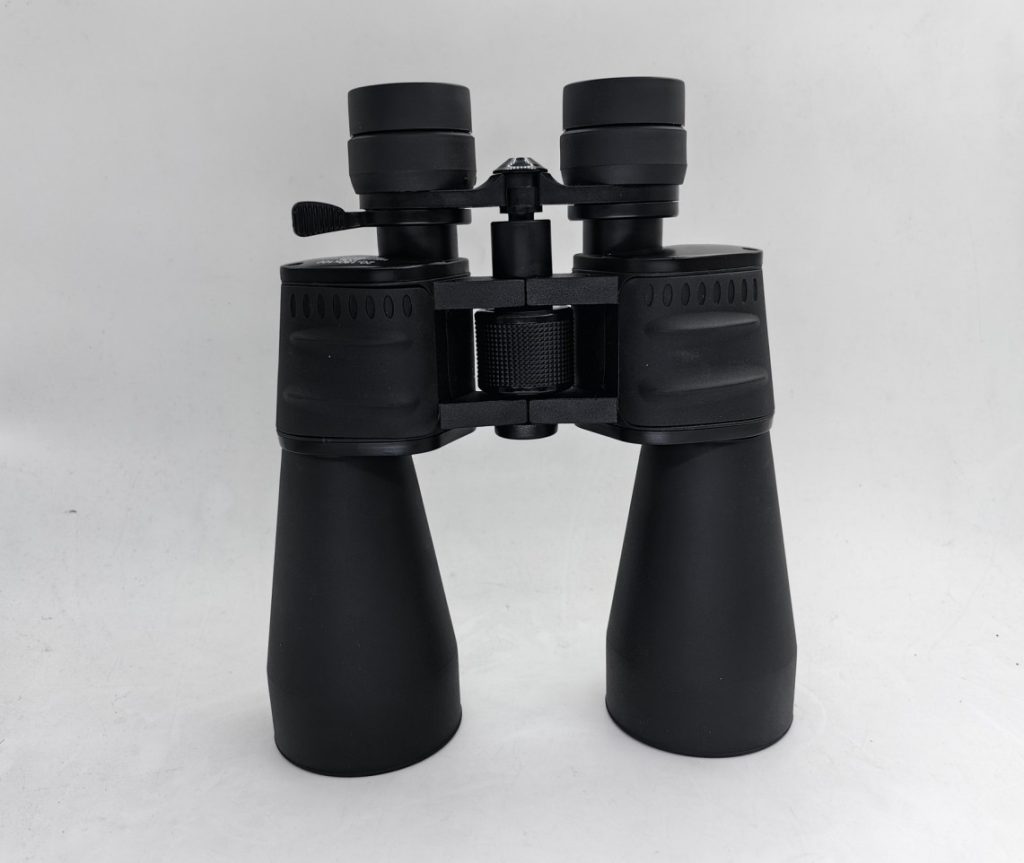
Why Is There No “One Pair for Everything” Answer, Even for Outdoor Observation?
The reason is actually simple: these four scenarios highlight completely different core problems.
For birdwatching, the biggest concerns are a narrow field of view, slow focusing, and fatigue during long viewing sessions. For hiking, the main problem is weight, size, and whether the binoculars are convenient enough to carry. For hunting, users worry more about unstable performance in low-light conditions, or whether the equipment is reliable enough in complex outdoor environments. For long-range observation, the key challenges are unclear details, an unstable image, and low efficiency during extended viewing.
In other words, these four groups of users are not simply ranking the same set of needs in a different order. They are dealing with four fundamentally different tasks.
Because the problems are different, the product routes also need to be different. Many beginners make mistakes when choosing binoculars because they mix these scenarios together and assume that a product with higher specifications can cover everything. In reality, the more you expect one pair of binoculars to do everything, the more likely it is to leave compromises in every scenario.
From a manufacturing perspective, the increasing segmentation of today’s product lines actually shows that the market is becoming more mature. Truly valuable product development is no longer about making an average, general-purpose product. It is about matching different user task models with much greater accuracy.

Six Key Factors: How to Judge Which Type of Binoculars Is Right for You
1. Start with the main use case, not magnification
This is the most important first step when choosing binoculars.
Are you mainly using them for birdwatching, hiking, hunting, or long-range observation? Different answers will directly change your selection criteria. Once the use case is clear, many specifications become much easier to understand.
If your purpose is unclear and you simply chase higher magnification or a larger objective lens, it is easy to end up with a product that looks powerful on paper but does not actually fit your real-world needs.
2. Field of view and focusing: birdwatchers should put these first
In birdwatching, the subject often moves quickly and unpredictably. Field of view and focusing efficiency usually affect the experience more than extreme magnification.
A wider field of view makes it easier to locate and follow the subject. Smoother focusing helps you capture short observation windows before the bird moves away.
If birdwatching is your main use case, these two factors should usually be near the top of your priority list.
3. Weight and size: hikers should never ignore them
Many people underestimate the cost of carrying binoculars. But for hiking, travel, and long periods of walking, weight and size almost directly determine how often the product will actually be used.
The right binoculars for hiking may not be the most powerful ones, but they should be the ones you are genuinely willing to take with you.
4. Low-light and weather resistance: hunters should focus on real-world performance
For hunting and more demanding field environments, conditions are often far from ideal. In these situations, system-level performance beyond the basic specifications becomes much more important.
Can the image remain clear in low-light conditions? Is the waterproof and fog-proof performance reliable? Is the outer structure durable enough? Does the grip feel stable and secure?
If your use environment is more complex, then being more dependable in real outdoor conditions matters more than having one impressive specification on paper.

5. Detail recognition and stable viewing: long-range users should prioritize these
The core task of long-range observation is to identify target details at a greater distance. This requires a better balance between sharpness, contrast, magnification, and stability.
In other words, long-range observation is not just about making the image look bigger. It is about whether you can see details clearly and steadily.
6. Product route: the real question is whether it matches your scenario
In the end, everything comes back to one key point: whether a pair of binoculars is worth buying does not depend on whether it is the strongest in every single specification. It depends on whether it best fits your main use case.
Birdwatching binoculars should focus on efficiency and comfort. Hiking binoculars should focus on portability and frequent use. Hunting binoculars should focus on reliability and weather resistance. Long-range observation products should focus on detail and stability.
Once you replace “specification worship” with scenario matching, many choices that once seemed complicated become much clearer.
My Overall Advice
Don’t Ask “Which One Is the Best?” Ask “Which One Fits Me Better?”
If there is only one takeaway to remember, it is this: no pair of binoculars is naturally perfect for everyone. There are only product routes that are better suited to specific use scenarios.
Birdwatching, hiking, hunting, and long-range observation may all belong to outdoor viewing, but the problems they need to solve are completely different.
So, the most effective way to choose binoculars is not to compare specifications first. It is to first define your main use case.
Once the scenario is clear, it becomes much easier to understand which specifications should be prioritized, which parts of the experience matter most, and which compromises are acceptable.
If You Are Planning to Upgrade, I Suggest Focusing on These Three Things
First, look at whether the product has been clearly optimized around your main use scenario, instead of only paying attention to high specifications in the marketing materials.
Second, pay attention to the real user experience, including field of view, focusing, weight, weather resistance, stability, and long-term viewing comfort. Many of the factors that truly affect satisfaction are hidden in these details.
Third, focus on the overall product route rather than one single specification. Products that are truly worth using for a long time are often the ones that achieve better system-level balance.
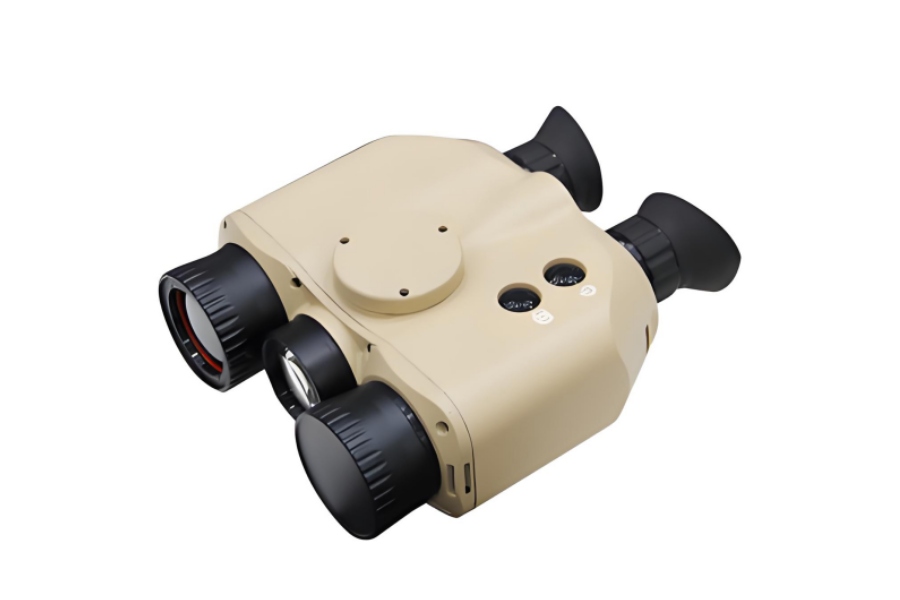
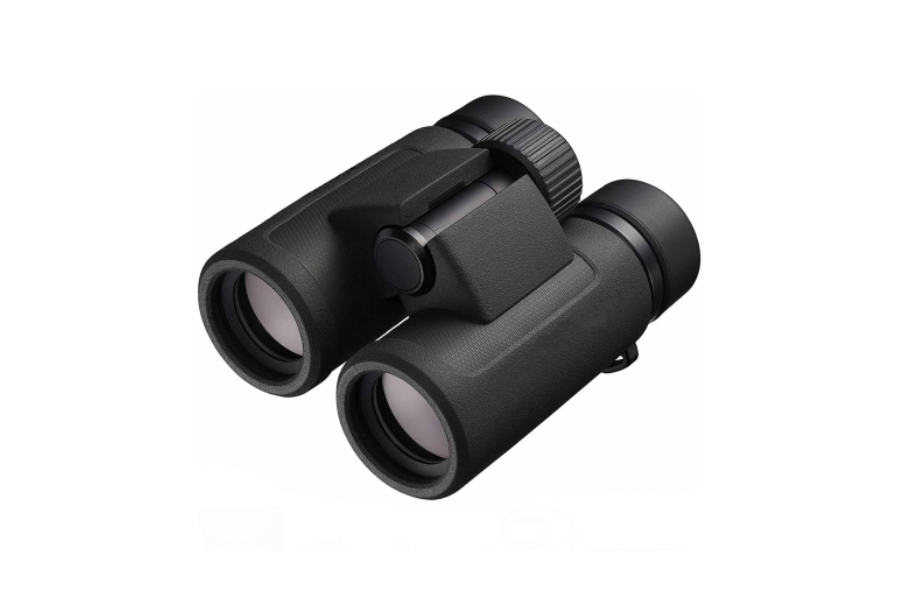
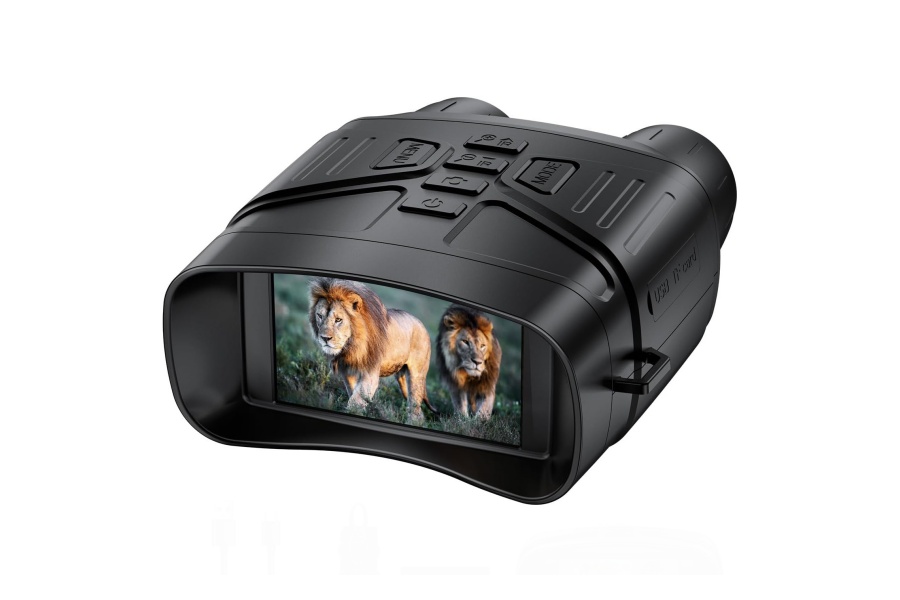
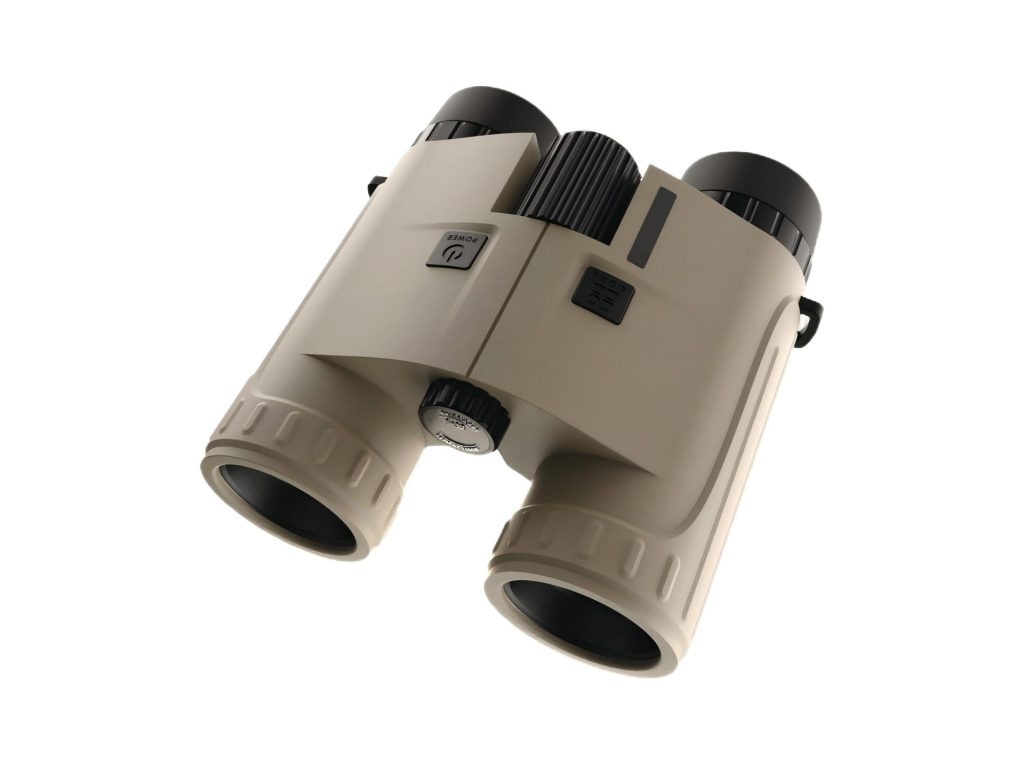
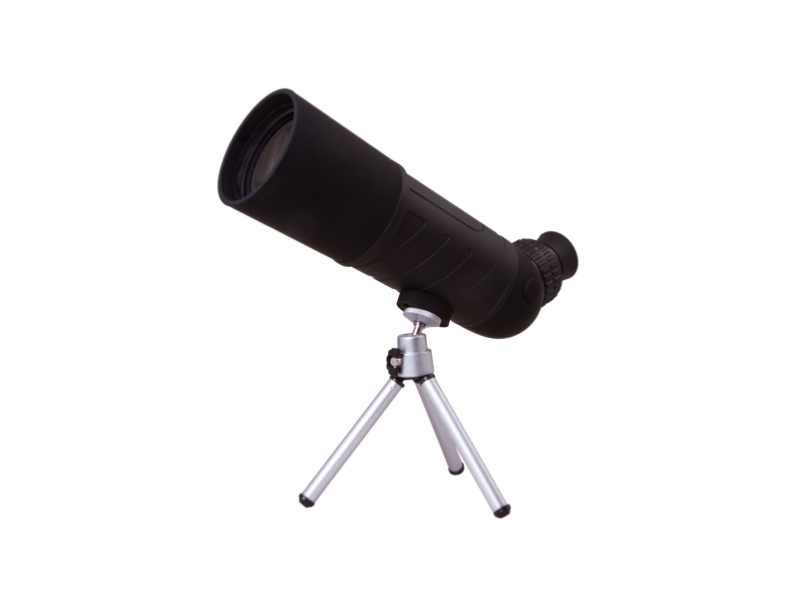
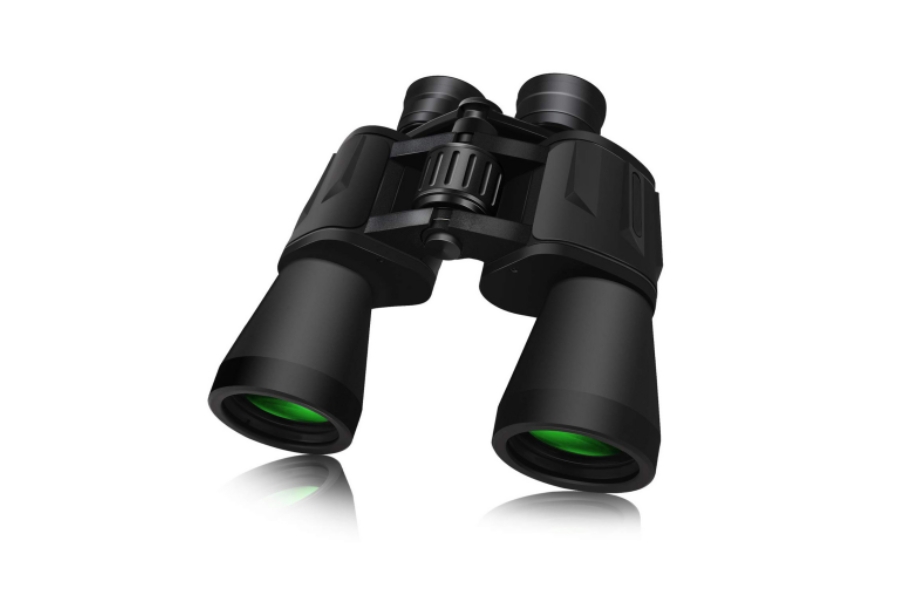
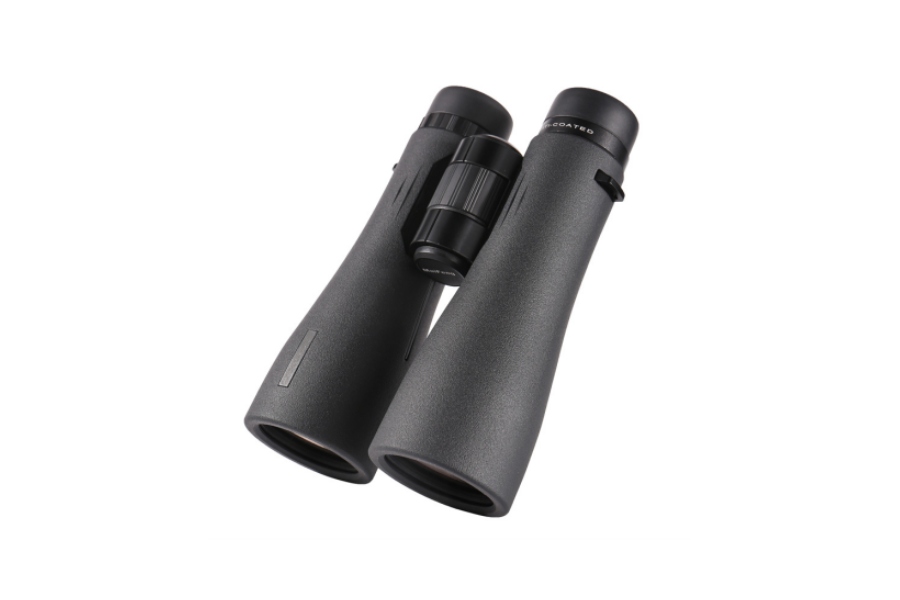
The core answer to what kind of binoculars are more suitable for birdwatching, hiking, hunting, and long-range observation is actually not complicated: different scenarios define a “good pair of binoculars” in completely different ways.
As long as you first understand your main use case and then choose according to the corresponding usage logic, many specification comparisons that once felt confusing will become much easier.
A truly good pair of binoculars is not necessarily the most expensive one or the one with the highest specifications. It is the one you are most willing to use over the long term, and the one that truly fits your scenario.