8×42 Describes Only the Basic Specification, Not the Product Grade
“8×42” indicates only 8× magnification and a 42 mm objective lens diameter. It does not tell the buyer what glass is used, how efficient the prism reflection is, whether the field of view is wide, whether the image remains sharp at the edges, or whether the focusing mechanism is stable. Nor does it show whether the product can maintain consistent performance after exposure to humidity, low temperatures, and long-term use.
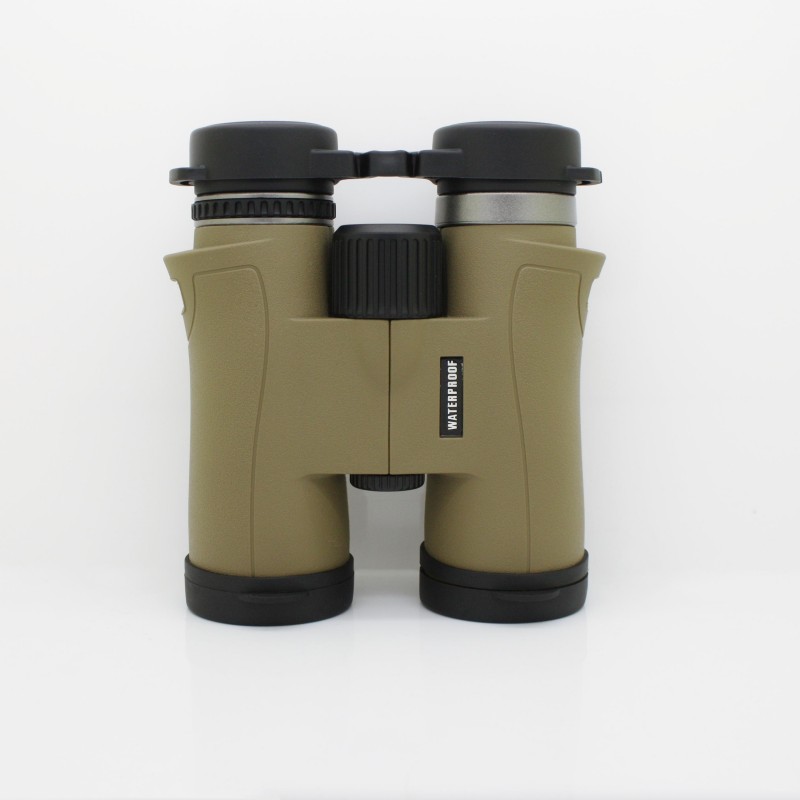
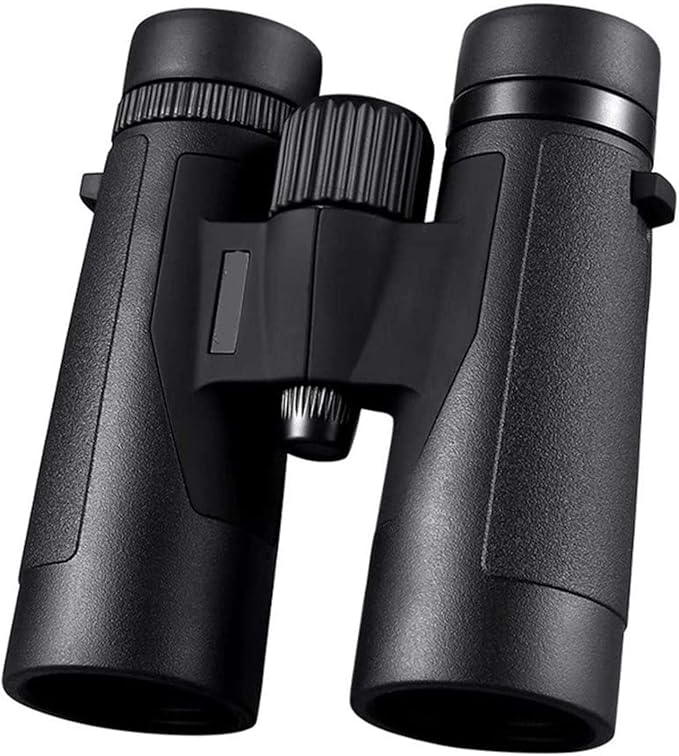
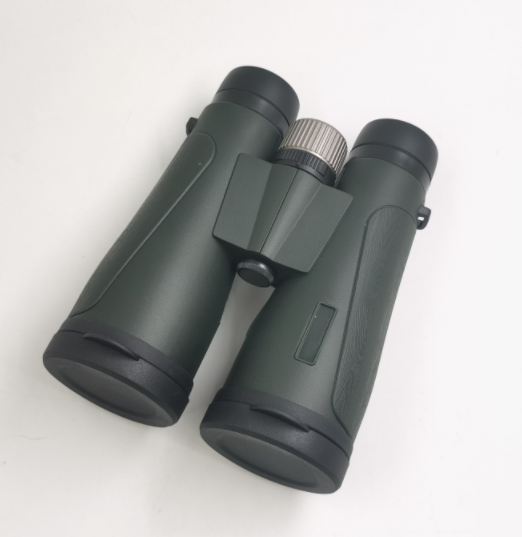
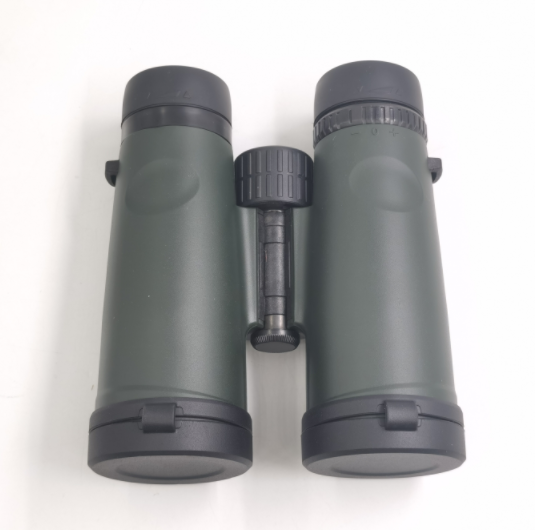
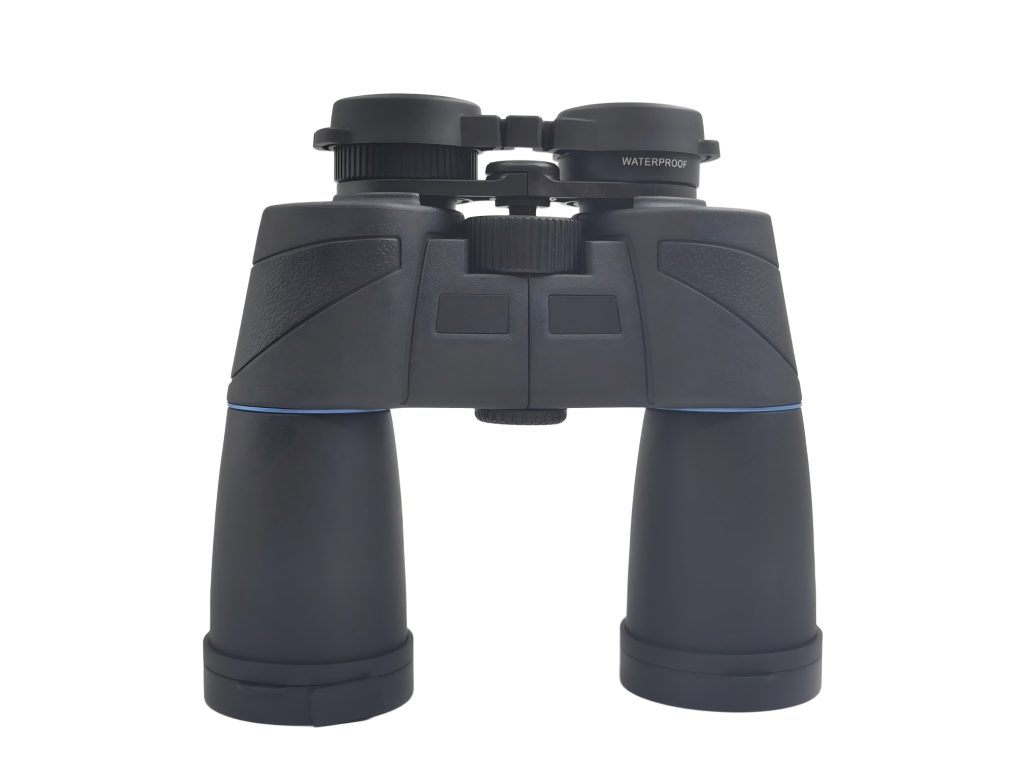
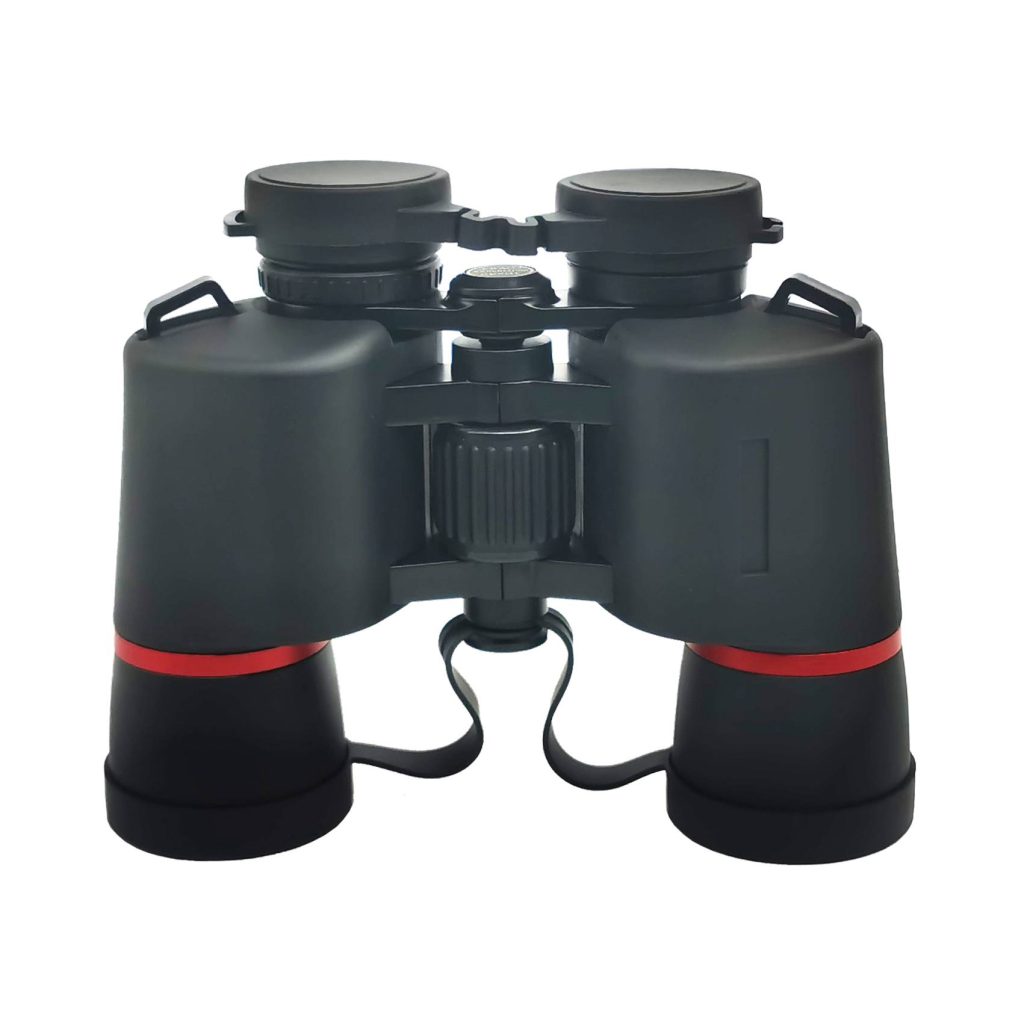
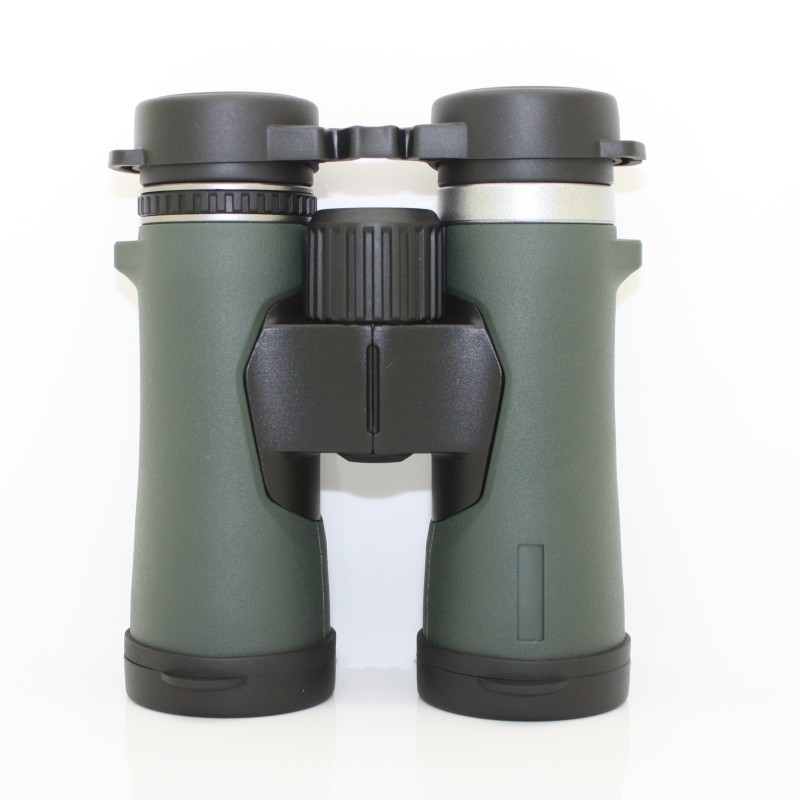
Two 8×42 binoculars with similar appearances can therefore use completely different BOM configurations, involve very different manufacturing challenges, and target different sales channels. For wholesalers and private-label brands, the real comparison is not the specification label, but the complete optical and mechanical solution.

Price Differences Begin with the Optical System
Glass and Aberration Control
Standard optical glass can provide basic image formation, but it is more likely to show purple fringing, washed-out contrast, or detail loss when viewing high-contrast targets, backlit scenes, or the edge of the image. ED low-dispersion glass, optimized eyepiece groups, and stricter aberration correction all increase material and development costs. ED glass is only one part of the system: if the prisms, coatings, and optical alignment are not upgraded at the same time, adding an ED label alone does not guarantee a visibly better image.
Prism and Coating Grades
Roof-prism binoculars are compact, but they depend more heavily on phase correction and high-reflectivity coatings. Nikon states that its dielectric high-reflective multilayer prism coating is designed to achieve reflectivity of more than 99%, helping improve brightness and color reproduction. Lower-cost products may use only a basic reflective coating or simplified lens-surface coatings. The difference may appear limited in bright daylight, but it becomes much more noticeable in shadows, at dawn and dusk, and under backlit conditions.
Field of View, Edge Performance, and Eye Relief
A wider field of view is not created by simply increasing one number. It requires the eyepiece design, prism clear aperture, and distortion control to work together. High-end 8×42 binoculars often also balance edge sharpness, comfortable panning, and effective eye relief for eyeglass wearers. The Swarovski NL Pure 8×42, for example, specifies a field of view of 159 m at 1,000 m, showing that premium products treat the usable viewing area as a core part of the experience rather than focusing only on magnification and objective diameter.
The Second Major Difference Comes from Mechanical Construction and Reliability
Body material, hinge strength, focus transmission, eyecup construction, sealing rings, and rubber armor all affect cost. Magnesium alloy or high-strength composite housings are generally lighter and more stable than ordinary plastic bodies. A more precisely engineered focusing mechanism can reduce backlash and maintain similar resistance after long-term use and exposure to low temperatures.
Waterproofing and nitrogen purging also cannot be judged by marketing terms alone. Products intended for hunting, birding, and outdoor retail channels should specify test depth, duration, temperature cycling, and the criteria used to judge internal fogging. Higher-grade structural solutions require more components, assembly time, and airtightness testing, but they can reduce wholesalers’ return rates and after-sales expenses.
Assembly Consistency Is the Most Easily Overlooked Factor
A single sharp sample does not mean that every unit in a production batch will be equally sharp. Optical-axis calibration, prism fixation, lens cleanliness, synchronized focusing, and the diopter zero position all depend on stable assembly and inspection processes. The stricter the requirements, the higher the costs of yield control, rework, and testing.
Low-cost solutions often reduce quotations by widening permissible tolerances, but the risk is then transferred to the wholesaler: focusing feel may vary within the same carton, while some units may show double images, inconsistent chromatic aberration, or loose eyecups. For buyers that provide branded warranties and channel commitments, mass-production consistency is usually more important than the maximum performance of a single sample.
From a B2B Perspective, What “Invisible Costs” Are Included in the Price?
| Cost Dimension | Entry-Level 8×42 | Mainstream 8×42 | Mid-to-High-End 8×42 |
| Optical Configuration | Standard glass and conventional coatings | More complete multilayer coatings and phase correction | ED glass, dielectric coatings, and stronger aberration control |
| Construction and Protection | Plastic housing and basic rain resistance | Waterproof, nitrogen-purged construction with stable eyecups and hinge | Lightweight high-strength housing, strict airtightness, and weather resistance |
| Mass-Production Control | Basic cosmetic and functional sampling inspection | Sampling inspection for collimation, focusing, and waterproofing | Tighter tolerances, batch records, and multiple inspection procedures |
| B2B Value | Suitable for promotions or price-sensitive channels | Suitable as a core private-label model for mainstream outdoor retail | Suitable for professional channels, brand upgrades, and a low-after-sales positioning |
How Can Wholesalers Decide Whether a Higher Price Is Worth It?
• Ask the supplier to itemize the configuration, including the glass, prisms, phase coating, reflective coating, body material, waterproof rating, and accessories.
• Blind-test samples with different configurations under the same lighting and target conditions, with particular attention to backlight, shadows, edge performance, and extended viewing comfort.
• Retain a Golden Sample and include collimation, focusing resistance, eyecup performance, appearance, and packaging in the mass-production acceptance standard.
• Calculate the total procurement cost by including MOQ, AQL requirements, rework responsibility, and warranty expenses rather than comparing only the EXW unit price.
Based on the target retail price, sales channel, and order volume, FORESEEN OPTICS can match buyers with entry-level, mainstream, or ED-upgraded 8×42 solutions and provide OEM/ODM options for logos, colors, packaging, waterproofing, and accessories.
Conclusion
Two 8×42 binoculars may differ in price by two or three times not because the buyer is being charged repeatedly for the same magnification and objective diameter, but because the products use different solutions for glass, coatings, field of view, construction, protection, assembly tolerances, and after-sales support. In wholesale procurement, the right approach is not to search for the “cheapest 8×42,” but to confirm whether each cost item translates into an experience genuinely required by the target channel and a lower long-term business risk.