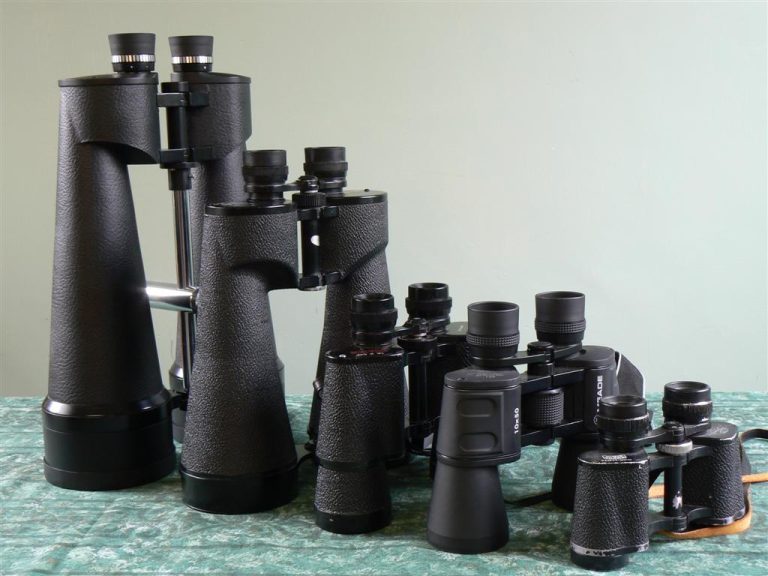
Porro binocular

What Quality Problems Commonly Appear After Long-Term Binocular Use?

Long-Term Quality Problems Are Often Invisible at the Sample Stage A new binocular may appear sharp, smooth, and flawless during short-term evaluation, but differences in materials and assembly often emerge only after repeated focusing, outdoor temperature changes, rain, sweat, UV exposure, and transportation vibration. For wholesalers and private-label brands, the real question is not whether…

Binoculars with Red-Coated Lenses

What Determines Binocular Image Clarity? It Is More Than Lens Coatings

First, Distinguish Clarity from Brightness Consumers often interpret a brighter image or more attractive reflections from the lenses as “greater clarity.” In reality, viewing quality includes at least detail resolution, contrast, color fidelity, edge performance, backlight control, and comfortable binocular viewing. Coatings mainly reduce reflections, increase light transmission, and improve contrast, but they cannot independently…

Phase-Correction and Dielectric Coatings Are Mainly Used in High-Performance Roof-Prism Systems

How Do Phase-Correction, Dielectric, and Standard Coatings Affect the Binocular Experience

The Three Coating Types Do Not Solve the Same Problem In binocular specification sheets, “fully multi-coated,” “phase-correction coating,” and “dielectric high-reflective coating” are often listed in the same section, which can lead buyers to assume that they are simply different grades of the same treatment. In reality, they are applied in different locations and solve…

The Exit Pupil Can Be Observed Directly from the Eyepiece End

What Is the Difference Between BAK4 and BK7 Prisms? Is BAK4 Always Necessary for Wholesale Purchasing?

The Bottom Line: BAK4 Usually Offers Advantages, but It Is Not Mandatory for Every Order In the binocular market, BAK4 is commonly regarded as a higher-grade prism glass than BK7. This view has a technical basis: under the same structural and dimensional conditions, BAK4’s higher refractive index provides a greater margin for total internal reflection,…

How Can You Tell Whether a Binocular Supplier Is a Genuine Manufacturer or a Trading Company?

How Can You Tell Whether a Binocular Supplier Is a Genuine Manufacturer or a Trading Company?

First, Be Clear: A Trading Company Is Not Necessarily Unreliable, and a Manufacturer Does Not Need to Perform Every Process In-House International buyers often treat “factory” and “trading company” as direct indicators of quality, but this is not accurate. A professional trading company may have excellent supply-chain integration, communication, and after-sales capabilities, while some manufacturers…

How Should Buyers Balance MOQ, Price, and Quality When Sourcing Binoculars?

How Should Buyers Balance MOQ, Price, and Quality When Sourcing Binoculars?

MOQ, Price, and Quality Are Not Three Independent Conditions When sourcing binoculars, buyers often hope to obtain a low MOQ, a low unit price, and a high specification at the same time. However, each of these goals follows a different production logic. When the MOQ is too low, fixed costs such as raw-material purchasing, production-line…

Importing Binoculars from China for the First Time: What Do Buyers Most Often Overlook?

Importing Binoculars from China for the First Time: What Do Buyers Most Often Overlook?

The Biggest Problems in a First Import Often Have Little to Do with the Product Itself Many buyers focus most of their attention on magnification, price, and logo design, only to confirm the customs-declaration entity, import duties, packaging labels, or destination-port charges after production has been completed. The result may be finished goods accompanied by…

LIDW Roof Binoculars LIDW8X42

Why Can Two 8×42 Binoculars Differ in Price by Two or Three Times?

8×42 Describes Only the Basic Specification, Not the Product Grade “8×42” indicates only 8× magnification and a 42 mm objective lens diameter. It does not tell the buyer what glass is used, how efficient the prism reflection is, whether the field of view is wide, whether the image remains sharp at the edges, or whether…

Professional Porro telescope eyepiece display

Binocular Sample Testing Guide: What Should International Buyers Test?

The Purpose of Sample Testing Is Not Simply to Confirm “Whether You Can See Clearly” When international buyers receive binocular samples, the most common approach is to check image clarity, turn the focus wheel, and inspect the appearance. For wholesalers, importers, and private-label brands, however, sample testing must answer three more important questions: Is the…

Children's outdoor binoculars

Is There Still a Market for Entry-Level Binoculars? How Wholesalers Can Avoid Competing on Price Alone

The Entry-Level Market Has Not Disappeared—But “Cheap” No Longer Means “Easy to Sell” Entry-level binoculars still serve as an important gateway to the market. First-time birders, travelers, sports spectators, nature education organizations, promotional-gift buyers, and outdoor retailers looking to add accessible SKUs all need products that are affordable and easy to use. In 2026, Nikon continued…

End of content

End of content