For decades, the AK-47 and its variants have been celebrated for their legendary reliability, ruggedness, and hard-hitting performance. However, if there is one area where the traditional Kalashnikov platform leaves shooters wanting more, it is optics integration.
Historically, slapping a red dot onto an AK meant dealing with high-riding side mounts or bulky top rails that forced your head into an awkward, floating position. But things are changing fast. If you look at modern AK builds today—whether on the competitive range or in tactical training courses—you will notice a major shift toward low-profile red dot configurations. Let’s dive into why this setup has transformed from a niche modification into the definitive modern standard.
The Traditional AK Dilemma: Ergonomics vs. Optics
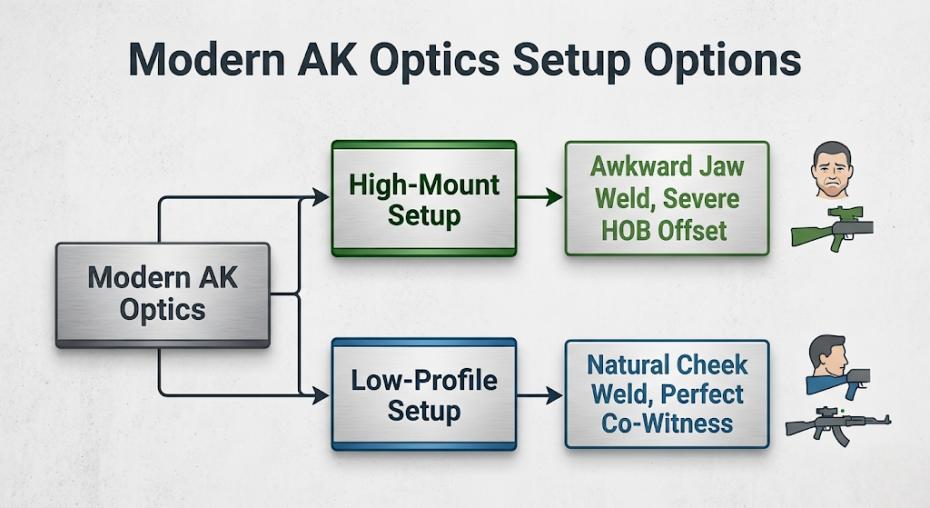
To understand why low-profile optics are dominating the market, we have to look at the geometry of the rifle itself. The AK was originally designed in the late 1940s with a low stock drop and a very low line of sight intended strictly for iron sights.
When shooters try to adapt modern AR-height optics to this platform using standard Picatinny adapters, it disrupts the entire ergonomic flow of the rifle. Instead of a solid, repeatable cheek weld where your face presses firmly against the stock, you get a “jaw weld” or a completely floating head. Without that stable third point of contact, managing the unique, forward-heavy recoil impulse of the 7.62x39mm round becomes a constant battle. The dot jumps completely out of your field of view during rapid fire, slowing down your follow-up shots and causing unnecessary fatigue.
Tactical Scenario Comparison: High-Mount vs. Low-Profile Setup
In a defensive situation or a high-intensity shooting stage, split seconds decide your success. Comparing how these two setups handle identical physical challenges makes the choice clear.
Scenario 1: Close Quarters Engagement & First Shot Duration
Imagine navigating a tight indoor environment or a shoot-house stage where targets appear suddenly at short ranges.
- With a traditional high-mount setup: When you punch the rifle out, your muscle memory naturally places your cheek low on the stock. Your eye aligns with the iron sights, forcing you to consciously lift your head to search for the elevated red dot. This creates a lag in your “Time to Target.”
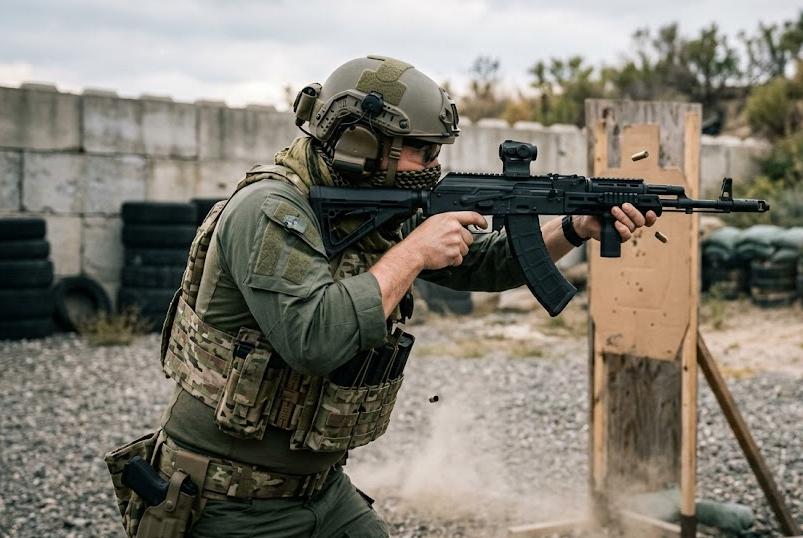
- With a low-profile setup: The optic axis perfectly mimics the factory iron sights. The moment the stock touches your face, the red dot is already resting right on your target. It delivers a blazing-fast, instinctive presentation.
Scenario 2: Dynamic Tracking & Shooting on the Move
Engaging multiple moving targets while transitioning between barricades requires maximum body-to-rifle synchronization.
- With a traditional high-mount setup: Because your head is floating without a solid anchor point on the stock, your eye moves independently from the gun as you run or pivot. The red dot bounces erratically inside the optic window, making it incredibly difficult to track a moving target.
- With a low-profile setup: Your face is locked to the rifle. Because your head and the receiver move as a single unit, the red dot stays centered in your vision even while your body is in motion, allowing for smooth, continuous tracking.
Core Tactical Advantages of Low-Profile AK Optics
Beyond sheer comfort, dropping your optic closer to the dust cover yields massive mechanical and ballistic benefits.
Minimizing Height Over Bore (HOB) Offset
Height Over Bore refers to the physical distance between the center axis of your optic and the center axis of your gun barrel. Because bullets travel in an arc while your line of sight is a straight line, a massive HOB distance introduces severe point-of-impact (POI) deviations at close ranges.
If your optic sits 7.5 cm (3 inches) above the bore, a shot taken at a target 5 meters (16 feet) away will strike significantly lower than where your red dot is pointing. In high-stress situations, a shooter does not have the cognitive bandwidth to calculate manual holdover corrections. A low-profile optic keeps this distance to an absolute minimum, ensuring your point of aim closely matches your point of impact from arm’s length out to extended distances.
Maximizing Situational Awareness via Both-Eyes-Open Shooting
Modern tactical doctrine emphasizes keeping both eyes open while shooting to maintain maximum peripheral vision and situational awareness. When a small, lightweight micro red dot is mounted ultra-low, its frame virtually disappears into your peripheral field. You do not experience the massive blind spots caused by bulky legacy scopes or towering adapter blocks.
Snag-Free Profiles for Tight Spaces
Working inside vehicles, extracting from tight transport compartments, or moving through dense brush puts your gear at risk of catching on external obstacles. High-riding optics act as literal magnets for slings, plate carrier straps, and vegetation. A streamlined, low-profile rifle slips cleanly through tight spaces without hang-ups.

The Ultimate Redundancy: Absolute Iron Sight Co-Witness
In tactical environments, electronics can fail due to battery depletion, extreme impact, or thermal shock. This is where the concept of a co-witness setup becomes a literal lifesaver.
When you utilize a properly engineered low-profile mount, the factory AK front sight post and rear sight leaf align perfectly within the lower third or absolute center of your red dot glass. If your optic goes dark, you do not need to waste time ripping a quick-detach lever open or fumbling with tools to clear your view. You simply shift your focus down and continue using your mechanical iron sights seamlessly through the window.
Technical Solutions: How to Achieve the Low-Profile Setup
Achieving this streamlined configuration depends entirely on how you choose to interface the optic with your rifle. As a leading professional ak red dot manufacturer, Foreseen engineers distinct mounting and optical systems tailored to different operator preferences:
- Rear Sight Tower Replacements: This method removes the factory rear leaf sight entirely and replaces it with a dedicated miniature rail block. It yields the absolute lowest mounting height possible on an AK, making true absolute co-witness incredibly easy to achieve.
- Railed Gas Tubes: Replacing the upper handguard gas tube with a railed variant moves the optic forward over the barrel. This “Scout-style” positioning provides unlimited eye relief and leaves the top of the receiver completely clear for maintenance, though it does shift some weight out toward the muzzle.
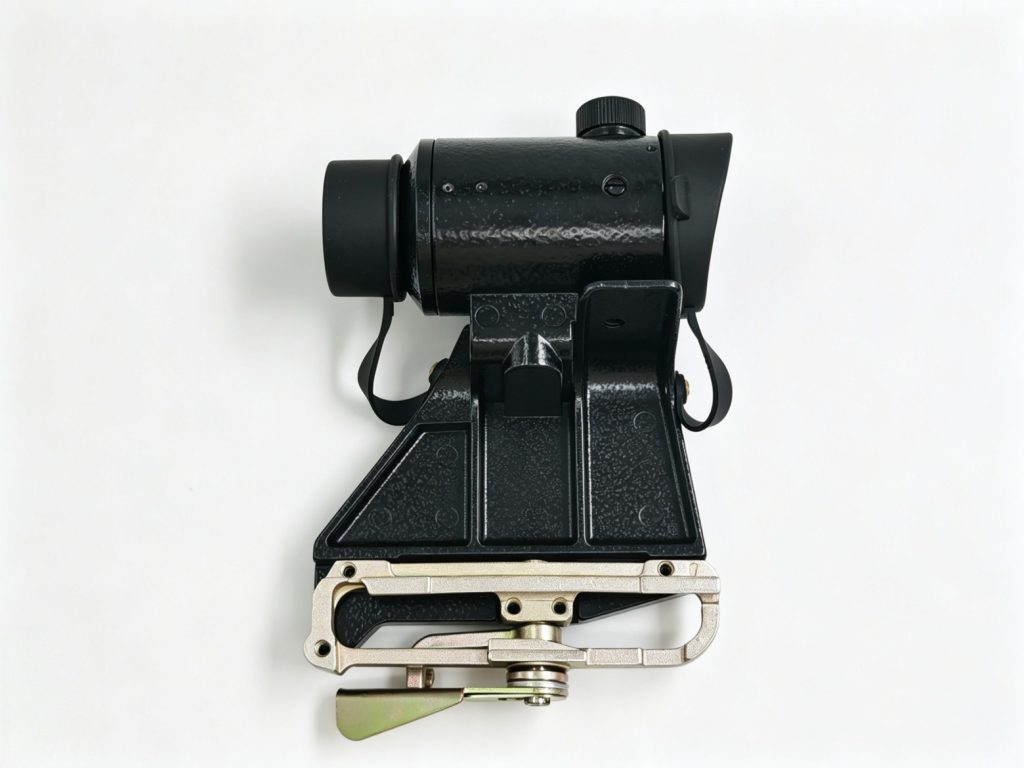
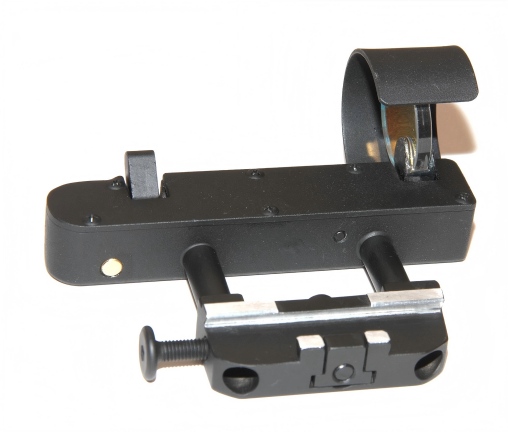
- Optics-Ready Over-Bore Side Mounts: Utilizing the traditional left-side receiver rail, these premium mounts swoop tightly over the top of the dust cover. A well-engineered side mount sits fractions of a millimeter above the metal, allowing quick removal while maintaining a remarkably low line of sight.
| Mounting Solution | Key Strategic Advantage | Potential Trade-off |
| Rear Sight Replacement | Absolute lowest axis; effortless co-witness | Loses traditional rear leaf adjustability |
| Railed Gas Tube | Maximum receiver clearance; forward eye relief | Optic runs hotter; forward weight bias |
| Low-Profile Side Mount | Retains quick-detach capabilities; no gunsmithing | Adds minor bulk to the left side of the receiver |
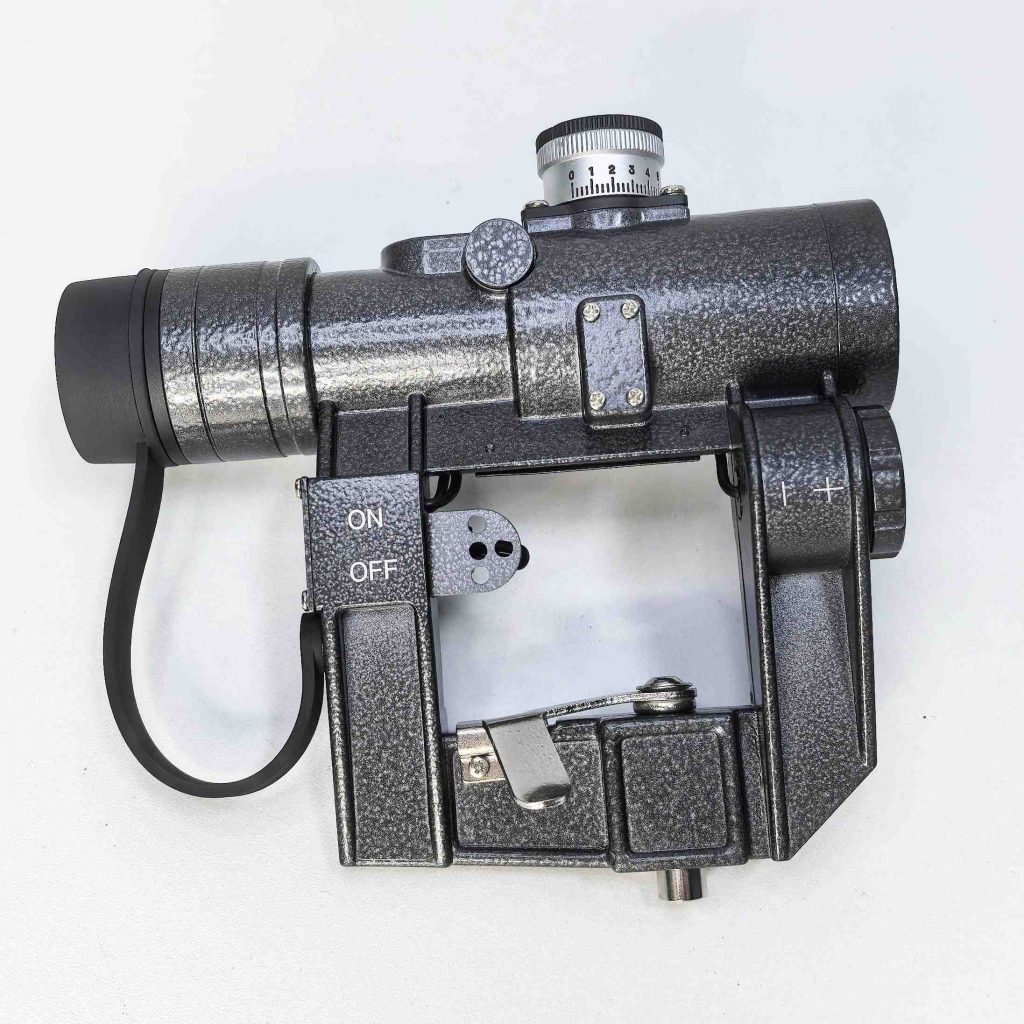
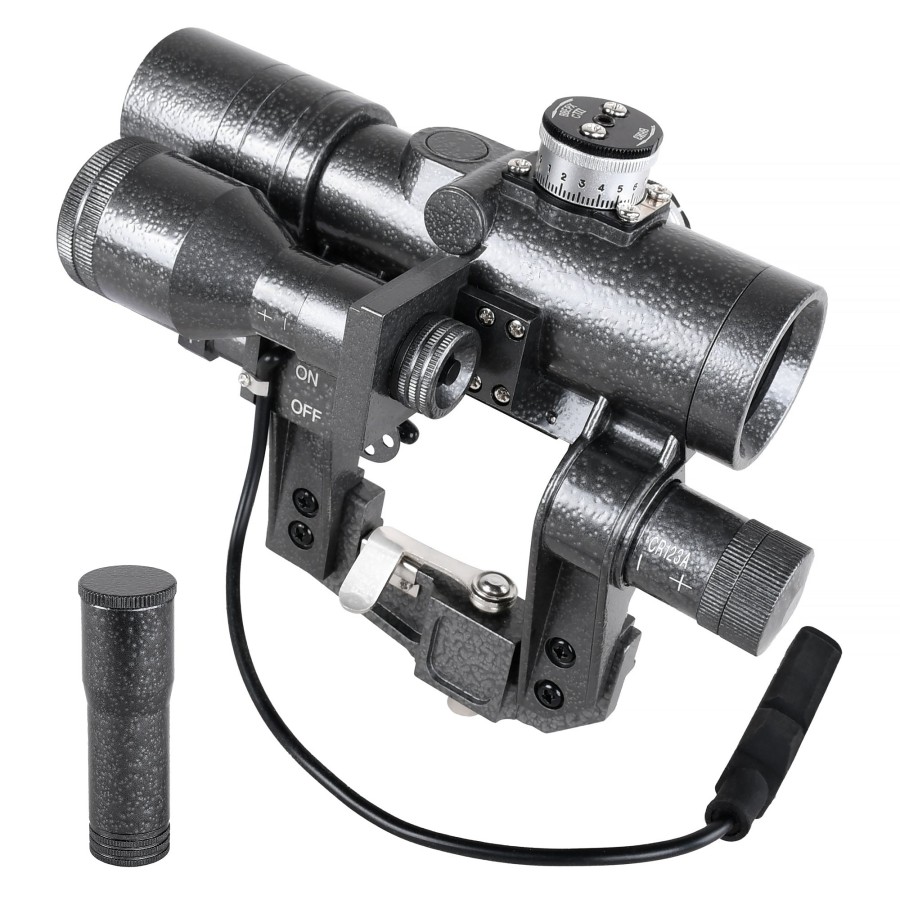
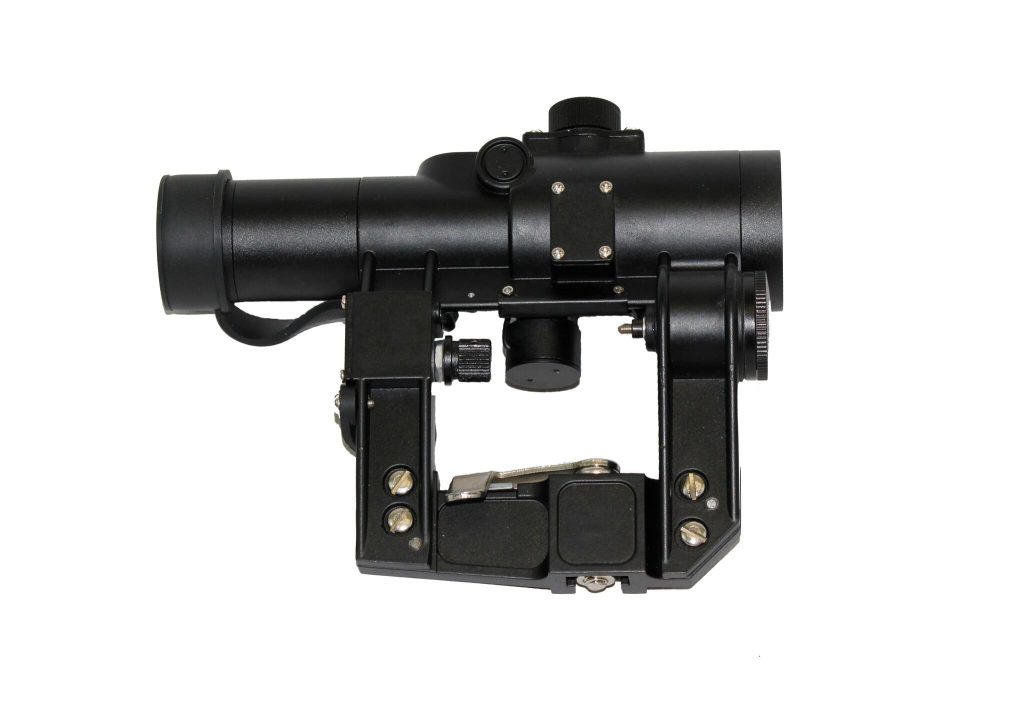
For shooters utilizing dedicated traditional side-plate systems, heavy-duty integration remains highly popular. Options like the Foreseen AK/SVD Dedicated Red Dot platforms offer a ruggedized, single-piece solution that locks straight onto the side rail, placing a crisp aiming dot right above the bore line without stacking multiple loose adapters.
Choosing the Right Low-Profile Optic for Your Build
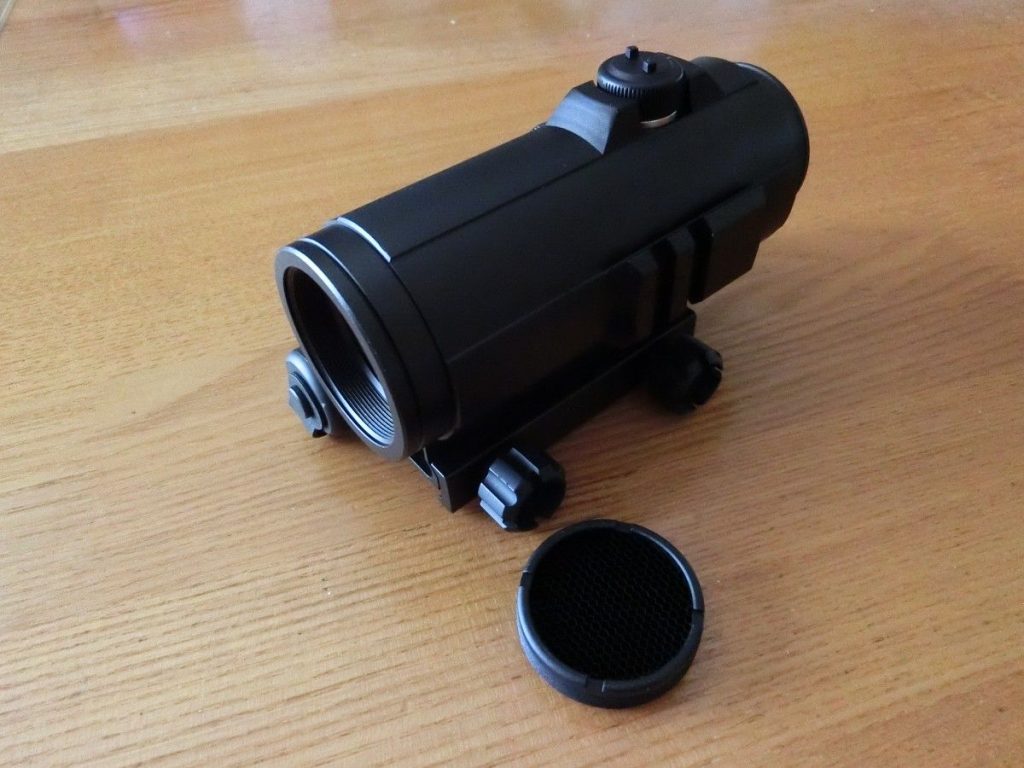
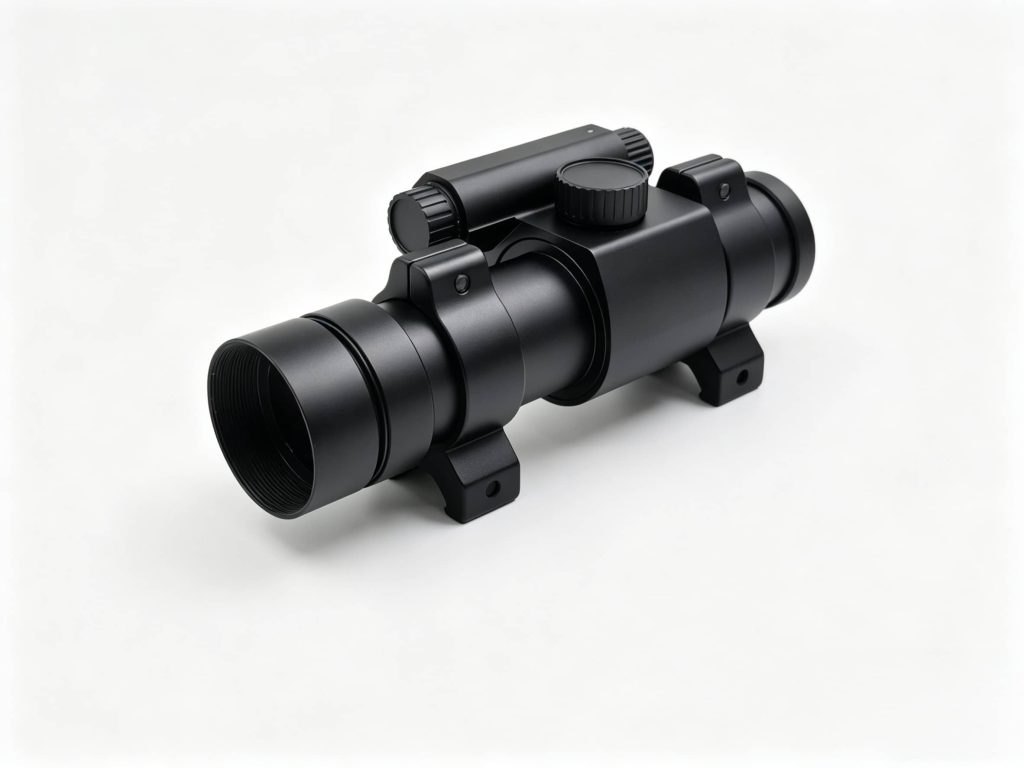
Not all red dots can sit low enough to rescue your cheek weld. Traditional tube-style sights often have thick built-in bases that raise the optical axis automatically. To get the best results, modern builders typically look at two specific form factors:
1. Reflex Sights with Wide Objective Fields
Open reflex sights offer massive, unrestricted viewing windows while keeping the bottom housing incredibly slim. Models featuring a wide objective window—like the Foreseen 1x Reflex Red Dot Sight (34 mm Optic) or open-frame target systems—give you an incredibly generous field of view. This makes tracking targets smooth and intuitive, even when the optic is pinned extremely close to the receiver top.
2. Ultra-Compact Enclosed Micro Dots
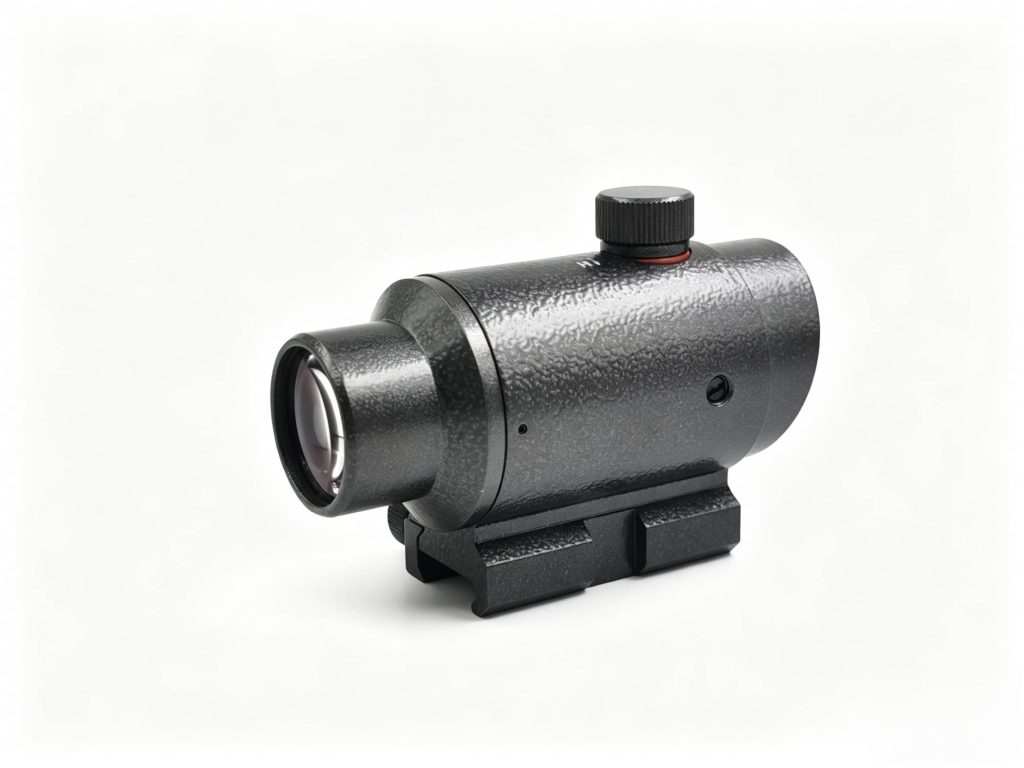
If you frequently shoot in muddy, dusty, or wet conditions, an enclosed micro dot is tough to beat. By utilizing a miniature footprint, these sights can sit inside ultra-low profile ring mounts or low Picatinny bases. They give you all the weatherproofing of a sealed housing without the excessive height or weight of traditional tactical scopes.
Upgrading Your Rifle for Peak Efficiency
Modernizing an AK build isn’t about turning it into an AR—it is about unlocking the true ergonomic potential that the platform always possessed. By switching to a low-profile red dot setup, you solve the chronic issues of poor cheek weld, awkward height over bore, and slow target recovery in one clean sweep. It preserves the classic, compact handling characteristics of the rifle while providing the lightning-fast speed required in modern shooting environments.
Are you ready to fix your cheek weld and elevate your rifle’s tactical capabilities? Explore the professional range of ruggedized optics at the Foreseen AK Red Dot Sight Hub to find the perfect low-axis aiming solution built to withstand the harshest field conditions.